A countertop blender is good at one thing above all: turning a jar of liquid and solids into something smooth. It is also big, loud and awkward to clean, and plenty of kitchens either do not have room for one or only need it for a few jobs a month. If that is you, there is almost always a smaller tool that handles the job you actually do.
This guide looks at each blender alternative by the job it replaces: pureed soups and beans, chopped salsas, single smoothies, whipped cream and batters, protein shakes and a stone-ground salsa. For each we say how close it gets to a blender, where it falls short and which model from a known maker to buy.
Julia’s earns a commission on purchases made through links on this page, at no cost to you. Recommendations are based on what a restaurant kitchen looks for, product specifications and verified buyer reports.
Why cooks go looking for a blender alternative
The reasons tend to fall into four groups, and each one points to a different tool.
- Hot food. Pureeing a pot of black bean soup or a cooked tomato and chile sauce in a countertop jar means ladling it in batches. America’s Test Kitchen, in its June 2025 immersion blender review, puts it plainly: “Anyone who has pureed hot soup in a countertop blender knows it can be a hassle.” A stick blender works in the pot.
- Small batches. One smoothie or a cup of salsa barely covers the blades of a 64-ounce jar.
- Space and cleanup. A blender base and jar take a corner of the counter, and the jar, lid and blade assembly all need washing.
- Texture. Some jobs are better without a blender at all. A salsa crushed in stone or chopped with an S-blade keeps more body than one run smooth in a jar.
Be clear about what you give up. The same America’s Test Kitchen review notes that immersion blenders “don’t always blend as smoothly” as a countertop machine: its favorite stick blenders left tiny bits of kale in a smoothie that the countertop favorites did not. And in its April 2026 personal blender review, America’s Test Kitchen says those compact machines “lack the power needed for the tougher jobs” and “can’t blend hot ingredients, as steam can build up.” If you make frozen margaritas for a crowd or silky nut sauces every week, a full blender is still the right tool, and our best blender guide covers the ones worth buying.
Quick verdict: the best blender alternative
For most kitchens, the best blender alternative is a good stick blender such as the Braun MultiQuick Vario 5: it purees soups, beans and cooked salsas right in the pot, handles a small smoothie in a tall cup and stores in a drawer. If you also want to chop, slice and shred, the Breville All in One pairs a stick blender with a 6-cup processor bowl. For one cold smoothie at a time, the Oster MyBlend Plus blends in the bottle you drink from. A PriorityChef granite molcajete covers salsa and guacamole with no plug, a KitchenAid 7-Speed hand mixer takes over whipping and batters, and a BlenderBottle is all you need for powdered shakes.
Five tools that stand in for a blender, side by side
Our five standout picks, one per job, with the capacity and power each maker or listing states. All six tools are reviewed in full below.
| Tool | Replaces | Best for | Stated capacity or power | Buy on Amazon |
|---|---|---|---|---|

Braun MultiQuick Vario 5 Hand BlenderBest overall
|
Pureeing in the pot | Soups, beans, cooked salsas | 500 W, 21 speeds plus turbo | View on Amazon |

Breville All in One Processing StationBest for chopping too
|
Pureeing and chopping | Chunky salsa, slaw, soup | 6-cup bowl, 18 slice settings | View on Amazon |

Oster MyBlend Plus Personal BlenderBest for one smoothie
|
Single-serve blending | Cold smoothies, shakes | 20-oz bottle, 500 W | View on Amazon |

PriorityChef Granite Molcajete, 2-CupBest no-plug salsa tool
|
Salsa and paste blending | Guacamole, salsa, spice pastes | 2 cups, 6.1-inch bowl | View on Amazon |
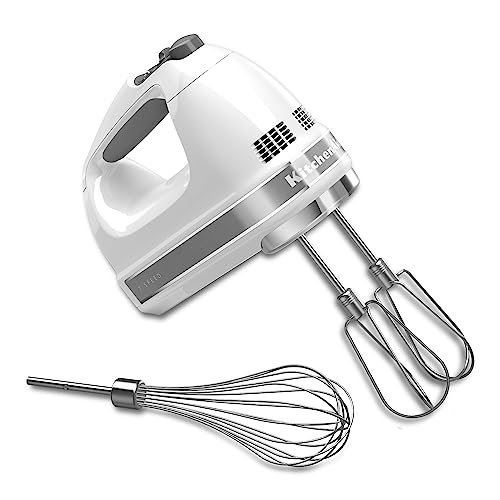
KitchenAid 7-Speed Hand MixerBest for whipping
|
Whipping and batters | Cream, egg whites, batters | 7 speeds, Pro whisk | View on Amazon |
Which tool replaces which blender job
Match the tool to the job before you buy. This is the short version of the reviews below.
- Hot soups, refried beans, cooked salsas and sauces: a stick blender, used right in the pot. This is the job where an alternative is often better than the blender itself.
- Chunky salsa, pico-style chopping, slaw: a food processor bowl with an S-blade or slicing disc. It chops rather than purees.
- One cold smoothie or shake: a personal blender, or a stick blender in a tall cup. Neither is built for hot food or a big batch of ice.
- Guacamole, salsa molcajeteada, garlic and spice pastes: a molcajete. Slower, but the texture is the point.
- Whipped cream, egg whites, pancake and cake batters: a hand mixer.
- Protein and powdered drink mixes: a shaker bottle with a whisk ball. No blades, no plug.
Two jobs have no good substitute: frozen drinks in volume and very smooth nut or seed sauces, such as a pipián. That is general kitchen sense, and it is why we would not tell a margarita-night household to give up its blender.
Six tools to use instead of a blender
1. Braun MultiQuick Vario 5 Hand Blender – Purees Right in the Pot
A stick blender is the closest thing to a blender you can keep in a drawer, and it does one job better than a jar: pureeing hot food where it cooks. The Braun MultiQuick Vario 5 (model MQ50202M) has a 500-watt motor, 21 speeds and a turbo boost, per the listing. Its bell-shaped blending shaft has six inner ribs, which Braun says puts more food in contact with the blades, and Braun’s SplashControl design is meant to cut down on spatter.
That bell shape matters. America’s Test Kitchen found that “bell-shaped blade guards allowed food to flow freely around the guard,” and that guards with vents “caused excess splattering.” Its winning stick blender was a different Braun, the MultiQuick 5; this Vario 5 was not in that review, so treat the design notes as the reason to look at it, not as a test result.
Use it for a pot of black bean soup, a pan of refried beans, or roasted tomatoes and chiles straight off the comal. It will also make a small smoothie in a tall cup, though not as silky as a countertop jar. The listing title names a chopper, whisk and masher; one bullet calls the EasyClick accessories sold separately, so check what ships with the listing before you buy.
Why we like it
- 500 W motor with 21 speeds and turbo, per the listing
- Bell-shaped shaft with inner ribs, designed to limit splashing
- 3-year manufacturer warranty, per the listing
- About 2.1 pounds, so it is easy to hold in one hand
Key specifications
| Model | MQ50202M |
|---|---|
| Type | Corded stick (immersion) blender |
| Jobs it replaces | Pureeing soups, beans and sauces; small smoothies |
| Capacity | Works in any pot or tall container |
| Power | 500 W |
| Settings | 21 speeds plus turbo |
| Cleaning | Detachable shaft (EasyClick); not otherwise stated |
| Warranty | 3 years, per the listing |
Why we recommend it
It suits a cook who mostly blends cooked food: soups, beans and salsas made on the stove. For that cook it replaces the blender outright and frees up the counter.
Skip it if you blend ice or frozen fruit often; a stick blender is not built for a jar full of ice.
Pros and cons
Pros
- No hot transfers to a jar
- Fine speed control
- Stores in a drawer
Cons
- Less smooth than a countertop jar
- Included accessories unclear in the listing
- Not the model America’s Test Kitchen reviewed
2. Breville All in One Processing Station – Stick Blender Plus Processor Bowl
If you want to replace a blender and also chop, slice and shred, this is the one kit on the page that does all of it. The Breville BSB530XL is a stick blender whose motor also drives a 6-cup (1.6-liter) food processor bowl. Per the listing, the bowl comes with an S-blade for chopping, a variable slicing disc with 18 thickness settings from 0.5 to 6 millimeters, a reversible fine or coarse grater, and a variable mashing leg.
The blending leg works the same way as any stick blender: into the pot for soup or beans. Breville describes a bell-shaped base with internal ribbing to reduce suction, and a trigger grip for control. The processor bowl handles the jobs a blender is bad at, like a chunky salsa that should not turn to liquid, shredded cabbage for tacos or sliced radishes for a garnish.
Everything stores on a base, which helps in a small kitchen, though it is still more parts than a single stick blender. The listing states 1200 watts, a 1-year limited product warranty and a 25-year motor guarantee.
Why we like it
- Stick blender and 6-cup processor bowl from one motor
- Slicing disc adjusts from 0.5 to 6 mm in 18 steps
- Reversible grater and a mashing leg in the box
- Storage base keeps the parts together
Key specifications
| Model | BSB530XL |
|---|---|
| Type | Stick blender with food processor bowl |
| Jobs it replaces | Pureeing, chopping, slicing, shredding, mashing |
| Capacity | 6-cup (1.6 L) processing bowl |
| Power | 1200 W, per the listing |
| Settings | Trigger switch; 18 slicing thicknesses |
| Cleaning | Not stated in the listing |
| Warranty | 1-year limited; 25-year motor guarantee |
Why we recommend it
It suits a kitchen that has neither a blender nor a food processor and wants one compact kit to cover soups, salsas and vegetable prep.
Skip it if you only ever puree; a plain stick blender is simpler and has fewer parts to wash.
Pros and cons
Pros
- Covers blender and processor jobs
- Adjustable slicing
- Long motor guarantee
Cons
- Many parts to store and wash
- Bowl is smaller than a full processor
- Cleaning guidance not in the listing
3. Oster MyBlend Plus Personal Blender – Blends in the Bottle You Drink From
A personal blender is still a blender, but a small one, and for a household that only ever makes one smoothie at a time it replaces the big jar completely. The Oster MyBlend Plus (model 2126144) has a 500-watt base and a 20-ounce sports bottle with measurement markings, per the listing. You blend in the bottle, swap the blade for a spill-proof lid and take it with you.
Know its limits before you buy. America’s Test Kitchen’s personal blender review says these machines’ capacity of 18 to 33 ounces means “you can’t blend large batches,” and it advises: “Only use your personal blender for cold or room-temperature ingredients.” So this is not a tool for salsa from roasted chiles or for soup. Oster says the 500-watt base crushes ice, but the review found that even good personal blenders can struggle with hard, cold ingredients. The MyBlend Plus was not in that review.
The stainless steel blade is removable for cleaning, and Oster backs it with a 3-year satisfaction guarantee.
Why we like it
- Blends and serves in one 20-ounce bottle
- One-touch operation, nothing to set
- Removable stainless blade
- 3-year satisfaction guarantee, per the listing
Key specifications
| Model | 2126144 |
|---|---|
| Type | Personal blender with travel bottle |
| Jobs it replaces | Single cold smoothies and shakes |
| Capacity | 20-ounce bottle |
| Power | 500 W |
| Settings | One-touch |
| Cleaning | Removable blade; dishwasher use not stated |
| Warranty | 3-year satisfaction guarantee |
Why we recommend it
It suits one person who wants a breakfast smoothie or shake and nothing else from a blender.
Skip it if you cook with your blender; it is for cold drinks only.
Pros and cons
Pros
- Small footprint
- Fewer parts than a jar blender
- Bottle doubles as a travel cup
Cons
- No hot ingredients
- One serving at a time
- No speed control
4. PriorityChef Granite Molcajete, 2-Cup – Salsa and Guacamole Without a Plug
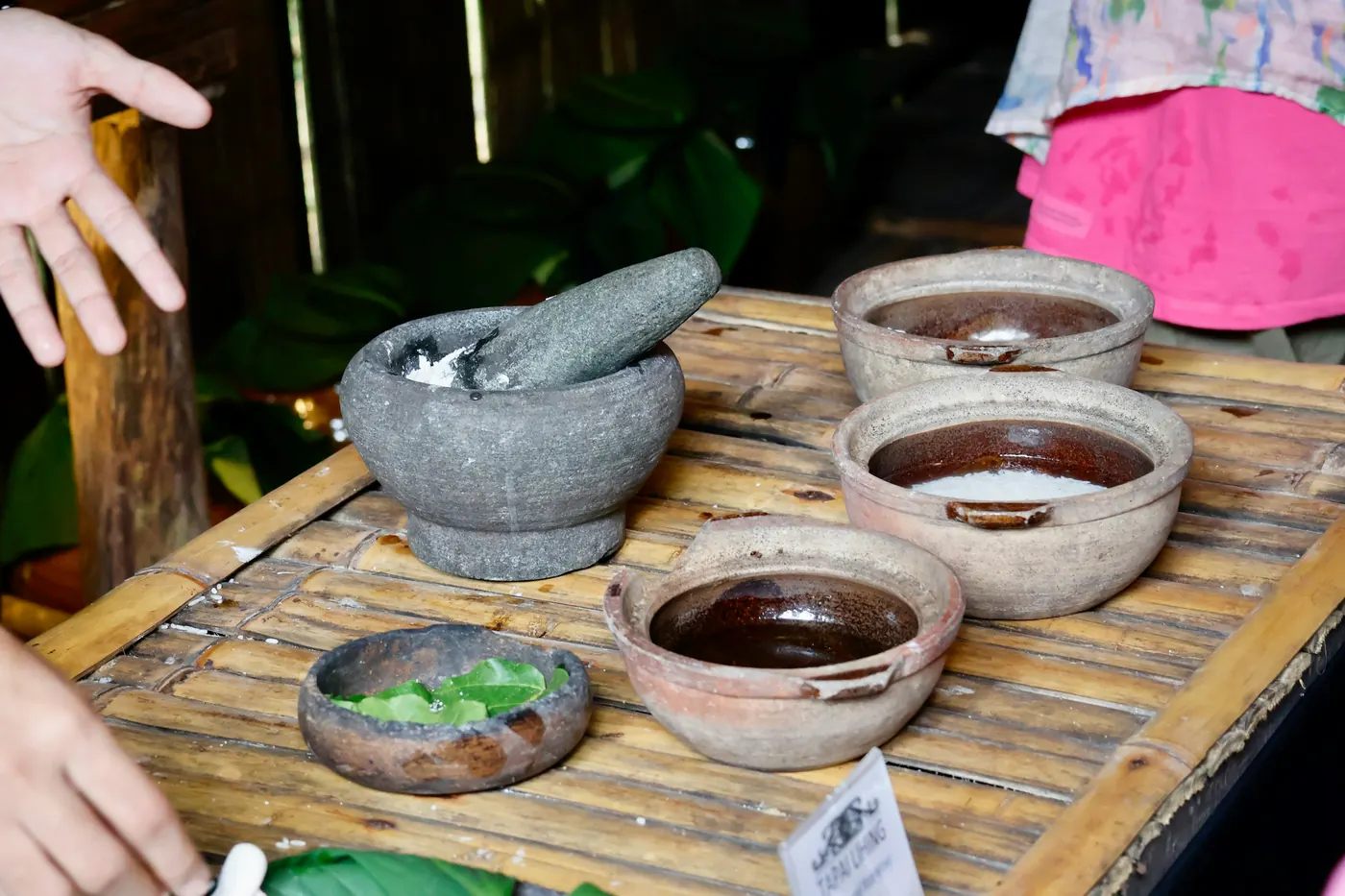
Long before blenders, Mexican kitchens made salsa in stone, and for some salsas the molcajete is still the better tool. It crushes rather than cuts, so a salsa or guacamole keeps a rough, spoonable body instead of turning into a thin, frothy puree. Our molcajete vs blender comparison goes into the differences in detail.
This PriorityChef set is carved from natural granite with a 6.1-inch bowl, a 2-cup capacity and a heavy pestle, per the listing, and the whole set weighs close to 6 pounds. That weight is what does the work: you grind garlic, chiles and salt into a paste, then work in tomato or avocado. It is sold by the maker on Amazon.
Be realistic about effort and volume. Two cups is a family bowl of guacamole, not a party batch, and grinding takes minutes, not seconds. Granite is a natural stone, not glazed, and the maker includes care instructions with the set.
Why we like it
- Natural granite bowl and pestle, per the listing
- 2-cup capacity suits salsa and guacamole for a few people
- Heavy, so it stays put while you grind
- Sold by the maker
Key specifications
| Model | MORTPEST-V4-GRYSM (2-cup, grey) |
|---|---|
| Type | Granite mortar and pestle (molcajete style) |
| Jobs it replaces | Salsa, guacamole, garlic and spice pastes |
| Capacity | 2 cups; 6.1-inch bowl |
| Power | None (manual) |
| Settings | Not applicable |
| Cleaning | Care instructions included; method not stated in the listing |
| Warranty | Not stated |
Why we recommend it
It suits a cook whose blender mostly makes table salsa and guacamole, and who would rather have the coarser texture stone gives.
Skip it if you need a smooth, pourable salsa for enchiladas or a big batch; that is still a blender job.
Pros and cons
Pros
- No power or blades
- Serves at the table
- Coarse, traditional texture
Cons
- Slow, and all by hand
- Small batches only
- Heavy to lift and wash

5. KitchenAid 7-Speed Hand Mixer – Whips Cream and Mixes Batter
Some people reach for a blender to whip cream for churros or to mix pancake and crepe batter. A hand mixer does those jobs better, because it adds air instead of chopping. The KitchenAid KHM7210 has seven speeds, from speed 1 for folding in nuts or chocolate chips to speed 7 for whipping meringue, per the listing.
It comes with stainless steel Turbo Beater II beaters and a Pro whisk attachment that KitchenAid says whips egg whites to peaks and heavy cream to whipped cream. The cord swivels and locks out of the way, and one button releases the accessories, which are dishwasher safe. KitchenAid lists a 1-year warranty.
A hand mixer does not puree anything, so it does not replace a blender for salsa, soup or smoothies. It belongs on this page for one reason: if your blender’s real job is desserts and batters, this is the better tool for it. Our best hand mixer guide covers more models.
Why we like it
- Seven speeds from gentle folding to fast whipping
- Pro whisk attachment included
- Lockable swivel cord
- Dishwasher-safe accessories, per the listing
Key specifications
| Model | KHM7210WH |
|---|---|
| Type | Corded hand mixer |
| Jobs it replaces | Whipping cream and egg whites; batters |
| Capacity | Works in any mixing bowl |
| Power | Not stated in the listing |
| Settings | 7 speeds |
| Cleaning | Dishwasher-safe accessories |
| Warranty | 1 year |
Why we recommend it
It suits a baker who uses the blender for whipped cream and batters and would like a tool made for them.
Skip it if you need to puree; it has no blade.
Pros and cons
Pros
- Better aeration than a blender
- Wide speed range
- Easy accessory release
Cons
- Does not puree
- Wattage not stated
6. BlenderBottle ProSeries Shaker Bottle, 24 oz – Powdered Shakes With No Plug

A surprising number of blenders are bought for protein shakes and powdered drink mixes, and for those a shaker bottle does the job. The BlenderBottle ProSeries holds 24 ounces, though BlenderBottle notes the markings only go to 18 ounces, and mixes with a stainless steel wire whisk ball that rattles around as you shake.
Per the listing, the whisk ball is 316 surgical-grade stainless steel, the bottle is BPA- and phthalate-free Eastman Tritan, and the screw-on lid has a flip cap with a guard over the spout. It is dishwasher safe. It will not touch whole fruit, ice or anything that needs cutting; it only mixes powders into liquid.
Why we like it
- Stainless whisk ball breaks up powder clumps
- Leak-proof screw-on lid with flip cap, per the listing
- Tritan bottle, dishwasher safe
- Markings in ounces and milliliters
Key specifications
| Model | C03102 (ProSeries 24 oz, black) |
|---|---|
| Type | Shaker bottle with whisk ball |
| Jobs it replaces | Protein shakes and powdered drink mixes |
| Capacity | 24 ounces (markings to 18 ounces) |
| Power | None (manual) |
| Settings | Not applicable |
| Cleaning | Dishwasher safe |
| Warranty | Not stated |
Why we recommend it
It suits someone whose blender only ever makes powdered shakes, and who would rather rinse one bottle than a jar and blade.
Skip it if your shakes include fruit, ice or oats; you still need blades for those.
Pros and cons
Pros
- No power, no noise
- Fast cleanup
- Portable
Cons
- Powders and liquids only
- Markings stop short of full capacity
How we chose these six tools
We started from the jobs home cooks use a blender for and looked for one tool that does each job well on its own. Every pick is from a known maker and was listed in stock, sold new, when we checked. We used each maker’s specifications from the Amazon listing, America’s Test Kitchen’s reviews of immersion blenders (June 2025) and personal blenders (April 2026), and verified buyer reports. We did not use these products in our own kitchen, and where a review did not cover the exact model, we say so.
We left out a food mill: it strains soups and sauces well, but the stand-alone mills in stock when we checked came from sellers we could not identify as established makers. We also checked the U.S. Consumer Product Safety Commission’s recall database for each brand and found no recall listed for any of these six models.
Blender alternative questions, answered
What can I use instead of a blender?
It depends on the job. For soups, beans and cooked salsas, use a stick blender in the pot. For chunky salsa and chopping, a food processor. For one cold smoothie, a personal blender. For guacamole and stone-ground salsa, a molcajete. For whipped cream and batters, a hand mixer, and for powdered shakes, a shaker bottle.
Can an immersion blender replace a regular blender?
For most cooked food, yes, and it is easier with hot liquids. For ice, frozen fruit and very smooth blends, no. America’s Test Kitchen notes stick blenders “don’t always blend as smoothly” as countertop models. Our immersion blender vs blender comparison covers the trade-off, and the best immersion blender guide lists more models.
How do I blend without a blender?
For soft cooked food like beans or squash, a potato masher or a fork works, with a rougher result. For salsa, chop finely with a knife or grind in a molcajete. For smoothies, a personal blender or a stick blender in a tall cup. That is general kitchen sense rather than a sourced finding.
Can I put hot soup in a personal blender?
No. America’s Test Kitchen says personal blenders “can’t blend hot ingredients, as steam can build up,” and advises using them only for cold or room-temperature ingredients. Use a stick blender for hot soup instead.
Is a food processor a good blender alternative?
For chopping, slicing and chunky salsas, yes. For thin, smooth liquids and drinks, no; a processor bowl is not built to hold much liquid. Our blender vs food processor comparison explains which jobs suit which machine.
Our final word on cooking without a blender
Most kitchens can do without a countertop blender by buying for the job they actually do. A stick blender like the Braun MultiQuick Vario 5 covers soups, beans and cooked salsas, and it is often better at them than a jar. Add a molcajete for salsa and guacamole, and a personal blender only if you drink smoothies. If you make frozen drinks for a crowd or very smooth sauces, keep the blender, and start with our best blender guide or, for single servings, the best personal blender guide. For more stone tools, see our best molcajete guide.
And if you would rather leave the salsa to someone else tonight, see the menu or call to order.