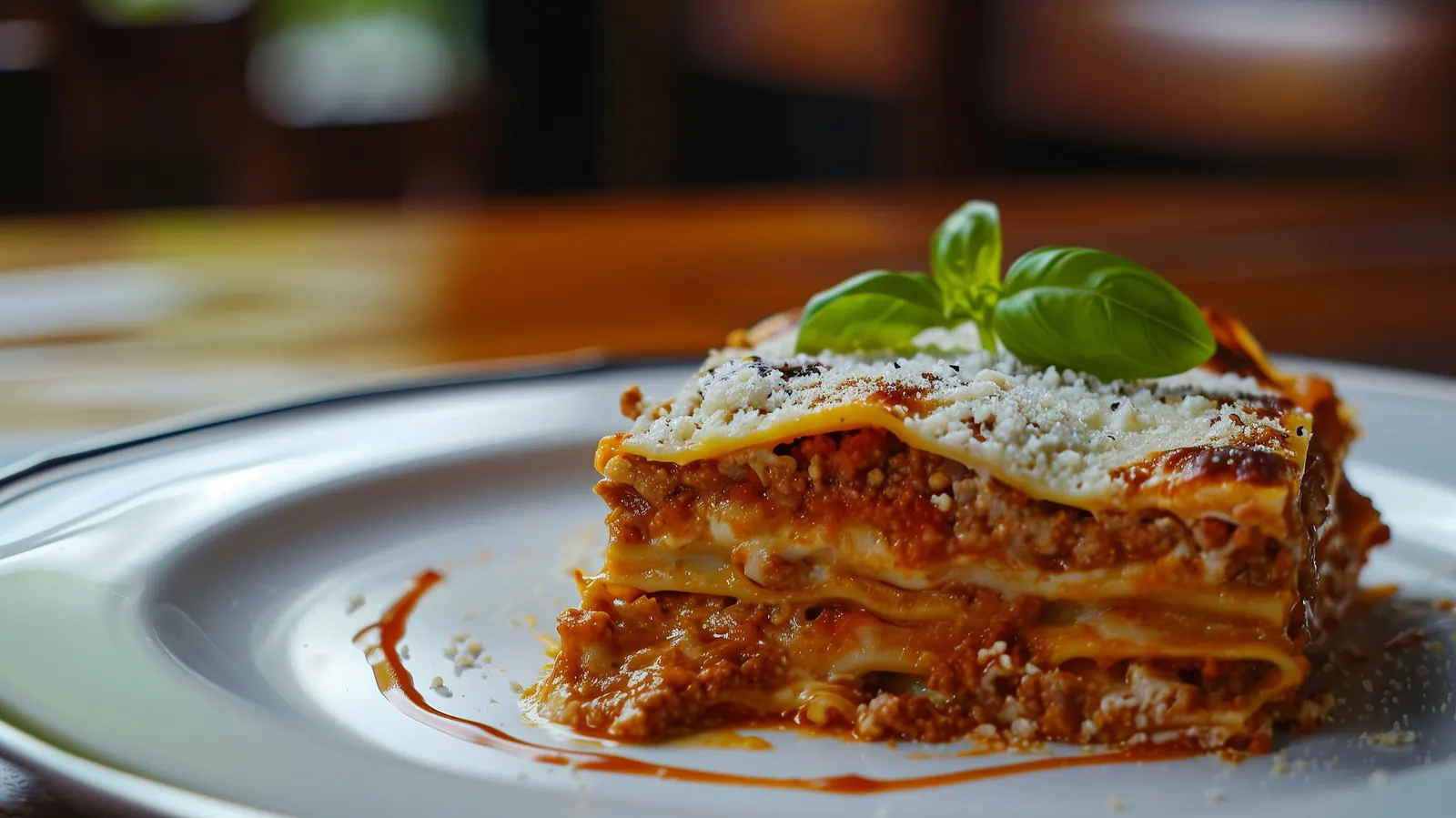
Ceramic and glass are the two classic materials for a casserole dish, and on a shelf they look like they do the same job. They do not behave the same once the oven is on. A glazed ceramic baker and a clear glass dish differ in how they take on heat, in what they tolerate (the broiler, the freezer, a cold counter), in how they look on the table, and in what you need to know about the surface your food sits on.
This guide is about the dish you reach for for enchiladas, lasagna, baked rice, gratins and cobblers. It compares glazed ceramic with glass on heat, the broiler and freezer, glaze safety, weight and storage, using what the makers themselves say and what King Arthur Baking found when it baked in stoneware and glass side by side. Then it names one ceramic dish and two glass ones.
Julia’s earns a commission on purchases made through links on this page, at no cost to you. Recommendations are based on what a restaurant kitchen looks for, product specifications and verified buyer reports.
Quick verdict: ceramic or glass for your casseroles?
For most home cooks, a glass dish with a lid is the better first buy: it costs less, you can see the bottom brown, and leftovers go straight into the fridge in the same dish. Choose glazed ceramic if you finish dishes under the broiler, bake straight from the freezer, or want a dish that goes to the table looking good. Buy it from a maker that states its glaze is lead-free, such as Emile Henry. If you want glass that handles temperature changes better, look for borosilicate glass rather than ordinary tempered glass.
The table sums up the differences. The sections after it explain each one.
Ceramic vs glass baking dish, side by side
| Glazed ceramic dish | Glass baking dish | |
|---|---|---|
| What it is | Fired clay (stoneware or porcelain) with a glaze | Tempered soda-lime glass, or borosilicate glass |
| Heat | Stoneware moved heat to the center faster than glass in King Arthur’s bakes | Slowest to move heat to the center |
| Broiler | Yes for some makers (Emile Henry); check yours | No for tempered soda-lime glass; check the maker |
| Freezer to oven | Yes, says Emile Henry, for its products | No for tempered glass; some borosilicate makers allow wider swings |
| Surface | Glaze; ask for a maker’s lead-free statement | Plain glass, no glaze |
| See the bottom | No | Yes |
| Lids for storage | Rarely included | Often included |
| Cost class | Higher for well-known makers | Lower |
If your real question is glass against a metal pan for cakes and brownies, our glass vs metal baking pan guide covers that, including the 25-degree rule for glass. This page sticks to the casserole dish.
Heat: stoneware moves it faster than glass
Both materials are slower than metal, which is why both suit casseroles: cheese, eggs and pasta cook through without the edges scorching. Between the two, though, they are not equal. In King Arthur Baking’s side-by-side bakes, Susan Reid baked the same pound cake in metal, stoneware and glass. The stoneware and metal cakes rose taller, which she puts down to heat traveling faster from the edge to the center, and they had darker edges. The glass cake had the lowest dome, “a function of slower heat transfer.”
Her brownies showed the same split from the other side. The glass-baked brownie had a much crunchier and harder outside edge than the ones from stoneware or metal. So in that comparison, stoneware behaved more like metal than like glass.
Reid adds a caution that matters if you shop for ceramic: stoneware varies a lot. Its composition, and even how it was made, changes how fast heat moves through it, so a hand-thrown dish with more air pockets will bake differently from one cast in a mold. Her advice is simply that stoneware “takes some getting to know.” Glass, by contrast, is fairly predictable from one dish to the next.
For enchiladas, lasagna or baked rice, these differences are small. Both will do the job. They matter more when you bake something sweet and rich in the dish, where glass tends to harden the edges.
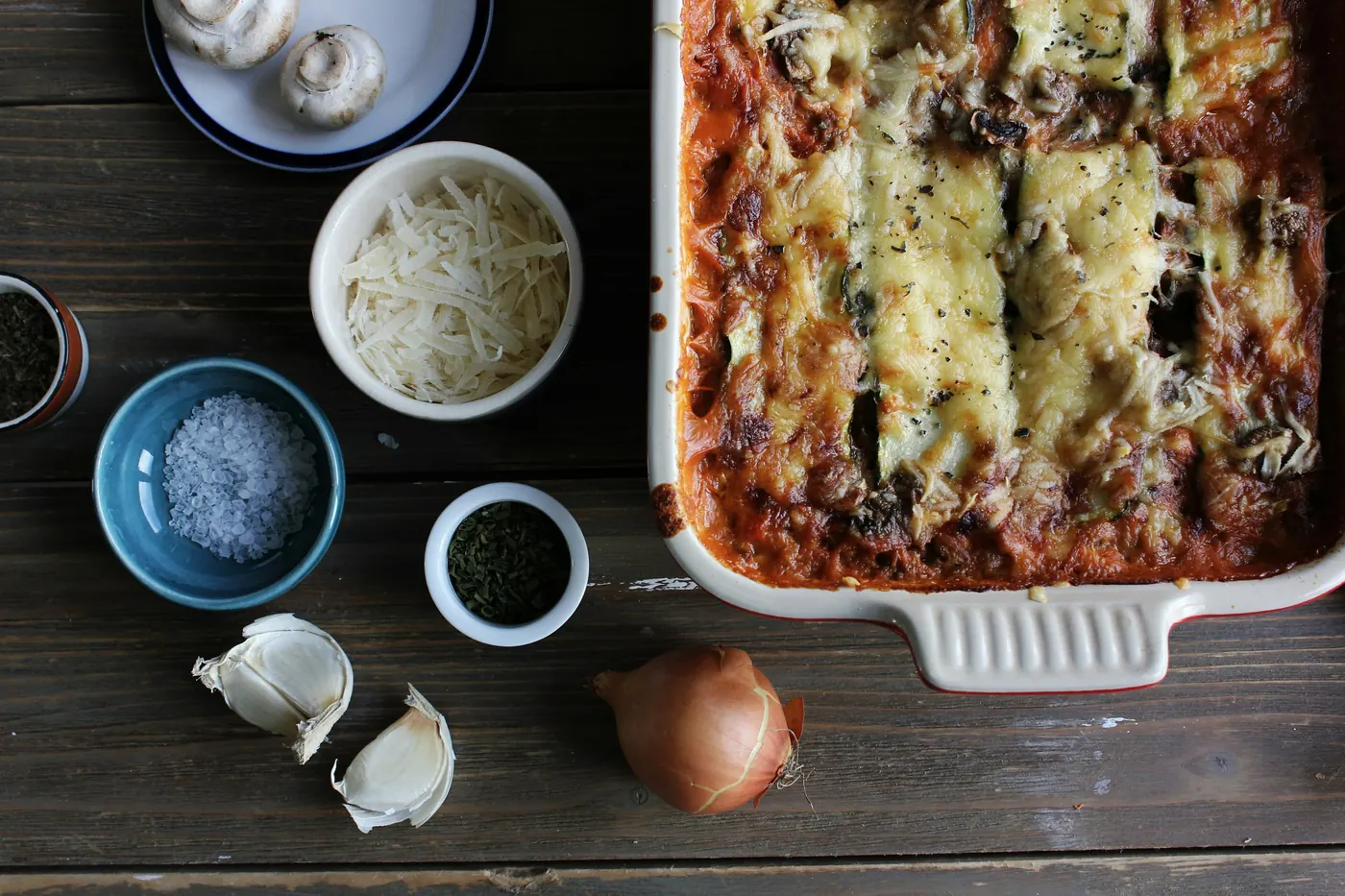
The broiler and the freezer: where ceramic pulls ahead
This is the biggest practical difference. Ordinary tempered glass bakeware is not meant for the broiler or the stovetop, and glass makers ask you to avoid sudden temperature changes. Our glass vs metal baking pan guide goes through Pyrex’s and Anchor Hocking’s rules in detail, so we will not repeat them here. The short version: preheat the oven, thaw frozen food first, and never set a hot glass dish on a wet or cold surface.
Ceramic from a good maker is much more relaxed. Emile Henry says all of its products can go in the freezer and “directly from the freezer to the hot oven,” without a warm-up on the counter. It says its products have “extraordinary thermal shock properties” and that they go under the broiler and in the microwave. The listing for its 13 by 9-inch baker below gives an oven limit of 500°F and says it is broiler safe.
That is a real advantage for a few common kitchen habits: browning cheese on top of enchiladas or a gratin under the broiler, making a casserole ahead and baking it straight from the freezer, or reheating a dish without waiting for it to come up to room temperature. Not every ceramic dish allows this, so read the maker’s care notes. Emile Henry also says its HR ovenware, the kind sold as baking dishes, cannot go over a direct stovetop flame; only its Flame line can.
Borosilicate glass sits in between
Not all glass is the same. Iowa State University Extension’s AnswerLine notes that US Pyrex kitchenware switched from borosilicate to less expensive tempered soda-lime glass, and that tempered soda-lime glass “does not handle heat as well as borosilicate glass,” though it resists breakage from drops better. The Simax listing for the dish below says its borosilicate glass has a high thermal shock resistance, will not shatter from the temperature change between oven, fridge and microwave, and can take temperatures from 572°F down to -40°F. That is closer to ceramic’s freedom than standard glass, though Simax’s listing does not say the dish is broiler safe, so we would not put it under one.
The glaze: what to check before you buy ceramic
Glass has no glaze, so there is nothing extra to check on the cooking surface. Ceramic does, and it is worth knowing why it matters. The US Food and Drug Administration explains that a glaze may contain lead to help the glaze particles melt, and that if pottery is not made properly, the lead can leach into food and drink. Its advice for traditional pottery that may contain lead is not to use it for cooking, serving or storing food, and it notes that no amount of washing or boiling removes lead from pottery.
That does not mean ceramic bakeware is unsafe. It means you should buy from a maker that puts its glaze in writing. Emile Henry states: “There is no lead or cadmium in our products, all of the glazes meet California Prop 65.” That is the kind of plain maker statement to look for. We left glazed dishes off this page when we could not find a maker statement that covered them, and we would treat a seller’s claim or an unnamed certificate with caution. For a longer list of ceramic dishes whose makers do give such a statement, see our best baking dish ceramic guide.
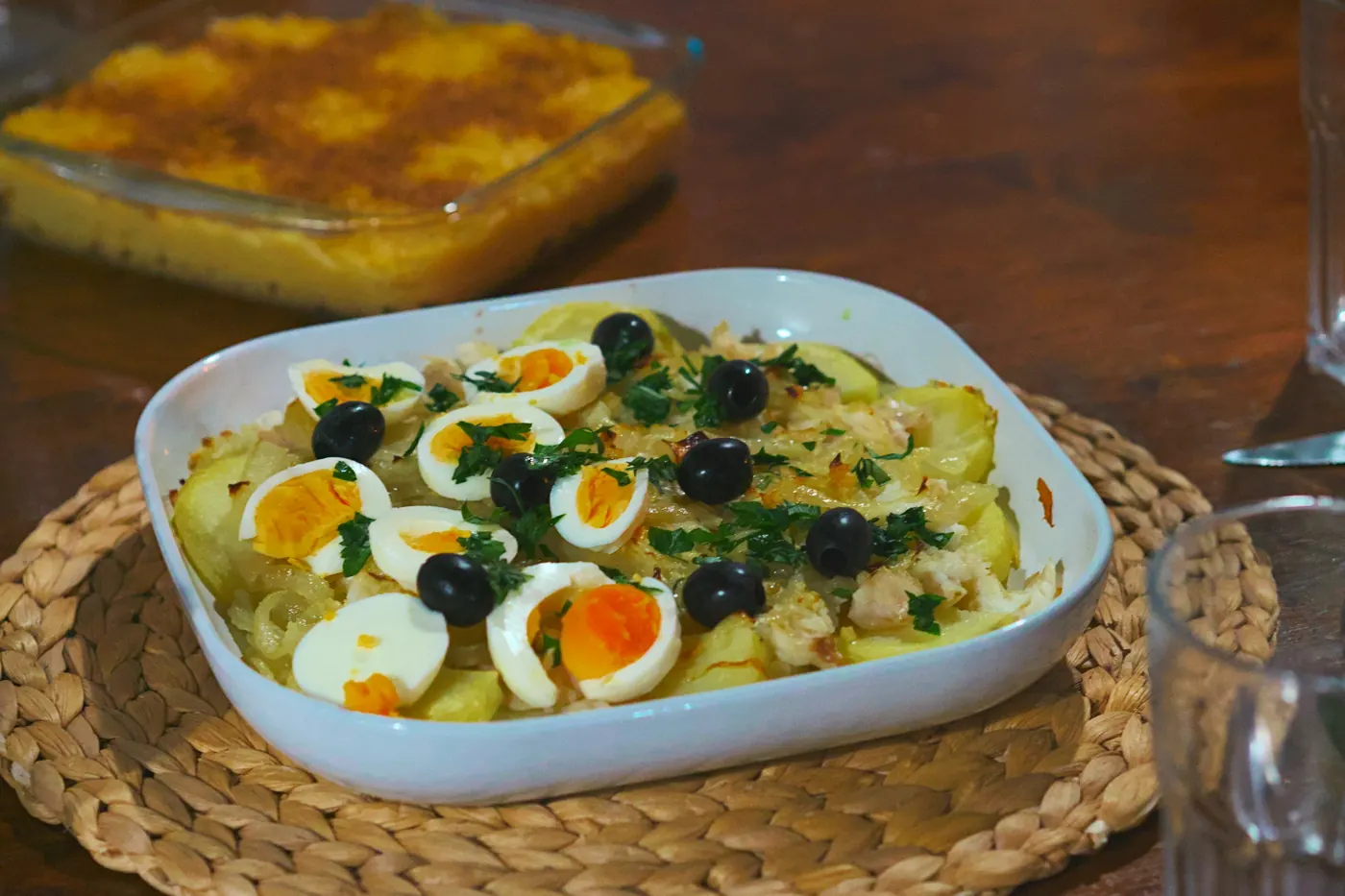
Looks, weight and everyday handling
Ceramic wins on the table. A glazed baker comes in colors and looks at home on the table, so a gratin or a pan of enchiladas can be served in the dish it baked in. A glass dish looks plainer, but it has one practical advantage: you can see whether the bottom of a lasagna or cobbler has browned, and whether a casserole is bubbling at the bottom before the top looks done. King Arthur’s Reid puts it simply: “You can see through it, which is great for pie crusts.” She also notes that glass is non-reactive, which suits tomato sauces and citrus.
On weight, our general kitchen sense is that a stoneware baker of the same size is usually heavier than a glass dish, and both are much heavier than metal. Neither of our picks’ listings gives a weight, so check the listing if you have trouble lifting a full dish.
Both can chip. Anchor Hocking says not to use its glass dishes if they are chipped, cracked or noticeably scratched, and Iowa State’s AnswerLine gives the same advice. A chip in a ceramic glaze exposes the clay beneath it; as general kitchen sense, we would retire a badly chipped ceramic dish too. Both are generally dishwasher safe; Emile Henry says all of its products are, and the glass picks below say the same.
Storage, lids and cost
Glass dishes are very often sold with lids, as both of our glass picks are, and that makes them storage containers as well as bakers. Cook the enchiladas, cover the leftovers, and put the same dish in the fridge. Most ceramic bakers, including the Emile Henry below, come without a lid, so leftovers need foil or a separate container.
On cost, without quoting prices that change daily, glass sits in the lower price class and well-known ceramic makers in the higher one. A ceramic dish from a maker like Emile Henry is a long-term buy; Emile Henry backs its products with a ten-year limited warranty for manufacturer’s defects, for home use only.
Choose a ceramic dish if… / Choose a glass dish if…
Choose a glazed ceramic baking dish if…
- You brown cheese or crumb toppings under the broiler.
- You make casseroles ahead and bake them straight from the freezer.
- You serve from the dish at the table and care how it looks.
- You are happy to buy from a maker that states its glaze is lead-free.
Choose a glass baking dish if…
- You want the lowest cost per dish, or several sizes.
- You want a lid and plan to store leftovers in the same dish.
- You like to see the bottom brown, as with pies, cobblers and lasagna.
- You prefer a surface with no glaze at all.
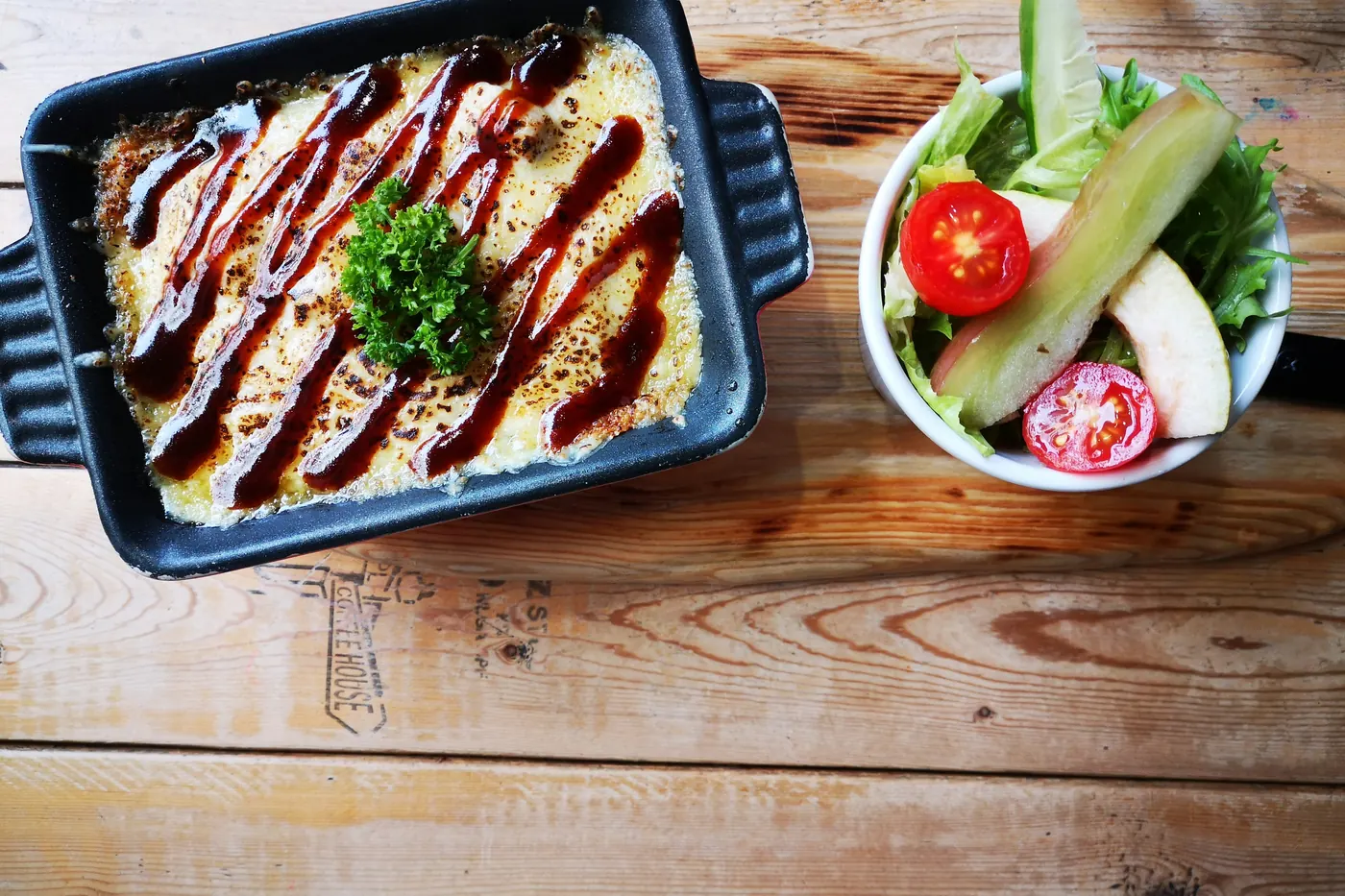
Our picks for each side of the ceramic vs glass baking dish question
One ceramic dish and two glass ones, all in stock when we checked. The ceramic pick is the same Emile Henry 13 by 9-inch baker that our best baking pan ceramic guide lists in white; we list it here in Pearl Gray because it is the ceramic dish whose maker statements cover everything this page compares, from the glaze to the freezer and broiler. The Libbey round casseroles may be the same dishes as the 2-quart round casserole in a larger Libbey set on another of our pages; we list this set because it gives three covered sizes on their own.
1. Emile Henry Modern Classics 13 x 9-inch Ceramic Rectangular Baker – Broiler and Freezer Ready

Emile Henry makes its ceramics from Burgundy clay at its works in Marcigny, in the Burgundy region of France, using what it calls a High Resistance oven ceramic process. This rectangular baker is the 13 by 9-inch size from its Modern Classics range, the dish most lasagna, enchilada and baked pasta recipes are written around. The listing describes it as ideal for lasagna, vegetable gratins, baked pasta, casseroles and fruit crisps, and gives its capacity as 4.7 quarts.
It does the things glass will not. The listing says it is safe for oven, broiler and microwave use up to 500°F, and Emile Henry says its products can go straight from the freezer into a hot oven. That suits cooks who assemble enchiladas or a lasagna ahead, freeze it, and bake it later, or who finish a gratin under the broiler for a browned top.
The glaze is the other reason it is our ceramic pick. Emile Henry states there is no lead or cadmium in its products and that its glazes meet California Prop 65. The listing calls the glaze highly resistant and the dish dishwasher safe. It comes without a lid, so plan on foil for leftovers.
Why we like it
- Maker states no lead or cadmium in its products (Emile Henry)
- Broiler safe, up to 500°F (listing)
- Freezer to hot oven, says Emile Henry
- Ten-year limited warranty for home use (Emile Henry)
Key specifications
| Model | EH819626 |
|---|---|
| Material | Glazed Burgundy clay ceramic |
| Size | 13 x 9 inches, 4.7 quarts |
| Lid | No |
| Max oven temp | 500°F |
| Broiler | Yes |
| Dishwasher safe | Yes |
| Made in | France (Emile Henry) |
Why we recommend it
It suits a cook who makes enchiladas, lasagna and gratins often, likes to brown the top under the broiler, and wants one dish that goes from freezer to oven to table.
Skip it if you mainly want a dish for storing leftovers; it has no lid, and a covered glass dish does that job better.
Pros and cons
Pros
- Clear lead and cadmium statement from the maker
- Broiler and freezer-to-oven use
- Serves well at the table
Cons
- No lid
- Not for the stovetop
- Higher cost class than glass
2. Simax 3-Quart Oblong Borosilicate Glass Casserole with Lid – Glass That Takes Temperature Swings

This oblong Simax casserole is made of borosilicate glass in the Czech Republic, according to its listing. That makes it a different kind of glass dish from the tempered soda-lime glass most American bakeware uses, and the closest glass comes to ceramic’s tolerance for temperature changes. The listing says it has a high thermal shock resistance, moves between oven, fridge and microwave without shattering, and can take temperatures from 572°F down to -40°F.
The dish holds 3 quarts and the listing gives it as 14 inches long, 8 inches wide and 5.25 inches deep with the lid on. The lid is also glass and deep enough to use on its own: the listing says it doubles as a 2.2-quart roasting pan, and it inverts into the base for storage. That gives you a covered dish for braised chicken, rice or beans, plus a shallow pan for a small batch of enchiladas.
The listing says the dish is dishwasher and microwave safe and made from lead- and cadmium-free recycled glass. It does not say it is broiler safe, so keep it on an oven rack, not under the element.
Why we like it
- Borosilicate glass with stated thermal shock resistance (listing)
- Glass lid doubles as a second pan (listing)
- Rated from 572°F to -40°F (listing)
- Made in the Czech Republic (listing)
Key specifications
| Model | 8541880498 |
|---|---|
| Material | Borosilicate glass |
| Size | 3 quarts; 14 x 8 x 5.25 inches with lid |
| Lid | Glass, usable as a 2.2-quart pan |
| Max oven temp | 572°F |
| Broiler | Not stated |
| Dishwasher safe | Yes |
| Made in | Czech Republic |
Why we recommend it
It suits a cook who wants glass, with its clear sides and plain surface, but worries about moving a dish between fridge and oven, and who likes a covered dish for braises and rice.
Skip it if you need a standard 9 by 13 shape for layered lasagna; this dish is long and narrow, and deep with its lid on.
Pros and cons
Pros
- More tolerant of temperature change than tempered glass
- Two pans in one
- No glaze to think about
Cons
- Broiler use not stated
- Narrower than a 9 by 13
- Sold by a third-party seller when we checked
3. Libbey Baker’s Basics 3-Piece Round Glass Casserole Set with Covers – Three Covered Sizes

This Libbey set gives you three round glass casseroles with glass covers: 1, 2 and 3.2 quarts, according to the listing. The sizes cover a side of Mexican rice or refried beans, a family dish of mac and cheese or chile relleno casserole, and a large pot of baked beans. The listing says the size of each is embossed on the handles of the covers, which helps when you are matching lids in a crowded cupboard.
This is the everyday glass case at its simplest. The listing says the dishes are safe in the oven, microwave, refrigerator and freezer, that you can see through the sides to watch the bake, that they stack, and that they are dishwasher safe. It also describes the dishes as lead-free.
The listing does not give a maximum oven temperature or say anything about the broiler, so treat these as ordinary glass bakeware: preheat the oven, keep them off the stovetop and away from the broiler, and let frozen food thaw before it goes in. One oddity: the listing title also mentions a pedestal display, which does not match the casseroles described and pictured, so check the photos before you buy.
Why we like it
- Three sizes, each with a glass cover (listing)
- Size embossed on the handles (listing)
- Oven, microwave, fridge and freezer safe (listing)
- Stacks for storage (listing)
Key specifications
| Model | 56030 |
|---|---|
| Material | Glass |
| Size | 1, 2 and 3.2 quarts, round |
| Lid | Glass covers |
| Max oven temp | Not stated |
| Broiler | Not stated |
| Dishwasher safe | Yes |
| Made in | Not stated |
Why we recommend it
It suits a home cook who bakes sides and casseroles in several sizes and wants every dish to double as a covered container for the fridge.
Skip it if you need a rectangular dish for lasagna or rolled enchiladas; these are round.
Pros and cons
Pros
- Three useful sizes with covers
- See-through sides
- Goes from oven to fridge to table
Cons
- No stated oven limit
- Round, not rectangular
- Confusing listing title
Ceramic and glass dish questions, answered
Is ceramic or glass better for a casserole?
Both work well, because both heat gently. Glass is cheaper, often has a lid and lets you see the bottom. Ceramic from a good maker can go under the broiler and straight from the freezer to the oven, and looks better on the table.
Can a ceramic baking dish go under the broiler?
Some can. Emile Henry says its products go under the broiler, and the listing for its 13 by 9-inch baker says it is broiler safe up to 500°F. Other makers differ, so read the care notes for your dish.
Can I put a glass baking dish straight from the freezer into the oven?
Not ordinary tempered glass; makers such as Anchor Hocking ask you to thaw food first. Some borosilicate glass, such as the Simax dish above, is rated for wider temperature swings, but check your maker’s instructions before you try it.
Do ceramic baking dishes contain lead?
The FDA warns that some glazes can contain lead and that badly made pottery can leach it into food. Buy from a maker that states its glaze is lead-free; Emile Henry, for example, states there is no lead or cadmium in its products.
Does food take longer to bake in glass than in ceramic?
It can. In King Arthur Baking’s bakes, heat reached the center faster in stoneware than in glass. For casseroles the difference is small; check for doneness rather than relying on the clock.
Our take: glass for every day, ceramic for the broiler and the table
If you are buying one dish for enchiladas and leftovers, start with glass and a lid. Add a glazed ceramic baker when you want to brown toppings under the broiler, bake from the freezer, or bring the dish to the table, and buy it from a maker that puts its glaze in writing. For more choices, our best baking dish for lasagna guide compares deeper dishes in both materials, and our best baking dish glass guide explains soda-lime and borosilicate glass in more detail. And when you would rather someone else made the enchiladas, see the menu or call to order.