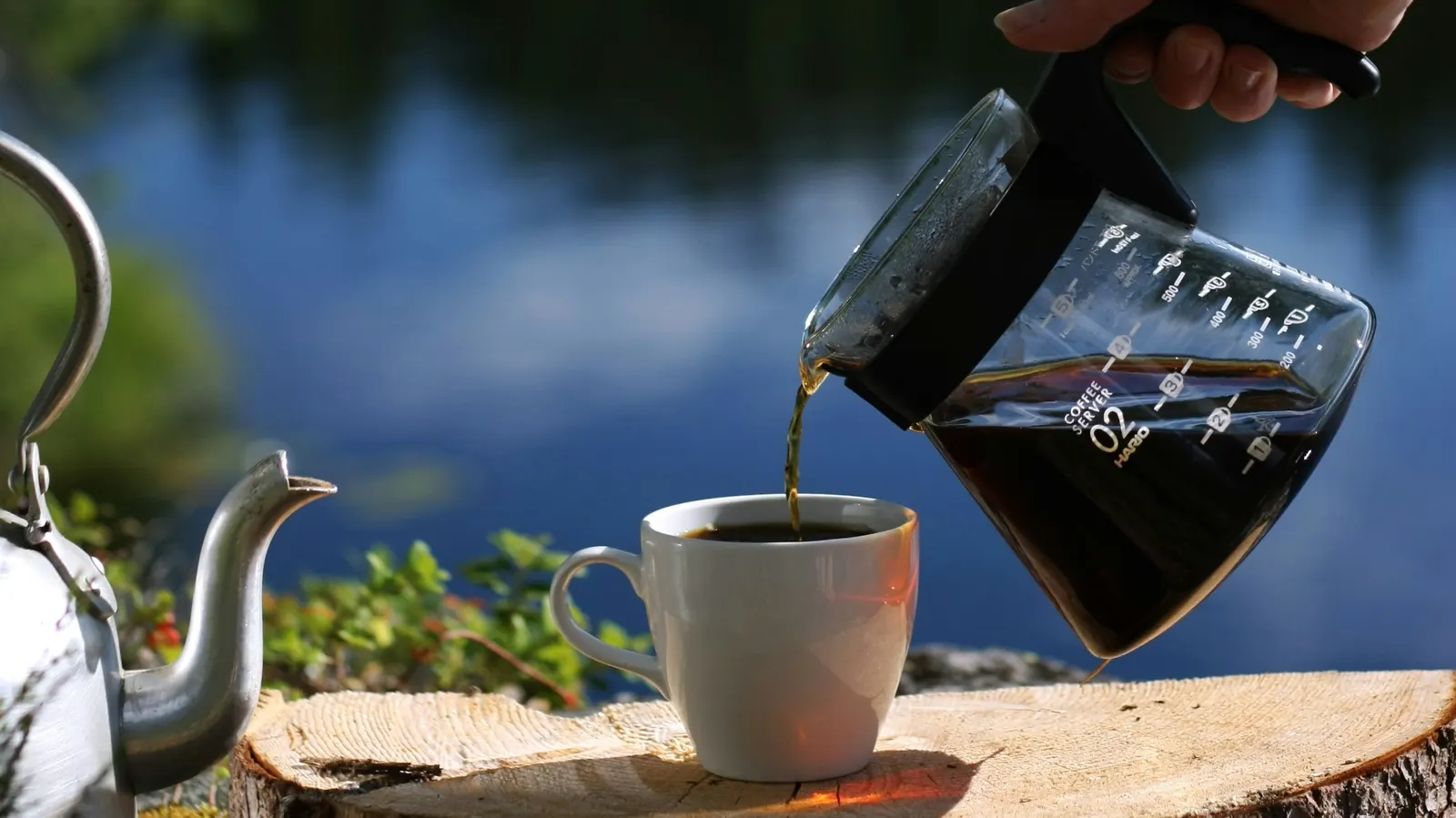
Running out of coffee filters usually happens at the worst moment: the kettle is hot, the grounds are measured, and the box is empty. The good news is that a paper filter is only one way to keep grounds out of a cup. Cloth, metal mesh and brewers that carry their own screen all do the same job, and some of them never need a refill.
This guide covers the coffee filter alternative that suits each kind of kitchen: what to grab tonight if you are stuck, and what to buy so it does not happen again. For each option we say how well it actually filters, what it changes in the cup, and where it falls short.
Julia’s earns a commission on purchases made through links on this page, at no cost to you. Recommendations are based on what a restaurant kitchen looks for, product specifications and verified buyer reports.
Why people look beyond paper filters
Most people arrive here for one of three reasons, and the right answer depends on which one is yours.
- You ran out this morning. You need something in the house that will hold grounds for one pot. That is a short-term fix, and some household fixes work better than others.
- You are tired of buying paper. A reusable cloth or metal filter, or a brewer that never needed paper, ends the problem for good.
- You want a different cup. Paper traps most of the coffee oils. Cloth lets some through and metal lets more through, which gives a fuller body. Some people like that change; others miss the clean, light cup paper makes.
If you only want a permanent metal or gold-tone basket that drops into the brewer you already own, our guide to the best reusable coffee filter covers those part-for-part swaps by brewer. This page looks wider: what works when there is no filter at all, and which brewers skip the question.
Quick verdict: the best coffee filter alternative
For most kitchens, the best coffee filter alternative is a CoffeeSock cloth filter in the shape your brewer already takes: organic cotton, washable, and made to sit in a #4 cone or a flat basket like paper does. If you would rather skip filters entirely, an ESPRO P7 French press brews with its own steel screens, and a Bialetti Moka Express makes small, strong cups on the stove with a built-in metal funnel. For one cup at a time, the LHS stainless pour-over dripper is a mesh cone that sits on a mug. Stuck tonight with nothing to buy? A folded piece of clean cheesecloth works, and a paper towel is a last resort only.
Five filter alternatives side by side
Our five standout picks, one per kind of kitchen, with the details each maker or listing states. All six alternatives are reviewed in full below.
| Alternative | How it filters | Best for | Stated size | Buy on Amazon |
|---|---|---|---|---|

CoffeeSock #4 Cone Cloth Filters, 2-PackBest overall
|
Organic cotton cloth | #4 cone drip and pour-over | 7.75 x 5.25 in, 2 filters | View on Amazon |

ESPRO P7 18 oz Stainless French PressBest no-filter brewer
|
Double steel micro-filter | Full-bodied coffee, no paper | 18 oz, about 2 cups | View on Amazon |

Bialetti Moka Express, 3-CupBest for strong small cups
|
Built-in metal funnel and plate | Stovetop espresso-style coffee | 3 espresso cups, 4.3 oz | View on Amazon |

LHS Stainless Pour-Over Dripper, 1-2 CupBest for one cup
|
Fine stainless mesh cone | A single mug, no machine | 1 to 2 cups | View on Amazon |

If You Care Organic Unbleached CheeseclothBest emergency liner
|
Folded cotton gauze | Lining any basket in a pinch | 72 x 36 in, 2 sq yd | View on Amazon |
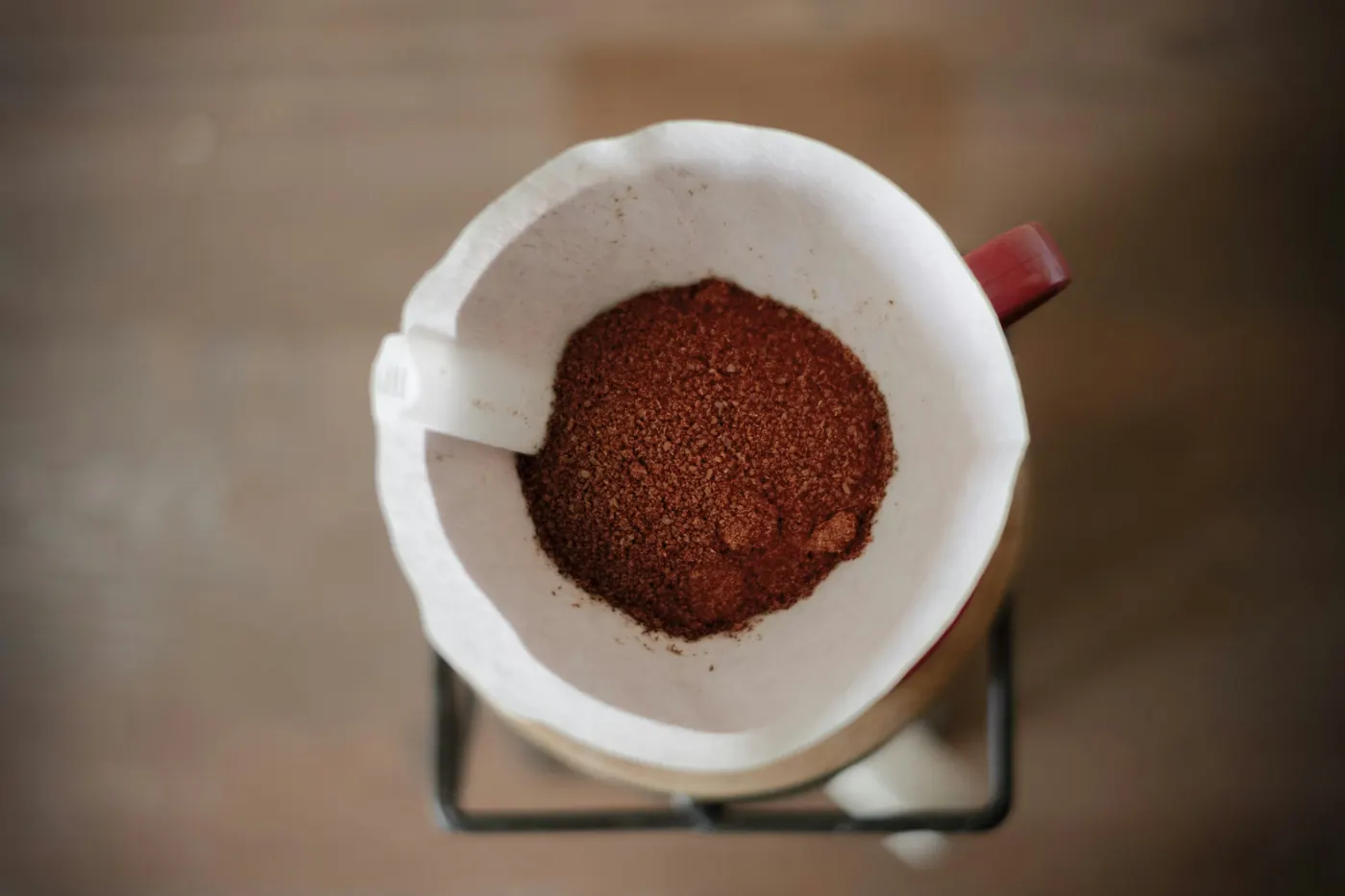
What to use tonight if you have no filters at all
Before buying anything, here is what works from a normal kitchen drawer, and how well. Our main outside source for this section is the coffee filter substitute guide by Chris Clark at Brew Coffee Home, which we read in full.
A clean cloth: the best household fix
A plain cotton dish towel, cloth napkin, butter muslin or handkerchief can line a cone or basket and hold grounds well. Brew Coffee Home lists all of these and adds one condition: only use cloth that has not been treated with chemicals that could affect your body or the flavor. In practice that means a towel washed in plain detergent with no fabric softener, rinsed well in hot water before it touches coffee. Cloth drains slower than paper, so pour gently and expect the brew to take a little longer.
Cheesecloth: good if you fold it
Brew Coffee Home suggests cutting a piece large enough to fit after folding it once or twice. A single layer of loose gauze lets fine grounds through; several layers make a usable filter. It is a good thing to keep in a drawer for this exact morning, which is why it appears as a pick below.
A paper towel: last resort, with caution
A paper towel will hold grounds in a cone for one pot, and Brew Coffee Home calls it fine as an emergency option. It also gives two reasons for caution: paper towels are thinner than coffee filters and can break, which leaves grounds and pulp in the pot, and white paper towels could contain traces of bleach, glue or other chemicals. Paper towels are sold for wiping and drying, not for steeping in near-boiling water. If you must use one, use a plain, unprinted towel, use slightly less coffee so it does not tear, and treat it as a one-off rather than a habit.
A fine-mesh strainer or cowboy coffee
Steeping grounds in a pot and pouring through a fine-mesh sieve works, but Brew Coffee Home notes a sieve will not catch the very fine particles. Our guide to the best fine-mesh strainer covers the tightest meshes. Cowboy coffee, where grounds settle in the pot before you pour, is the oldest no-filter method of all; the same source says it is hard to keep every ground out of the cup. Pour slowly and leave the last inch behind.
What about a percolator?
A percolator has a metal grounds basket, so it is often suggested as a filter-free brewer. Presto’s instruction manual for its 02815 percolator, though, says to use one of the included wraparound paper filters for the best clarity and flavor. A percolator will still brew without one, but it is not truly paper-free. If you are curious anyway, see our best stovetop percolator guide.
Our picks for the best coffee filter alternative
Six alternatives that actually do the job, each from an identifiable maker, all in stock on Amazon when we checked. Two are cloth filters that replace paper directly, two are brewers that never needed paper, one is a metal cone for a single mug and one is the emergency cloth to keep on hand.
1. CoffeeSock #4 Cone Cloth Filters, 2-Pack – The Closest Swap for Paper
If your coffee maker or pour-over cone takes #4 paper filters, this is the most direct way to stop buying them. CoffeeSock sews its filters from organic cotton in the same cone shape as paper, so they sit in the basket the same way and the brewer does not know the difference. The listing gives the size as 7.75 by 5.25 inches and says the pack holds two filters, so one can dry while the other brews.
Cloth sits between paper and metal in the cup. CoffeeSock’s own care page says cloth lets more of the coffee’s natural oils through than paper, for a fuller-bodied cup, while still holding back the grounds. The Amazon listing says the two filters should last about a year or more, and the maker’s care page puts a single filter’s life at several months to over a year, depending on how often you brew.
The trade-off is care. CoffeeSock says to rinse the filter with hot water until it runs clear, not to use soap or detergent, and to let it dry fully between brews. For a deeper clean, it says to boil the filter in plain water for 5 to 10 minutes or soak it in hot water with baking soda. It also warns against storing a damp filter or sealing it in an airtight container, since both can cause off-flavors or odors. Brew Coffee Home makes the same point about coffee socks generally: the biggest drawback is cleaning them after every use.
Why we like it
- Same #4 cone shape as paper, so it fits drip machines and pour-over cones that take #4 filters (listing).
- Organic cotton, made in the USA, according to the maker.
- Two filters per pack, so one can dry while the other works.
- The maker says a filter can last from several months to over a year.
Key specifications
| Model | C4 |
|---|---|
| Type | Reusable cloth filter, #4 cone |
| Material | Organic cotton |
| Size or capacity | 7.75 x 5.25 in; 2 filters |
| Works with | Drip and pour-over brewers that take #4 cones |
| Cleaning | Hot-water rinse, no soap, dry fully; boil to deep clean |
| Made in | USA |
| Warranty | 15 days on defective units (listing) |
Why we recommend it
It suits anyone with a #4 cone brewer who wants to stop buying paper without changing how they make coffee. The fuller body cloth gives is a small step from paper, not the big jump a French press makes.
Skip it if you will not rinse and hang a filter after every pot; a cloth filter left wet in the basket will start to smell.
Pros and cons
Pros
- Drops into the brewer you already own
- Washable and reusable for months
- Two filters to rotate
Cons
- Must be rinsed and dried after every use
- No soap, so stains build up over time
- Only fits #4 cone brewers
2. CoffeeSock Basket Cloth Filters, 6-12 Cup – For Flat-Bottom Machines

Many 10- and 12-cup drip machines use flat-bottom basket filters, not cones, and a cone-shaped cloth filter will not sit right in them. This is the same CoffeeSock cotton filter cut for a basket, and we list it separately for that reason: picking the wrong shape is the most common mistake with reusable filters. The listing says it fits 6- to 12-cup basket machines and that the pack holds two filters.
The listing describes what cotton does in the cup: it absorbs some of the oils released from the beans while letting the acids through, which CoffeeSock says gives a clear cup with more richness than paper and less heaviness than a French press. That matches the maker’s care page, which says cloth lets through more oil than paper. Care is identical to the cone version: rinse with hot water, no soap, dry fully between brews, and boil now and then.
A basket filter has more cloth than a cone, so it takes a little longer to dry. If you brew every morning, the second filter in the pack matters here.
Why we like it
- Cut for flat-bottom 6- to 12-cup baskets (listing).
- Same organic cotton and US manufacture as the cone filter.
- Two filters per pack.
- Compostable at the end of its life, according to the listing.
Key specifications
| Model | B2 |
|---|---|
| Type | Reusable cloth filter, flat-bottom basket |
| Material | Organic cotton |
| Size or capacity | Fits 6- to 12-cup baskets; 2 filters |
| Works with | Basket-style drip coffee makers |
| Cleaning | Hot-water rinse, no soap, dry fully; boil to deep clean |
| Made in | USA |
| Warranty | 15 days on defective units (listing) |
Why we recommend it
It is for owners of a standard basket coffee maker who want the cloth option. If your machine takes the round, flat-bottom paper filters, this is the shape to buy, not the cone.
Skip it if your machine uses a cone; the CoffeeSock #4 above is the right shape.
Pros and cons
Pros
- Right shape for the most common drip machines
- Fuller cup than paper, cleaner than a press
- Two filters to rotate
Cons
- Larger cloth takes longer to dry
- Same daily rinse routine as any cloth filter
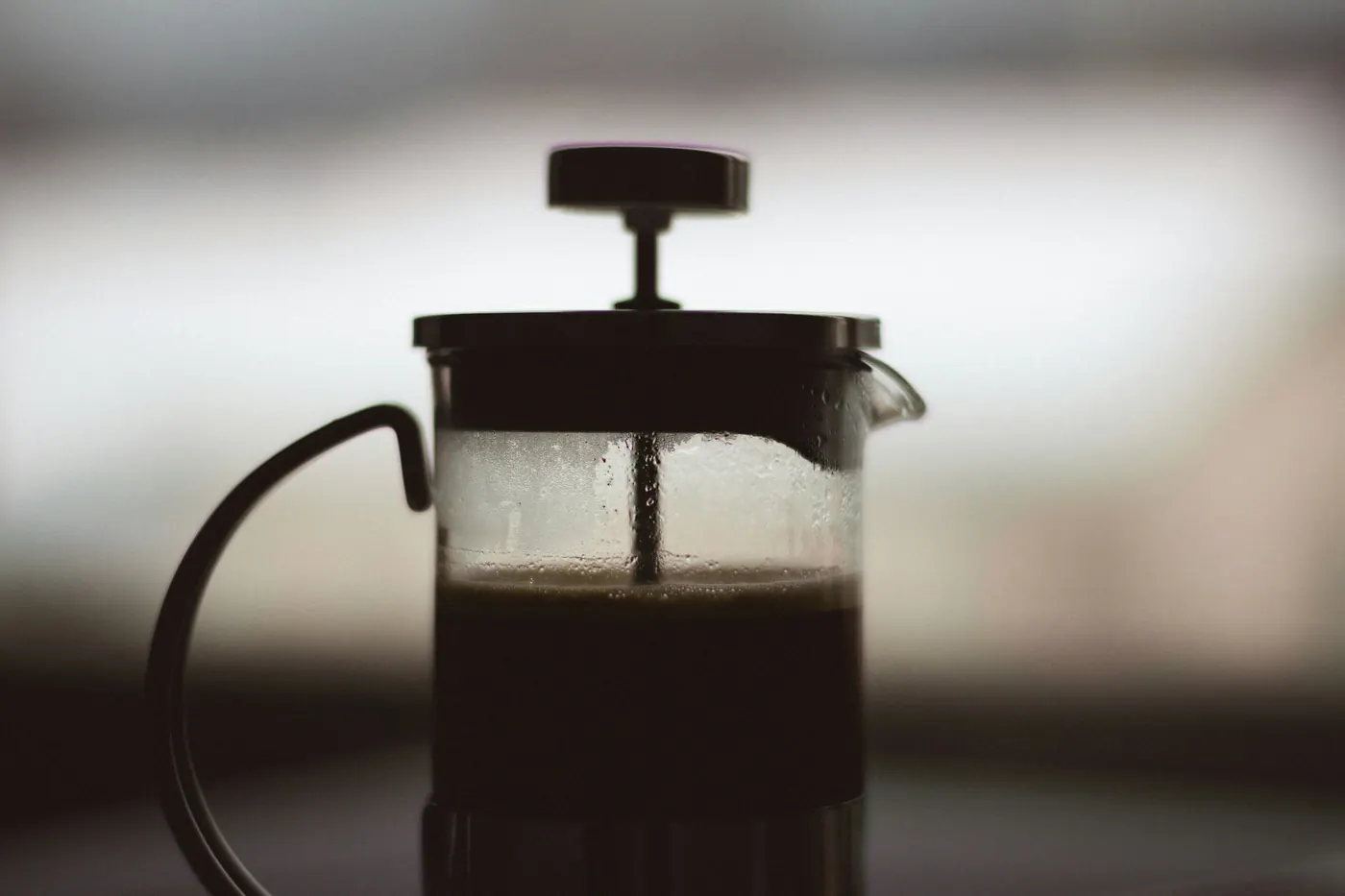
3. ESPRO P7 18 oz Stainless French Press – Two Screens, No Paper
A French press is the classic answer to running out of filters, because it never used them: the grounds steep in the water and a metal screen pushes them to the bottom. Brew Coffee Home puts it plainly, saying a French press gives a robust coffee without the need for additional filters. The usual complaint is grit at the bottom of the cup, and that is what the ESPRO P7 is built around.
According to the listing, the P7 uses a dual-layer micro-filter with ultra-fine stainless mesh that ESPRO says is 12 times finer than a standard press screen, and any sediment that does get through settles at the bottom of the carafe. That is the maker’s own comparison, not an outside measurement. The body is double-walled stainless steel, the listing says it is dishwasher safe, and this 18-ounce size brews about two cups. The listing gives the method: add grounds, pour hot or cold water, steep 3 to 4 minutes, press gently and serve.
The box also includes 10 paper filters that fit the press, for days when you want a lighter, oil-free cup. You do not need them, which is the point of this page. We also cover the 32-ounce P7 on our best French press guide; we list the smaller size here because a two-cup press suits the one- or two-person kitchen most likely to run out of filters.
Why we like it
- Needs no filter of any kind; the screens are part of the press.
- Double micro-filter aimed at the grit a standard press leaves (listing).
- Double-walled stainless body that the listing says is dishwasher safe.
- Brews hot or cold, so it also handles cold brew.
Key specifications
| Model | 1118C2 |
|---|---|
| Type | French press |
| Material | Double-walled stainless steel, BPA-free parts |
| Size or capacity | 18 oz, about 2 cups |
| Works with | Any kettle; hot or cold water |
| Cleaning | Dishwasher safe (listing) |
| Made in | Not stated |
| Warranty | Not stated in the listing |
Why we recommend it
It suits anyone who wants to stop thinking about filters and likes a fuller cup. The double screen answers the most common French press complaint better than a basic single-screen press.
Skip it if you need to brew for more than two people at once; 18 ounces is about two mugs.
Pros and cons
Pros
- No filters to buy, ever
- Finer screen than a standard press, per ESPRO
- Insulated steel body, no glass to break
Cons
- Small capacity
- Unfiltered coffee keeps more of the oils (see the FAQ)
- The 12x claim is the maker’s own
4. Bialetti Moka Express, 3-Cup – Strong Coffee From the Stove
A moka pot makes a different drink from drip coffee, but it is a real answer to “no filters”: steam pressure pushes hot water up through a metal funnel of grounds and into the top chamber, and the funnel and its metal plate do the filtering. Bialetti, which made the original, says to fill the boiler to the safety valve, fill the funnel with coffee without pressing it, and use a moka grind that is not too fine.
The result is small and strong: this 3-cup size makes three espresso cups, which the listing puts at 4.3 ounces in all. Many people drink it as is; others top it up with hot water or milk. If you are used to a 12-cup machine, think of it as a stovetop shot maker, not a pot replacement.
Bialetti’s page says the body is aluminum with a thermoplastic handle and knob, that it works on gas and electric stoves, and that it suits induction only with Bialetti’s induction plate. Care is simple but strict: rinse with water only after use, no detergent, and it is not dishwasher safe. This listing is the classic silver 3-cup Moka Express; we also mention the 6-cup Moka Express on our no-plastic coffee maker guide, and list this smaller one here because a 3-cup pot suits the single coffee drinker who runs out of filters.
Why we like it
- Built-in metal funnel and plate; no filter of any kind.
- The original moka design, from the maker that created it in 1933 (listing).
- Works on gas and electric stoves, and induction with an adapter plate (Bialetti).
- No power needed beyond a burner.
Key specifications
| Model | 0001162 (silver aluminum) |
|---|---|
| Type | Stovetop moka pot |
| Material | Aluminum; thermoplastic handle and knob |
| Size or capacity | 3 espresso cups, 4.3 oz (130 mL) |
| Works with | Gas, electric; induction with Bialetti plate |
| Cleaning | Rinse with water only, no detergent, not dishwasher safe |
| Made in | Italy (listing) |
| Warranty | Not stated |
Why we recommend it
It suits someone who drinks one or two strong coffees a day and likes the idea of a brewer with no paper, no screen to replace and no plug. It also makes a good base for café con leche.
Skip it if you want a full mug of drip-strength coffee; a moka pot makes a small, concentrated brew.
Pros and cons
Pros
- No filters, ever
- Small, simple, no electricity
- Strong coffee for milk drinks
Cons
- Small yield in this size
- Hand rinse only, no detergent or dishwasher
- Induction needs a separate plate
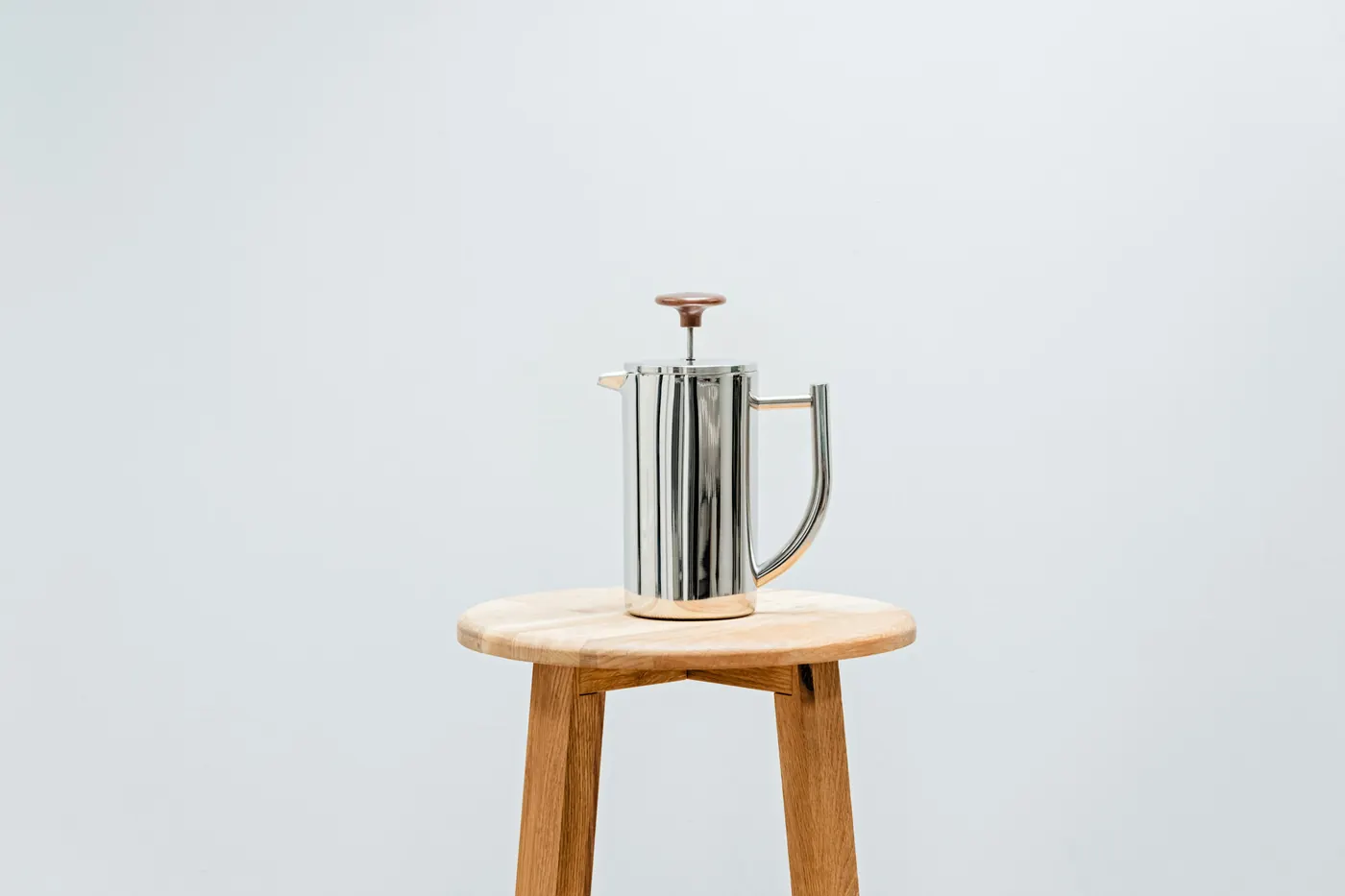
5. LHS Stainless Pour-Over Dripper, 1-2 Cup – A Mesh Cone for One Mug
For people who make one cup at a time and do not own a machine, a stainless mesh dripper replaces both the cone and the paper. The LHS dripper is a fine stainless mesh cone on a wide metal stand that sits over a mug. The listing says the lower part of the cone uses extra-fine wire mesh to keep grounds out of the cup, and that the stand is sized for most single mugs and smaller travel canteens.
The method on the listing is ordinary pour-over: warm and rinse the cone with hot water, add grounds, pour slowly, and lift the dripper away when it is done. Metal mesh behaves differently from paper, though. Brew Coffee Home notes the only drawback of permanent metal filters is that they will not hold the very finest grounds, so use a medium or medium-coarse grind and expect a little sediment in the last sip. In return, more of the oils reach the cup, which gives a fuller body.
The listing says it can be rinsed and wiped dry or put in the dishwasher, and a small cleaning brush is included. LHS is a brand sold mainly on Amazon, and this pick rests on its listing details; no maker page or independent review was read for it. If you want a full pour-over setup, our best pour-over coffee maker guide covers the classic cones.
Why we like it
- One piece replaces both the cone and the paper filter.
- Wide stand fits most mugs (listing).
- Rinse or dishwasher clean-up, with a brush included (listing).
- Small enough for an office drawer or a camping kit.
Key specifications
| Model | LS007-1-S |
|---|---|
| Type | Stainless mesh pour-over dripper |
| Material | Stainless steel mesh and stand |
| Size or capacity | 1 to 2 cups |
| Works with | Most single mugs and small travel canteens |
| Cleaning | Rinse and wipe, or dishwasher (listing) |
| Made in | Not stated |
| Warranty | Not stated |
Why we recommend it
It suits a one-cup drinker who wants to make pour-over without buying filters, at home, at work or on a trip.
Skip it if you only have very finely ground coffee; fine grounds pass through metal mesh and leave a muddy cup.
Pros and cons
Pros
- No paper, no separate cone
- Sits directly on a mug
- Easy to clean
Cons
- Some fines get through metal mesh
- Amazon-first brand with no maker page we could read
- One or two cups only
6. If You Care Organic Unbleached Cheesecloth – A Liner for Any Basket
Cheesecloth is the emergency filter to keep in the drawer. It costs little space, it is useful for other kitchen jobs like straining stock, and on the morning the filter box is empty you cut a square, fold it, and line whatever basket or cone you have. Brew Coffee Home suggests cutting a piece large enough to fit after folding it once or twice; the folds are what make loose gauze tight enough to hold grounds.
The If You Care listing describes it as 100 percent unbleached cotton, lint free and microwave safe, and gives the size as 72 by 36 inches, or two square yards. That is a lot of filters: a basket liner needs only a small square. Rinse a new piece in hot water before brewing, and expect a slower drip than paper, since folded cloth holds water longer.
Be realistic about what it does. Cheesecloth is a stopgap that works, not a filter designed for coffee, and the result depends on how many layers you fold. For daily use, the CoffeeSock filters above are made for the job. If you want to strain other things too, see our fine-mesh strainer guide.
Why we like it
- Unbleached cotton, according to the listing.
- Two square yards, enough for many emergency liners.
- Fits any brewer shape once folded.
- Useful beyond coffee, for stock, yogurt and cheese.
Key specifications
| Model | J25032 |
|---|---|
| Type | Cheesecloth, cut and fold to fit |
| Material | 100% unbleached organic cotton |
| Size or capacity | 72 x 36 in (2 sq yd) |
| Works with | Any cone or basket, folded in layers |
| Cleaning | Not stated; we treat it as single-use for coffee |
| Made in | Not stated |
| Warranty | Not stated |
Why we recommend it
It suits anyone who wants a backup in the drawer so an empty filter box never stops the morning coffee, and who will use the rest of the roll for cooking.
Skip it if you want a daily solution; a purpose-made cloth filter is easier to handle and drains more evenly.
Pros and cons
Pros
- Works in any brewer in a pinch
- Unbleached cotton
- Many uses beyond coffee
Cons
- Must be folded in layers to hold grounds
- Slower drip than paper
- Not designed specifically for coffee
How to pick the right replacement for paper
Start with the brewer you own
If you have a drip machine or a pour-over cone you like, keep it and change only the filter: a cloth filter in the right shape, or a metal basket from our reusable filter guide. If you have no brewer, or you are ready to replace it, a French press or moka pot removes the filter question entirely.
Decide how much body you want
Paper gives the cleanest, lightest cup. Cloth lets some oils through, according to CoffeeSock, and metal lets more through. A French press, which steeps the grounds and screens them with metal, gives the heaviest cup of all. None of these is wrong; they are different cups.
Match the grind
Metal mesh will not hold the finest grounds, as Brew Coffee Home notes, so a medium or coarser grind suits mesh drippers and presses. Bialetti asks for a moka grind that is not too fine. Cloth handles a normal drip grind.
Be honest about the cleanup
Paper goes in the trash with the grounds. Every alternative asks for a rinse. Cloth also needs drying and the occasional boil; a moka pot asks for a water-only rinse; a stainless press or mesh dripper can go in the dishwasher, according to their listings.
How we chose these six alternatives
We started from the question people actually ask, what to use when the filters run out, and kept only options that do the job of holding back grounds. For the household fixes we read Chris Clark’s coffee filter substitute guide at Brew Coffee Home and Presto’s percolator manual. For each product we read the maker’s own pages where they would open (CoffeeSock’s care page, Bialetti’s Moka Express page) and the Amazon listings. ESPRO’s and If You Care’s websites did not load for us, so those facts come from the listings and are labeled. We checked that every pick was in stock with a new offer from an identifiable maker and searched the U.S. Consumer Product Safety Commission recall database for each brand; we found no recall for any of these products. We did not test these products, and we don’t state prices or ratings.
Coffee filter alternative questions, answered
What can I use if I run out of coffee filters?
A clean cotton dish towel or cloth napkin, washed without fabric softener, is the best household fix. Folded cheesecloth also works. A paper towel will do for one pot if nothing else is in the house, but it can tear and white towels may contain traces of bleach or glue, according to Brew Coffee Home. A French press or moka pot needs no filter at all.
Is it safe to use a paper towel as a coffee filter?
It is a last resort, not a routine. Paper towels are made for wiping and drying, they are thinner than coffee filters and can break, and Brew Coffee Home notes that white paper towels could contain traces of bleach, glue or chemicals. If you use one, choose a plain unprinted towel and use slightly less coffee. Buy a cloth or metal filter so it does not happen again.
Is unfiltered coffee bad for cholesterol?
The Harvard T.H. Chan School of Public Health’s Nutrition Source says unfiltered coffee, such as French press and Turkish coffee, contains diterpenes that can raise LDL cholesterol and triglycerides, while filtered drip coffee contains almost none. It says espresso has moderate amounts. If you have been told to watch your cholesterol, ask your doctor which brewing method suits you.
Does a cloth coffee filter taste different from paper?
A little. CoffeeSock says cloth lets more of the coffee’s natural oils through than paper, for a fuller-bodied cup. It is closer to paper than a metal filter or a French press is.
How do I clean a cloth coffee filter?
CoffeeSock says to rinse it in hot water until the water runs clear, use no soap or detergent, and let it dry fully between brews. For a deep clean, boil it in plain water for 5 to 10 minutes or soak it in hot water with baking soda. Do not store it damp or sealed in an airtight container.
Can I use a French press without any filter?
Yes. A French press has its own metal screen built into the plunger, so it never needs a paper filter. Some presses, including the ESPRO P7, come with optional paper filters for a lighter cup, but they are not required. Our French press alternative guide covers other brewers in the same spirit.
Our final word on brewing without paper filters
If you like the coffee your machine makes and just want to stop buying paper, buy a CoffeeSock cloth filter in the shape your brewer takes. If you would rather drop filters altogether, an ESPRO P7 press or a Bialetti moka pot does it, each with a different cup. Keep a length of cheesecloth in the drawer for the morning the box runs out, and leave the paper towel for real emergencies.
For the paper filters themselves, see our guide to the best coffee filters, and for a permanent metal basket that fits your machine, start with the best reusable coffee filter.
And if you would rather someone else made the coffee, see the menu or call to order.