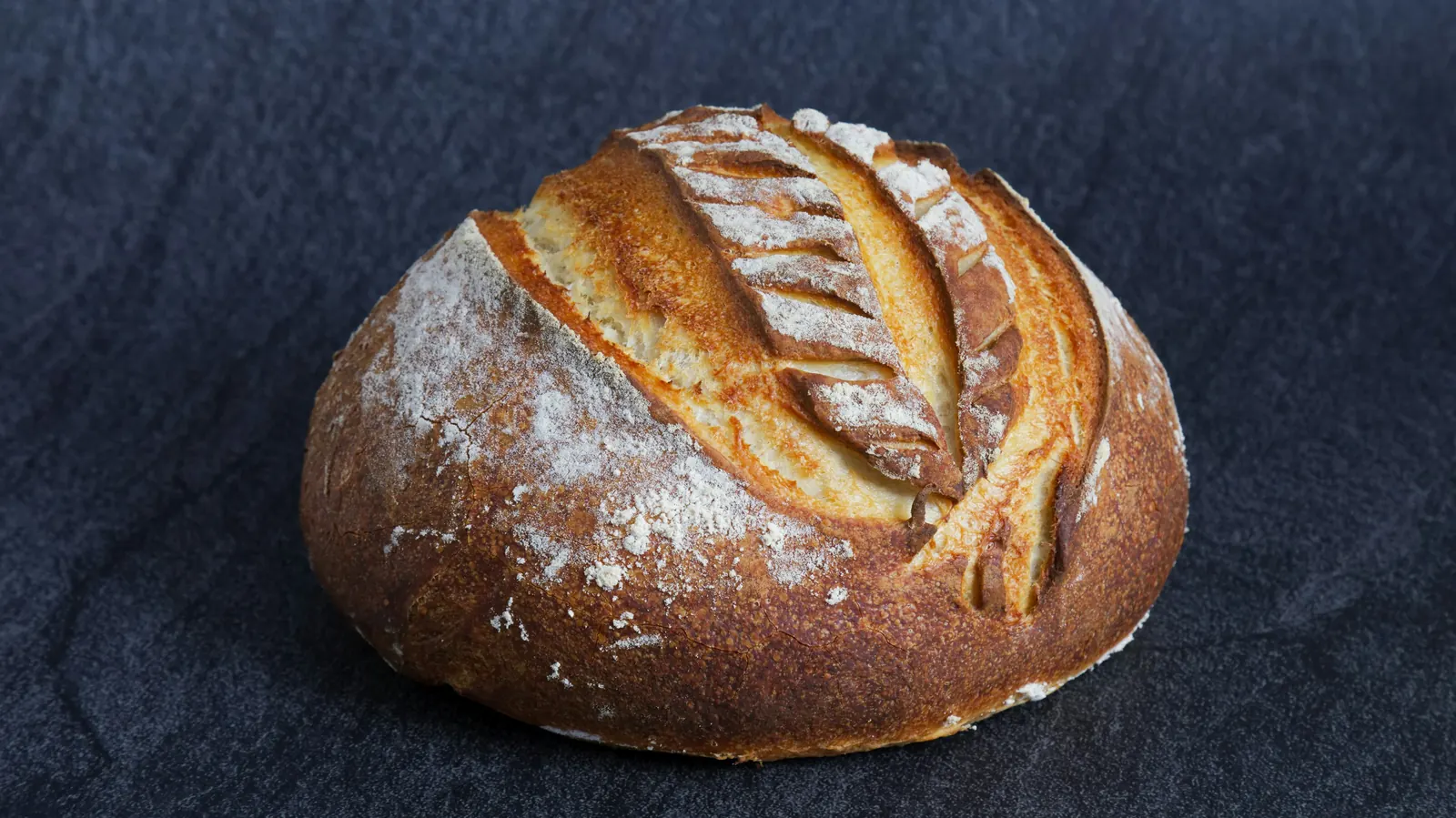
A Dutch oven is a heavy pot with a tight lid that goes from the stove to the oven, and it is the default pot for a lot of recipes: chile colorado, pot roast, a big batch of frijoles, no-knead bread. It is also heavy, takes up a lot of cupboard space, and a good enameled one is a serious purchase. Plenty of kitchens manage without one.
This guide covers the Dutch oven alternative that fits each job: a clad stainless pot for stews and braises, a stock pot for beans and soup in volume, a slow cooker if you would rather not watch the pot, a ceramic cloche for bread, and a light covered roaster for small oven braises. For each, we say what it does as well as a Dutch oven and where it falls short.
Julia’s earns a commission on purchases made through links on this page, at no cost to you. Recommendations are based on what a restaurant kitchen looks for, product specifications and verified buyer reports.
Why cooks look for something other than a Dutch oven
- Weight. America’s Test Kitchen’s Dutch oven shopping guide says a good one should be “heavy, as a Dutch oven should be.” That weight is the point for slow, steady heat, and the problem when you lift a full pot out of a hot oven.
- Cost and space. A large enameled cast iron pot is one of the bigger cookware purchases, and it is bulky to store. Many kitchens already own a pot that can do most of its jobs.
- Size. The same guide prefers pots that are “at least 8 inches wide” and “can hold 6 quarts or more.” Smaller households may want something lighter for two, and big batches of beans may need more room than a Dutch oven has.
- One job in particular. If you only want it for bread, or only for set-and-forget stews, a tool built for that job can do it as well or better.
What you give up depends on the swap. A heavy Dutch oven browns meat, holds a gentle simmer in the oven and bakes crusty bread, all in one pot. No single alternative here does all three as well. If you want the real thing, our guide to the best Dutch oven covers enameled and bare cast iron, and Dutch oven vs braiser explains when the shallower pan is the better buy.
Quick verdict: the best Dutch oven alternative
For most cooks, the best Dutch oven alternative is a heavy stainless saucepot with an oven-safe lid, such as the Cuisinart MultiClad Pro 6-Quart Saucepot: it browns, braises and goes in the oven, weighs far less than cast iron, and can go in the dishwasher. America’s Test Kitchen says stainless pots “will work just as well” as enameled cast iron for most jobs. For beans and soup by the gallon, a Tramontina 8-quart stock pot is roomier. For hands-off stews, a Hamilton Beach 6-quart slow cooker. For bread, the Emile Henry Bread Cloche bakes a crustier loaf than any pot here. And for a small oven braise, a light Granite Ware covered roaster does the job.
Five ways to cook without a Dutch oven, side by side
Our five picks, one per job, with what each maker or listing states. All five are reviewed in full below.
| Alternative | Best for | Capacity | Oven-safe | Buy on Amazon |
|---|---|---|---|---|
| Stews, braises, chili | 6 quarts | To 550°F, broiler safe | View on Amazon | |

Tramontina Gourmet 8-Quart Stainless Stock PotBest for big batches
|
Beans, pozole, soup | 8 quarts | To 500°F | View on Amazon |

Hamilton Beach 6-Quart Slow Cooker with Folding HandlesBest hands-off
|
All-day stews, shredded meat | 6 quarts | Not stated; countertop appliance | View on Amazon |
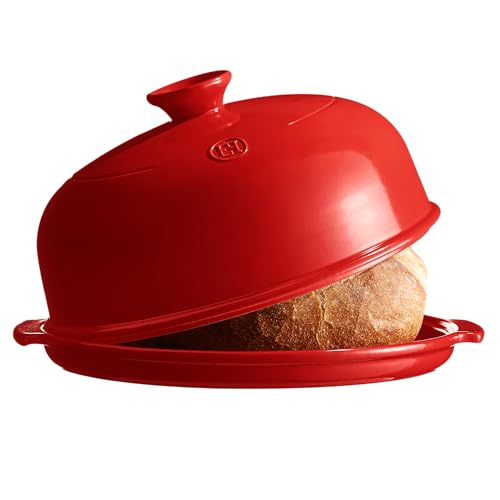
Emile Henry Ceramic Bread ClocheBest for bread
|
Crusty round loaves | 13.2 x 11.2 x 7 in | To 270°C (about 518°F) | View on Amazon |

Granite Ware 3-Pound Round Covered RoasterLightest option
|
Small oven braises for two | Up to 3 lb poultry, lid on | Yes (a roaster); limit not stated | View on Amazon |
Which alternative for which Dutch oven job
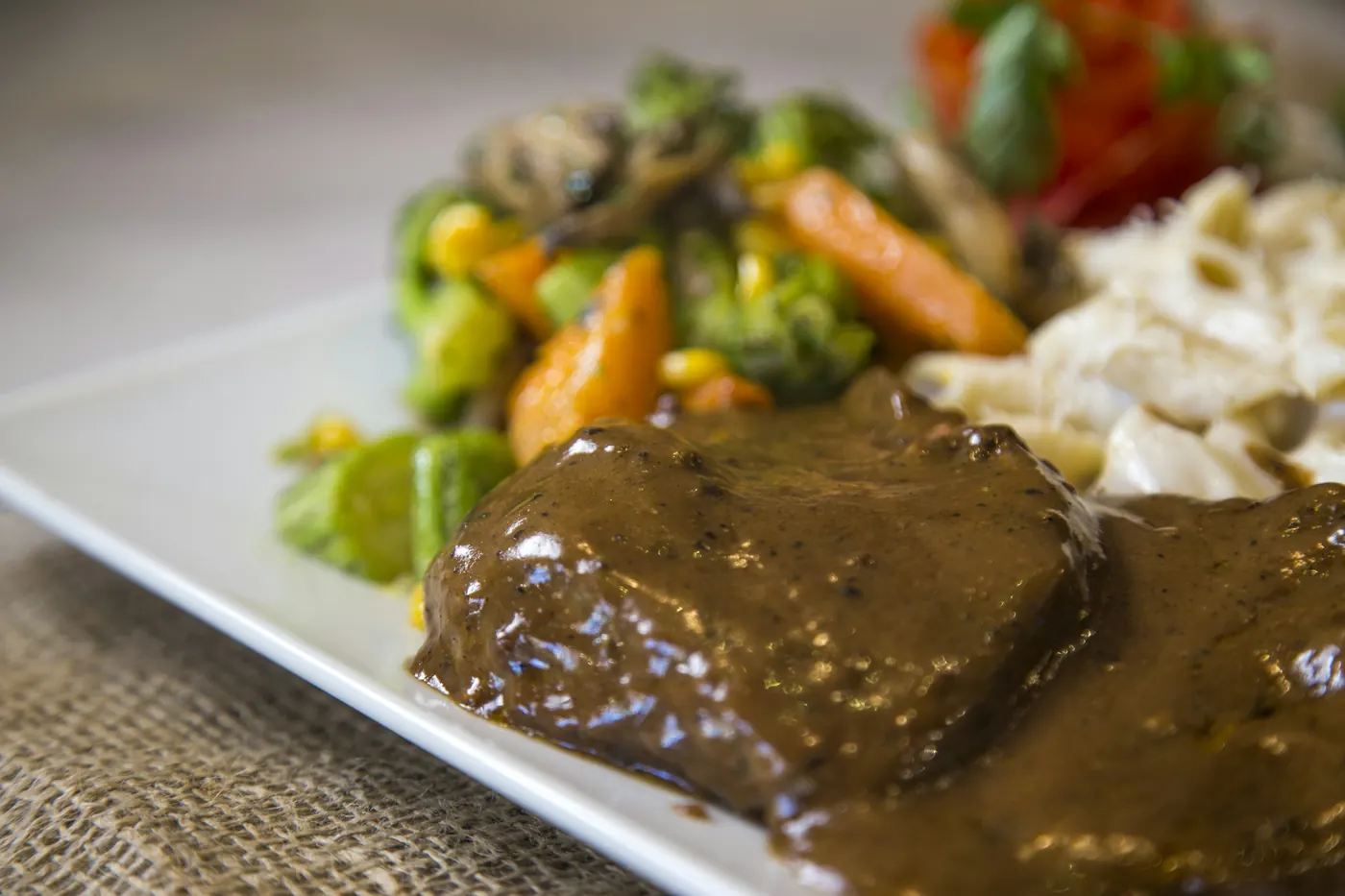
- Browning, then braising in the oven (chile colorado, short ribs, barbacoa): a heavy stainless saucepot with a metal lid. It browns on the stove and goes into the oven with the lid on, which is most of what a Dutch oven does.
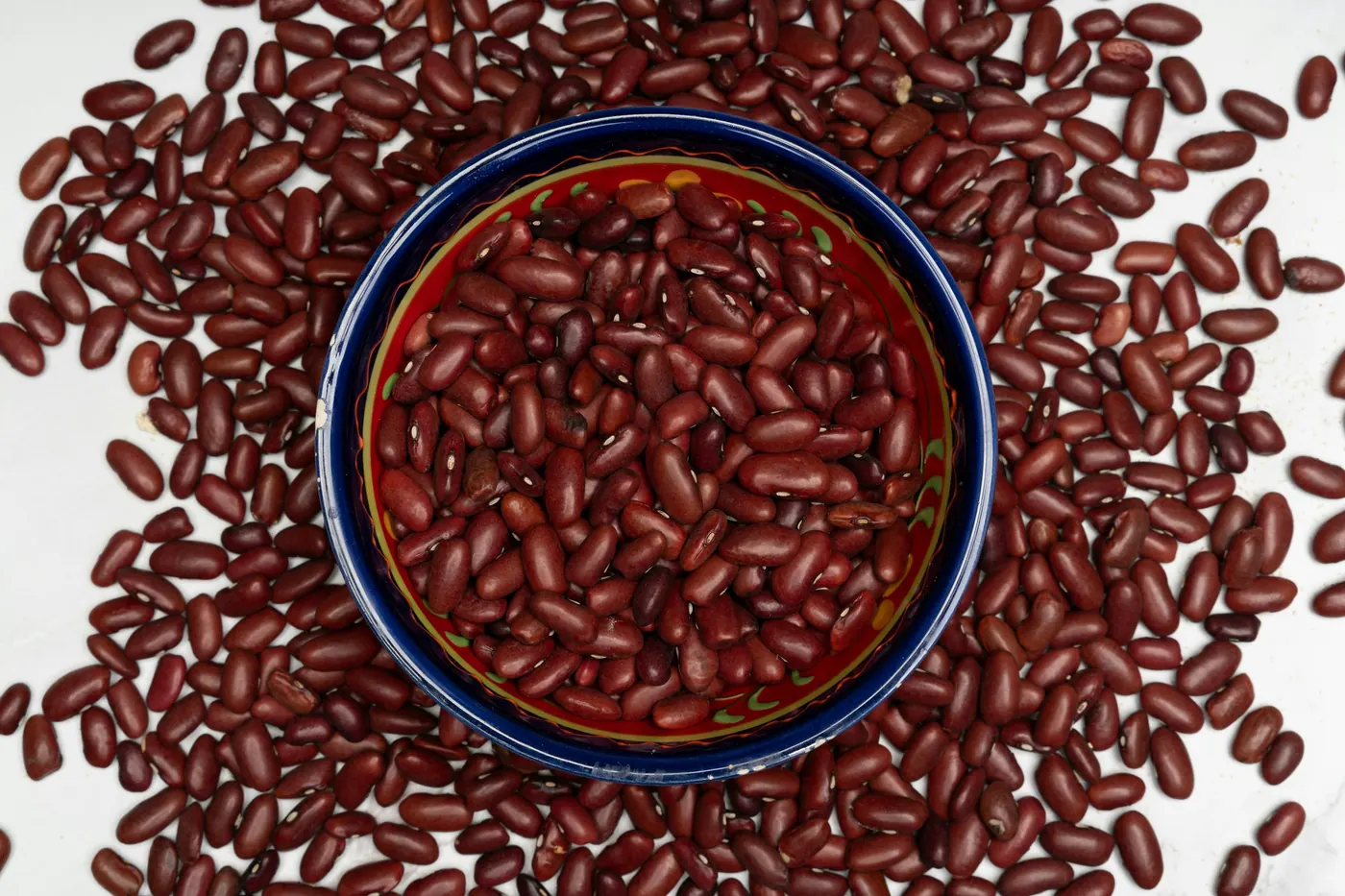
- Beans, soups and pozole by the pot: a stock pot. More room than most Dutch ovens, and a pot of beans does not need cast iron’s heat retention.
- Long, unattended cooking: a slow cooker. It will not brown, but it simmers for hours while you are out.
- Crusty bread: a covered ceramic baker. King Arthur Baking’s Barb Alpern explains that a Dutch oven or cloche works “to keep the moisture given off by the bread during baking close to the surface of the loaf,” which is what gives the crust its rise and color.
- Small braises for one or two: a covered roaster or a small oven-safe pot with a lid.
- Deep frying: a heavy, deep pot holds oil temperature best. Of the picks here, the clad saucepot is the only one we would use; never fry in a slow cooker or a roaster. This is general kitchen sense.
Five pots and bakers to use instead of a Dutch oven
1. Cuisinart MultiClad Pro 6-Quart Saucepot with Cover – Browns, Braises and Goes in the Oven

The closest thing to a Dutch oven that is not one is a heavy stainless pot with a metal lid, and this Cuisinart is a good example. The listing describes 18/10 stainless steel with a solid aluminum core, a cast stainless handle that stays cool to the touch and is riveted on, and tapered rims for pouring. It is oven-safe up to 550°F and broiler-safe, and the pot and cover can go in the dishwasher. At 6 quarts, it matches the size America’s Test Kitchen recommends for a Dutch oven.
America’s Test Kitchen is direct about stainless as a stand-in: lacking an enameled surface, stainless pots “tend to run a little hot,” but they “will work just as well as an enameled cast-iron Dutch oven.” In practice that means you sear on medium rather than high and keep an eye on the fond. The upside is weight: a stainless pot this size is far easier to lift out of a hot oven full of carnitas than a cast iron one, and there is no enamel to chip or seasoning to keep up.
The honest limits: stainless does not hold heat as long as heavy cast iron once it leaves the burner, so a pot of beans cools faster on the table. Bread is possible in a pot like this, but its handles and shape make it awkward to load a loaf, and the cloche below does it better. Cuisinart backs it with a limited lifetime warranty, per the listing.
Why we like it
- Oven-safe to 550°F and broiler-safe
- Aluminum core in 18/10 stainless
- Cool-touch riveted handle
- Dishwasher safe, limited lifetime warranty
Key specifications
| Model | MCP44-24N |
|---|---|
| Type | Saucepot with cover |
| Capacity | 6 quarts |
| Material | 18/10 stainless steel, solid aluminum core |
| Oven-safe | Up to 550°F; broiler-safe |
| Stovetop | Yes; induction not stated in the listing |
| Cleaning | Dishwasher safe |
| Warranty | Limited lifetime |
Why we recommend it
It suits cooks who want one pot for stews, braises and chili that is light enough to handle easily and goes in the dishwasher.
Skip it if you bake bread every week; a cloche or a cast iron pot does that better.
Pros and cons
Pros
- Stove to oven, like a Dutch oven
- Much lighter than cast iron
- Nothing to chip or season
Cons
- Runs a little hot, per ATK
- Holds heat less long
- Awkward for bread
2. Tramontina Gourmet 8-Quart Stainless Stock Pot – Room for Beans, Pozole and Soup
A lot of what people cook in a Dutch oven is really a big pot of something wet: frijoles de olla, pozole, caldo de res, a double batch of chili. For those, a stock pot does the job and gives you more room. This Tramontina Gourmet pot holds 8 quarts, two more than the usual Dutch oven, and the listing says it is 18/10 stainless steel with an impact-bonded tri-ply base, a stainless steel lid and cast riveted handles.
It is also oven-safe up to 500°F, works on every stovetop including induction, and is dishwasher safe, per the listing. That oven rating means you can finish a braise in the oven, though a tall pot is not the easiest shape for it.
The limit is the shape. America’s Test Kitchen warns that “too-narrow pots make browning a chore,” and a stock pot is taller and narrower than a Dutch oven, so brown meat in batches or in a skillet first. Only the base is layered; the walls are single stainless steel, so thick sauces can catch where the liquid line drops. Stir more often than you would in cast iron. For more stock pots, see our best stock pot guide.
Why we like it
- 8 quarts, more room than most Dutch ovens
- Tri-ply base for even heat on the bottom
- Oven-safe to 500°F, induction-ready
- Stainless lid, dishwasher safe
Key specifications
| Model | 80116/007DS |
|---|---|
| Type | Stock pot with lid |
| Capacity | 8 quarts |
| Material | 18/10 stainless steel, tri-ply base |
| Oven-safe | Up to 500°F |
| Stovetop | All, including induction |
| Cleaning | Dishwasher safe |
| Warranty | Not stated in the listing |
Why we recommend it
It suits cooks who make beans, soup or pozole in quantity and want one big pot that can also go in the oven.
Skip it if you mostly brown and braise meat; the wider Cuisinart saucepot is better at that.
Pros and cons
Pros
- Big capacity
- Oven-safe and induction-ready
- Light and easy to clean
Cons
- Narrow for browning
- Layered base only
- Warranty not stated
3. Hamilton Beach 6-Quart Slow Cooker with Folding Handles – Simmers All Day Without You
Many Dutch oven recipes are really low, slow simmers, and a slow cooker does that without you checking the oven. This Hamilton Beach has a 6-quart stoneware crock that the listing says fits a whole 6-pound chicken or a 4-pound roast and serves seven or more. A dial gives Low, High and Keep Warm, and the handles fold down for storage and lift up for carrying. The crock and glass lid are dishwasher safe.
On the crock: Hamilton Beach’s own FAQ page says its “specifications applicable to all slow cookers and their components (including the earthenware crocks) prohibits the product from containing any measurable amounts of lead.”
A slow cooker has two real limits as a Dutch oven stand-in. It cannot brown, so for the deep flavor of a seared roast or toasted chiles, do that step in a skillet first. And it cannot bake bread or go from stove to oven; the listing does not say the crock is oven-safe, so do not put it there. With those in mind, it is excellent for barbacoa, cochinita, beans and chile verde, and our best slow cooker guide has more models.
Why we like it
- Fits a 6-pound chicken or 4-pound roast, per the listing
- Low, High and Keep Warm settings
- Folding handles save counter space
- Dishwasher-safe crock and lid
Key specifications
| Model | 33664 |
|---|---|
| Type | Electric slow cooker |
| Capacity | 6 quarts |
| Material | Stoneware crock, glass lid |
| Oven-safe | Not stated |
| Stovetop | No; countertop appliance |
| Cleaning | Crock and lid dishwasher safe |
| Warranty | Not stated in the listing |
Why we recommend it
It suits cooks who want a pot of stew or shredded meat ready when they get home.
Skip it if you want browning or bread from the same pot; it does neither.
Pros and cons
Pros
- Cooks unattended
- Keep Warm for serving
- Maker statement on lead in crocks
Cons
- No browning
- No bread, no oven
- Manual dial, no timer
4. Emile Henry Ceramic Bread Cloche – A Crisp Crust Without a Heavy Pot
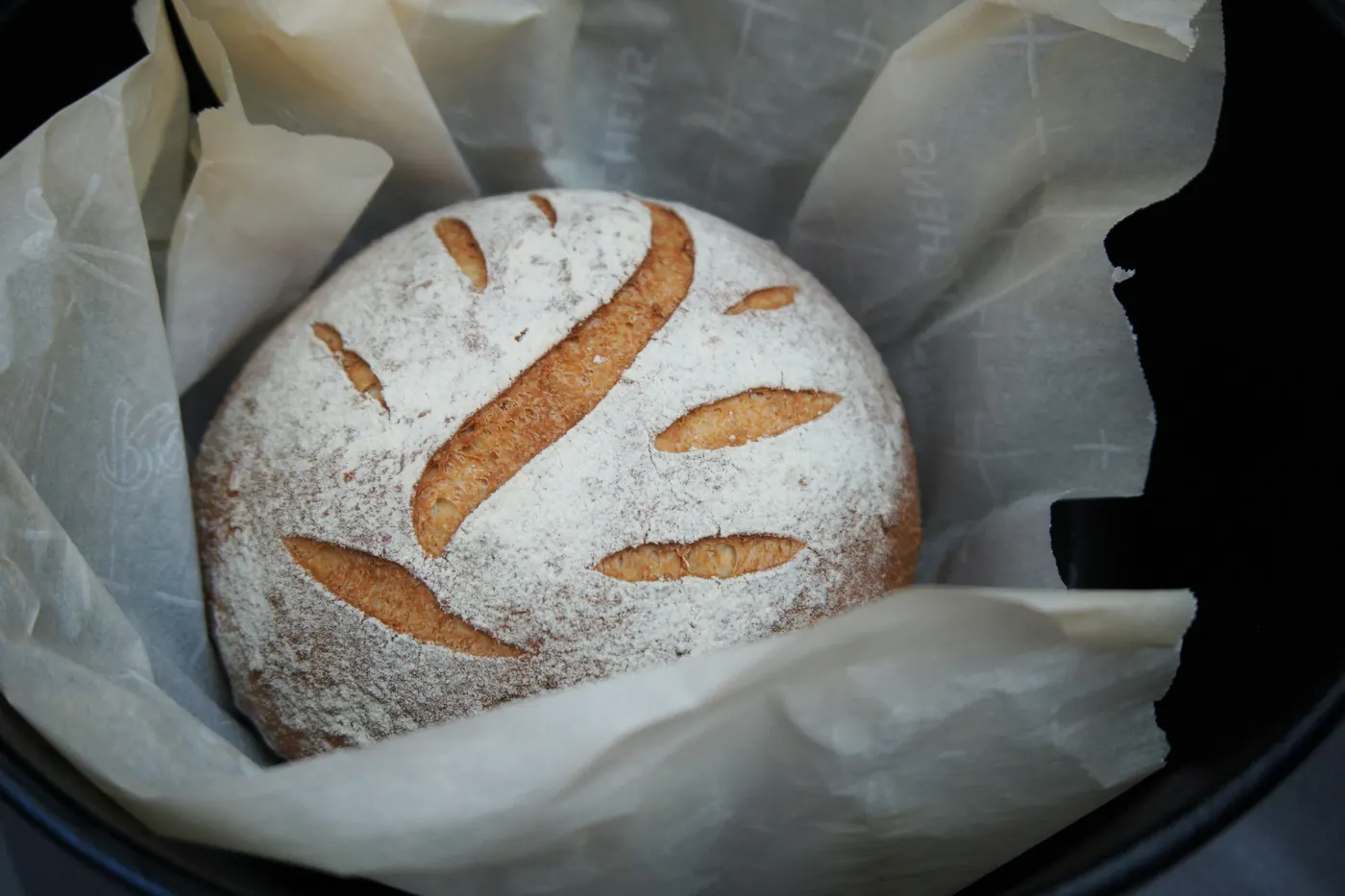
If you wanted a Dutch oven mainly for no-knead bread or sourdough, a cloche is the better tool. It is a shallow ceramic base with a tall domed lid: the loaf sits on a low base, so you are not lowering dough into a deep, scorching pot. King Arthur Baking explains why covered baking works: steam keeps the crust “moist, and the loaf is able to stretch and expand before the crust sets,” and a Dutch oven or cloche keeps the bread’s own moisture close to the loaf. Alpern adds that once the loaf has set, “it’s important to remove the lid” and finish in a dry oven.
Emile Henry makes this cloche in France from its HR ceramic, rates it to 270°C (about 518°F), and lists it as safe in the oven, microwave, freezer and dishwasher, with a 10-year guarantee. The listing gives the size as 13.2 by 11.2 by 7 inches, room for a large round loaf. On lead, Emile Henry’s US About page says: “There is no lead or cadmium in our products, all of the glazes meet California Prop 65, and all of the products are 100% food safe.”
This is the same cloche we feature in other colors on our bread pages; we chose it again here because it is the clearest bread-only alternative to a Dutch oven from a maker that publishes its materials guidance. The limits: it is for bread and a few oven dishes, not stews on the stove, and ceramic can crack if you put it cold into a very hot oven or set it hot on a wet surface. That last point is general care for ceramic bakeware.
Why we like it
- Low base makes loading dough easy
- Rated to 270°C, per Emile Henry
- Made in France, 10-year guarantee
- Dishwasher safe, per the maker
Key specifications
| Model | 345508 (Burgundy) |
|---|---|
| Type | Bread cloche |
| Capacity | 13.2 x 11.2 x 7 in |
| Material | Ceramic (Emile Henry HR ceramic) |
| Oven-safe | Up to 270°C (about 518°F) |
| Stovetop | No |
| Cleaning | Dishwasher safe, per Emile Henry |
| Warranty | 10 years |
Why we recommend it
It suits bakers who wanted a Dutch oven only for crusty bread and would rather not lift a hot cast iron pot.
Skip it if you also want to braise and make soup; a pot does more jobs.
Pros and cons
Pros
- Built for crusty loaves
- Easy to load
- Long guarantee
- Maker states no lead or cadmium
Cons
- Bread only, mostly
- Ceramic needs care with heat changes
- Large footprint, 13.2 by 11.2 inches
5. Granite Ware 3-Pound Round Covered Roaster – A Light Lidded Pan for Small Braises
For a small oven braise, a few chicken thighs in salsa verde or a pork shoulder for two, the job is really a covered dish in the oven, and a covered roaster does it at a fraction of a Dutch oven’s weight. This Granite Ware roaster is a round, 9.25-inch pan with a domed lid, made of porcelain enamel on steel. The listing says it holds up to 3 pounds of poultry with the lid on, is dishwasher safe and is made in Mexico, and that the dark surface absorbs the oven’s heat and spreads it so food cooks evenly.
Because it is enamel on a food surface, we checked the maker. Granite Ware is made by CINSA, whose California disclosure for its Graniteware porcelain enamel says the products are “free from heavy metals such as cadmium, selenium, lead.” The listing also says the enamel has no PFOA or PTFE.
The trade-offs are real. Thin steel does not hold heat the way cast iron does, and the listing does not say it can go on a burner, so brown meat in a skillet first and use this for the oven stage. It is small; for anything bigger than a small chicken, look at our best roasting pan guide. And enamel can chip if dropped, as any enameled cookware can.
Why we like it
- Very light for a lidded oven pan
- Maker states free of lead and cadmium
- Dishwasher safe
- Made in Mexico, per the listing
Key specifications
| Model | 0517-6 |
|---|---|
| Type | Covered roaster |
| Capacity | Up to 3 lb poultry, lid on; 9.25 in |
| Material | Porcelain enamel on steel |
| Oven-safe | Yes; maximum not stated |
| Stovetop | Not stated |
| Cleaning | Dishwasher safe |
| Warranty | Not stated in the listing |
Why we recommend it
It suits cooks for one or two who braise in the oven now and then and want something light to lift and store.
Skip it if you cook for a crowd or want to brown in the same pan; it is small and meant for the oven.
Pros and cons
Pros
- Light and easy to handle
- Maker heavy-metal statement
- Easy cleanup
Cons
- Small capacity
- Holds heat poorly
- Stovetop use not stated
Using what you already have
Before buying anything, check the cupboard. Most kitchens can cover a Dutch oven recipe with one of these, as long as you check each item’s oven limit. These are general kitchen practices, not maker instructions.
- Any oven-safe pot with a metal lid. Check that the handles and knob are metal; plastic and wooden knobs often have low oven limits.
- A deep skillet plus foil. Brown in the skillet, add liquid, cover tightly with foil and move it to the oven.
- A baking dish covered with foil. Good for the oven stage of a braise; brown the meat in a pan first.
- For bread, a bowl over the loaf. King Arthur’s Alpern describes placing a large metal bowl over the loaf on a hot stone or pan to hold steam, then removing it after about 15 minutes to finish baking.
How we chose these five alternatives
We started from the jobs people buy a Dutch oven for, browning and braising, big pots of beans and soup, long unattended stews, bread and small oven dishes, and chose one item from an identifiable maker for each. For enameled and ceramic food surfaces we looked for the maker’s own statement on lead and quote what we found. Every pick was listed in stock and sold new when we checked.
Specifications come from the Amazon listings and, for Emile Henry and Granite Ware, from the makers’ own pages; the lead statements for Hamilton Beach, Emile Henry and Granite Ware come from each maker’s own website. For how the alternatives compare we read America’s Test Kitchen’s Dutch oven shopping guide and King Arthur Baking’s guide to baking bread with steam by Barb Alpern. Where a statement is general kitchen sense rather than a sourced fact, we say so. We have not used these products ourselves. We also searched the U.S. Consumer Product Safety Commission’s recall database for each brand; the only slow cooker recall listed for Hamilton Beach dates from 2003 and does not include model 33664, and we found no recall for any of the other four products.
Dutch oven alternative questions, answered
What can I use instead of a Dutch oven?
Any heavy, oven-safe pot with a tight metal lid does most Dutch oven jobs. A stock pot handles beans and soup, a slow cooker handles long stews, a cloche or covered baker handles bread, and a covered roaster or a baking dish with foil handles the oven stage of a braise.
Can I use a stock pot instead of a Dutch oven?
Yes, for soups, beans and most stews. America’s Test Kitchen says a stainless pot will work about as well as enameled cast iron, though it runs a little hotter. A tall pot is harder to brown in, so sear in batches, and check that the pot and lid are oven-safe before a braise goes in the oven.
Can I bake bread without a Dutch oven?
Yes. A ceramic cloche works the same way, holding the loaf’s own moisture around it. Without one, bake on a hot stone or sheet pan and cover the loaf with a large metal bowl for the first part of the bake, as King Arthur Baking describes. Our best Dutch oven for bread guide covers pots made for the job.
Is a slow cooker the same as a Dutch oven?
No. Both cook low and slow, but a slow cooker cannot brown meat, cannot go on the stove and is not made for baking. Brown in a skillet first, then let the slow cooker do the simmering.
Is a braiser a good Dutch oven alternative?
For braising and searing, often yes; for soup, deep frying and bread, no, because it is shallow. Our Dutch oven vs braiser comparison and best braiser guide go into the details.
Our final word on cooking without a Dutch oven
For most kitchens, a heavy stainless saucepot with an oven-safe lid covers nearly everything a Dutch oven does, with a stock pot for big batches, a slow cooker for hands-off stews and a cloche for bread. If you find yourself wanting cast iron’s steady heat for braises and bread in one pot, our guide to the best Dutch oven is the place to start, and the best stainless steel Dutch oven guide covers lighter options.
And if you would rather someone else did the slow cooking tonight, see the menu or call to order.