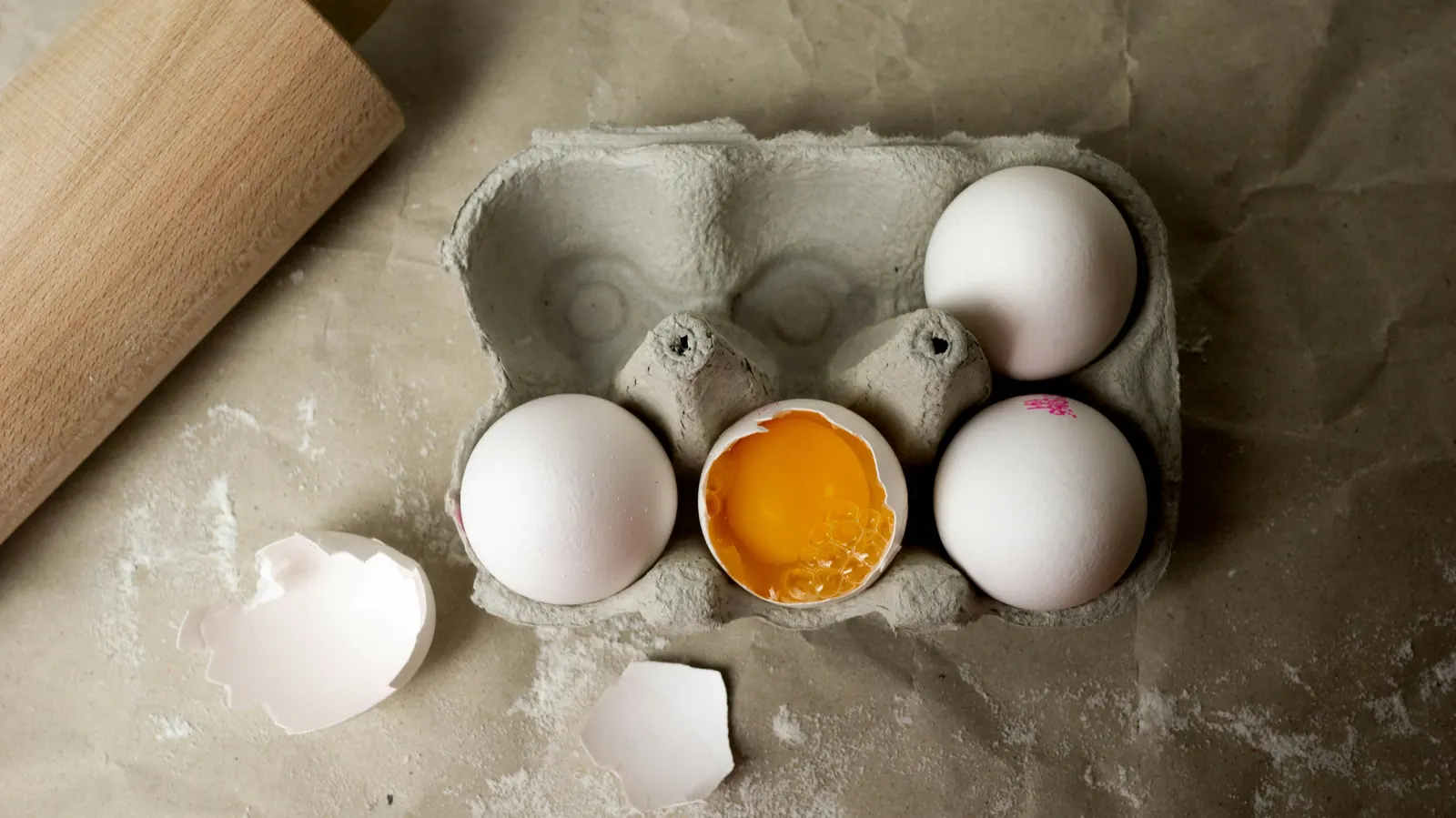
An egg separator does one small job: it holds the yolk back while the white runs into a bowl. That matters more than it sounds. A trace of yolk in the whites can keep them from whipping, which spoils a meringue, the sponge for a tres leches cake or the light batter on a chile relleno.
The good news is that you can separate eggs well without one, and most of the tools for it are already in the kitchen. This guide covers the methods that work, what each one does well and badly, and the few things worth buying if you separate eggs often but don’t want a single-use gadget. If you would rather buy the gadget, our best egg separator guide covers those.
Julia’s earns a commission on purchases made through links on this page, at no cost to you. Recommendations are based on what a restaurant kitchen looks for, product specifications and verified buyer reports.
Why cooks look for an egg separator alternative
- The recipe calls for whites now. You have eggs and a bowl, and no separator in the drawer.
- Drawer space. A separator does nothing else, and many cooks would rather use a spoon or a funnel they already own.
- A big batch. Separating a dozen eggs for meringue or a cake is slow with a small cup-style separator, and one broken yolk can ruin the whole bowl of whites.
- Only the whites matter. For royal icing or meringue cookies you may not need fresh eggs at all.
Quick verdict: the best egg separator alternative
For most cooks, the best egg separator alternative costs nothing: crack the egg, pass the yolk between the shell halves or let the white slip through your clean fingers, and use three bowls so one broken yolk spoils only one white. If you separate eggs often, a set of small bowls such as the Libbey 6.25-ounce glass bowls with lids makes the three-bowl method easy and stores leftover yolks. For a tool from the drawer, a slotted spoon such as the Calphalon Prime works. For hands-free work, a Norpro 242 funnel holds the yolk while the white runs through. When you only need whites for icing or meringue cookies, skip the eggs and use Judee’s dried egg whites or Wilton meringue powder.
Five egg separator stand-ins side by side
Our five picks, each for a different way of getting whites without a separator, with what each maker or listing states.
| Alternative | Method it serves | Material | How close to a separator | Buy on Amazon |
|---|---|---|---|---|

Libbey Small Glass Bowls with Lids, Set of 8Best for big batches
|
Shell or hand method, three bowls | Glass bowls with lids | Protects the whites better | View on Amazon |

Calphalon Prime Slotted Spoon SkimmerBest tool from the drawer
|
Slotted spoon over a bowl | Stainless steel, silicone head | Close; one egg at a time | View on Amazon |

Norpro 242 Stainless Steel FunnelBest hands-free
|
Funnel over a jar or cup | Stainless steel | Works like one; slower | View on Amazon |

Judee’s Dried Egg White Powder, 8 ozBest when you only need whites
|
No separating at all | Pasteurized dried egg whites | Replaces the job, not the tool | View on Amazon |

Wilton Meringue Powder, 8 oz, 3-PackBest for icing and meringue cookies
|
No separating at all | Meringue powder; contains eggs | For icing and meringue only | View on Amazon |
Separating eggs without a separator: the methods that work
Every method below does the same thing a separator does: it lets the white fall away while something holds the yolk. They differ in speed, mess and how often the yolk breaks. Cold eggs are firmer and separate more cleanly than warm ones, and whites whip better once they warm up a little; that is general kitchen sense rather than a sourced rule.
The shell method
Crack the egg around its middle over a bowl, pull the halves apart, and tip the yolk back and forth between them while the white drops into the bowl. It needs nothing but the egg. The limit is the shell’s edge: a jagged break can cut the yolk. America’s Test Kitchen also uses the shell another way: when a bit of shell falls into the whites, it scoops it out with a larger piece of shell, because the shell edge catches the fragment where a spoon chases it around the bowl.
The hand method
Crack the egg into a cupped, clean hand held over a bowl and let the white slip through your slightly parted fingers. The yolk stays in your palm. It is fast, and a soft palm is gentler on the yolk than a shell edge, so fewer yolks break. The downside is obvious: your hands are covered in raw egg, so wash them before you touch anything else. This is general kitchen sense.
The three-bowl method
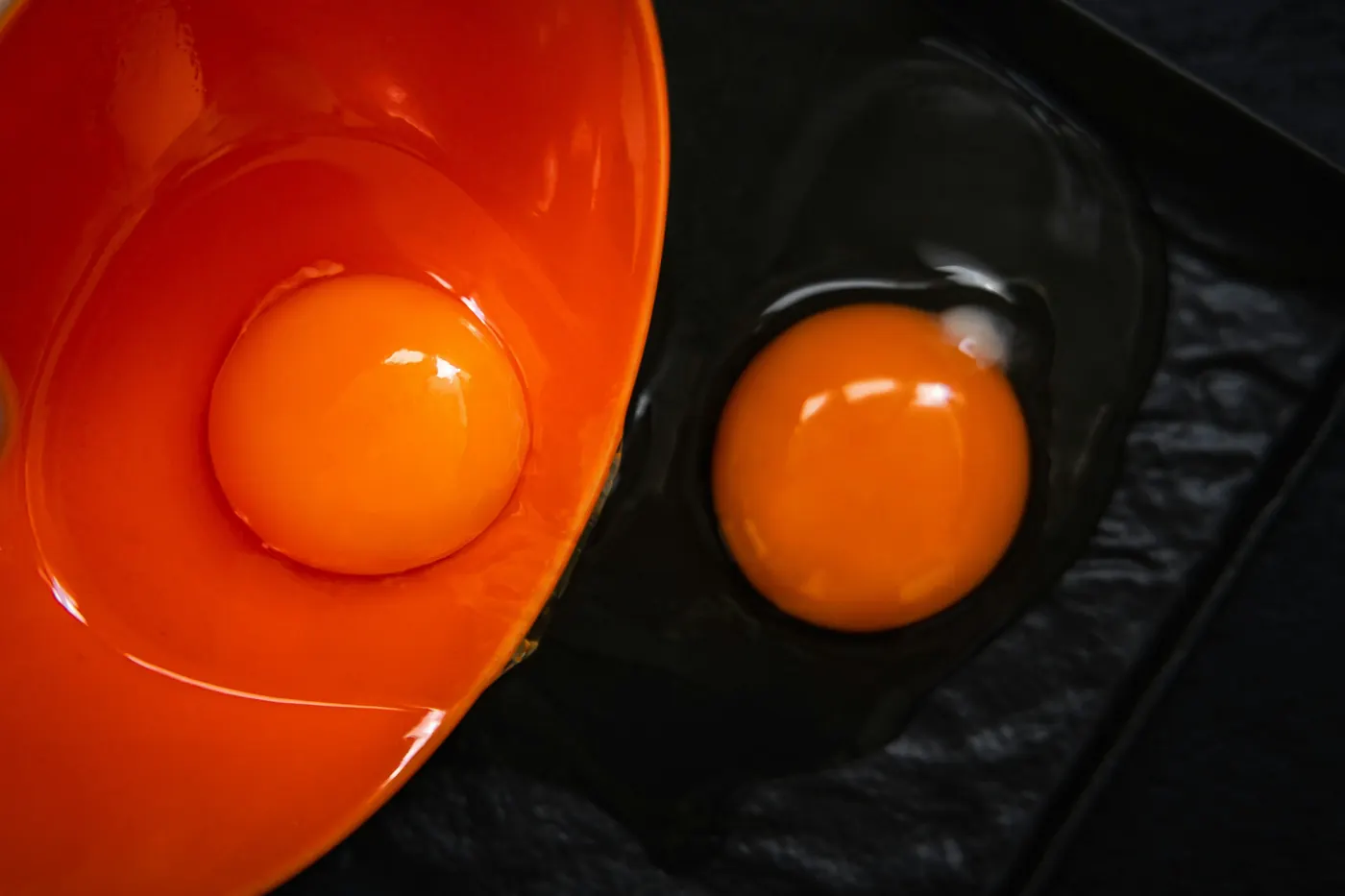
This is the habit that matters most, whichever method you use. America’s Test Kitchen describes it: crack the egg over the first bowl and let the white fall in, drop the yolk into a second bowl, then pour the white from the first bowl into a third, and repeat. Its reason is simple. If a yolk breaks, it spoils only that one white, not the whole bowl you have already collected.
The slotted spoon or funnel
Crack the egg into a slotted spoon held over a bowl, or into a funnel set in a jar. The white runs through the slots or down the stem, and the yolk stays behind. These are the closest you get to a separator without buying one, and they keep your fingers clean.
The water bottle trick
Crack the eggs whole onto a plate, squeeze an empty, clean, soft plastic bottle, touch its mouth to a yolk and let go. The suction pulls the yolk up into the bottle; squeeze it gently out into another bowl. It works best when the yolks are firm and the bottle is thin-walled, and it is better at pulling yolks out of a plate of eggs than at speed. This is general kitchen sense rather than maker guidance.
Raw egg safety, from the Extension Service
Separating eggs means handling raw egg, so a few points from the Oregon State University Extension Service are worth knowing. It says that USDA and the Extension Service recommend against using raw eggs in any product, and that even eggs from healthy chickens with clean, uncracked shells may occasionally contain Salmonella. It advises keeping eggs refrigerated, cooking eggs until the yolks are firm, cooking foods that contain eggs thoroughly, and taking extra care when cooking for young children, older adults and people with weakened immune systems.
That has a practical meaning here. If your separated whites or yolks go into something that will be baked or cooked through, the separating method makes little difference. If they go into something served raw, look at the pasteurized dried egg whites in our picks instead. Leftover whites or yolks go straight into the fridge, covered.
Our picks for the best egg separator alternative
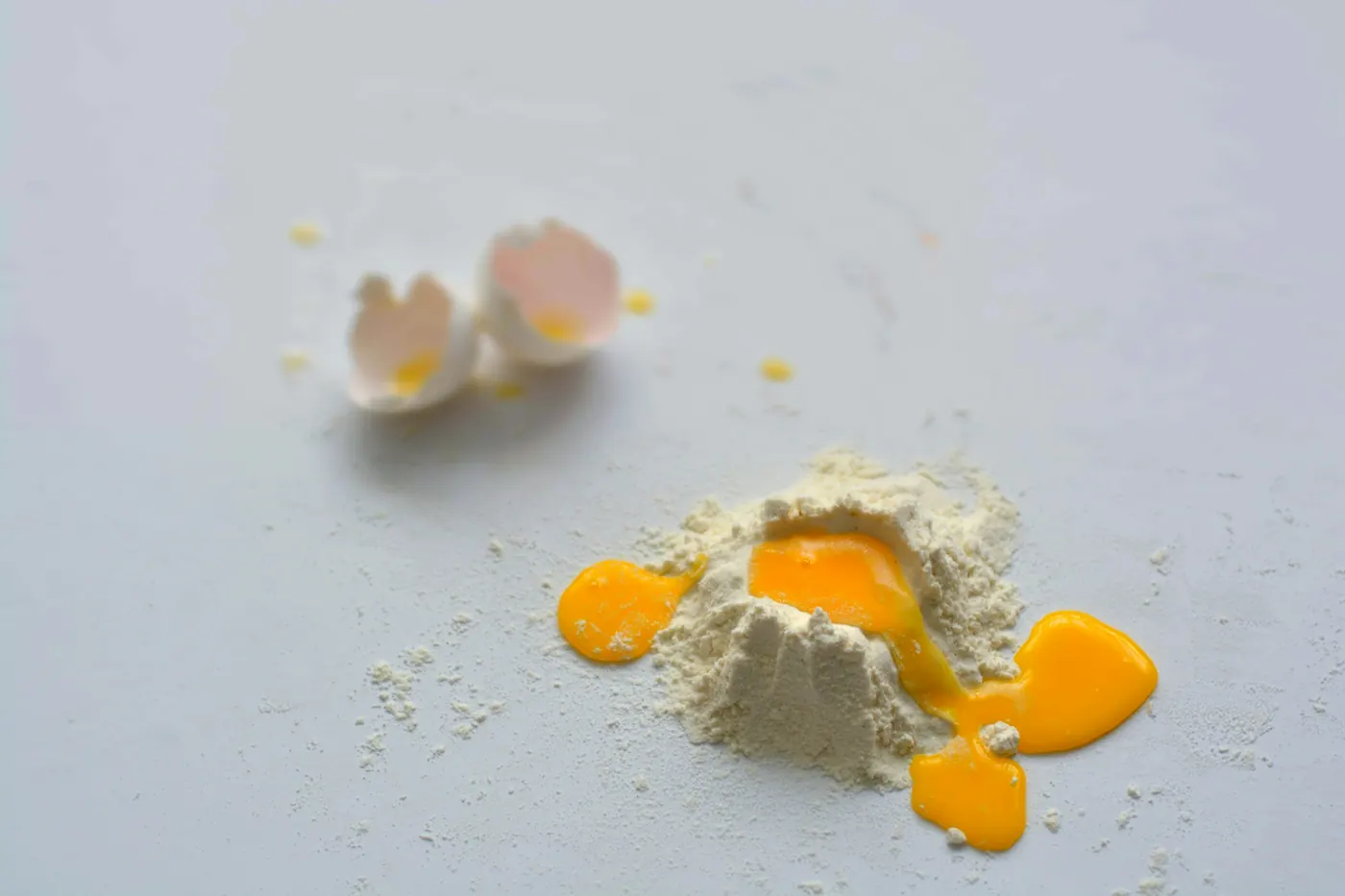
Every pick was in stock with a new lead offer when we checked, and none appears as the same listing on our other pages. None of them is an egg separator. Three help you separate eggs without one, and two replace fresh whites altogether.
1. Libbey Small Glass Bowls with Lids, Set of 8 – Three-Bowl Method Made Easy
The tool that protects your whites best is not a separator at all; it is a set of small bowls. With the shell or hand method and three bowls, a broken yolk costs you one egg, not the whole batch. Libbey’s listing describes eight 6.25-ounce clear glass bowls with lids, made for food prep and storage and dishwasher safe.
The size suits one egg at a time. Crack over one bowl, drop the yolk into a second, and tip the clean white into your mixing bowl. Because you can see through the glass, a streak of yolk is easy to spot before it goes in. The lids are the other reason to pick this set: separated recipes often leave you with spare yolks or whites, and a lidded bowl takes them straight to the fridge.
Bowls don’t hold the yolk for you, so your hands or the shell still do the separating. The listing asks that the bowls be handled with care. If you already own small bowls or ramekins, use those; our best ramekins guide covers oven-safe ones that do the same job.
Why we like it
- Eight 6.25-ounce glass bowls (listing)
- Lids for storing leftover yolks or whites (listing)
- Clear glass shows a stray streak of yolk
- Dishwasher safe (listing)
Key specifications
| Model | 55454 |
|---|---|
| Type | Small prep bowls with lids, set of 8 |
| Material or ingredients | Glass bowls; lid material not stated |
| Size | 6.25 oz each |
| How it helps | Three-bowl method; storing leftovers |
| Allergens | Not applicable |
| Care or storage | Dishwasher safe; handle with care |
| Sold by (when checked) | Amazon.com |
Why we recommend it
It suits a baker who separates six or more eggs at a time for meringue or a sponge cake and cannot afford a yolk in the whites.
Skip it if you already own a few small bowls; any clean cup does the same job.
Pros and cons
Pros
- One broken yolk spoils only one white
- Lids store spare yolks or whites
- Useful for all kinds of prep
Cons
- Doesn’t hold the yolk for you
- More dishes to wash
- Glass needs careful handling
2. Calphalon Prime Slotted Spoon Skimmer – A Separator Already in the Drawer
A slotted spoon held over a bowl works much like a cup-style separator: crack the egg into the bowl of the spoon and the white drains through the slots while the yolk stays put. Calphalon’s listing describes this one as a heavy-gauge stainless steel spoon with a perforated silicone head, made to drain liquid as you scoop and safe for nonstick pans. It is dishwasher safe.
The silicone head is a small advantage for eggs. It is softer than a metal rim, so a yolk is less likely to tear on it, and the same spoon then lifts poached eggs or beans out of their liquid. Give the spoon a gentle shake or tilt to help the thicker part of the white let go; that is general kitchen sense.
The limits are speed and size. You separate one egg at a time and hold the spoon the whole time, and the listing gives no head size, so a very large yolk may sit close to the edge. Our best slotted spoon guide covers other spoons if you want a steel one.
Why we like it
- Perforated head drains liquid as you scoop (listing)
- Silicone head is safe for nonstick pans (listing)
- Heavy-gauge stainless steel handle (listing)
- Dishwasher safe (listing)
Key specifications
| Model | 150278.01 |
|---|---|
| Type | Slotted spoon skimmer |
| Material or ingredients | Stainless steel; silicone head |
| Size | Not stated |
| How it helps | Holds the yolk while the white drains |
| Allergens | Not applicable |
| Care or storage | Dishwasher safe |
| Sold by (when checked) | Amazon.com |
Why we recommend it
It suits a cook who separates a few eggs now and then and wants a tool that earns its drawer space every day.
Skip it if you separate a dozen eggs at a time; holding a spoon for each egg gets slow.
Pros and cons
Pros
- Keeps your fingers out of the egg
- Soft head is gentle on the yolk
- An everyday cooking spoon too
Cons
- One egg at a time, hand held
- Head size not stated
- Thick white can cling to the slots
3. Norpro 242 Stainless Steel Funnel – Sits in a Jar, Hands Free
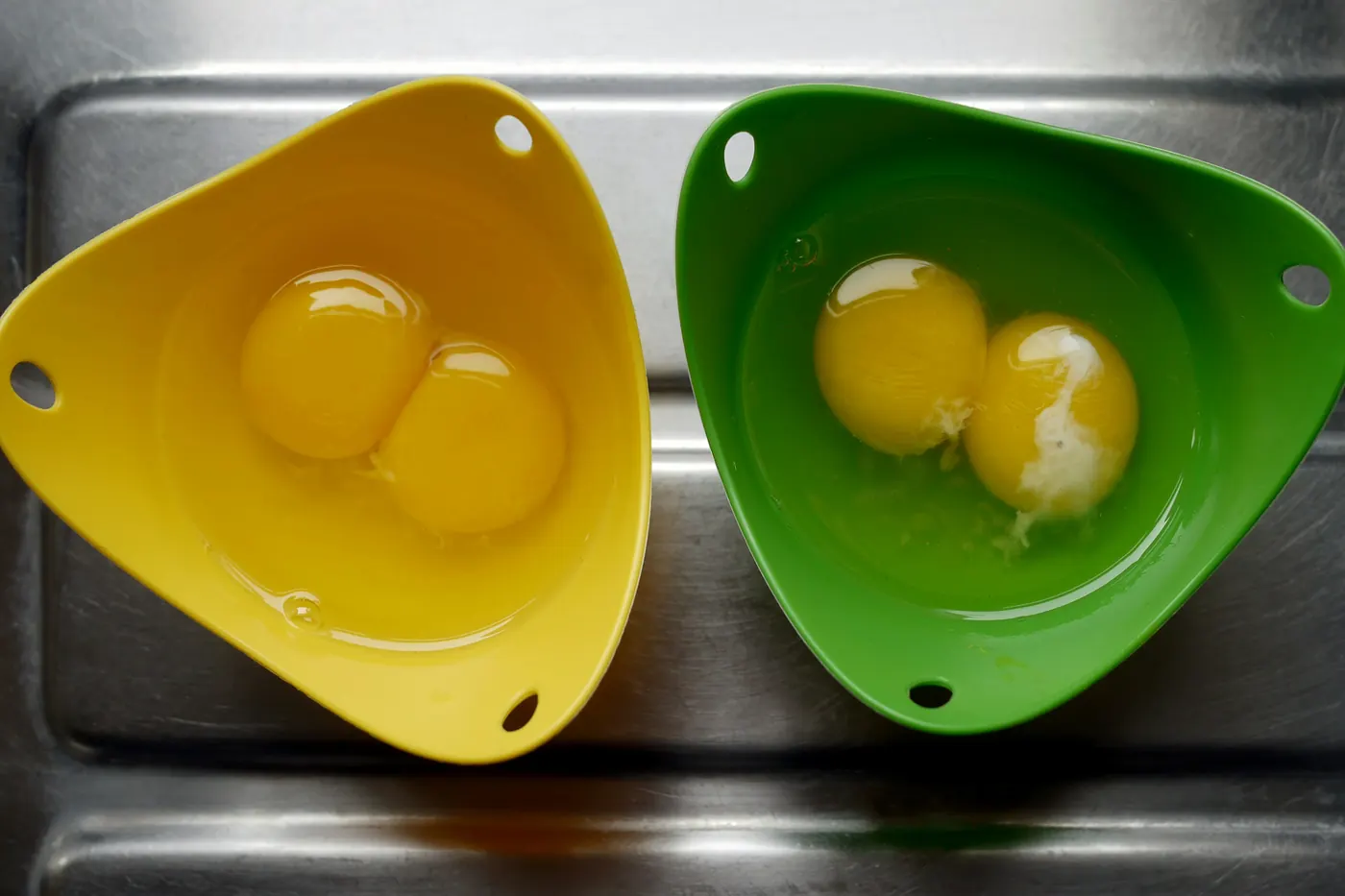
A funnel separates eggs the same way a separator does: the yolk is too big to pass the stem, so it stays in the cone while the white runs down into the jar. Norpro’s listing describes a stainless steel funnel with a 3 by 3-inch mouth that tapers to a narrow stem about 3/8 inch wide and 3 inches long. A yolk can’t fit through that, and set in a jar or a narrow glass, the funnel stands on its own, so both hands are free to crack the next egg.
Take the removable mesh screen out first. Norpro includes it for straining wine, oil and sauces, and with it in place the white would drain far too slowly. Without it, the thin part of the white runs through quickly; the thick part takes longer, and a gentle tilt helps. Lift the yolk out with a spoon or tip it into a bowl after each egg; that is general kitchen sense rather than maker guidance.
Norpro lists the funnel for wine, oil, spices and filling small bottles, so using it for eggs is our kitchen sense, not the maker’s claim. The listing doesn’t give care instructions. Our best kitchen funnel guide covers other funnels for everyday filling jobs.
Why we like it
- 3-inch mouth holds a whole egg (listing)
- Stem about 3/8 inch wide stops the yolk (listing)
- Stainless steel, won’t react with acids (listing)
- Stands in a jar, leaving both hands free
Key specifications
| Model | 242 |
|---|---|
| Type | Funnel with removable mesh screen |
| Material or ingredients | Stainless steel |
| Size | 3 x 3 in mouth; 3/8 in stem, 3 in long |
| How it helps | Holds the yolk while the white drains into a jar |
| Allergens | Not applicable |
| Care or storage | Not stated |
| Sold by (when checked) | KART IT (third-party seller) |
Why we recommend it
It suits a cook who wants clean hands and free hands, and who will also use a funnel for oil, vinegar and spice jars.
Skip it if you want speed; the white drains more slowly through a narrow stem than through your fingers.
Pros and cons
Pros
- Hands-free once set in a jar
- All stainless steel
- Useful for many other jobs
Cons
- Thick white drains slowly
- Needs a jar or glass to sit in
- Sold by a third-party seller when checked
4. Judee’s Dried Egg White Powder, 8 oz – Whites With No Yolks Left Over
Sometimes the best alternative to separating eggs is not separating them. If a recipe needs only whites, dried egg whites skip the job and leave no spare yolks. Judee’s listing describes the powder as pure powdered egg whites, sourced from pasteurized eggs, gluten-free and nut-free, in a resealable 8-ounce pouch. The title says it whips fluffy meringues, and the listing suggests it for royal icing and baking.
The pasteurization is the main reason to keep a pouch around. The Extension Service advice above warns against raw eggs, and a white made from pasteurized powder is the sensible choice for anything that won’t be cooked, such as a royal icing. Mix it with water as the package directs; the listing we read doesn’t give the ratio, so follow the label.
It is still egg, so it is not an option for anyone avoiding eggs. And for a dish where fresh whites shine, such as a tall soufflé, many cooks still prefer fresh eggs; that is general kitchen sense, not a maker claim.
Why we like it
- Made from pasteurized eggs (listing)
- Powdered egg whites only (listing)
- Resealable pouch for storage (listing)
- Listed for meringues and royal icing
Key specifications
| Model | Not stated |
|---|---|
| Type | Dried egg white powder |
| Material or ingredients | Dried egg whites from pasteurized eggs |
| Size | 8 oz pouch |
| How it helps | Replaces separated fresh whites |
| Allergens | Egg; listed as gluten-free and nut-free |
| Care or storage | Resealable pouch; follow the label |
| Sold by (when checked) | Judee’s Gluten Free |
Why we recommend it
It suits a baker who makes royal icing or meringue cookies, or anything with uncooked whites, and hates wasting yolks.
Skip it if you have eggs to use up anyway; separating them costs nothing.
Pros and cons
Pros
- No yolks to break or store
- Made from pasteurized eggs
- Shelf-stable pouch
Cons
- Still contains egg
- Mixing ratio not on the listing we read
- Not a match for fresh whites in every recipe
5. Wilton Meringue Powder, 8 oz, 3-Pack – Royal Icing Without Raw Eggs
Meringue powder is the decorator’s answer to separating eggs. Wilton says on its own product page that it lets you make meringue cookies and royal icing without using raw eggs, and lists it for soft meringue pie toppings, baked meringue cookies and royal icing of any consistency. Its conversion is 2 teaspoons of meringue powder plus 2 tablespoons of water for one egg white.
The Amazon listing describes three 8-ounce containers with resealable tops that open fully for measuring, certified Kosher and made in the USA. Wilton’s page states that it contains eggs, and the listing says it is made in a facility that also processes peanuts, tree nuts, fish, shellfish, milk and wheat; Wilton’s page adds sesame and soy to that list. Check the label if allergies matter in your house.
Meringue powder is a mix, not plain egg white, so it suits sweet decorating work better than savory cooking. It is not a stand-in for whites in a batter or a soufflé. Note that Wilton’s ingredient details come from its 16-ounce page; the 8-ounce containers here are the same product line, and the listing names them an egg white substitute.
Why we like it
- Royal icing and meringue cookies without raw eggs (Wilton)
- 2 tsp powder plus 2 Tbsp water equals one white (Wilton)
- Resealable tops that open fully (listing)
- Certified Kosher; made in the USA (listing)
Key specifications
| Model | 2104-3655 |
|---|---|
| Type | Meringue powder |
| Material or ingredients | Meringue powder mix; contains eggs (Wilton) |
| Size | 3 x 8 oz (227 g) |
| How it helps | Replaces whites in icing and meringue |
| Allergens | Contains eggs; shared facility (see text) |
| Care or storage | Resealable top |
| Sold by (when checked) | Shopific LLC (third-party seller) |
Why we recommend it
It suits a cook who decorates sugar cookies or pipes meringues for parties and wants a stable icing without handling raw whites.
Skip it if you need whites for cooking, such as a batter or a soufflé; plain dried whites or fresh eggs suit those better.
Pros and cons
Pros
- No raw eggs for icing
- Clear conversion to egg whites
- Three containers in one pack
Cons
- For sweet decorating work only
- Contains eggs; shared-facility allergens
- Sold by a third-party seller when checked
Match the method to the recipe
| What you are making | Best way to get whites | What to watch |
|---|---|---|
| Meringue or a sponge cake | Hand or shell method with three bowls | Not a trace of yolk in the whites |
| A few whites for a batter | Slotted spoon or funnel | Speed matters less than clean hands |
| Yolks only, as for flan or a custard | Any method; the white can go in the fridge | Store the spare whites covered |
| Royal icing | Meringue powder or dried whites | Raw whites are not advised |
| Anything served uncooked | Pasteurized dried whites | See the Extension Service advice above |
What we left out
We did not include egg separators of any kind, including yolk-sucking bulbs and clip-on cups. They are the tool itself, and our best egg separator guide covers them. We left out mesh strainers, which hold back the thick part of the white along with the yolk, and turkey basters, whose tips are too narrow to draw up a whole yolk. We also left out squeeze bottles for the bottle trick: any clean, soft, empty water bottle does that job, so there is nothing worth buying for it.
Questions about separating eggs without a separator
What can I use instead of an egg separator?
Your hands, the two halves of the shell, a slotted spoon or a funnel set in a jar. Whichever you use, work over a small bowl and add each white to the main bowl only once it is clean, as America’s Test Kitchen’s three-bowl method describes.
Is it safe to separate eggs with the shell?
We found no USDA or Extension page that rules on the shell method itself. What the Oregon State University Extension Service does say is that even clean, uncracked eggs may occasionally contain Salmonella and that raw eggs are not recommended in any product. If the whites or yolks will be cooked through, the method matters less. If they won’t be cooked, use pasteurized dried whites.
How do I separate a lot of eggs at once?
The hand method is the fastest for a big batch, and three bowls keep one broken yolk from spoiling the lot. A funnel in a jar is slower but frees both hands.
Can I use meringue powder instead of egg whites?
For royal icing, meringue cookies and soft meringue toppings, yes. Wilton gives 2 teaspoons of its powder plus 2 tablespoons of water for each egg white. For batters, use fresh or plain dried whites.
What do I do if yolk gets into the whites?
If it is a tiny speck, lift it out with a piece of shell, as America’s Test Kitchen suggests for shell fragments, or with a clean spoon. If a whole yolk breaks into the bowl, use that egg for something else; this is why the three-bowl method exists.
Our last word on separating eggs
You don’t need a separator to separate eggs well. Clean hands or the shell, plus three small bowls, handle almost every recipe, and a slotted spoon or a funnel covers you if you would rather keep your fingers clean. For icing and anything served uncooked, pasteurized dried whites or meringue powder are the better route. If you separate eggs every week and want a tool for it, start with our best egg separator guide, and when the whites are ready, our best hand mixer guide covers the next step. For a dessert that starts with separated eggs, see flan vs tres leches.
And when you would rather someone else made dessert, see the menu or call to order.