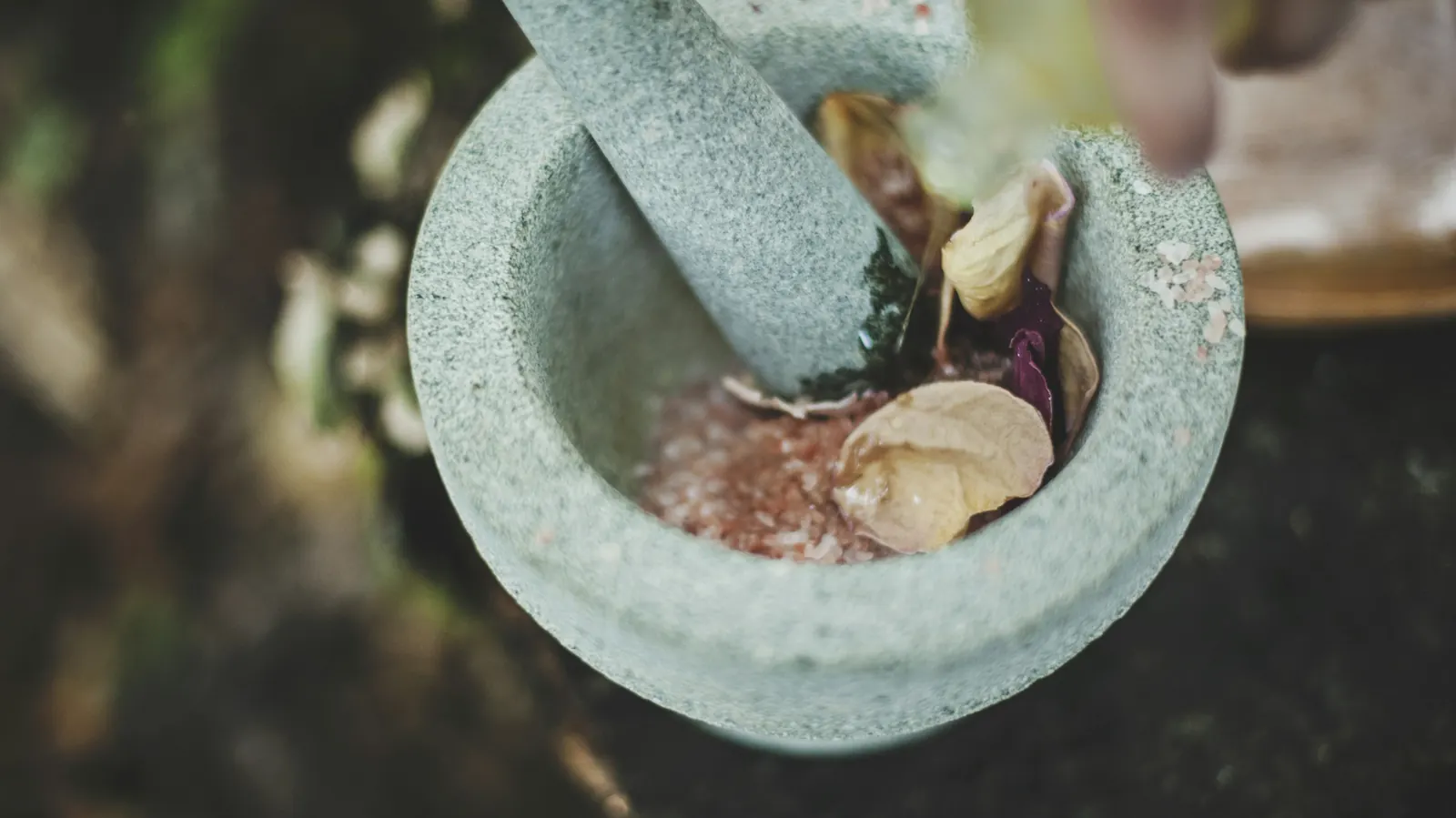
A spice grinder is quick, but a mortar and pestle does things a blade cannot. It cracks whole cumin and cloves without turning them to dust, crushes garlic and salt into a paste, and lets you stop at exactly the texture you want. In a Mexican kitchen that means toasted spices for an adobo, a paste of garlic and chile for a marinade, or a few allspice berries for a pot of beans.
This guide covers the mortars worth buying in each common material: granite, marble, porcelain and olive wood. It names seven from Cole & Mason, PriorityChef, ChefSofi, Gorilla Grip, HIC and Orchard Hardwoods, and explains which suits spices, pastes, big batches or a small counter. If you want a volcanic-stone molcajete for salsa and guacamole, our guide to the best molcajete covers those separately.
Julia’s earns a commission on purchases made through links on this page, at no cost to you. Recommendations are based on what a restaurant kitchen looks for, product specifications and verified buyer reports.
Quick verdict: which mortar and pestle to buy
For most kitchens the best mortar and pestle is the Cole & Mason 5.5-inch Granite Mortar and Pestle: a heavy, thick-walled granite bowl with an unpolished interior that America’s Test Kitchen recommends and found nearly as quick as its top pick. If you grind in bigger batches, the PriorityChef 4-Cup Granite Mortar and Pestle gives you a wider 7-inch bowl and a 4-cup capacity.
Five mortars compared at a glance
Our five standout mortars, one for each kind of cook. All seven are reviewed in full below.
| Mortar | Best for | Material | Capacity | Buy on Amazon |
|---|---|---|---|---|

Cole & Mason 5.5-Inch Granite Mortar and PestleBest overall
|
Everyday spices and pastes | Granite, unpolished inside | 3 cups | View on Amazon |

PriorityChef 4-Cup Granite Mortar and PestleBest for big batches
|
Larger batches, wide bowl | Granite | 4 cups | View on Amazon |
| Small jobs, deep bowl | Carrara marble | 4 x 4 in bowl; cups not stated | View on Amazon | |

HIC Kitchen 3.5-Inch Porcelain Mortar and PestleBest small mortar
|
A pinch of spice, easy washing | Porcelain, textured inside | 3.5 in; cups not stated | View on Amazon |
| Herbs, garlic, light crushing | Olive wood | 5.5 in; cups not stated | View on Amazon |
Product images from Amazon. Materials, sizes and weights are as each maker or listing states them.
Our picks for the best mortar and pestle
The seven mortars below include four granite bowls in different sizes, then marble, porcelain and olive wood, because each material grinds differently. Each review gives the maker’s or listing’s specifications, who the mortar suits and one honest reason to skip it. Molcajetes are left to their own guide; if you are deciding between the two styles, read our molcajete vs mortar and pestle comparison first.
1. Cole & Mason 5.5-Inch Granite Mortar and Pestle – Heavy Granite with a Rough Grinding Surface
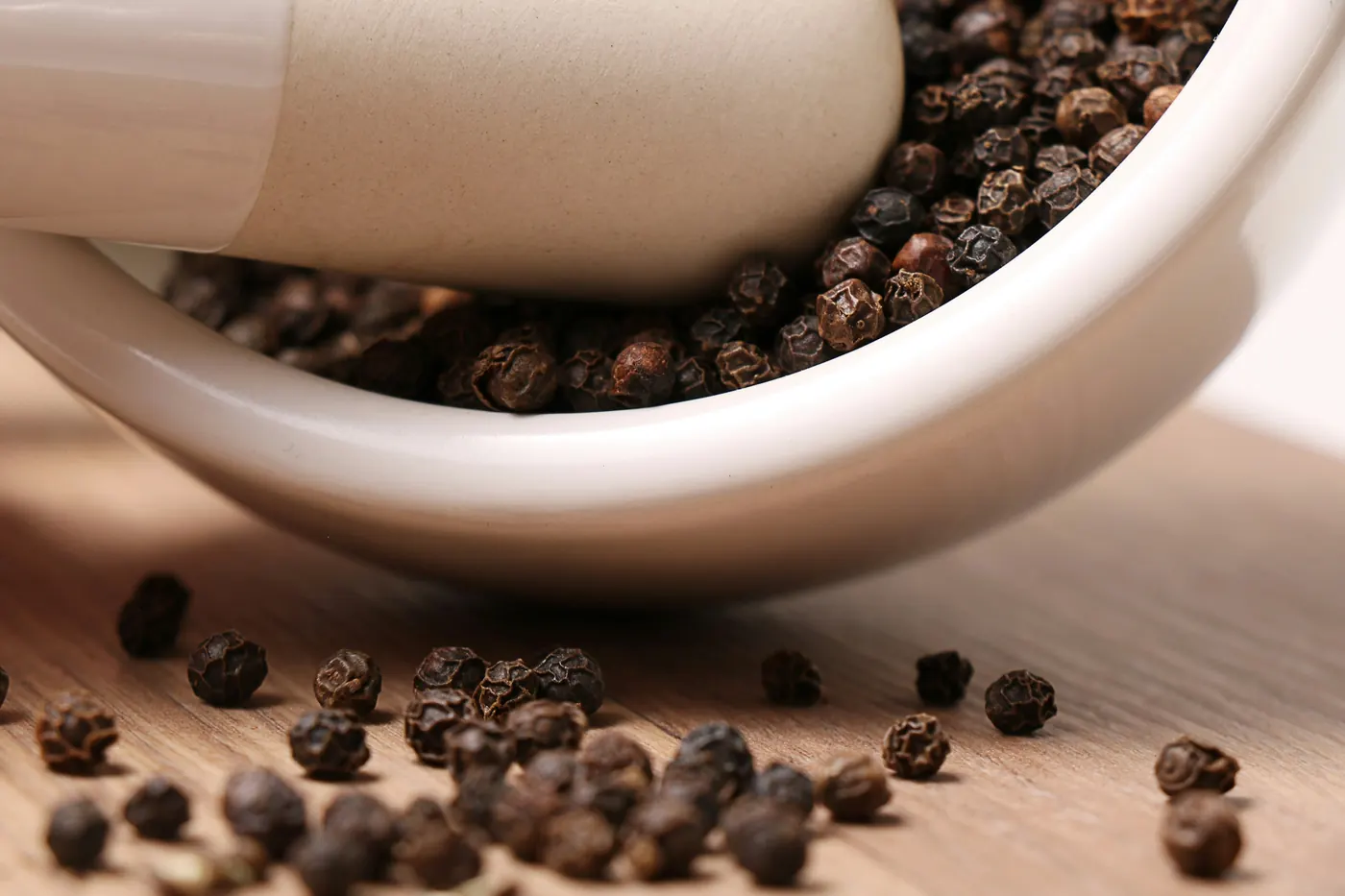
Cole & Mason’s granite mortar is a thick-walled bowl 5.5 inches across, with the inside of the bowl and the tip of the pestle left unpolished so whole spices grip the stone instead of skating around it. The listing gives a 3-cup (20-ounce) capacity, and the title gives the weight as 8 pounds, comfortably above the 5 pounds America’s Test Kitchen says a mortar needs to stay put on the counter.
ATK recommends it in its mortar and pestle review and found it nearly as quick as its winning model. Its reservations were that the interior is smoother and narrower than the winner’s and that the pestle can knock against the tall sides. For cumin, cloves, peppercorns and a garlic paste, that narrow, deep bowl also keeps hard seeds from jumping out.
Before first use, Cole & Mason asks you to season the mortar by grinding white rice, garlic, cumin, salt and pepper in it, which cleans grit off the new stone. The listing gives a two-year warranty.
Why we like it
- Recommended by America’s Test Kitchen
- Unpolished interior and pestle tip, per Cole & Mason
- 8 pounds, heavy enough to stay still
- Two-year warranty, per the listing
Key specifications
| Model | H100279USA |
|---|---|
| Material | Granite |
| Capacity/diameter | 3 cups (20 oz); 5.5 in |
| Weight (stated) | 8 lb |
| Interior finish | Unpolished bowl and pestle tip |
| Base | Not stated |
| Care | Season with rice, garlic, cumin, salt and pepper before first use |
Why we recommend it
It suits cooks who grind whole spices and make small pastes several times a week and want one mortar that does both well.
Skip it if you want to make a full bowl of guacamole or salsa in it; a wider granite bowl or a molcajete has more room.
Pros and cons
Pros
- Quick grinding, per ATK
- Heavy and stable
- Deep walls keep seeds in
Cons
- Narrow interior, per ATK
- Pestle can hit the sides
- Heavy to move and store
2. PriorityChef 4-Cup Granite Mortar and Pestle – A Wide Bowl for Bigger Batches
America’s Test Kitchen’s winning mortar was a large 4-cup granite model, and its testers found that a wide, flat grinding area worked better than a narrow, steep-sided bowl. PriorityChef’s large mortar follows that shape: the listing gives a 4-cup capacity in a bowl 7 inches across and 2.75 inches high, with a 7.2-inch pestle.
The listing puts the total weight of the set at about 7 pounds and describes it as heavy, solid granite. It includes two non-slip countertop protectors to go under the bowl, which matters with a stone this heavy on a counter you care about. PriorityChef suggests batches of guacamole and pesto for two or three people, and the same width gives room to crush a handful of toasted chiles de árbol with garlic and salt, or to work a spice rub for a pork shoulder.
The listing does not say whether the interior is polished or unpolished, and ATK did not test this model, so this pick rests on its size, weight and shape. Expect to season it with rice before first use, as with any new granite.
Why we like it
- 4-cup capacity, the size of ATK’s winning mortar
- Wide 7-inch bowl
- About 7 pounds for the set, per the listing
- Two non-slip counter protectors included
Key specifications
| Model | GM-PC-BMP01-LG |
|---|---|
| Material | Granite |
| Capacity/diameter | 4 cups; 7 in |
| Weight (stated) | About 7 lb (set) |
| Interior finish | Not stated |
| Base | Two non-slip protectors included |
| Care | Not stated beyond “easy to clean” |
Why we recommend it
It suits cooks who grind for a crowd, make guacamole or pesto in the mortar, or simply want more room to work.
Skip it if counter space is tight; a 7-inch granite bowl is big to leave out and heavy to put away.
Pros and cons
Pros
- Roomy, wide bowl
- Heavy enough to stay still
- Counter protectors included
Cons
- Interior finish not stated
- No independent test found
- Bulky to store
3. ChefSofi 5-Cup Unpolished Granite Mortar and Pestle – Two Pestles and the Most Room

ChefSofi’s largest mortar is an 8-inch unpolished granite bowl with a stated capacity of about 5 cups (1,200 milliliters), the biggest on this list. It comes with two pestles: an 8.5-inch one for crushing tougher ingredients and a standard 6.5-inch one for grinding and muddling, according to the listing.
Unpolished granite gives the rough surface that helps spices and garlic break down, which is the texture America’s Test Kitchen found worked best. The size is the real draw: you can crush a batch of garlic, salt and chile for a marinade and still have room to stir in oil and lime juice. Our molcajete guide reviews ChefSofi’s small 2-cup mortar; this is the same unpolished granite at a much larger size.
The listing does not give a weight. An 8-inch granite bowl is heavy, so plan where it will live before you buy. ChefSofi offers a hassle-free return if the set does not suit you.
Why we like it
- About 5 cups, the largest here
- Two pestles of different lengths
- Unpolished granite interior
- Hassle-free return offered by ChefSofi
Key specifications
| Model | Gray 5-Cups |
|---|---|
| Material | Granite |
| Capacity/diameter | About 5 cups (1,200 ml); 8 in |
| Weight (stated) | Not stated |
| Interior finish | Unpolished |
| Base | Not stated |
| Care | Not stated |
Why we recommend it
It suits cooks who want one big stone bowl for pastes, marinades and guacamole as well as spices.
Skip it if you mostly grind a teaspoon of cumin at a time; a small spice load gets lost in a bowl this wide.
Pros and cons
Pros
- Very large capacity
- Two pestles
- Rough, grippy stone
Cons
- Weight not stated
- Too big for small spice jobs
- Takes real storage space
4. Gorilla Grip 1.5-Cup Granite Mortar and Pestle – Compact Granite with a Foam Pad

If a 7- or 8-inch stone bowl is more than your counter can take, Gorilla Grip’s 1.5-cup mortar is a compact alternative. The listing gives the size as 5.2 by 3.2 inches and the weight as 3.9 pounds, and it comes with an optional foam pad for the underside that helps protect the counter and stop the bowl from sliding.
The title describes the granite as unpolished, though the description says the stone is “cut, shaped and polished”, so expect a smoother finish than the Cole & Mason. At 1.5 cups it sits at the bottom of the 1.5-to-4-cup range America’s Test Kitchen recommends, which is enough for a tablespoon or two of whole spices, a few garlic cloves or a small batch of seeds.
The weight is below the 5 pounds ATK suggests for a mortar that stays still on its own, which is where the foam pad helps. Gorilla Grip sells the same mortar in three sizes; this is the largest.
Why we like it
- Compact 5.2-inch granite bowl
- Foam pad protects counters, per the listing
- 1.5 cups, inside ATK’s recommended range
- Lighter to lift than the large stones
Key specifications
| Model | 840029609965 |
|---|---|
| Material | Granite |
| Capacity/diameter | 1.5 cups; 5.2 in |
| Weight (stated) | 3.9 lb |
| Interior finish | Unpolished per the title; listing text also says polished |
| Base | Optional foam pad |
| Care | Not stated |
Why we recommend it
It suits small kitchens and cooks who grind a little at a time and want granite without a heavy bowl.
Skip it if you want to make guacamole or salsa in the mortar; 1.5 cups fills quickly.
Pros and cons
Pros
- Small footprint
- Counter-friendly pad
- Easy to lift and wash
Cons
- Under 5 pounds
- Finish described two ways
- Small capacity
5. HIC Kitchen 4-Inch Tall Carrara Marble Mortar and Pestle – A Deep Marble Bowl

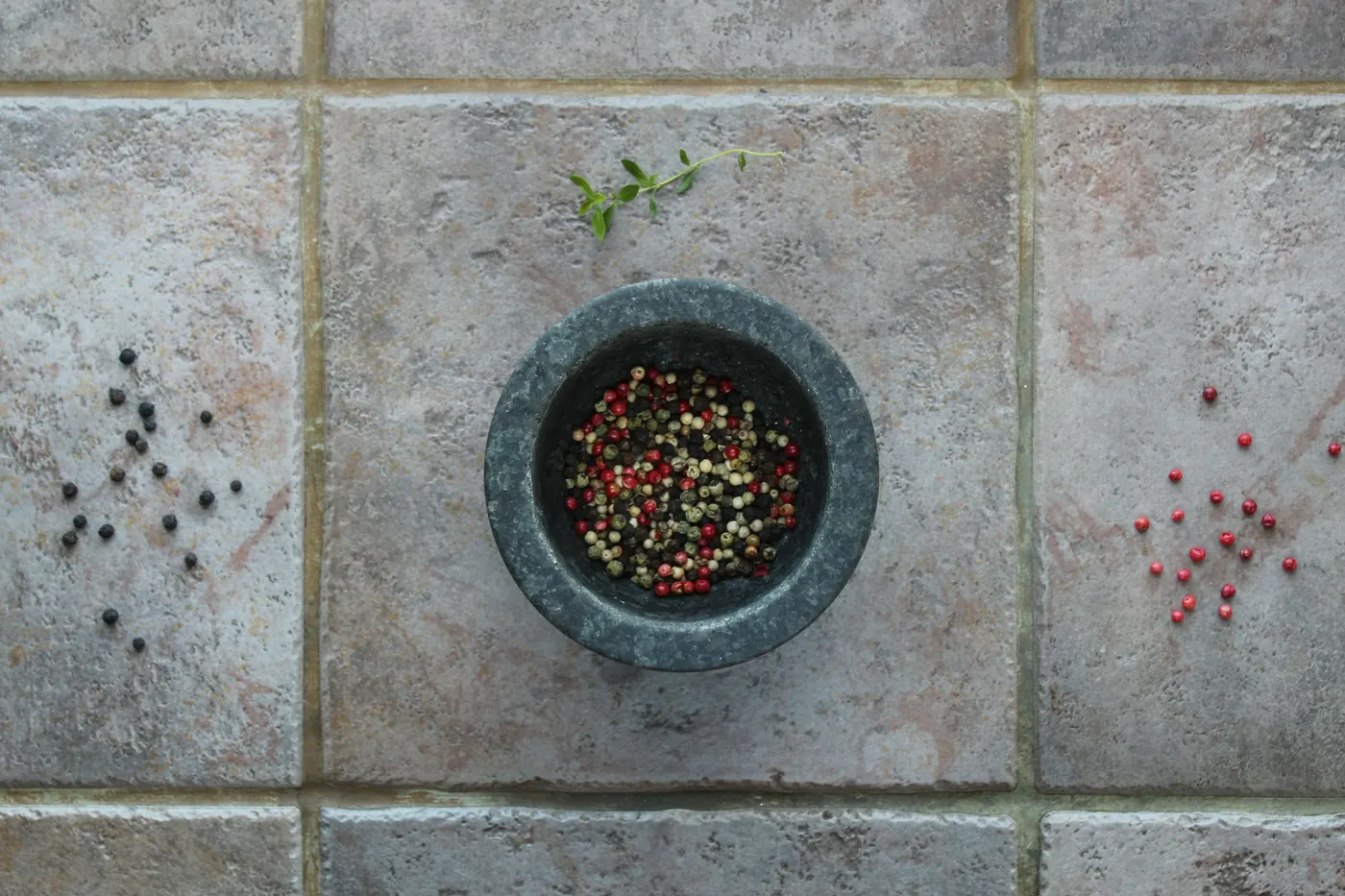
Marble is the classic European mortar stone: dense, heavy for its size and good-looking on a shelf. HIC’s tall version is solid Carrara marble, with a mortar 4 inches across and 4 inches tall and a pestle 5 inches long and 1.25 inches thick, according to HIC. The extra height is the point: HIC says the tall bowl adds depth for larger or messier ingredients, which keeps peppercorns and seeds from flying out.
HIC describes a textured interior and a rounded pestle head. That matters, because America’s Test Kitchen found coarse surfaces, marble included, ground far better than smooth ones, and it marked down a small, light, short-walled marble mortar from another brand because spices flew out of it. The tall walls here address that.
HIC says to hand wash it in warm, soapy water and dry it thoroughly. ATK found that a marble mortar it recommended stained, so expect turmeric or chile to leave marks on the pale stone.
Why we like it
- Solid Carrara marble, per HIC
- Tall 4-inch walls keep spices in
- Textured interior and rounded pestle head
- Small enough to leave on the counter
Key specifications
| Model | 43755 |
|---|---|
| Material | Carrara marble |
| Capacity/diameter | Cups not stated; 4 x 4 in |
| Weight (stated) | Not stated |
| Interior finish | Textured |
| Base | Not stated |
| Care | Hand wash in warm, soapy water; dry thoroughly |
Why we recommend it
It suits cooks who grind small amounts of whole spice and want a mortar that looks good left out.
Skip it if you want room for pastes and dips; the bowl is deep but narrow.
Pros and cons
Pros
- Deep, spill-resistant bowl
- Textured grinding surface
- Compact
Cons
- Pale marble can stain
- Small working area
- Weight not stated
6. HIC Kitchen 3.5-Inch Porcelain Mortar and Pestle – Small, Dishwasher-Safe Grinder
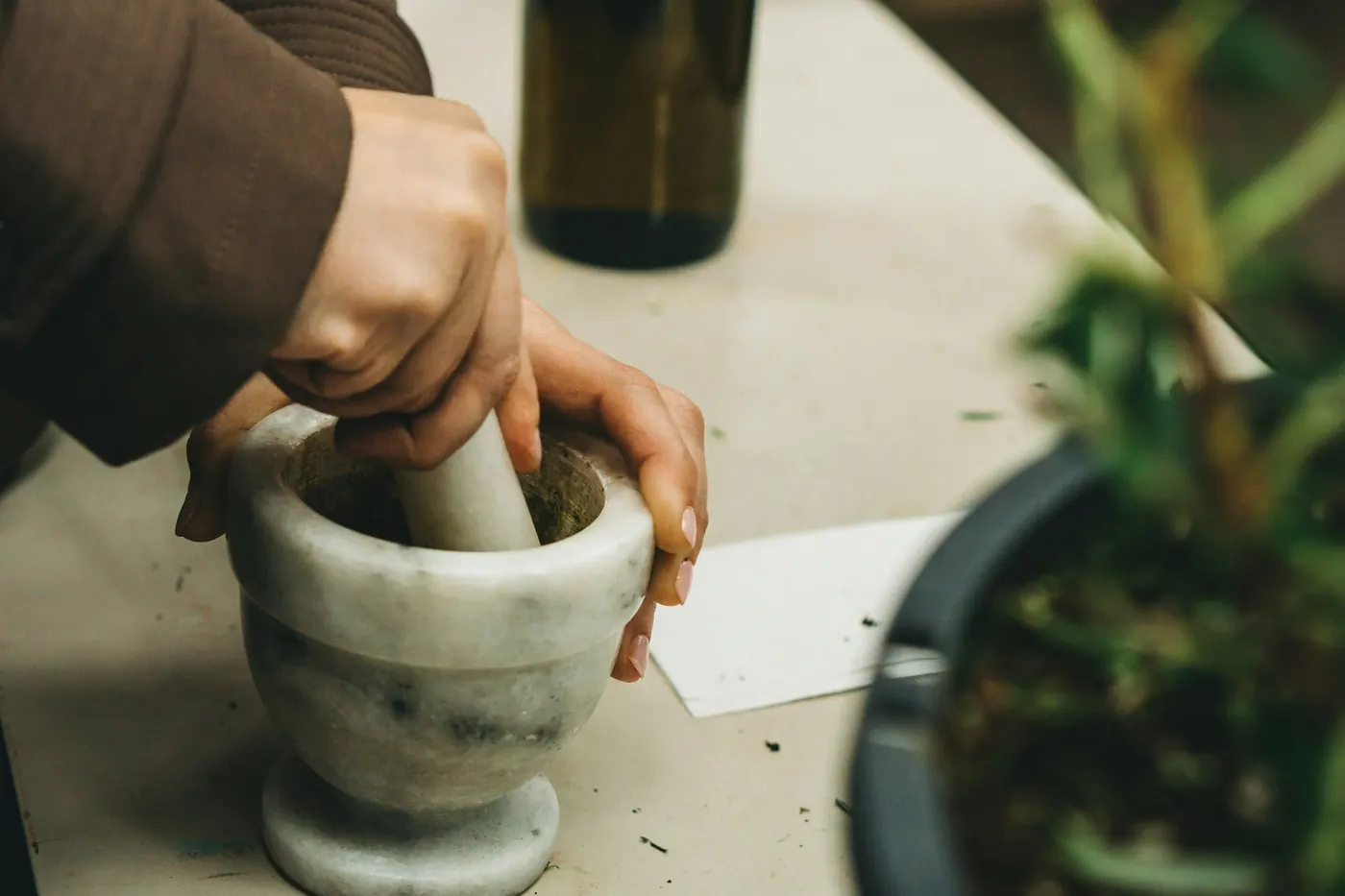
White porcelain mortars are the kind you see in pharmacies and laboratories, and HIC’s 3.5-inch model is a small, simple version for the kitchen. The listing gives the mortar as 3.5 by 1.75 inches with a 4-inch pestle, and HIC describes a textured interior and a rounded pestle head that work together to break ingredients down.
It is the only mortar here that HIC lists as dishwasher safe, which makes it practical for a small job like grinding a few cloves, a cinnamon stick for café de olla or a pinch of cumin seed. HIC describes the porcelain as lead- and cadmium-free.
Two cautions from America’s Test Kitchen apply. It found smooth materials gave little traction, so do not expect a porcelain bowl to grind as fast as rough granite, and it considered mortars under 1.5 cups too small for general use. This one is for small amounts.
Why we like it
- Dishwasher safe, per HIC
- Textured interior, per the listing
- Small enough for a drawer
- HIC describes it as lead- and cadmium-free
Key specifications
| Model | 1150 |
|---|---|
| Material | Porcelain |
| Capacity/diameter | Cups not stated; 3.5 in |
| Weight (stated) | Not stated |
| Interior finish | Textured |
| Base | Not stated |
| Care | Dishwasher safe |
Why we recommend it
It suits cooks who grind a spoonful of spice now and then and want something small and easy to wash.
Skip it if you want to crush garlic pastes or grind more than a tablespoon or two at once; the bowl is too small.
Pros and cons
Pros
- Dishwasher safe
- Compact
- Inexpensive
Cons
- Small capacity
- Lighter and smoother than granite
- Weight not stated
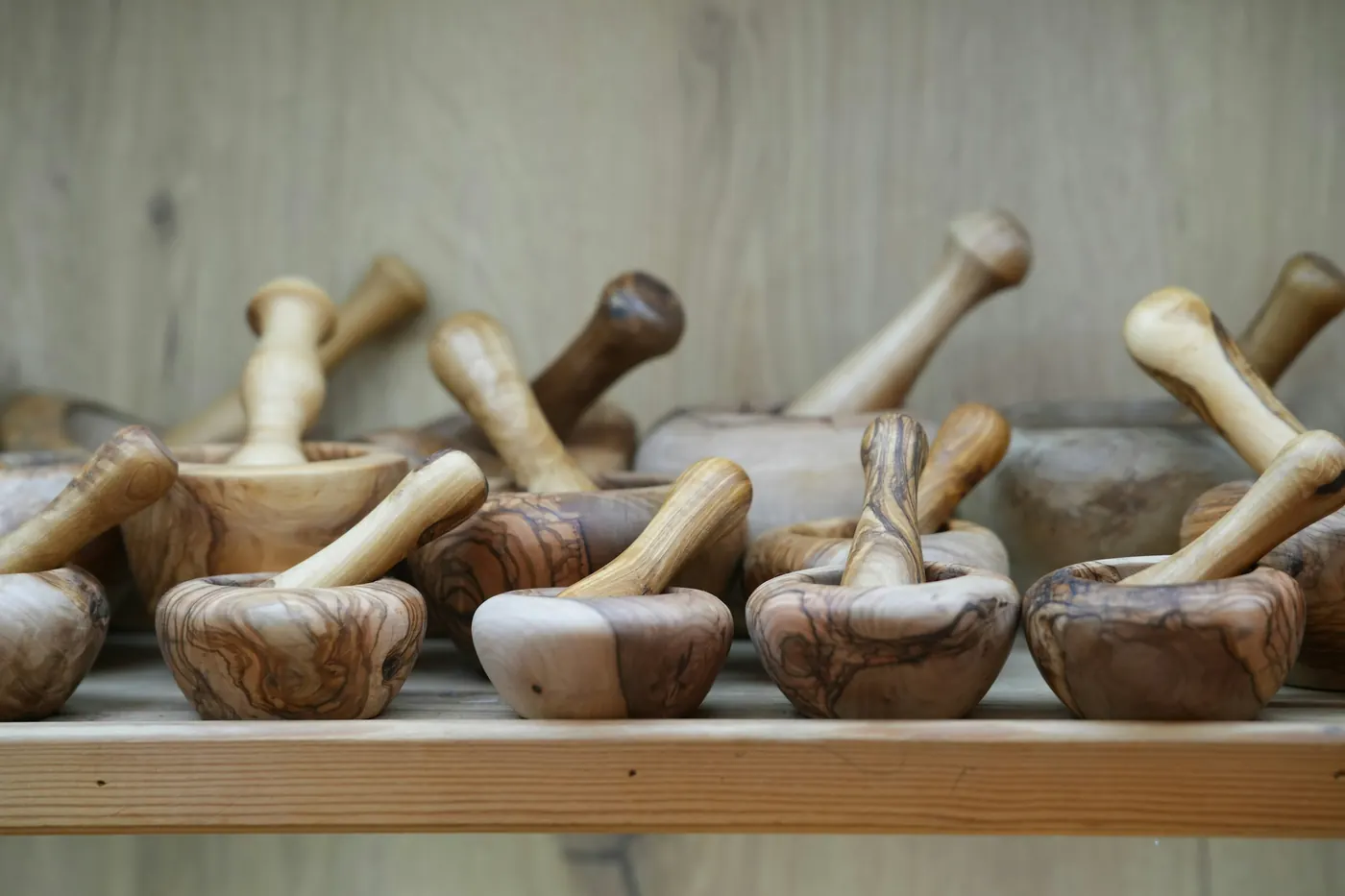
7. Orchard Hardwoods 5.5-Inch Olive Wood Mortar and Pestle – Hand-Carved and Gentle on Herbs

A wooden mortar is quieter and lighter than stone and is best at bruising herbs, crushing garlic and cracking a few peppercorns rather than grinding hard spice to powder. Orchard Hardwoods carves this 5.5-inch set by hand from solid Mediterranean olive wood, finishes it with sandpaper and seals it with olive oil, according to the listing. Each piece varies in shape and grain.
The maker kiln-dries the wood slowly at low heat for 15 to 20 days to lower the moisture content and reduce the chance of cracking. Care takes a little attention: oil it when it arrives, hand wash it gently in warm water, and oil it now and then. Do not put it in the dishwasher, soak it or leave it near heat or in the sun, according to Orchard Hardwoods.
Wood absorbs some flavor and color, so many cooks keep a wooden mortar for garlic and herbs and a stone one for spices. America’s Test Kitchen did not test wooden mortars in its current review.
Why we like it
- Hand-carved solid olive wood
- Kiln-dried to reduce cracking, per the maker
- Lighter and quieter than stone
- Natural finish, no stain
Key specifications
| Model | OWUSMP5 |
|---|---|
| Material | Olive wood |
| Capacity/diameter | Cups not stated; 5.5 in (approximate) |
| Weight (stated) | Not stated |
| Interior finish | Sanded, sealed with olive oil |
| Base | Not stated |
| Care | Hand wash; oil occasionally; no dishwasher or soaking |
Why we recommend it
It suits cooks who mostly crush garlic, herbs and soft aromatics and like a warm-looking tool on the counter.
Skip it if you want to grind hard spices such as cloves or allspice to a fine powder; stone does that far better.
Pros and cons
Pros
- Light and quiet
- Each piece unique
- Good for garlic and herbs
Cons
- Hand wash and oiling needed
- Can absorb flavors
- Not for fine spice powder
Granite, marble, porcelain or wood: the best type of mortar and pestle
Granite
Rough, heavy and hard to break. America’s Test Kitchen’s winning mortar and three of its recommended models are granite, and its testers found the coarse stone gripped whole spices and broke down aromatics fastest. An unpolished interior matters more than the name of the stone. New granite needs seasoning with rice to remove grit.
Marble
Dense and attractive, and still coarse enough to work if the interior is textured. Marble mortars tend to be smaller, and pale stone stains. Look for tall walls so spices stay in the bowl.
Porcelain and ceramic
Smooth porcelain is easy to wash, and HIC lists its small mortar as dishwasher safe, but ATK found smooth surfaces gave little traction and its stoneware mortar was its worst performer. A ridged Japanese suribachi works differently, with combed grooves for grip, but we left one out because we could not find a maker statement that its glaze is lead-free.
Wood
Light and gentle, best for garlic, herbs and cracking pepper. Wood will not grind cloves or cinnamon to powder and needs hand washing and oiling.
Volcanic stone
The molcajete, carved from basalt, is the Mexican mortar and is wider and rougher than any of these. It is a different tool with its own curing ritual, covered in our molcajete guide.
How to choose a mortar and pestle
Texture first. The inside of the bowl and the head of the pestle should be rough. ATK found that coarse-textured mortars grip food while smooth metal and stoneware let spices slide around. “Unpolished” or “textured interior” in a listing is what to look for.
Capacity. ATK recommends 1.5 to 4 cups for general use and found smaller mortars too small. A 3-cup bowl handles spices and pastes; 4 cups or more gives room for guacamole and marinades.
Weight. A heavy mortar stays still while you pound. ATK suggests at least 5 pounds for the mortar and found a pestle of about a pound comfortable; heavier pestles grind faster but tire the arm.
Shape. ATK’s testers preferred a wide, fairly flat grinding area, roughly 3 to 5 inches across at the bottom, over narrow bowls with steep walls. Taller walls do help keep hard seeds from jumping out, so look for a balance.
Care. Stone and wood are hand-wash tools. If you want to put a mortar in the dishwasher, check the maker says you can; of the picks here, only HIC’s porcelain says so.
Cumin, cloves and garlic: what a mortar does in a Mexican kitchen
Much Mexican cooking starts with toasted whole spices. Cumin, black pepper, cloves, allspice and a piece of canela are toasted in a dry pan, then ground with garlic and salt before they go into a chile adobo for pork, a marinade for chicken or the spice base of a mole. A mortar lets you crack them to exactly the texture the dish wants, from coarse to fine, and then work the garlic and salt into the same bowl. Our guide to Mexican spices covers which whole spices are worth keeping, and what is mole explains why ground spices and seeds matter so much in that sauce.
For salsa and guacamole made and served in the same bowl, the molcajete is the traditional tool, and our molcajete vs blender guide explains when a machine does the job just as well.
How we picked these seven mortars
We looked at granite, marble, porcelain, wood, stainless steel and suribachi mortars from Cole & Mason, Cilio by Frieling, ChefSofi, PriorityChef, Gorilla Grip, HIC, RSVP, Fox Run, TIKUSAN, IMUSA and several olive wood makers, and kept only those showing as in stock on Amazon when we checked. Specifications come from the Amazon listings and makers’ information. Cilio’s Goliath, ATK’s winning mortar, was showing limited stock on Amazon when we checked, so we did not include it; if you find it in stock, it is a strong choice. TIKUSAN’s ridged suribachi was on an earlier version of this list; it was out of stock when we rechecked, and its listing gives no lead-free statement for the glaze, so we dropped it.
We read America’s Test Kitchen’s mortar and pestle review and cite it where it covers a model or a general finding. We were unable to read Serious Eats’ mortar guide and did not read Wirecutter’s, so we do not rely on either. We left molcajetes, including Vasconia’s and IMUSA’s, to our molcajete guide. We have not used these mortars for this guide.
Mortar and pestle questions, answered
What is the best type of mortar and pestle?
For most kitchens, heavy granite with an unpolished interior. It grinds whole spices quickly, crushes garlic to a paste and is hard to break. Choose marble for small jobs, porcelain for a pinch of spice and wood for herbs.
Which mortar and pestle does America’s Test Kitchen recommend?
Its current winner is the Cilio by Frieling Goliath, a large granite mortar. It also recommends the Cole & Mason 5.5-inch granite mortar, a small Thai granite mortar from ImportFood.com and a Williams Sonoma marble mortar, and its favorite molcajete is from Masienda.
What is the best mortar and pestle for home use?
A 3- to 4-cup granite mortar weighing 5 pounds or more, such as the Cole & Mason or the PriorityChef 4-cup. Both are large enough for pastes and small enough to leave on the counter.
Do I need to season a new mortar and pestle?
Rough stone usually does. Cole & Mason asks you to grind rice, garlic, cumin, salt and pepper before first use, and ATK notes that coarse mortars need seasoning to remove gritty particles. Porcelain and wood do not need it.
Is a mortar and pestle better than a spice grinder?
It is slower, but it gives you control over texture and handles wet pastes, garlic and herbs, which a blade grinder does not. Many cooks keep both: the grinder for large amounts of dry spice, the mortar for everything else.
The mortar to start with
Buy the Cole & Mason granite mortar if you want one tool for spices and pastes, and the PriorityChef 4-cup if you grind for a crowd. Add the small HIC porcelain mortar if you only ever grind a spoonful at a time.
A mortar sits alongside the rest of the basics in our guide to Mexican cooking tools, and if you mix masa or bread dough by hand, our guide to the best dough whisk covers the next tool for the counter. If you would rather leave the grinding to our kitchen tonight, see the menu or call to order.