Most Mexican restaurants offer two desserts. Not five, not a page — two. Flan and tres leches.
They are both sweet, both cold, both dairy. They are also almost opposites, and which one you want depends on what you just ate.
The short answer
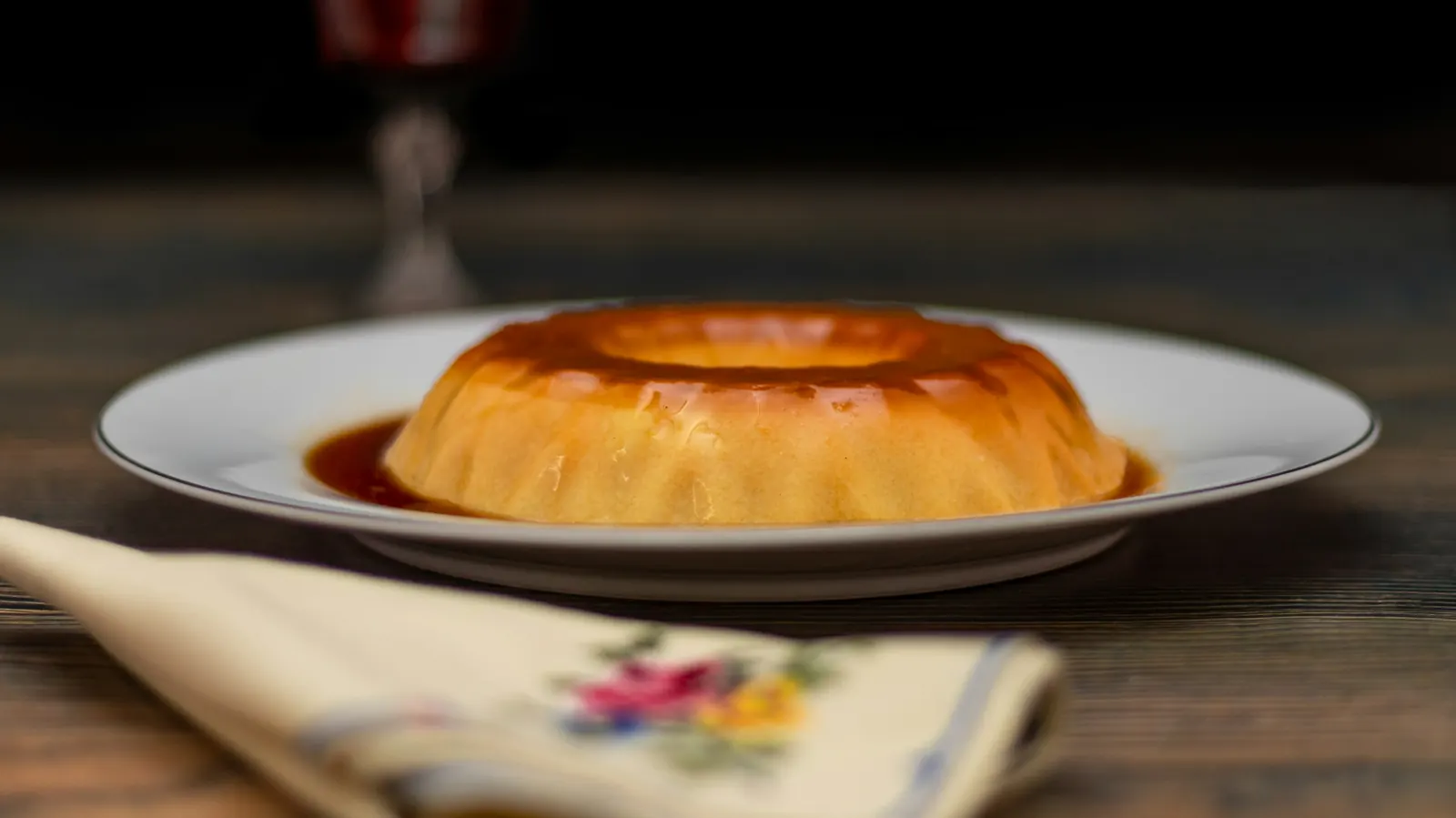
Flan is a baked custard — eggs, milk and sugar — set firm enough to stand on a plate, with caramel over the top. Tres leches is a sponge cake soaked in three kinds of milk and finished with whipped cream. Flan is dense, smooth and eaten in small amounts. Tres leches is light, wet and larger. Order flan after a heavy meal, tres leches after a lighter one.
What flan actually is
Flan is custard. Eggs, milk, sugar and vanilla, baked slowly in a water bath until the eggs set.
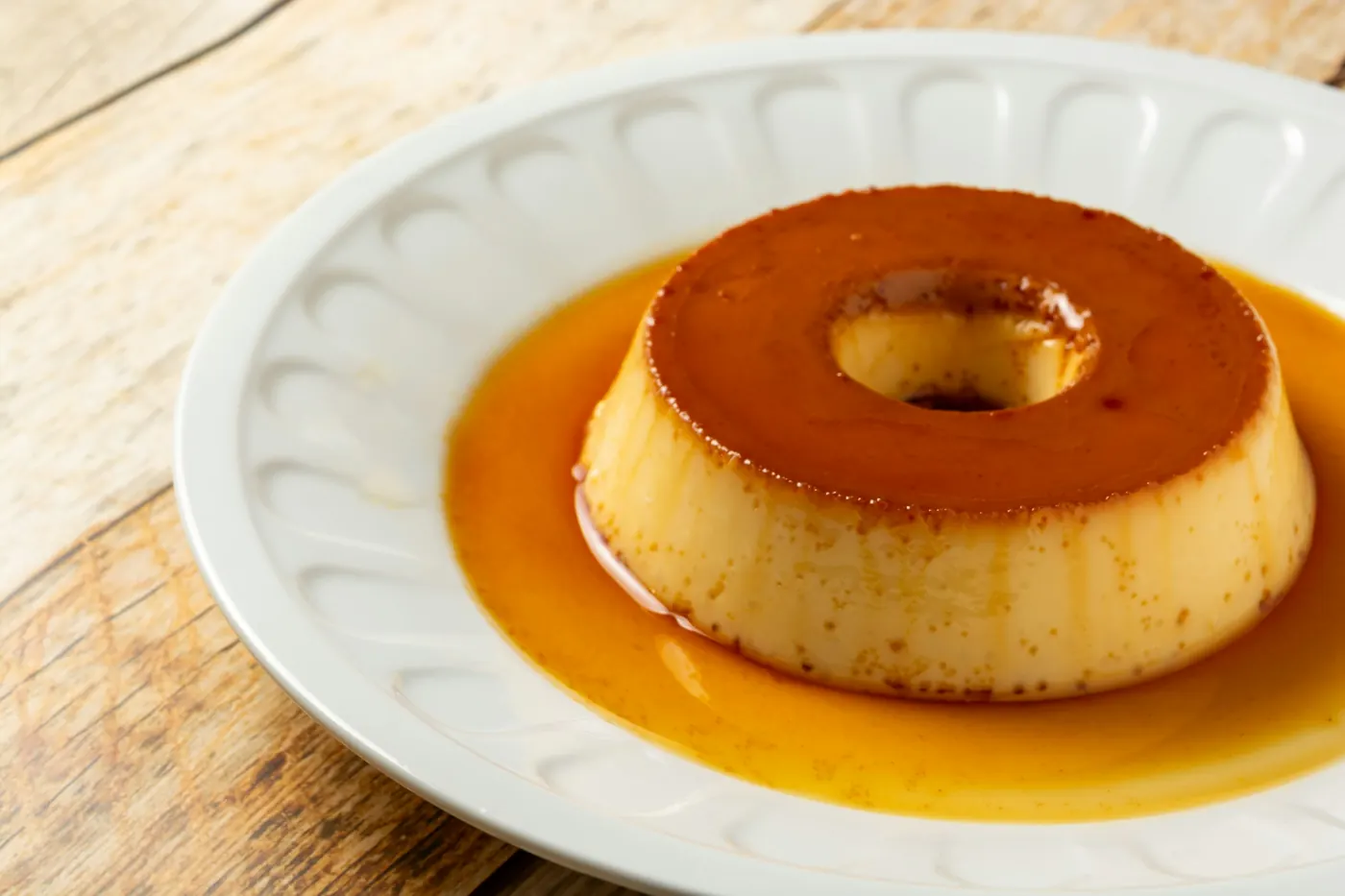
The caramel is the part that confuses people. It goes into the bottom of the mold first, as melted sugar. The custard is poured on top and baked, and the whole thing is inverted onto a plate to serve — so the caramel that started underneath ends up on top, loosened into a sauce by the moisture in the custard.
That is why flan arrives sitting in a shallow pool rather than under a drizzle. Nobody poured it on.
How to tell a good one
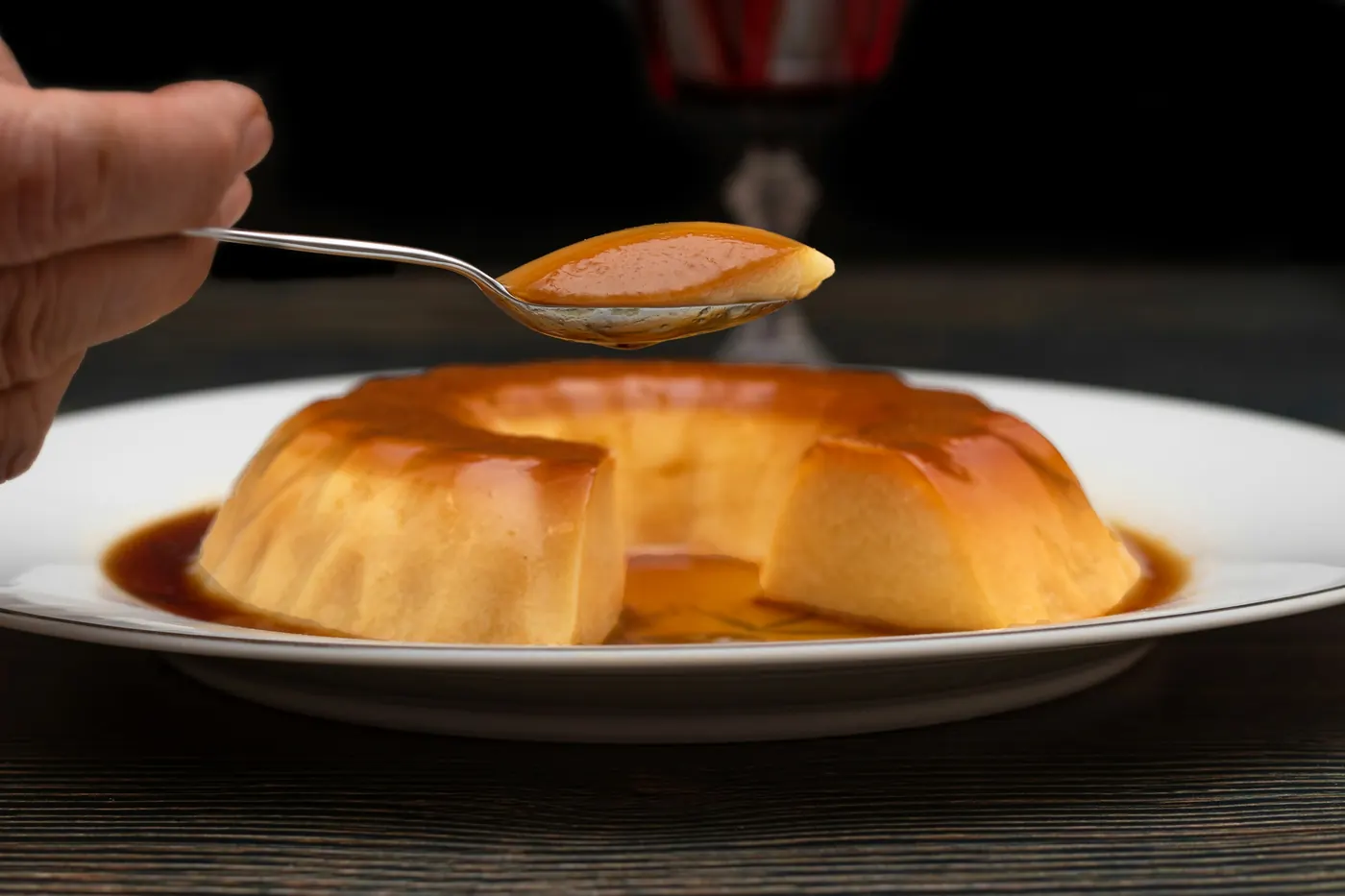
Texture. A good flan is dense and completely smooth, and a spoon goes through it with no resistance and no bubbles.
If it is rubbery or full of tiny holes, it was baked too hot — the eggs curdled slightly instead of setting gently. If it collapses into liquid, it was underbaked. The water bath exists to prevent both, and skipping it is the usual reason a flan disappoints.
What tres leches actually is
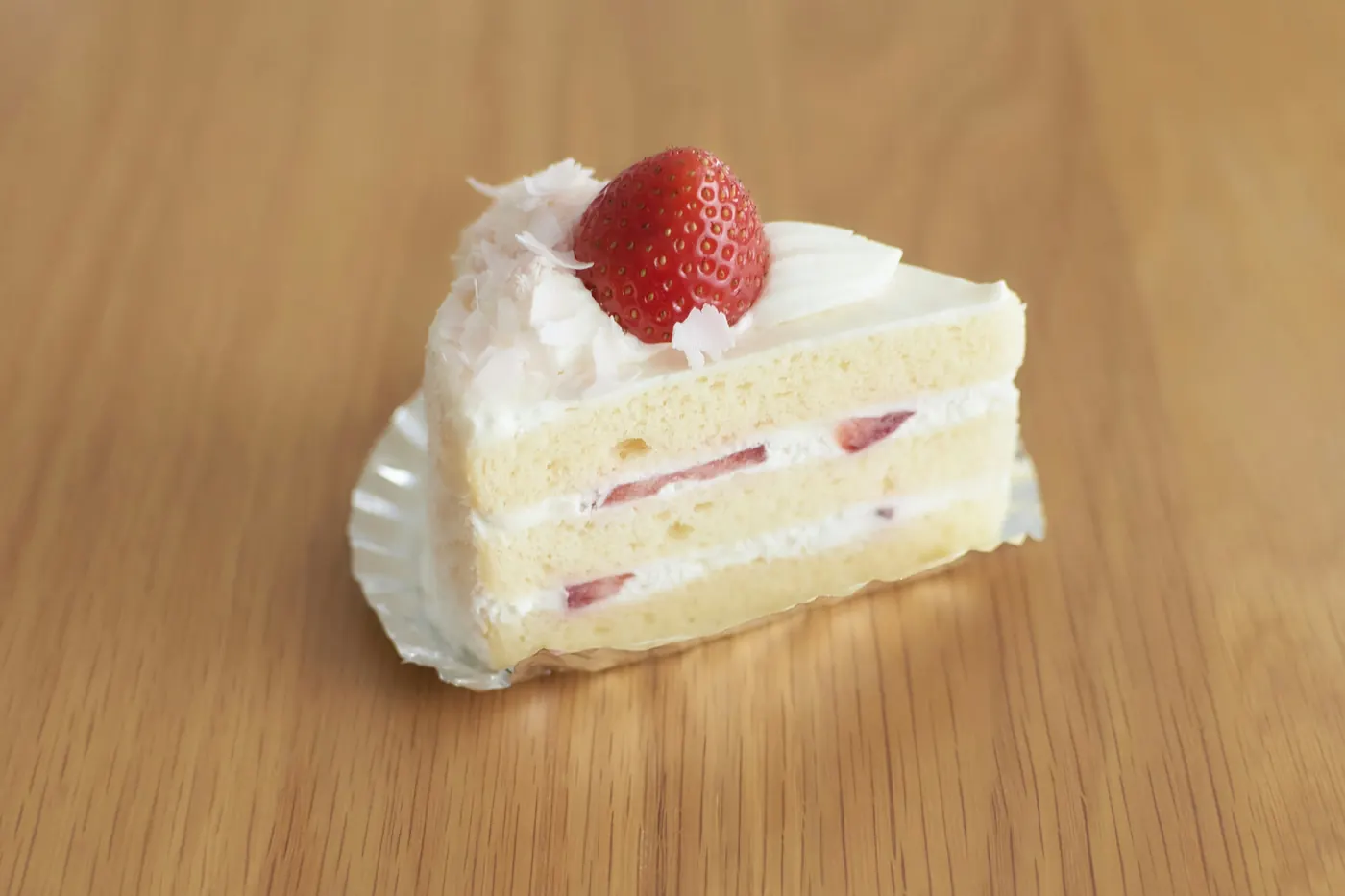
Tres leches means “three milks”, and the three are almost always evaporated milk, sweetened condensed milk and cream.
The cake underneath is a plain sponge, deliberately dry and airy. That is not a flaw — it is the engineering. A sponge with that much air can absorb several times its own weight in liquid without turning to mush. Pour the milk mixture over a dense butter cake and you get a soggy brick; pour it over a sponge and you get something that stays structured while being almost wet to the fork.
It is served cold, usually with whipped cream and fruit on top.
Where it came from
The origins are genuinely disputed, and the dispute is interesting because it is recent.
As Food52 lays out, versions of soaked cake existed across Latin America and Europe long before, but the modern tres leches depends on canned milk — and canned milk depends on industry. Sweetened condensed milk was patented by Gail Borden in the 1850s; evaporated milk followed later in the century.
What turned it into a standard was marketing. Recipes printed on the cans by the milk companies spread a single version across Mexico and Central America in the mid-20th century. Nicaragua, Mexico and Cuba all have claims to it, and the honest answer is that no one owns it.
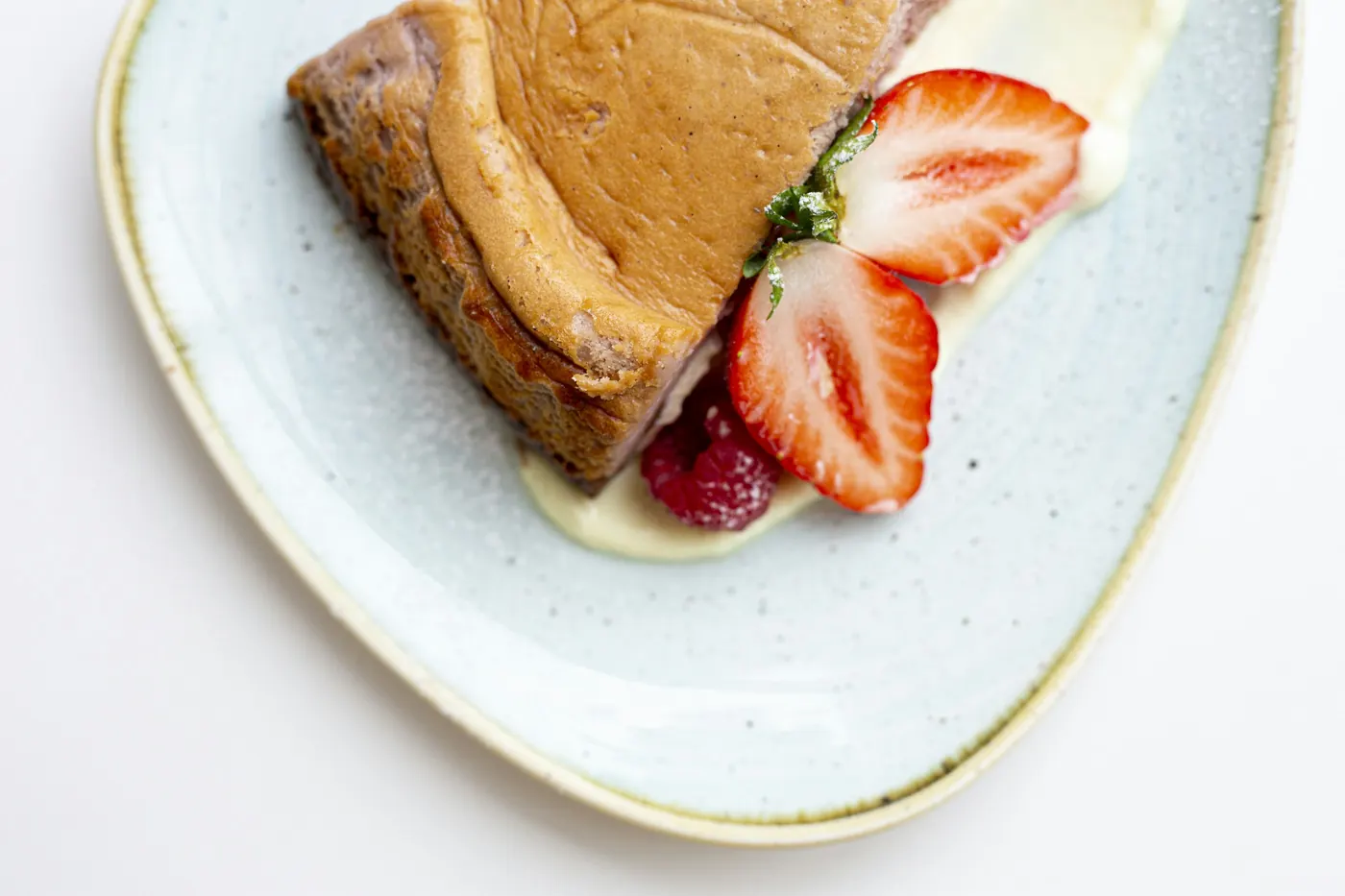
Side by side
| Flan | Tres leches | |
|---|---|---|
| What it is | Baked egg custard | Sponge cake soaked in milk |
| Texture | Dense, smooth, sliceable | Light, wet, spoonable |
| Sweetness | Moderate, with bitter caramel | Sweeter throughout |
| Portion | Small — it is rich | Larger, easier to finish |
| Served | Cold, in its caramel | Cold, with whipped cream |
| Contains eggs | Yes, it is the structure | In the sponge only |
| Good with coffee | Very | Less so |
| Good for sharing | Hard to divide neatly | Easy |
Which to order
The deciding factor is usually the meal you just finished, not the dessert itself.
Order flan if you have eaten a lot and want something small and intense. Its bitterness from the caramel cuts richness in a way a sweet cake cannot, and a few spoonfuls are genuinely enough. It is also the better order with coffee — the two share a caramelized register.
Order tres leches if you have room, if you are sharing, or if you have been eating something spicy. Cold milk and sugar do real work against lingering chile heat, which is the same reason horchata belongs at a Mexican table.
If there are two of you and you cannot decide, order both and split them. They are different enough that it does not feel repetitive.
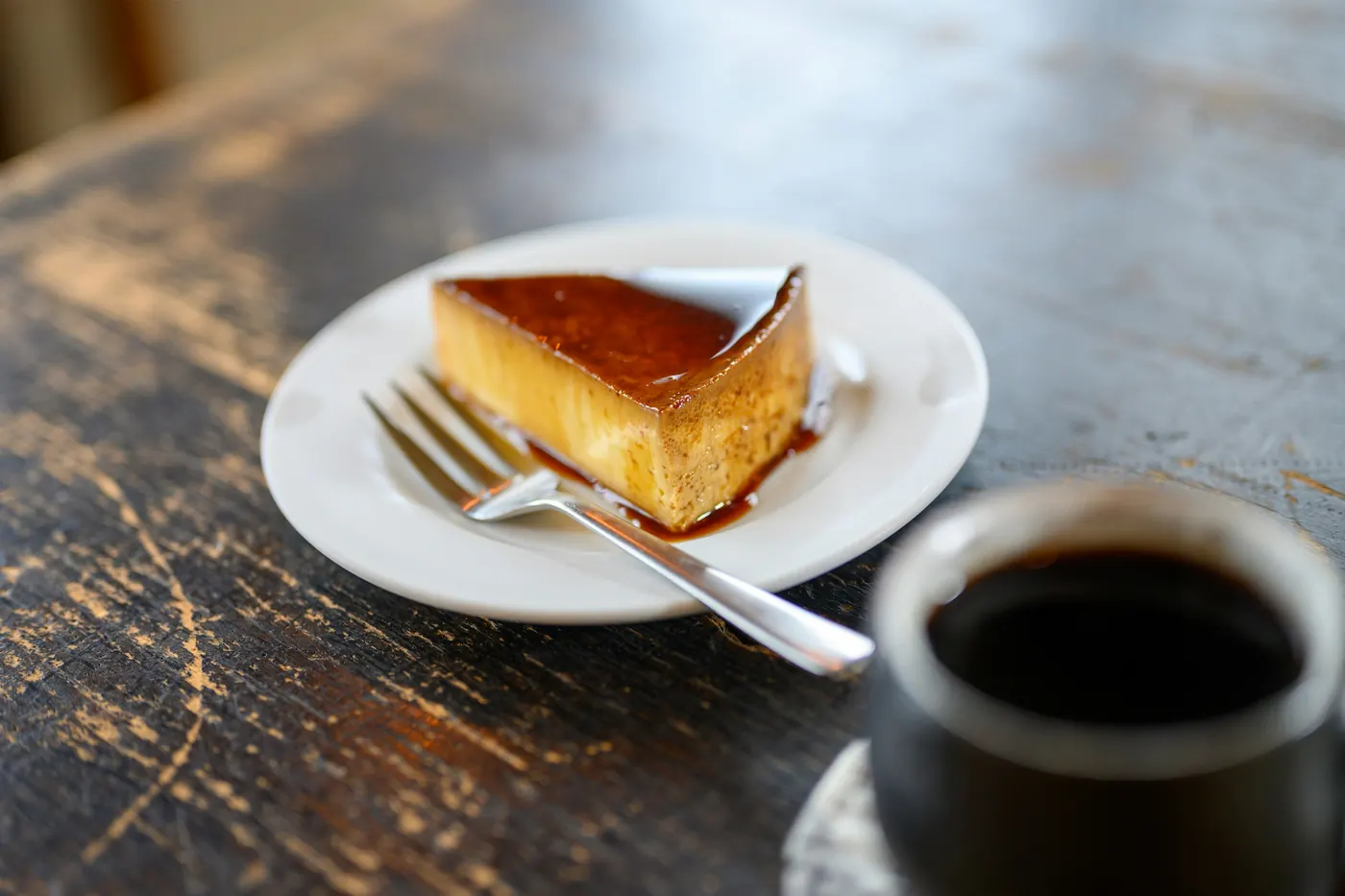
How Julia’s serves them
Julia’s keeps the dessert list to exactly these two, which is the traditional pairing rather than a limitation.
The flan is a Mexican vanilla custard served with cajeta sauce. Cajeta is the detail worth noticing: it is a caramel made from goat’s milk, cooked down until it is thick and slightly tangy. It is not the same as the caramel that forms in the mold, and it is not the same as dulce de leche, which is made with cow’s milk. The goat’s milk gives it a faint sharpness that keeps the plate from being purely sweet.
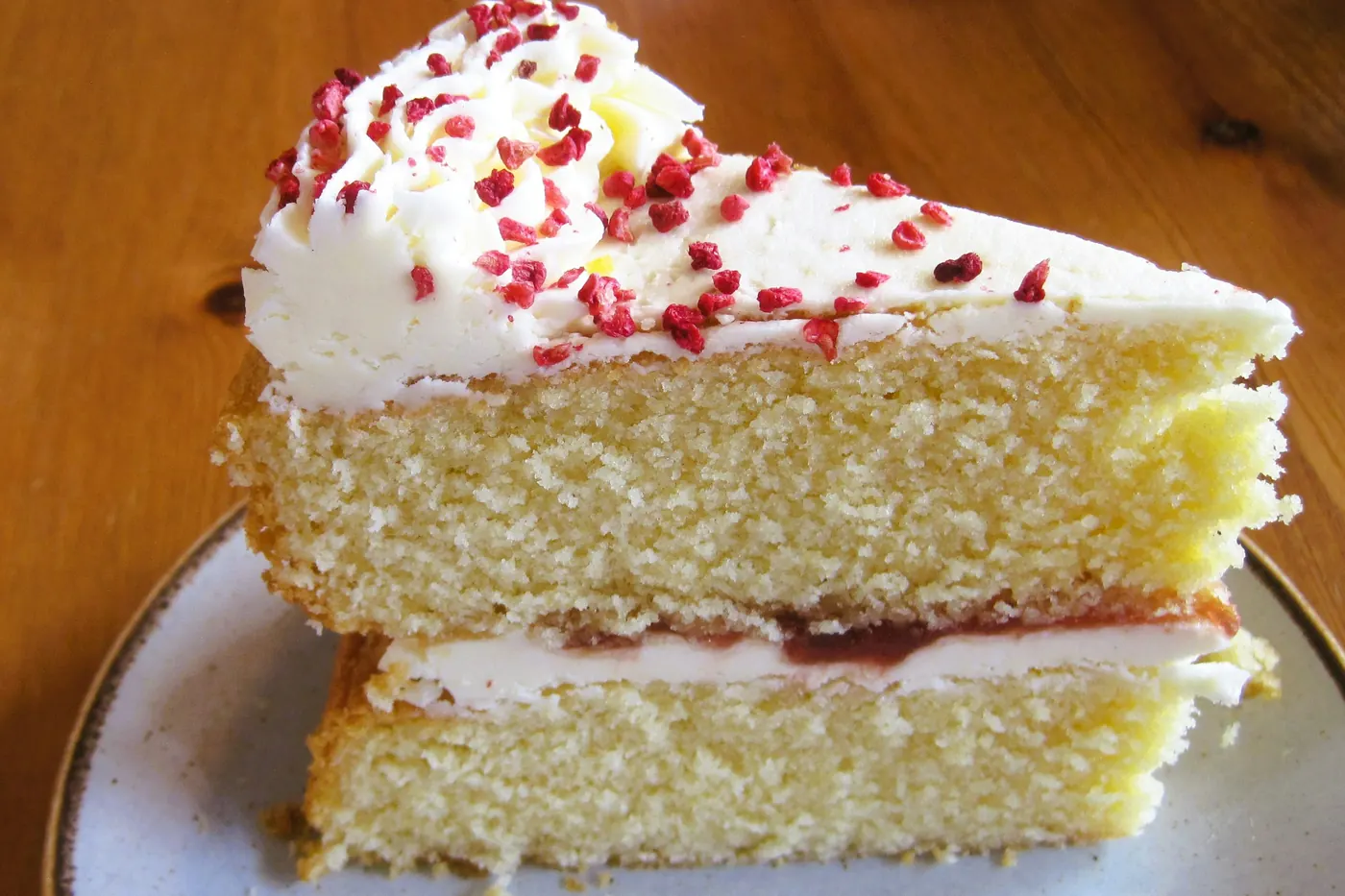
The tres leches is a moist sponge cake made with three different milks, topped with whipped cream and fresh cut strawberries. Strawberries are the standard Tex-Mex finish, and they do the same job the cajeta does on the flan — a little acidity against a lot of dairy.
Both appear at the end of the food menu, after the entrées.
Frequently asked questions
Is flan the same as crème caramel?
Essentially yes. Flan is the Spanish and Latin American name for the same baked custard with caramel that French kitchens call crème caramel. Mexican versions are often made with condensed milk, which makes them denser than the French style.
Does tres leches taste soggy?
It should not. A properly made sponge is airy enough to hold the milk without collapsing. If it tastes waterlogged, either the cake was too dense to begin with or it was soaked too long.
Which one is sweeter?
Tres leches, clearly. Condensed milk is sugar-heavy and the whipped cream adds more. Flan is sweet but the burnt caramel gives it a bitter edge that keeps it in balance.
What is cajeta?
A caramel made by slowly cooking down goat’s milk with sugar. It is thicker and slightly tangier than dulce de leche, which uses cow’s milk. It is common in Mexican desserts and is often served over flan.
Can either be made without eggs?
Not really for flan — the eggs are what set the custard, so there is no version without them. Tres leches uses eggs only in the sponge. If eggs matter to you, ask the kitchen rather than assuming.
The short version
Flan is a dense caramel custard for when you are full. Tres leches is a light, sweet, milk-soaked cake for when you are not, or when the meal was hot.
Both are on Julia’s food menu. If you are still working out the courses before them, our guide to reading a Mexican menu covers the rest of the order.