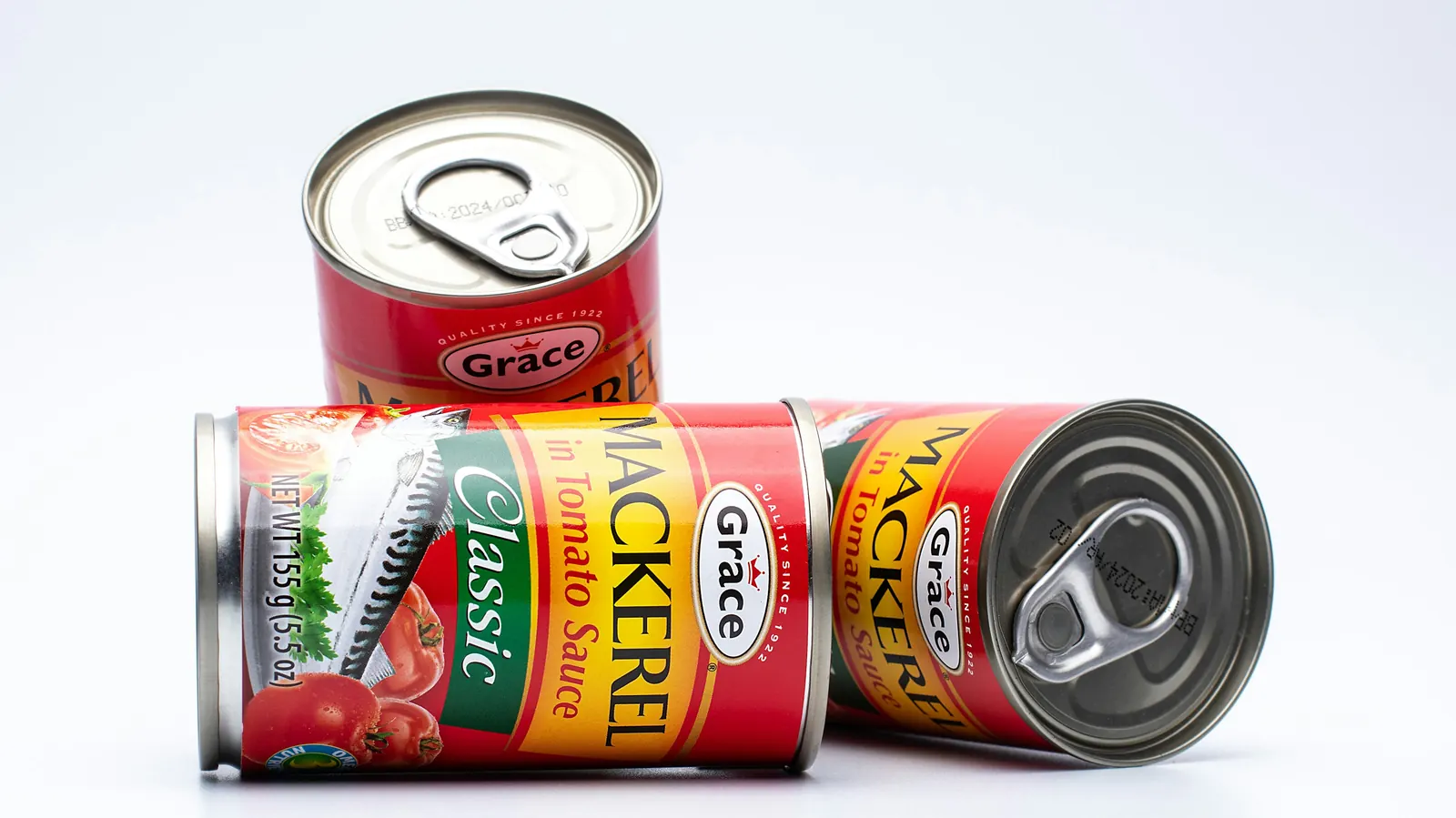
Every enchilada night at home starts the same way: a can of tomatoes, a can of beans, maybe a small can of chipotles in adobo. A can opener is the least exciting tool in the drawer, and it only gets attention when it slips, leaves a jagged lid, or hurts your hand. That is usually when people start asking whether an electric opener would be better than the hand-crank one they have.
Restaurant kitchens mostly answer that with a heavy table-mount crank, because they open gallon cans all day. A home kitchen has different needs. This guide compares electric and manual can openers on effort, speed, lid edges, hands that hurt, space, cleaning and what tends to fail, using two named reviews and a hand-therapy source, then names two picks on each side.
Julia’s earns a commission on purchases made through links on this page, at no cost to you. Recommendations are based on what a restaurant kitchen looks for, product specifications and verified buyer reports.
Quick verdict: which can opener to buy
For most kitchens a good manual opener is the better buy: it is small, needs no outlet or charging, and the best ones open cans quickly. Buy an electric opener if turning a knob or squeezing handles is painful, if you open many cans a week, or if you simply want the motor to do the work. In either case, decide on the lid edge too. A side-cutting or rim-cutting opener leaves smooth lids, and that matters more to some cooks than whether there is a motor.
The table sums up the trade-offs; the sections after it explain each one and where the facts come from.
Electric vs manual can opener, side by side
| Manual can opener | Electric can opener | |
|---|---|---|
| Power | Your hand: squeeze, then turn a knob or crank | Plug-in motor on a countertop base, or a rechargeable or battery unit |
| Hand effort | Grip and twist; safety models lock on so you only turn | Countertop models need steady pressure on a lever; hands-free cordless models need one press |
| Speed | Traditional gear openers are a little faster than safety openers (America’s Test Kitchen) | The review’s winner opened a 28-ounce can in 8 seconds (America’s Test Kitchen) |
| Lid edges | Traditional: sharp, sometimes jagged; safety (side-cut): none | Depends on the model: some leave jagged lids, a few leave smooth ones |
| Space | Fits in a drawer | Countertop base or charging dock; small battery models fit a drawer |
| Cleaning | Hand wash; safety openers’ wheels never touch the food | Removable lever and blade on many models; the base is wiped |
| What fails | Rusting parts, dull wheels | Weak latching, wobbling battery units, motors |
Effort: what your hands actually do
A traditional manual opener asks for two motions at once. You squeeze the arms to push the cutting wheel into the lid and hold them closed, then turn the knob. America’s Test Kitchen notes in its manual can opener review that some people find it uncomfortable to keep squeezing the arms together for the whole can. Safety openers, the side-cutting kind, solve half of that: once they lock onto the rim, you only turn. The same review adds a catch. Some users find it takes a little more force to turn a safety opener’s handle.
An electric countertop opener takes the turning away entirely, but not all the effort. In America’s Test Kitchen’s electric can opener review, every countertop model needed steady pressure on its lever to keep the motor running. That is a press, not a twist, and for many hands it is far easier. The cordless openers that clamp onto the lid and drive themselves around it are the closest thing to no effort at all: one press, then let go.
So the question is not just manual or electric, but which motion your hands tolerate. Squeezing and twisting, a firm downward press, or one button.

Arthritis and weak grip
This is where electric openers earn their counter space. America’s Test Kitchen’s manual review points people with arthritis, or other conditions that make grasping and squeezing hard, toward electric models, and its electric review included a tester with arthritis. A Michigan Medicine article for the National Council on Aging, written by occupational therapist and certified hand therapist Hannah Pilarski and occupational therapist Mary Dumas, lists both a larger-handled manual can opener and an electric can opener among tools that help when opening cans and jars is hard on the hands.
That second point is worth taking seriously. If your hands are only a little stiff, a manual opener with big cushioned handles and a large knob may be all you need, and it costs less and takes no space. If squeezing is the painful part, a lock-on safety opener removes it. If turning is painful too, go electric, and if holding a lever down for the length of a cut is hard, look at a cordless model that runs on its own once started. Our can opener guide for arthritis covers that choice in more depth.
Speed and the cans you open
For one can of beans, speed barely matters. America’s Test Kitchen found traditional manual openers a bit quicker than safety openers, and its winning electric opener, the Hamilton Beach Smooth Touch, opened a 28-ounce can in 8 seconds. The recommended battery opener in the same review took 29 seconds for the same can, because it crawls around the lid. A cordless opener is slower, but you can walk away while it works.
The type of can matters more. America’s Test Kitchen found that several electric models struggled with pull-top cans, and some could not latch onto them at all, while its winner handled dented and pull-top cans. If your pantry runs to pull-tab cans of chiles or beans, check that the opener you choose says it opens them. For tall cans, look for an “extra-tall” countertop model or a cordless one that sits on the lid and ignores the can’s height.
Lid edges: the difference that cuts both ways
This is the part most people mix up. “Manual” does not mean sharp, and “electric” does not mean smooth. What decides the edge is where the wheel cuts.
A traditional opener cuts down through the top of the lid, inside the rim. America’s Test Kitchen says these leave the lid and the can wall with sharp and sometimes jagged edges. A safety or side-cutting opener cuts through the side of the rim instead, so the lid lifts off whole with no sharp edges, and the wheel never touches the food, which the review notes keeps it cleaner and less likely to rust.
Electric openers come in both kinds. In America’s Test Kitchen’s electric review, four models cut down into the lid and left jagged edges, two cut into the side of the can and still left sharp edges, and two cut into the rim itself and left smooth ones. Magnetic lid holders reduced handling but did not remove the risk. So read what each maker states about the lid edge before you buy, rather than assuming a motor solves it.
Space, power and where it lives
A manual opener lives in a drawer and works in a power cut, on a camping trip or at a friend’s house. A countertop electric opener needs a spot near an outlet; America’s Test Kitchen lists its winner at 4.5 by 4.5 by 9.5 inches. Many countertop models make that space pay with extras such as a knife sharpener, a bottle opener or cord storage in the base.
Cordless openers sit in between. Battery models fit in a drawer and need fresh batteries now and then; rechargeable ones need a dock or a charging cable. If counter space is tight, a cordless model or a good manual opener is the practical choice. Many cooks with an electric opener keep a manual one in a drawer anyway, for the power cut or the odd-shaped can.
Cleaning and what tends to break
America’s Test Kitchen is blunt about manual openers: most are not made to last forever, metal parts can rust and wheels dull, and models with fewer moving parts have less to go wrong. A safety opener’s wheel stays out of the food, so it needs less cleaning. Kuhn Rikon asks owners of its safety opener to wipe it with a damp cloth.
Electric openers have more to fail. In the electric review, two of three battery-powered models wobbled on the can tops and nearly fell off, and both stopped working during durability testing; another model’s motor failed. Countertop models that were too light tipped when left alone. On the cleaning side, look for a lever and blade that come off for washing, since that is the part that touches the lid and the liquid. Cuisinart lists it for its Deluxe countertop opener, and Hamilton Beach for the FlexCut below.

Choose a manual or an electric can opener
Choose a manual can opener if…
- Your hands are comfortable squeezing and turning a knob.
- You open a few cans a week, not a few a day.
- You want something that fits a drawer and works anywhere, without power.
- You want smooth lids for little money: pick a side-cutting safety model.
Choose an electric can opener if…
- Arthritis, a weak grip or a hand injury makes twisting or squeezing painful.
- You open many cans, or large and heavy ones, as in batch cooking.
- You are happy to give it counter space or keep it charged.
- You want a press-and-hold countertop model, or a cordless one you can start and leave.
Two picks on each side of the electric vs manual can opener question
Two manual openers, one traditional and one side-cutting, and two electric openers, one countertop and one cordless. All four were in stock when we checked. Two are versions of openers on our other pages, which we say in each write-up: we used different listings so pages don’t repeat, and because they are the designs America’s Test Kitchen rated best in their class. We have not used these openers ourselves; details come from the makers, the listings and the reviews named above.
1. OXO Steel Can Opener – Big Knob, Cushioned Handles

This is the traditional manual opener in a sturdier steel body: squeeze the handles to set the stainless steel cutting wheel into the lid, then turn the oversized knob. The listing says the knob turns easily without much effort and that the large handles have cushioned points that absorb pressure, which is the kind of larger-handle design the Michigan Medicine therapists list for stiff hands.
The listing also says it can be used by both left- and right-handed cooks, which few openers state, and it adds a built-in bottle opener. It is a top-cutting style, so expect the usual sharp lid edge that America’s Test Kitchen describes for traditional openers, and lift lids with care.
The listing gives no cleaning instructions. With any traditional opener the wheel dips into the can, so rinse it after cans of beans or tomatoes and dry it before it goes back in the drawer. OXO’s own Soft-Handled opener, a separate model, is America’s Test Kitchen’s favorite traditional opener and appears in our main guide.
Why we like it
- Oversized knob that turns easily (listing)
- Cushioned handles that absorb pressure (listing)
- Stated for left- and right-handed use
- Stainless steel cutting wheel
Key specifications
| Model | 58081 |
|---|---|
| Type | Handheld, traditional squeeze-and-turn |
| Power | Manual |
| How it cuts | Down through the lid (traditional style) |
| Lid edge | Not stated; traditional openers leave sharp edges |
| Can sizes | Not stated |
| Cleaning | Not stated |
| Warranty | Satisfaction guaranteed (listing) |
Why we recommend it
It suits a cook with comfortable hands who wants a quick, drawer-sized opener with a solid feel, including left-handed cooks.
Skip it if sharp lids bother you or squeezing hurts; the Kuhn Rikon below avoids both.
Pros and cons
Pros
- Large knob and cushioned grips
- Works for either hand (listing)
- Bottle opener built in
Cons
- Leaves a sharp lid, like any top-cutting opener
- Needs squeezing as well as turning
- No cleaning guidance on the listing
2. Kuhn Rikon Deluxe Auto Safety LidLifter – Smooth Lids, No Squeezing

This is the side-cutting manual opener. Kuhn Rikon describes the LidLifter as attaching itself to the can: you set it on the rim and turn the knob until it grips, then keep turning for one full circle. The side-cutting mechanism leaves no sharp edges, and built-in mini pliers lift the lid off, so your fingers never touch it. The opener never touches the food, and the lid cannot drop into the can.
The Deluxe is the version with a stainless steel handle of the Auto Safety LidLifter in our main best can opener guide, which America’s Test Kitchen named its Best Safety Can Opener. We used this listing so the two pages don’t share one, and because it is the same lock-on design. The review’s caveats carry over: it is slower than most traditional openers and takes a little practice.
Kuhn Rikon says to stop after one full circle, since cutting further can leave burrs. The listing says to wipe it with a damp cloth and not to put it in the dishwasher, and gives a one-year guarantee against defects.
Why we like it
- Locks on, so there is no squeezing (Kuhn Rikon)
- No sharp edges on lid or can (listing)
- Pliers lift the lid for you
- Same design as America’s Test Kitchen’s Best Safety Can Opener
Key specifications
| Model | Auto Safety LidLifter, Deluxe |
|---|---|
| Type | Handheld, lock-on safety opener |
| Power | Manual |
| How it cuts | Side of the rim |
| Lid edge | No sharp edges (listing) |
| Can sizes | Not stated |
| Cleaning | Wipe with a damp cloth; not dishwasher safe |
| Warranty | 1 year against defects (listing) |
Why we recommend it
It suits anyone who wants smooth lids without a motor, and stiff hands that can turn a knob but not squeeze.
Skip it if turning a knob is the painful part; an electric opener is the better answer.
Pros and cons
Pros
- Smooth lids and can rims
- Blade stays out of the food
- No squeezing once attached
Cons
- Slower than a traditional opener
- Takes practice; stop after one circle
- Hand wash only
3. Hamilton Beach Smooth Touch Electric Can Opener with Knife Sharpener – Side Cut, Smooth Lids

This is a countertop opener from the Smooth Touch line, the opener America’s Test Kitchen named the winner of its electric review: durable, strong enough for heavy 28-ounce cans, and able to open dented and pull-top cans with smooth edges. This version, model 76608, adds a built-in knife sharpener on the back and a bottle-opening accessory that stores in the base. It is a different listing of the Smooth Touch on our electric can opener guide; the review tested the standard model.
Hamilton Beach says it cuts along the side of the can, leaving smooth, touchable lids that can be reused to cover leftovers in the fridge. The extra-tall design opens small to large cans, both pop-top and regular. Excess cord stores in the base.
The one thing to know: you hold the lever down until the blade has gone all the way around the can, as the listing says. That is a press, not a twist, but it is not hands-free. The listing gives a one-year warranty; it does not give cleaning instructions.
Why we like it
- Same Smooth Touch design as America’s Test Kitchen’s electric winner
- Side cut, smooth lids (Hamilton Beach)
- Opens pop-top and extra-tall cans (listing)
- Knife sharpener and bottle opener built in
Key specifications
| Model | 76608 |
|---|---|
| Type | Countertop, press-and-hold lever |
| Power | Plug-in |
| How it cuts | Along the side of the can |
| Lid edge | Smooth, touchable (maker) |
| Can sizes | Small to large, extra-tall, pop-top |
| Cleaning | Not stated |
| Warranty | 1 year (listing) |
Why we recommend it
It suits most cooks who want an electric opener: smooth lids, heavy cans and a design with a named review behind it.
Skip it if holding a lever down for the length of a cut is hard on your hand; the cordless FlexCut below runs on its own.
Pros and cons
Pros
- Smooth lids from a side cut
- Handles pop-top cans
- Cord storage in the base
Cons
- Lever must be held through the cut
- Takes counter space near an outlet
- No cleaning guidance on the listing
4. Hamilton Beach FlexCut 2-in-1 Cordless Can Opener – Countertop Base or Hands-Free

The FlexCut is two openers in one, according to Hamilton Beach. On its wide base it works like a regular countertop electric opener for everyday cans: place the can under the guideposts and press the lever. Lift the rechargeable unit off the base and it clamps to the lid and moves itself around while cutting, which is how it handles large cans that won’t fit under a countertop head. The listing says it opens cans from small 6-ounce tomato paste cans up to extra-large 120-ounce cans.
The listing calls it suitable for seniors and anyone with arthritis or dexterity issues, and says a light touch is enough to align a can the first time. A magnetic holder keeps the lid in place, and the lever with the cutting blade comes off for cleaning. The warranty is one year.
Two cautions. The listing does not say whether it cuts the side or the top of the lid, or what edge it leaves, so don’t buy it expecting smooth lids. And America’s Test Kitchen did not review the FlexCut, while in its electric review two of three walk-around battery openers wobbled on the can and stopped working in durability testing. Hamilton Beach’s design is different, but no review we read covers it, so this pick rests on the maker’s listing.
Why we like it
- Base for small cans, hands-free mode for big ones
- Opens 6-ounce to 120-ounce cans (listing)
- Detachable lever and blade for cleaning
- Magnetic lid holder
Key specifications
| Model | 76611F |
|---|---|
| Type | Countertop base plus detachable walk-around unit |
| Power | Cordless, rechargeable |
| How it cuts | Not stated |
| Lid edge | Not stated |
| Can sizes | 6 oz to 120 oz (listing) |
| Cleaning | Lever and blade detach for cleaning |
| Warranty | 1 year (listing) |
Why we recommend it
It suits a batch cook who opens big cans for pozole or a party pot of beans, and anyone who wants to start the opener and let go.
Skip it if smooth lids are the reason you are buying; the Smooth Touch states them and this listing does not.
Pros and cons
Pros
- Two ways to open, one machine
- Handles very large cans (listing)
- Hands-free once started
Cons
- Cut type and lid edge not stated
- Needs charging
- Not covered by the reviews we read
Can opener questions, electric and manual
Which can opener should I buy?
If your hands are fine and you open a few cans a week, a good manual opener: a traditional one for speed, or a side-cutting safety one for smooth lids. If your hands hurt or you open many cans, an electric opener, ideally one that states smooth lids.
Is an electric can opener better than a manual one?
Not for everyone. It is easier on the hands, and America’s Test Kitchen points people with arthritis toward electric models. A manual opener is smaller, needs no power and has less to break.
Do electric can openers leave sharp edges?
Some do. In America’s Test Kitchen’s electric review, several models left jagged or sharp lids and only two left smooth ones. Look for a maker statement about smooth lids, as Hamilton Beach gives for the Smooth Touch.
Do I have to hold an electric can opener while it works?
On countertop models, usually yes: America’s Test Kitchen found all of them needed pressure on the lever. Cordless walk-around models run on their own after one press.
Are safety can openers good for arthritis?
They help if squeezing is the problem, because they lock onto the can. America’s Test Kitchen notes they can take a little more force to turn, so if twisting hurts, an electric opener is the better choice.

The opener that suits your kitchen
For most home cooks, a manual opener is still the sensible default, and a side-cutting one is worth the small learning curve if sharp lids bother you. An electric opener is the right call when your hands say so, or when you open enough cans that the counter space pays for itself. Our main best can opener guide compares eight openers of every kind, the budget can opener guide covers inexpensive options, and once the cans are open, our guide to enchilada sauces and the best canned refried beans put them to use. When you would rather skip the cans entirely, see the menu or call to order.