A can of refried beans is one of the most useful things in a Mexican pantry. It goes under the cheese on a tostada, inside a bean burrito, beside a plate of enchiladas, into a seven-layer dip and onto a molletes roll, and it is ready in the time it takes to warm a tortilla. But the cans are not all the same food. Some are made with lard, some with vegetable or coconut oil, some with no added fat at all; some are pinto, some black; and the sodium on the label varies more than most people expect.
This guide picks the canned refried beans worth buying on Amazon, reads their labels for you, and explains how to choose between traditional, vegetarian and fat-free styles. It also covers how to make better refried beans from a can of whole beans, and how to make any can taste more like a pot.
Julia’s earns a commission on purchases made through links on this page, at no cost to you. Recommendations are based on what a working Mexican kitchen looks for in its beans, the makers’ own labels and Amazon listings, and published sources, which we name.
Quick verdict: which canned refried beans to buy
For most kitchens, Old El Paso Traditional Refried Beans are the ones to keep in the cupboard: classic pinto beans made in the traditional way with lard, mildly seasoned, and easy to find. If you do not eat pork, choose Rosarita Organic, made with coconut oil and labeled vegan. Watching sodium? Amy’s Light in Sodium Refried Black Beans list 220 mg per half cup, the lowest here. For black beans the traditional way, La Preferida; for no added fat, Old El Paso Fat Free.
The rest of this page explains why, and which can suits the way you cook.
Five canned refried beans at a glance
Our five standout picks side by side, one for each kind of cook, with the fat and sodium each label states. All eight cans are reviewed in full below.
| Refried beans | Best for | Bean & fat (as labeled) | Sodium per ½ cup | Buy on Amazon |
|---|---|---|---|---|
| Tostadas, burritos, combo plates | Pinto; lard | 450 mg | View on Amazon | |

Rosarita Organic Refried Beans, 16 oz, 12 cansBest organic
|
Pork-free, organic pantry | Pinto; coconut oil | 450–550 mg (labels differ) | View on Amazon |

Amy’s Light in Sodium Refried Black Beans, 15.4 oz, 12 cansBest lower sodium
|
Cooks watching sodium | Black; safflower/sunflower oil | 220 mg | View on Amazon |

La Preferida Refried Black Beans, 16 ozBest black beans
|
Black beans the traditional way | Black; lard | 310 mg | View on Amazon |

Old El Paso Fat Free Refried Beans, 16 oz, 12 cansBest fat-free
|
Frying in your own fat, or none | Pinto; no added fat | 380 mg | View on Amazon |
Product images from Amazon. Ingredients, fat and sodium are as printed on each maker’s label, taken from the maker, the Amazon listing or a grocery retailer’s copy of the label (named in each review); recipes change, so check the can you receive.
Our picks for the best canned refried beans
These eight cover the main styles of canned refried beans: two made with lard in pinto, one with lard in black, three vegetarian (coconut, safflower or sunflower, and canola oil), one with a vegetable oil blend, and one with no added fat. For each we give the fat, the sodium and the allergen statement exactly as labeled, and one honest reason to pass on it. Sodium is per half-cup serving, the serving size these labels use.
1. Old El Paso Traditional Refried Beans, 16 oz, 6 cans – Classic Pinto, Made With Lard

As our guide to charro beans vs refried beans explains, refried beans are traditionally made with lard, and that is where much of their depth comes from. Old El Paso’s Traditional can follows that pattern. As grocery retailers reproduce the label, the ingredients are cooked pinto beans and water, with 2% or less of salt, lard, hydrogenated lard, tomato paste, cumin, onion powder, garlic powder, chili pepper and sugar.
That is a mild, familiar seasoning, not a spicy one, which makes these beans easy to build on: a spoonful of salsa or chopped chipotle changes them completely. The same label copies give 450 mg of sodium and 1.5 g of fat per half cup, and the Amazon listing gives six grams of fiber per serving and says they heat in minutes in the microwave or on the stove.
This pack holds six 16-ounce cans. For a family taco night or a tray of tostadas, one can covers about four half-cup servings.
Why we like it
- Made with lard, the traditional fat for refried beans
- Mild seasoning that takes salsa and chiles well
- Moderate sodium for a traditional can
- Six-can pack, widely sold
Key specifications
| Size | 16 oz can |
|---|---|
| Count | 6 cans |
| Bean | Pinto |
| Fat (as labeled) | Lard and hydrogenated lard (2% or less) |
| Main ingredients | Cooked pinto beans, water |
| Sodium per ½ cup | 450 mg |
| Diet (as labeled) | Contains pork fat; not vegetarian |
| Allergen statement | None listed on retailer label copies |
Why we recommend it
Choose it if you want the classic Tex-Mex refried bean for tostadas, bean burritos, nachos and combo plates, made the traditional way and easy to replace.
Skip it if you avoid pork or want a vegetarian can; the lard makes it neither, and Rosarita Organic below is the closest pork-free alternative.
Pros and cons
Pros
- Traditional lard recipe
- Mild and versatile
- Widely available
Cons
- Not vegetarian
- Includes hydrogenated lard and a little sugar
- Lard is a small share of the can
2. Rosarita Organic Refried Beans, 16 oz, 12 cans – Organic Pintos, No Pork
Rosarita is a long-established name in canned refried beans, and its organic can is the one we found in stock on Amazon. The listing calls it Rosarita’s original recipe made with USDA-certified organic ingredients, and says it is made with coconut oil instead of lard, which is why it is labeled vegan.
The ingredient list, as recorded from the label, is cooked organic pinto beans and water, with less than 2% of organic coconut oil, organic apple cider vinegar, salt, organic onion powder, organic cumin, organic chili pepper, organic garlic powder, organic rice fiber and natural flavors (sunflower oil). The label record and one retailer note a “may contain soy” advisory, so read the can if soy matters to you.
Sodium is where labels disagree: H-E-B lists 550 mg per half cup, while some other retailers show 450 mg, which may reflect a different label version. Either way, it is in the middle of the range here. The listing gives 6 g of protein and 6 g of fiber per serving.
Why we like it
- USDA-certified organic ingredients, per the listing
- Coconut oil instead of lard; labeled vegan
- Rosarita’s original recipe, per the listing
- Twelve-can case for a stocked pantry
Key specifications
| Size | 16 oz can |
|---|---|
| Count | 12 cans |
| Bean | Pinto |
| Fat (as labeled) | Organic coconut oil (less than 2%) |
| Main ingredients | Cooked organic pinto beans, water |
| Sodium per ½ cup | 450–550 mg (retailer labels differ) |
| Diet (as labeled) | Organic, vegan |
| Allergen statement | May contain soy |
Why we recommend it
It suits households that skip pork, vegetarians and vegans, and anyone who prefers organic ingredients but still wants a classic smooth pinto refried bean.
Skip it if you need a firm low-sodium number; retailer labels disagree, and Amy’s Light in Sodium is the clearer choice.
Pros and cons
Pros
- Organic and vegan, as labeled
- Familiar pinto style
- Good protein and fiber, per the listing
Cons
- Sodium figure varies between labels
- May-contain-soy advisory
- Only sold as a twelve-pack here
3. Amy’s Light in Sodium Refried Black Beans, 15.4 oz, 12 cans – Half the Sodium
Canned refried beans are salty food, and most cans here land between about 300 and 650 mg of sodium per half cup. Amy’s Light in Sodium black beans list 220 mg, which the listing describes as 50 percent less than Amy’s regular refried beans; retailer copies of the regular label list 440 mg. For reference, the U.S. Food and Drug Administration sets the Daily Value for sodium at 2,300 mg.
The ingredients, as recorded from the label, are organic black beans, filtered water, organic onions, organic bell peppers, organic tomato puree, organic high oleic safflower and/or sunflower oil, organic garlic, sea salt, organic spices, organic green chiles and organic cilantro. The listing says the beans are USDA-certified organic, non-GMO, gluten free, dairy free, vegan and certified kosher, with 8 g of protein and 6 g of fiber per serving.
The onion, peppers, tomato and cilantro make these more seasoned than a plain refried bean, so they suit a burrito bowl or a side of black beans more than a classic Tex-Mex pinto plate. Lower salt also means they take a squeeze of lime or a spoonful of salsa well.
Why we like it
- 220 mg sodium per half cup, the lowest here
- Organic, vegan and dairy free, per the listing
- Seasoned with onion, peppers, chiles and cilantro
Key specifications
| Size | 15.4 oz can |
|---|---|
| Count | 12 cans |
| Bean | Black |
| Fat (as labeled) | Organic high oleic safflower and/or sunflower oil |
| Main ingredients | Organic black beans, water, onions, bell peppers |
| Sodium per ½ cup | 220 mg |
| Diet (as labeled) | Organic, vegan, gluten free, dairy free, kosher |
| Allergen statement | None listed |
Why we recommend it
Choose it if you or someone you cook for is watching sodium, or if you want an organic, plant-based black bean that is already seasoned.
Skip it if you want a plain pinto refried bean for a Tex-Mex plate; the vegetables and cilantro give it a different, more southern character.
Pros and cons
Pros
- Lowest sodium of the eight
- Organic, vegan
- Well seasoned with vegetables
Cons
- Black beans only in this version
- Smaller 15.4 oz can
- Seasoning may not suit every dish
4. La Preferida Refried Black Beans, 16 oz – Black Beans With Lard
Black beans are more common in southern Mexico than in the north, and most canned black refried beans are vegetarian. La Preferida’s are not: they are made the traditional way, with lard. The Amazon listing gives the ingredients as cooked black beans, water, salt, lard, garlic powder and onion powder, with no artificial colors or preservatives; a retailer copy of the label (Mariano’s) lists water, black beans and, at less than 2%, salt, lard and hydrogenated lard, garlic powder and onion powder.
The same retailer label gives 310 mg of sodium and 1.5 g of fat per half cup, which is low for a traditional-style can. The listing says the cans have a BPA-free lining. With only garlic and onion as seasoning, these are a plain black bean you can take in any direction: epazote and a little chile for an Oaxacan feel, or cumin and jalapeño for Tex-Mex.
This listing is for a single 16-ounce can, which makes it easy to try before you commit to a case. Check the label if you buy in a store: La Preferida also sells low-fat and organic black refried beans made without lard.
Why we like it
- Black beans made with lard, which is unusual in a can
- Short ingredient list, per the listing
- 310 mg sodium per half cup on the retailer label
- BPA-free can lining, per the listing
Key specifications
| Size | 16 oz can |
|---|---|
| Count | 1 can |
| Bean | Black |
| Fat (as labeled) | Lard (retailer label adds hydrogenated lard) |
| Main ingredients | Cooked black beans, water |
| Sodium per ½ cup | 310 mg |
| Diet (as labeled) | Contains pork fat; not vegetarian |
| Allergen statement | None listed |
Why we recommend it
It suits cooks who prefer black beans but want the depth lard gives, for tostadas, tlayudas-style toppings, molletes or a side with eggs.
Skip it if you want a vegetarian black bean; choose Amy’s or Ducal instead.
Pros and cons
Pros
- Traditional lard recipe in black beans
- Lower sodium than most
- Single can to try
Cons
- Not vegetarian
- Plainly seasoned
- Ingredient lists differ slightly between sources
5. Old El Paso Fat Free Refried Beans, 16 oz, 12 cans – No Added Fat
Fat-free refried beans are mashed, seasoned pinto beans with no lard or oil in the can. That sounds like a compromise, but it is also a blank canvas: you can fry them in the fat you choose, a spoonful of lard, bacon drippings or olive oil, or simply warm them as they are.
As grocery retailers reproduce Old El Paso’s label, the ingredients are water and pinto beans with 2% or less of salt, cumin, dried onion, dried garlic and guajillo chile. The same label copies give 380 mg of sodium per half cup, and the Amazon listing says the beans have no saturated fat and six grams of fiber per serving.
Without fat, these beans are a little drier and paler than a traditional can. Loosen them with a splash of water or bean broth as they heat, and they spread easily on a tostada or into a burrito.
Why we like it
- No added fat, so you choose your own
- Vegetarian ingredient list
- Lower sodium than the traditional can
Key specifications
| Size | 16 oz can |
|---|---|
| Count | 12 cans |
| Bean | Pinto |
| Fat (as labeled) | None added; no saturated fat |
| Main ingredients | Water, pinto beans |
| Sodium per ½ cup | 380 mg |
| Diet (as labeled) | Fat free |
| Allergen statement | None listed on retailer label copies |
Why we recommend it
Choose it if you want to control the fat yourself, or if you want a meat-free pinto bean with nothing but beans and seasoning in the can.
Skip it if you want rich beans straight from the can; without fat they need a little help in the pan.
Pros and cons
Pros
- Fat free as labeled
- Simple ingredient list
- Twelve-can case
Cons
- Less rich than lard or oil cans
- Needs loosening as it heats
6. 365 by Whole Foods Market Organic Refried Pinto Beans, 16 oz – An Organic Single Can

Whole Foods Market’s own-brand organic refried pintos come as a single 16-ounce can, which is useful if you want one can for a weeknight rather than a case. The listing describes them as organic, Non-GMO Project Verified, low fat and high fiber, with no sugar added.
The ingredients, as recorded from the label, are organic pinto beans, water, sea salt and organic expeller-pressed canola oil, seasoned with organic onion powder, chili pepper, cumin, oregano and garlic powder. That is a vegetarian can with a little oil and a familiar Tex-Mex seasoning of chili, cumin and oregano.
The label record lists 510 mg of sodium and 1.5 g of fat per half cup. If that is more salt than you want, 365 also sells an organic fat-free refried pinto with almost the same seasoning and no oil.
Why we like it
- Organic and Non-GMO Project Verified, per the listing
- Vegetarian, made with canola oil
- No sugar added, per the listing
- Sold by the single can
Key specifications
| Size | 16 oz can |
|---|---|
| Count | 1 can |
| Bean | Pinto |
| Fat (as labeled) | Organic expeller-pressed canola oil |
| Main ingredients | Organic pinto beans, water, sea salt |
| Sodium per ½ cup | 510 mg |
| Diet (as labeled) | Organic, non-GMO, low fat |
| Allergen statement | None listed |
Why we recommend it
It suits small households, anyone who wants to try an organic vegetarian refried bean before buying a case, and cooks who like a can already seasoned with chili and cumin.
Skip it if sodium is your priority; at 510 mg it is on the higher side, and Amy’s Light in Sodium lists less than half that.
Pros and cons
Pros
- Single can, no case to store
- Organic, vegetarian
- Seasoned with chili, cumin and oregano
Cons
- Higher sodium than most here
- Amazon listing gives few details
7. Ortega Traditional Refried Beans, 16 oz, 12 cans – Lard Listed Second

On most traditional cans the lard sits in the small print, among ingredients at 2% or less. Ortega’s is different: as recorded from the label, the ingredients are cooked pinto beans (water, pinto beans), lard, salt, distilled vinegar, spices, onion powder and garlic powder. Lard comes straight after the beans, with no hydrogenated fat listed.
Retailer copies of the label give 2.5 g of fat and about 1 g of saturated fat per half cup, more than Old El Paso’s traditional can, and 630 mg of sodium, the highest of the eight. That is the trade-off: a richer, more traditional can that you season with care. Do not add salt until you have tasted it hot.
This listing is a twelve-can case, so it is best for a household that eats refried beans every week. The Amazon listing itself says little beyond “traditional flavors”; the details above come from the label.
Why we like it
- Lard listed as the second ingredient
- No hydrogenated fat on the label
- Short ingredient list
Key specifications
| Size | 16 oz can |
|---|---|
| Count | 12 cans |
| Bean | Pinto |
| Fat (as labeled) | Lard |
| Main ingredients | Cooked pinto beans, lard, salt |
| Sodium per ½ cup | 630 mg |
| Diet (as labeled) | Contains pork fat; not vegetarian |
| Allergen statement | None listed |
Why we recommend it
Choose it if the flavor of lard is the point, for a plate of enchiladas, a bean and cheese burrito or nachos, and you eat refried beans often enough to want a case.
Skip it if you are watching sodium; at 630 mg per half cup it is the saltiest can here.
Pros and cons
Pros
- More lard than most cans
- Simple label
- Twelve-can case
Cons
- Highest sodium of the eight
- Not vegetarian
- Thin Amazon listing
8. Ducal Refried Black Beans, 15 oz, 12 cans – Rich Vegetarian Black Beans

Ducal, a brand Goya sells through its own online shop, makes vegetarian black refried beans that are richer on paper than the others here. Goya’s own shop gives the ingredients as water, black beans, a blend of vegetable oils (one or more of soybean, cottonseed and sunflower oil), salt, onion powder and garlic powder, and the label states “Contains: soy”.
The same page lists 8 g of fat per serving, several times the other cans, and 450 mg of sodium. Ducal describes them as ready to eat, with no added preservatives, gluten free and cholesterol free, and a good source of protein and iron, and says it has made beans since 1969.
With that much oil already in the can, they need no extra fat in the pan; Ducal suggests them for burritos, tacos and nachos, or as a side. This listing is twelve 15-ounce cans.
Why we like it
- Vegetarian black beans with oil already in the can
- Short ingredient list, per Goya’s label
- No added preservatives, per Ducal
Key specifications
| Size | 15 oz can |
|---|---|
| Count | 12 cans |
| Bean | Black |
| Fat (as labeled) | Vegetable oil blend (soybean, cottonseed and/or sunflower) |
| Main ingredients | Water, black beans, vegetable oils |
| Sodium per ½ cup | 450 mg |
| Diet (as labeled) | Vegetarian, gluten free |
| Allergen statement | Contains soy |
Why we recommend it
It suits cooks who want rich, spreadable black beans without pork, for burritos, tostadas and fillings, and who like a plain onion-and-garlic seasoning.
Skip it if you avoid soy, or if you want a lighter can; at 8 g of fat per serving it is the richest here.
Pros and cons
Pros
- Rich, vegetarian
- Simple seasoning
- Twelve-can case
Cons
- Contains soy
- Highest fat of the eight
- Amazon listing does not give ingredients
Traditional, vegetarian or fat-free: what the label means
Refried beans are cooked beans mashed and fried in fat until thick, and the fat matters more than anything else in the can. These are the three styles you will see.
Traditional
Made with lard, the traditional fat for refried beans and the source of much of their depth. On many cans the lard is a small share, listed at 2% or less, sometimes with hydrogenated lard; on Ortega’s it comes straight after the beans. Traditional cans are not vegetarian. If the label does not say “vegetarian” or “fat free”, read the ingredients for lard.
Vegetarian
Made with a plant oil instead of lard: coconut oil in Rosarita Organic, safflower or sunflower in Amy’s, canola in 365, a soybean, cottonseed and sunflower blend in Ducal. Vegetarian cans can still carry allergen advisories; Ducal’s label states it contains soy, and Rosarita’s label record carries a may-contain-soy note.
Fat-free
Seasoned, mashed beans with no added fat. They are a little drier and paler, but they let you choose the fat yourself when you heat them, which is how many cooks get closest to homemade.
How to choose canned refried beans
A kitchen chooses refried beans by what they are for. These are the factors that matter most.
1. The fat
Decide first whether you want lard. It gives the classic flavor of a Mexican or Tex-Mex plate; vegetable and coconut oils give a cleaner, lighter taste; fat-free leaves the choice to you. Households that avoid pork should read every “traditional” label.
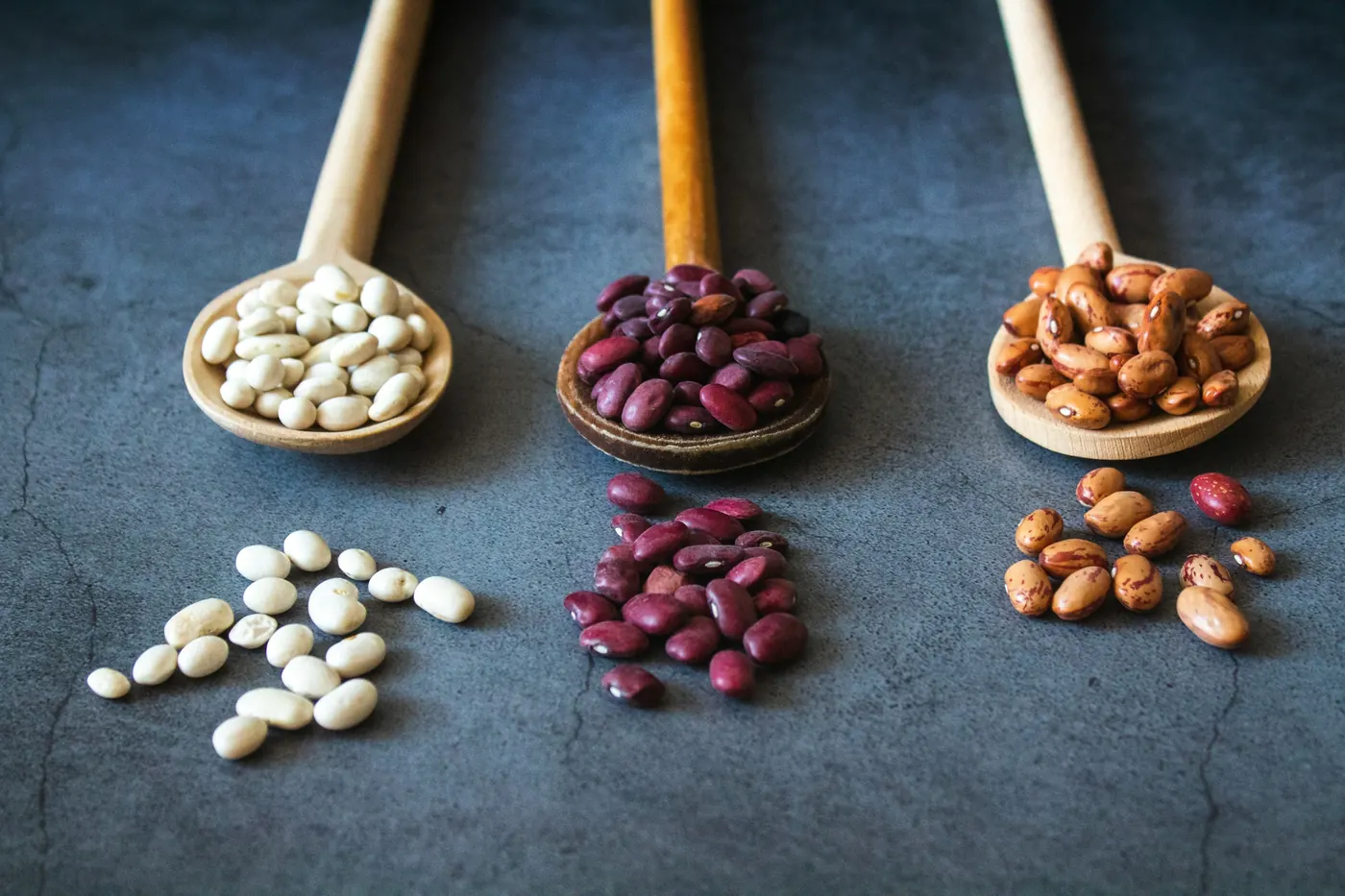
2. Pinto or black
Pinto beans are the default in Texas and northern Mexico; black beans are more common in southern Mexico. Pinto is the bean for a Tex-Mex combo plate, bean and cheese burritos and nachos. Black is the bean for molletes, tostadas in the southern style and a side with eggs.
3. Sodium
The cans here range from 220 to 630 mg of sodium per half cup, against an FDA Daily Value of 2,300 mg. If you cook with salty toppings such as cotija, salsa or chorizo, start with a lower-sodium can and season at the end.
4. Seasoning
Plain cans (La Preferida, Ducal, Ortega) are easy to take in any direction. Seasoned cans (Amy’s, 365) save a step but commit you to their flavor. For dishes where the beans are a base, such as tostadas, choose plain.
5. Allergens and diet
Most refried beans are free of major allergens, but not all: read for soy in oil blends and advisories, and for “vegan” or “vegetarian” if lard matters. We report each can’s statement exactly as labeled in its specifications.
6. Can size and count
A 15- or 16-ounce can is about three and a half to four half-cup servings. Buy single cans to try a brand, and cases only of the one you know you like.
Making refried beans from canned whole beans
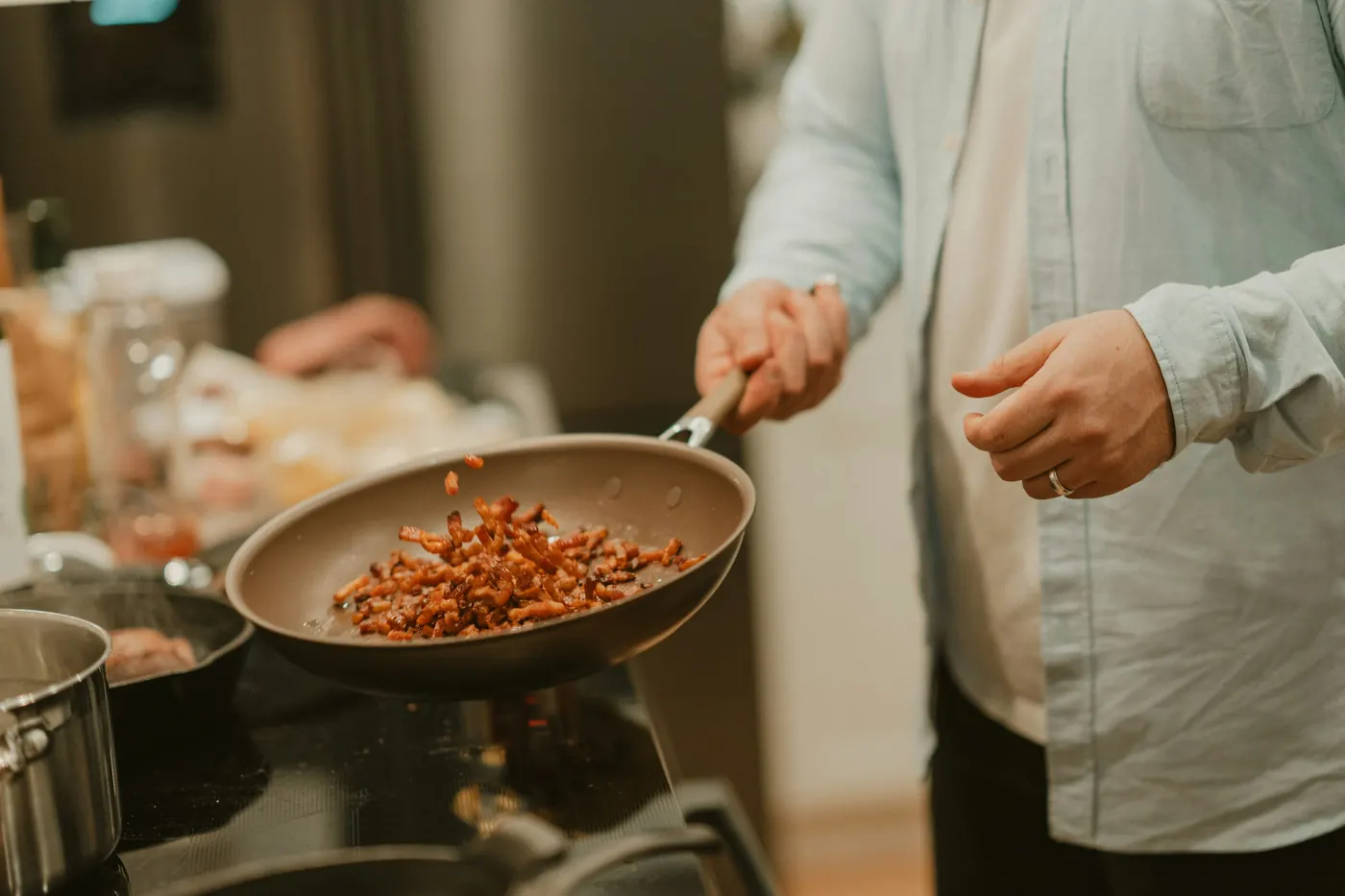
If you would rather start from whole beans, a can of plain pinto or black beans makes good refried beans in about fifteen minutes, and lets you control the fat and salt. Drain the beans and keep the liquid. Warm a tablespoon or two of lard, bacon fat or oil in a wide, heavy skillet, soften a little chopped onion in it, then add the beans and a splash of their liquid.
Mash them in the pan as they heat, adding liquid as needed until they are as smooth or as chunky as you like; many kitchens leave some beans whole for texture. A sturdy masher makes this quick, and our guide to the best bean masher covers which kinds work best in a hot pan. Keep stirring until the beans thicken and hold their shape on a spoon, then season with salt at the end.
The same trick improves any can of refried beans: heat them in a skillet with a little fat and onion rather than in the microwave, loosen with water or broth, and finish with crumbled cheese.
How we chose these eight cans
We started from what a Mexican kitchen asks of refried beans: the right bean, the right fat, a sensible amount of salt and nothing unexpected on the label. We searched Amazon in the United States for canned refried beans that were in stock when we checked, from identifiable brands, and chose eight that cover traditional, vegetarian and fat-free styles in both pinto and black beans. Several well-known cans, including Rosarita’s traditional and vegetarian, Old El Paso’s single traditional can and Goya’s traditional pinto can, were out of stock or unavailable on Amazon when we checked, so they are not here.
Ingredients, fat, sodium and allergen statements come only from the maker (Goya’s shop for Ducal), the Amazon listing, a grocery retailer’s copy of the label, or the Open Food Facts label record, and each review says which. Where those sources disagree, as they do on Rosarita’s sodium, we give both figures. We did not recommend any can whose ingredients we could not find. We have not cooked with every can listed here; we describe the labels, not the taste.
Refried bean questions, answered
What are the best canned refried beans?
For most kitchens, Old El Paso Traditional: classic pinto beans made with lard, mildly seasoned and easy to find. Rosarita Organic is the best pork-free choice, and Amy’s Light in Sodium Black Beans the best for sodium.
Do canned refried beans have lard?
Traditional cans usually do, and the label will say so: Old El Paso Traditional, Ortega Traditional and La Preferida’s black beans all list lard. Cans labeled vegetarian, vegan or fat free do not. Always read the ingredients if you avoid pork.
Are canned refried beans vegetarian?
Only some. Look for “vegetarian” or “vegan” on the front, or check the ingredients for a plant oil such as coconut, sunflower, safflower, canola or soybean oil instead of lard.
What is the best way to make refried beans with canned beans?
Drain a can of whole pinto or black beans, keeping the liquid. Fry a little onion in lard or oil, add the beans and some of their liquid, and mash them in the pan until thick, then salt to taste.
How do you make canned refried beans taste better?
Heat them in a skillet with a spoonful of lard or oil and some chopped onion, loosen them with water or broth, and finish with crumbled cotija or a spoonful of salsa. A little cumin or chipotle suits plain pinto cans.
Are pinto or black refried beans better?
Neither; they suit different dishes. Pinto is the Texas and northern Mexican default for combo plates and burritos, while black beans are more common in southern Mexico and suit tostadas, molletes and eggs.
Our final pick for canned refried beans
Keep a few cans of Old El Paso Traditional in the cupboard for tostadas, burritos and nachos. If you avoid pork, Rosarita Organic is the closest alternative; if you are watching salt, Amy’s Light in Sodium black beans; for black beans made with lard, La Preferida; and for a can you finish with your own fat, Old El Paso Fat Free.
Refried beans are one shelf of a Mexican pantry. Our guide to Mexican pantry staples covers the chiles, masa and spices that go with them, charro beans vs refried beans explains how the two dishes differ, and why rice and beans come with everything explains their place on the plate.
And if you would rather someone else made the beans, see the menu or call to order.