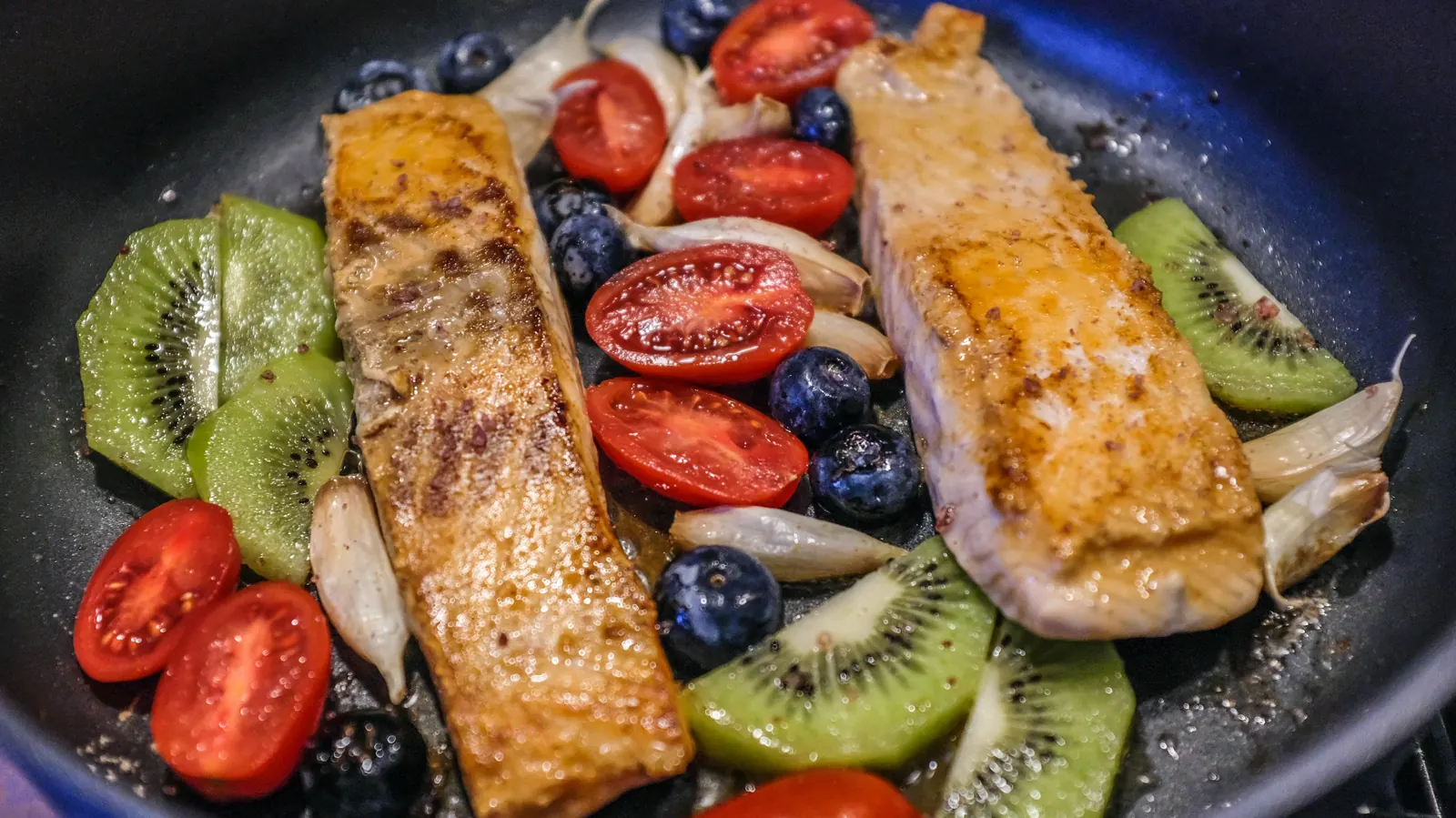
A fish spatula and a regular spatula both slide under food and flip it, and plenty of kitchens own only one. They are built for different jobs, though. The fish spatula has a long, thin, slotted blade that flexes and tapers toward the handle; it gets under a delicate fillet without tearing it. The regular turner has a shorter, wider, stiffer blade that pushes, presses and lifts heavier food in one piece. In a Mexican kitchen that is the difference between a pan-seared fillet for fish tacos and a pan of papas con chorizo or a stack of smashed tortitas.
This guide compares the two by blade shape, thickness and flex, slots, handle and the pans you cook in, then says which to buy first and gives one good example of each.
Julia’s earns a commission on purchases made through links on this page, at no cost to you. Recommendations are based on what a restaurant kitchen looks for, product specifications and verified buyer reports.
Quick verdict: fish spatula or regular spatula first?
Buy a fish spatula first if you cook in a skillet more than on a griddle. Its thin, flexible, angled blade turns fish, eggs, pancakes, quesadillas and seared meat, and America’s Test Kitchen now picks fish spatulas as its best metal spatulas overall. Buy a regular turner first, or as your second tool, if you smash burgers, scrape a griddle or comal, or lift heavy, wide food such as hash browns and big quesadillas, where a stiff, broad blade is easier to push and press.
The table sums up the differences; the sections after it explain each one.
Fish spatula vs spatula, side by side
| Fish spatula | Regular spatula (turner) | |
|---|---|---|
| Blade shape | Long, slim, tapers toward the handle, angled front edge | Squat and rectangular, square front edge |
| Thickness and flex | Thin and springy | Thicker and stiffer |
| Slots | Long slots to drain oil | Solid, slotted or perforated |
| Handle | Usually short, for control | Often longer |
| Pressing and scraping | Poor: blade bends | Good: holds its shape |
| Delicate food | Excellent: slides under without tearing | Fair: thick edge can push food |
| Pans | Skillets with sloped sides; metal versions on stainless, iron or steel | Griddles, comales, sheet pans, grill |
| Best jobs | Fish fillets, fried eggs, pancakes, quesadillas, seared chicken | Burgers, smash tacos, hash browns, scraping fond, cookies |
Blade shape: long and tapered or short and square
America’s Test Kitchen describes the difference plainly in its 2025 review of metal spatulas: fish spatulas have “a slim profile that tapers in toward the base,” while the heads of conventional spatulas are “squat and rectangular.” The long head gives a fillet or a pancake room to sit on the blade, and the taper lets you reach into the curve of a skillet. On a short, square blade, food can hang over the sides or bump into the back of the head.
The square blade has its own advantage: a straight, wide edge that meets a flat surface along its whole width. On a griddle or a comal that is what you want for scraping up browned bits, pressing a patty flat or turning a row of tortillas. A tapered fish spatula touches a flat surface with less of its edge.
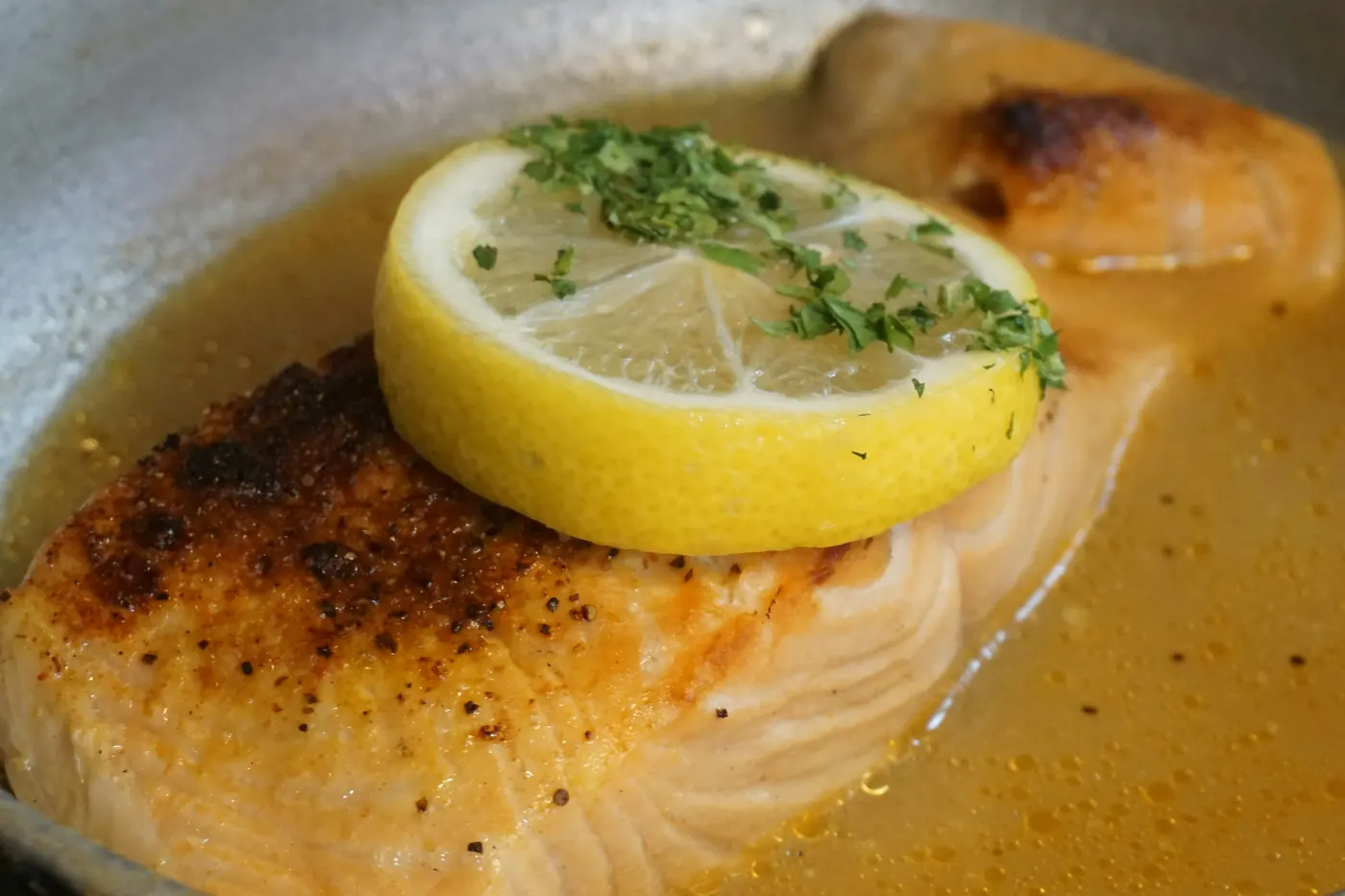
Thickness and flex: slide under or push and press
This is the difference that matters most. ATK found that most of the fish spatulas it looked at had heads 0.8 to 0.9 millimeters thick, thin and flexible enough to slip under food yet strong enough to lift something heavier. It found most conventional spatulas “too rigid and thick,” which made them hard to slide under delicate food.
That thinness is why a fish spatula gets under a seared fillet without breaking the crust, and under a fried egg without breaking the yolk. The flex is also its limit. Lean on it to smash a ball of ground beef against a hot comal and the blade bends; a stiff turner holds its shape and transfers your weight straight to the food. If you make smash burgers, tortitas de papa or crisp hash browns, the stiffer blade does more of the work.
Slots and drainage
Almost every fish spatula is slotted. The slots let oil and liquid run off as you lift, so a fried fillet or a basted egg comes out of the pan without carrying a spoonful of fat with it. Regular turners come solid, slotted or perforated. A solid blade is better for scooping and for anything loose, such as rice or chopped potatoes, which can slip through slots, and for scraping fond from a pan.
Handle length and control
ATK preferred handles of about 4.5 to 5 inches because they put your hand closer to the food, and it found the handles on most conventional spatulas “simply too long” for fine control. A longer handle has a place at a hot grill or a big griddle, where distance from the heat matters more than finesse. For skillet cooking, a shorter handle gives better feel.
Pans: which spatula goes with which surface
Most fish spatulas and most sturdy turners are stainless steel. Metal is the right choice for cast iron, carbon steel and stainless pans, where you want a thin edge that scrapes under a crust. On nonstick pans, a metal edge can scratch the coating, so use a nylon or silicone version of either shape; our guide to the best fish spatula for nonstick pans covers fish turners made for coated pans. For iron specifically, see the best spatula for cast iron.
The surface also decides the shape. A skillet’s sloped sides favor the long, angled fish spatula. A flat griddle, comal or sheet pan favors a wide, square turner that can sweep the whole surface. Outdoors, a long-handled grill spatula is a third tool; see the best grill spatula.
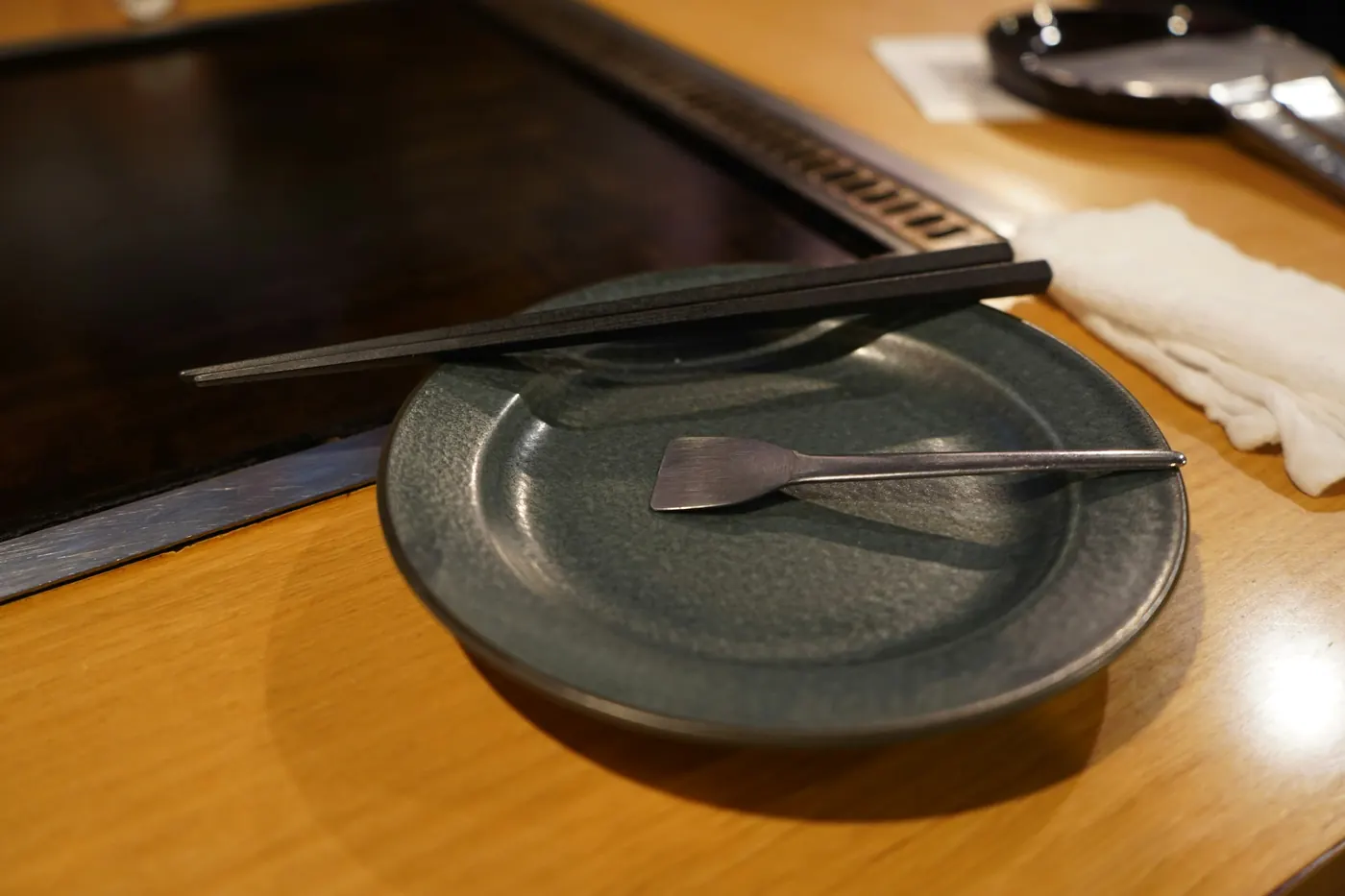
Fish spatula vs regular spatula in Mexican cooking
The fish spatula is the tool for pan-seared fish for tacos, for a whole fillet browned in butter and garlic, for huevos rancheros where the yolk has to survive the trip to the plate, and for turning a cheese-filled quesadilla without losing the filling. It also flips chiles rellenos gently in shallow oil, and the slots let the oil drain. For more on fish dishes, see our guide to seafood at a Mexican restaurant.
The regular turner earns its place on the comal and the griddle: pressing smash tacos, turning papas con chorizo in one wide sweep, scraping browned bits off a flat-top and lifting a whole stack of tortillas. A good kitchen ends up with both; the question is which you reach for first.
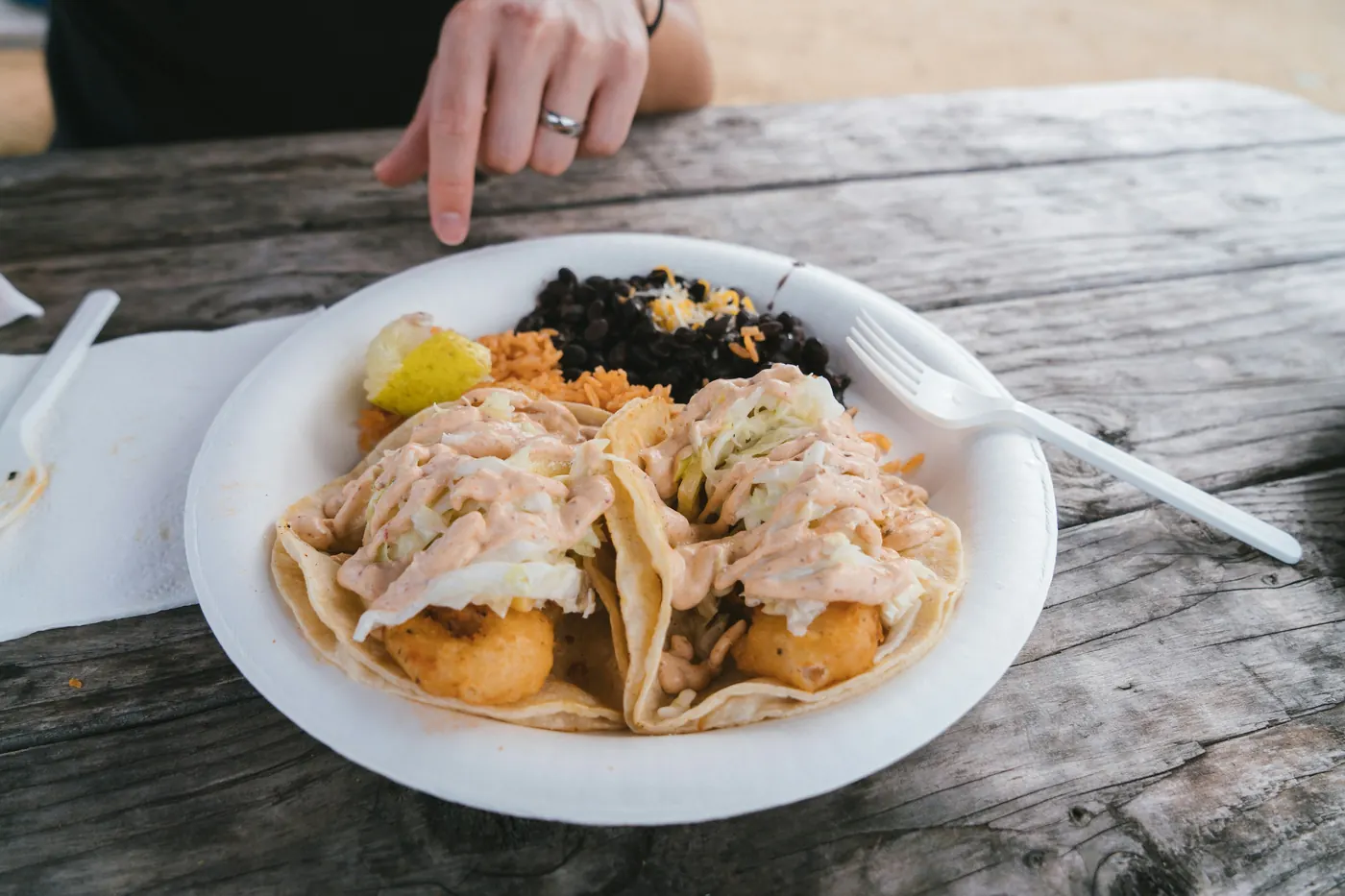
Choose a fish spatula if… / Choose a regular spatula if…
Choose a fish spatula if…
- You cook mostly in skillets rather than on a griddle.
- You turn fish, eggs, pancakes or quesadillas often.
- You want one thin, flexible spatula that handles most jobs.
- You fry in shallow oil and want it to drain off.
Choose a regular spatula if…
- You cook on a griddle, comal or flat-top.
- You smash burgers or tortitas, or press hash browns flat.
- You scrape browned bits off a pan or griddle.
- You lift big, heavy food that a narrow blade can’t support.
Our pick on each side of the fish spatula vs spatula question
Both picks are stainless steel, the right material for cast iron, carbon steel and stainless pans. Both were in stock on Amazon when we checked. For nonstick pans, choose a nylon or silicone version instead.
1. Lamson Slotted Fish Spatula, Walnut, 3 x 6-inch – Thin Steel, Short Handle

Lamson has made tools in Massachusetts since the 1800s, and its slotted fish spatula is the classic form: a 3 by 6-inch stainless steel blade with long slots, on an American walnut handle fastened with brass rivets. The listing describes the blade as precision-cut and hand-finished, and says the slots drain oil and liquid as you lift, which suits fish fillets, fried eggs, pancakes and thin burger patties.
The blade is built for the skillet: thin at the front, flexible enough to slide under food, and angled for a right-handed cook. Lamson also sells a mirrored left-hand version and a larger 4 by 9-inch blade for whole fish. The steel blade handles stovetop and grill heat, according to the listing, but the walnut handle is not for the oven.
Retailers list it as made in Massachusetts, and Lamson’s own site promises to replace a product that fails from a manufacturing defect. Hand washing protects the wood. As a steel tool, it is not for nonstick pans.
Why we like it
- Slotted blade drains oil, per the listing
- Walnut handle with brass rivets
- Left-hand version available
- Defect replacement from Lamson
Key specifications
| Model | 33777 |
|---|---|
| Blade | Stainless steel, flexible |
| Blade size | 3 x 6 in |
| Slots | Yes |
| Handle | Walnut, brass rivets |
| Heat | Blade stovetop and grill safe; handle not for oven |
| Made in | USA (Massachusetts), per retailers |
| Care | Hand wash |
Why we recommend it
It suits a cook who works mostly in cast iron, carbon steel or stainless skillets and wants one thin, flexible spatula for fish, eggs and pancakes.
Skip it if you cook mostly on nonstick; a steel edge can scratch the coating.
Pros and cons
Pros
- Thin, flexible slotted blade
- Comfortable wood handle
- Made in the USA, per retailers
Cons
- Not for nonstick
- Wood handle needs hand washing
- Bends if you press hard
2. Mercer Culinary Hell’s Handle Heavy Duty Turner, 6 x 5-inch – A Wide Blade for Pressing

Mercer Culinary makes tools for restaurant kitchens, and this heavy-duty turner is the opposite of a fish spatula: a wide, square 6 by 5-inch blade of precision-ground stainless steel that the listing says balances flexibility and stiffness. That width carries two tortitas, a smashed burger or a big turn of hash browns in one lift, and the straight front edge meets a griddle or comal along its whole width.
The Hell’s Handle is the reason to choose this line. Mercer says it withstands heat up to 450°F without melting and absorbs 50 percent less heat, staying cool to the touch, with a dual-textured grip for slip resistance. That matters when you stand over a hot flat-top.
Mercer asks for hand washing with warm water and mild soap, then drying completely, and says not to put it in the dishwasher or leave it soaking. Like any steel turner, keep it off nonstick.
Why we like it
- Wide 6 x 5-inch blade
- Handle rated to 450°F, per Mercer
- Textured, slip-resistant grip
- Built for restaurant kitchens
Key specifications
| Model | M18290 |
|---|---|
| Blade | Precision-ground stainless steel |
| Blade size | 6 x 5 in |
| Slots | Not stated |
| Handle | Hell’s Handle, dual-textured |
| Heat | Handle to 450°F |
| Made in | Not stated |
| Care | Hand wash; no dishwasher |
Why we recommend it
It suits a cook who uses a griddle, comal or flat-top and wants a wide, sturdy blade for pressing, scraping and big lifts.
Skip it if you mostly turn delicate fish in a skillet; the wide blade is too broad for the curve of the pan.
Pros and cons
Pros
- Lifts big pieces in one go
- Heat-resistant handle
- Straight edge for scraping
Cons
- No dishwasher
- Too wide for small skillets
- Not for nonstick
Fish spatula and turner questions, answered
What is the difference between a fish spatula and a regular spatula?
A fish spatula has a long, thin, slotted blade that flexes and tapers toward the handle. A regular turner has a shorter, wider, stiffer blade with a square edge. The fish spatula slides under delicate food; the turner pushes, presses and scrapes.
Can you use a fish spatula for everything?
For most skillet cooking, yes: eggs, pancakes, quesadillas, chicken and steak as well as fish. America’s Test Kitchen picks fish spatulas as its best metal spatulas overall. It is weaker at pressing burgers flat and at scraping a griddle, where a stiff, wide turner does better.
Is a fish spatula worth it if I don’t cook fish?
Often, yes. The name comes from the job it does best, but the same thin, flexible blade is what makes it good for fried eggs and pancakes. If you cook mostly on a griddle, a regular turner may still be the better first buy.
Can I use a metal fish spatula on nonstick pans?
It is better not to; a metal edge can scratch the coating. Choose a nylon or silicone fish turner for nonstick and keep steel for cast iron, carbon steel and stainless.
Why are fish spatulas slotted?
So oil and liquid drain away as you lift, leaving the fat in the pan instead of on the plate. Lamson’s listing, for example, says its slots drain oil and liquid on the lift.
Which spatula goes in the drawer first
For most home kitchens built around a skillet, the fish spatula comes first: it turns fish, eggs, pancakes and quesadillas with less tearing, and it handles most other jobs well. The regular turner comes second, or first if a comal or griddle is the heart of your stove. For more fish turners, including nylon and silicone ones for coated pans, see the best fish spatula for nonstick pans; for turners of every shape, see the best spatula.
And when you would rather someone else did the flipping, see the menu or call to order.