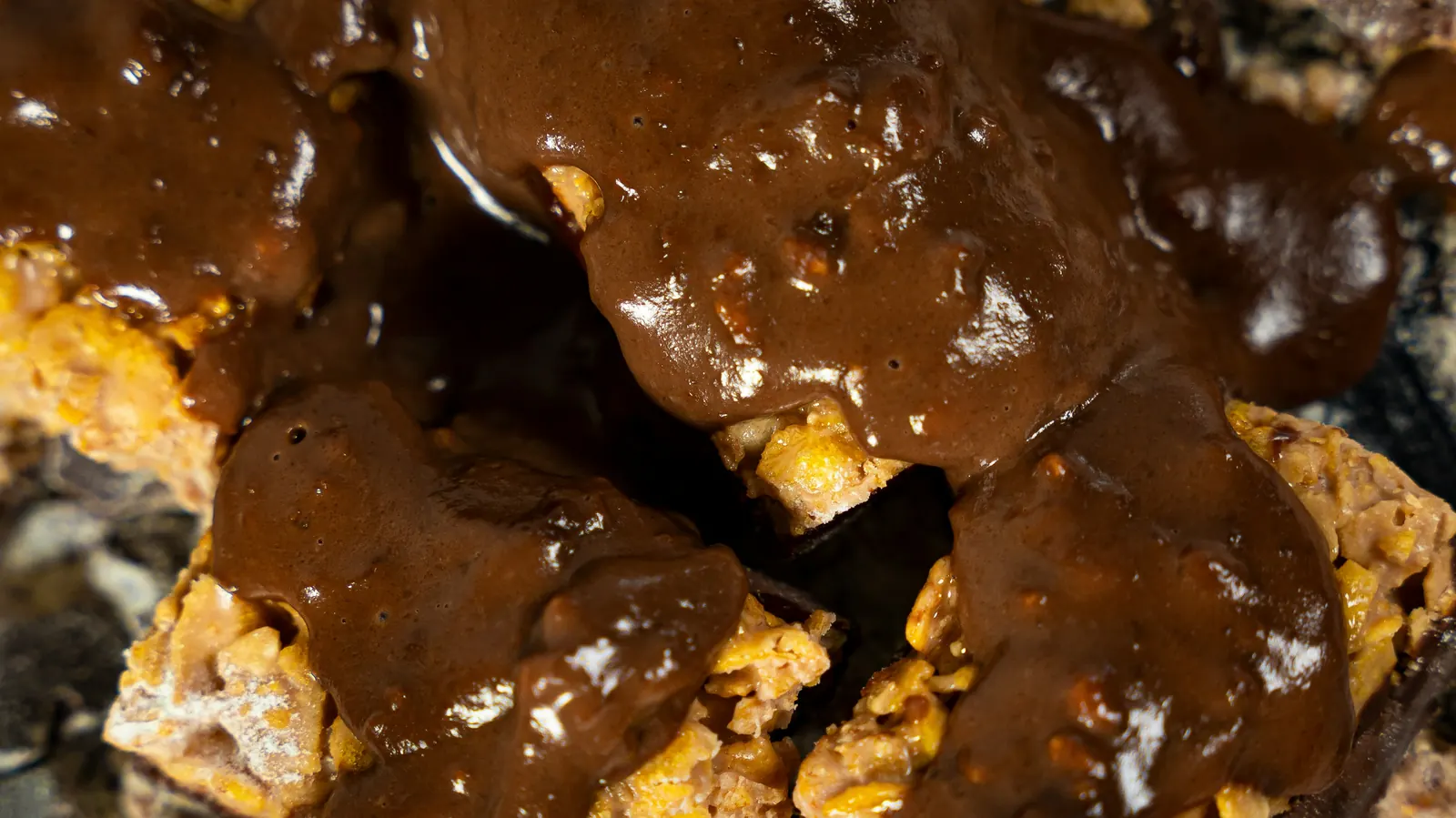
Making mole from scratch means toasting several kinds of dried chile, frying nuts, seeds, spices and dried fruit, grinding it all and cooking it down for hours. Most home cooks, in Mexico as well as the United States, start from a prepared base instead, and that base comes in two forms: a thick, oily paste in a jar or block, or a dry powder in a bag.
Both become the same kind of sauce once you add broth, but they get there differently, keep differently and suit different kitchens. This guide sets mole paste and mole powder side by side, explains each difference in plain terms, and names one product on each side worth buying.
Julia’s earns a commission on purchases made through links on this page, at no cost to you. Recommendations are based on what a working Mexican kitchen looks for in a mole base, the makers’ own ingredient lists and Amazon listings, and grocery-retailer label information where the maker publishes none, which we note.
Quick verdict: mole paste or powder?
Buy mole paste, such as the classic Doña María jar, if you cook a whole pot of mole at a time, want the familiar supermarket flavor and like to adjust the sauce with your own broth, chocolate and sugar. Buy mole powder, such as Mayanshul’s mole poblano, if you make mole a cup at a time, want something that keeps in the cupboard after opening, or need a shorter, no-added-sugar ingredient list. Whichever you choose, read the allergens: mole is one of the most allergen-heavy sauces you can buy.
The rest of this page explains why, difference by difference.
Mole paste vs powder: the differences side by side
The details below come from each maker’s listing and from grocery-retailer label listings; where a maker does not publish a figure, we say so.
| Mole paste (Doña María, 8.25 oz jar) | Mole powder (Mayanshul mole poblano, 8 oz bag) | |
|---|---|---|
| What it is | Ground chiles, seeds, crackers and spices cooked into an oily concentrate | Dry, ground chiles, cacao, dates, almonds and amaranth |
| Fat | Soybean oil is the first ingredient | No seed oils, per the listing |
| Ratio | 1 part paste to 4 parts broth | 1 part powder to 2–3 parts broth or water |
| Cooking time | Bring to a boil, simmer about 4 minutes | Simmer 4–5 minutes |
| Yield | About five times its volume of sauce | Up to 32 oz of sauce per bag |
| After opening | Refrigerate | Reseal; no refrigeration needed, per the listing |
| Sweetener | Sugar in the ingredients | No added sugar; dates instead |
| Allergens (as labeled) | Contains wheat, peanuts (H-E-B); sesame and sulfites in ingredients | Contains tree nuts (almonds) |
| Easiest to find | Widely sold in supermarkets’ Mexican aisles | Mainly online |
What is actually in each one
A mole paste is close to a finished mole with the liquid taken out. The chiles, seeds and spices are ground and cooked with fat until they form a thick, dark concentrate, and the oil is what keeps it soft and spoonable in the jar. H-E-B’s listing for Doña María’s 8.25-ounce jar gives the ingredients as soybean oil, crackers (wheat flour, water, baking soda), chile peppers, sugar, sesame seeds, peanuts, wheat bran, iodized salt, caramel color (sulfites), cacao, natural flavor, and disodium inosinate and guanylate. The crackers and wheat bran thicken the sauce, as bread or tortilla does in a homemade mole.
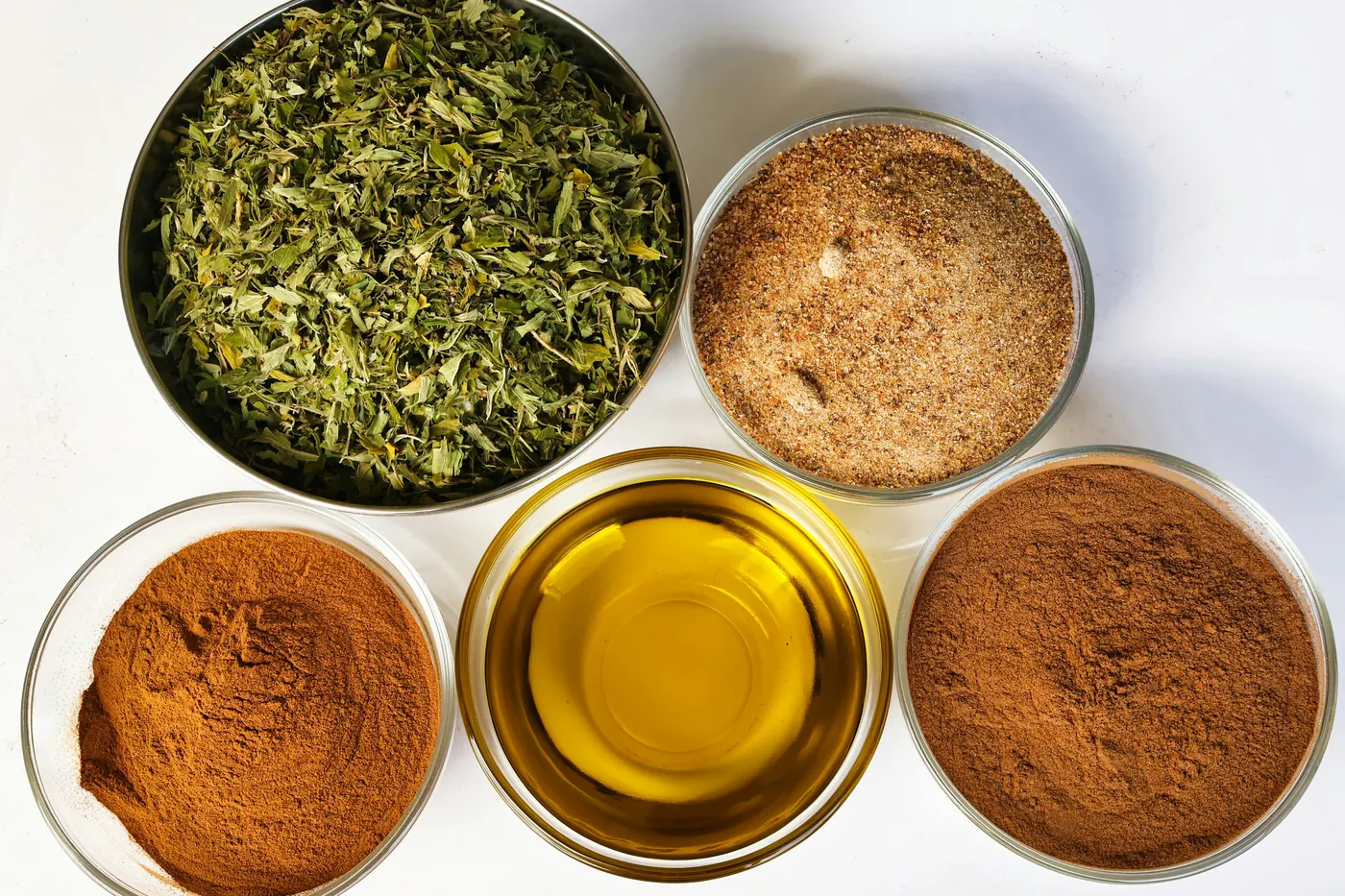
A mole powder is the same family of ingredients ground dry, with no fat to bind it. Mayanshul’s listing names deveined chiles, cacao, dates and almonds, with amaranth, and says there are no seed oils, no added sugar, no fillers and no artificial preservatives. The almonds and amaranth give the sauce body once liquid goes in, and the dates provide the sweetness that sugar gives a supermarket paste.
Neither form is more “authentic”. In Mexico both are sold side by side: at the annual Feria Nacional del Mole in San Pedro Atocpan, on the southern edge of Mexico City, producers sell mole in paste and in powder, according to coverage by Expansión. Our guide to what mole is explains the sauce itself and its regional styles.
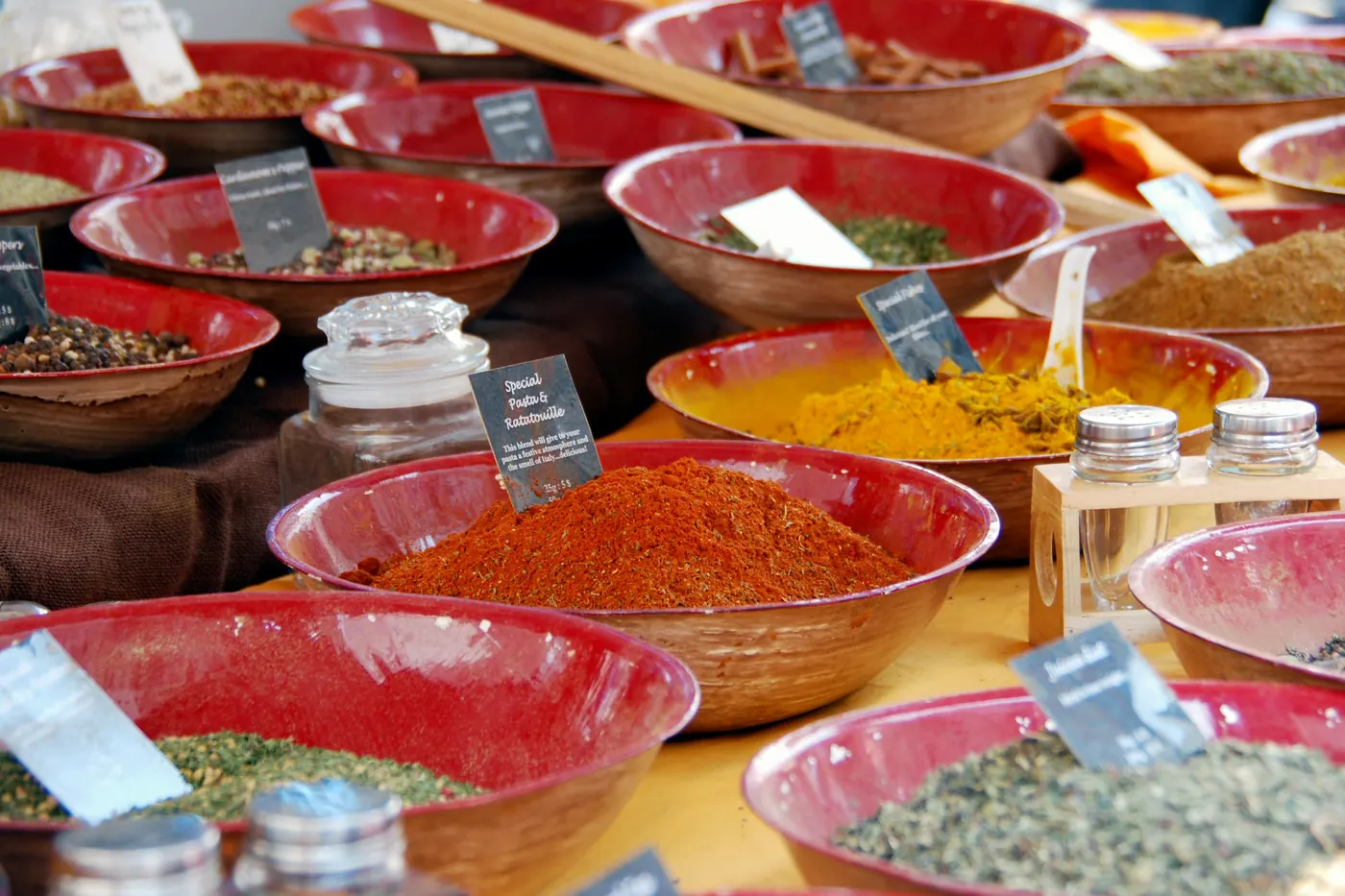
Preparation and how much work each needs
Paste needs loosening first. It is stiff, and the oil separates on top in the jar, so stir it well or warm it gently in the saucepan for a minute or two before adding liquid. Doña María’s directions call for one part paste to four parts broth or water over low heat, stirred until it comes to a boil, then simmered for about four minutes. Add the broth a ladle at a time and keep stirring, or blend it, so it does not stay lumpy.
Powder needs whisking rather than dissolving. Mayanshul’s listing says to mix one part powder with two parts broth or water for a thick sauce, up to three parts for a lighter one, and simmer for four to five minutes. Whisk the powder into cool or warm liquid before it heats, which keeps it from clumping, then let it simmer until it thickens.
The time at the stove is about the same. The difference is in control: with paste you add liquid until it is right; with powder you choose the ratio up front and can add more liquid later.
Batch size and keeping what you do not use
This is the biggest practical difference. An 8.25-ounce jar of paste, thinned with four times its volume of broth, makes enough sauce for a whole chicken cut into pieces, or enmoladas for four to six people. Doña María says to refrigerate the jar once it is open, and an opened jar of oily paste does not last forever in the fridge: keep it tightly covered, portion and freeze what you will not use soon, and discard it if mold appears or the oil smells rancid.
Powder lets you make exactly what you need. By the listing’s ratio, a quarter cup of powder whisked into half to three-quarters of a cup of broth makes roughly a cup of sauce, enough for a couple of enchiladas; the full 8-ounce bag makes up to 32 ounces. Mayanshul says the resealable bag needs no refrigeration before or after opening, so the rest goes back in the cupboard. For a household that wants mole once or twice a month rather than once a year, that is the strongest argument for powder.
Finished mole, from either base, keeps for several days in the refrigerator and freezes well.
Flavor, body and adjusting the sauce
We have not cooked or tasted these products side by side, so we can only describe what the ingredients and makers say. A paste with oil, crackers and sugar near the top of its list is built to be rich, smooth and sweet, the profile many Mexican-American families know from a supermarket jar, and the oil carries the flavor of the toasted chiles and sesame. Its strength is that it is a starting point: most cooks finish it with good broth, a piece of Mexican chocolate, a pinch of sugar and salt.
Mayanshul describes its powder as café-brown and chocolate-forward, with a balanced sweet-and-spice profile. Without added oil or sugar, a powder-based sauce is leaner, and you decide how much richness to add. If you want it closer to a classic mole, fry the powder briefly in a spoonful of lard or oil before adding broth, and sweeten it with chocolate or a little piloncillo at the end.
Allergens and diet labels
Mole is one of the most allergen-heavy sauces in any kitchen, and the two forms do not differ by nature here: both can contain nuts, seeds and wheat. They differ by recipe, so read every label.
Doña María’s paste lists wheat (in the crackers and bran), peanuts and sesame, and H-E-B’s allergen line reads “Contains: wheat, peanuts”; another retailer also flags sesame and sulfites, both of which appear in the ingredient list. It is not gluten-free. Mayanshul’s listing says its powder contains tree nuts (almonds), and Mayanshul’s own site badges its mole as gluten-free, soy-free and dairy-free. So for a peanut, sesame or wheat allergy, this particular powder is the safer choice; for a tree nut allergy, neither is.
Sesame became the ninth major food allergen in the United States in 2023, according to the FDA, but packaging changes slowly and retailer listings sometimes disagree. Read the package you actually receive before serving anyone with a food allergy.
Where to find each one
Paste is the easy one to find. Doña María jars are widely sold in the Mexican aisle of American supermarkets, and other paste brands, from El Metate to Rogelio Bueno, are a short search away. Powder is mostly an online purchase in the United States; Mayanshul sells through Amazon and its own site. Either one cuts the job from a day of toasting and grinding to about fifteen minutes at the stove.
Choose mole paste if… / Choose mole powder if…
Choose mole paste if…
- You cook a whole pot of mole for a family meal or a holiday.
- You want the familiar, sweet supermarket mole flavor.
- You like to finish the sauce yourself with broth, chocolate and sugar.
- You want to buy it at the grocery store today.
- Nobody at the table avoids wheat, peanuts or sesame.
Choose mole powder if…
- You make mole a cup or two at a time.
- You want the opened bag to keep in the cupboard, not the fridge.
- You avoid added sugar or seed oils.
- You need a mole without peanuts, wheat or sesame, and nuts are not a problem.
- You would also like a dry rub for roast chicken or pork.
Our pick on each side
These are the paste and the powder we recommend if you have decided which way to go. Both are also reviewed in our guide to the best mole sauce to buy, along with a ready-to-serve mole, Puebla- and Oaxaca-style pastes and a green pipián.
1. Doña María Mole Paste, 8.25 oz – The Classic Jar to Thin at Home

Doña María is the best-known supermarket mole brand in Mexico and the United States, and this small glass jar of dark paste is its classic product. It is concentrated: one jar becomes about five times its volume of sauce once you add broth, enough for a chicken or a big pan of enmoladas.
H-E-B’s listing gives the ingredients as soybean oil, crackers, chile peppers, sugar, sesame seeds, peanuts, wheat bran, iodized salt, caramel color (sulfites), cacao, natural flavor and two flavor enhancers. The directions are one part paste to four parts broth or water in a saucepan over low heat, stirred until it boils, then simmered for about four minutes. Store unopened jars in a cool, dry place and refrigerate after opening.
The paste is a starting point rather than a finished sauce, which is its strength: you decide how thick, sweet and salty it ends up. Use chicken or turkey broth rather than water, add a piece of Mexican chocolate if you want more depth, and finish with toasted sesame seeds. The Amazon listing is sparse and mentions a case pack, so check the quantity you are ordering.
Why we like it
- The familiar Mexican supermarket mole
- Clear 1:4 paste-to-broth ratio
- One small jar sauces a whole chicken
- Easy to adjust with chocolate, sugar and salt
Key specifications
| Style | Classic red-brown mole |
|---|---|
| Form | Concentrated paste |
| Size | 8.25 oz glass jar |
| Main ingredients | Soybean oil, crackers, chile peppers, sugar, sesame, peanuts, cacao |
| Allergens (as labeled) | Contains wheat, peanuts (H-E-B); sesame and sulfites in ingredients |
| How to prepare | 1 part paste to 4 parts broth; bring to a boil, simmer about 4 minutes |
| Storage | Cool, dry place; refrigerate after opening |
| Made in | Not stated in listing |
Why we recommend it
Choose it if you want the mole most Mexican-American families know, in a form you can thin and season to your own taste for chicken, enmoladas or tamales.
Skip it if anyone at the table avoids wheat, peanuts or sesame, or if you only want a cup of sauce at a time; an opened jar has to go in the fridge.
Pros and cons
Pros
- Familiar, widely sold
- Simple ratio, quick to cook
- Small jar goes a long way
Cons
- Contains wheat, peanuts and sesame
- Flavor enhancers and caramel color
- Refrigerate once opened
2. Mayanshul Mole Poblano Powder, 8 oz – Pantry-Stable, No Added Sugar

Powdered mole solves the main problem with paste: once a jar is open, it has to be used or refrigerated. Mayanshul’s mole poblano is a dry powder in a resealable bag, and the listing says it needs no refrigeration before or after opening, so you can make a cup of sauce tonight and leave the rest in the cupboard.
The listing gives the main ingredients as deveined chiles, cacao, dates and almonds, with amaranth, and says there are no seed oils, no added sugar, no fillers and no artificial preservatives. It describes the sauce as café-brown and chocolate-forward, and labels it keto and vegan. The listing states that it contains tree nuts (almonds). Mayanshul’s own site also badges its mole as gluten-free, soy-free and dairy-free, and says it is made in Mexico.
The ratio is clear: one part powder to two parts broth or water for a thick sauce, up to three parts for a lighter one, simmered for four to five minutes. The 8-ounce bag makes up to 32 ounces of sauce. Because it starts dry, it also works as a rub: mix a few spoonfuls with oil and salt and coat chicken thighs or pork before roasting.
Why we like it
- Shelf-stable after opening, per the listing
- No added sugar or seed oils
- Clear 1:2 to 1:3 ratio, ready in 5 minutes
- One allergen listed: almonds
Key specifications
| Style | Mole poblano |
|---|---|
| Form | Dry powder |
| Size | 8 oz bag (makes up to 32 oz) |
| Main ingredients | Chiles, cacao, dates, almonds, amaranth |
| Allergens (as labeled) | Contains tree nuts (almonds); gluten-, soy- and dairy-free (maker site) |
| How to prepare | 1 part powder to 2–3 parts broth; simmer 4–5 minutes |
| Storage | Resealable; no refrigeration needed (listing) |
| Made in | Mexico (maker site) |
Why we recommend it
Choose it if you cook mole in small amounts, avoid added sugar or seed oils, or need a mole without peanuts, wheat or sesame.
Skip it if anyone has a tree nut allergy, or if you want the familiar, sweeter taste of a supermarket mole.
Pros and cons
Pros
- Make only what you need
- Short ingredient list
- Fewer allergens than most moles
Cons
- Contains almonds
- Less sweet than classic moles
- Mainly sold online
How we compared the two
We compared paste and powder on what a kitchen asks of any mole base: what goes into it, how much work it takes to turn into sauce, how much it makes, how it keeps once opened, and what it means for anyone with a food allergy. Ingredients, ratios and storage come from the Amazon listings, from Mayanshul’s own site and, for Doña María’s paste, from H-E-B’s and other retailers’ label listings, because the Amazon listing gives almost none. The picks and facts match our guide to the best mole sauce to buy. Both products were in stock on Amazon when we checked. We have not cooked or tasted either product ourselves; where we describe flavor, we say whose description it is.
Mole paste and powder questions, answered
Can you substitute mole powder for mole paste?
Yes, but not spoon for spoon. Paste is mostly oil and solids and is thinned about one to four with broth; powder is dry and is mixed about one to two or three. Follow the ratio on the package you have, and add a spoonful of oil or lard to a powder-based sauce if you want the richness of a paste.
Does mole paste go bad once opened?
It keeps for a while but not indefinitely. Doña María says to refrigerate after opening; keep the jar tightly covered, use clean spoons, and portion and freeze any you will not use soon. Discard it if mold appears or the oil smells rancid.
How do you make mole powder into a sauce?
Whisk the powder into broth or water before it heats, using Mayanshul’s ratio of one part powder to two or three parts liquid, then simmer for four to five minutes, stirring, until it thickens. Season with salt, and with a little chocolate or piloncillo if you want it sweeter.
Which is better for enchiladas or enmoladas?
Either works. Paste makes a big batch for a full pan of enmoladas; powder is easier if you are making a few enchiladas for two. Keep the sauce on the thin side so it coats the tortillas, and see our guide to enchilada sauces for how mole fits beside red and green sauces.
Is mole powder gluten-free?
Some is. Mayanshul’s site badges its mole as gluten-free, while many supermarket pastes, including Doña María, contain crackers or wheat bran. Powders from other makers can contain bread, crackers or cookies too, so look for a gluten-free claim on the package.
Our final word on mole paste and powder
If you cook mole for the whole table and like the classic supermarket flavor, buy Doña María paste, thin it with good broth and finish it with chocolate and sesame. If you want mole in small amounts, a bag that keeps in the cupboard, or a shorter ingredient list without peanuts, wheat or sesame, buy Mayanshul’s powder. Read every allergen line either way.
Mole is one shelf of a Mexican pantry. Our guide to Mexican pantry staples covers the dried chiles, spices and chocolate that go with it, and our roundup of the best mole sauce to buy compares five more, from a ready-to-serve mole to a green pipián.
And if you would rather someone else stirred the pot tonight, see the menu or call to order.