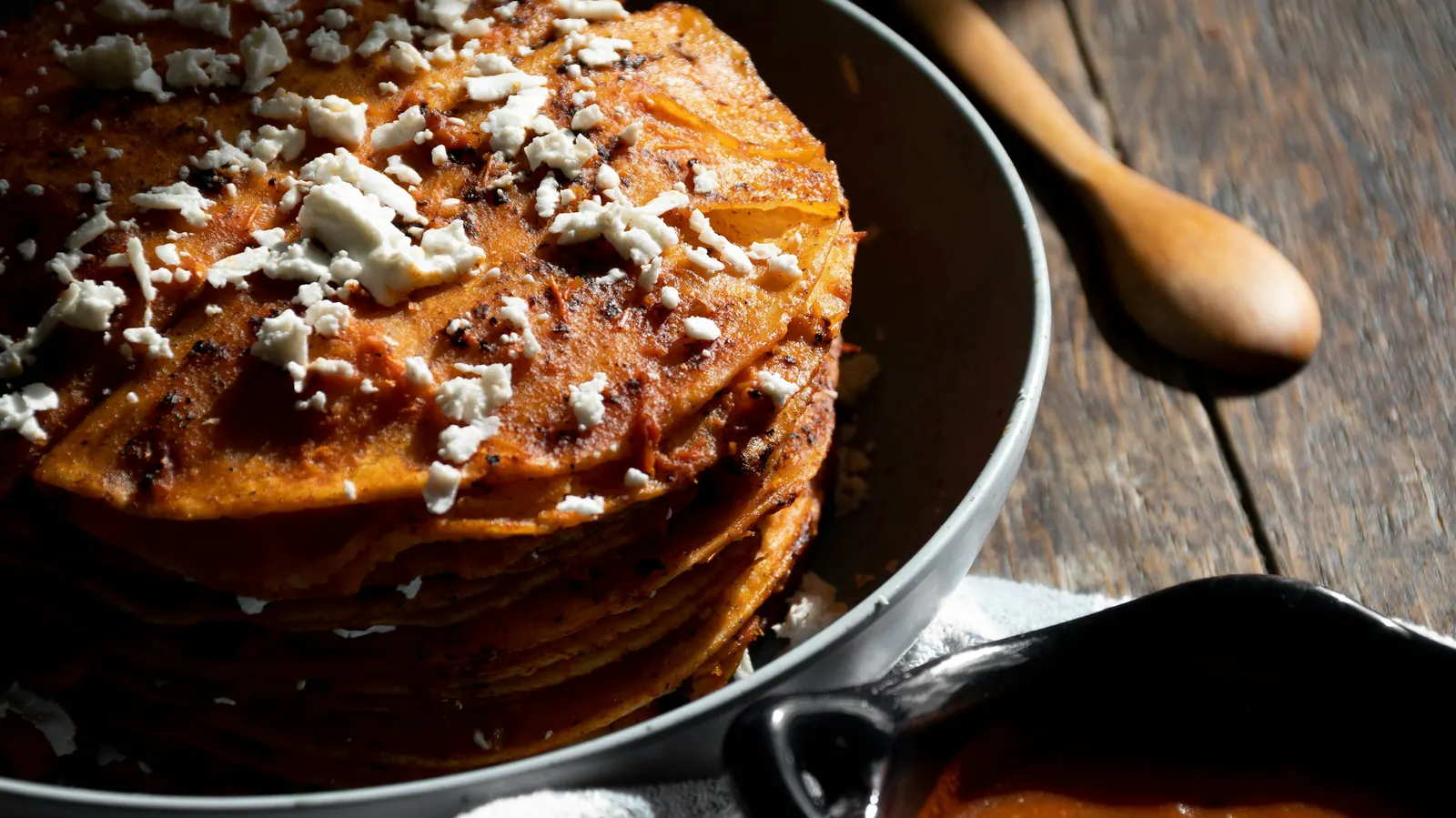
Mole is the sauce Mexican cooks save for weddings, baptisms and Christmas, and for good reason: a proper mole poblano or mole negro takes dozens of ingredients, several kinds of dried chile, toasted nuts and seeds, spices, dried fruit and often chocolate, ground and cooked for hours. Even in Mexico, many families buy mole paste from the market or the supermarket and finish it at home. A good jar turns leftover chicken and a stack of tortillas into enmoladas on a weeknight.
Store-bought mole comes in three forms that behave very differently. Concentrated paste in a jar or tub needs thinning with broth and cooking; ready-to-serve mole only needs heating; and powdered mole is whisked into liquid like a sauce mix. They also differ in style, from sweet, chocolate-dark poblano to smoky Oaxacan negro and green pipián, and in allergens: most moles contain sesame and many contain peanuts, wheat or tree nuts. This guide compares seven moles worth buying and explains how to thin and finish a paste so it tastes like more than a jar.
Julia’s earns a commission on purchases made through links on this page, at no cost to you. Recommendations are based on what a working Mexican kitchen looks for in a mole, the makers’ own ingredient lists and Amazon listings, and retailer listings where the maker publishes none, which we note.
Quick verdict: which mole sauce to buy
For most kitchens, the best mole sauce to buy is Doña María Mole, the classic concentrated paste in an 8.25-ounce jar: widely sold, simple to thin with broth, and easy to adjust with chocolate, sugar and salt. If you want no work at all, choose Doña María Ready to Serve. For a richer, Puebla-style paste, choose El Metate Mole Poblano; for Oaxacan black mole, El Metate Mole Negro; and for small batches with no added sugar, Mayanshul’s mole poblano powder, whose listing names almonds as its only allergen. Check every label for allergens.
The rest of this page explains why, how the three forms differ, and how to turn a paste into a sauce you would serve to guests.
Five moles at a glance
Our five standout picks side by side, one for each kind of cook, with the form, size and allergens each maker or listing states. All seven moles are reviewed in full below.
| Mole | Best for | Form & size | Allergens (as labeled) | Buy on Amazon |
|---|---|---|---|---|

Doña María Mole Paste, 8.25 ozBest overall
|
Classic mole, adjustable | Concentrated paste, 8.25 oz jar | Wheat, peanuts; sesame in ingredients | View on Amazon |

Doña María Traditional Mole Ready to Serve, 19.04 ozBest ready-to-serve
|
Weeknights, no thinning | Ready-to-heat sauce, 19.04 oz | Contains nuts (listing); check label | View on Amazon |

El Metate Mole Poblano Paste, 500 gBest mole poblano
|
Puebla-style, family batches | Paste, 17.63 oz (500 g) | Peanuts, almonds, sesame, soy | View on Amazon |

El Metate Mole Negro Oaxaqueño, 500 g, Pack of 5Best mole negro
|
Oaxacan black mole, holiday batches | Paste, five 500 g packs | Wheat, milk, soy, peanuts; may contain pecans, almonds | View on Amazon |

Mayanshul Mole Poblano Powder, 8 ozBest powder
|
Small batches, no added sugar | Powder, 8 oz (makes up to 32 oz) | Tree nuts (almonds) | View on Amazon |
Product images from Amazon. Allergens are as stated on each listing or on retailer ingredient lists, which sometimes disagree; recipes change, so read the label on the package you receive before serving anyone with a food allergy.
Our picks for the best mole sauce to buy
These seven moles cover the choices most cooks face: a classic supermarket paste, a ready-to-serve sauce, a value multipack, a Puebla-style paste, a Oaxacan mole negro, a green pipián and a powder. For each one we list the main ingredients, the allergens exactly as the label or listing states them, how the maker says to prepare it, and how to store it.
1. Doña María Mole Paste, 8.25 oz – The Classic Jar to Thin at Home
Doña María is the best-known supermarket mole brand in Mexico and the United States, and this small glass jar of dark paste is its classic product. It is concentrated: one jar becomes about five times its volume of sauce once you add broth, enough for a chicken or a big pan of enmoladas.
H-E-B’s listing for the 8.25-ounce jar gives the ingredients as soybean oil, crackers (wheat flour, water, baking soda), chile peppers, sugar, sesame seeds, peanuts, wheat bran, iodized salt, caramel color (sulfites), cacao, natural flavor, and disodium inosinate and guanylate. Its allergen line reads “Contains: wheat, peanuts”; another retailer also flags sesame and sulfites, both of which appear in the ingredient list. The crackers and wheat bran mean this mole is not gluten-free.
The directions are simple: one part paste to four parts broth or water in a saucepan over low heat, stirring until it comes to a boil, then simmered for about four minutes. Store unopened jars in a cool, dry place and refrigerate after opening. The paste is a starting point rather than a finished sauce, which is its strength: you decide how thick, sweet and salty it ends up. See “How to thin and finish mole paste” below.
Why we like it
- The familiar Mexican supermarket mole
- Clear 1:4 paste-to-broth ratio
- Concentrated, so one small jar sauces a whole chicken
- Easy to adjust with chocolate, sugar and salt
Key specifications
| Style | Classic red-brown mole |
|---|---|
| Form | Concentrated paste |
| Size | 8.25 oz glass jar |
| Main ingredients | Soybean oil, crackers, chile peppers, sugar, sesame, peanuts, cacao |
| Allergens (as labeled) | Contains wheat, peanuts (H-E-B); sesame and sulfites in ingredients |
| How to prepare | 1 part paste to 4 parts broth; bring to a boil, simmer about 4 minutes |
| Storage | Cool, dry place; refrigerate after opening |
| Made in | Not stated in listing |
Why we recommend it
Choose it if you want the mole most Mexican-American families know, in a form you can thin and season to your own taste for chicken, enmoladas or tamales.
Skip it if anyone at the table avoids wheat, peanuts or sesame. The Amazon listing is also sparse, and mentions a case pack, so check the quantity you are ordering.
Pros and cons
Pros
- Familiar, widely loved flavor
- Simple ratio and quick to cook
- Small jar goes a long way
Cons
- Contains wheat, peanuts and sesame
- Flavor enhancers and caramel color
- Sparse Amazon listing
2. Doña María Traditional Mole Ready to Serve, 19.04 oz – Mole Without the Project
Doña María’s classic product is the concentrated paste above; this version is already thinned and seasoned, so you only heat it. It is the mole we also recommend in our guide to Mexican pantry staples, for cooks who love mole but will not spend a day making it.
The listing says it is made with dried chiles, nuts, spices and chocolate, and describes the flavor as sweet and spicy. H-E-B’s listing says it is made in Mexico with no preservatives. A retailer’s preparation note says to heat it in a saucepan, bring it to a boil and simmer for about two minutes. The listing names nuts among the ingredients; we could not find a full allergen statement, so read the package before serving anyone with an allergy.
The package holds 19.04 ounces, enough to sauce a whole chicken. Pour it over poached chicken with rice, or dip warm tortillas in it for enmoladas and top them with sesame seeds and sliced onion. Doña María also sells it as a three-pack if it becomes a weeknight habit.
Why we like it
- Ready to heat; no thinning or frying
- Dried chiles, nuts, spices and chocolate, per the listing
- Made in Mexico with no preservatives, per H-E-B
- Enough to sauce a whole chicken
Key specifications
| Style | Classic mole, sweet and spicy (listing) |
|---|---|
| Form | Ready-to-serve sauce |
| Size | 19.04 oz |
| Main ingredients | Dried chiles, nuts, spices, chocolate |
| Allergens (as labeled) | Contains nuts (listing); full statement not found, check the label |
| How to prepare | Heat in a saucepan, bring to a boil, simmer about 2 minutes |
| Storage | Cupboard unopened; refrigerate leftovers |
| Made in | Mexico (H-E-B listing) |
Why we recommend it
Choose it if you want mole on a weeknight table with no more work than heating a sauce.
Skip it if you want to adjust the sauce yourself. The concentrated paste lets you control thickness and add your own chocolate or broth; this one is already finished.
Pros and cons
Pros
- Fast and easy
- Well-known Mexican brand
- No preservatives, per H-E-B
Cons
- Less control than the paste
- Full allergen statement not published in the listing
- Costs more per serving than paste
3. El Metate Mole Poblano Paste, 500 g – Chocolate-Dark Puebla Style
Mole poblano, from the city of Puebla, is the mole most people picture: dark reddish-brown, slightly sweet, with chocolate in the background rather than the foreground. El Metate’s version is a large 500-gram (17.63-ounce) block of paste, imported from Mexico according to the listing, which describes it as sweet and spicy with a chocolate base and calls Puebla the home of mole poblano.
The listing’s allergen information says the paste contains peanuts, almonds, sesame seeds and soy. The listing does not reproduce the full ingredient list, so read the package if you need it. El Metate says the mole keeps for up to a year unopened, with the date printed on the package.
The preparation is more involved than Doña María’s, and the result is thicker: dissolve or blend the whole 500 grams in about 496 ml (17.63 fluid ounces) of water, bring it to a boil and boil for 15 minutes, stirring constantly. That ratio, roughly one to one by weight, gives a thick sauce; add broth if you want it looser. A pound of paste is a lot of mole, which suits a family gathering or a batch of tamales. Freeze any finished sauce you will not use within a few days.
Why we like it
- Puebla-style mole, from Mexico, per the listing
- Large 500 g block for family batches
- Clear allergen statement on the listing
- Keeps up to a year unopened
Key specifications
| Style | Mole poblano |
|---|---|
| Form | Concentrated paste |
| Size | 17.63 oz (500 g) |
| Main ingredients | Chocolate-based chile paste; full list not in listing |
| Allergens (as labeled) | Peanuts, almonds, sesame seeds, soy |
| How to prepare | Blend 500 g with about 496 ml water; boil 15 minutes, stirring |
| Storage | Up to a year unopened; date on package |
| Made in | Mexico (listing) |
Why we recommend it
Choose it if you want a richer, more traditional mole poblano than the supermarket jar, in a size for a crowd.
Skip it if you cook for one or two, or for anyone with a peanut, tree nut, sesame or soy allergy.
Pros and cons
Pros
- Traditional Puebla style
- Generous size
- Allergens clearly listed
Cons
- Four major allergens
- Full ingredient list not in the listing
- 15 minutes of constant stirring
4. El Metate Mole Negro Oaxaqueño, 500 g, Pack of 5 – Six Chiles, Oaxacan Black Mole
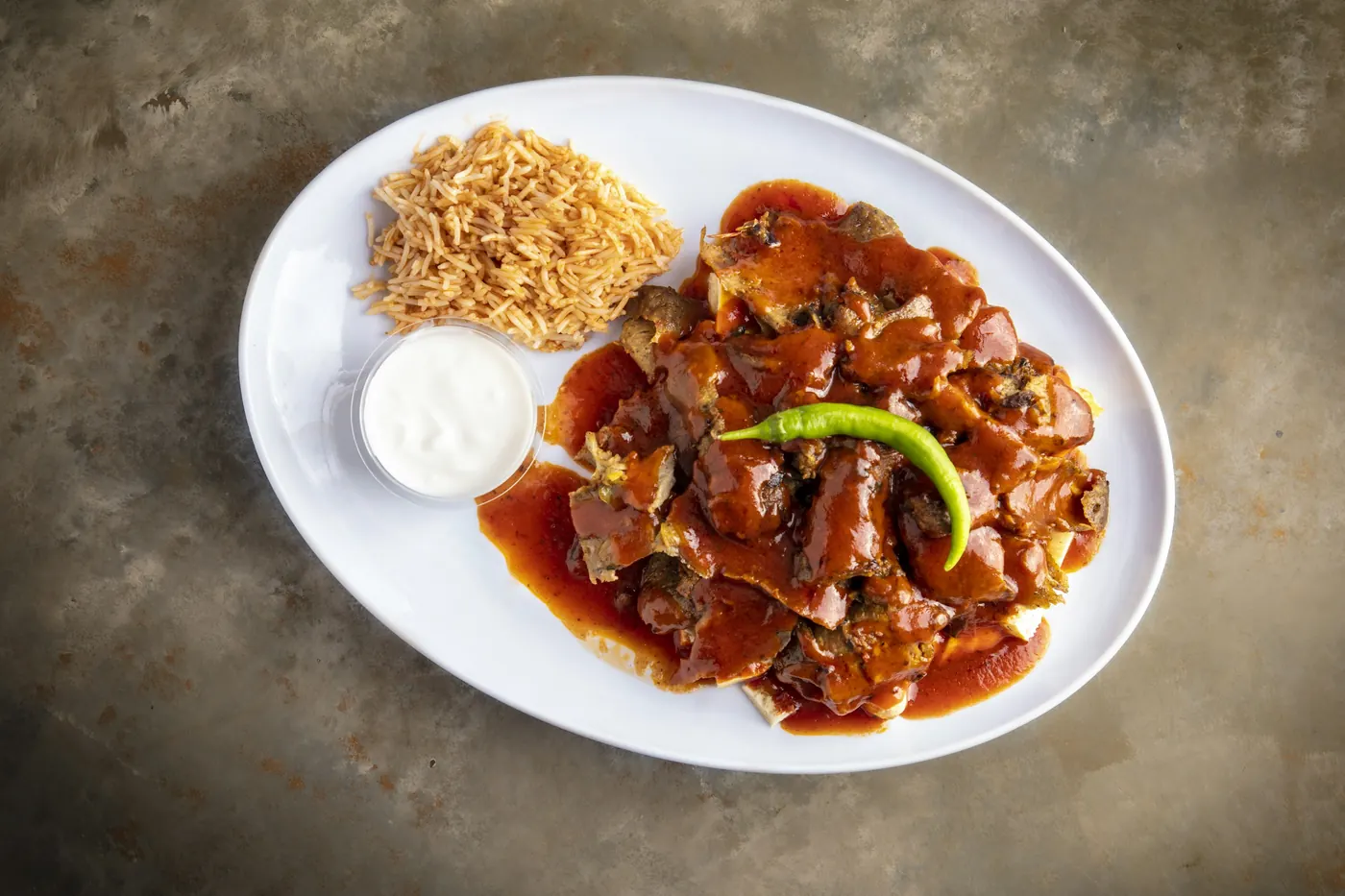
Mole negro is the most complex of the Oaxacan moles: nearly black, bittersweet and smoky, traditionally made with chiles toasted until dark. El Metate’s version gives a full ingredient list, which is less common than it should be. The listing names six chiles (black ancho, pasilla, chilhuacle, mulato, chipotle and red ancho) with banana, onion, vegetable oil, cookie, raisins, peanuts, sesame, sugar, salt, cinnamon and spices, plus sodium benzoate and potassium sorbate as preservatives.
The allergen statement is the longest in this guide: the listing says the paste contains wheat, milk, soy and peanuts, and may contain pecans and almonds. Sesame is also in the ingredient list. El Metate says it keeps for up to a year unopened.
The preparation follows the traditional method: fry a puree of strained tomatoes, add the mole paste and stir until it dissolves, then add a liter of chicken or pork stock and keep stirring until the sauce reaches the thickness you want. This listing is five 500-gram packs, so it is for a cook who already loves mole negro, or a big holiday table. Oaxaca is often called the land of the seven moles, and our guide to what mole is explains how negro differs from coloradito, rojo and the green moles.
Why we like it
- Six chiles, including chilhuacle
- Full ingredient list on the listing
- Traditional tomato-and-stock preparation
- Keeps up to a year unopened
Key specifications
| Style | Mole negro (Oaxacan black mole) |
|---|---|
| Form | Concentrated paste |
| Size | 5 packs, 17.63 oz (500 g) each |
| Main ingredients | Six dried chiles, banana, onion, oil, cookie, raisins, peanuts, sesame, cinnamon |
| Allergens (as labeled) | Wheat, milk, soy, peanuts; may contain pecans, almonds; sesame in ingredients |
| How to prepare | Fry strained tomato puree, dissolve paste, add 1 liter stock |
| Storage | Up to a year unopened; date on package |
| Made in | Oaxaca, Mexico (listing) |
Why we recommend it
Choose it if you know you love mole negro and want a paste with a transparent, chile-heavy ingredient list, in quantity.
Skip it if you have any of the many allergens listed, or only want one meal’s worth; five pounds is a lot.
Pros and cons
Pros
- Complex, chile-rich recipe
- Full ingredient and allergen list
- Traditional preparation
Cons
- Many allergens, including milk and wheat
- Contains preservatives
- Sold only as a five-pack here
5. Mayanshul Mole Poblano Powder, 8 oz – Pantry-Stable, No Added Sugar
Powdered mole solves the main problem with paste: once a jar is open, it has to be used or refrigerated. Mayanshul’s mole poblano is a dry powder in a resealable bag, and the listing says it needs no refrigeration before or after opening, so you can make a cup of sauce tonight and leave the rest in the cupboard.
The listing gives the main ingredients as deveined chiles, cacao, dates and almonds, with amaranth, and says there are no seed oils, no added sugar, no fillers and no artificial preservatives; the dates provide the sweetness instead. It describes the sauce as café-brown and chocolate-forward, and labels it keto and vegan. The listing states that it contains tree nuts (almonds). Mayanshul’s own site also badges its mole as gluten-free, soy-free and dairy-free, and says it is made in Mexico.
The ratio is clear: one part powder to two parts broth or water for a thick sauce, up to three parts for a lighter one, simmered for four to five minutes. The 8-ounce bag makes up to 32 ounces of sauce. Because it starts dry, it also works as a rub: mix a few spoonfuls with oil and salt and coat chicken thighs or pork before roasting.
Why we like it
- Shelf-stable after opening, per the listing
- No added sugar or seed oils
- Clear 1:2 to 1:3 ratio, ready in 5 minutes
- One allergen listed: almonds
Key specifications
| Style | Mole poblano |
|---|---|
| Form | Dry powder |
| Size | 8 oz bag (makes up to 32 oz) |
| Main ingredients | Chiles, cacao, dates, almonds, amaranth |
| Allergens (as labeled) | Contains tree nuts (almonds); gluten-, soy- and dairy-free (maker site) |
| How to prepare | 1 part powder to 2–3 parts broth; simmer 4–5 minutes |
| Storage | Resealable; no refrigeration needed (listing) |
| Made in | Mexico (maker site) |
Why we recommend it
Choose it if you cook mole in small amounts, avoid added sugar or seed oils, or need a mole without peanuts, wheat or sesame.
Skip it if anyone has a tree nut allergy, or if you want the familiar, sweeter taste of a supermarket mole.
Pros and cons
Pros
- Make only what you need
- Short ingredient list
- Fewer allergens than most moles
Cons
- Contains almonds
- Less sweet than classic moles
- Small bag for a crowd
6. HERNÁN Mole Pipián Paste, 7.2 oz, 2-Pack – Green Pumpkin-Seed Mole

Not every mole is dark. Pipián is the green branch of the family, thickened with ground pumpkin seeds instead of chocolate and dried chiles, and flavored with fresh green chiles and herbs. HERNÁN sources its products from Mexico, and the listing says this one is made there.
The listing gives the ingredients as pumpkin seeds, sesame seeds, sunflower oil, corn tortilla, serrano chile, jalapeño chile, onion, peanuts, cilantro, epazote, dried spinach, salt and other natural herbs and spices. It describes the paste as 100 percent natural, vegan and gluten-free. There is no separate allergen line in the listing, but the ingredients include peanuts and sesame. Epazote, a pungent Mexican herb, is the flavor that marks this as a traditional pipián.
Preparation is quick: combine the paste with broth or water in a saucepan and cook for four to eight minutes. The listing suggests it with chicken, pork, fish, shrimp, grilled vegetables and tofu, and as a sauce for enchiladas and tacos. Green pipián with poached chicken and rice is a classic, and it is lighter than the dark moles above.
Why we like it
- Pumpkin seeds, green chiles and epazote
- Vegan and gluten-free, per the listing
- Made in Mexico
- Ready in 4 to 8 minutes
Key specifications
| Style | Green mole pipián |
|---|---|
| Form | Concentrated paste |
| Size | 2 jars, 7.2 oz each |
| Main ingredients | Pumpkin seeds, sesame, sunflower oil, corn tortilla, serrano, jalapeño, peanuts, epazote |
| Allergens (as labeled) | No allergen line in listing; ingredients include peanuts and sesame |
| How to prepare | Combine with broth or water; cook 4–8 minutes |
| Storage | Not stated; refrigerate once opened |
| Made in | Mexico (listing) |
Why we recommend it
Choose it if you want a lighter, herbal mole for chicken, fish or vegetables, or a vegan, gluten-free option.
Skip it if you want the dark, chocolate-and-chile mole most people expect, or need a peanut- or sesame-free sauce.
Pros and cons
Pros
- A different style of mole
- Vegan and gluten-free
- Quick to prepare
Cons
- Contains peanuts and sesame
- Small jars
- Storage not stated
7. Rogelio Bueno Mole Paste, 8.25 oz, 4-Pack – Sesame-Forward Red Mole

Rogelio Bueno is another Mexican supermarket mole, sold in the same 8.25-ounce jar size as Doña María. H-E-B describes its red mole paste as a traditional product with notes of sesame and cocoa, to be served warm over chicken, beef or pork, and lists eight 2-tablespoon servings of paste per jar.
H-E-B’s ingredient list begins with soybean oil, soybean flour, sugar, cookies made with wheat flour, dried chili pepper and corn flour, and includes sesame seed. A third-party listing gives the allergens as wheat, soybean and sesame seed. The Amazon listing gives no ingredient or allergen detail, so treat the package as the final word.
We did not find the maker’s preparation directions for this jar. Supermarket mole pastes like this one are typically thinned with three to four parts broth to one part paste and simmered, stirring, until smooth; start there, follow the label on the jar, and adjust. This four-pack suits a household that cooks mole often or wants a jar for the cupboard and one for a friend.
Why we like it
- A classic Mexican supermarket mole
- Sesame and cocoa notes, per H-E-B
- Four jars in one order
- Same jar size as Doña María, easy to swap
Key specifications
| Style | Red mole |
|---|---|
| Form | Concentrated paste |
| Size | 4 jars, 8.25 oz each |
| Main ingredients | Soybean oil, soy flour, sugar, cookies, dried chile, corn flour, sesame |
| Allergens (as labeled) | Wheat, soy, sesame (retailer listings) |
| How to prepare | Not stated in listing; follow the jar |
| Storage | Not stated; refrigerate once opened |
| Made in | Not stated |
Why we recommend it
Choose it if you like a supermarket mole with a sesame-forward flavor and want to stock up on several jars at once.
Skip it if you need wheat-, soy- or sesame-free food, or want full details before you buy; the Amazon listing has almost none.
Pros and cons
Pros
- Familiar Mexican brand
- Stock-up four-pack
- Sesame-forward flavor
Cons
- Contains wheat, soy and sesame
- Amazon listing has no details
- Soybean oil and flour lead the list
Paste, ready-to-serve or powder: which form of mole?
The form matters as much as the brand, because it decides how much work the sauce needs and how long it keeps.
| Form | What you do | Control | Keeps | Example here |
|---|---|---|---|---|
| Concentrated paste | Thin with broth, cook 5–15 minutes | High: thickness, sweetness, salt | Refrigerate once opened | Doña María, El Metate, Rogelio Bueno |
| Ready-to-serve | Heat and pour | Low: already seasoned | Refrigerate leftovers | Doña María Ready to Serve |
| Powder | Whisk into broth, simmer 5 minutes | Medium: you set the thickness | Shelf-stable in a sealed bag | Mayanshul |
Paste is what most Mexican cooks buy, because it is the most concentrated and the easiest to make your own. Ready-to-serve is the fastest. Powder is the most forgiving for small households, because you can make one cup at a time and leave the rest in the cupboard.
How to choose a mole to buy
1. Pick the style for the dish
Mole poblano is the all-purpose choice for chicken, turkey, enmoladas and tamales. Mole negro is richer and more bitter, a special-occasion sauce for turkey or pork. Coloradito and rojo are brick-red and often spicier. Green moles and pipián are lighter and suit chicken, fish and vegetables. If you are making enchiladas, our guide to enchilada sauces explains where mole fits beside red and green sauces.
2. Read the allergens first
Mole is one of the most allergen-heavy sauces in any kitchen. Every mole on this page lists sesame, nuts or both, and several add wheat, soy or milk. Sesame became the ninth major food allergen in the United States in 2023 under the FASTER Act, according to the FDA, but packaging changes slowly and retailer listings disagree, so read the label on the package you actually receive.
3. Look at what leads the ingredient list
Ingredients are listed by weight. A mole that leads with chiles, nuts, seeds or fruit is built on flavor; one that leads with oil, soy flour, sugar or crackers is built for price and shelf life. Neither is wrong, and the supermarket pastes are what many Mexican families use, but the first few ingredients tell you how much finishing a paste will need.
4. Match the size to your cooking
An 8-ounce jar of paste sauces about one chicken. A 500-gram block or a multipack is for a holiday meal or a cook who makes mole often. Powder suits anyone who wants mole once in a while without a half-used jar in the fridge.
5. Check gluten and sugar if they matter
Supermarket pastes often contain crackers, cookies or wheat bran, so they are not gluten-free. HERNÁN’s pipián and Mayanshul’s powder state they are gluten-free, and Mayanshul states no added sugar. Look for the claim on the package rather than assuming.
How to thin and finish mole paste
A jar of paste is a head start, not a finished sauce. The steps below follow the makers’ directions and the way a Mexican kitchen finishes any mole: fry, thin, simmer and season.
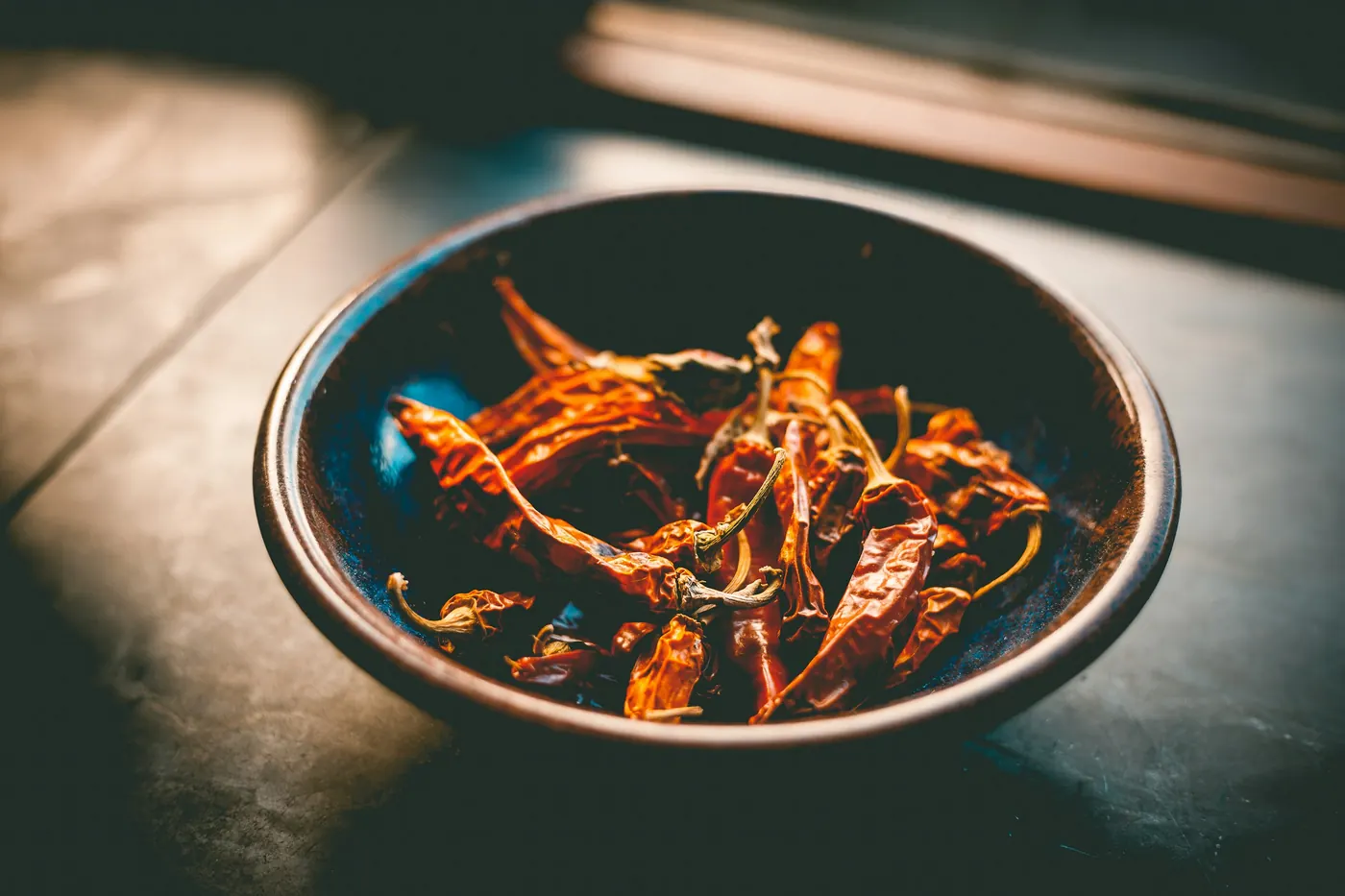
- Loosen the paste. Paste is stiff and the oil separates on top. Stir it in the jar, or scrape it into a saucepan and warm it gently for a minute or two, stirring, until it softens and smells toasty. El Metate’s mole negro directions start one step earlier, by frying a puree of strained tomatoes and dissolving the paste in it, which adds body and acidity.
- Add warm broth gradually. Use the maker’s ratio as a starting point: Doña María calls for four parts broth to one part paste, Mayanshul two to three parts liquid to one part powder, El Metate about equal weights of water and paste. Add the broth a ladle at a time and whisk or stir until smooth; a blender gives the silkiest result. Chicken or turkey broth gives more flavor than water.
- Simmer and stir. Bring it to a boil, then lower the heat and simmer, stirring often so it does not scorch on the bottom. Mole spatters, so use a deep pot and a long spoon. It is ready when it coats the back of a spoon and a line drawn through it holds for a moment.
- Season at the end. Taste and adjust. A piece of Mexican chocolate deepens it and adds sweetness; a pinch of sugar or grated piloncillo rounds out bitterness; salt brings everything forward. If it is too thick, add broth; too thin, simmer longer.
- Finish and serve. Add cooked chicken or turkey and let it heat through in the sauce. Serve with rice and warm tortillas, and scatter toasted sesame seeds on top.
Finished mole keeps in the refrigerator for several days and freezes well, and many cooks think it tastes better the next day. If you want a deeper chocolate note, our roundup of the best Mexican hot chocolate compares the tablet brands that go into a pot of mole as easily as into a mug.
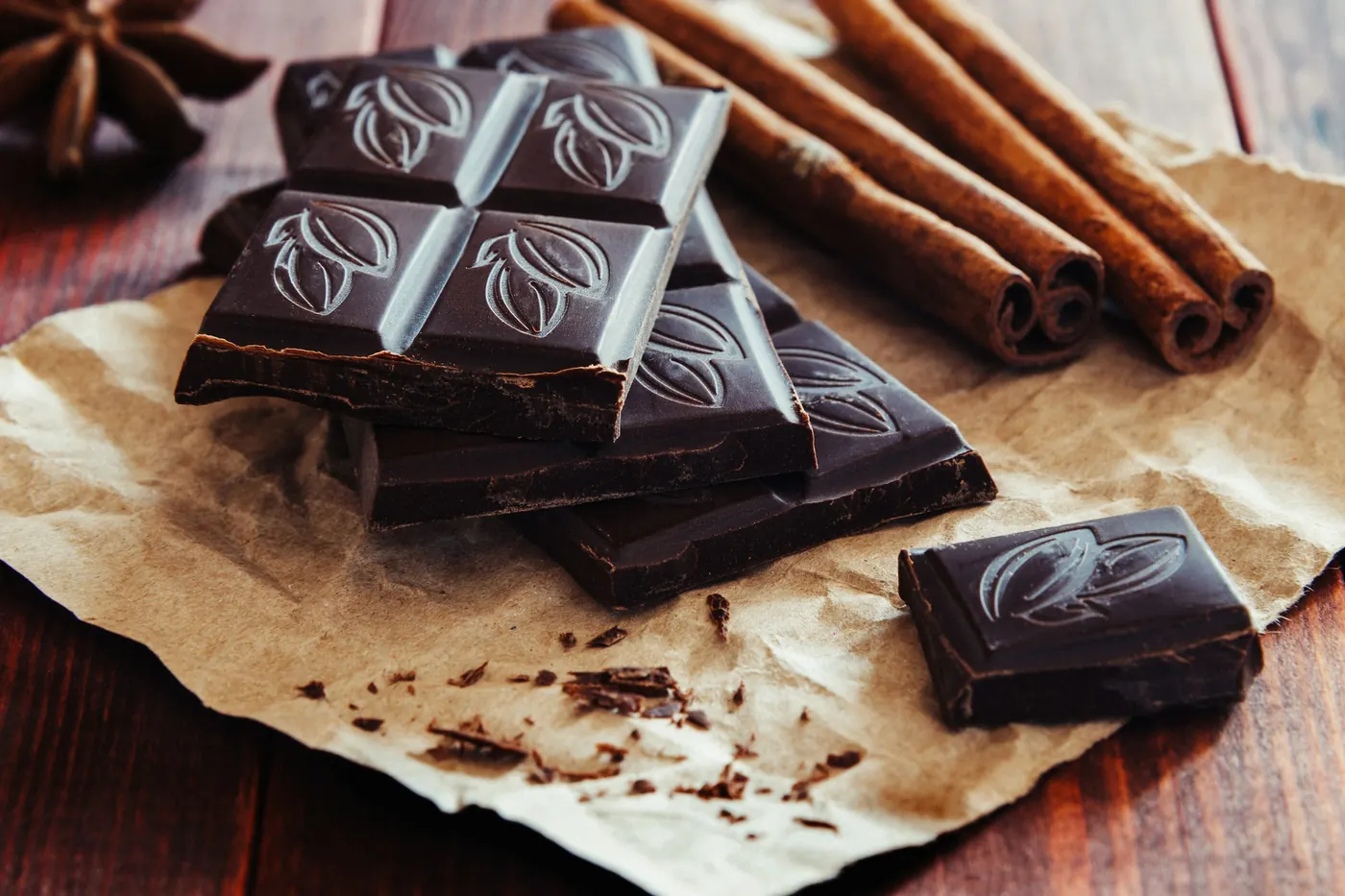
How we picked these seven moles
We started from what a Mexican kitchen wants from a store-bought mole: a recognizable regional style, a paste or sauce that can be finished to taste, and honest labeling, especially of allergens. We then narrowed the field to moles sold on Amazon in the United States and in stock when we checked, from identifiable makers, and read each one’s ingredient list, allergen statement and preparation directions on its Amazon listing, the maker’s site or, where neither gave details, a retailer listing (each review says which). We chose seven to cover the real choices: a classic paste and its ready-to-serve version, a Puebla-style paste, a mole negro, a powder, a green pipián and a stock-up multipack. We left out moles that were out of stock or in limited supply when we checked, including several Doña María, La Costeña and Mayordomo listings, and listings from unidentified sellers. We also left out an in-stock Oaxacan four-mole sampler because its listing gave no ingredients or allergens, and mole so often contains nuts and sesame that we will not recommend one without them. We have not tasted every mole listed here; flavor descriptions follow from the ingredients and the makers’ own descriptions.
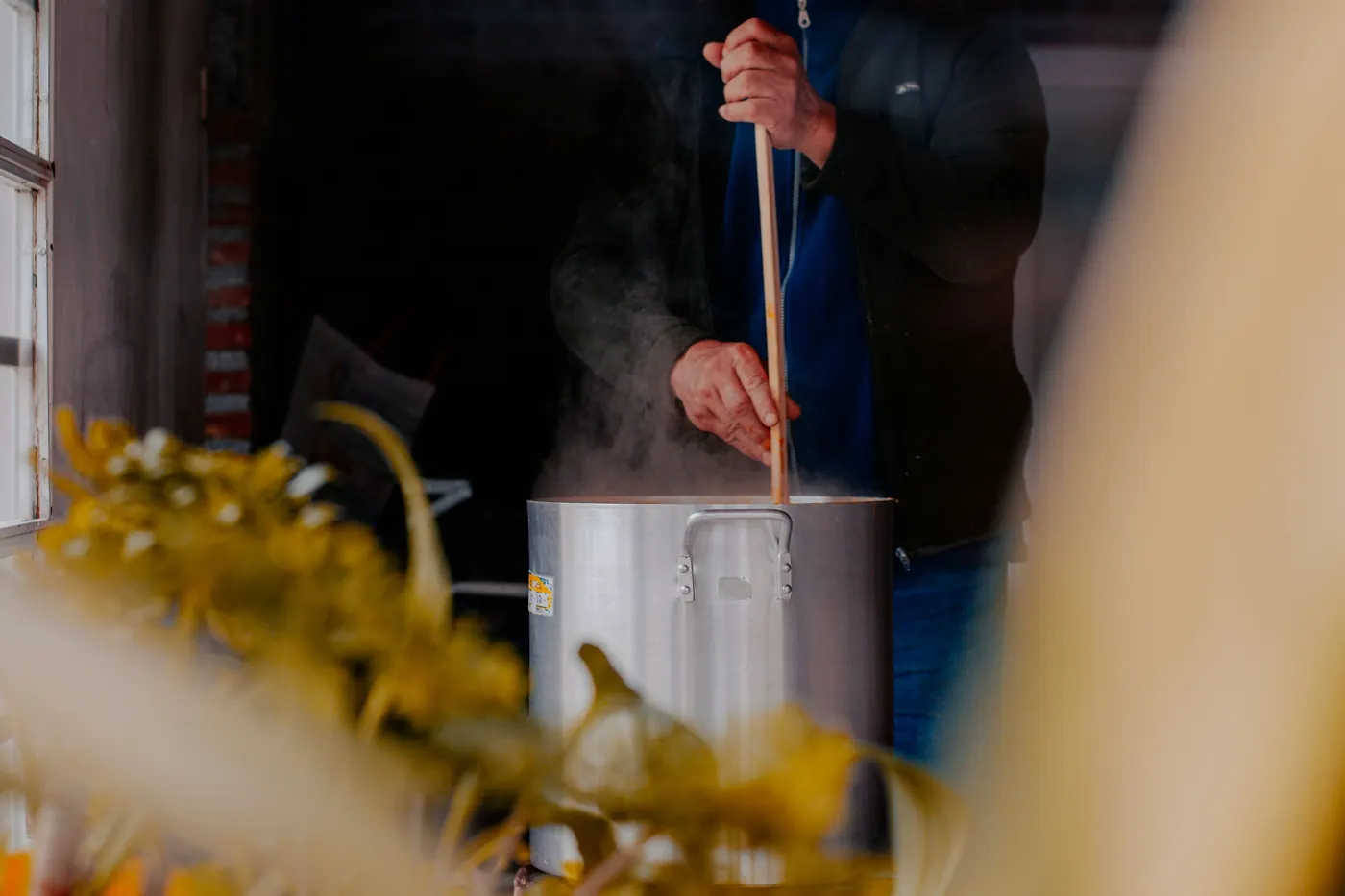
Mole questions, answered
What is the best mole brand to buy?
For a classic supermarket mole, Doña María: its paste is the one most Mexican-American families know, and its ready-to-serve version needs only heating. For a more traditional regional mole, El Metate makes Puebla- and Oaxaca-style pastes with clear allergen information, including a mole negro with a full ingredient list.
What is the difference between mole poblano and mole negro?
Mole poblano, from Puebla, is reddish-brown and gently sweet, with chocolate in the background. Mole negro, from Oaxaca, is nearly black, built on chiles toasted until dark, and is smokier and more bitter. Our guide to what mole is covers both, and the other moles of Oaxaca.
Is store-bought mole gluten-free?
Often not. Many supermarket pastes, including Doña María and Rogelio Bueno, contain crackers, cookies or wheat bran. HERNÁN’s pipián and Mayanshul’s powder state they are gluten-free. Look for the claim on the package.
Is there a mole without peanuts?
Yes. Mayanshul’s listing names almonds as its only allergen, with no peanuts. Most supermarket and Oaxacan pastes on this page list peanuts or may contain them, and the Rogelio Bueno listings we found were incomplete. If a peanut allergy is serious, read the package itself and check for “may contain” warnings.
How much mole paste do I need for a chicken?
One 8.25-ounce jar of supermarket paste, thinned with about four times its volume of broth, makes enough sauce for one chicken cut into pieces, or for enmoladas for four to six people. Ready-to-serve mole is used as it comes; one 19-ounce package sauces about one chicken.
How long does mole paste last once opened?
Follow the label. Doña María says to refrigerate after opening, and El Metate says its paste keeps up to a year unopened. Keep opened paste tightly covered in the refrigerator, or portion and freeze it, and discard it if mold appears or the oil smells rancid. Powder in a sealed bag stays in the cupboard.
Our final pick for mole night
Buy Doña María Mole paste if you want the classic, adjustable jar, and its ready-to-serve version if you want no work at all. Choose El Metate’s mole poblano for a richer, traditional batch, its mole negro for a Oaxacan holiday table, and Mayanshul’s powder for small batches with no added sugar. Read every allergen line before you cook, and finish the sauce with broth, a little chocolate, salt and toasted sesame.
Mole is one shelf of a Mexican pantry. Our guide to Mexican pantry staples covers the dried chiles, spices and chocolate that go with it, and what mole is explains the sauce itself.
And if you would rather someone else stirred the pot tonight, see the menu or call to order.