Mole is the dish people are most likely to have heard of and least likely to have ordered. It gets described as “the one with chocolate in it”, which is close enough to be memorable and wrong enough to put people off.
It is not a chocolate sauce. It is a chile sauce that occasionally contains a small amount of chocolate.
The short answer
Mole is a family of Mexican sauces built from dried chiles, nuts, seeds, spices and dried fruit, ground and cooked down for hours into something thick and dark. The word comes from the Nahuatl mōlli, meaning sauce. There are dozens of regional versions; most contain no chocolate at all, and the ones that do use it for bitterness rather than sweetness.
It is a category, not a recipe
This is the first thing to get straight. Asking what mole tastes like is a little like asking what soup tastes like.
Mexican regional kitchens produce dozens of distinct moles, and Oaxaca alone is conventionally credited with seven. They range from near-black to bright green, from barely spiced to deeply complex, and they are not variations on one recipe so much as a shared technique applied to different pantries.
What unites them is method: dried chiles rehydrated and ground, aromatics toasted, everything blended and then cooked in fat until it darkens and thickens.
What actually goes in
A short mole runs to twenty ingredients. A long one runs past thirty.
The backbone is dried chiles — ancho, pasilla, mulato and chipotle in the classic poblano version. These are used for depth rather than heat; drying a chile trades capsaicin punch for raisin, tobacco and dried-fruit flavors.
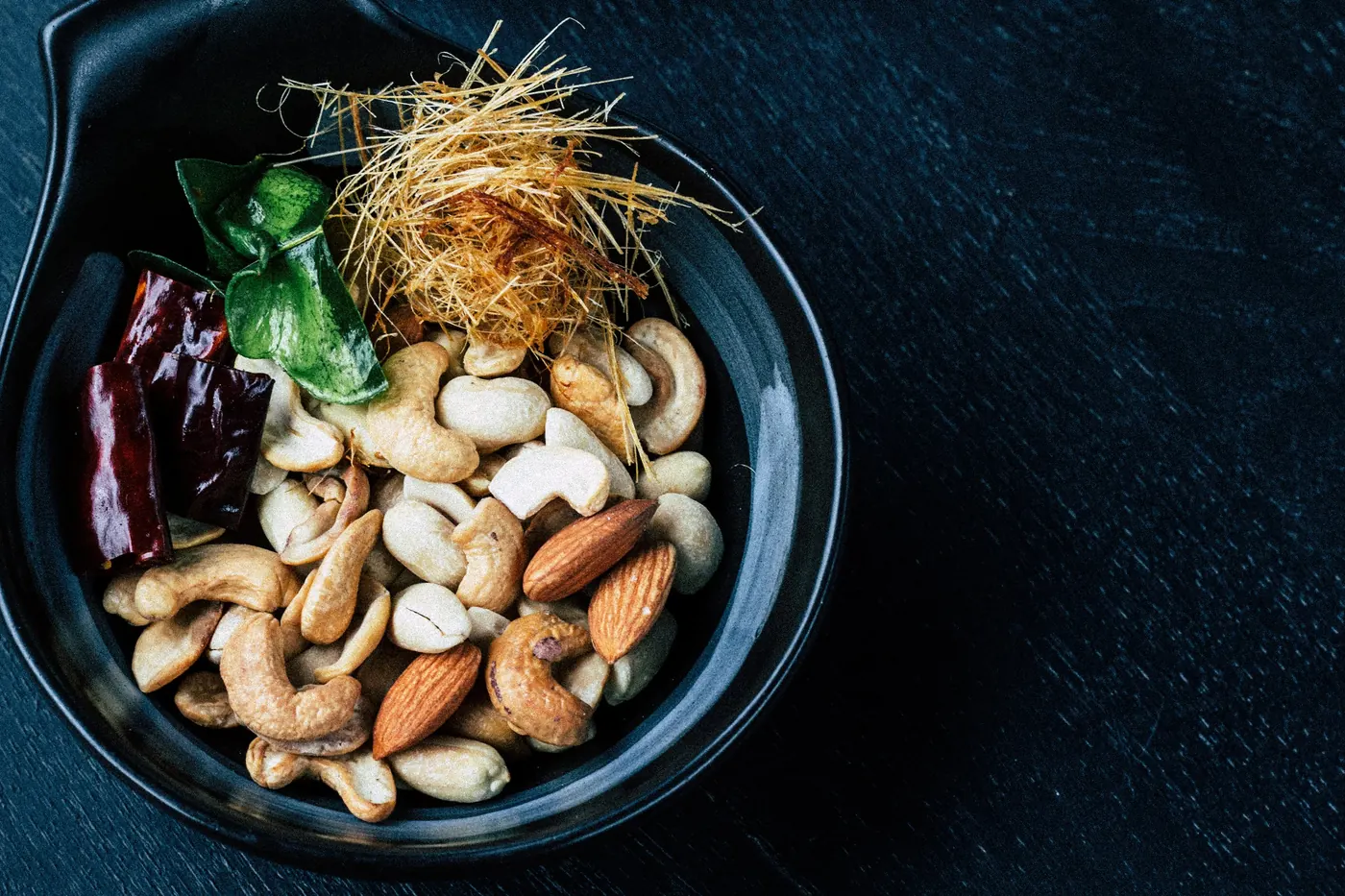
Then nuts and seeds: almonds, peanuts, sesame, pumpkin seeds. These are what thicken the sauce. There is no flour and no cream in a traditional mole — the body comes from ground nuts, and that is why it coats a plate the way it does.
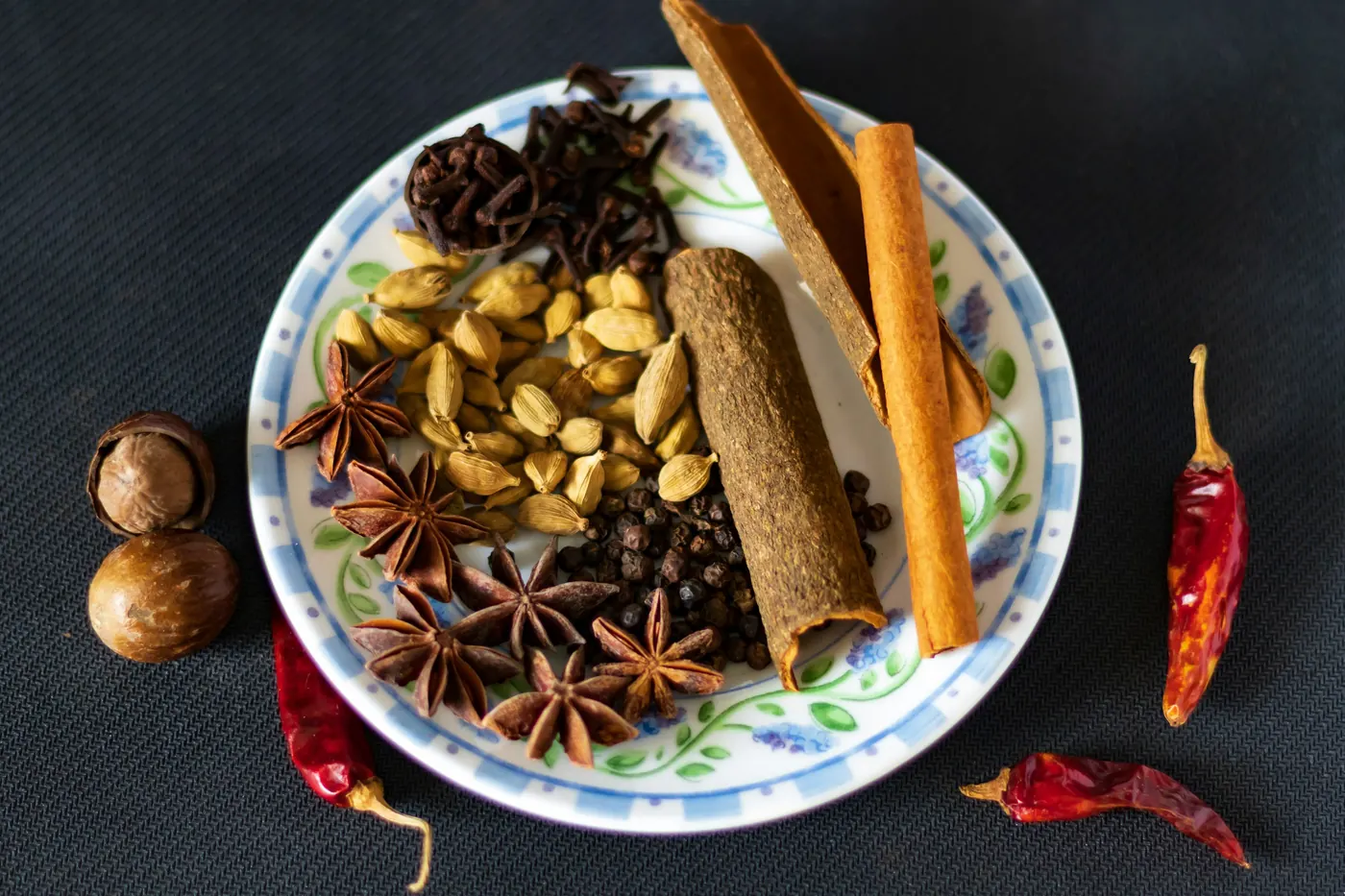
Then spices and aromatics: cinnamon, clove, black pepper, cumin, oregano, garlic, onion. Then dried fruit — raisins or plantain — for sweetness. And a starch, usually stale bread or a fried tortilla, blended in.
The chocolate question
Some moles contain chocolate. Most do not.
Where it appears — principally in mole poblano and mole negro — it is a small quantity of unsweetened Mexican chocolate, and it is doing the job of bitterness and body rather than sweetness. It behaves more like the cocoa in a chili than like a dessert ingredient.
America’s Test Kitchen, in its overview of mole, makes the same point: mole is a broad category of chile-based sauces, and chocolate is one possible component rather than a defining one.
If you have avoided mole because you do not want chocolate on your chicken, that is a reasonable objection to a dish that mostly does not exist.
The main varieties
| Mole | From | Tastes like | Chocolate? |
|---|---|---|---|
| Poblano | Puebla | Deep, sweet-bitter, spiced | Usually a little |
| Negro | Oaxaca | Darkest and smokiest of all | Yes |
| Coloradito | Oaxaca | Red-brown, fruitier, lighter | Sometimes |
| Verde | Oaxaca and elsewhere | Fresh, herbal, tomatillo-led | No |
| Amarillo | Oaxaca | Bright, guajillo-forward, lighter | No |
| Almendrado | Various | Almond-heavy, mild, rich | No |
Poblano is the one you are most likely to meet in Texas, and it is the reasonable place to start. Negro is the most impressive and the most work; verde is the surprise, because it tastes nothing like the others.
Why it takes so long
Mole is the most labor-intensive thing on most Mexican menus, and the labor is not decorative.
Each category of ingredient is treated separately before anything is combined. Chiles are toasted and soaked. Nuts and seeds are toasted. Spices are toasted. Aromatics are charred. Only then does it all get ground — traditionally on a metate, now usually blended — and pushed through a sieve.
Then it is fried in fat, which is the step that changes it. The paste darkens, thickens and loses its raw edge over a long slow cook, and it is usually made a day ahead because it improves overnight.
This is why mole is celebration food. Nobody makes it on a weeknight, and a kitchen that has mole on the menu has committed to a whole day of work before service.
How it is served
Mole is a sauce poured over something plain, and the plain thing matters less than the sauce.
Chicken and turkey are traditional; mole poblano over turkey is the classic celebration plate. It also goes over enchiladas, over pork, and in some places over vegetables or eggs.
It arrives with rice and warm tortillas, and both are functional rather than decorative. The rice absorbs the sauce and the tortillas are for getting the last of it off the plate, which is the correct way to finish.
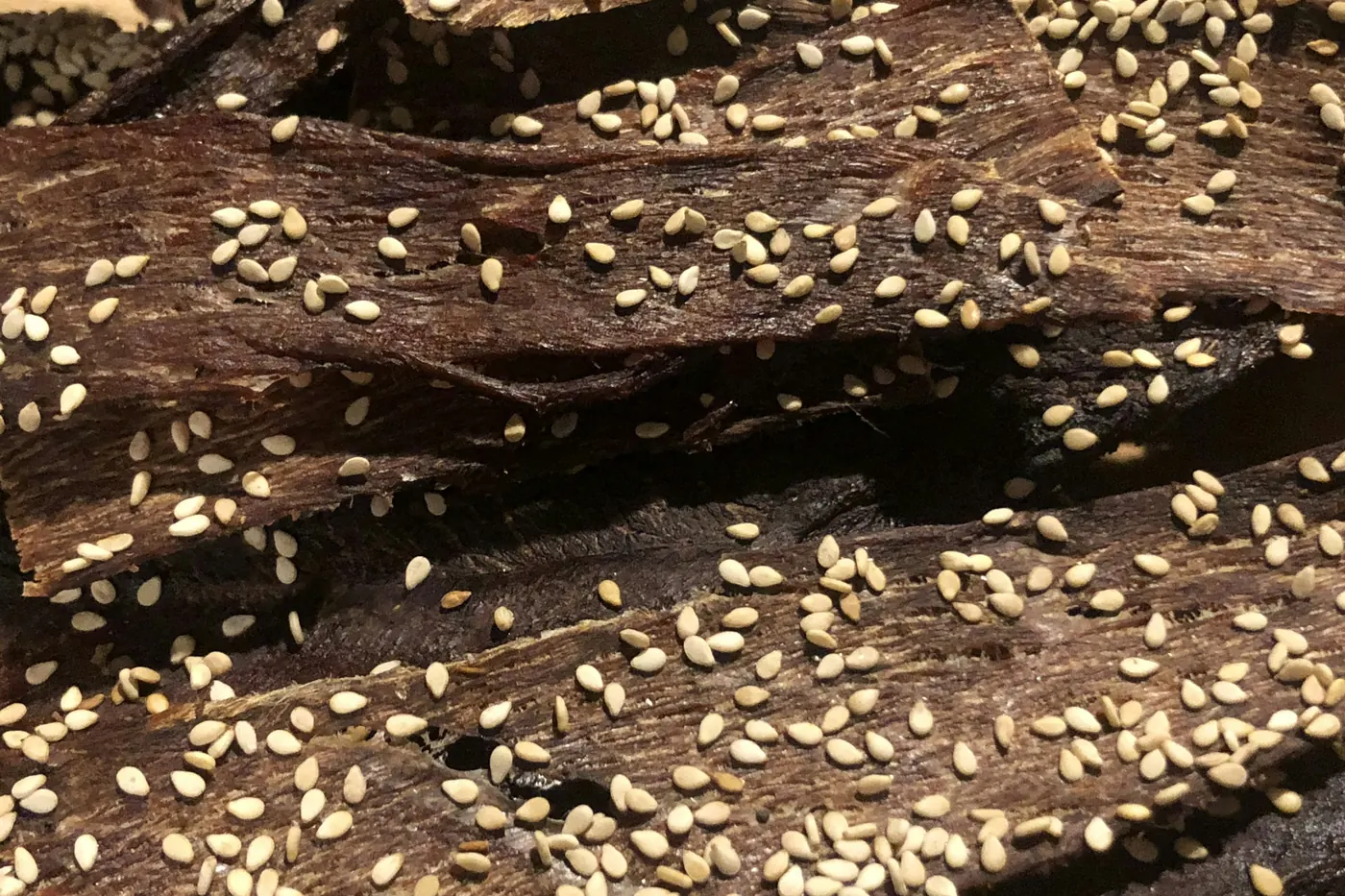
The sesame seeds scattered on top are the standard finish, and they are there for texture against a completely smooth sauce.
On Julia’s menu
Julia’s serves mole poblano in two forms.
The pollo en mole is a thigh and leg of chicken braised in mole poblano, served with corn tortillas, white rice and refried beans — the traditional configuration, with the dark meat that stands up to a sauce this strong. The enchiladas de mole use the same sauce over enchiladas, which our guide to enchilada sauces places alongside the red, green and cream options.
Mole also connects to two of the holidays covered elsewhere on this site: it is a Puebla dish, and Puebla is where the battle behind Cinco de Mayo was fought, and it is one of the standard dishes cooked for Día de Muertos and for Independence Day.
Should you order it?
Yes, if you have not, and with two expectations set.
It is not hot. Dried ancho and pasilla are mild, and mole is deep rather than spicy. And it is intense — a rich, slightly bitter, faintly sweet sauce that does not taste like anything else on the menu. Some people do not like it, which is fair, but almost nobody finds it boring.
Frequently asked questions
Does mole taste like chocolate?
No. Most moles contain none, and the ones that do use a small amount of unsweetened chocolate for bitterness. The dominant flavor is dried chile.
Is mole spicy?
Usually not. It is built on mild dried chiles used for depth. Any real heat comes from a salsa served alongside.
How many kinds of mole are there?
Dozens. Oaxaca is conventionally credited with seven, and other regions have their own. Poblano is the most widely served outside Mexico.
What is mole usually served with?
Chicken or turkey, with rice and warm tortillas. It also goes over enchiladas and pork.
Why is mole expensive relative to other dishes?
Because of the ingredient count and the labor. Twenty to thirty components, each toasted or charred separately, ground, sieved and then cooked down over hours.
The short version
A chile sauce thickened with nuts and seeds, cooked for a day, occasionally containing a little bitter chocolate. Deep rather than hot, and unlike anything else on the menu.
Julia’s serves it over chicken and over enchiladas on the food menu. If the Spanish terms around it are unfamiliar, our menu glossary covers them.