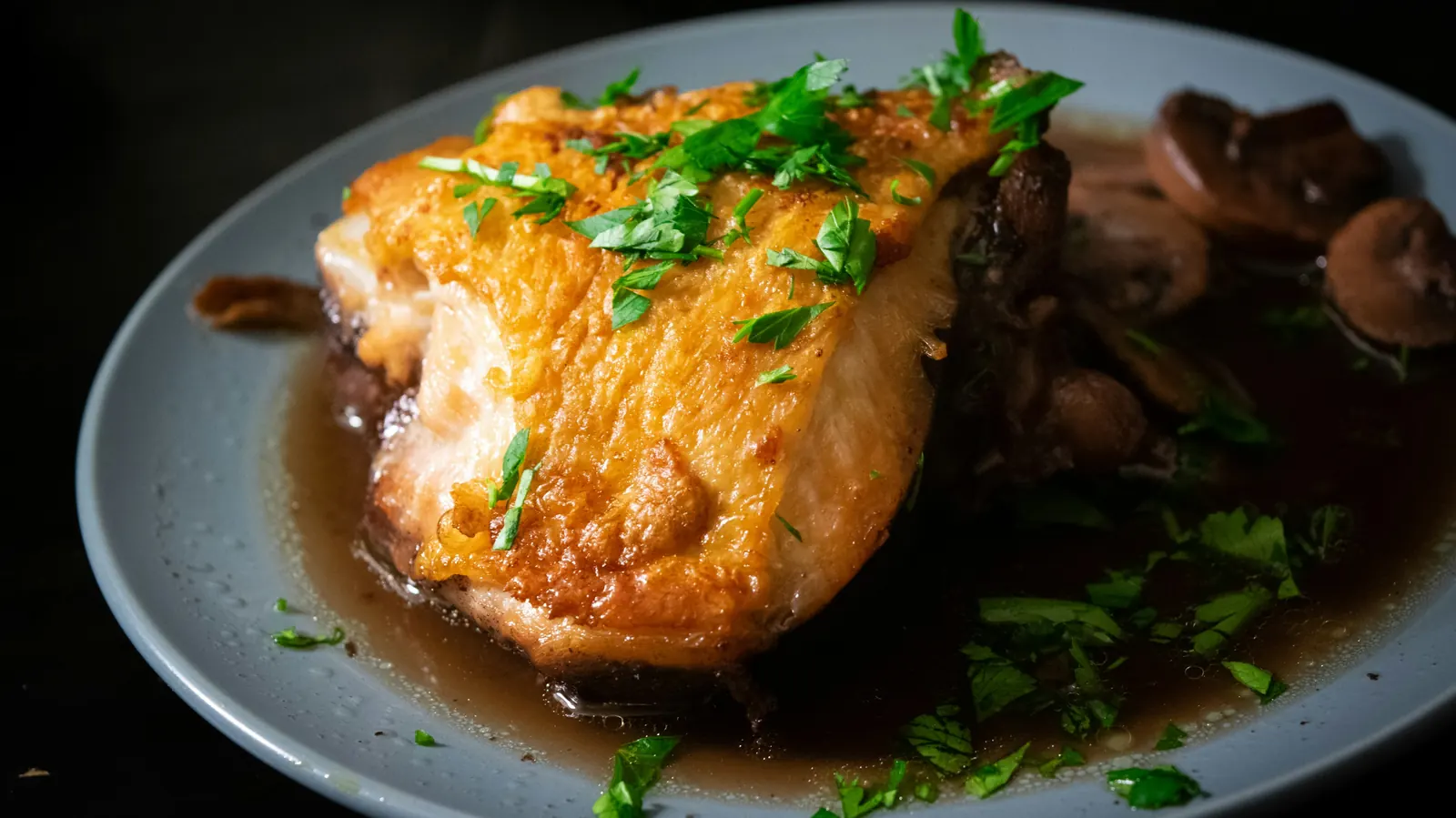
A turkey baster does one simple job: it lifts hot juices from the bottom of the roasting pan and puts them back over the bird. It is a handy tool, but it is also the gadget most cooks discover is missing on Thanksgiving morning, buried in a drawer or cracked from last year. The good news is that the job can be done several other ways, and some of them mean you hardly need to baste at all.
This guide covers the turkey baster alternatives that genuinely work: a long basting spoon, a silicone brush, an oven bag, a butter-soaked cheesecloth and a covered roaster. For each one we explain how well it does the job and where it falls short. If you would rather buy the tool itself, our best turkey baster guide reviews eight of them.
Julia’s earns a commission on purchases made through links on this page, at no cost to you. Recommendations are based on what a restaurant kitchen looks for, product specifications and published sources, which we name.
Why cooks baste without a baster
- It’s the morning of the roast. The bird is in the oven and the baster is lost, broken or never bought.
- It’s a once-a-year tool. Plenty of cooks would rather use a spoon or brush they reach for every week than store a single-purpose gadget.
- Plastic and hot fat. Some basters are not rated for very hot drippings, and a cracked bulb is common. A steel spoon has no bulb to fail.
- Less time with the oven door open. Some methods, such as an oven bag or a butter-soaked cheesecloth, cut basting down or remove it altogether.
Quick verdict: the best turkey baster alternative
For most cooks, the best turkey baster alternative is a long, solid basting spoon such as the Winco 15-inch: tilt the pan, scoop the juices and pour them over the bird, as Tasting Table suggests. Add a silicone basting brush such as the Norpro if you want an even coat of butter or glaze. If you would rather not baste at all, a Reynolds turkey-size oven bag keeps the juices around the bird, and Reynolds says the turkey “bastes itself”. A butter-soaked cheesecloth or a covered roaster are the other low-effort routes, each with a trade-off in browning.
Five ways to baste, side by side
Our five picks, each for a different way of keeping a roast turkey basted without a bulb baster, with what each maker or listing states.
| Alternative | How it bastes | Material | Effort | Buy on Amazon |
|---|---|---|---|---|
| Scoop juices, pour over | Stainless steel, 1.2 mm | Every basting pass | View on Amazon | |

Norpro Silicone Basting BrushBest for an even coat
|
Paints juices or butter on | Silicone head to 400°F | Every basting pass | View on Amazon |

Reynolds Kitchens Turkey Size Oven Bags, 4 Packs of 2Best for no basting
|
Holds juices around the bird | Nylon bag, BPA-free | None once sealed | View on Amazon |

Country Trading Co. Organic Unbleached Cotton Cheesecloth, 18 sq ftBest butter blanket
|
Butter-soaked cloth on the breast | Organic cotton, unbleached | Set up once, remove near the end | View on Amazon |

Granite Ware 19-Inch Covered Oval RoasterBest covered roast
|
Lid keeps moisture in | Enameled steel | Uncover to brown | View on Amazon |
Basting a turkey without a baster: the methods that work
The methods fall into two groups. The first group does exactly what a baster does, moving juices from the pan to the bird by hand. The second group changes the setup so the bird bastes itself and you open the oven less.
Spoon or ladle the juices over
Tasting Table’s guide to basting a turkey without a baster names a ladle or long-handled spoon as “excellent to scoop up turkey drippings and pour them back over the top of the bird”, and advises a long handle so you don’t burn yourself leaning over the oven. It is the closest thing to a baster: pull the rack out, tilt the pan a little so the juices pool in one corner, scoop, and pour slowly over the breast and legs. Tilting the pan and pulling the rack out rather than reaching in are general kitchen sense, not part of the article.
Brush the juices or butter on
The same Tasting Table guide suggests dipping a brush into the drippings and painting “an even coating” over the turkey, using a new brush so no bristles or old paint end up on the bird. A brush gives more even coverage than a spoon but moves less liquid per pass, so it suits butter, oil or a glaze better than a big spoonful of drippings. Our basting brush vs pastry brush guide explains which brush head suits which job.
Let an oven bag do it
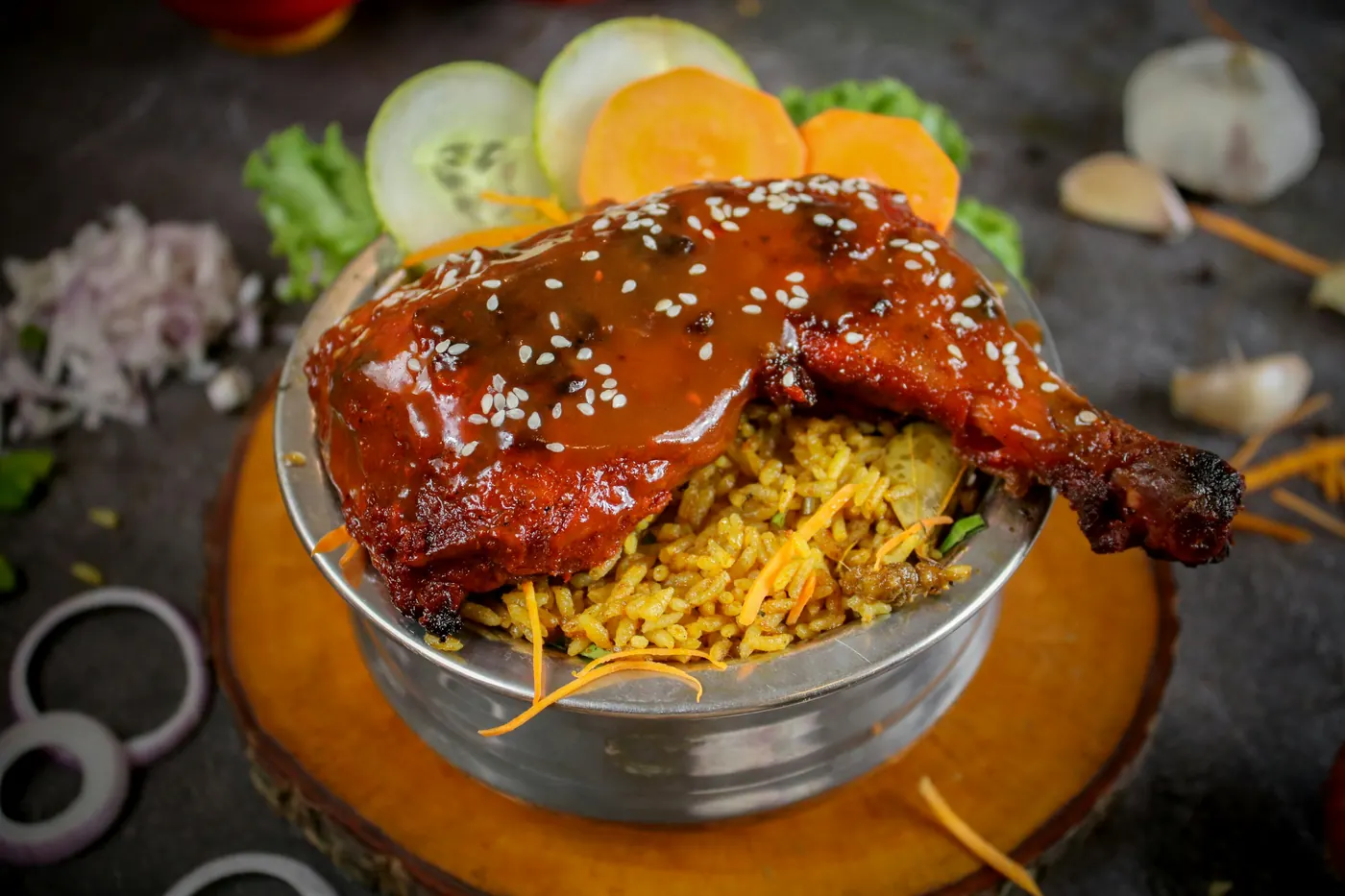
An oven bag keeps the juices sealed around the bird. Reynolds’ instructions for its turkey-size bags say the bag holds in juices so the turkey “bastes itself”, and suggest brushing the turkey with vegetable oil or melted butter before it goes in the bag to help it brown. Its directions also call for a tablespoon of flour shaken in the bag, six half-inch slits in the top for steam, a preheated oven, no added water for turkey, and never opening the bag and putting it back in the oven. You give up the chance to baste or check the skin during cooking, and the skin browns less than in an open pan; that last point is general kitchen sense.
Cover the breast with butter-soaked cheesecloth
Writing for TASTE, Sara Mellas describes “a dish-towel-size piece of butter-saturated cheesecloth, draped over the bird before it goes into the oven” as a way of “eliminating the need” for constant basting. The cloth holds butter against the skin while the bird roasts. Her caution is the obvious one: you are covering the skin you want brown and crisp. Her answer is to take the cloth off and turn the oven up for about the last 15 minutes. Many cooks also spoon a little melted butter over the cloth partway through when it looks dry; that is general kitchen sense rather than her instruction.
Roast it covered
A lidded roaster traps steam around the bird, so the meat cooks in a moist atmosphere without basting. The cost is skin that stays pale and soft until you take the lid off, so most cooks uncover the bird for the last stretch to brown it. Granite Ware describes its 19-inch roaster only as “ideal for large cuts of meat and poultry”; the steam-and-browning trade-off is general kitchen sense, not a maker claim.
Do you need to baste at all?
Not necessarily. Basting adds color and flavor to the skin, and each pass opens the oven door and lets heat out. That trade-off is general kitchen sense, and it is why the low-effort methods on this page appeal to many cooks. Whichever method you use, the baster, spoon or brush does not tell you when the bird is done; a thermometer does. Our best meat thermometer guide covers that part of the job.
Our picks for the best turkey baster alternative
Every pick was in stock with a new lead offer when we checked, and none appears as the same listing on our other pages. Two share a model with picks on other pages through different listings, and we say why under each one. None of them is a bulb baster.
1. Winco 15-Inch Stainless Steel Solid Basting Spoon – Long Reach Over a Hot Pan

A basting spoon is the tool restaurant cooks reach for before a bulb baster, and it is the one Tasting Table points to first. Winco’s listing describes a solid bowl designed to hold juices and sauces, 1.2 mm thick stainless steel built for daily commercial use, a 15-inch length, a hanging hole, and approval for commercial and residential dishwashers.
Length is the reason to choose this one over a dinner spoon. Fifteen inches keeps your hand and wrist away from the oven walls and the pan, which is exactly the burn risk Tasting Table warns about. A solid bowl, not a slotted one, carries the juices without dribbling them back through holes on the way to the bird.
A spoon moves less liquid per scoop than a baster pulls, so you’ll make several passes. Tilt the pan to pool the juices, and work quickly so the door isn’t open long; that is general kitchen sense. Winco is a foodservice brand, so the finish is plain and the handle is bare steel; use an oven mitt if the handle sits near the heat. A shorter Winco basting spoon, the 13-inch model, appears on our pastry brush alternative page; this 15-inch spoon is a different size and no other page uses it.
Why we like it
- Solid bowl holds juices and sauces (listing)
- 15 inches long, keeping hands clear of the oven (listing)
- 1.2 mm stainless steel (listing)
- Commercial and home dishwasher safe (listing)
Key specifications
| Model | BSOT-15 |
|---|---|
| Type | Solid basting spoon |
| Material | Stainless steel, 1.2 mm |
| Size | 15 in long |
| How it replaces a baster | Scoops pan juices to pour over |
| Care | Dishwasher safe |
| Sold by (when checked) | Amazon.com |
Why we recommend it
It suits most cooks: one sturdy spoon that bastes the turkey in November and stirs, serves and spoons sauce the rest of the year.
Skip it if you want to move a lot of juice at once or pull drippings from under the fat; a bulb baster does that better.
Pros and cons
Pros
- Long reach over a hot pan
- No bulb or plastic to crack
- Useful all year
- Sold by Amazon.com when checked
Cons
- Several passes per basting
- Bare steel handle can get hot
- Bowl capacity not stated
2. Norpro Silicone Basting Brush – Paints an Even Coat
A brush puts juices or butter exactly where you want them, including the sides of the legs that a pour from a spoon misses. Norpro’s listing describes a flat silicone head heat resistant to 400°F, an acrylic handle, a size of about 9 by 2 inches, and silicone that won’t stain, hold odors, lose its shape or shed bristles. It is dishwasher safe, per the listing.
The no-shedding point matters here. Tasting Table’s tip to use only a new brush is about keeping bristles off the turkey, and silicone avoids the problem entirely. A flat head also loads more liquid than a round pastry brush, which helps with thin pan juices.
At 9 inches it is short, so pull the rack out before you brush rather than reaching into the oven; that is general kitchen sense. The 400°F rating covers dipping in hot drippings, but don’t rest the brush on the edge of the hot pan. For more brushes, including longer grill models, see our best basting brush for grilling guide.
Why we like it
- Silicone head rated to 400°F (listing)
- Won’t shed bristles onto the bird (listing)
- Won’t stain or hold odors (listing)
- Dishwasher safe (listing)
Key specifications
| Model | 2018C |
|---|---|
| Type | Flat silicone basting brush |
| Material | Silicone head; acrylic handle |
| Size | About 9 x 2 in |
| How it replaces a baster | Paints juices, butter or glaze on |
| Care | Dishwasher safe |
| Sold by (when checked) | Amazon.com |
Why we recommend it
It suits a cook who bastes with butter or a glaze, or wants the drumsticks and wings coated as well as the breast.
Skip it if you want to move plenty of juice quickly; the spoon carries far more per pass.
Pros and cons
Pros
- Even, controlled coverage
- No loose bristles
- Sold by Amazon.com when checked
Cons
- Short handle near a hot oven
- Carries little liquid per dip
- Heat limit lower than some brushes
3. Reynolds Kitchens Turkey Size Oven Bags, 4 Packs of 2 – The Bird Bastes Itself
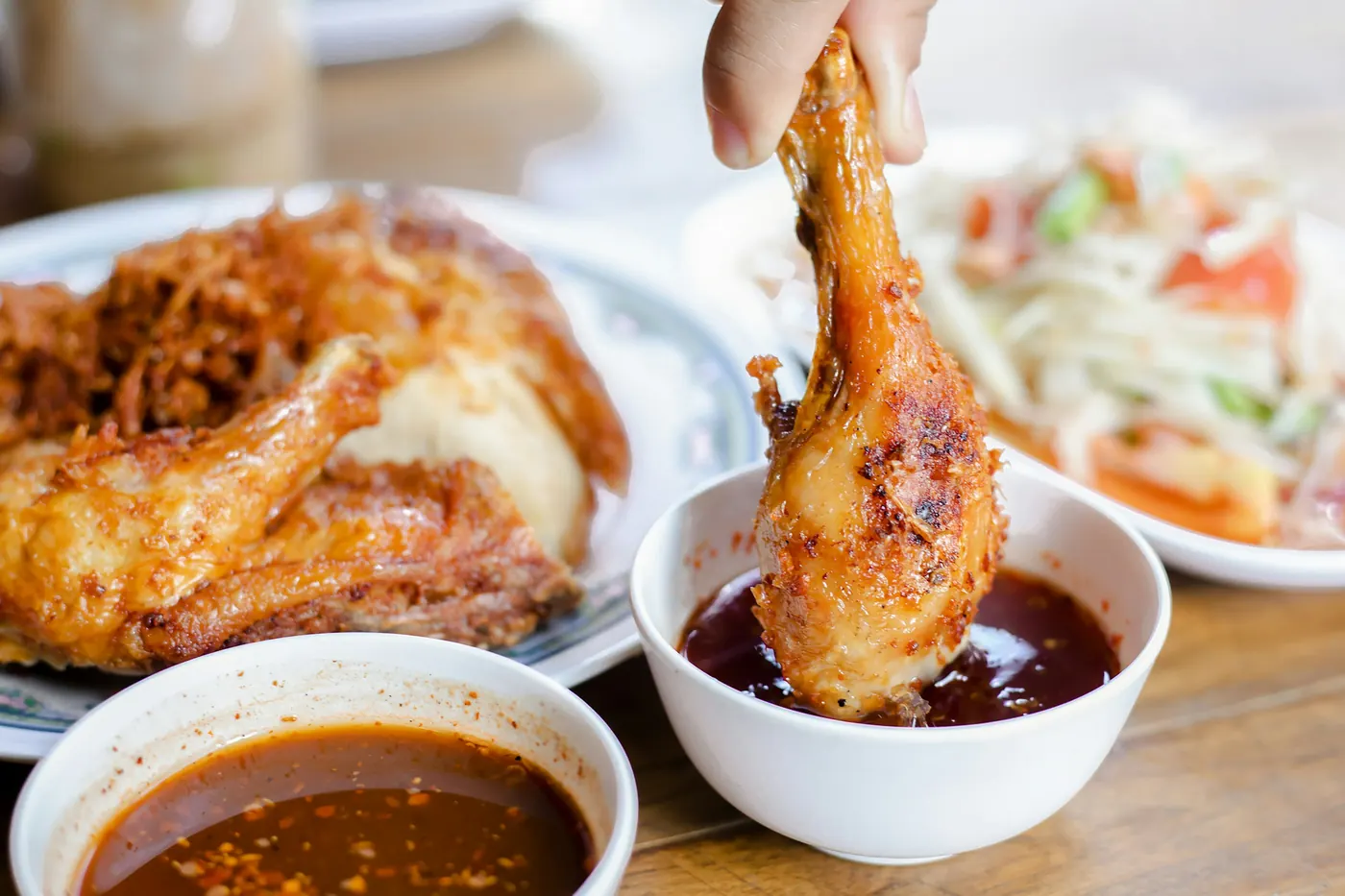
An oven bag removes the need for a baster altogether. Reynolds says its turkey-size bags are 19 by 23.5 inches, made for whole turkey, ham, leg of lamb and large meats from 8 to 24 pounds, and that the bag holds in juices so the turkey “bastes itself”. The listing adds heat-safe nylon ties, a heat rating up to 400 degrees, BPA-free bags that it says are FDA-compliant, and the option to use a bag as a brining bag or a pan liner.
Follow the maker’s directions closely: shake in a tablespoon of flour, cut six half-inch slits in the top, preheat the oven, add no water for turkey, and never open the bag and return it to the oven, since dripping juices can smoke or burn on the oven floor. Reynolds also suggests brushing the turkey with oil or melted butter before bagging to help it brown, which is a good use for the Norpro brush above.
This is the same Reynolds turkey bag that appears on another of our pages through a 2-count listing. We chose this listing again because the bag is the most direct way to roast without basting, and this 4-pack is sold by Amazon.com. The bag needs a roasting pan under it; see our best roasting pan for turkey guide.
Why we like it
- Holds turkeys up to 24 pounds (listing)
- Maker says the turkey “bastes itself” (Reynolds)
- Heat-safe ties included (listing)
- Doubles as a brining bag (listing)
Key specifications
| Model | Turkey Size Oven Bags |
|---|---|
| Type | Oven roasting bags, 8 in all |
| Material | Nylon; BPA-free (listing) |
| Size | 19 x 23.5 in; up to 24 lb |
| How it replaces a baster | Seals juices around the bird |
| Care | Single use |
| Sold by (when checked) | Amazon.com |
Why we recommend it
It suits a busy holiday cook who wants the turkey moist with no basting and an easier pan to clean.
Skip it if deep brown, crisp skin is the point of the bird for you; an open pan with a spoon or brush browns better.
Pros and cons
Pros
- No basting at all
- Clear maker instructions
- Sold by Amazon.com when checked
Cons
- Paler, softer skin
- Can’t check or baste once sealed
- Same bag as a pick on another page
4. Country Trading Co. Organic Unbleached Cotton Cheesecloth, 18 sq ft – A Butter Blanket for the Breast
The cheesecloth method trades repeated basting for one bit of setup. Soak a large piece of cheesecloth in melted butter, drape it over the breast, and roast. TASTE’s Sara Mellas describes the cloth holding butter against the bird and “eliminating the need” for constant basting, then coming off for the last 15 minutes or so, with the oven turned up, so the skin can brown.
Country Trading Co.’s listing describes one large sheet, 61 by 42 inches or 18 square feet, of unbleached cotton it says is certified organic and woven without bleach, chemical sizing or synthetics, made to meet food-grade standards. The sheet is big enough to cut a dish-towel-size piece for a turkey and keep the rest for straining stock, making cheese or tying herb bundles, which the listing also names.
The listing describes straining and filtering, not roasting, so draping it over a turkey is a cooking method from TASTE, not maker guidance. Keep the cloth on the bird and away from the oven walls and heating elements, and lift it off carefully, since it will be hot and greasy; that is general kitchen sense.
Why we like it
- One large 18 sq ft sheet to cut to size (listing)
- Unbleached, certified organic cotton (listing)
- No chemical sizing or synthetics (listing)
- Reusable for straining after the holiday (listing)
Key specifications
| Model | 9117648 |
|---|---|
| Type | Cheesecloth sheet |
| Material | Organic unbleached cotton |
| Size | 61 x 42 in (18 sq ft) |
| How it replaces a baster | Holds butter against the breast |
| Care | Washable and reusable (listing) |
| Sold by (when checked) | Country Trading Co. |
Why we recommend it
It suits a cook who wants a buttery, well-colored breast without opening the oven every half hour.
Skip it if you don’t want to handle a hot, butter-soaked cloth; an oven bag is simpler.
Pros and cons
Pros
- Little basting once it is on
- Large sheet for many uses
- Sold by the maker when checked
Cons
- Skin needs time uncovered to brown
- Hot, greasy cloth to remove
- Roasting use is not maker guidance
5. Granite Ware 19-Inch Covered Oval Roaster – A Lid Instead of Basting
A covered roaster keeps the steam from the bird in the pan, which is the old way of roasting a turkey without standing over it with a baster. The listing says this 19-inch oval roaster holds up to a 20-pound bird or a 22-pound roast, measures about 19 by 13.5 by 8.5 inches, and has a dark interior and steel core that it says spread the oven’s heat evenly. Granite Ware’s own page calls it an enameled steel roaster “ideal for large cuts of meat and poultry”, made in Mexico, and says to wash it by hand with warm water and dish soap.
Because the food touches porcelain enamel, we checked for a maker statement on lead. Cinsa, the company behind Granite Ware, says in its California disclosure that its enamels and glazes “are free from heavy metals such as cadmium, selenium, lead”.
Under the lid the skin stays pale, so take it off for the last part of the roast to brown the bird; that is general kitchen sense, and the maker makes no self-basting claim. This is the same 19-inch Granite Ware roaster that appears on our best roasting pan for turkey guide through a listing that adds a rack. We chose this covered listing because it is the plain roaster with its lid, which is what this method needs.
Why we like it
- Holds up to a 20-pound turkey (listing)
- Lid traps steam so you can baste less
- Maker states its enamel is free of lead
- Made in Mexico (Granite Ware)
Key specifications
| Model | 0801-1 |
|---|---|
| Type | Covered oval roaster |
| Material | Enameled steel |
| Size | About 19 x 13.5 x 8.5 in; up to 20 lb poultry |
| How it replaces a baster | Lid keeps moisture around the bird |
| Care | Hand wash (Granite Ware) |
| Sold by (when checked) | wdwholesale (third-party seller) |
Why we recommend it
It suits a cook who wants a big, light pan for the holiday bird and a hands-off roast.
Skip it if crisp, deeply browned skin matters most and you don’t want to watch the timing on the lid; an open pan with a spoon gives you more control.
Pros and cons
Pros
- Fits a large holiday turkey
- Little basting needed
- Maker lead-free statement
Cons
- Skin browns only uncovered
- Hand wash only
- Third-party seller when checked
Which alternative fits which cook
| Your situation | Best alternative | What to watch |
|---|---|---|
| Baster missing, turkey already in | Long basting spoon | Pull the rack out; use a mitt |
| Butter or glaze on the skin | Silicone brush | Short handle; less liquid per dip |
| No time to baste at all | Oven bag | Follow the maker’s slits and flour steps |
| Buttery breast, fewer oven checks | Butter-soaked cheesecloth | Remove near the end to brown |
| Hands-off roast in a big pan | Covered roaster | Uncover to brown the skin |
What we left out
We left out bulb basters of every kind, since our best turkey baster guide covers them. We left out meat injectors: they push marinade into the meat rather than basting the skin, and our best meat injector guide covers them. We left out fat separators, which help with the gravy rather than the basting; our fat separator alternative guide covers skimming drippings without one. We also left out paintbrushes from the hardware store: Tasting Table allows a brand-new one, but a silicone kitchen brush avoids loose bristles and is made for food.
Turkey baster alternative questions, answered
What can I use instead of a turkey baster?
A long-handled spoon or ladle to scoop the juices over, or a brush to paint them on, as Tasting Table suggests. If you would rather not baste, roast the bird in an oven bag, under butter-soaked cheesecloth or in a covered roaster.
How do I baste a turkey with a spoon?
Pull the oven rack out, tilt the pan so the juices pool in one corner, scoop with a long spoon and pour slowly over the breast and legs. Close the oven quickly. A long handle keeps your hand away from the heat.
Does an oven bag really mean no basting?
Reynolds says the bag holds in the juices so the turkey bastes itself. You can’t baste once it is sealed anyway, since the maker says never to open the bag and return it to the oven. Brush the turkey with oil or butter before bagging to help it brown.
How does the cheesecloth method work?
Soak a dish-towel-size piece of cheesecloth in melted butter, drape it over the breast and roast. TASTE’s Sara Mellas takes it off and raises the oven heat for about the last 15 minutes so the skin browns.
Can I use a pastry brush to baste a turkey?
Yes, if it is clean and heat-safe. Silicone holds up better to hot drippings and won’t shed bristles. Our basting brush vs pastry brush guide explains the differences.
Our last word on basting without a baster
You don’t need a bulb baster to roast a good turkey. A long steel spoon does the same job by hand and earns its drawer space all year, and a silicone brush adds an even coat of butter. If you would rather skip basting, an oven bag, a butter-soaked cheesecloth or a covered roaster lets the bird look after itself, as long as you give the skin time to brown. If you still want the proper tool, start with our best turkey baster guide, and set the bird on a rack from our best roasting pan rack guide.
And when you would rather someone else did the roasting, see the menu or call to order.