
You bought whole beans, opened the bag, and then remembered there is no grinder in the house. Or the old blade grinder finally quit, and you want to know whether something already in the kitchen can do the job before you spend money on a new one. Either way, the beans still have to be broken down before hot water can do much with them.
This guide covers the coffee grinder alternative that fits each situation: what works tonight with tools you already own, and what is worth buying if you would rather not own a dedicated coffee grinder at all. For each option we say how even the grind gets, which brew methods it suits, and where it falls short.
Julia’s earns a commission on purchases made through links on this page, at no cost to you. Recommendations are based on what a restaurant kitchen looks for, product specifications and verified buyer reports.
Why people look for a way around the grinder
Three situations bring most people here, and each one has a different answer.
- You need coffee this morning. You want something in the drawer that will crack a few spoonfuls of beans. A mortar, a rolling pin or a blender will all do it, with different amounts of effort and mess.
- You want one tool that does more than coffee. A hand-crank grain mill also grinds corn and nixtamal for masa; a mortar also does spices, salsas and guacamole; a strong blender does everything a blender does. If counter space is short, a tool that earns its place every day can make more sense than a single-purpose grinder.
- You are wondering whether you need a grinder at all. Honest answer below: for daily drip or espresso, a real burr grinder is still better. The alternatives are for occasional use, emergencies and kitchens that would rather do without one more appliance.
If you have already decided to buy a coffee grinder, start with our guide to the best coffee grinder instead, and our burr vs blade coffee grinder comparison explains the two grinder types in depth. This page is about getting ground coffee without one.
Quick verdict: the best coffee grinder alternative
For most kitchens, the best coffee grinder alternative is a Victoria cast iron grain mill with the low hopper. It clamps to a table, grinds between adjustable iron discs, and Victoria lists coffee among the things it is made for, alongside corn for masa. It will not reach an espresso-fine powder, but it handles French press and drip grinds. For a cup or two at a time, a HIC Carrara marble mortar and pestle gives you the most control by hand, and a heavier Priority Chef granite mortar takes a bigger batch. If you already want a high-powered blender, the Vitamix Ascent X2 grinds beans in seconds following Vitamix’s own coffee recipe, and owners of a Braun MultiQuick hand blender can add the Braun MQS270SI grinder attachment. Stuck tonight with nothing to buy? Put the beans in a sturdy freezer bag and use a rolling pin.
Five ways to grind beans, side by side
Our five picks, one per kind of kitchen, with the details each maker or listing states. Each is reviewed in full below.
| Alternative | How it grinds | Best for | Stated size | Buy on Amazon |
|---|---|---|---|---|

Victoria Cast Iron Grain Mill, Low HopperBest overall
|
Hand-cranked iron discs | Coffee plus corn for masa | Low hopper, 1200 g size | View on Amazon |

HIC Carrara Marble Mortar and Pestle, 3.8-InchBest for one cup
|
Crushing by hand in marble | Small batches, full control | 3.8 x 3.8 in mortar | View on Amazon |

Priority Chef Granite Mortar and Pestle, 2 CupBest for a full pot
|
Crushing by hand in granite | Bigger batches, spices too | 2 cups, 6.3 in bowl | View on Amazon |

Vitamix Ascent X2 Blender, 48 oz, Polar WhiteBest blender option
|
High-speed steel blades | Kitchens that want a blender anyway | 48 oz container | View on Amazon |
| Stainless blade on a hand blender | Owners of a Braun MultiQuick | 1.5 cups | View on Amazon |
What to grind with tonight if you own no grinder
Before buying anything, here is what works with a normal kitchen, and how well. Our main outside source for this section is Wendy Leigh’s guide to grinding coffee without a grinder at Food Republic, which we read in full, along with Vitamix’s own instructions for grinding beans in a blender.
A mortar and pestle: the most control
Food Republic calls the mortar and pestle the option that gives “ultimate control over the size of your grind.” Fill the mortar a quarter to a third full of beans, crack them with the pestle, then keep crushing until the grounds reach the size you need: coarser for a French press, finer for a moka pot. It is slow and it takes some arm, but you can see and feel the grind as you go and stop exactly where you want.
A blender: fast, but watch the blades
Food Republic suggests small batches and short bursts, grinding in three-second pulses for about 30 seconds in all. It also warns that blenders “typically aren’t designed for grinding,” that the heat from metal blades can scorch the beans, and that frequent grinding may damage the blades. Vitamix explains a second problem: in a standard blender, dry ingredients pack under the blade instead of moving through it. Shake or tilt the jar between pulses so the beans keep moving, and expect a mix of sizes.
A food processor: workable for a medium grind
The same Food Republic guide says a food processor works in batches with on-and-off bursts, scraping the sides as you go, and that its wider bowl can blend more evenly than a narrow blender jar. Like a blender, it is not built for this, so use it as an occasional fix rather than a daily routine.
A rolling pin, mallet or knife: the emergency fix
Put the beans in a sturdy freezer bag or between sheets of parchment and roll or press firmly. Food Republic says a rolling pin can still reach a medium or fine grind, with less control than a mortar. A wooden mallet or meat tenderizer works the same way in a pinch, and so does pressing down on the beans with the flat of a wide chef’s knife on a wooden board. Expect flying beans unless they are bagged; a high-sided baking pan helps contain them. Our best rolling pin guide covers the heavier pins that make this easier.
What about a spice grinder?
Most electric spice grinders are blade grinders by another name, so they grind coffee the way a blade coffee grinder does: quickly, but unevenly. If you already own one, it is a fine coffee grinder alternative for drip; just wipe it out well so the next spice does not taste of coffee, and the other way round. If you want one for spices first, see the best spice grinder machine guide.
How even does the grind need to be?
This is the real limit of every option on this page. The Wikipedia entry on the burr mill says burr grinders “produce particles of a uniform size determined by the separation between the grinding surfaces,” while blade mills “produce an undesirable wide range of particle sizes.” A mortar, a blender and a rolling pin all land closer to the blade side of that line: they break beans into a mix of large pieces and fine dust.
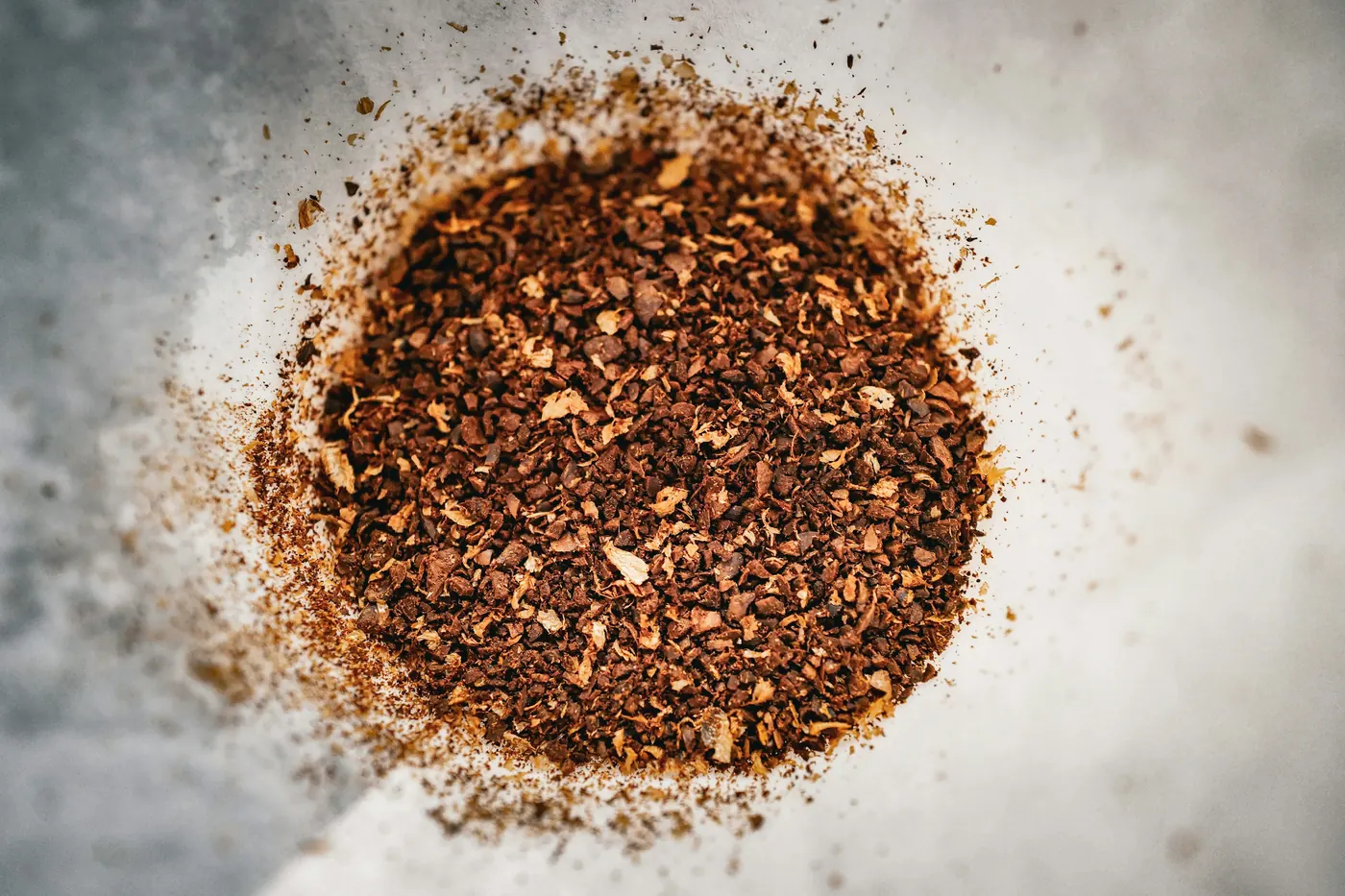
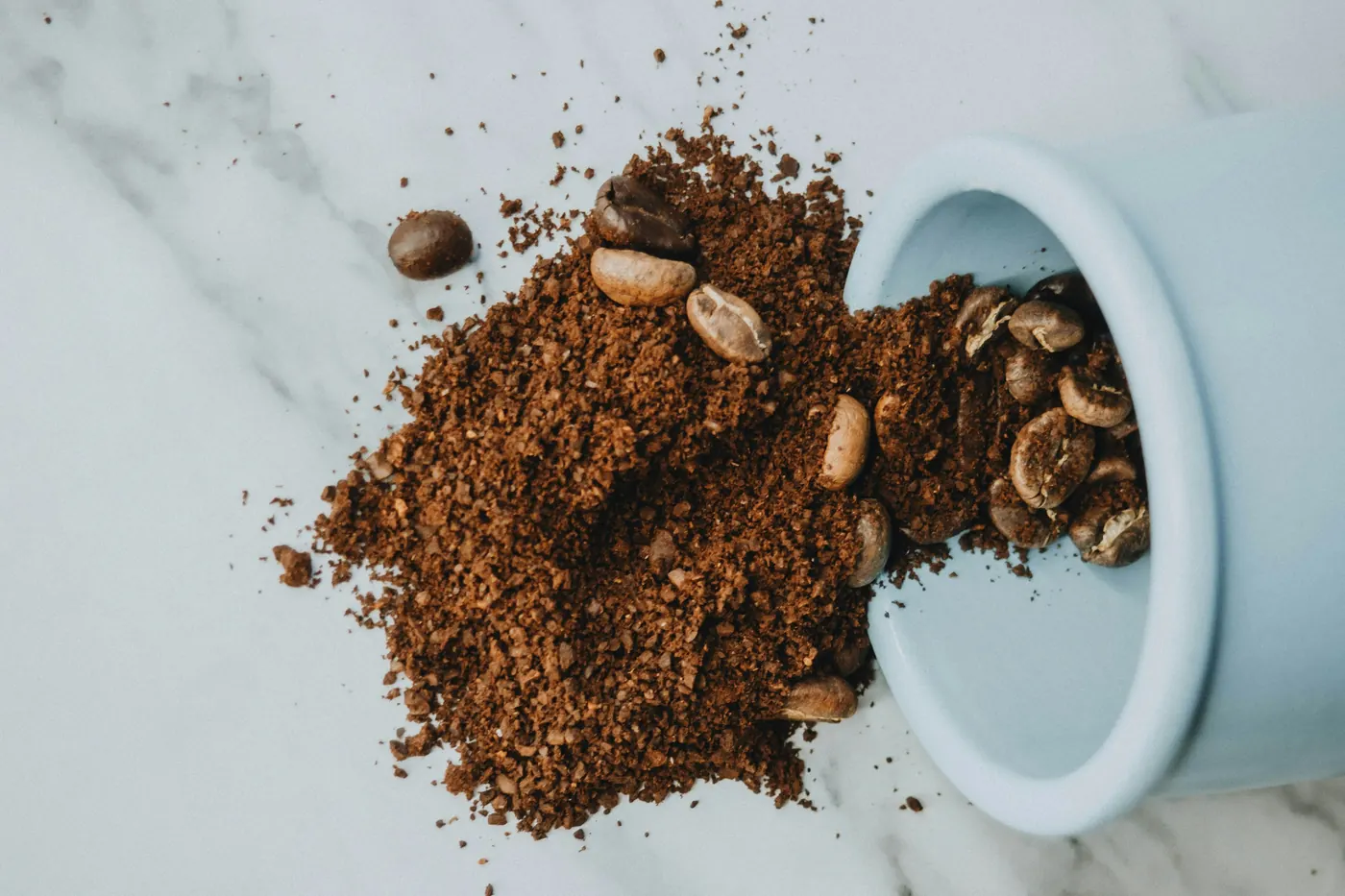
That matters more for some brewers than others. Vitamix’s ground coffee recipe ties a coarse grind, like coarse salt, to the French press, a medium grind, like breadcrumbs or coarse sand, to pour-over and drip, and a fine grind, like table salt, to espresso. A French press and a drip machine forgive an uneven grind fairly well. Espresso does not: the same Wikipedia entry notes that the powder-fine grind for Turkish coffee cannot be reached in a simple manual grinder, and a pump espresso machine needs an even, adjustable fine grind that no alternative here reliably gives. If espresso is your daily drink, the alternatives are a stopgap, and a burr grinder is the right buy.
One more piece of general kitchen sense: whatever you use, grind just before you brew, and only as much as you need. Ground coffee goes stale faster than whole beans.
Our picks for the best coffee grinder alternative
Five alternatives that actually grind coffee, each from an identifiable maker, all in stock on Amazon when we checked. One is a hand-crank mill, two are mortars in different sizes, one is a high-powered blender and one is an attachment for a hand blender you may already own.
1. Victoria Cast Iron Grain Mill, Low Hopper – Adjustable Discs for Coffee and Corn
This is the classic molino para moler maíz, the hand mill many Mexican and Colombian kitchens use for corn, and it is the closest thing to a coffee grinder that is not sold as one. Victoria builds it from cast iron with double tin plating and grinds between two white iron discs. An adjustment screw moves the discs closer together or further apart, so you can set a coarse grind for a French press or tighten it for drip, and repeat that setting next time. That repeatable setting is what a mortar or a blender cannot give you.
Victoria’s listing names coffee among the things the mill is made for, along with corn, grains, seeds, nuts, spices and dried beans. It is also honest about the limit: the maker says it cannot grind to a superfine texture. Read that as no espresso and no Turkish coffee. For French press, pour-over and drip, it does the job.
It clamps onto a table between 1/2 and 2 inches thick and comes with a rubber pad to protect the surface. This is the low-hopper version, which suits small coffee batches better than the tall-hopper model we feature on our best grain mill guide; the mill family is the same, so we count it as a size variant. A cast iron mill needs to stay dry, so brush it out after each use rather than leaving coffee oils in the discs, and keep coffee and masa use separate or clean well between them.
Why we like it
- Victoria lists coffee as one of the mill’s intended uses (listing).
- An adjustment screw sets the grind, so the size is repeatable.
- Also grinds corn, grains, spices and nuts, so it earns its place.
- Made in Colombia by a maker that says it has built cast iron since 1939.
Key specifications
| Model | GRN-101 |
|---|---|
| Type | Hand-crank grain mill |
| How it grinds | Two white iron discs, cast iron body with tin plating |
| Capacity | Low hopper, sold as the 1200 g size |
| Grind control | Adjustment screw; not superfine |
| Power | Manual, table clamp 1/2 to 2 in |
| Cleaning | Not stated |
| Warranty | 90 days limited (listing) |
Why we recommend it
It suits the kitchen that wants one hand tool for coffee and for corn, and that brews French press or drip. It is the only alternative here with a real grind setting.
Skip it if you drink espresso, or if you have no sturdy table edge to clamp it to.
Pros and cons
Pros
- Adjustable, repeatable grind size.
- Coffee is a stated use.
- Doubles as a corn and spice mill.
Cons
- Will not grind superfine, per the maker.
- Needs a table edge and some cranking.
- Cleaning steps are not stated in the listing.
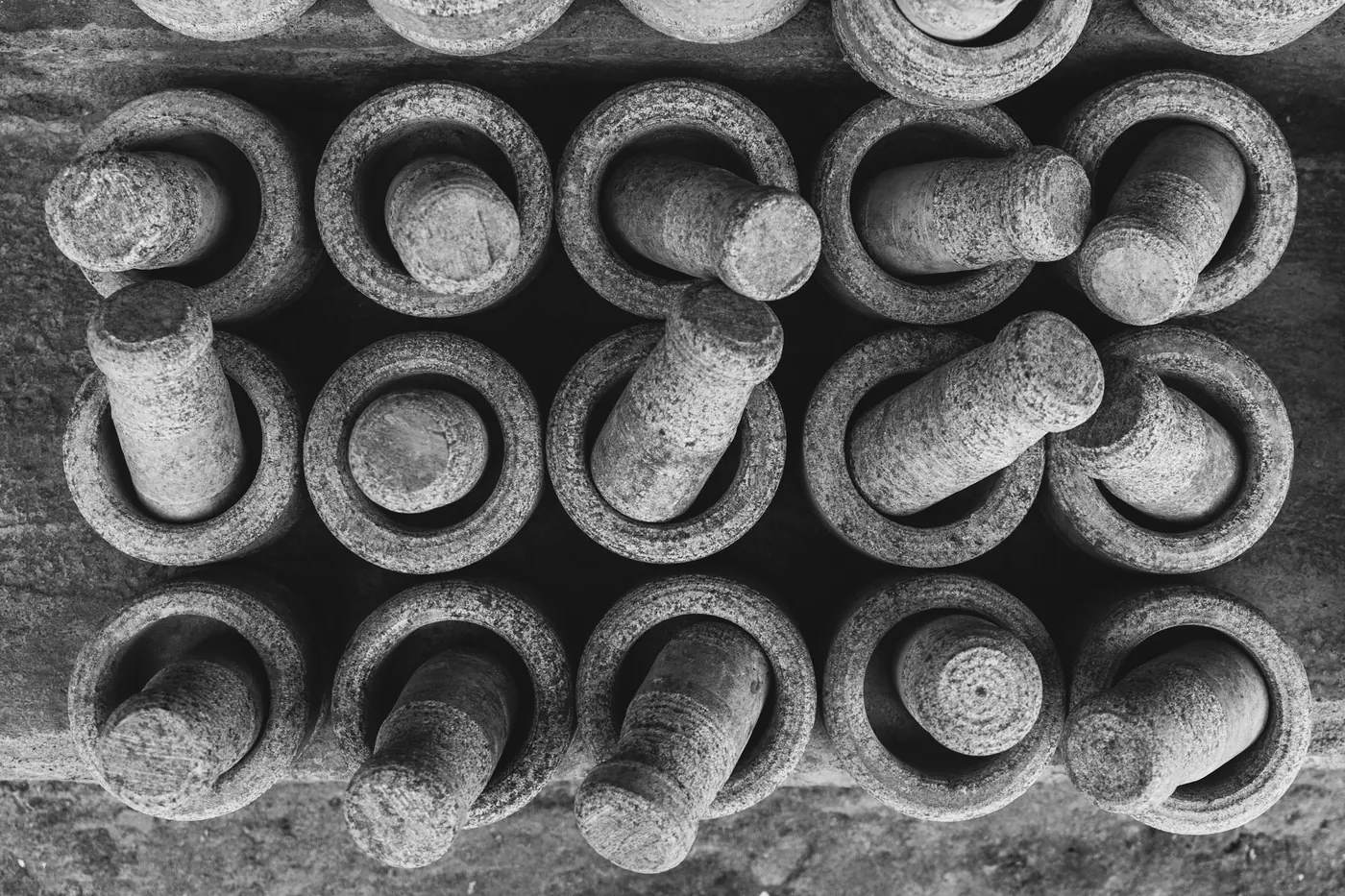
2. HIC Carrara Marble Mortar and Pestle, 3.8-Inch – Full Control for a Cup or Two
A small marble mortar is the quietest, simplest way to grind coffee without a machine, and HIC Kitchen names coffee grounds among its uses, next to curry pastes, spices, nuts and seeds. The mortar measures 3.8 by 3.8 inches and the pestle 4 by 2.5 inches. HIC says the interior is textured and the pestle head rounded, which helps the beans break rather than skate around the bowl.
The size is right for a cup or two. Following Food Republic’s advice to fill the mortar only a quarter to a third full, a bowl this size holds roughly enough beans for a single mug at a time, so a full pot means several rounds. In return you get the control Food Republic praises: you can watch the grounds and stop when they look like coarse salt for a press or sand for a pour-over.
Care is simple. HIC says to hand wash it in warm, soapy water and dry it thoroughly. Marble is a softer stone than granite, so rinse out coffee oils promptly so they do not linger in the surface.
Why we like it
- HIC lists coffee grounds as one of its uses (listing).
- Textured interior and rounded pestle head, according to the maker.
- Small enough to keep on the counter or in a drawer.
- Also handles spices, seeds and small salsas.
Key specifications
| Model | 43717 |
|---|---|
| Type | Mortar and pestle |
| How it grinds | Crushing by hand, solid Carrara marble |
| Capacity | 3.8 x 3.8 in mortar; 4 x 2.5 in pestle |
| Grind control | By hand and eye |
| Power | Manual |
| Cleaning | Hand wash in warm, soapy water; dry thoroughly |
| Warranty | Not stated |
Why we recommend it
It suits the single coffee drinker who grinds now and then, or anyone who wants a small mortar for spices that can also rescue a morning without a grinder.
Skip it if you brew a full pot every day; the small bowl means several rounds for each pot.
Pros and cons
Pros
- Coffee is a stated use.
- Best control over grind size.
- Silent, no power, easy to store.
Cons
- Small batches only.
- Slow and takes effort.
- Grind is less even than a burr grinder.
3. Priority Chef Granite Mortar and Pestle, 2 Cup – A Heavier Bowl for Bigger Batches
If a mortar is going to be your grinder for more than one mug, size and weight help. Priority Chef’s listing gives this granite bowl a 2-cup capacity, a 6.3-inch diameter and a depth of 2.48 inches, with a 6.5-inch pestle and a total weight of about 7 pounds. That weight keeps the bowl still while you work, and the wider bowl takes more beans per round than the small marble one above.
The listing pitches it for guacamole, salsa, pesto and whole spices rather than coffee, so the coffee use rests on the general mortar method Food Republic describes, not on a maker statement. The method is the same: a quarter to a third full, crack first, then grind to size. Granite is harder than marble and less likely to wear from hard beans.
Two non-slip pads come in the box to protect the counter. Priority Chef is a brand sold mainly on Amazon; we found no maker care instructions beyond “easy to clean”, so treat it like any granite mortar: rinse with water, scrub with a brush, and let it dry fully.
Why we like it
- 2-cup bowl, 6.3 inches across (listing).
- About 7 pounds, so it stays put while you grind.
- Two countertop protector pads included.
- Also a proper guacamole and salsa bowl.
Key specifications
| Model | GM-PC-BMP01 |
|---|---|
| Type | Mortar and pestle |
| How it grinds | Crushing by hand, natural granite |
| Capacity | 2 cups; 6.3 in wide, 2.48 in deep; 6.5 in pestle |
| Grind control | By hand and eye |
| Power | Manual |
| Cleaning | Not stated beyond “easy to clean” |
| Warranty | Not stated |
Why we recommend it
It suits a household that wants one heavy mortar for salsas and spices that can also grind enough beans for a small pot.
Skip it if counter space is tight; at about 7 pounds it is not a drawer tool.
Pros and cons
Pros
- Larger bowl than most spice mortars.
- Heavy and stable.
- Useful for salsa and guacamole too.
Cons
- Coffee is not a use the listing names.
- Heavy to move and store.
- No maker care or warranty details.
4. Vitamix Ascent X2 Blender, 48 oz, Polar White – A Grind in Seconds
We would not tell anyone to buy a high-end blender just to grind coffee; a good burr grinder costs less and grinds more evenly. But if you want a strong blender anyway, a Vitamix can stand in for a coffee grinder, and Vitamix publishes its own method. Its ground coffee recipe says to start on the lowest speed, raise it to Variable 8, and blend 8 to 10 seconds for a coarse grind for a French press, 15 to 20 seconds for a medium grind for pour-over and drip, and about 20 seconds, then scrape and pulse, for a fine grind.
There is a caveat in Vitamix’s own grinding article: for dry ingredients it recommends its Dry Grains container, which pushes beans away from the blade instead of letting them pack underneath. That container is sold separately and is not in this box. The Ascent X2 ships with a 48-ounce wet container, a low-profile tamper and a 2.2 HP motor, with variable speed, pulse, a timer and three programs, and it is backed by a 10-year limited warranty, according to the listing.
This is the white version of the Ascent X2 we also cover in our Vitamix blender guide; we list it here because the blender question for coffee is different. One safety note: the U.S. Consumer Product Safety Commission lists a Vitamix recall of Ascent and Venturist 8-ounce and 20-ounce blending containers and blade bases sold from April 2017 through May 2024. Those small cups are not included with this blender; if you own older ones, check the recall notice.
Why we like it
- Vitamix publishes grind times for coarse, medium and fine coffee.
- Variable speed, pulse and a timer for repeatable runs (listing).
- 10-year limited warranty, according to the listing.
- A full blender for salsas, soups and drinks the rest of the day.
Key specifications
| Model | 074094 |
|---|---|
| Type | High-powered countertop blender |
| How it grinds | Laser-cut stainless steel blades |
| Capacity | 48 oz container |
| Grind control | Variable speed, pulse, digital timer |
| Power | 2.2 HP motor |
| Cleaning | Self-cleaning program; container dishwasher safe |
| Warranty | 10-year limited |
Why we recommend it
It suits the kitchen that was going to buy a serious blender anyway and wants it to cover the occasional bag of whole beans too.
Skip it if coffee is the main reason; a burr grinder costs far less and gives a more even grind.
Pros and cons
Pros
- Maker-published coffee grind times.
- Fast: seconds, not minutes.
- Long warranty.
Cons
- Vitamix recommends a separate Dry Grains container.
- Uneven grind compared with burrs.
- A large cost if coffee is the only goal.
5. Braun MultiQuick Coffee and Spice Grinder Attachment – Turns a Hand Blender Into a Grinder

If a Braun MultiQuick hand blender already lives in your drawer, this is the cheapest way to add a grinder without adding another motor to the counter. The 1.5-cup attachment clicks onto the hand blender with Braun’s EasyClick system, and Braun says its stainless steel blade grinds spices, herbs, seeds, coffee and other dry ingredients within seconds.
Check fit first. The listing says it works with the MQ70xx and MQ9xxx hand blender ranges; it will not fit other brands or older Braun models outside those lines. Because it is a blade, not a burr, expect the same uneven grind as a blade coffee grinder: fine for drip and a French press if you shake it between pulses, not for espresso.
Braun gives a 3-year manufacturer warranty, according to the listing. The listing does not state cleaning steps; wipe out the bowl after coffee so the next batch of cumin does not pick up the flavor.
Why we like it
- Braun lists coffee as a use for the blade (listing).
- No second motor; runs on a hand blender you already own.
- 1.5-cup bowl, enough for a full pot.
- 3-year manufacturer warranty (listing).
Key specifications
| Model | MQS270SI |
|---|---|
| Type | Hand blender grinder attachment |
| How it grinds | Stainless steel blade |
| Capacity | 1.5 cups |
| Grind control | By time and pulsing |
| Power | Braun MQ70xx and MQ9xxx hand blenders only |
| Cleaning | Not stated |
| Warranty | 3-year manufacturer |
Why we recommend it
It suits anyone who already owns a compatible Braun MultiQuick and wants coffee and spices covered without another appliance.
Skip it if you do not own an MQ70xx or MQ9xxx hand blender; it does nothing on its own.
Pros and cons
Pros
- Coffee is a stated use.
- Small and stores in a drawer.
- Long warranty for an accessory.
Cons
- Fits only certain Braun models.
- Blade grind, so uneven.
- No stated cleaning instructions.
Which grinding method fits your brewer
- French press or cold brew: any option works, because a coarse, slightly uneven grind is forgiving. The grain mill on a wide setting or a few seconds in a blender are the quickest.
- Drip machine or pour-over: aim for a medium grind. A mortar gives the most control, the grain mill the most repeatable result. Shake blender and attachment grinds between pulses.
- Moka pot: a mortar can get fine enough with patience. Blenders tend to leave a mix of dust and chunks.
- Espresso or Turkish coffee: none of these is a real answer. Buy a burr grinder, or buy coffee already ground for your machine. Our guide to the best hand coffee grinder covers affordable burr options that need no power.
How we chose these five alternatives
We started from the question people actually ask, how to grind coffee beans without a grinder, and kept only tools that do the job. For the household methods we read Wendy Leigh’s guide at Food Republic, Vitamix’s grinding article and ground coffee recipe, and the Wikipedia entry on burr mills for the evenness question. For each product we read the Amazon listing and, where available, the maker’s own statements about coffee; we say plainly where a pick’s coffee use rests on the general method rather than a maker statement. We checked that every pick was in stock with a new offer from an identifiable maker and searched the U.S. Consumer Product Safety Commission recall database for each brand. We did not test these products, and we don’t state prices or ratings.
Coffee grinder alternative questions, answered
Can I grind coffee beans in a regular blender?
Yes, in small batches with short pulses. Food Republic suggests three-second pulses for about 30 seconds in all, and warns that blade heat can scorch beans and frequent grinding can dull the blades. Vitamix notes that in a standard blender, dry ingredients can pack under the blade, so shake or tilt the jar as you go.
Is a mortar and pestle good for coffee?
It is the most controllable household option, according to Food Republic: fill the mortar a quarter to a third full, crack the beans, then grind to size. It is slow, and the grind is less even than a burr grinder’s, but it works well for a French press, drip or a moka pot.
Can I use a food processor to grind coffee?
For a medium grind, yes. Work in small batches with on-and-off bursts and scrape the sides. Food Republic notes that food processors, like blenders, are not designed for grinding, so treat it as an occasional fix.
Can a corn grinder grind coffee?
A cast iron molino like the Victoria mill can. Victoria lists coffee as one of its uses, and its adjustable discs set a repeatable size. The maker says it will not grind superfine, so it suits French press and drip, not espresso.
What is the best way to grind coffee for espresso without a grinder?
There isn’t a good one. Espresso needs an even, fine grind that none of these alternatives reliably produces. Buy pre-ground espresso coffee or a burr grinder.
Our final word on grinding without a grinder
If you want one tool that grinds coffee on a setting you can repeat and also grinds corn, buy the Victoria grain mill. For a cup at a time, a small marble mortar gives the most control; for more, a heavier granite one. If a Vitamix or a Braun MultiQuick is already on your list, they can cover coffee too. And on the morning you have nothing at all, a freezer bag and a rolling pin will get you through.
When you are ready for a dedicated machine, start with the best coffee grinder guide, and if you settle on a mortar, our best mortar and pestle guide covers more sizes and stones.
And if you would rather someone else made the coffee and the food, see the menu or call to order.