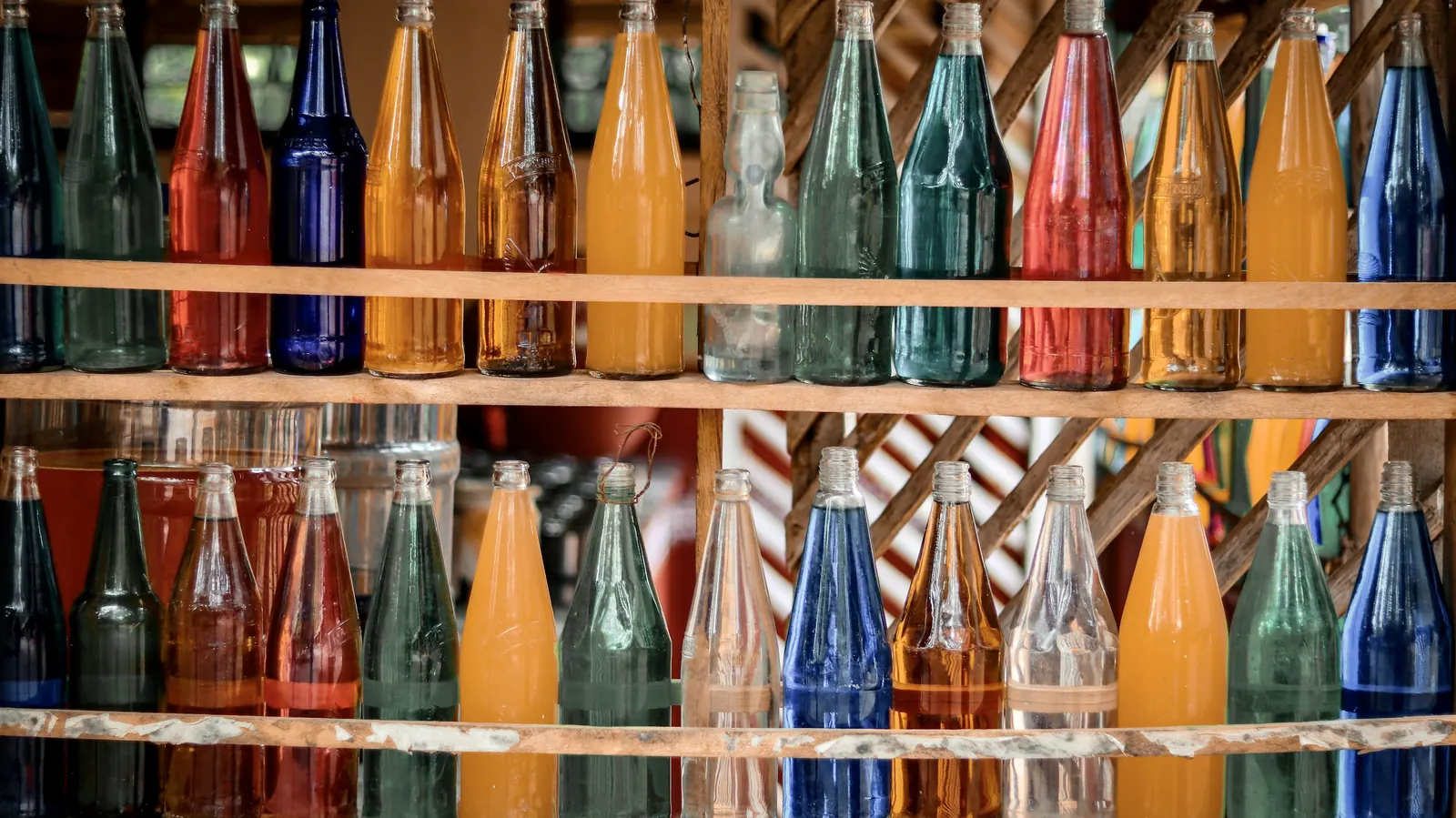
Three bottled drinks turn up on Mexican restaurant menus in Texas, and each one carries a claim that people repeat confidently.
One of those claims is a good deal shakier than the internet suggests.
The short answer
Mexican Coke is Coca-Cola bottled in Mexico in returnable glass, popularly said to use cane sugar rather than high-fructose corn syrup. Topo Chico is a heavily carbonated mineral water from Monterrey, drunk with lime and salt. Jarritos are fruit sodas in flavors built around Mexican tastes — tamarind, hibiscus, lime, mandarin. All three are non-alcoholic and all three come in glass.
The Mexican Coke question
The standard story: American Coke uses high-fructose corn syrup, Mexican Coke uses cane sugar, and that is why it tastes better.
The American Chemical Society, in its explainer on the strange chemistry of Mexican Coke, records that as the conventional wisdom — and then complicates it. A 2011 paper in the journal Obesity found that Mexican Coke contained no cane sugar. What the authors found instead was plenty of glucose and fructose, the main ingredients of high-fructose corn syrup.
That does not settle it. Formulations vary by bottler and change over time, and a single study is a snapshot. But it does mean the cane-sugar claim is a claim rather than a fact, and anyone stating it flatly is overreaching.
Two things are not in dispute. It is bottled in Mexico, and it comes in glass.
Why the glass matters
The glass bottle may be doing more work than the sweetener.
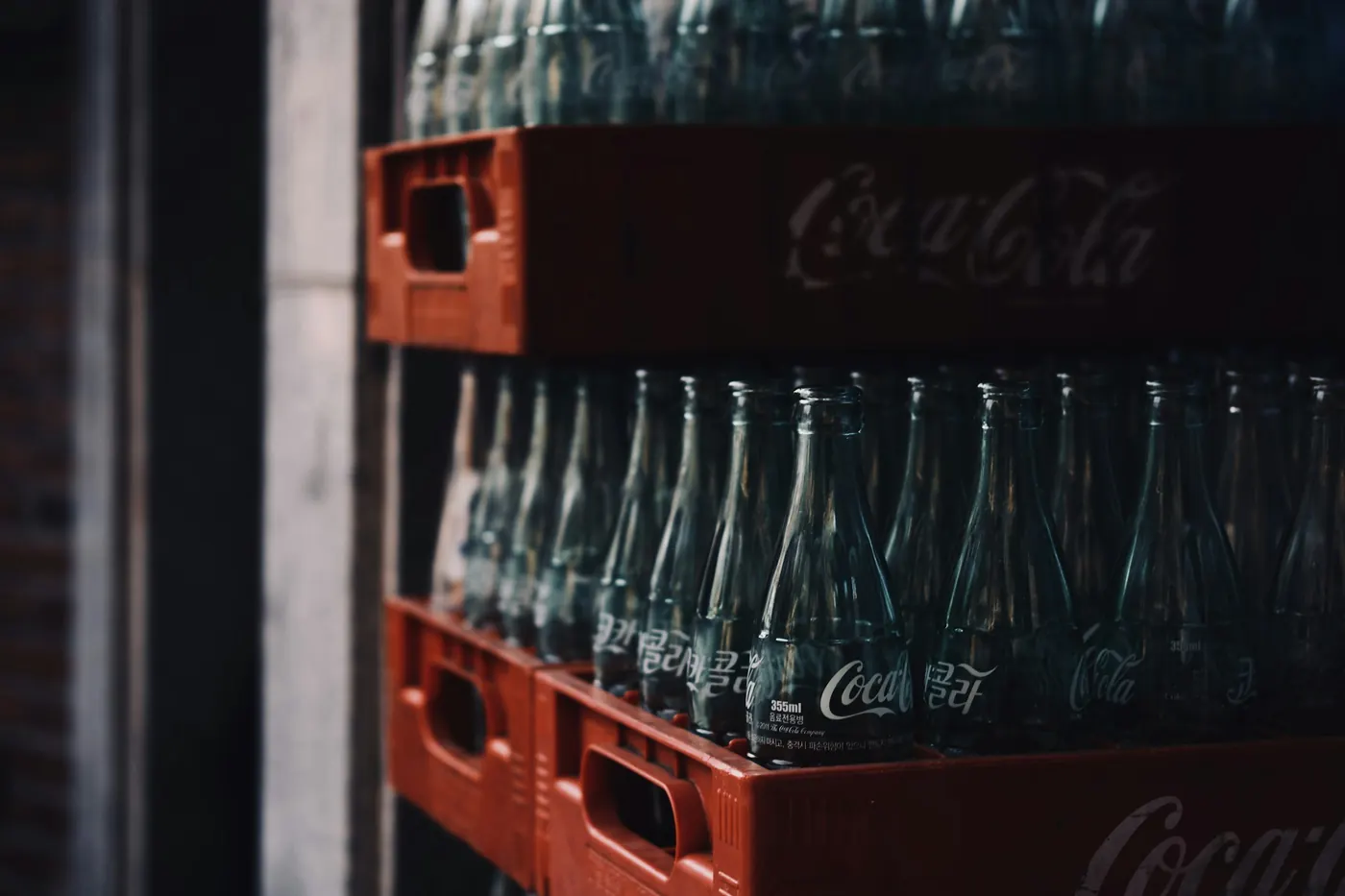
Glass is inert. Plastic bottles are slightly permeable to carbon dioxide and the liner in an aluminum can is not flavorless, so a cola in glass holds its carbonation longer and picks up nothing from the container. Blind tests on sweeteners produce mixed results; the packaging difference is measurable.
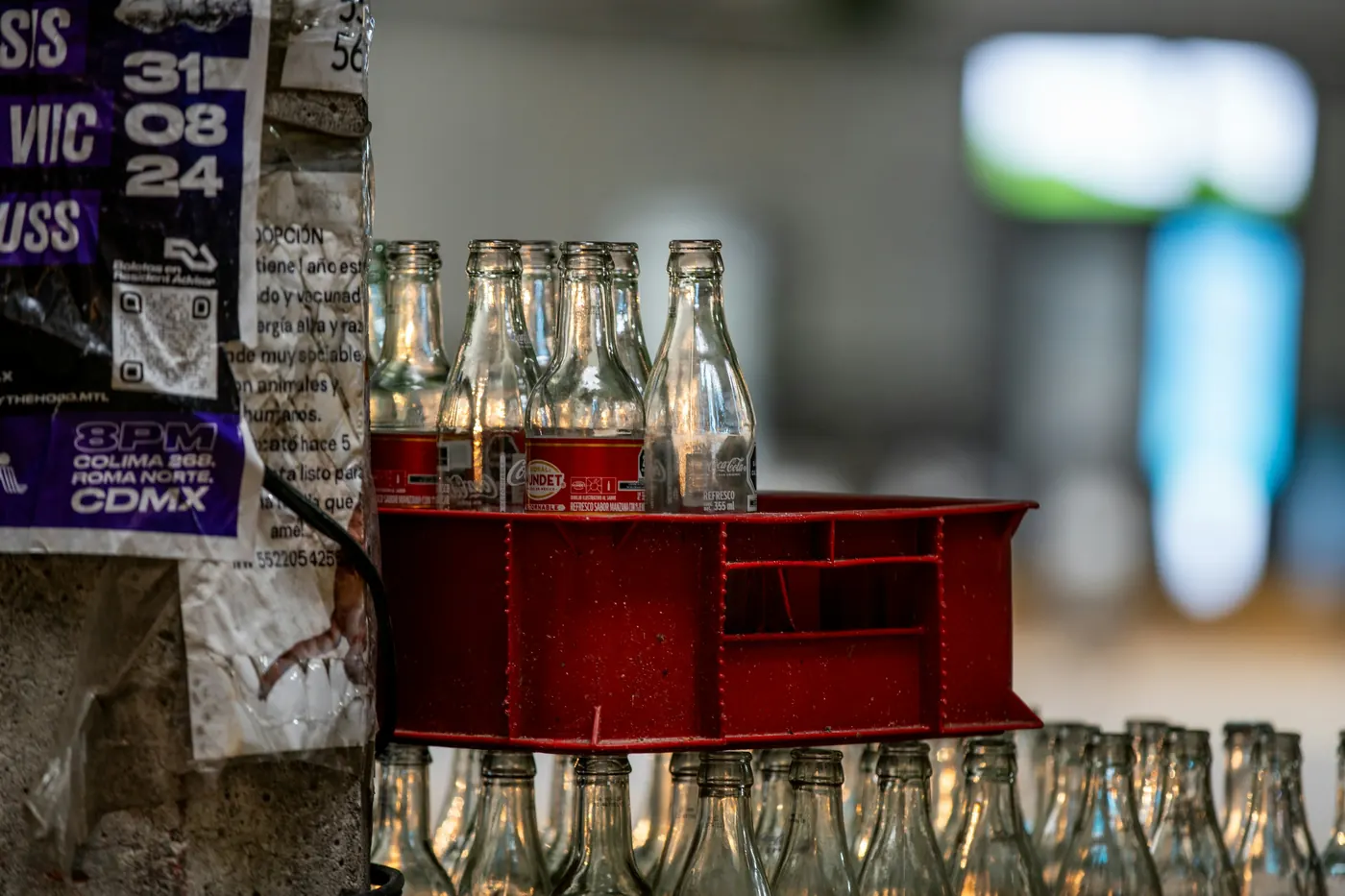
There is also a reason glass survived in Mexico when it largely disappeared in the United States. Mexican bottles are returnable and carry a deposit, so the distribution system is built around collecting and refilling them. Crates go out full and come back empty.
And expectation is a real ingredient. A cold drink in a heavy glass bottle with a bottle-cap opener tastes different because you expect it to, which is not a trivial effect.
Topo Chico
Sparkling mineral water from a spring near Monterrey, bottled since the late nineteenth century, and unusual in two ways.
It is aggressively carbonated — noticeably harder-bubbled than most European sparkling waters — and it is genuinely mineral, drawn from a source rather than carbonated tap water. The mineral content gives it a slight salinity that people either like immediately or find strange.
The standard Mexican serve is over ice with lime and a salted rim, which is the same logic as salt on a margarita: it flattens the mineral bitterness and makes the acidity read as refreshing.
It is also the base of a ranch water, and it is what people order when they want something that feels like a drink without being one — the same slot our drinks pairing guide gives to aguas frescas.
Jarritos
Fruit sodas, launched in Mexico in the 1950s, and the flavor list is the interesting part.
| Flavor | What it is | Tastes like |
|---|---|---|
| Mandarina | Mandarin orange | Sweet, floral, less sharp than orange |
| Tamarindo | Tamarind | Sour, dark, faintly funky |
| Jamaica | Hibiscus | Tart, deep red, cranberry-ish |
| Limón | Lime | Sharp, close to limeade |
| Guayaba | Guava | Perfumed, tropical, sweet |
Read that list against our aguas frescas guide and the overlap is obvious. Tamarindo, jamaica and limón are the three most common aguas frescas flavors. Jarritos is essentially the bottled, carbonated version of the drinks already being ladled out of glass jars.
Which is why the flavors seem unfamiliar to Americans and completely ordinary in Mexico.
What to order with what
The pairing logic is the same as for any drink with Mexican food: acid and cold against fat and salt, sweetness against heat.
Topo Chico is the most versatile. Carbonation and minerality scrub fat off the palate, so it works with anything fried, cheesy or rich, and it does not compete with the food.
Tamarindo and jamaica are tart enough to do the same job with more flavor. Good with fried things.
Mexican Coke and the sweeter Jarritos work against heat, since sugar blunts capsaicin — the mechanism our guide to mild dishes explains.
On Julia’s menu
All three are on Julia’s beverage list, on one line: bottled drinks are Mexican Coke, Topo Chico and Jarrito Mandarin.
That is a tight selection and a considered one. One cola, one mineral water, one fruit soda — the three categories, one option each, rather than a wall of flavors.
Mandarina is the sensible single Jarritos to carry. It is the mildest and most broadly liked of the range; tamarindo and jamaica are more distinctive and more divisive.
They sit alongside the standard fountain soft drinks, the juices, and the aguas frescas — fresh lemonade and house-made horchata. The aguas frescas and the bottled drinks are doing different jobs: one is made that morning and does not travel, the other is shelf-stable and consistent.
Worth noting the menu marks the juices and aguas frescas as no refills. The bottled drinks are sold by the bottle, so the question does not arise.
Why glass bottles persisted
Worth a note, because it explains something about Mexican food culture beyond drinks.
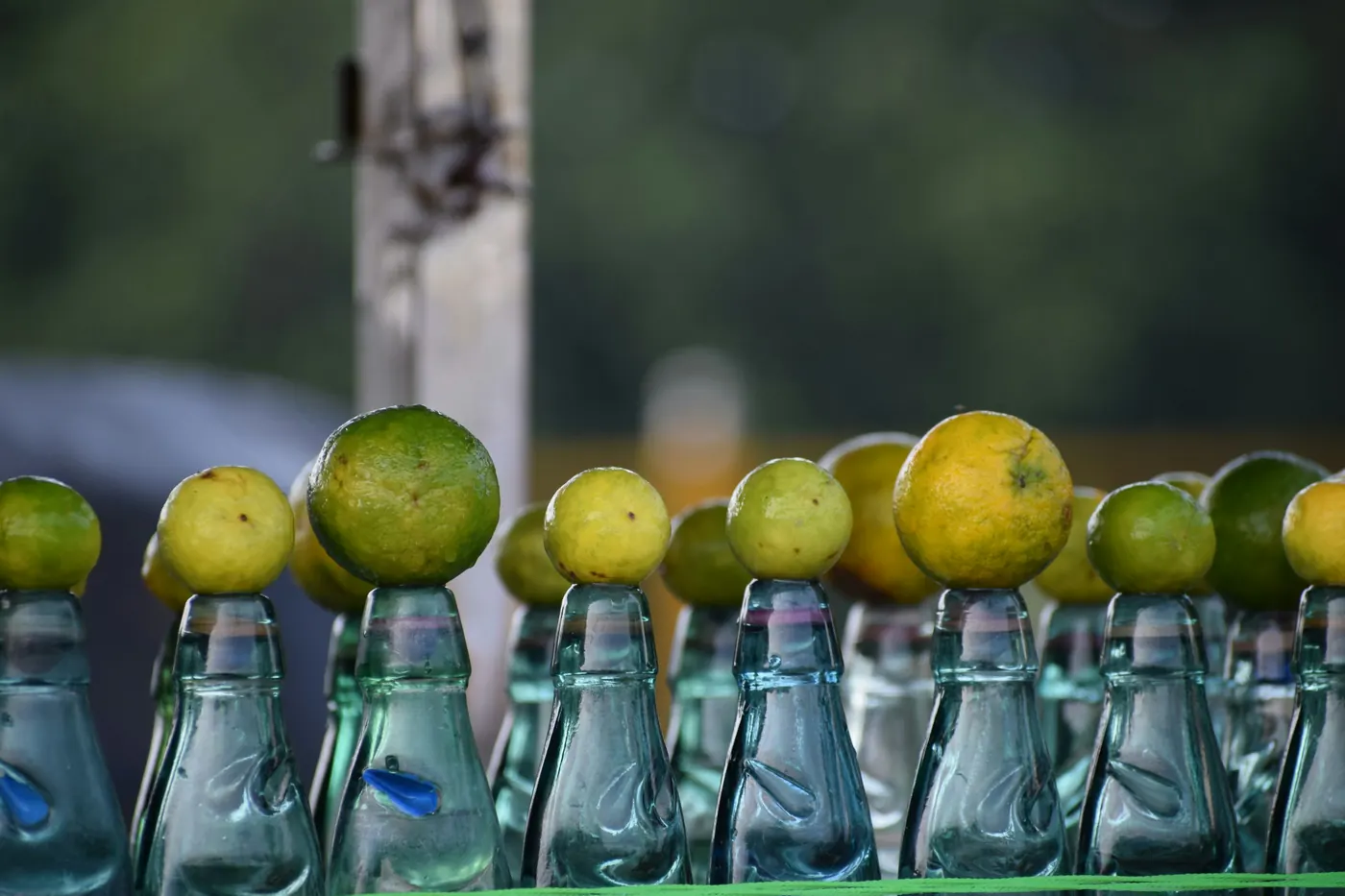
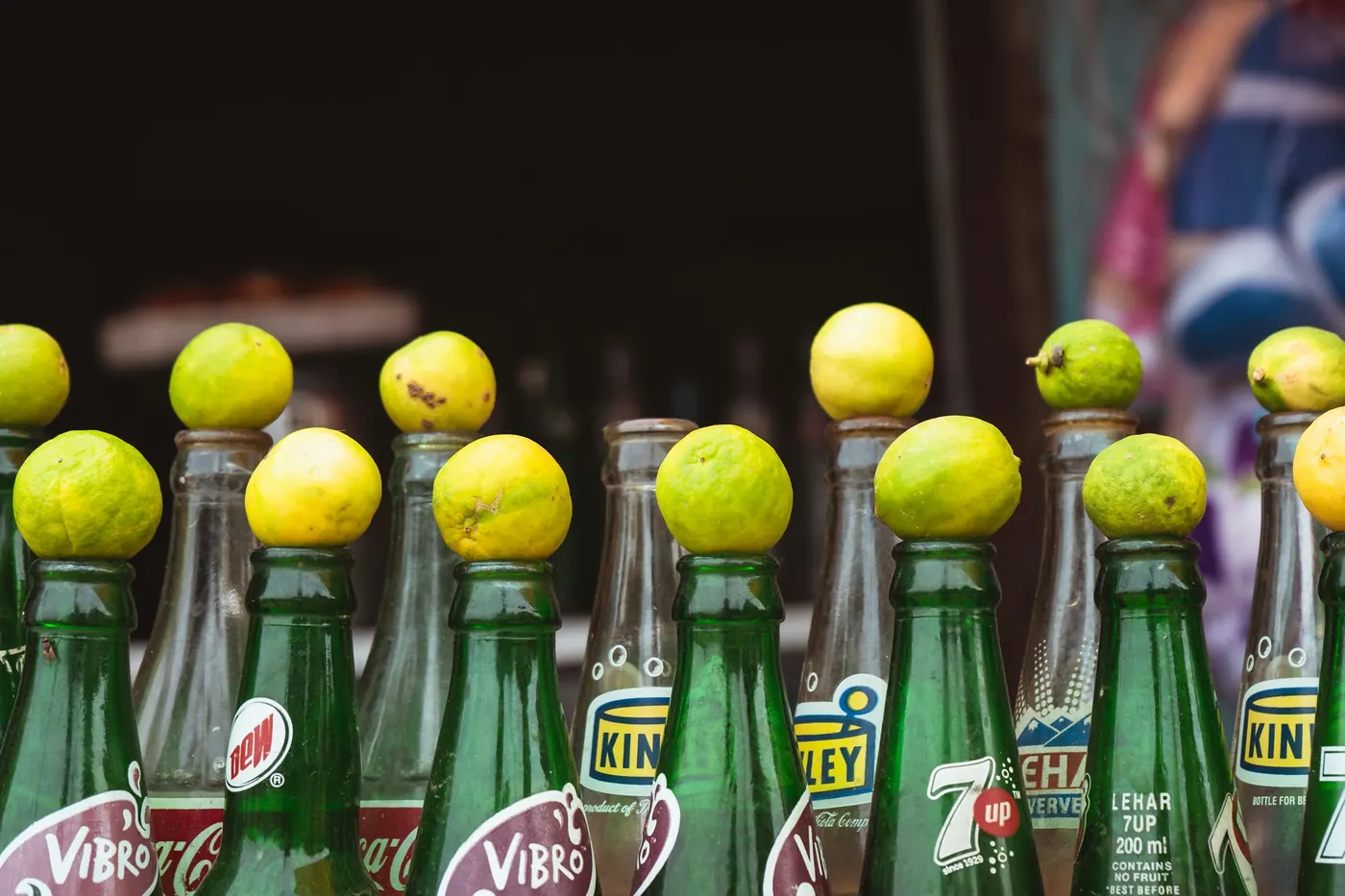
Returnable glass survived in Mexico for economic reasons rather than nostalgic ones. A deposit system makes the bottle an asset the customer is holding temporarily, and the distribution network — small shops, crates, local routes — was built to move them both ways.
The United States moved to one-way packaging in the second half of the twentieth century because long distribution distances made collection uneconomic. Mexico’s shorter routes and denser retail kept refilling viable.
That is also why the bottles look worn. A returnable bottle has been through the system many times, and the scuffing around the base is evidence of the system working rather than of a tired product.
Frequently asked questions
Is Mexican Coke really made with cane sugar?
It is widely claimed and not firmly established. A 2011 study in Obesity found glucose and fructose rather than cane sugar. Formulations vary by bottler, so treat it as a claim.
Why does Mexican Coke taste different?
Glass is inert and holds carbonation better than plastic or cans, and expectation plays a genuine role. The sweetener may or may not differ.
What is Topo Chico?
A heavily carbonated mineral water from a spring near Monterrey, bottled since the 1890s. Usually served over ice with lime and salt.
What flavors do Jarritos come in?
Mandarin, tamarind, hibiscus, lime, guava and others. The range mirrors the traditional aguas frescas flavors.
Are any of them alcoholic?
No. All three are soft drinks. Topo Chico is sometimes used as a mixer, but on its own it is mineral water.
The short version
A cola in returnable glass, a hard-bubbled mineral water from Monterrey, and a fruit soda whose flavors come straight from the aguas frescas list. The cane-sugar story is less certain than people say; the glass bottle probably matters more.
Julia’s carries one of each on the menu.