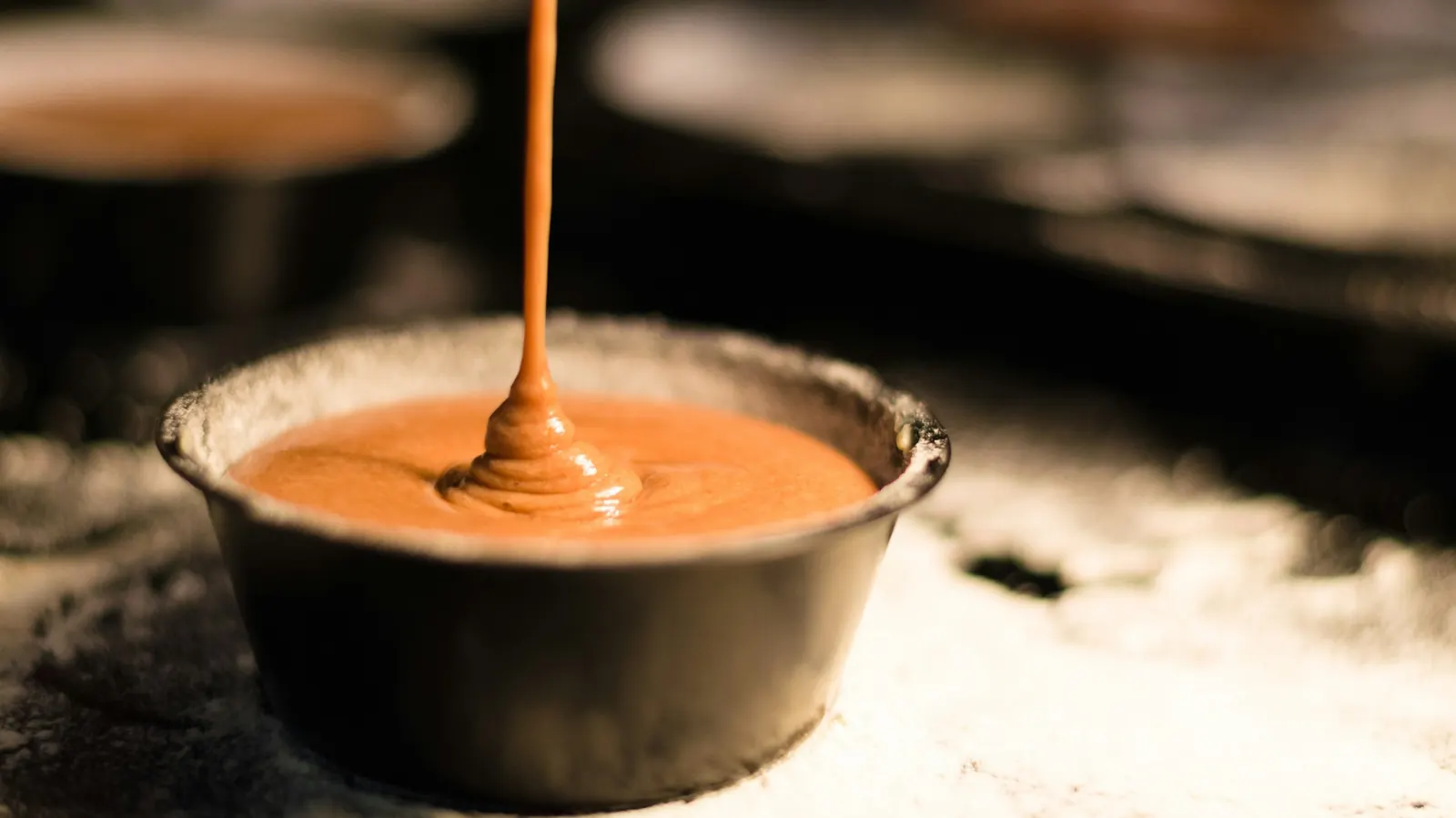
Cajeta is Mexico’s goat’s milk caramel: milk and sugar cooked down slowly for hours until the sugars brown and the sauce turns thick, glossy and the color of strong tea. It tastes like caramel with a tang underneath, the faint, almost savory edge that goat’s milk gives. Celaya, in Guanajuato, is the city most tied to it, and in Mexico it goes over crepes, flan, ice cream and churros, and between the two wafers of an oblea.
Buying it in the United States is the hard part. Bottles labeled cajeta range from goat’s milk sauces made in Celaya to cow’s milk caramel with a Mexican label, and the names on the front (quemada, envinada, vainilla, dulce de leche) don’t always tell you which is which. This guide explains what to look for on the label, then names the cajeta brands worth buying for each kind of cook.
Julia’s earns a commission on purchases made through links on this page, at no cost to you. Recommendations are based on what a Mexican kitchen looks for in cajeta, the makers’ own listings and product descriptions, which we cite. We have not tasted every product listed here.
Quick verdict: which cajeta to buy
For most kitchens, the best cajeta brand to start with is Coronado: its squeeze bottle is made with real goat’s milk, the listing counts only five ingredients, and the brand dates its recipe to 1932. If you want a small-producer cajeta from Celaya and the chance to try the classic styles side by side, choose La Reyna, which sells quemada, envinada and vainilla in variety packs. If you only want a cow’s milk caramel for baking, buy a real dulce de leche such as La Serenísima and call it what it is.
The rest of this page explains how to read a cajeta label and which bottle suits what you cook.
Five cajetas at a glance
Our five standout picks side by side, one for each way of using cajeta, with what each listing says about the milk inside. All seven products are reviewed in full below.
| Cajeta | Best for | Style & size | Milk (per listing) | Buy on Amazon |
|---|---|---|---|---|

Coronado Cajeta Caramel Topping, 13 ozBest overall
|
Everyday drizzling, most kitchens | Classic cajeta, 13 oz squeeze bottle | Real goat’s milk; five ingredients | View on Amazon |
| Desserts for adults, gifting | Three 12.7 oz bottles | Goat’s milk; preservative-free; from Celaya | View on Amazon | |
| Trying styles before buying big | Three 5.47 oz bottles | Goat’s milk; preservative-free; from Celaya | View on Amazon | |

Amorcito Corazón Cajeta Mexicana, Two 17 oz BottlesBest for big batches
|
Baking, parties, frequent use | Two 17 oz squeeze bottles | Goat’s milk; no artificial colors or palm oil | View on Amazon |

La Serenísima Dulce de Leche, 14.1 ozBest cow’s-milk alternative
|
Fillings, alfajores, spreading | Argentine dulce de leche, 14.1 oz jar | Cow’s milk and cane sugar (not cajeta) | View on Amazon |
Product images from Amazon. Milk type and ingredients are as stated in each listing; read the label on the bottle you receive, because formulas and packaging can change.
Goat’s milk or cow’s milk: read the label first
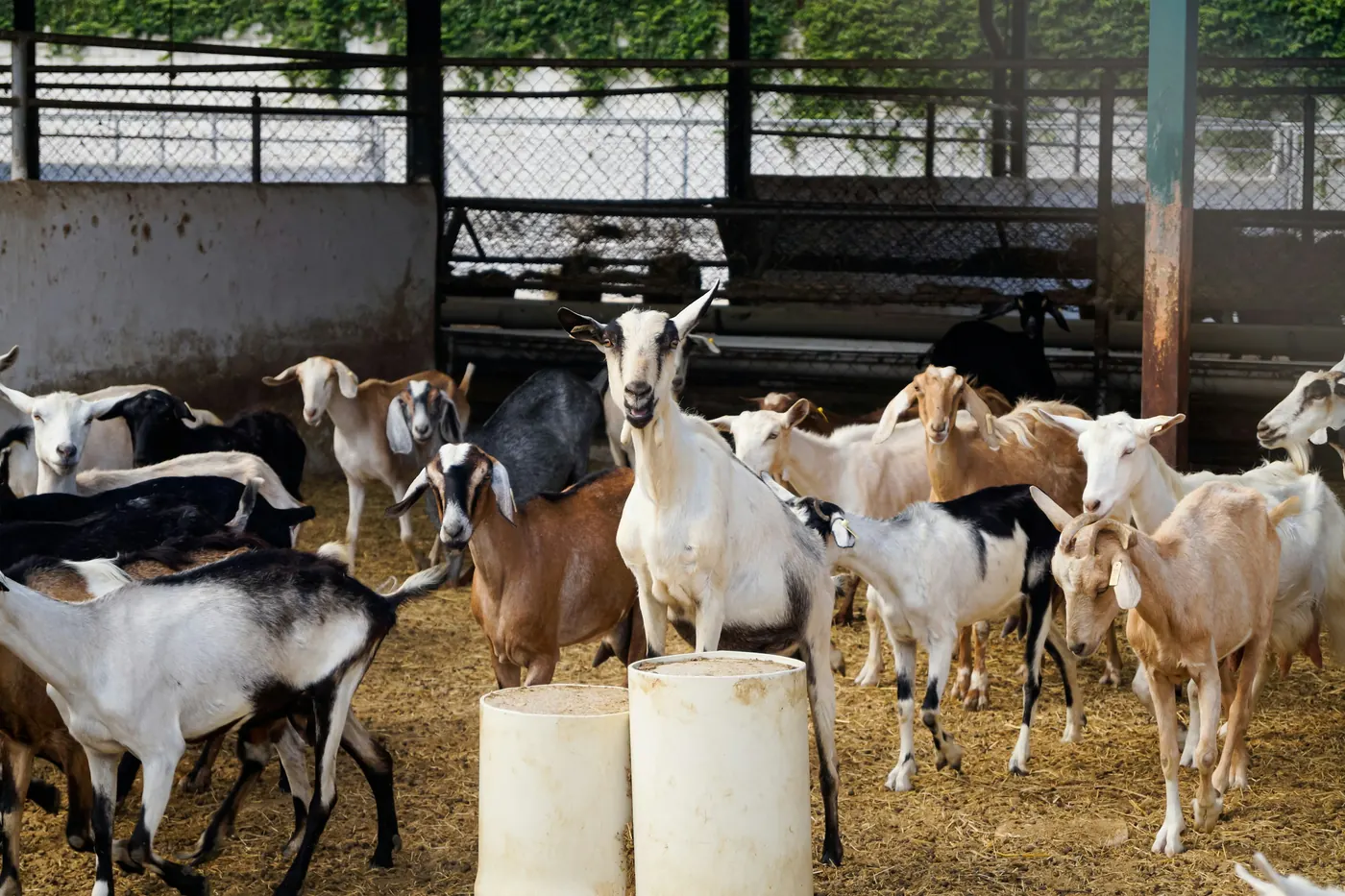
The one thing that separates cajeta from dulce de leche is the milk. Both are milk and sugar cooked down until the sugars caramelize; cajeta starts with goat’s milk and dulce de leche with cow’s milk. Our guide to cajeta vs dulce de leche covers the difference in depth, including why goat’s milk tastes tangier and why industrial cajeta is sometimes made with cow’s milk or a blend of the two.
That last point is why the label matters more than the name. In the United States, “cajeta” on the front of a bottle does not guarantee goat’s milk, and “dulce de leche” on the front does not rule it out: Coronado sells its goat’s milk cajeta here as a “dulce de leche caramel topping”. So turn the bottle over. If goat’s milk is listed, you are buying cajeta in the traditional sense. If the listing or label says cow’s milk only, you are buying a dulce de leche with a Mexican name, which may be perfectly good caramel, just not the tangy sauce you came for.
Three other things on the label are worth a glance. The ingredient count tells you how close it is to the home-cooked original (milk, sugar and a pinch of baking soda are the core). Corn syrup or glucose is common and keeps the sauce smooth. And the style name, explained below, tells you whether you are getting the plain caramel or a flavored version.
Quemada, envinada or vainilla: the three classic styles
Mexican makers sell cajeta in a handful of named styles. Most bottles in the United States are the first one.
- Quemada (“burnt”) is the classic: cooked to a deep amber, with the most caramel flavor. It is what most people mean when they say cajeta, and it is the style to buy if you are buying only one.
- Envinada has a little alcohol, usually a spirit, added at the end of cooking to sharpen the finish. It is a dessert for adults, good over vanilla ice cream or with coffee.
- Vainilla is flavored with vanilla, which softens the goat’s milk tang. It is a friendly first cajeta for children and for anyone unsure about goat’s milk.
Makers also add coffee, pecans (nuez), strawberry and liqueurs such as rompope, tequila or mezcal. These are variations on the same base; treat them as extras once you know which plain style you like.
Our picks for the best cajeta brand
These seven products cover the ways home cooks use cajeta: a dependable everyday bottle, small-batch cajeta from Celaya in each of the classic styles, a big-batch option for baking and parties, a small pouch for trying quemada, and one honest cow’s-milk alternative. Each pick says what its listing does and does not tell you.
1. Coronado Cajeta Caramel Topping, 13 oz – Goat’s Milk, Five Ingredients
Coronado is the cajeta most Americans have seen, and the brand’s own US bottle is the easiest place to start. It is sold here as a “dulce de leche caramel topping”, but the listing is clear that it is cajeta: made with real goat’s milk, from a recipe the brand says has stayed true to its origins since 1932.
The listing counts only five ingredients and says the sauce is gluten free, which puts it close to the milk, sugar and baking soda of a home-cooked cajeta. It comes in a no-spill squeeze bottle, so you can drizzle a thin line over a plate of crepes or a scoop of ice cream rather than spooning it out of a jar.
Coronado describes it for sweet and salty recipes alike and as a finishing touch for baked goods. In a Mexican kitchen that means the classic uses: over flan or arroz con leche, swirled into coffee, as a dip for churros or fresh fruit, or warmed slightly and spooned over pancakes. At 13 ounces it is a sensible size for a household that uses cajeta now and then rather than every day.
The listing does not say whether to refrigerate the bottle after opening, so check the label on the bottle itself.
Why we like it
- Made with real goat’s milk, according to the listing
- Only five ingredients and gluten free
- A recipe Coronado dates to 1932
- No-spill squeeze bottle for neat drizzling
Key specifications
| Size | 13.05 oz |
|---|---|
| Count | 1 squeeze bottle |
| Milk | Goat’s milk |
| Style | Classic (sold as “caramel” flavor) |
| Main ingredients | Goat’s milk; five ingredients in all (full list on the label) |
| Allergens/diet | Contains milk; gluten free |
| Made in | Not stated in the listing |
| After opening | Not stated in the listing; follow the label |
Why we recommend it
Choose it if you want a cajeta that is easy to find, made with goat’s milk and simple to use straight from the bottle. It suits anyone buying cajeta for the first time and anyone who wants one dependable bottle in the fridge door for flan, crepes and coffee.
Skip it if you specifically want the darker quemada or one of the flavored styles; the US bottle is sold as plain “caramel”, and the listing does not describe how dark it is cooked.
Pros and cons
Pros
- Goat’s milk, short ingredient list
- Gluten free, per the listing
- Squeeze bottle, easy to portion
Cons
- “Dulce de leche” name can confuse
- One style only in this listing
- Country of manufacture not stated
2. La Reyna Cajeta Variety Pack: Traditional, Coffee & Envinada – Three Styles from Celaya

La Reyna sells itself as an artisanal cajeta from Celaya, Guanajuato, the city most associated with cajeta, and says it has made it since 1923. Its listing describes the cajeta as silky and slow-cooked from goat’s milk, and as preservative-free.
This pack is the way to try envinada, the style that is hardest to find in American stores. You get three 12.7-ounce squeeze bottles: the traditional plain cajeta, a coffee-flavored one and an envinada, which the listing describes as wine-infused. Envinada is cajeta with a little alcohol worked in at the end of cooking, which sharpens the sweetness; it is a sauce for grown-up desserts rather than children’s pancakes.
The three flavors cover most of what you would do with cajeta at home. Use the traditional bottle over flan, crepes and ice cream, stir the coffee one into a café de olla or a glass of cold milk, and keep the envinada for a dessert after a dinner party, poured over vanilla ice cream or a slice of plain cake. The listing names pancakes, waffles, toast, crepes, ice cream, yogurt, coffee and baking as uses.
Because the listing calls the cajeta preservative-free, read the label for storage directions once a bottle is open; the listing itself does not give them.
Why we like it
- Goat’s milk cajeta from Celaya, Guanajuato
- Includes envinada, the hardest style to find
- Preservative-free, according to the listing
- Three full-size 12.7 oz bottles
Key specifications
| Size | 12.7 oz per bottle |
|---|---|
| Count | 3 squeeze bottles |
| Milk | Goat’s milk |
| Style | Traditional, coffee, envinada (wine-infused) |
| Main ingredients | Not listed in full; goat’s milk caramel |
| Allergens/diet | Contains milk; envinada contains added alcohol (amount not stated) |
| Made in | Celaya, Guanajuato, Mexico |
| After opening | Not stated in the listing; follow the label |
Why we recommend it
Choose it if you want cajeta from Celaya itself and want to taste how the classic styles differ. It also makes a good gift for anyone who cooks Mexican desserts, because the envinada is rarely on supermarket shelves.
Skip it if you are buying for children or for someone who avoids alcohol: one of the three bottles is envinada, and the listing does not say how much alcohol it contains.
Pros and cons
Pros
- Small-producer cajeta from Celaya
- Three styles in one order
- No preservatives, per the listing
Cons
- Full ingredient list not published
- Alcohol content of envinada not stated
- Storage after opening not stated
3. La Reyna Cajeta Variety Pack: Quemada, Nuez & Natural – The Classic Dark Style

If quemada is the cajeta you remember, this is the La Reyna pack to buy. It holds three 12.7-ounce bottles: quemada, the deep-amber classic; nuez, made with pecans; and natural, the lighter plain cajeta. Between them you can taste how far the cooking is taken, which is what separates a quemada from a lighter cajeta.
The listing describes the same base as La Reyna’s other packs: goat’s milk cajeta, slow-cooked in Celaya, Guanajuato, by a maker it dates to 1923, and preservative-free. The pecan bottle is the one to reach for over ice cream or between layers of a simple cake, where the nuts add texture.
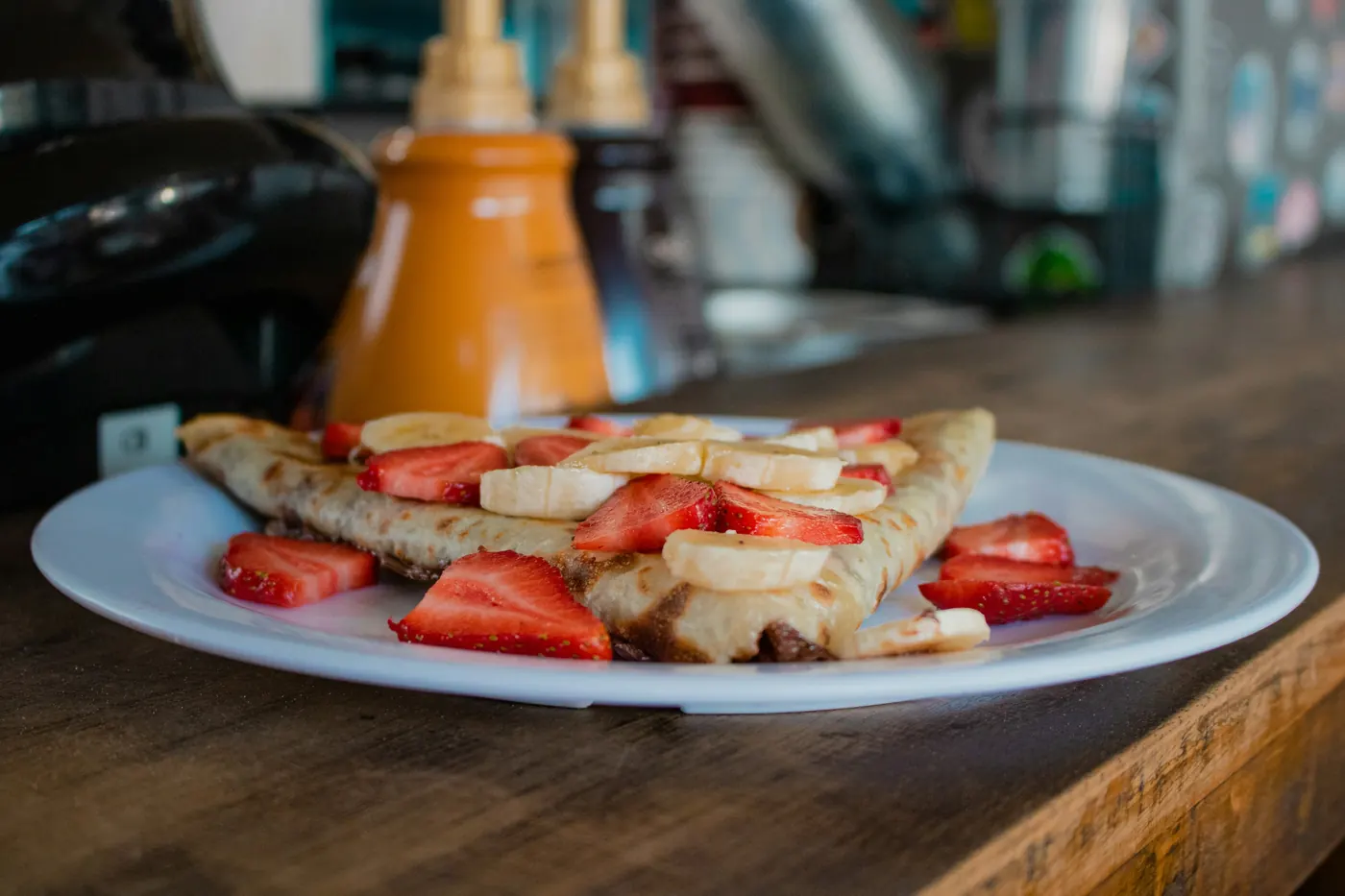
Quemada is the most versatile of the styles in a Mexican kitchen. It is strong enough to stand up to coffee and dark chocolate, and it is the traditional choice for crepas con cajeta, where crepes are folded, warmed in a pan with cajeta and finished with toasted pecans. The natural bottle in the pack is gentler, which suits fruit and yogurt.
Why we like it
- Includes quemada, the classic dark style
- Pecan version for ice cream and cakes
- Goat’s milk cajeta from Celaya
- Preservative-free, according to the listing
Key specifications
| Size | 12.7 oz per bottle |
|---|---|
| Count | 3 bottles |
| Milk | Goat’s milk |
| Style | Quemada, nuez (pecan), natural |
| Main ingredients | Not listed in full; goat’s milk caramel; pecans in the nuez bottle |
| Allergens/diet | Contains milk; nuez contains tree nuts (pecans) |
| Made in | Celaya, Guanajuato, Mexico |
| After opening | Not stated in the listing; follow the label |
Why we recommend it
Choose it if you already know you like cajeta and want the classic quemada from a small Celaya maker, plus two variations that cover most desserts. It is the pack for crepas con cajeta and coffee.
Skip it if anyone in the house has a tree-nut allergy, since one bottle is made with pecans, or if you want one large bottle of a single style.
Pros and cons
Pros
- Quemada plus two variations
- Made in Celaya, per the listing
- No preservatives, per the listing
Cons
- Pecan bottle rules out nut allergies
- Full ingredient list not published
- Few details beyond the basics
4. La Reyna Cajeta Tasting Pack: Vainilla, Natural & Fresa – Small Bottles to Try

A tasting pack is the sensible way to buy a style you have not tried, and this one leads with vainilla. It holds three small 5.47-ounce bottles: vainilla, natural and fresa (strawberry), from the same Celaya maker as picks two and three.
Vanilla softens the tang of goat’s milk, which makes vainilla cajeta the easiest introduction for children and for anyone who suspects they will not like goat’s milk. The natural bottle lets you taste the plain cajeta next to it, and the strawberry one suits pancakes, crepes and yogurt. If you bake with vanilla often, our guide to Mexican vanilla explains what to look for in the bottle itself.
The listing describes the cajeta as goat’s milk, slow-cooked, all-natural and preservative-free, made in Celaya to a recipe dating from 1923. The small bottles mean less sits open in the fridge, which matters for a preservative-free product.
Why we like it
- Small bottles for trying new styles
- Vainilla: the gentlest introduction to goat’s milk
- All-natural and preservative-free, per the listing
- Made in Celaya, Guanajuato
Key specifications
| Size | 5.47 oz per bottle |
|---|---|
| Count | 3 bottles |
| Milk | Goat’s milk |
| Style | Vainilla, natural, fresa (strawberry) |
| Main ingredients | Not listed in full; goat’s milk caramel |
| Allergens/diet | Contains milk |
| Made in | Celaya, Guanajuato, Mexico |
| After opening | Not stated in the listing; follow the label |
Why we recommend it
Choose it for a first taste of cajeta, for a family with children, or as a small gift. Smaller bottles mean you can find the style you like before buying the 12.7-ounce packs.
Skip it if you already know you want quemada or envinada, or you use cajeta often: the small bottles run out quickly, and the full-size packs above suit regular use better.
Pros and cons
Pros
- Low-commitment way to try styles
- Vainilla is mild and family-friendly
- Less left open at once
Cons
- Small bottles for regular use
- No quemada or envinada in this pack
- Full ingredient list not published
5. Amorcito Corazón Cajeta Mexicana, Two 17 oz Bottles – Most Cajeta per Order
When cajeta goes into a recipe rather than onto a single dessert, you need more of it. Amorcito Corazón sells its goat’s milk cajeta in two 17-ounce squeeze bottles, the largest amount per order among our goat’s milk picks, which suits a tray of crepes for a party, a batch of cajeta brownies or a season of weekend pancakes.
The brand’s listing says its cajeta is made with goat’s milk, handmade, gluten-free and made with a Mexican recipe, with no artificial colorings and no palm oil. It also says the products are made with a “crema dulce base” free of artificial colors and preservatives; the listing does not explain that term, so read the ingredient panel on the bottle if you want to know exactly what is in it.
The squeeze bottles make it practical for a dessert table or a churro bar, where guests serve themselves. For a party, a churro maker and a couple of bottles of cajeta go a long way; see our guide to the best churro maker if you are planning one.
Why we like it
- Two 17 oz bottles: plenty for baking and parties
- Goat’s milk, handmade, per the listing
- No artificial colorings or palm oil
- Gluten-free, according to the listing
Key specifications
| Size | 17 oz (482 g) per bottle |
|---|---|
| Count | 2 squeeze bottles |
| Milk | Goat’s milk |
| Style | Classic (style name not stated) |
| Main ingredients | Goat’s milk; “crema dulce base” (full list on the label) |
| Allergens/diet | Contains milk; gluten-free |
| Made in | Not stated in the listing (Mexican recipe) |
| After opening | Not stated in the listing; follow the label |
Why we recommend it
Choose it if you bake with cajeta, host taco or dessert nights, or simply go through a bottle quickly. It is the practical bulk buy among the goat’s milk cajetas we found in stock.
Skip it if you want to know every ingredient before you buy: the listing’s “crema dulce base” is not explained, and the country of manufacture is not stated.
Pros and cons
Pros
- Largest goat’s milk pack here
- No artificial colors or palm oil
- Squeeze bottles for self-serve tables
Cons
- “Crema dulce base” not explained
- Style and origin not stated
- A lot to finish once opened
6. Yopi Cajeta Quemada, 8.82 oz Pouch – A Small Bag of Quemada

Yopi’s cajeta quemada comes in a 250-gram squeeze pouch, the smallest single package in this guide and an easy way to try the dark style without buying a three-pack. The listing calls it a product of Mexico and a traditional caramel-style spread made with goat’s milk.
It is sold as quemada, and the listing describes a deeper, toasted caramel taste with a smooth texture. That makes it the right choice for the classic uses where you want the cajeta to stand out: over flan, folded into crepes, or drizzled over vanilla ice cream. The listing also suggests fruit, cakes, cookies, bread and beverages.
A pouch is practical in a small kitchen. It takes up less room than a bottle, pours cleanly, and a smaller package means less left open at once. Squeeze out what you need, press out the air and close it tightly before you put it away.
Why we like it
- Quemada, the classic dark style
- Made with goat’s milk, per the listing
- Product of Mexico
- Small 250 g pouch for occasional use
Key specifications
| Size | 8.82 oz (250 g) |
|---|---|
| Count | 1 squeeze pouch |
| Milk | Goat’s milk |
| Style | Quemada |
| Main ingredients | Not listed in full; goat’s milk caramel |
| Allergens/diet | Contains milk |
| Made in | Mexico |
| After opening | Not stated in the listing; follow the label |
Why we recommend it
Choose it if you want quemada in a single small package, for a household that uses cajeta occasionally or for a first try of the dark style.
Skip it if you want a brand with a long published record: the listing is sold through a reseller and gives few details about the maker, and the full ingredient list is not shown.
Pros and cons
Pros
- Small, single-style package
- Quemada from Mexico
- Pouch stores easily
Cons
- Few maker details published
- Ingredient list not shown
- Pouch is harder to drizzle neatly
7. La Serenísima Dulce de Leche, 14.1 oz – Honest Cow’s Milk Caramel
This is not cajeta, and that is the point of including it. La Serenísima is an Argentine dulce de leche made, according to its listing, with real milk and cane sugar and cooked in small batches. It is the cow’s milk cousin of cajeta, sold under its own name, which makes it a clear choice if you want milk caramel without the goat’s milk tang.
Dulce de leche is usually thicker than cajeta, more spread than sauce, and that makes it the better choice for fillings. The listing names alfajores, cakes, pancakes, waffles and cookie fillings; it is the one to sandwich between cookies, layer into a cake or pipe into pastries, where a pourable cajeta would run.
It also gives you a fair comparison. Taste a spoonful next to any goat’s milk pick on this page and the difference our cajeta vs dulce de leche guide describes becomes obvious: rounder and milkier here, tangier in the cajeta.
Why we like it
- Real milk and cane sugar, per the listing
- Thick and spreadable for fillings
- Labeled honestly as dulce de leche
Key specifications
| Size | 14.1 oz |
|---|---|
| Count | 1 jar |
| Milk | Cow’s milk (not cajeta) |
| Style | Argentine dulce de leche |
| Main ingredients | Milk and cane sugar (full list on the label) |
| Allergens/diet | Contains milk |
| Made in | Not stated in the listing (Argentine style) |
| After opening | Not stated in the listing; follow the label |
Why we recommend it
Choose it if you want a thick milk caramel for baking and fillings, or if someone at your table does not like the taste of goat’s milk. It is also the honest answer for recipes that call for dulce de leche rather than cajeta.
Skip it if you came for cajeta. It is made with cow’s milk, so it will not give you the tang that makes cajeta distinctive.
Pros and cons
Pros
- Thick enough to fill and pipe
- Simple milk and sugar base
- Clearly labeled as dulce de leche
Cons
- Not cajeta: no goat’s milk
- Too thick to drizzle without warming
- Country of manufacture not stated
How to choose a cajeta brand for your kitchen
Five things decide which cajeta suits you. The brand name matters less than what is in the bottle.
1. The milk
Goat’s milk is what makes cajeta taste like cajeta. Look for it on the label or in the listing; every pick on this page except La Serenísima says it is made with goat’s milk. If a bottle says cow’s milk only, it is a dulce de leche whatever the front says.
2. The style
Buy quemada if you are buying one bottle. Add envinada for desserts for adults and vainilla for children or anyone new to goat’s milk. Flavored versions (coffee, pecan, strawberry, liqueurs) are best once you know you like the base.
3. Thickness and the package
Cajeta is usually pourable; dulce de leche is usually thicker. Squeeze bottles suit drizzling and self-serve dessert tables, pouches suit small kitchens, and a thick dulce de leche suits fillings. If a cajeta has thickened in the fridge, warm the amount you need gently in a small pan or set the bottle in a bowl of warm water.
4. Ingredients and preservatives
The shortest lists are closest to homemade: milk, sugar and a little baking soda, often with corn syrup or glucose for smoothness. Coronado counts five ingredients; La Reyna and Amorcito Corazón say they use no preservatives. Several listings do not show a full ingredient panel, so the label on the bottle you receive is the final word.
5. How quickly you will use it
Match the size to your habits. A small pouch or tasting pack suits occasional use; two 17-ounce bottles suit bakers and party hosts. Less open at once means less sitting in the fridge, which matters most for the preservative-free bottles.
Storing cajeta once it is open
We looked for storage directions in every listing on this page, and none of them states how to store the cajeta after opening. The makers’ labels are therefore the authority: read the bottle or pouch when it arrives and follow what it says. That matters most for La Reyna, whose listings describe the cajeta as preservative-free.
When a label gives no direction, the cautious kitchen habit is to close the bottle tightly and keep it in the refrigerator after opening, and to use a clean spoon rather than one that has been in your mouth or another food. Cold cajeta thickens and can turn grainy as sugar crystals form; warming it gently, in a small pan over low heat or in its bottle in a bowl of warm water, loosens it again. Check the best-by date on the label as well.
How we picked these seven cajetas
We started from what a Mexican kitchen wants from cajeta: goat’s milk, a clear style, and a maker that says what is in the bottle. We then searched the Grocery & Gourmet Food store on Amazon in the United States and checked every candidate’s stock and listing details through Amazon’s product data. We kept products that were in stock when we checked, came from an identifiable brand, and stated the milk they use; the specifications on this page come from those brand listings, and where a listing leaves something out we say “not stated” rather than guess. We left out listings from sellers with no identifiable brand, products that were nearly sold out, a cajeta flavoring made with artificial flavor rather than milk, and a bulk “cajeta” whose listing describes it as made from cow’s milk. We also excluded that brand because the California Department of Public Health warned consumers in 2019 not to eat one of its tamarind candies after finding lead above the state’s standard; the warning did not involve its cajeta. We have not tasted every product listed here; where we describe a flavor, it is the maker’s description or the established character of that style.
Cajeta questions, answered
What is the best cajeta brand?
For most people, Coronado: it is made with goat’s milk, has a short ingredient list and is easy to find. For small-batch cajeta from Celaya in specific styles, La Reyna is the brand to look at, with quemada, envinada and vainilla packs.
Is cajeta the same as dulce de leche?
No. Both are milk caramel, but cajeta is made with goat’s milk and dulce de leche with cow’s milk, so cajeta tastes tangier. Some products sold as cajeta are made with cow’s milk, so check the label. Our cajeta vs dulce de leche guide explains the difference.
What does “cajeta quemada” mean?
Quemada means “burnt”, but the cajeta is not scorched: it is cooked longer, to a deep amber, for a fuller caramel flavor. It is the classic style and the one most people mean by cajeta.
Does cajeta envinada contain alcohol?
Yes. Envinada has a small amount of alcohol, usually a spirit or wine, added near the end of cooking. Listings rarely state how much, so keep it for adults and check the label.
What do you eat cajeta with?
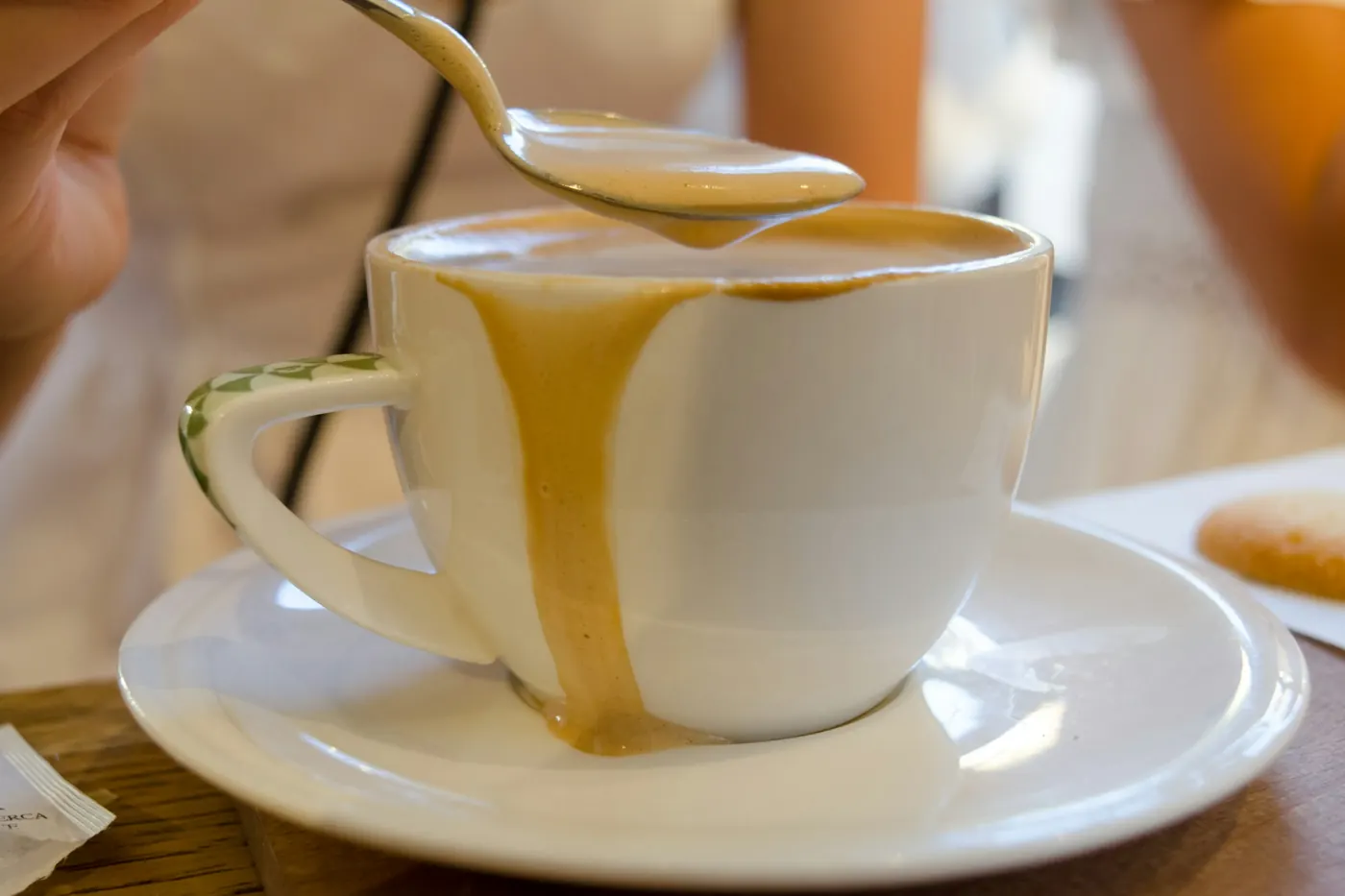
Crepes, flan, churros, ice cream, pancakes and fresh fruit, and it fills obleas, the thin wafer sandwiches sold across Mexico. Stir a spoonful into coffee or warm milk, or see our guide to Mexican desserts for where it fits among the classics.
Our final word on cajeta
Buy Coronado if you want one reliable goat’s milk cajeta that works for everything. Choose La Reyna if you want cajeta from Celaya and the classic styles: the quemada pack for everyday desserts, the envinada pack for adults, and the vainilla tasting pack to try before you commit. Amorcito Corazón is the bulk buy for bakers and party hosts, and La Serenísima is the honest choice when a recipe wants cow’s milk dulce de leche. Whichever you choose, read the label for the milk and for how to store it once it is open.
Cajeta is one jar in a well-stocked Mexican pantry. Our guide to Mexican pantry staples worth buying online covers the rest, from masa harina to chiles and vanilla.
And if you would rather someone else made dessert tonight, see the menu or call to order.