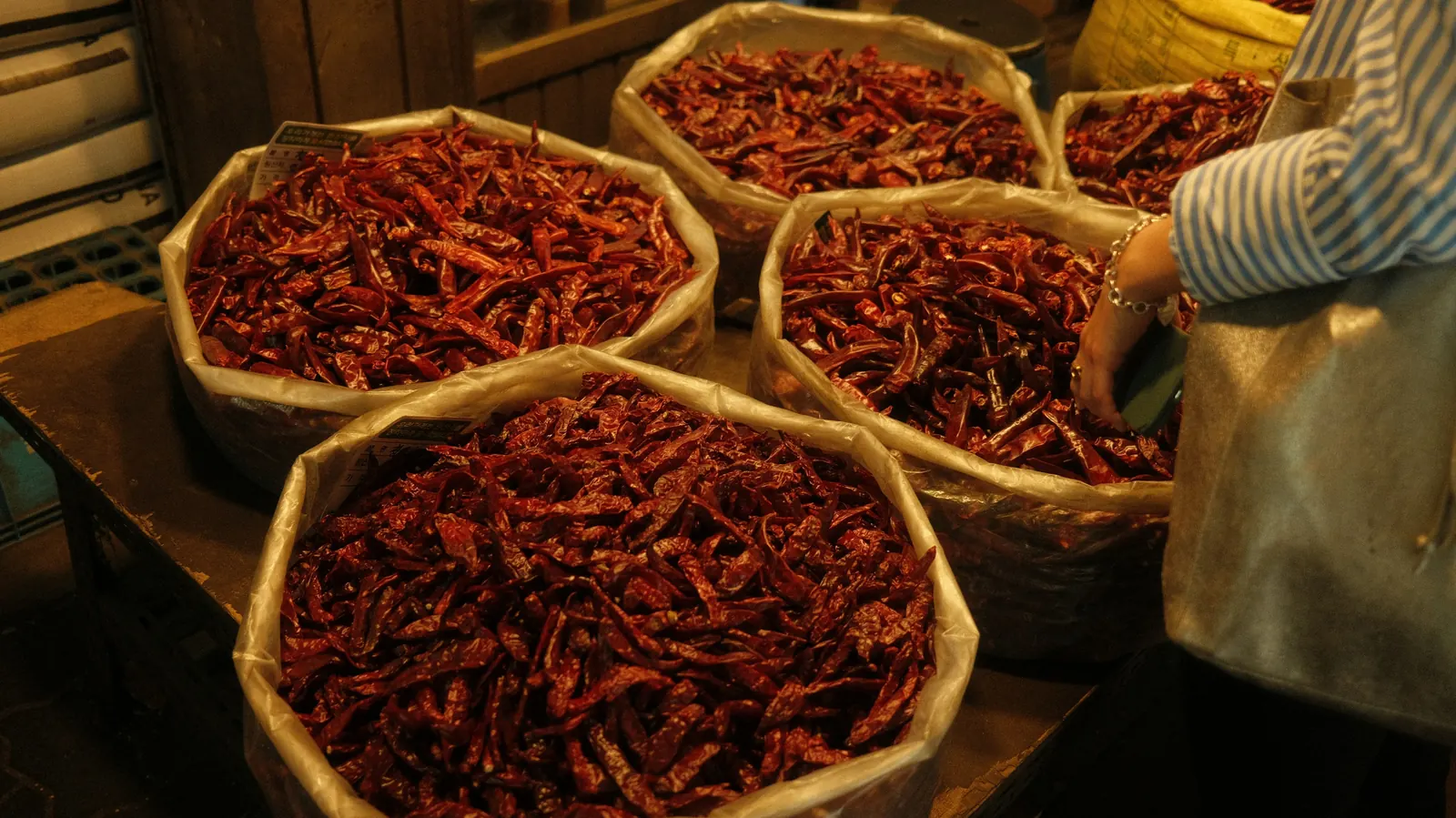
Guajillo and ancho are the two dried chiles most Mexican red sauces are built on, and they sit next to each other in every chile aisle. Both are mild, both are deep red to brown, and both get toasted, soaked and blended. That is where most of the similarity ends. One brings tartness, color and a little more heat; the other brings sweetness, body and a darker, raisin-like depth.
In a restaurant kitchen the question is rarely “which one” but “how much of each”. This guide compares guajillo vs ancho chile on heat, flavor, color, texture in a sauce and the dishes each one leads, says which to buy first if you only want one bag, and names a whole-pod pick for each side.
Julia’s earns a commission on purchases made through links on this page, at no cost to you. Recommendations are based on what a restaurant kitchen looks for, product specifications and verified buyer reports.
Quick verdict: guajillo or ancho first?
If you can only buy one bag, buy guajillo. It is the more useful everyday chile for red enchilada sauce, birria, adobo, pozole rojo and table salsas, and it gives a bright red color and a tart, berry-like flavor with low to medium heat. Buy ancho first if you mostly cook mole, chili con carne or slow braises that want sweetness and body more than brightness. Most red sauces taste best with both: guajillo for color and lift, ancho for depth.
The table sums up the differences; the sections after it explain each one.
Guajillo vs ancho chile, side by side
| Guajillo | Ancho | |
|---|---|---|
| Fresh form | Mirasol chile (Spices Inc) | Poblano (El Molcajete listing) |
| Heat | 2,500 to 5,000 SHU, low-medium (PepperScale, Spices Inc) | 1,000 to 1,500 SHU, mild (PepperScale, El Molcajete listing) |
| Flavor | Tart, fruity, cranberry-like, a touch of pine and light smoke | Sweet, earthy and smoky |
| Look | Long, narrow, dark red, skin slightly wrinkled | Wide, broad-shouldered, very dark red to nearly black, heavily creased |
| Color in a sauce | Bright brick red | Dark red-brown |
| Skin | Tough; strain the sauce | Softer and fleshier; straining still helps |
| Leads in | Red enchilada sauce, birria, adobo, pozole rojo, salsas | Mole, chili powder, chili con carne, braises |
| Common pairing | Ancho for depth, árbol for heat | Guajillo and pasilla in mole (PepperScale) |
Heat: guajillo is the hotter of two mild chiles
Neither chile is a warning on a menu. PepperScale puts ancho at 1,000 to 1,500 Scoville heat units and calls it mild, and the El Molcajete ancho listing gives the same range. Guajillo sits higher: PepperScale lists it at 2,500 to 5,000 and calls that low-medium heat, and Spices Inc gives the same 2,500 to 5,000 range and places guajillo at the low end of medium. On those figures, the mildest guajillo is still hotter than the hottest ancho.
In practice the gap is small next to what you add. A pot of red sauce made with six guajillos is warmer than the same pot made with six anchos, but both are gentle next to a single chile de árbol. Scoville figures are ranges, too, not fixed values. Two pods from the same bag can differ, which is one reason cooks taste the soaking chile before deciding how many to use.
If a family member avoids heat, both are safe to start with. Remove the seeds and pale inner veins before soaking, since that is where most of the heat sits, and keep the hot chiles in a separate bag.
Flavor: tart and bright against sweet and deep
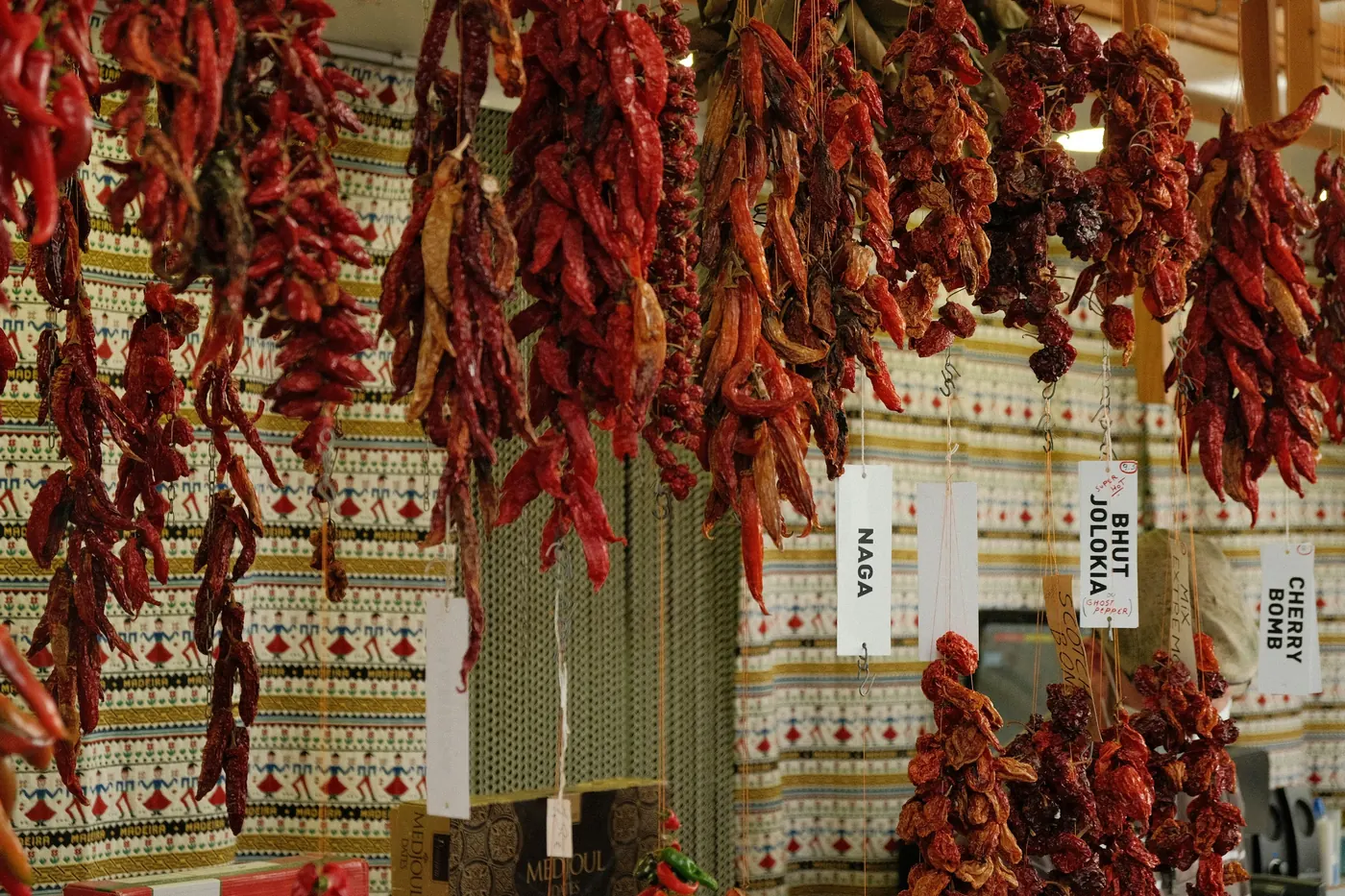
This is the difference that matters most at the stove. PepperScale describes the guajillo as having a complex sweetness that some people liken to cranberries, a touch tangy, with a tea-like crispness to its earthy-sweet flavor. Spices Inc calls it fruity with a sweet heat, with slight bitterness and astringency and notes of pine, tart berries and light smoke. The word that keeps coming up is tart, and that tartness is what keeps a guajillo sauce from tasting flat.
Ancho is the sweeter, rounder chile. The El Molcajete listing describes it as sweet and smoky, a dried poblano. PepperScale says the two chiles share earthy, sweet and smoky notes, but calls the guajillo the more nuanced of the two. In kitchen terms, an all-ancho sauce leans toward dried fruit and cocoa, which is exactly what a mole wants and exactly what can make a thin enchilada sauce taste heavy.
That is why so many recipes call for both. Spices Inc lists ancho as a substitute for guajillo with a similar rich, fruity character, a little less hot. A substitute, not a twin: the swap works, but the sauce will come out darker and sweeter.
Color and body: what each does to a sauce
Color is the quiet reason guajillo is everywhere. Its dark red skin rehydrates and blends to a clear brick red, and that is the red in red pozole, birria broth and most restaurant enchilada sauces. Ancho skins, which PepperScale describes as a much darker red than guajillos, almost black sometimes, give a deep mahogany sauce instead.
Body is the other side. As general kitchen sense rather than a sourced figure: an ancho is wider and fleshier than a guajillo, so it blends into a thicker, more velvety purée. A guajillo has less flesh and a tough skin that never fully breaks down in a blender. Strain any guajillo sauce through a fine sieve; strain an ancho sauce if you want it silky.
Telling them apart in the bag
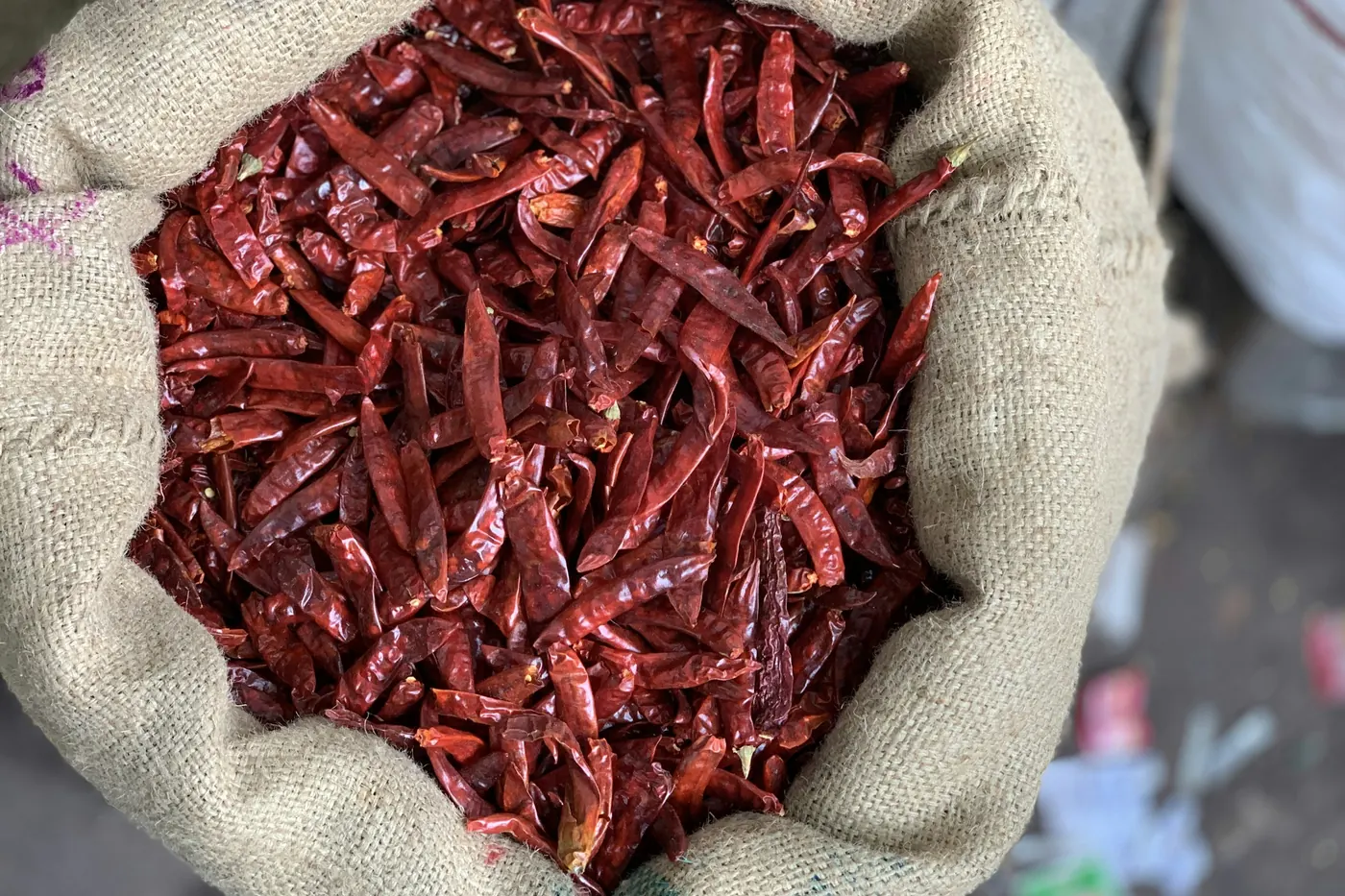
Shape settles it. PepperScale describes the guajillo as longer and narrower, with dark red skin that is usually slightly wrinkled, and the ancho as wider and broader-shouldered, heavily creased. Hold one of each and you will not confuse them again: the ancho looks like a flattened, dark, wrinkled heart, and the guajillo like a long, glossy red pod.
Freshness checks are the same for both, and they are general kitchen sense. A good dried chile is pliable and bends without cracking. One that snaps, smells of dust, or has pale or spotted patches is old, and no amount of soaking will bring back its flavor. Buy whole pods rather than powder when you can; the El Molcajete listing notes its anchos keep their flavor and aroma for months stored in an airtight container.
Which dishes each one leads
Our guide to what guajillo is lists birria, adobo, pozole rojo, red enchilada sauce, al pastor marinade and salsa roja as guajillo dishes, and the pattern there is that guajillo is rarely the only chile. The two makers’ listings point the same way: El Molcajete names mole, enchilada sauces, salsas, tacos al pastor and menudo for its guajillos, and mole, enchilada sauces, soups and stews for its anchos.
Ancho leads where sweetness and depth carry the dish. PepperScale names ancho with guajillo and pasilla as the three core chiles of mole, and notes that ancho is a major ingredient in commercial chili powder, which is why a bowl of Texas-style chili often tastes of it. Our mole guide covers how those chiles are layered.
A working rule many cooks use, offered here as general kitchen sense: for a bright red sauce, start with about two guajillos for every ancho; for a darker, sweeter sauce, flip the ratio. Add a chile de árbol or two if you want real heat, since neither of these will supply it.
Preparing them: same steps, different care
Both follow the same three steps. Toast briefly on a dry comal until fragrant and just softened, a few seconds a side; Spices Inc notes guajillos are traditionally dry toasted before grinding. Soak in hot water until pliable, about 20 to 30 minutes as general kitchen practice. Then blend with the other sauce ingredients and strain.
The care differs in two ways. Anchos are thicker and scorch less readily, but their sugars burn fast once they do, so pull them as soon as they smell sweet. Guajillos are thinner and blister quickly; burnt guajillo turns a sauce bitter. Many cooks discard the soaking water for both, because it can carry bitterness, and use fresh water or stock in the blender instead.
Seeds and stems come out before soaking. Some bulk guajillo bags are sold stemless, labeled descolados, which saves time if you cook in quantity.
Choose guajillo if, choose ancho if
Choose guajillo if you cook red enchilada sauce, birria, adobo, pozole or salsas; you want a bright red color; you like a tart, fruity edge; or you want a little more warmth without real heat.
Choose ancho if you cook mole, chili or long braises; you want a thick, sweet, dark sauce; you are cooking for someone very sensitive to heat; or you blend your own chili powder.
Buy both if you make red sauces more than once a month. Both keep for months as whole pods, and together cover most of the red-sauce cooking in Mexican home kitchens.
Our picks: one bag for each side
Both picks come from El Molcajete, a dried chile and spice brand that sells these listings itself on Amazon. We chose whole pods rather than powder, an 8-ounce bag on each side so the two are easy to compare, and listings that state the chile is whole, dried and free of additives.
1. El Molcajete Dried Guajillo Chiles, 8 oz – Whole Pods for Bright Red Sauces

This is an 8-ounce resealable bag of whole dried guajillo chiles. The listing describes a fruity, smoky flavor with mild to medium heat, and names mole, enchilada sauce, salsa, tacos al pastor and menudo as uses, with rehydrating for birria, pozole and tamales.
On ingredients, the listing says the chiles are grown and harvested in Mexico, 100% natural and free from additives and preservatives, and labels them non-GMO and gluten-free. In plain terms, the bag contains guajillo chiles and nothing else; there is no seasoning or oil to check for allergens.
Eight ounces is a useful home size: enough for several batches of enchilada sauce or a pot of birria, without a pound of pods going stale in the cupboard. Keep the bag sealed and away from light, or move the pods to an airtight jar.
Why we like it
- Whole pods, not powder (listing)
- Single ingredient; no additives or preservatives stated
- Grown in Mexico, per the listing
- Resealable 8-ounce bag
Key specifications
| Chile | Guajillo |
|---|---|
| Form | Whole dried pods |
| Size | 8 oz |
| Heat (stated) | Mild to medium |
| Origin (stated) | Mexico |
| Ingredients | Guajillo chiles; no additives or preservatives stated |
| Packaging | Resealable bag |
| Sold by | El Molcajete Spice |
Why we recommend it
It suits a home cook who wants one chile for red enchilada sauce, birria and pozole and prefers whole pods they can toast themselves.
Skip it if you cook in quantity; our guide to where to buy dried chiles online covers stemless one-pound bags.
Pros and cons
Pros
- Whole pods keep flavor longer than powder
- Single ingredient
- Sold by the brand itself
Cons
- Stems and seeds still to remove
- No Scoville figure on the listing
- The listing is the main source on sourcing
2. El Molcajete Dried Ancho Chiles, 8 oz – Sweet, Mild Pods for Mole

The ancho side is the same maker and bag size, which makes the two easy to cook side by side. The listing calls these sweet, smoky dried poblanos, gives a Scoville rating of 1,000 to 1,500, and names mole, enchilada sauce, soups, stews, salsas, marinades and spice blends as uses.
The listing describes the pods as all natural and whole, and says they keep their flavor and aroma for months stored in an airtight container. It does not print a separate ingredient list, but it names nothing in the bag other than dried ancho chiles, with no added seasoning, oil or salt.
Anchos are fleshier than guajillos, so an 8-ounce bag holds fewer pods; plan on more by weight for a big pot of mole. They blend into a thick, dark purée that is the base for chili and slow braises as well.
Why we like it
- Scoville range stated: 1,000 to 1,500
- Whole dried poblanos (listing)
- All natural, single ingredient as listed
- Same maker and size as our guajillo pick
Key specifications
| Chile | Ancho (dried poblano) |
|---|---|
| Form | Whole dried pods |
| Size | 8 oz |
| Heat (stated) | 1,000 to 1,500 SHU |
| Origin (stated) | Not stated |
| Ingredients | Ancho chiles; all natural as listed |
| Packaging | Resealable bag |
| Sold by | El Molcajete Spice |
Why we recommend it
It suits a cook who makes mole, chili or dark red braises and wants whole anchos to toast and blend at home.
Skip it if you only want one dried chile for enchiladas and pozole; the guajillo above is the more versatile first bag.
Pros and cons
Pros
- Heat range stated on the listing
- Whole pods for toasting
- Sold by the brand itself
Cons
- Country of origin not stated
- No separate printed ingredient list on the listing
- Bulky pods mean fewer per bag
Guajillo and ancho questions, answered
Can I substitute ancho for guajillo?
Yes. Spices Inc lists ancho as a substitute for guajillo, a little less hot and with a similar rich, fruity character. Expect a darker, sweeter sauce with less tartness. Add a squeeze of lime or a splash of vinegar if it tastes flat.
Which is hotter, guajillo or ancho?
Guajillo. PepperScale puts it at 2,500 to 5,000 Scoville units against 1,000 to 1,500 for ancho. Both are mild next to chile de árbol or a fresh serrano.
Which dried chile is best for enchilada sauce?
Guajillo for a bright red sauce, often with one ancho for body. An all-ancho sauce is darker and sweeter. Our enchilada sauces guide covers the red and green families.
Is ancho the same as poblano?
An ancho is a dried poblano, as the El Molcajete listing says. Fresh poblanos are green and roasted for rajas and chiles rellenos; see our poblano guide.
Do I need to strain a guajillo sauce?
Yes, in practice. Guajillo skins are tough and leave a gritty texture unless the sauce is pushed through a fine sieve. Ancho sauces are smoother but still benefit from it.
Which bag goes in your cupboard first
For most home cooks, guajillo comes first: it makes the bright red sauces that turn up most often, and it carries a little more warmth. Ancho is the second bag, and the one to buy first if mole and chili are your main reasons for cooking with dried chiles. Keep both, and you can tune nearly any red sauce by the ratio.
For more on the guajillo itself, see what is guajillo; for the whole family of chiles, our Mexican chiles explained guide; and for the rest of the shelf, Mexican pantry staples. And when you would rather someone else made the sauce, see the menu or call to order.