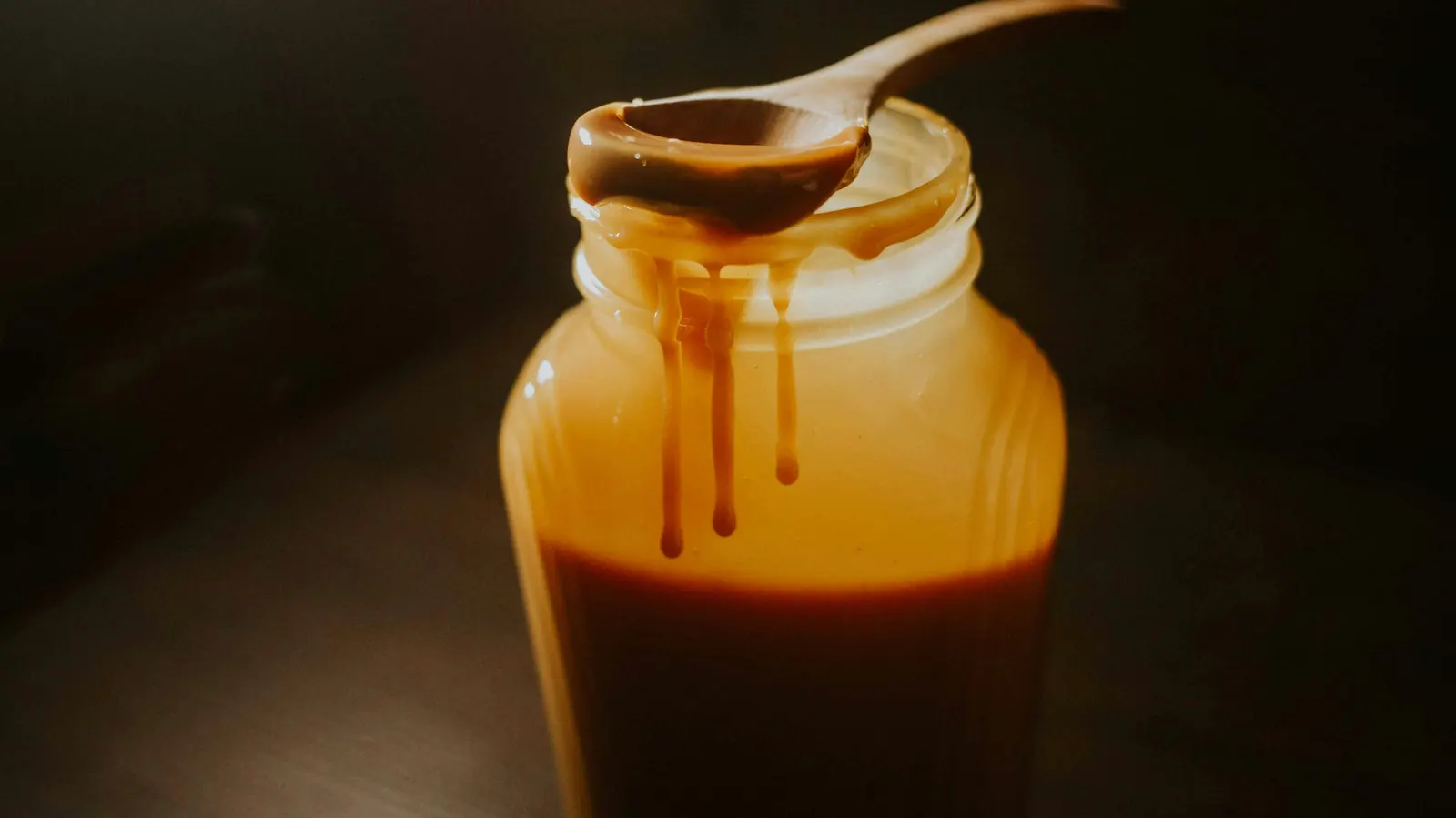
They look identical in the jar. One is made from goat’s milk and the other is not, and that single difference changes everything downstream.
If a Mexican dessert menu says cajeta and you were expecting caramel, this is what you are getting.
The short answer
Cajeta is Mexican, made from goat’s milk, and tastes tangy and faintly savory under the sweetness. Dulce de leche is South American, made from cow’s milk, and tastes rounder and simpler. Both are milk and sugar cooked slowly until the sugars caramelize. Neither is caramel in the European sense, because caramel starts with sugar alone.
The milk is the whole argument
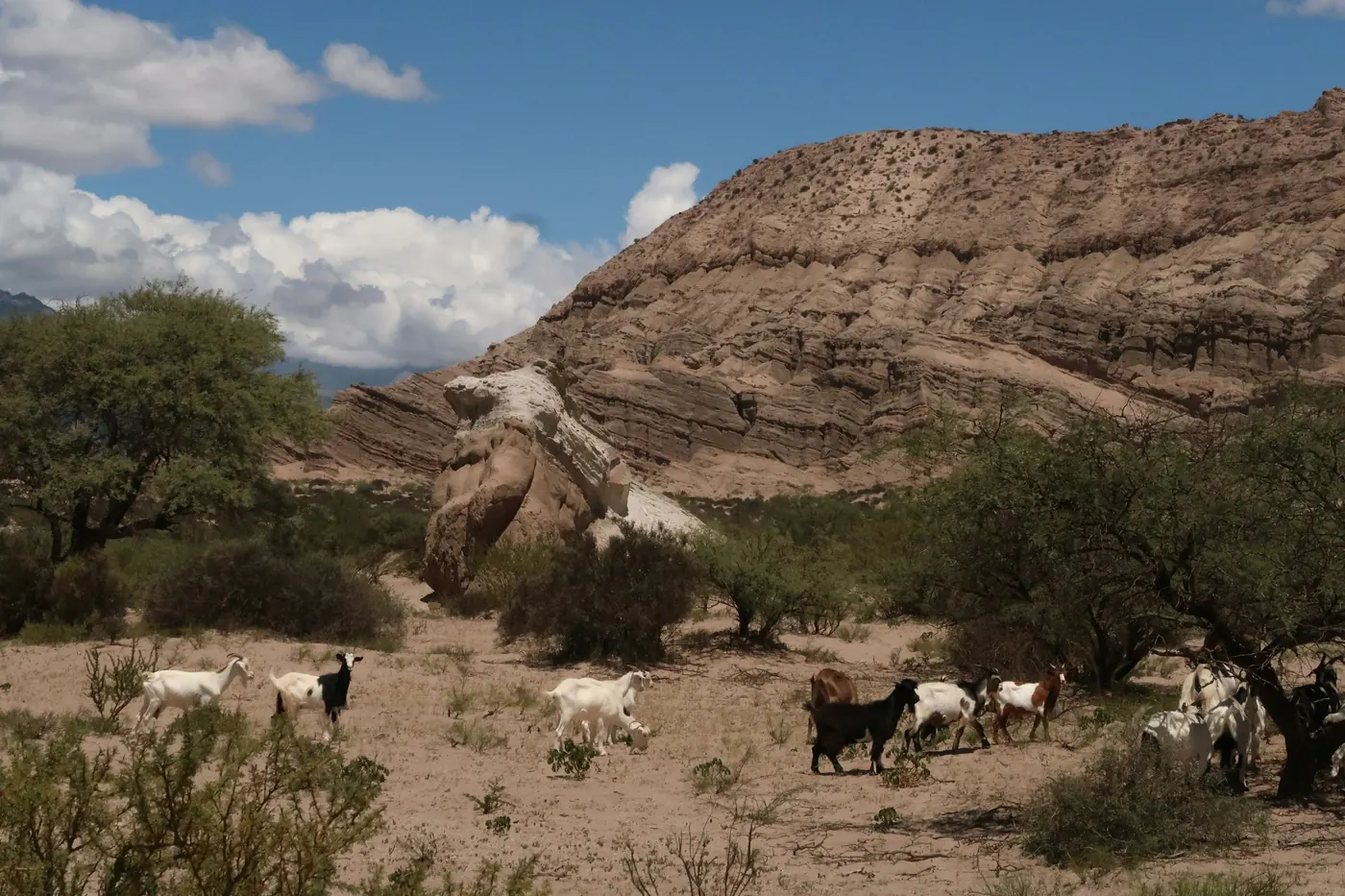
Honest Cooking, comparing cajeta and dulce de leche, puts it plainly: goat milk gives cajeta its characteristic richness and tang, and substituting cow’s milk means adding cream to get anywhere near the same body.
Goat’s milk carries fatty acids that cow’s milk has in much smaller amounts. They are what make goat cheese taste like goat cheese, and they survive several hours of simmering.
The result is a sauce that is sweet but not only sweet. There is a savory, slightly barnyard edge underneath that keeps it from cloying — which is exactly why it works poured over something as rich as flan.
Neither one is caramel
| Made from | Method | Tastes | |
|---|---|---|---|
| Cajeta | Goat’s milk, sugar | Simmered for hours | Tangy, deep, faintly savory |
| Dulce de leche | Cow’s milk, sugar | Simmered for hours | Round, sweet, milky |
| Caramel | Sugar, sometimes cream | Sugar melted and browned | Toasted, bittersweet |
| Butterscotch | Brown sugar, butter | Melted together | Buttery, molasses |
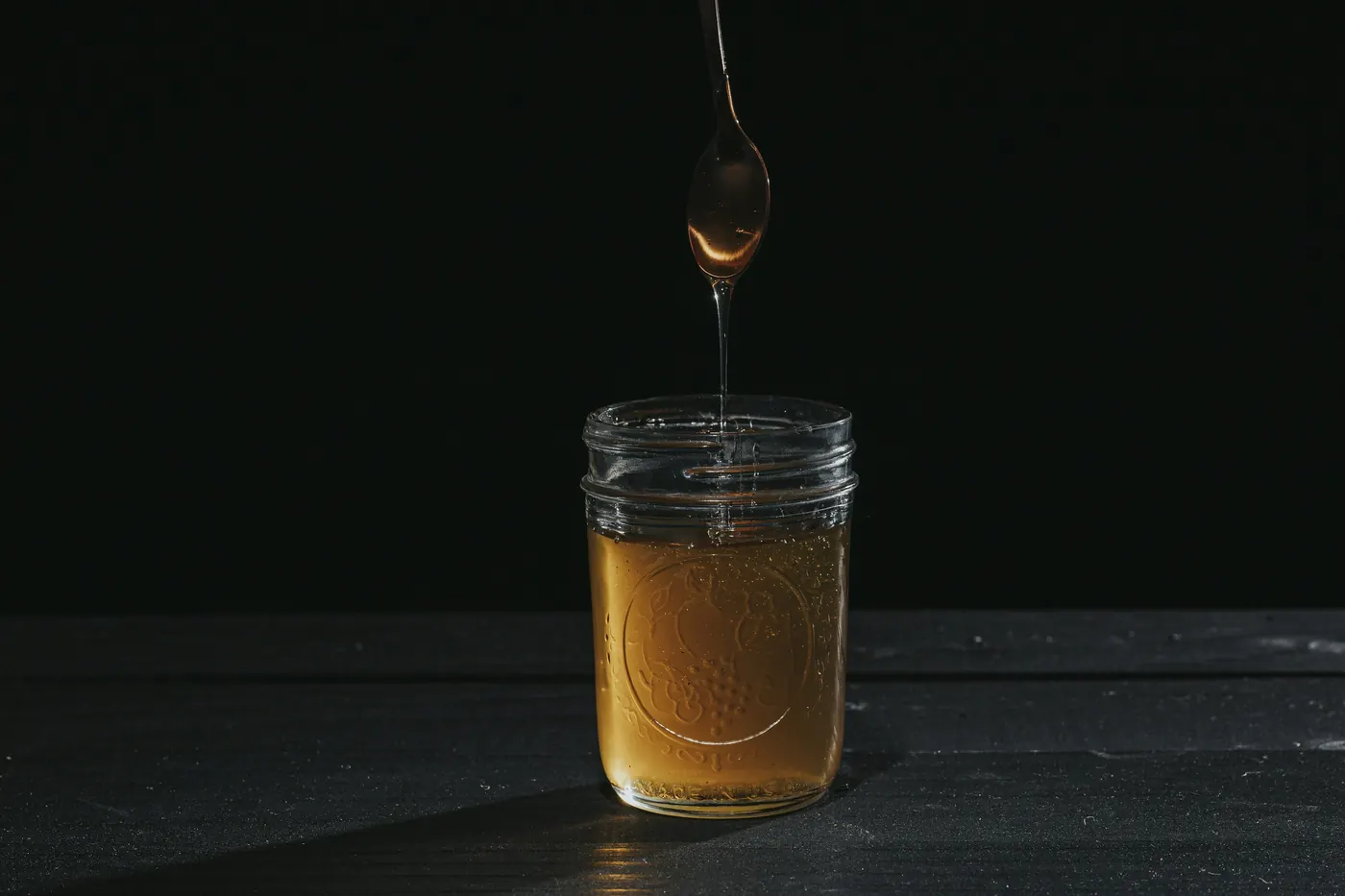
The Method column is the one that matters. Caramel is sugar taken to high heat until it browns and turns bitter. Cajeta and dulce de leche never do that — they brown through the Maillard reaction between milk protein and sugar over a long, gentle cook.
That is why they taste of milk and caramel does not.
Where the name comes from
Cajeta has nothing to do with flavor. It comes from caja — box — after the small wooden boxes the sauce was traditionally packed and sold in.
The city most associated with it is Celaya, in Guanajuato, where cajeta has been made commercially for a very long time and is still a regional identity as much as a product.
One warning for travelers: in parts of South America, cajeta is vulgar slang. The word is safe in Mexico and worth avoiding in Argentina.
The variations
Cajeta comes in three standard styles, and Mexican shops will label them.
Quemada means burnt, though it is not. It is the plain version, cooked until deep amber, and it is what most people mean by cajeta.
Envinada has a small amount of alcohol added at the end — usually a spirit — which sharpens the finish.
Vainilla is scented with vanilla, which softens the goat tang and makes it the most approachable of the three.
Dulce de leche has fewer named variants but a wider range of textures, from pourable to thick enough to pipe.
What each is used for
The textures push them toward different jobs.
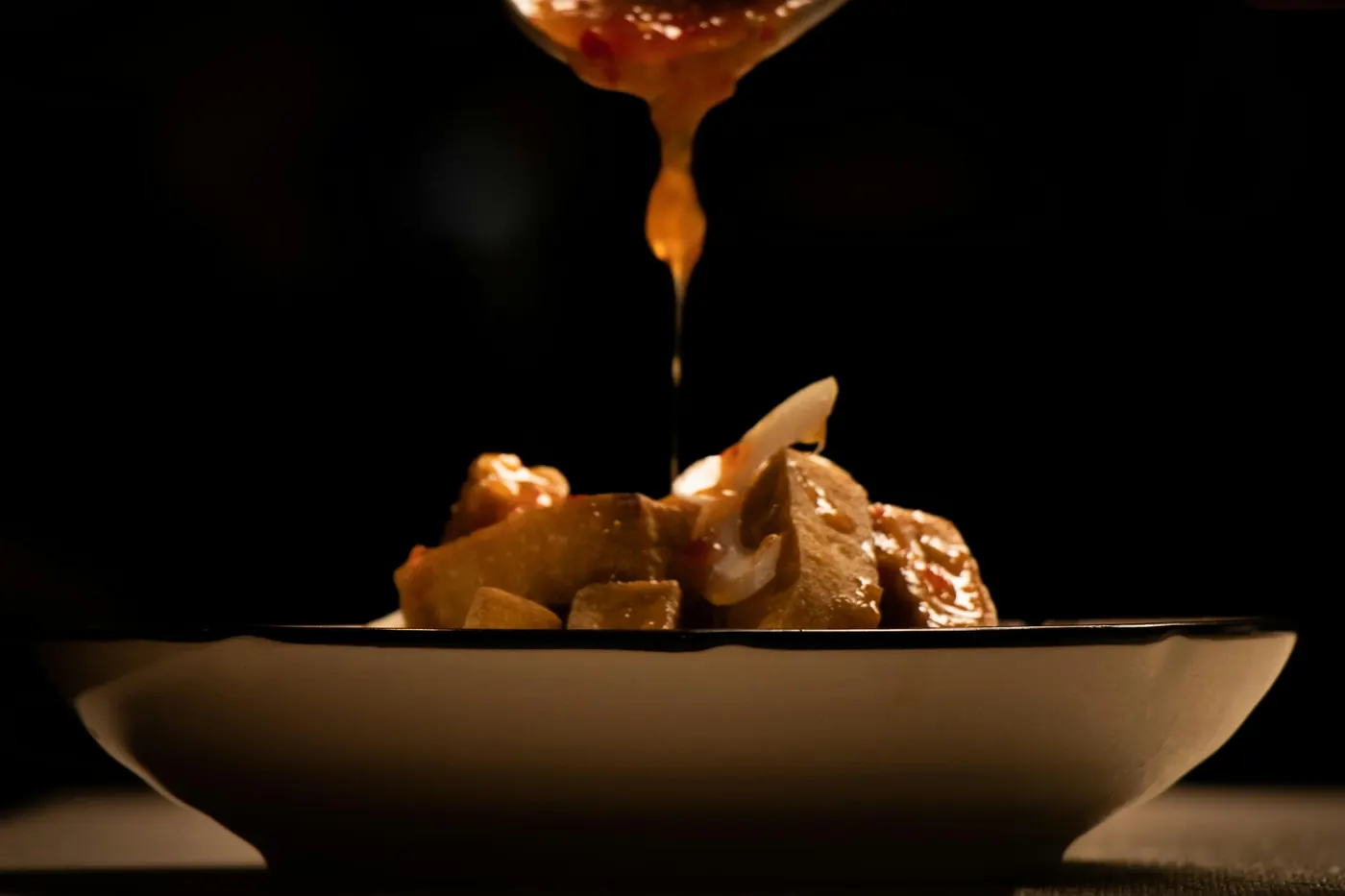
Cajeta is usually thinner and gets poured — over flan, over ice cream, over crepes. In Mexico it also fills obleas, the thin wafer sandwiches sold from street carts, and it goes into cajeta-filled churros.
Dulce de leche is generally thicker and gets spread or piped — between alfajor cookies, into cakes, onto toast.
Neither is interchangeable with caramel sauce in a recipe. Both are already dairy-heavy, so adding them to something creamy compounds rather than balances, which our desserts guide gets into.
Reading it on a menu
Three practical notes.
Cajeta is not always goat. Industrial versions are often made with cow’s milk or a blend, and the label may still say cajeta. If the tang is missing, that is why.
It is sweeter than it looks. A dark sauce reads as bitter to most people, and this one is not. Portion accordingly.
It contains dairy, obviously, but also often nothing else. Traditional cajeta is milk, sugar and a little baking soda. No eggs, no wheat — which our gluten-free guide covers alongside the rest of the dessert menu.
On Julia’s menu
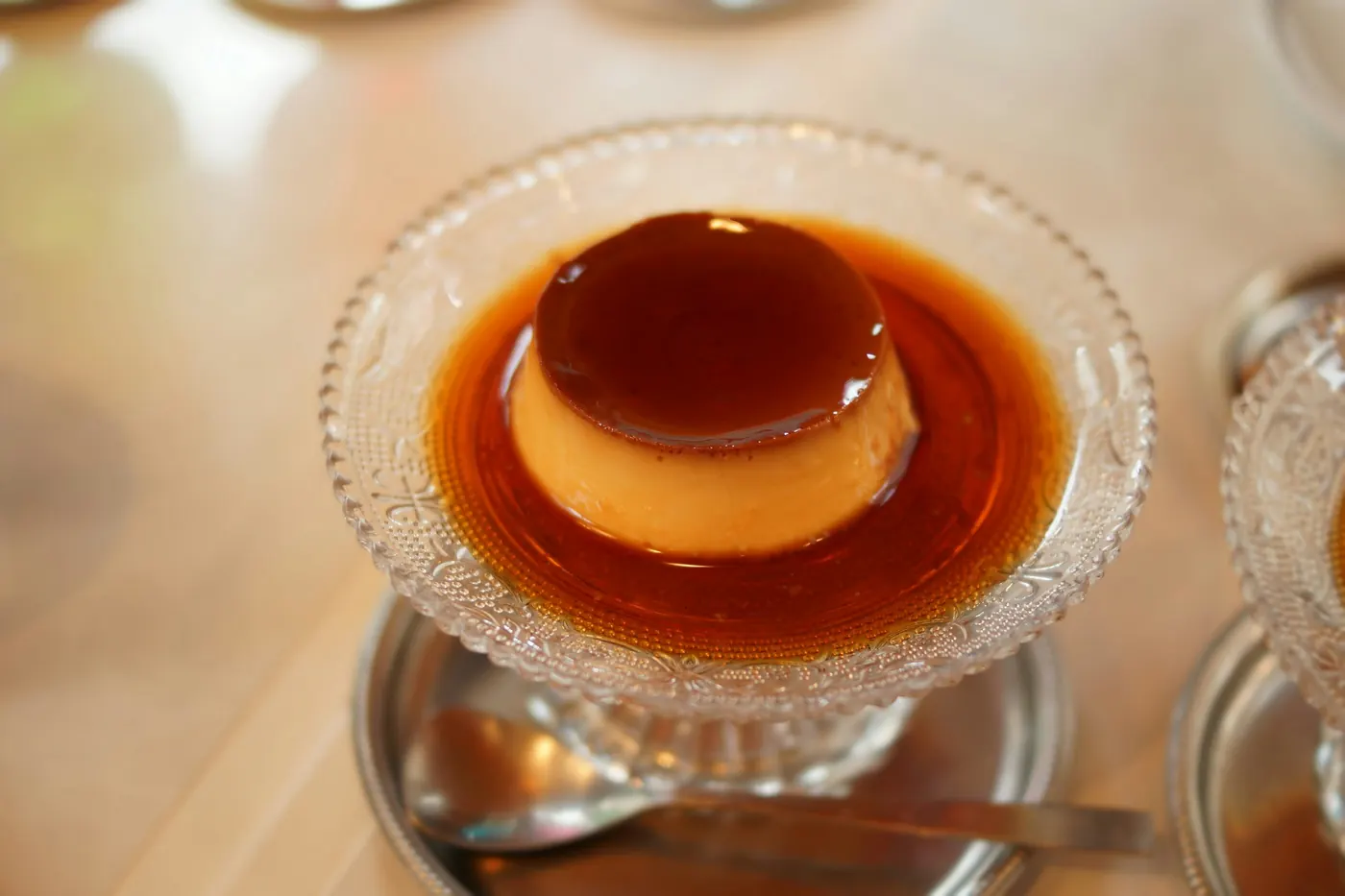
Cajeta appears in one place on Julia’s menu, and it is the right one: the flan is described as a Mexican vanilla custard served with cajeta sauce.
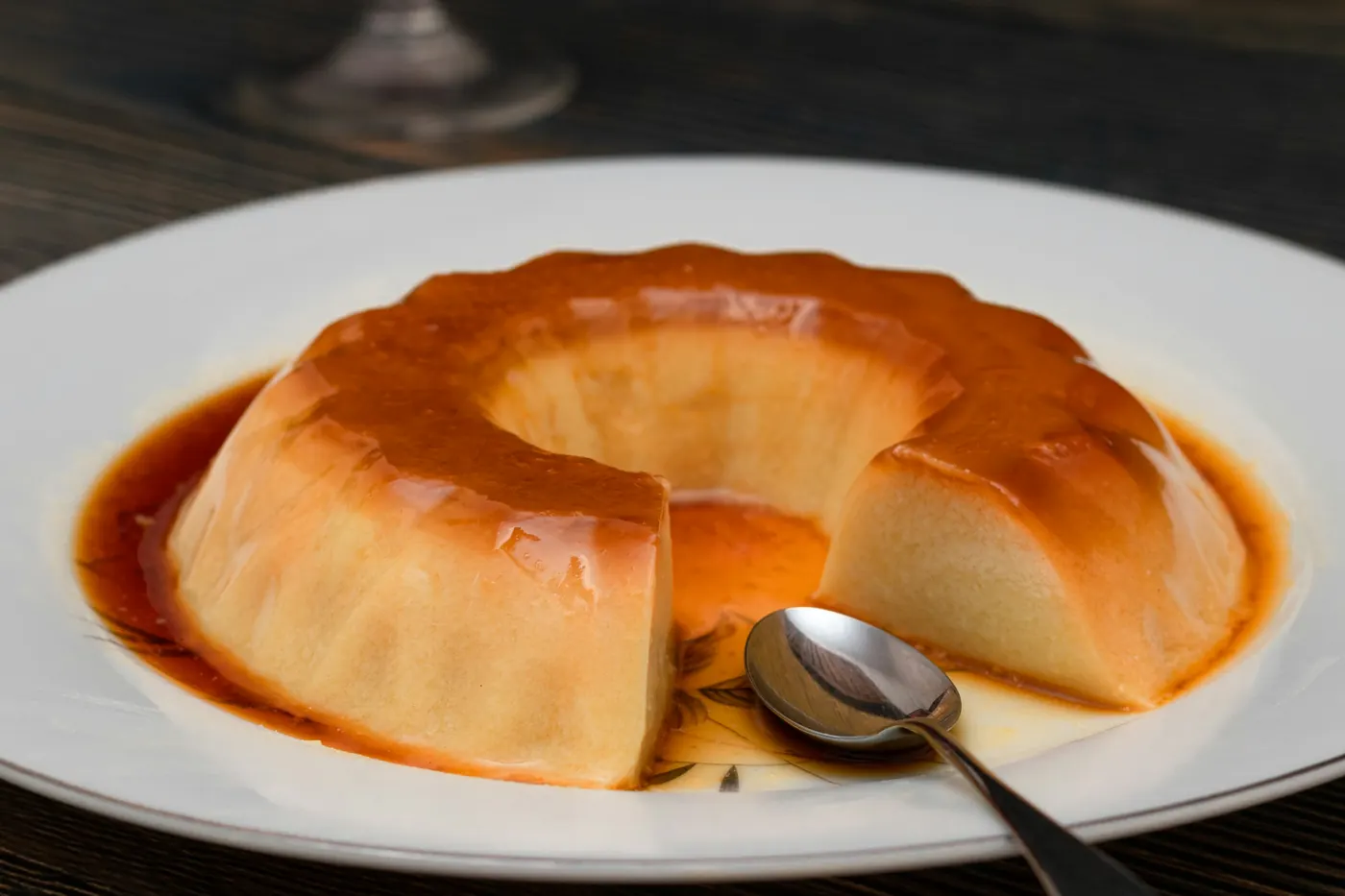
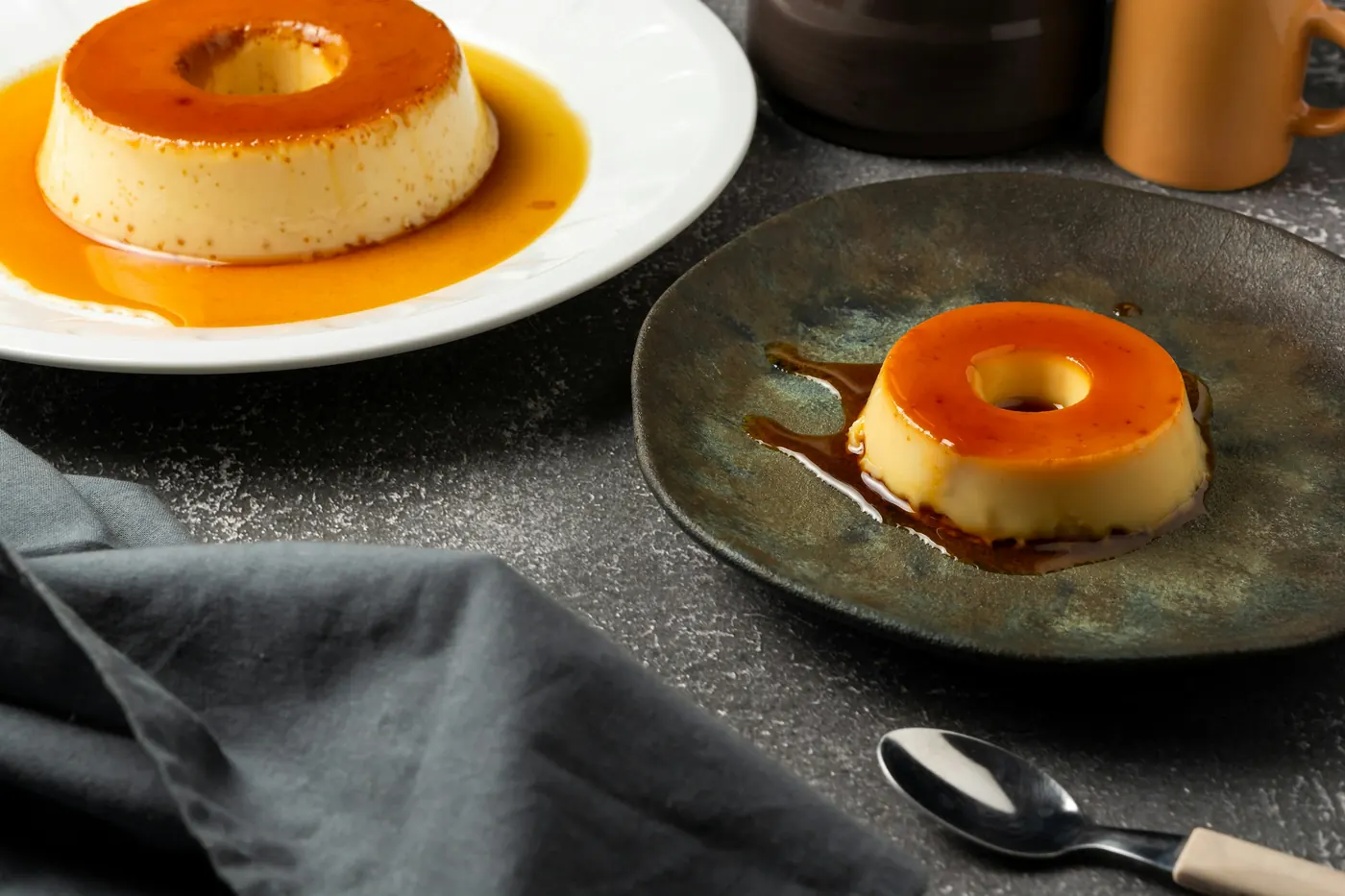
That combination is doing something specific. Flan brings its own caramel — sugar cooked in the mold, which sets into a thin bitter syrup as it chills. Adding cajeta puts a second, milkier, tangier sweetness alongside it rather than more of the same.
It is also a Mexican choice rather than a Spanish one. Flan itself came from Spain, as our comparison of the two cuisines describes, and cajeta is what Mexico added to it.
The other dessert is tres leches, which is covered against flan in our comparison of the two. Between them they are the entire dessert list, which is normal for a kitchen this size.
How it is made
Four ingredients and a great deal of patience, which is why almost nobody makes it at home twice.
Milk, sugar, a little baking soda and usually a cinnamon stick go into a wide, heavy pot. The soda is not optional — it raises the pH, which speeds the browning reaction and keeps the milk from curdling as the sugar concentrates.
Then it simmers, uncovered, for one to two hours, stirred more or less constantly toward the end. It goes from white to cream to tan to deep amber, and the color is the timer. Stop early and it is thin and pale; go too far and it turns grainy and bitter.
The stirring matters because milk sugars scorch on contact with the pot bottom, and a scorched batch cannot be rescued — the same failure that ruins a mole base if the chiles catch.
Frequently asked questions
What is cajeta?
A Mexican sauce of goat’s milk and sugar simmered for hours until thick and deep amber. Sweet with a tangy, faintly savory edge.
Is cajeta the same as dulce de leche?
No. Same method, different milk. Cajeta uses goat’s milk and tastes tangier; dulce de leche uses cow’s milk and tastes rounder.
Is cajeta caramel?
Not technically. Caramel is browned sugar. Cajeta browns through a reaction between milk protein and sugar, which is why it tastes of milk.
Why is it called cajeta?
From caja, meaning box — the small wooden boxes it was traditionally sold in. It is not a flavor description.
Does cajeta taste like goat cheese?
Faintly, underneath the sweetness. The same fatty acids are responsible, but the long cook and the sugar keep it subtle.
The short version
Goat’s milk and sugar cooked down for hours. Tangier than dulce de leche, milkier than caramel, and named after the box it used to come in.
Julia’s serves it over the flan on the menu.