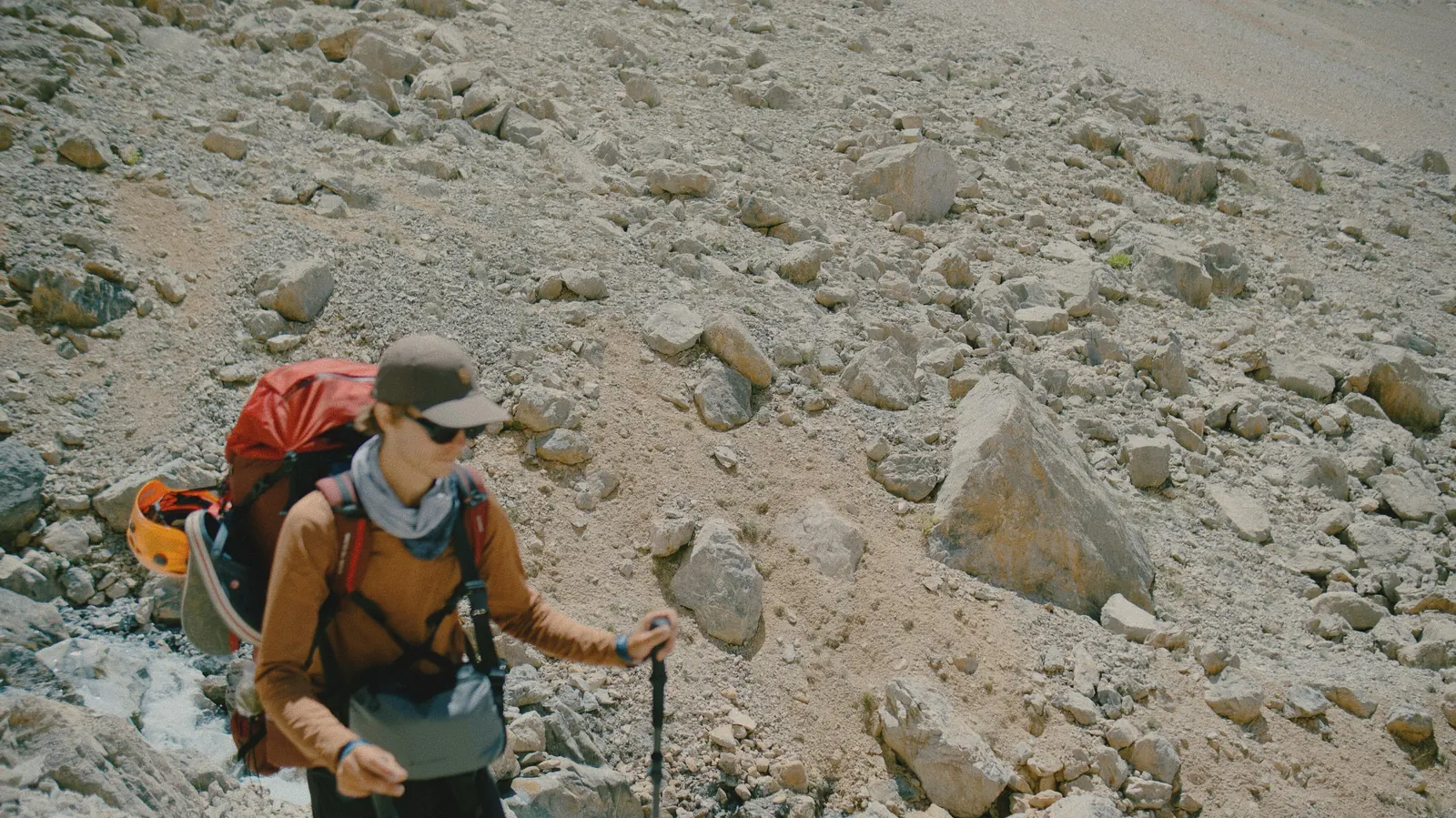
At camp, water is a chore you do every day. Someone has to get it for coffee, for the pot of beans and for every bottle in the group, and the filter you picked at home decides whether that takes a few minutes or half an hour. It also decides what is still left in the water.
This guide sorts filters by the things that change at a campsite: how many people you are filtering for, how you got there and what your water source looks like. For each one, it says what the maker claims, and it says plainly whether viruses are covered. For most camp filters, they are not.
Julia’s earns a commission on purchases made through links on this page, at no cost to you. Recommendations are based on what a restaurant kitchen looks for, product specifications and maker claims, along with published reviews, which we name.
Quick verdict: which best camping water filter to buy
For most campers, buy the Platypus QuickDraw 1L System: Platypus states 3 liters a minute squeezed and names the NSF and EPA P231 protocol for bacteria and protozoa. For a group cooking at camp, the Katadyn Vario Hand Pump saves the squeezing. It does not claim to remove viruses. Of the seven here, only the GRAYL GeoPress Ti does.
Below are five of the seven side by side, then a closer look at each one and how to choose.
Five camp filters at a glance
Five standout filters, one for each kind of camp, with what each maker or listing states about flow and viruses.
| Filter | Best for | Stated flow | Viruses | Buy on Amazon |
|---|---|---|---|---|

Platypus QuickDraw 1L SystemBest overall
|
One or two people | 3 L/min squeezed | Not covered | View on Amazon |
MSR TrailShot MicrofilterBest for shallow sources
|
Water too shallow to scoop | 1 L per minute | Not covered | View on Amazon |

Katadyn BeFree 0.6LBest for going light
|
Day trips and fast overnights | 2 L/min | Not covered | View on Amazon |

Katadyn Vario Hand PumpBest pump
|
Silty water, group cooking | Up to 2 L/min | Not covered | View on Amazon |

GRAYL GeoPress Ti Purifier Bottle, 24 ozBest for virus risk
|
Doubtful water, travel | 24 oz in 8 seconds | Covered, per GRAYL | View on Amazon |
Our picks for the best camping water filter
None of these replaces common sense at the source. Take water from upstream of camps and animals where you can.
1. Platypus QuickDraw 1L System – Fast Squeeze With a Named Protocol
If you camp with a small group and fill up from streams and lakes, the QuickDraw is where we would start. The kit is a hollow-fiber filter, a wide-mouth 1-liter reservoir and caps that thread on to a 28 mm bottle, and the whole thing weighs 3.3 ounces, per the listing. It is made in the USA.
Platypus states 3 liters a minute when squeezed and 1.75 liters a minute in a gravity setup. Outdoor Life’s head-to-head of the QuickDraw, Katadyn BeFree and Sawyer Squeeze also gave it the fastest flow of the three. Platypus is also the most specific here about standards: it says each filter is individually tested and meets the NSF and EPA P231 protocol, for removal of 99.9999% of bacteria and 99.9% of protozoa.
It does not claim to stop viruses, so at a site with heavy human traffic you still need a purifying step. Cleaning is shake or backflush with no tools, though Outdoor Life warned that if you rely on a bladder or Nalgene, you will not be able to clean it in the field. Carry a threaded soft bottle as well.
Why we like it
- 3 L/min squeezed, per Platypus
- Names the NSF and EPA P231 protocol
- 3.3 ounces, made in the USA, per the listing
- Fastest of three in Outdoor Life’s comparison
Key specifications
| Model | 25054 |
|---|---|
| Type | Squeeze with 1L reservoir |
| Stated flow | 3 L/min squeezed, 1.75 gravity |
| Rated life | Not stated on the listing |
| Filter | Hollow fiber |
| Maker’s organism claim | 99.9999% bacteria, 99.9% protozoa |
| Viruses | No claim |
| Standard named | NSF and EPA P231 protocol |
Why we recommend it
For most campers, this has the flow, the named standard and the versatile threads to handle a weekend or a long trail without fuss. CleverHiker also singles out its sturdy reservoir.
Skip it if your water sources carry a real virus risk. You will need a purifier or a chemical step.
Pros and cons
Pros
- Fast stated flow
- Named protocol
- Threads on to common bottles
Cons
- No virus claim
- Field cleaning needs a threaded bottle
- Squeezing a group’s water takes effort
2. Sawyer Squeeze with Cnoc 2-Liter Bladder – A Very Long Rated Life

Sawyer rates this filter for up to 100,000 gallons, by far the largest figure on this page, and it warrants the filter against manufacturing defects for the life of the filter. Whether anyone reaches that number depends on keeping it clean, so a cleaning plunger and coupling come in the kit.
The Squeeze uses a 0.1-micron absolute hollow-fiber membrane, per Sawyer, which says it removes 99.99999% of bacteria and 99.9999% of protozoa. Sawyer says that exceeds EPA recommendations for removal rates and that it tests every unit three times to its own performance standards, without naming an NSF or ANSI standard. It makes no virus claim, and CleverHiker confirms the same for the Sawyer Squeeze family.
This listing pairs the full-size Squeeze filter with a 2-liter (64-ounce) Cnoc bladder in TPU with a wide mouth for filling, and the whole system weighs under 6 ounces, per the listing. The big bladder means fewer trips to the stream for one or two people. Read Sawyer’s care instructions before your first trip, and clean it after each one.
Why we like it
- Rated for up to 100,000 gallons, per the listing
- 0.1-micron absolute membrane, per Sawyer
- Lifetime warranty against defects, per the listing
- Under 6 ounces as a system, with a 2-liter bladder
Key specifications
| Model | SP303 |
|---|---|
| Type | Squeeze with 2 L bladder |
| Stated flow | Not stated |
| Rated life | Up to 100,000 gallons |
| Filter | 0.1-micron hollow fiber |
| Maker’s organism claim | 99.99999% bacteria, 99.9999% protozoa |
| Viruses | No claim |
| Standard named | EPA recommendations cited; no certification named |
Why we recommend it
If you camp often and would rather not think about replacement cartridges, this has the longest rated life and warranty term of anything here.
Skip it if you want the highest flow from a squeeze. Outdoor Life found the Sawyer Squeeze slower than the QuickDraw and BeFree.
Pros and cons
Pros
- Very long rated life
- Tiny and light
- Cleaning tools included
Cons
- No virus claim
- Flow not stated
- No named certification
3. Katadyn BeFree 0.6L – The Lightest Option Here
The BeFree is a soft flask with a filter in the cap. At 59 grams, it is the lightest thing on this page, and it rolls up to nothing when empty. You fill it from the stream and drink straight through it, or squeeze it into a pot.
Katadyn’s page gives a 0.1-micron hollow-fiber membrane, up to 2 liters a minute and up to 1,000 liters, depending on water quality, and says it removes bacteria, cysts and sediment. Its Amazon listing is narrower still, describing sediment and fine particles. Neither one claims viruses. We would call this a filter for clear backcountry water, not for doubtful sources.
Cleaning is simple: shake or swish it in water. Outdoor Life notes that you must not backflush it, since that will damage the filter, and its reviewer said they would rather carry another ounce than put up with its annoyances. CleverHiker likes its easy flow out of the box. It was sold by a third party, M Emporium, when we checked.
Why we like it
- 59 grams, per Katadyn
- 2 L/min and 1,000 L, per Katadyn
- Cleans by shaking, no tools
- Easy out-of-box flow, per CleverHiker
Key specifications
| Model | 8019639 |
|---|---|
| Type | Soft flask with filter cap |
| Stated flow | Up to 2 L/min |
| Rated life | Up to 1,000 L |
| Filter | 0.1-micron hollow fiber |
| Maker’s organism claim | Bacteria, cysts, sediment (no percentage) |
| Viruses | No claim |
| Standard named | None named |
Why we recommend it
If you count grams or just want a filter that fits in a pocket on a day hike from camp, this is the easiest to carry and to use.
Skip it if you want a stated removal percentage or a named standard. Platypus gives both.
Pros and cons
Pros
- Lightest here
- Fast and simple
- Easy to clean
Cons
- No percentage stated
- Short rated life compared with Sawyer
- Soft flask, third-party seller
4. MSR TrailShot Microfilter – For Water Too Shallow to Scoop
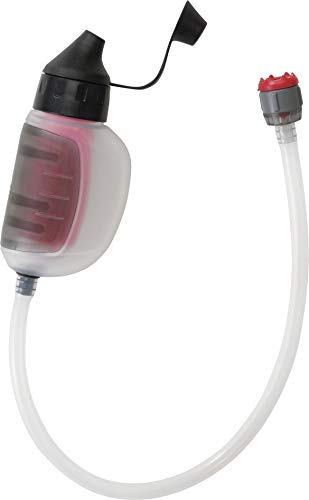
Sometimes the only water near camp is too shallow for a bottle or bag. The TrailShot deals with that with a hose: you drop the intake into the trickle and squeeze the bulb in your hand, then drink directly or fill a bottle. CleverHiker picks it for exactly this, for sources that barely qualify as streams.
MSR’s listing says it filters a liter in 60 seconds with one hand, up to 2,000 liters. It weighs 5 ounces and measures 6 by 2.4 inches, small enough for a stash pocket. It states effectiveness against bacteria at 99.9999% and protozoa at 99.9%, including giardia, cryptosporidium and salmonella, without iodine, chlorine or other chemicals. It makes no virus claim, and the listing does not name a test standard.
A hand-squeeze system is slow for a group, so this is a personal filter. It also makes a good backup for a camp that has a gravity bag as its main source.
Why we like it
- Drinks straight from shallow water, per the listing
- 1 liter in 60 seconds, per the listing
- 5 ounces, per the listing
- Stated bacteria and protozoa figures
Key specifications
| Model | 09385 |
|---|---|
| Type | Hand-squeeze with hose |
| Stated flow | 1 L per 60 seconds |
| Rated life | Up to 2,000 L |
| Filter | Hollow fiber |
| Maker’s organism claim | 99.9999% bacteria, 99.9% protozoa |
| Viruses | No claim |
| Standard named | None named on the listing |
Why we recommend it
If you camp in dry country, or anywhere the water tends to pool in small seeps, this reaches what others cannot, and it is a compact second filter to pack.
Skip it if you need to fill several bottles at a time. It is built for one person.
Pros and cons
Pros
- Reaches very shallow water
- One-handed use
- Compact
Cons
- No virus claim
- Slow for a group
- Shorter rated life than Sawyer
5. LifeStraw Peak Squeeze Bottle, 650ml – Bottle, Straw or Squeeze

The Peak is the same series as the 1-liter bottle on our emergency water filter guide. We include the 650ml size here because it is the one to carry on a walk from camp, and a smaller bag is easier to keep in a side pocket. It uses the same filter design. The listing we link is the Dark Mountain Gray color.
LifeStraw’s listing says it protects against 99.999999% of bacteria, including E. coli and salmonella, and 99.999% of parasites, including giardia and cryptosporidium, along with microplastics, silt, sand and cloudiness. It makes no virus claim, and CleverHiker says to add a purification step where viruses are a concern.
What sets it apart is how many ways you can use it. It works as a squeeze bottle, as a straw, to push water into a pot or drinkware, or joined with other Peak Series parts. A custom backwash accessory is designed to keep the flow up over time. The listing does not state a flow rate or rated life, so do not assume they match anything else here.
Why we like it
- Very high stated bacteria removal
- Bottle, straw and squeeze uses, per the listing
- Includes a backwash accessory, per the listing
- Thicker, leak-proof materials, per the listing
Key specifications
| Model | LSPSFXMLAN1 (Dark Mountain Gray) |
|---|---|
| Type | Squeeze bottle with filter |
| Stated flow | Not stated |
| Rated life | Not stated on the listing |
| Filter | Microfilter membrane |
| Maker’s organism claim | 99.999999% bacteria, 99.999% parasites |
| Viruses | No claim |
| Standard named | None named on the listing |
Why we recommend it
If you do not yet know how you will use a filter, or you want it to handle a pot, a bottle and a straw alike, this is the most adaptable one here.
Skip it if you need a stated flow rate or service life to plan around.
Pros and cons
Pros
- Several ways to use it
- High stated removal figures
- Compact bag
Cons
- Flow and life not stated on the listing
- No virus claim
- Small for sharing
6. Katadyn Vario Hand Pump – Two Modes for Clear or Silty Water
Pumps have fallen out of fashion for going light, but they are still handy at a base camp. You can sit on a rock, drop a hose into a muddy pool and fill a pot without lifting it. The Vario has a dial with two modes: Longer Life runs water through a ceramic pre-filter for silty sources, at about 1 liter a minute, and Faster Flow bypasses it for up to 2 liters a minute in clear water.
The listing describes three stages: a cleanable ceramic pre-filter, activated carbon granules and a 0.2-micron glass fiber element. Katadyn lists its effectiveness as bacteria, protozoa, cysts and sediment, with no mention of viruses and no named standard. Weight is 425 grams, about 15 ounces, the heaviest filter here.
One discrepancy to note. Katadyn’s page rates it at up to 2,000 liters, while the Amazon listing says up to 530 gallons, which works out to about the same. The listing was sold through Amazon Germany when we checked, so look at the shipping details before ordering.
Why we like it
- Two flow modes, per Katadyn
- Cleanable ceramic pre-filter, per the listing
- Carbon stage, per the listing
- Up to 2,000 L, per Katadyn
Key specifications
| Model | 8014932 |
|---|---|
| Type | Dual-mode hand pump |
| Stated flow | Up to 2 L/min, 1 in Longer Life |
| Rated life | Up to 2,000 L |
| Filter | Ceramic, carbon, 0.2-micron glass fiber |
| Maker’s organism claim | Bacteria, protozoa, cysts, sediment (no percentage) |
| Viruses | No claim |
| Standard named | None named |
Why we recommend it
If your water tends to be silty, or you are pulling several liters at a time from a pond for a whole camp, a pump is still the most comfortable way to do it.
Skip it if you carry everything on your back and count ounces. At 425 grams, it is about seven times the weight of the BeFree.
Pros and cons
Pros
- Handles silty water
- Works from shallow pools
- Fills pots directly
Cons
- Heaviest here
- More parts to maintain
- Imported listing
7. GRAYL GeoPress Ti Purifier Bottle, 24 oz – The One Here That Claims Viruses
This is the only product on the page whose maker claims to remove viruses. GRAYL’s listing says it removes 99.99% of viruses and 99.9999% of bacteria, along with protozoan cysts, and that activated carbon reduces microplastics and chemicals for taste and clarity. It works like a coffee press: you fill the outer cup, press the inner one down, and 24 ounces are ready in about 8 seconds.
The body here is titanium, and GRAYL says it can heat over coals or a camp stove, with a cook lid that turns it into a small pot for boiling water or heating food. That cuts down what you carry, and it also gives you a way to boil water as a backup. Follow GRAYL’s instructions about the cartridge and press before you put it near heat.
The trade-off is cartridge life. GRAYL rates it at 350 presses, a tiny fraction of what the hollow-fiber filters state, so this is for the water you are unsure of, not for your whole camp. The warranty field gives ten years on workmanship and materials from authorized retailers. A plastic GeoPress and UltraPress appear on our emergency filter guide; the titanium version is the one for campers who cook.
Why we like it
- Virus claim from GRAYL, the only one on this page
- 24 ounces in about 8 seconds, per the listing
- Titanium body heats on a stove, per the listing
- Ten-year warranty field on the listing
Key specifications
| Model | 411 |
|---|---|
| Type | Press purifier bottle |
| Stated flow | 24 oz in 8 seconds |
| Rated life | 350 presses |
| Filter | Purifier cartridge with activated carbon |
| Maker’s organism claim | 99.99% viruses, 99.9999% bacteria, protozoan cysts |
| Viruses | Claimed: 99.99% |
| Standard named | None named on the listing |
Why we recommend it
If you camp near heavy human traffic or anywhere else viruses are a real concern, this is the simplest way to cover them without chemicals.
Skip it if you need to treat many liters. The cartridge will not last long at that rate, and a filter plus boiling would be more practical.
Pros and cons
Pros
- Viruses covered, per GRAYL
- Very quick for one bottle
- Doubles as a pot
Cons
- Short cartridge life
- One bottle at a time
- Bulky compared with a squeeze filter
How to choose a filter for your campsite
Our emergency water filter guide looks at what to keep on hand when the tap stops working. Camping is a different problem: you know the trip, you know the group, and you are carrying the thing there. These are the points we would weigh.
Viruses, and why most filters do not cover them
The CDC’s backcountry water guidance says a filter with a pore size of 0.3 micron or smaller removes bacteria and parasites, but not viruses. Six of the seven products here make no virus claim. Where viruses are a concern, the CDC says to filter first and then disinfect, or to boil. It recommends a rolling boil for 1 minute, or 3 minutes above 6,500 feet.
Group size
Squeeze filters suit one or two people. Once you are filling water for four, or for cooking, a gravity bag or a pump saves real effort.
How you get to camp
Backpackers should look hard at weight: the BeFree at 59 grams against the Vario at 425 is a big difference. If you are driving in, weight hardly matters, and you can pick on convenience alone. Our camping stove guide covers the other half of the water question, which is boiling it.
What the water looks like
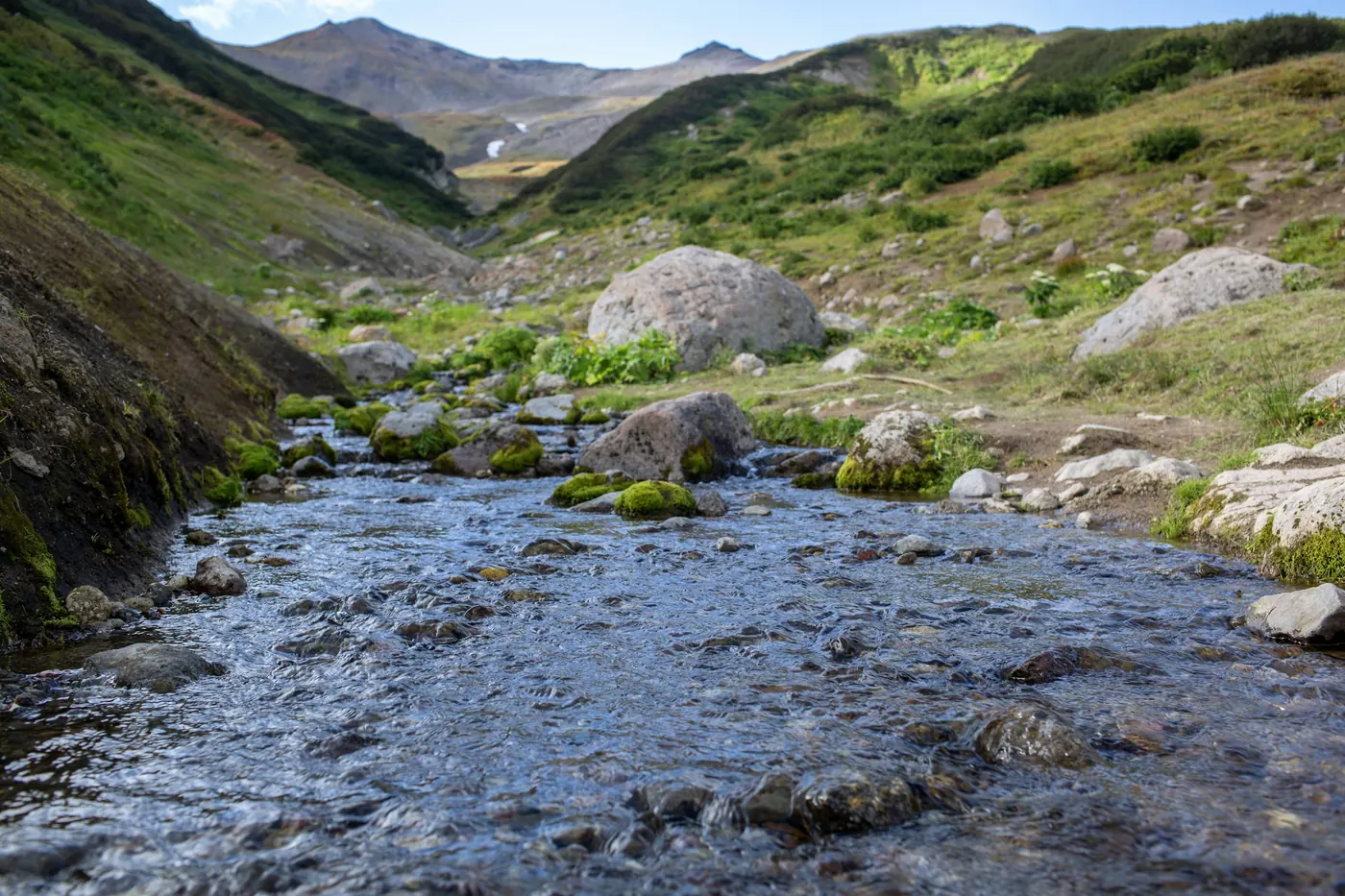
Silty water clogs fine membranes. A pump with a pre-filter, like the Vario, is the answer, or let the water settle first. For very shallow water, the TrailShot’s hose helps.
What the maker actually says
Read the claim, and read which standard is named, if any. Only Platypus’s listings on this page name the NSF and EPA P231 protocol. Sawyer refers to EPA recommendations. The others give figures or a list of organisms without a named standard on the pages we read. That does not mean their figures are wrong. It means you are relying on the maker’s word.
How we picked these seven filters
We have not used these filters for this guide, and we make no claim that Julia’s uses them. We read each Amazon listing through Amazon’s product data for stock, seller and claims, and we opened Sawyer’s and Katadyn’s own pages where they added to the listing. For independent views we read Outdoor Life’s 2022 head-to-head and CleverHiker’s guide to backpacking filters. The MSR, GRAYL and LifeStraw claims above come from their listings, as we could not open their own pages when we checked. No listing here appears on our other water filter pages, though the LifeStraw Peak is the same series as a bottle there, as noted above. Every pick was in stock and offered new. We also searched the U.S. Consumer Product Safety Commission’s recall data by brand and found nothing that covers these filters.
Camping water filter questions, answered
What is the best camping water filter for most people?
The Platypus QuickDraw, because of its fast stated flow, its light weight and the named P231 protocol. For a group cooking at a site, the Katadyn Vario pump.
Do camping water filters remove viruses?
Most do not. Of the seven here, only the GRAYL GeoPress Ti makes that claim. The CDC says filtering followed by disinfecting, or boiling, is the way to handle viruses.
Do I still need to boil filtered water?
Only if viruses are a concern and your filter does not claim to cover them. Boiling kills all types of germs, according to the CDC, but it does not remove chemicals or grit.
Can these filters remove chemicals?
Hollow-fiber filters are not sold for that. The Vario and GRAYL include carbon, but we would not treat water you suspect of farm or mine runoff as safe. Find another source.
How do I look after a filter between trips?
Clean it the way the maker says, since methods differ: Sawyer uses a plunger, and Katadyn says not to backflush the BeFree. Then store it the way the maker’s instructions say.
Our final pick for the campsite
Buy the Platypus QuickDraw 1-liter kit for yourself, or the Katadyn Vario pump for a group, and pack a way to boil water for anything doubtful. If your bottle matters more than a camp system, our filter bottle guide covers everyday and travel bottles, and our gravity water filter guide looks at the big counter units for home. Back in Houston and ready for someone else’s kitchen? Call to order or look over Julia’s menu.