Every dish in a Mexican kitchen is a piece of history. The corn and chiles are ancient, the pork and the cheese came on Spanish ships, and the sugar got here through a trade with a terrible past. You can cook without knowing any of that, but you cook with more care if you do.
These books are for reading, not for cooking. There are no recipes to follow on a busy night, just the story of how we came to eat the way we do. This guide gives seven from named authors at established publishers and says which have a named review behind them and which rest on the publisher’s details.
Julia’s earns a commission on purchases made through links on this page, at no cost to you. Recommendations are based on what a restaurant kitchen looks for in a book about food, the Amazon listing, publisher and author information and published reviews, which we name where we use them.
Quick verdict: the best food history book to start with
If you cook, start with Bee Wilson’s Consider the Fork, which tells the story through kitchen tools. For the big picture, choose Tom Standage’s An Edible History of Humanity. For one ingredient followed through the centuries, choose Mark Kurlansky’s Salt.
The other four cover eight turning points in eating, a scholarly survey of empires, sugar and slavery, and a lighter set of essays.
Five food history books side by side
Five of the seven, one for each kind of reader. All seven are described in full below.
| Book | Best for | Reach | Length | Buy on Amazon |
|---|---|---|---|---|

Consider the Fork, Bee WilsonBest overall
|
Curious cooks, first food history book | Prehistory to sous vide | 352 pages, paperback | View on Amazon |

An Edible History of Humanity, Tom StandageBest big picture
|
How food shaped empires and wars | 7500 B.C. to modern ethanol | 288 pages, paperback | View on Amazon |

Near a Thousand Tables, Felipe Fernández-ArmestoBest for structure
|
A world history in eight turning points | Prehistory to industrial food | 272 pages, paperback | View on Amazon |

Cuisine and Empire, Rachel LaudanBest scholarly
|
A serious, academic world survey | 20,000 years to the present | 488 pages, paperback | View on Amazon |

Salt: A World History, Mark KurlanskyBest single-food history
|
A story told through one ingredient | From early civilization onward | 497 pages, paperback | View on Amazon |
Cover images from Amazon. Page counts and formats are from the Amazon listings for the editions linked. The reach column is from the publisher’s copy.
Our picks for the best food history book, one by one
All seven were in stock, new and sold by Amazon when we checked. We built this guide from published reviews and publisher descriptions, and where we describe a strength, we say whose view it is.
1. Consider the Fork, Bee Wilson – The Story of Kitchen Tools
This is the one to hand a person who cooks. Bee Wilson writes the history of food through the things we use to make it: wooden spoons, skillets, chopsticks, forks and, at the far end, sous-vide machines. The publisher says it runs from early fire and simple cutting tools to high-tech, low-temperature cooking, and draws on kitchens around the world.
Publishers Weekly reviewed the hardcover in 2012 and was delighted: “This is mouthwatering history.” PW calls Wilson “erudite and whip-smart,” points to her explanations of the science behind boiling and the properties of knives, and likes her attention to who did the work, such as the exhausting labor of medieval kitchen maids.
Publisher copy adds a Los Angeles Times line, “A pure joy to read,” and a Parade line, “you’ll never take a whisk for granted again.” We read those through the publisher. The page calls Wilson a food writer and food historian with nine books to her name, so this is not a one-off. Anyone who has ever argued over a mortar and pestle will enjoy it.
Why we like it
- A history told through kitchen tools
- Warm Publishers Weekly review
- Covers prehistory to modern equipment
- Global in its examples, per the publisher
Key specifications
| Author | Bee Wilson |
|---|---|
| Publisher | Basic Books |
| Year | 2013 |
| Pages | 352 |
| Format | Paperback |
| Reach | Prehistory to today |
| Focus | Cooking tools and technology |
| Best for | Working cooks |
Why we recommend it
If you cook and want to know why your kitchen looks the way it does, start here. It is the most directly useful book for a cook on this page.
Skip it if you want the politics of food and empire. Laudan and Standage go further on that.
Pros and cons
Pros
- Clear, warm review
- Close to everyday cooking
- Science explained, says PW
Cons
- Tool-focused, not a full world history
- Paperback is a 2013 edition

2. An Edible History of Humanity, Tom Standage – Food as a Force in World Events
Tom Standage’s argument is that food is a kind of technology, and that it has helped build empires, drive industrialization and decide wars. The publisher says the book draws on archaeology, anthropology and economics, and runs from the emergence of farming in China around 7500 B.C. to the modern use of sugar cane and corn for ethanol.
Standage is deputy editor of The Economist, per the publisher, and it shows in the approach, which treats food as a way of explaining how the world works and not as a tour of cuisines. At 288 pages it is also one of the shorter ways to get a sense of the whole sweep.
Publisher copy quotes the Financial Times calling it “An extraordinary and well-told story, a much neglected dimension of history,” and Kirkus calling it “Cogent, informative and insightful.” We read those through the publisher. Publishers Weekly’s page at this ISBN says it has not yet reviewed this edition. His A History of the World in 6 Glasses is the companion book, on drinks.
Why we like it
- Spans 7500 B.C. to the present, per the publisher
- Short at 288 pages
- Praise from Kirkus, via the publisher
- Written by an Economist editor
Key specifications
| Author | Tom Standage |
|---|---|
| Publisher | Bloomsbury |
| Year | 2010 |
| Pages | 288 |
| Format | Paperback |
| Reach | 7500 B.C. to the modern era |
| Focus | Food as a driver of world history |
| Best for | History readers |
Why we recommend it
If you like big arguments about how the modern world came to be, and want them quickly, this is a good choice.
Skip it if you want cooking and recipes in your history. This is about societies and not kitchens.
Pros and cons
Pros
- Big argument in a short book
- Readable, per its reviewers
- Broad sweep
Cons
- Little about actual cooking
- No PW review at this ISBN
3. Near a Thousand Tables, Felipe Fernández-Armesto – Eight Revolutions in Eating
Felipe Fernández-Armesto arranges the whole story around eight turning points, according to his publisher. They include the origins of cooking, the ritual side of eating, herding and agriculture, the rise of inequality and haute cuisine, long-distance trade, the exchange of plants and livestock across the world, and industrial food.
Publishers Weekly’s 2002 review, at the hardcover’s ISBN, enjoys the myth-busting. It says he corrects the idea that medieval cooks used spices to hide spoiled meat, and argues that the fresh food of that period was in fact fresher than ours. It also finds that the book links what we eat to gender roles, community and modern loneliness, in lucid, enthusiastic writing.
The publisher quotes The New York Times, “Highly provocative and entertaining,” and the Los Angeles Times, “appetizingly provocative.” We read those through the publisher. Fernández-Armesto is a historian who, per the copy, has been a fellow at Queen Mary, University of London, and a member of the Oxford modern history faculty. It is a 2003 paperback, so it won’t cover recent food trends.
Why we like it
- A clear eight-part structure, per the publisher
- Reviewed by Publishers Weekly
- Corrects food myths, per PW
- Short at 272 pages
Key specifications
| Author | Felipe Fernández-Armesto |
|---|---|
| Publisher | Free Press |
| Year | 2003 |
| Pages | 272 |
| Format | Paperback |
| Reach | Prehistory to industrial food |
| Focus | World history of food as culture |
| Best for | Readers who like an argument |
Why we recommend it
If you want one short world history of food that gives you a framework you can remember, this is the one.
Skip it if you want recent research. This paperback is from 2003.
Pros and cons
Pros
- Clear framework
- Myth-busting, per PW
- Praise from major papers, via the publisher
Cons
- Older book
- Some views are provocative by design
4. Cuisine and Empire, Rachel Laudan – How Cuisines Spread and Fell
This is the heavyweight here, from a university press. Rachel Laudan traces the rise and fall of the world’s major cuisines, from the mastery of grain cooking about 20,000 years ago to the present, according to the publisher, and treats cuisines as things people build, like language or architecture.
Her argument is that shifts in what she calls culinary philosophy, meaning beliefs about society, politics, economics, health and religion, produced new cuisines, some of which merchants, missionaries and militaries carried across the globe. The publisher says this challenges the romantic and nationalist myths behind the contemporary food movement, so it may start an argument at your table.
Publisher copy quotes the historian G. W. Bowersock, “A triumph, pointing the way to a wholly new kind of historiography,” and the TLS: “Magnificent.” We read those through the publisher. PW’s page at this ISBN says it has not yet reviewed it. Expect an academic book in a series on food and culture, and not a casual read.
Why we like it
- Covers about 20,000 years, per the publisher
- Praise from the TLS, via the publisher
- Global frame, not nation by nation
- Published by the University of California Press
Key specifications
| Author | Rachel Laudan |
|---|---|
| Publisher | University of California Press |
| Year | 2015 |
| Pages | 488 |
| Format | Paperback |
| Reach | About 20,000 years ago to today |
| Focus | Cuisines, empires and ideas |
| Best for | Serious readers |
Why we recommend it
If you have read the popular histories and want the book that goes further, this is the natural next step.
Skip it if you want a light read for the beach. It is long and academic in intent.
Pros and cons
Pros
- Real scholarly ambition
- Global scope
- Strong academic praise, via the publisher
Cons
- Long at 488 pages
- Academic in tone
- No PW review at this ISBN
5. Salt: A World History, Mark Kurlansky – One Ingredient, Whole Civilizations
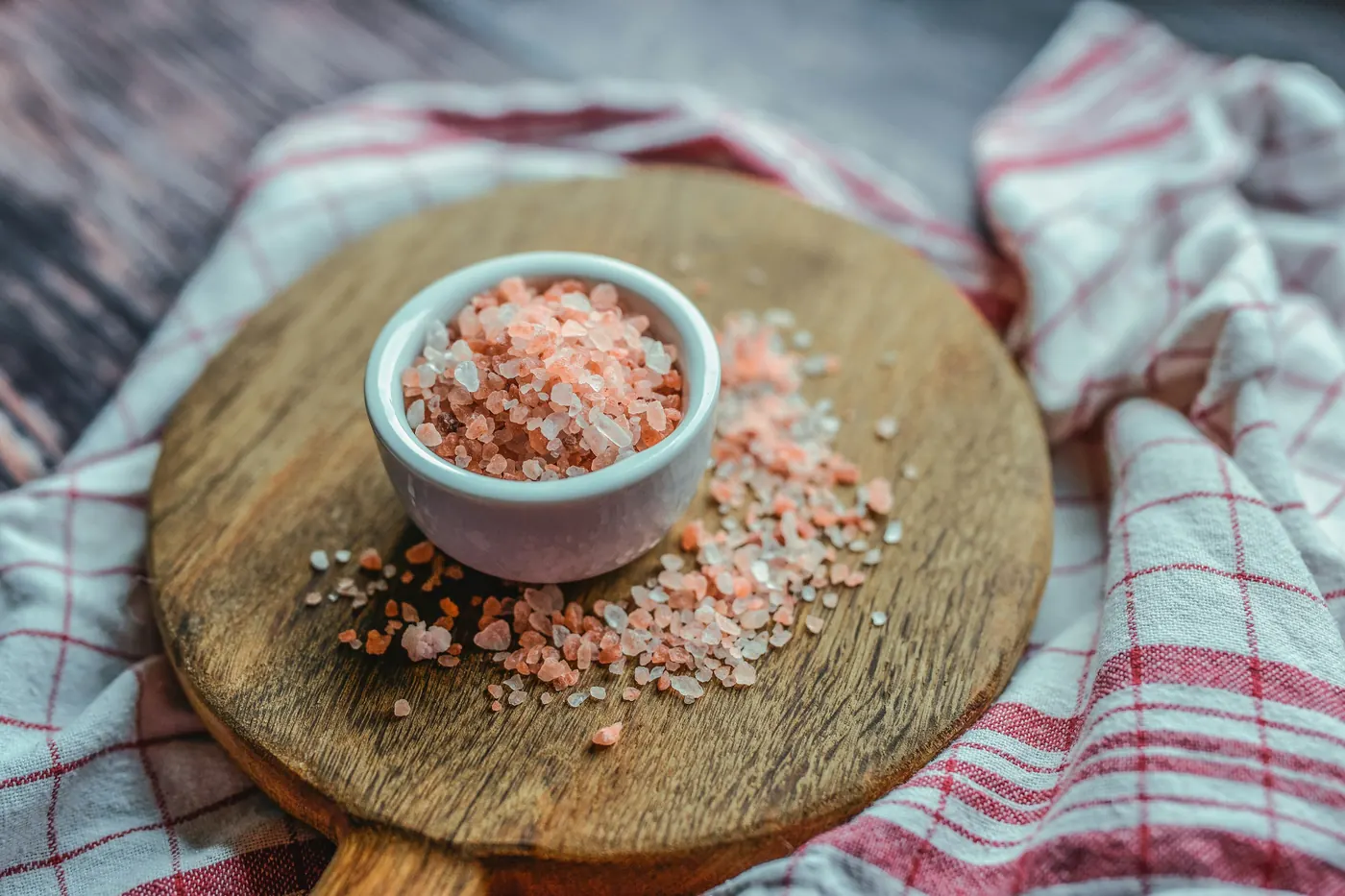
Mark Kurlansky’s idea is simple: take one thing from the table and follow it through history. It made this a New York Times bestseller, per the publisher. The publisher describes salt as the only rock humans eat, and traces its role as currency and in trade routes, cities, wars and revolutions.
Publishers Weekly’s 2001 review, at the hardcover’s ISBN, treats it as a blend of history, politics, commerce, science and cuisine. It moves from prehistoric China and Egyptian mummies through medieval Europe and the Americas, with Gandhi’s protest against the British salt law along the way. PW enjoys the witty asides and notes a competing book that it judges less artful.
The New York Times Book Review is quoted saying “Kurlansky finds the world in a grain of salt.” We read that through the publisher, which also lists a James Beard Award among the author’s honors. If you like his approach, he has also written about cod and milk. For the kitchen side of the ingredient, our spice book guide is a good next stop.
Why we like it
- Reviewed by Publishers Weekly
- Colorful characters, per the publisher
- James Beard Award among the author’s honors, per the publisher
- A long book that stays on one subject
Key specifications
| Author | Mark Kurlansky |
|---|---|
| Publisher | Penguin |
| Year | 2003 |
| Pages | 497 |
| Format | Paperback |
| Reach | Prehistory onward |
| Focus | Salt in trade, war and food |
| Best for | Fans of narrative history |
Why we recommend it
If you would rather learn history through a good story about a single everyday thing, this is the classic of the form.
Skip it if a long book about one mineral sounds like too much. Siegel’s short essays are a lighter way in.
Pros and cons
Pros
- Engaging, per PW
- Wide range of history
- Familiar subject
Cons
- Long at 497 pages
- Only one ingredient
6. Sweetness and Power, Sidney W. Mintz – Sugar, Slavery and the Modern Diet

Published in 1986, this is the serious ancestor of the single-food history. Sidney Mintz, an anthropologist at Johns Hopkins, examines how sugar moved from a rare foreign luxury to an everyday necessity in Europe and America, and how that shift shaped capitalism and industry, according to the publisher.
It does not look away from where the sugar came from. The publisher traces it from a crop grown on slave labor in Europe’s tropical colonies, through the tables of the aristocracy, to the staple food of an industrial working class. It closes by considering how sugar has changed work patterns and eating habits in modern times.
The New York Review of Books is quoted saying it shows how analysis of one commodity can “pry open the history of an entire world of social relationships.” We read that through the publisher, and PW’s page at this ISBN says it has not yet reviewed it. Mintz died in 2015, per the publisher. It is a scholar’s book, and the writing is of its time.
Why we like it
- A classic study, first published in 1986
- Links sugar to slavery and capitalism, per the publisher
- Praise from The New York Review of Books, via the publisher
- Moderate length at 274 pages
Key specifications
| Author | Sidney W. Mintz |
|---|---|
| Publisher | Penguin |
| Year | 1986 |
| Pages | 274 |
| Format | Paperback |
| Reach | Colonial era to modern times |
| Focus | Sugar, labor and industry |
| Best for | Readers of social history |
Why we recommend it
If you want to understand how one food changed how people live and work, this is a respected place to start.
Skip it if you want a light, anecdotal read. It is an anthropologist’s study.
Pros and cons
Pros
- Serious, durable scholarship
- Faces slavery directly
- Compact
Cons
- Older, academic prose
- No PW review at this ISBN
7. The Secret History of Food, Matt Siegel – Odd Stories, Short Chapters

If the rest of this page sounds like homework, start here. Matt Siegel writes irreverent essays about the hidden histories of ordinary foods, according to his publisher: whether Italian olive oil is truly Italian, why people enjoy hot peppers, and whether apple pie is actually English. Anyone who cooks with chiles will want to read about those peppers.
Publishers Weekly reviewed the hardcover in 2021, treating it as a lively, offbeat debut and calling it a witty romp through food history for both history buffs and food lovers. It mentions apple pie’s place as an American symbol and the long fight, up to the Supreme Court, over whether a tomato is a fruit or a vegetable.
Kirkus is quoted calling it “Idiosyncratic essays that will give foodies much to digest,” and Wylie Dufresne says it is “packed with super fun facts.” We read those through the publisher. Siegel has written for The Atlantic and The Paris Review and also consults with food and beverage brands, per his bio, which is worth knowing.
Why we like it
- Short, separate essays
- Reviewed by Publishers Weekly
- Praise from Kirkus, via the publisher
- Covers hot peppers, vanilla and olive oil
Key specifications
| Author | Matt Siegel |
|---|---|
| Publisher | Ecco |
| Year | 2022 |
| Pages | 288 |
| Format | Paperback |
| Reach | Ancient sources to World War II |
| Focus | Odd histories of common foods |
| Best for | Casual readers |
Why we recommend it
If you want good stories to tell at dinner more than a grand theory, this is the most fun book on the page.
Skip it if you want a continuous history. The essays jump around, and that is the point.
Pros and cons
Pros
- Light and funny, says PW
- Easy to read in short sittings
- Close to everyday foods
Cons
- Not a systematic history
- Author consults for food brands
How to choose a history of food book
Four questions will narrow this list quickly.
- Do you want everything, or one thing? Standage, Fernández-Armesto and Laudan take on the whole world. Kurlansky and Mintz each follow one thread, and those threads are often the more gripping reads.
- How academic do you want it? Laudan and Mintz are scholars writing with care, and they take more effort. Wilson and Siegel are the easiest company here.
- Do you cook? Wilson is the closest to the stove. If you want to know why food behaves the way it does, and not where it came from, our food science book guide is a better fit.
- How old a book do you mind? Several of these are decades old. That matters less in history than in most subjects, but none of the older ones will cover the last few years.
How we chose these food history books
We searched Amazon’s book listings first and kept print editions from named authors at established publishers, plain in stock, with a new lead offer sold by Amazon. We left out every title already on our other book pages. Author, year, format and page count come from the Amazon listing. Descriptions come from the publisher’s copy, as carried by a bookseller, unless we credit someone else.
Here is what stands behind each pick. Consider the Fork, Near a Thousand Tables, Salt and The Secret History of Food have Publishers Weekly reviews that we read ourselves, all attached to the earlier hardcover editions. An Edible History of Humanity, Cuisine and Empire and Sweetness and Power have praise from newspapers, magazines or scholars that we read only as quoted by the publisher. For those three, PW’s page at this ISBN says it has not yet reviewed the book. We did not run a wider search for other reviews, so that says nothing about reviews elsewhere.
Several good titles did not make it. Michael Twitty’s The Cooking Gene, Reay Tannahill’s Food in History and Paul Freedman’s Food: The History of Taste were low in stock when we checked, and Freedman’s American Cuisine was sold by a third party. Michael Pollan’s The Omnivore’s Dilemma was in stock, but it is mainly about how food reaches us today, so we left it off a history list.
Food history questions, answered
What is the best history of food book for a casual reader?
The Secret History of Food, which PW treats as a witty romp in short essays. Consider the Fork is the next step up, and PW liked it just as much.
Which of these has the most about the Americas?
Salt reaches the Americas, per PW, and Mintz covers sugar in Europe and America. For Mexico itself, our Mexican cookbooks guide is a better start, since many of those books carry history along with the recipes.
Are there any recipes in these books?
We didn’t confirm this book by book, and these are not cookbooks either way. If you want to cook, see our beginner cookbook guide.
Which book is best as a gift?
Consider the Fork for a cook, Salt for someone who loves narrative history, and The Secret History of Food for someone who likes a good story at dinner.
Do these books make claims about diet?
Some touch on it, as any food history will. This guide is about history, and we make no health or diet claims for any of them.
Which food history book should you read first?
Read Consider the Fork if you cook, An Edible History of Humanity if you want the sweep, and Salt if you want a story. Laudan, Fernández-Armesto, Mintz and Siegel each suit a narrower interest, and each entry says who that is. When you want to know why things happen in the pan and not just how they got there, go to our best food science book guide.
And if all this reading has made you hungry, see the menu or call to order.