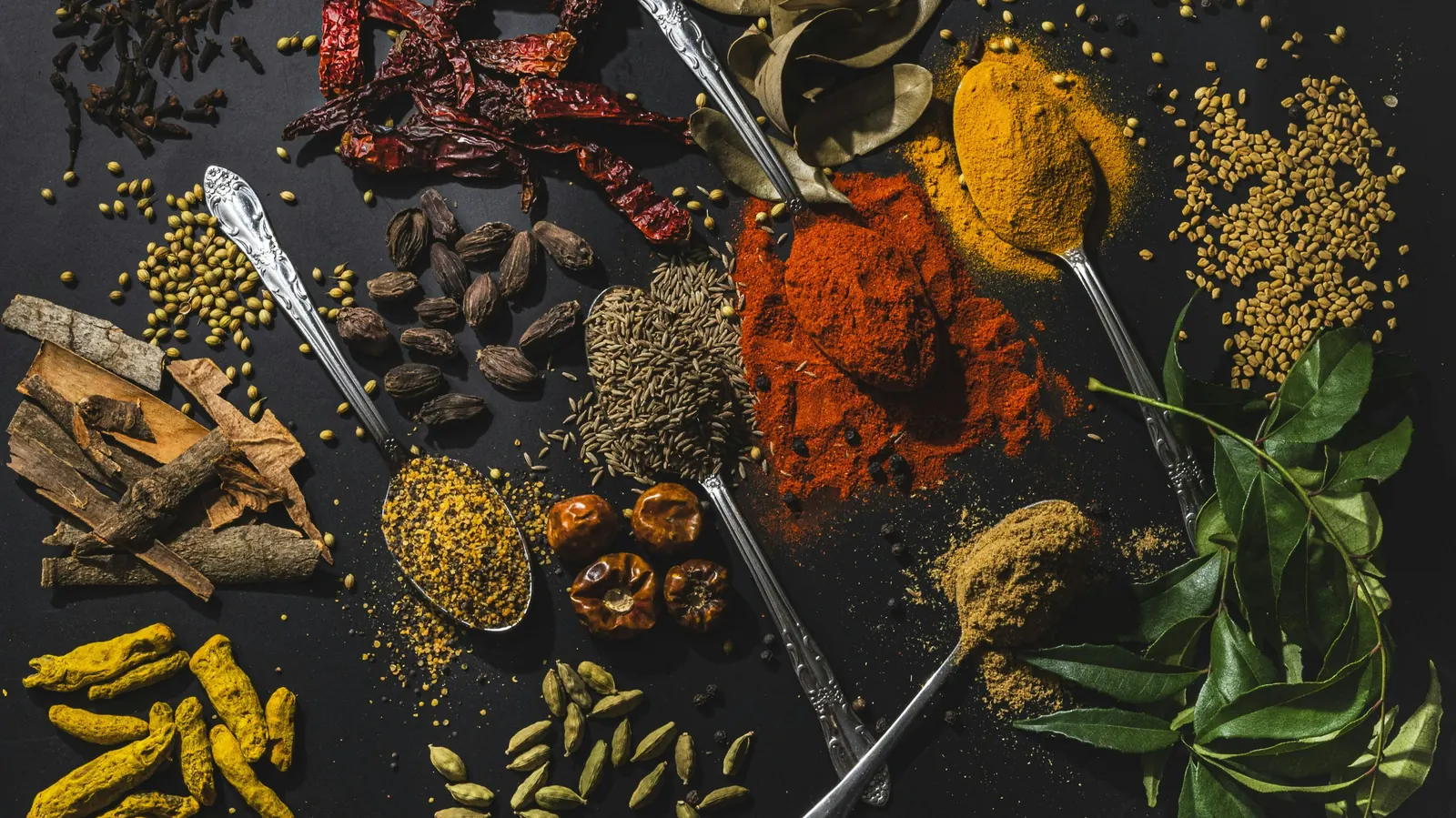
Every Mexican kitchen runs on a short list of spices used well: cumin, oregano, canela, cloves, and the dried chiles that do the heavy lifting. Knowing what each one does, and when to toast it, is most of the skill. A good book shortens the years it takes to pick that up.
The words “spice book” cover several different things, though. Some are references to look things up in, some teach you to season, some are cookbooks built around blends, and one here is pure history. This guide sorts seven from named authors and publishers, and says what stands behind each.
Julia’s earns a commission on purchases made through links on this page, at no cost to you. Recommendations are based on what a restaurant kitchen looks for in a reference, the Amazon listing, publisher and author information and published coverage, which we name where we use it.
Quick verdict: the best spice book to start with
For most cooks, start with The Spice and Herb Bible by Ian Hemphill, an alphabetical reference whose synopsis counts 97 spices. If that sounds like too much, choose How to Add Flavor, which teaches 15 seasonings through 60 recipes. If you want to cook from a story, choose The Diaspora Spice Co. Cookbook.
The other four cover an illustrated reference, homemade blends, a plain beginner’s primer and the history of the spice trade.
Five spice books side by side
Five of the seven, one for each kind of reader, with what each listing or publisher gives. All seven are described in full below.
| Book | Best for | Covers | Length | Buy on Amazon |
|---|---|---|---|---|

The Spice and Herb Bible, Ian HemphillBest overall
|
Looking up any spice | 97 spices | 800 pages, paperback | View on Amazon |

How to Add Flavor, Ian Hemphill and Kate McIntoshBest for beginners
|
Learning to season | 15 spices and herbs | 160 pages, paperback | View on Amazon |

The Diaspora Spice Co. Cookbook, Sana Javeri Kadri and Asha LoupyBest for South Asian cooking
|
Spices with a story | 85 recipes | 272 pages, hardcover | View on Amazon |

Spice Kitchen, Sanjay AggarwalBest for spice blends
|
Making your own blends | Nine blends | 208 pages, hardcover | View on Amazon |

Spice, Roger CrowleyBest spice history
|
Reading, not cooking | History of the trade | 320 pages, paperback | View on Amazon |
Cover images from Amazon. Page counts and formats are from the Amazon listings for the editions linked. Coverage figures are from each book’s description.
Our picks for the best spice book, one by one
All seven were in stock, new and sold by Amazon when we checked. We have not cooked from these books; where we describe a strength, we say whose view it is.
1. The Spice and Herb Bible, Ian Hemphill – The Reference for the Whole Shelf
This is the book to look something up in. Ian Hemphill grew up in Sydney, founded the herb and spice retailer Herbie’s Spices, and writes from his years in the trade. The entries run alphabetically, from bay leaves to vanilla beans, with color photos and storage advice.
According to the synopsis on a bookseller’s page, the third edition adds six spice entries for a total of 97, along with 102 new recipes, 33 new curry blends and 17 other new blends. The same copy describes the book as IACP award-winning and James Beard nominated. We read that in sales copy and did not check it against the award lists.
It is a very long book, and the Amazon listing gives 800 pages in paperback. Publishers Weekly’s page for this edition shows no review, so this pick rests on the listing, that copy and the author’s background.
Why we like it
- 97 spice entries, per the book’s synopsis
- Alphabetical, so it works as a reference
- Storage advice with the entries
- Written by the founder of a spice retailer
Key specifications
| Author | Ian Hemphill, with Kate Hemphill |
|---|---|
| Publisher | Robert Rose |
| Year | 2014 |
| Pages | 800 |
| Format | Paperback, third edition |
| Coverage | 97 spices, per the synopsis |
| Focus | Spice reference with recipes and blends |
| Best for | Cooks who want one big reference |
Why we recommend it
If you keep buying a jar for one recipe and then wonder what else it does, this answers that question spice by spice. The blends also move you away from store-bought mixes.
Skip it if you want a short read. At this length it is a book to look things up in, and How to Add Flavor below is the easier start.
Pros and cons
Pros
- Very wide coverage
- Easy to look things up
- Blends as well as single spices
Cons
- Long, at 800 pages
- No named review in our sources
2. How to Add Flavor, Ian Hemphill and Kate McIntosh – Fifteen Seasonings, Sixty Recipes
This is a much smaller book from the same spice-shop background, and it starts from the opposite end. The description on a bookseller’s page says it teaches seasoning with 15 key spices and herbs, covering the aroma, taste and best pairings of each, and then offers 60 recipes organized by the featured seasoning.
The useful part for a new cook is the tutorial section. Four base recipes, for chicken, beef, salmon and tofu, show how changing the seasoning changes the dish. That is a good way to learn: same pan, different spice. There is also a section on salt and pepper.
Jill Norman, whose own book appears below, gives advance praise on Barnes & Noble’s page, calling it “A thorough and practical guide to popular herbs and spices.” Publishers Weekly’s page shows no review, so beyond that line this pick rests on the description and the authors’ background.
Why we like it
- 15 spices and herbs, so it stays manageable
- 60 recipes, per the description
- Four base recipes show what a spice changes
- Short enough to read through
Key specifications
| Author | Ian Hemphill and Kate McIntosh |
|---|---|
| Publisher | Robert Rose |
| Year | 2025 |
| Pages | 160 |
| Format | Paperback |
| Coverage | 15 spices and herbs, 60 recipes |
| Focus | Learning to season |
| Best for | New cooks |
Why we recommend it
If your spice cabinet scares you, this is the one to buy first. Learning 15 seasonings well does more for your cooking than owning 60 you never open.
Skip it if you already cook confidently with spices. It is an introduction by design, and the big reference above goes much further.
Pros and cons
Pros
- Clear, narrow scope
- Teaches by comparing dishes
- Practical length
Cons
- Only 15 seasonings
- No named review in our sources
3. Herbs & Spices, Jill Norman – A Photo for Every Seasoning

Jill Norman created the food and wine list at Penguin Books in the 1970s and was Elizabeth David’s publisher, according to the biography on a bookseller’s page that carries the publisher’s copy. This DK book is described there as an updated, redesigned edition of a classic kitchen reference.
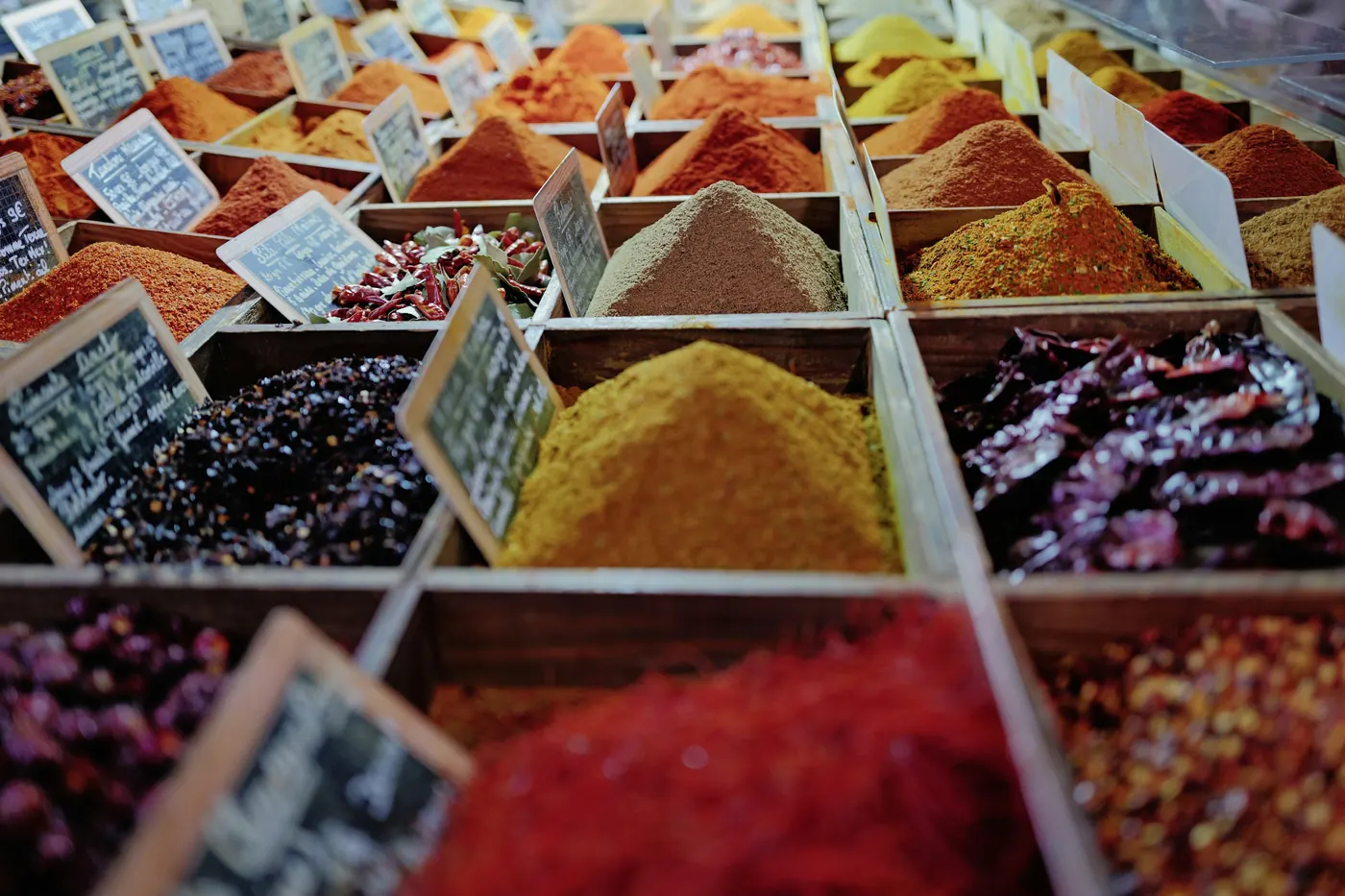
The copy describes more than 200 herbs and spices from around the world, with full-color photographs, flavor notes and pairings, along with more than 180 recipes and guidance on choosing, preparing and blending seasonings. The photos are the reason to choose this over the Hemphill book, because they help when you are standing in a market holding something you cannot name.
Publishers Weekly’s page shows no review. This pick rests on that copy and on the author’s record.
Why we like it
- More than 200 herbs and spices, per the copy
- Full-color photos for identifying what you bought
- More than 180 recipes
- Covers preparing and blending
Key specifications
| Author | Jill Norman |
|---|---|
| Publisher | DK |
| Year | 2015 |
| Pages | 336 |
| Format | Hardcover |
| Coverage | 200+ herbs and spices, 180+ recipes |
| Focus | Illustrated seasoning reference |
| Best for | Cooks who shop at international markets |
Why we recommend it
If you learn by seeing, or you shop at markets where the labels are not in English, this is a strong choice. A picture to compare against makes an unfamiliar aisle easier.
Skip it if you want recent writing. This edition dates from 2015, and the Diaspora book below is far newer.
Pros and cons
Pros
- Very visual
- Herbs and spices together
- Hardcover for regular use
Cons
- 2015 edition
- No named review in our sources
4. The Diaspora Spice Co. Cookbook, Sana Javeri Kadri and Asha Loupy – Recipes From the Spice Farms
Sana Javeri Kadri founded Diaspora Co. in 2017 and sources single-origin spices from farms in India and Sri Lanka. Her cookbook with recipe writer Asha Loupy has 85 seasonal recipes, running from chutneys and snacks through vegetables, seafood, meat, rice, bread, drinks and desserts, with profiles of the farmers who grow the spices.
A feature in The Boston Globe by Ann Trieger Kurland says the book opens with a “Spices 101” primer that includes blending tips, which is why it belongs in this guide and not only on a shelf of Indian cookbooks. The publisher’s copy also says the authors flag which recipes suit beginners, freezing, dinner parties and pantry stocking.
A piece by Meera Suresh in The Week is warm, though it reads more like a feature than a critical review. Bookseller copy quotes Sarah Tansley in Library Journal: “Home cooks will be captivated by the vibrant narrative and irresistible recipes.” We read that line secondhand. Publishers Weekly’s page shows no review. For a broader shelf, see the best Indian cookbook.
Why we like it
- 85 recipes, per the publisher’s copy
- Spices 101 primer, per The Boston Globe
- Farmers named and profiled
- Recipes marked by use, such as beginner or freezer
Key specifications
| Author | Sana Javeri Kadri and Asha Loupy |
|---|---|
| Publisher | Harvest |
| Year | 2026 |
| Pages | 272 |
| Format | Hardcover |
| Coverage | 85 recipes |
| Focus | South Asian home cooking built around spice farms |
| Best for | Cooks who care where spices come from |
Why we recommend it
If you want to cook with spices and learn who grew them, this is the most personal book here, and the newest.
Skip it if you want a general reference. This book stays with South Asian cooking, and it comes from a company that sells spices, so read it knowing that.
Pros and cons
Pros
- Recent, with named coverage
- Real recipes and a primer
- Strong sense of place
Cons
- One region only
- Author’s company sells spices
5. Spice Kitchen, Sanjay Aggarwal – Nine Blends to Make at Home
Sanjay Aggarwal runs The Spice Kitchen, a company that makes spice blends, and his publisher’s page says it has won three Great Taste Awards. The book’s stated aim is to make spices less intimidating, showing that one blend can change an ordinary recipe without special equipment or a full pantry.
The publisher’s page names nine blends you can make from scratch: Tandoori, Garam Masala, Sri Lankan, Mexican, Za’atar, Jerk, Harissa, Baharat and Cajun. Each chapter also has a “Spice Freedom” recipe showing how swapping the blend changes the same dish. Toasting and grinding your own is worth learning, and our guide to the best spice grinder covers the tool.
Publishers Weekly’s page shows no review, and the publisher’s page carries no outside praise, so this rests on the publisher’s details. Quadrille is a British house, and we could not confirm whether the recipes use US cup measures, so check that if it matters to you.
Why we like it
- Nine blends from scratch, per the publisher
- Swap-the-blend recipes in each chapter
- Includes a Mexican blend
- No special equipment required, says the publisher
Key specifications
| Author | Sanjay Aggarwal |
|---|---|
| Publisher | Quadrille |
| Year | 2023 |
| Pages | 208 |
| Format | Hardcover |
| Coverage | Nine blends, recipe count not stated |
| Focus | Making and using spice blends |
| Best for | Cooks tired of store-bought mixes |
Why we recommend it
If you want a set of blends you can make once and keep on hand, this is the most direct book on the page.
Skip it if you want to learn single spices in depth. The focus is blends, and the two references above do the other job better.
Pros and cons
Pros
- Clear, practical scope
- Global blend range
- Everyday recipes
Cons
- US measures not confirmed
- No named review in our sources

6. Cooking with Spices For Dummies, Jenna Holst – An Older, Plain-Spoken Primer

Do not let the series name put you off. Wiley’s description covers exactly what a beginner asks: building a basic spice collection, the tools you need, how to prepare spices, a regional tour of the world’s spices and how to plan a menu around them. It lists over 200 recipes for rubs, marinades, salsas, vegetables, grains, meat and seafood, along with a spice quantity guide and a glossary.
Salsas and rubs in a general spice book are a good sign for how we cook. Jenna Holst also wrote Cooking Soups For Dummies, and Wiley says her writing has appeared in Food and Wine and Family Circle, among others.
The honest catch is age. This edition came out in 2001, so it is the oldest book here, and any shopping advice predates much of what is sold now. Wiley’s page shows no reviews, and Publishers Weekly’s page shows none either, so this rests on the publisher’s details.
Why we like it
- Over 200 recipes, per Wiley
- Includes a spice quantity guide
- Covers tools and preparation
- Regional tour of spices
Key specifications
| Author | Jenna Holst |
|---|---|
| Publisher | Wiley (For Dummies) |
| Year | 2001 |
| Pages | 352 |
| Format | Paperback |
| Coverage | Over 200 recipes |
| Focus | Spice basics and recipes |
| Best for | Beginners who like step-by-step formats |
Why we recommend it
If you like the format and want plain instructions for what to buy and how much to use, this still puts the basics in one place.
Skip it if you want current writing. It is 25 years old, and How to Add Flavor is the modern beginner’s book.
Pros and cons
Pros
- Very practical
- Quantity guide
- Large recipe count
Cons
- Published in 2001
- No named review in our sources
7. Spice, Roger Crowley – The Trade That Remade the World
This one is for reading, not cooking. Roger Crowley is a narrative historian, and Yale University Press describes a history of the contest over cloves and nutmeg. After the Portuguese reached the Moluccas in 1511, European powers competed for control, and between 1511 and 1571 they linked the world’s oceans and built maritime empires.
The publisher quotes The Economist on “Riveting, piquant history” and Michael Prodger in the New Statesman on a narrative “full of storms, privations, enslavement, piracy and blood.” We read those lines on the publisher’s page, not in the originals, and Publishers Weekly’s page shows no review for this edition.
That list of hardships is fair warning: this is a story of empire and its violence, not a cozy food book. Cloves and canela are everyday spices in Mexican cooking, and if you want that side of things, see our guide to Mexican spices.
Why we like it
- Maps and illustrations, per Yale
- Named praise on the publisher’s page
- Serious history, not recipes
- A small-format paperback
Key specifications
| Author | Roger Crowley |
|---|---|
| Publisher | Yale University Press |
| Year | 2025 |
| Pages | 320 |
| Format | Paperback |
| Coverage | History; no recipes mentioned by the publisher |
| Focus | The 16th-century spice trade |
| Best for | Readers more than cooks |
Why we recommend it
If you are the person who wants to know why nutmeg was once worth fighting over, buy this and read it away from the stove.
Skip it if you want to cook from your new book. The publisher’s description mentions no recipes.
Pros and cons
Pros
- Strong narrative, says the publisher’s praise
- Real historical depth
- Small format
Cons
- Not a cookbook
- Praise read only via the publisher
How to choose a book about spices
Start with the job you want the book to do, because these seven do very different things.
- Reference or cookbook. A reference answers “what is this and what goes with it.” A cookbook gives you dinner. Hemphill and Norman lean toward the first, Kadri and Aggarwal toward the second.
- How much you already know. Beginners get more from a narrow book. Fifteen seasonings used often beat a long list you never finish.
- Single spices or blends. If you mostly want a good garam masala or jerk rub, Spice Kitchen gets there faster than a reference does.
- Photos. If you shop at international markets, a photo of each seasoning is a practical help. That is the case for Norman’s book.
- Age of the book. The basics of cumin do not change, but sourcing advice does. Cooking with Spices For Dummies dates from 2001 and the Diaspora book from 2026.
- Your storage. A wider collection needs somewhere to live. Our guide to the best spice rack covers that, and a good mortar and pestle helps once you start grinding your own.
How we chose these seven books
We searched Amazon’s book listings and kept print editions from named authors at established publishers, in stock and new when we checked. We left out every title already on another of our pages, so Stuart Farrimond’s The Science of Spice is in our food science book guide and not here. Author, year, format and page count come from the Amazon listing, and coverage figures come from the publisher’s copy, in some cases as carried by booksellers.
Here is the evidence behind each pick. Only The Diaspora Spice Co. Cookbook has press coverage we read ourselves, in The Boston Globe and The Week, and neither piece is a critical verdict. Spice has named praise we read only on the publisher’s page. The Spice and Herb Bible, How to Add Flavor, Herbs & Spices, Spice Kitchen and Cooking with Spices For Dummies rest on publisher, bookseller-carried and author details. Publishers Weekly’s page for each of the seven editions shows no review.
Stock ruled out some obvious names. Lior Lev Sercarz’s The Spice Companion and The Flavor Bible were not available for immediate shipping when we checked, and Sercarz’s Mastering Spice and Ana Sortun’s Spice showed limited stock. We also left out Nik Sharma’s Fundamentals of Flavor, because the description we read is about cooking science and does not discuss spices as a subject.
Spice book questions, answered
What is the best book for learning to cook with spices?
How to Add Flavor for a true beginner, because it stays with 15 seasonings and shows how swapping one changes a dish. Cooking with Spices For Dummies covers similar ground in an older, longer format.
Is there a good book on making spice blends?
Spice Kitchen is the most direct, with nine blends to make from scratch. The Spice and Herb Bible also adds dozens of blends in its third edition, according to its synopsis.
Do any of these cover Mexican spices?
Spices, yes, but no book here is about Mexican cooking alone. Spice Kitchen includes a Mexican blend. For the pantry itself, see our guide to Mexican spices and Mexican herbs explained.
Which book has the most spices?
By the counts in their descriptions, Jill Norman’s Herbs & Spices covers more than 200 herbs and spices, and The Spice and Herb Bible covers 97 spices. They may count differently, so treat that as a rough comparison.
Is there a spice book that is not a cookbook?
Yes. Roger Crowley’s Spice is narrative history, and its publisher mentions no recipes.
Which spice book should you buy first?
Buy The Spice and Herb Bible if you want one reference for the long term. Choose How to Add Flavor if you are starting out, Spice Kitchen for homemade blends and the Diaspora book for a cookbook with roots. Norman, Holst and Crowley each serve a narrower reader, and each entry says who that is.
And if you would rather taste what cumin and canela can do before you buy anything, see the menu or call to order.