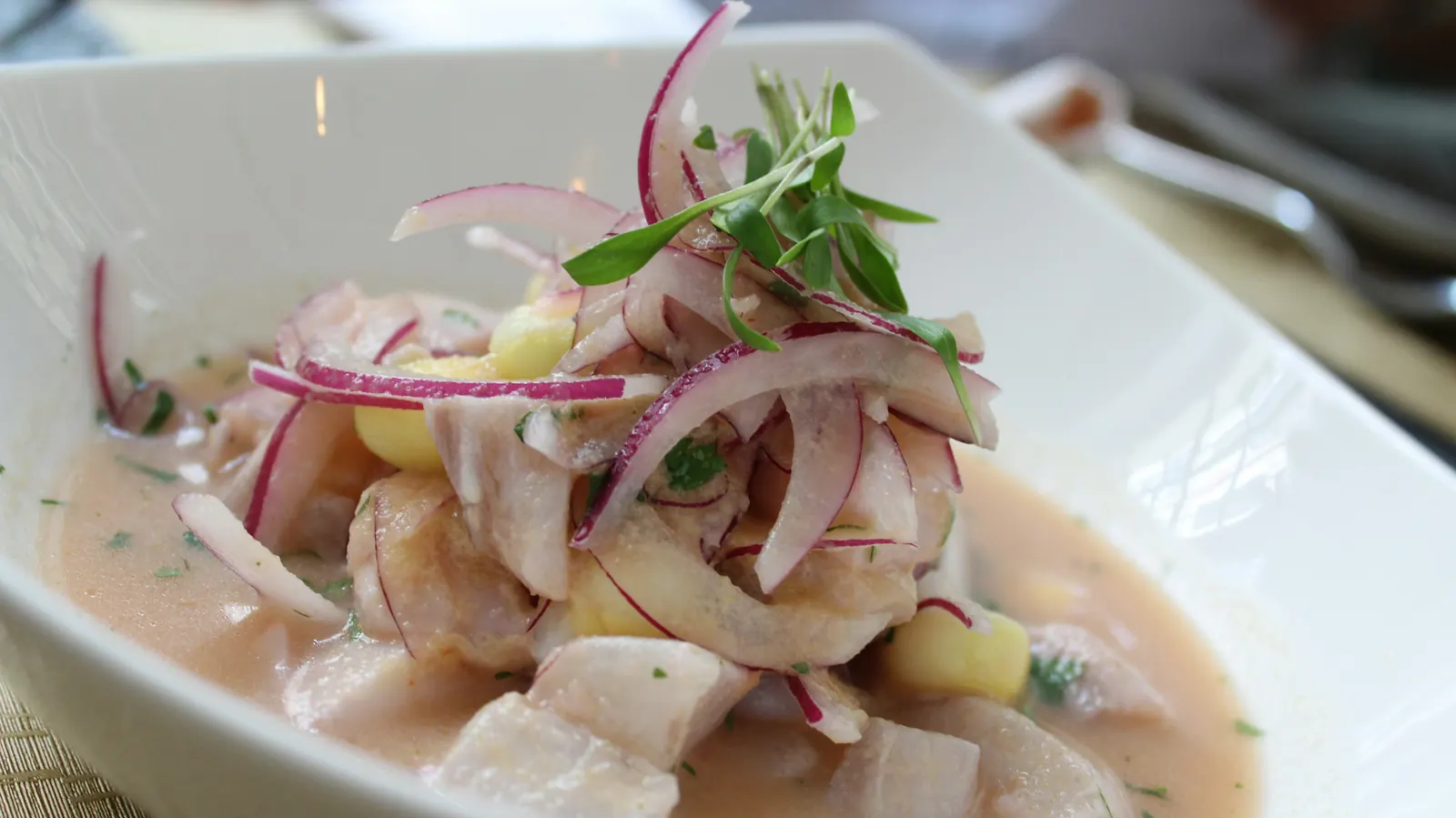
Latin American cooking is too big for one tidy label. Lime-cured fish in Peru, griddled arepas in Venezuela and meat over an open fire in Argentina all count, and a home kitchen can learn from every one of them. We cook Mexican food at Julia’s, and many of the dishes and ingredients on this page are close cousins of ours.
This guide picks nine books that cover that ground from different angles: three big surveys, four books on single countries or dishes, a book of live-fire cooking and one for bakers. For each we set out what the publisher and named reviewers say, and we tell you plainly where a pick has no named review behind it.
Julia’s earns a commission on purchases made through links on this page, at no cost to you. Recommendations are based on what a restaurant kitchen looks for in a cookbook, the Amazon listing, publisher and author information and published reviews, which we name where we use them.
Quick verdict: the best latin american cookbook to start with
For most cooks, start with Gran Cocina Latina by Maricel Presilla. It won the James Beard Foundation’s 2013 Cookbook of the Year, per its publisher, and has more than 500 recipes. If you want more countries, including Brazil, choose The Latin American Cookbook. If you want a friendlier everyday book, choose Latinísimo by Sandra Gutierrez.
All nine picks were in stock in print, new and sold by Amazon when we checked. None appears on our Mexican cookbook guides.
Five Latin American books side by side
The five we would start with, each for a different cook. Page counts come from the Amazon listing; recipe counts come from the publisher or Publishers Weekly.
| Cookbook | Best for | Recipes | Length | Buy on Amazon |
|---|---|---|---|---|

Gran Cocina Latina, Maricel E. PresillaBest overall
|
One book for years of cooking | 500+ | 912 pages, hardcover | View on Amazon |

The Latin American Cookbook, Virgilio MartínezBest for range
|
The widest country coverage | 600+ | 432 pages, hardcover | View on Amazon |

Latinísimo, Sandra A. GutierrezBest for everyday cooking
|
Home cooks, shopping by ingredient | 300+ | 592 pages, hardcover | View on Amazon |

Peru: The Cookbook, Gastón AcurioBest for Peruvian food
|
Ceviche and Peruvian home cooking | 500 | 432 pages, hardcover | View on Amazon |

Pan y Dulce, Bryan FordBest for baking
|
Breads, pastries and sweets | 150 | 400 pages, hardcover | View on Amazon |
Check the listing for the current format and price before you buy.
Our picks for the best latin american cookbook, book by book
Nine books, with the three big surveys first and the country and specialist titles after them.
1. Gran Cocina Latina, Maricel E. Presilla – The Reference for the Whole Region
If you buy one book on this page, buy this one. Gran Cocina Latina won the James Beard Foundation’s Cookbook of the Year for 2013, along with an International Association of Culinary Professionals cookbook award, according to its publisher, W. W. Norton. Few books in any cuisine carry both.
Maricel Presilla is a historian and a restaurateur, and Norton says she spent more than thirty years visiting each country she writes about. It shows in the scope: more than 500 recipes that run from the base sauces, adobos and sofritos, through to flan and tres leches cake, covering Spanish-speaking Latin America from Mexico to Argentina and the Spanish-speaking Caribbean.
Publishers Weekly called it “this bible of Latin American food” and “fascinating, informative, and stunning.” Its review also notes that Presilla adapts old methods for home kitchens, such as using a food processor for a yuca bread. In The New York Times, Pete Wells called it “a serious but accessible study,” as quoted by Norton.
The one thing to know before you order is the size. The listing gives 912 pages. This is a book for a counter or a kitchen table, and you will dip into it rather than read it through. Brazil falls outside its stated Spanish-speaking scope, so look to the next pick for that.
Why we like it
- James Beard Cookbook of the Year, 2013, per Norton
- More than 500 recipes, per Norton and Publishers Weekly
- Builds from base sauces up to full dishes
- Written by a historian who also runs restaurants
Key specifications
| Author | Maricel E. Presilla |
|---|---|
| Publisher | W. W. Norton |
| Year | 2012 |
| Pages | 912 |
| Format | Hardcover |
| Recipes | 500+ |
| Focus | Spanish-speaking Latin America and Caribbean |
| Best for | Serious home cooks |
Why we recommend it
It has the strongest record of any book we found on this subject, and it teaches the sauces and staples underneath the dishes. If you want a single reference that will last, this is the one.
Skip it if you want quick weeknight dinners or a book you can hold in one hand at the stove.
Pros and cons
Pros
- James Beard Cookbook of the Year
- Huge range of dishes
- Good on base sauces and staples
Cons
- Very large to handle
- Published in 2012, so not the newest
- Brazil is outside its stated scope
2. The Latin American Cookbook, Virgilio Martínez – 600 Recipes From 20 Countries
Where Presilla’s book teaches, this one surveys. Phaidon says it holds more than 600 home-cooking recipes from 20 countries, from Mexico down to the far south, and its list includes Brazil, Guyana, Suriname and Belize.
Virgilio Martínez is the Peruvian chef behind Central, and Phaidon says that restaurant has been named Latin America’s best several times. He is also a co-founder of Mater Iniciativa, which documents Indigenous Latin American foods. Food and travel writer Nicholas Gill is credited alongside him. Don’t expect restaurant food, though. The recipes are the traditional, popular kind: empanadas, tamales and arepas, next to less familiar dishes such as Nicaraguan squash stew and Ecuadorian Easter soup.
Publishers Weekly said it “will appeal to readers interested in exploring the diversity of Latin American cuisine,” and noted that each recipe comes with cultural background, along with a glossary for less common ingredients such as aji amarillo. It also includes some adventurous recipes, lamb’s head soup among them. The trade-off for this much coverage is depth, since no single country can get the attention a whole book would give it.
Why we like it
- 20 countries named by Phaidon, Brazil among them
- More than 600 recipes, per Phaidon
- Cultural background with each recipe, per Publishers Weekly
- Glossary for unfamiliar ingredients
Key specifications
| Author | Virgilio Martínez (with Nicholas Gill) |
|---|---|
| Publisher | Phaidon |
| Year | 2021 |
| Pages | 432 |
| Format | Hardcover |
| Recipes | 600+ |
| Focus | South and Central America, Mexico |
| Best for | Curious cooks who want variety |
Why we recommend it
If you want to wander from country to country and find dishes you have never heard of, this covers more ground than anything else here. It is also the one to choose over Presilla if Brazil matters to you.
Skip it if you want every step explained. A book with this many recipes in 432 pages has limited room for each.
Pros and cons
Pros
- Widest country coverage here
- Named chef with a research project behind him
- Includes drinks, per Publishers Weekly
Cons
- Limited depth on any one country
- Some ingredients will take hunting
- A few recipes are adventurous
3. Latinísimo, Sandra A. Gutierrez – Home Cooking by Ingredient
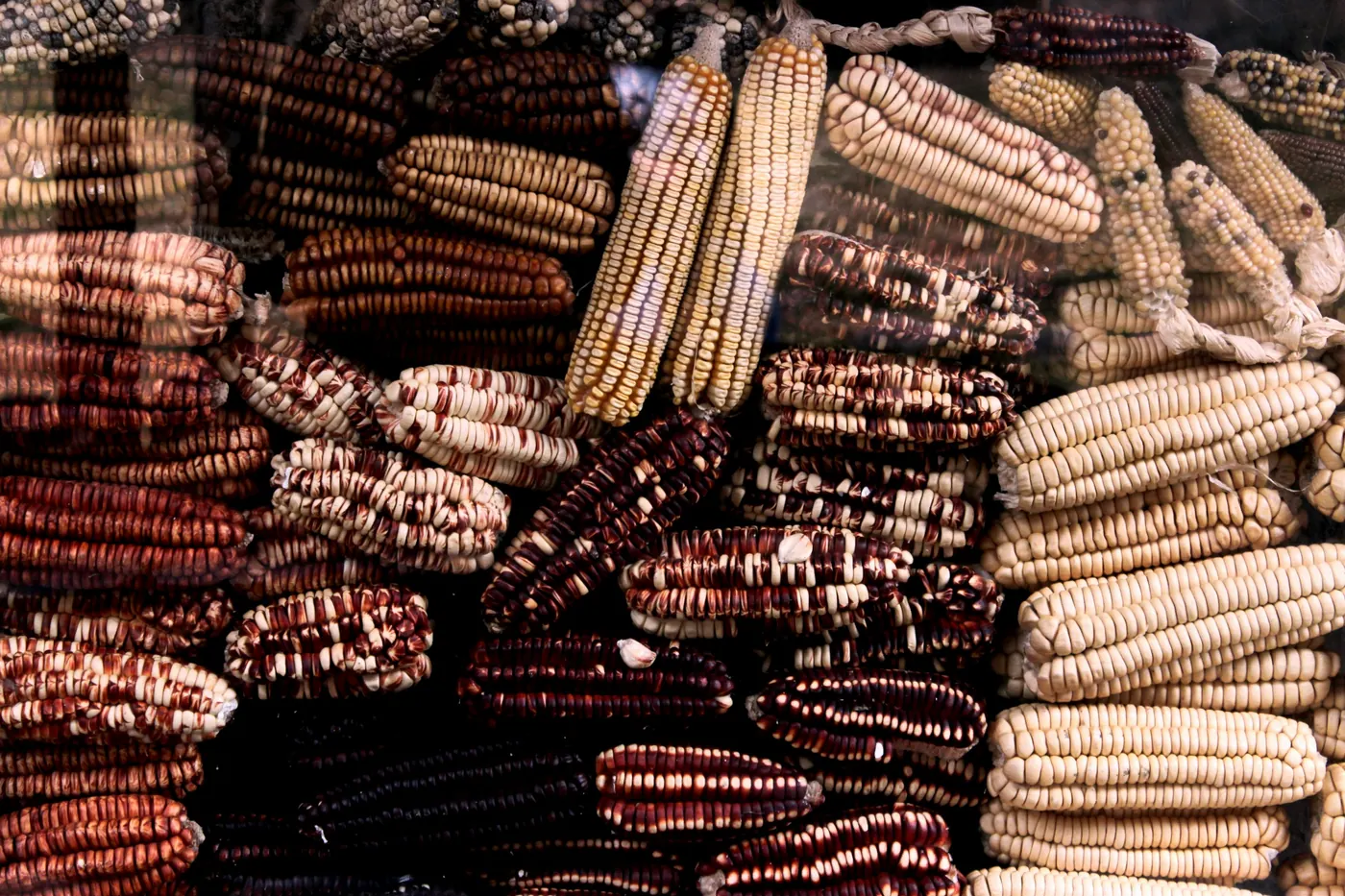
Sandra Gutierrez’s book takes a useful approach for anyone standing in a kitchen with a bag of something. Penguin Random House says Latinísimo has more than 300 everyday dishes from 21 countries, with many variations, grouped by main ingredient: beans, corn, yuca, quinoa and nearly two dozen more. A pantry section covers the basics.
That organization also shows how one ingredient changes as it moves across borders. Gutierrez is a journalist, food historian and cooking instructor, and the publisher notes her Les Dames d’Escoffier M.F.K. Fisher Grand Prize for food writing.
Publishers Weekly’s page shows no review of this one, but its publisher, Knopf, quotes several others. The Boston Globe called it “a cookbook-shelf essential,” and The Washington Post described it as “part reference book, part living history, part cookbook.” Saveur called it an “astonishing, encyclopedic tome.” Those lines come from the publisher, so read them as the chosen highlights.
Why we like it
- More than 300 dishes from 21 countries, per the publisher
- Organized by ingredient, which suits real shopping
- Pantry section for the basics
- Praised by The Boston Globe, Saveur and The Washington Post, per the publisher
Key specifications
| Author | Sandra A. Gutierrez |
|---|---|
| Publisher | Knopf |
| Year | 2023 |
| Pages | 592 |
| Format | Hardcover |
| Recipes | 300+ |
| Focus | Latin American home cooking by ingredient |
| Best for | Everyday home cooks |
Why we recommend it
It is the friendliest of the three big books for regular cooking, and the newest. If Gran Cocina Latina looks like too much, start here.
Skip it if you like to browse by country. The ingredient structure scatters each country’s dishes through the book.
Pros and cons
Pros
- Practical structure
- Newest of the big surveys
- Home-kitchen focus
Cons
- Large book at 592 pages
- Hard to browse by country
4. Peru: The Cookbook, Gastón Acurio – 500 Peruvian Home Recipes
If you want one book on Peruvian food, Gastón Acurio is the name to know. Phaidon says he owns more than 44 restaurants worldwide and names Astrid y Gastón as his flagship. NPR’s Morning Edition called him “basically the godfather of Peruvian cuisine,” as Phaidon quotes it.
The book collects 500 traditional home-cooking recipes. Publishers Weekly praised the way it groups recipes by a Peruvian sensibility rather than Western courses, with a full section for ceviche and another for street food, and it singled out dishes such as tacu tacu and carapulcra. It called the book “a treasure chest of Peruvian cuisine.”
The same review names the main weakness: the book “lacks cultural explanations of the dishes.” You will get plenty of recipes and little of the story, so a reader who wants history should pair it with one of the surveys above. Keep a good lime squeezer nearby for the ceviche chapter.
Why we like it
- 500 recipes from one country, per Phaidon
- Full ceviche section, per Publishers Weekly
- Street-food section
- Author with an international restaurant group
Key specifications
| Author | Gastón Acurio |
|---|---|
| Publisher | Phaidon |
| Year | 2015 |
| Pages | 432 |
| Format | Hardcover |
| Recipes | 500 |
| Focus | Traditional Peruvian home cooking |
| Best for | Ceviche and lomo saltado fans |
Why we recommend it
If you have eaten at a Peruvian restaurant and want to cook that food at home, this is the fullest single-country book on this page.
Skip it if you want stories with your recipes. Publishers Weekly flagged the lack of them, and it is the book’s clear gap.
Pros and cons
Pros
- Deep on one cuisine
- Named chef author
- Warm Publishers Weekly review
Cons
- Little cultural background
- Some Peruvian ingredients are hard to find
5. Colombiana, Mariana Velásquez – A Clear Primer on Colombia

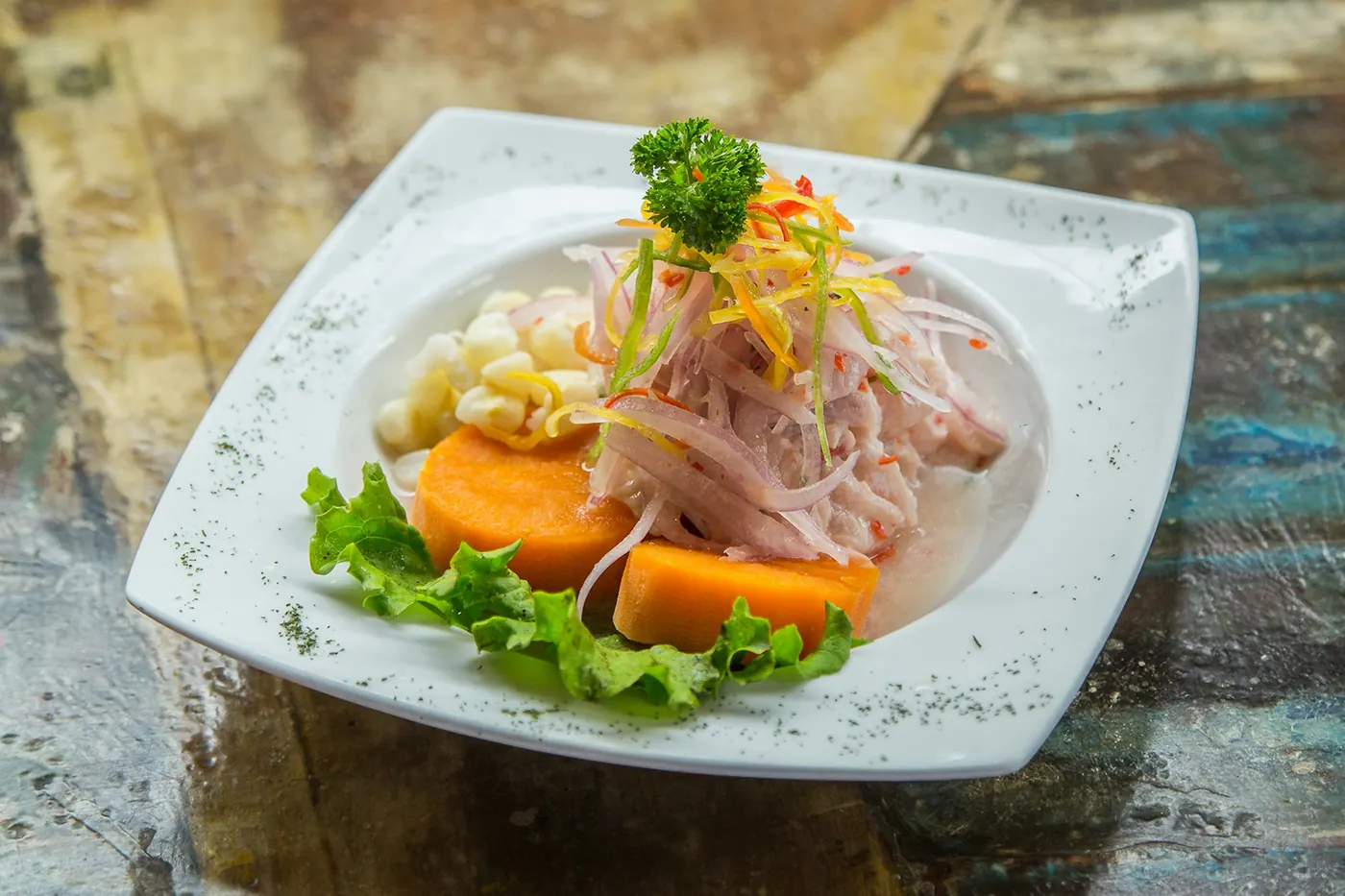
Publishers Weekly’s closing line on this book is hard to improve on: “For home cooks in search of a primer on Colombian food and culinary tradition, Velásquez is the ideal tutor.”
Mariana Velásquez is a cook, food stylist and recipe developer, born in Colombia and now living in New York City, according to that review. It describes breakfasts, snacks, street food and desserts, including arepas made three ways and pan de arroz, along with mains such as ajiaco and sancocho. There is also a pantry section, hosting advice and profiles of influential Colombian women.
Neither the listing nor the review we read states a recipe count, so we won’t guess. Some dishes carry East Coast influences, so this is one cook’s Colombia and not a strict regional record.
Why we like it
- Called the “ideal tutor” by Publishers Weekly
- Covers breakfast and street food as well as mains
- Pantry section for staples
- Hosting ideas and profiles of Colombian women
Key specifications
| Author | Mariana Velásquez |
|---|---|
| Publisher | Harper Wave |
| Year | 2021 |
| Pages | 320 |
| Format | Hardcover |
| Recipes | Not stated |
| Focus | Colombian home cooking and hosting |
| Best for | Cooks new to Colombian food |
Why we recommend it
It suits anyone with a Colombian friend, partner or grandmother whose cooking they want to get closer to, and anyone who wants a first book on the country.
Skip it if you want a strict record of each Colombian region. Some recipes bring in the author’s New York life.
Pros and cons
Pros
- Warmly reviewed
- Recommended as a primer
- Hosting advice included
Cons
- Recipe count not stated
- Personal rather than exhaustive
6. Mallmann on Fire, Francis Mallmann with Peter Kaminsky – South American Live-Fire Cooking

Argentina’s great contribution to this list is fire. Francis Mallmann’s earlier Seven Fires appears in our best grill cookbook guide, so here we picked this follow-up. His publisher, Artisan, describes him as a well-known South American chef and notes that he was the subject of Netflix’s Chef’s Table.
The book has 100 recipes. Artisan’s description runs from lamb and chicken hung on strings by a fire to coal-roasted squash, a mixed parrillada and desserts from the chapa and from wood-fired ovens. It moves between Patagonia, Paris, Brooklyn and Brazil, so this is not a strictly Argentine collection.
Publishers Weekly was mixed in a useful way. It called the book “one hundred solid recipes for the outdoor grill and griddle” but found the writing a touch romantic, with “a poetic sensibility that could stand a little more wander and a little less lust.” We think that is a fair warning for anyone who wants plain instructions.
Why we like it
- 100 live-fire recipes, per Artisan
- Grilling, griddling and wood-oven cooking
- Praised for solid recipes by Publishers Weekly
- Written with veteran food writer Peter Kaminsky
Key specifications
| Author | Francis Mallmann with Peter Kaminsky |
|---|---|
| Publisher | Artisan (Workman) |
| Year | 2014 |
| Pages | 320 |
| Format | Hardcover |
| Recipes | 100 |
| Focus | Open-fire cooking from a South American chef |
| Best for | Grill and fire-pit owners |
Why we recommend it
If you own a grill or fire pit and want to cook something other than burgers on it, this is the most distinctive way into South American fire cooking on this page.
Skip it if you cook on a stove indoors. This is an outdoor book, and much of it depends on a real fire.
Pros and cons
Pros
- Unlike any other pick here
- Solid recipes, per Publishers Weekly
- Good for outdoor gatherings
Cons
- Needs outdoor space
- Romantic prose won’t suit everyone
- Ranges well beyond Argentina
7. The Chilean Kitchen, Pilar Hernandez and Eileen Smith – Seasonal Chilean Home Cooking

Chilean books were thin on the ground in our search, and this is the one we could find new and in stock from Amazon. Skyhorse says it holds 75 seasonal recipes, arranged by season with a separate tea-time section, and names dishes such as caramelized onion empanadas, grilled steak soup, pickled chicken thighs and dulce de leche thousand-layer cake.
Pilar Hernandez grew up in a traditional central Chilean home and runs the recipe blog En Mi Cocina Hoy. Eileen Smith is a bilingual travel and food writer from New York who has lived in Santiago since 2004, and the publisher lists her work in NPR’s The Salt, Fodor’s and Lonely Planet.
This pick rests on the publisher’s and authors’ details. Publishers Weekly’s page shows no review of it, and we don’t have a named review to cite. At 208 pages it is one of the two shortest books here.
Why we like it
- Organized by season, plus a tea-time section
- 75 recipes, per the subtitle and Skyhorse
- Authors with real ties to Chile
- Adds a country the other single-country picks don’t cover
Key specifications
| Author | Pilar Hernandez and Eileen Smith |
|---|---|
| Publisher | Skyhorse |
| Year | 2020 |
| Pages | 208 |
| Format | Hardcover |
| Recipes | 75 |
| Focus | Chilean home cooking through the year |
| Best for | Cooks curious about Chile |
Why we recommend it
If you have a connection to Chile, or you have worked through Peru and Colombia and want somewhere new, this is a modest, well-focused book on the country.
Skip it if you want a named review behind your purchase. We can only point to the publisher’s and authors’ details here.
Pros and cons
Pros
- Whole book on Chile
- Seasonal structure
- Compact
Cons
- No named review in our sources
- Fewer recipes than the big surveys
8. Arepa, Irena Stein – One Daily Bread, Done Thoroughly

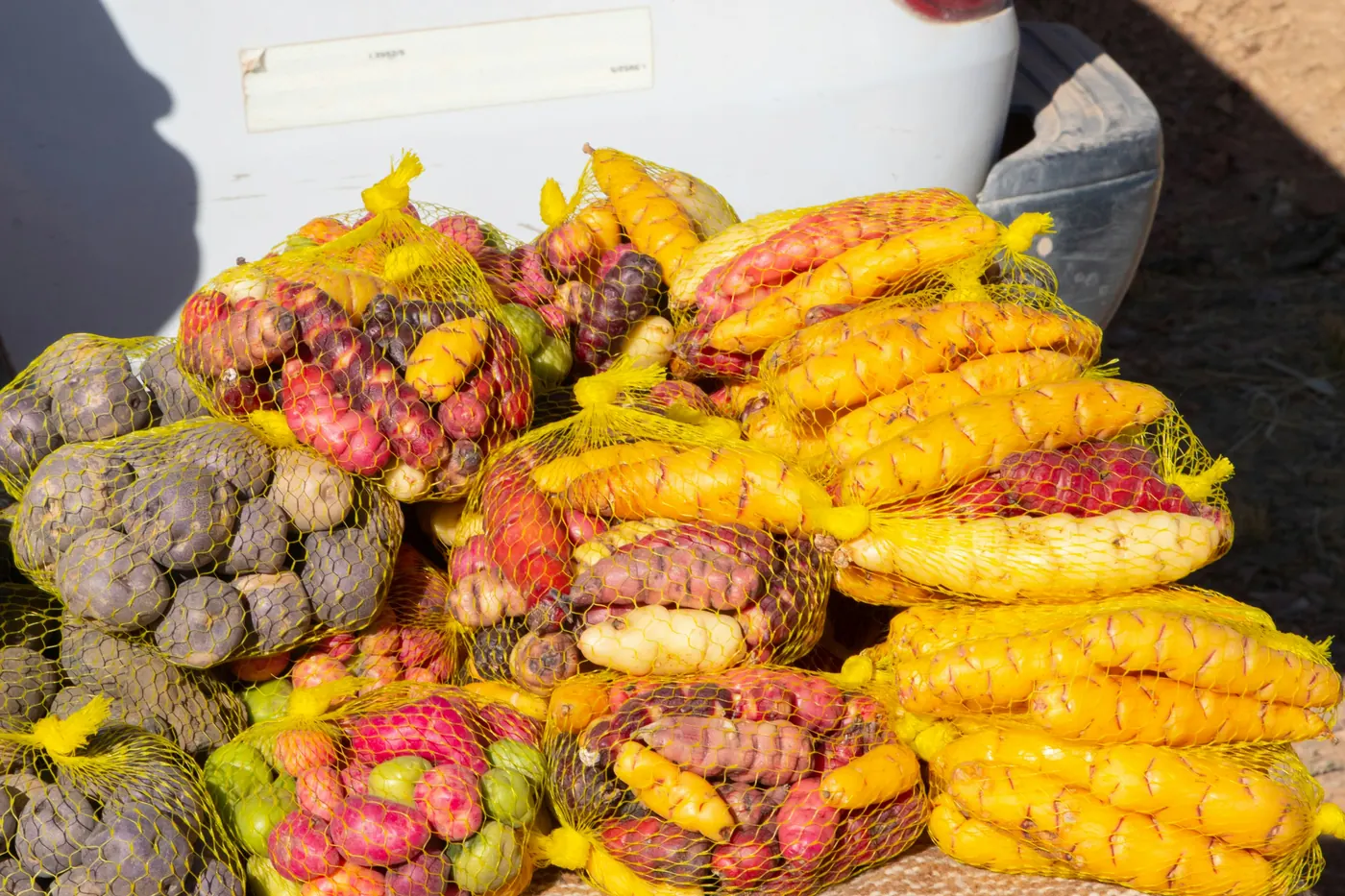
Some books earn a place by doing one thing. Irena Stein is a Venezuelan native and the owner of Alma Cocina Latina in Baltimore, and this hardcover from Ryland Peters & Small is about the corn cake its subtitle calls Venezuela’s daily bread.
Baltimore Magazine reported that the book took five years to make, with Venezuelan chef Eduardo Egui developing the dishes and 50 arepa recipes that run from a basic cheese arepa to lamb cutlets with yogurt and mint. Chef David Zamudio added a few appetizers and desserts. The same article says it topped Food & Wine’s list of the best new summer cookbooks of 2023. We read that claim in the magazine, not on Food & Wine’s own page.
Baltimore Magazine’s piece is a local feature, not a critical review, and Publishers Weekly’s page shows no review, so this pick rests on the publisher’s and author’s details. An arepa cooks on a flat griddle, so our guide to the best comal for pupusas applies here too.
Why we like it
- 50 arepa recipes, per Baltimore Magazine
- Written by a Venezuelan restaurant owner
- Basic versions alongside creative fillings
- A few appetizers and desserts
Key specifications
| Author | Irena Stein |
|---|---|
| Publisher | Ryland Peters & Small |
| Year | 2023 |
| Pages | 192 |
| Format | Hardcover |
| Recipes | About 50, per Baltimore Magazine |
| Focus | Venezuelan arepas and fillings |
| Best for | Cooks who love corn breads |
Why we recommend it
If your household already eats corn tortillas every day, arepas are a short step, and this is the most focused book on them that we found.
Skip it if you want a general Venezuelan cookbook. Arepas are the point here, with a little on the side.
Pros and cons
Pros
- Single clear subject
- Restaurant-owner author
- Basic and creative recipes
Cons
- No named critical review in our sources
- Narrow focus
9. Pan y Dulce, Bryan Ford – The Latin American Baking Book
The surveys here can only give baking part of their pages. Bryan Ford’s Pan y Dulce gives it all 400. His publisher, Voracious, describes 150 recipes in sweet, savory and gluten-free chapters, covering México, Central America, South America and the Caribbean: pan Cubano, medialunas, alfajores, conchas, pan de coco, golfeados and guava pastelitos.
Ford is a Honduran-American baker and the author of New World Sourdough, which appears in our sourdough book guide. Publishers Weekly called this a “comprehensive volume showcasing 150 sweet and savory baked goods.”
That review also points out that the step-by-step instructions are very detailed, and it closes with “Ambitious home bakers will be thrilled.” We take that as a hint about the audience. A beginner can learn from the detail, but this looks like a project book more than a quick-bake book.
Why we like it
- 150 baking recipes, per Voracious and Publishers Weekly
- Sweet, savory and gluten-free chapters
- Spans the whole region
- Author of New World Sourdough
Key specifications
| Author | Bryan Ford |
|---|---|
| Publisher | Voracious (Little, Brown) |
| Year | 2024 |
| Pages | 400 |
| Format | Hardcover |
| Recipes | 150 |
| Focus | Latin American breads, pastries and sweets |
| Best for | Keen home bakers |
Why we recommend it
None of the other books here is about bread and pastry alone. If the pan dulce case is the first thing you look at in a panadería, buy this one.
Skip it if you want dinners. Apart from empanadas and a few similar savory bakes, this is a book for the oven.
Pros and cons
Pros
- Only baking book here
- Wide regional spread
- Gluten-free chapter
Cons
- Instructions run long
- Suits ambitious bakers best
How to choose a Latin American cookbook
“Latin America” covers more than twenty countries and very different kitchens, so the first decision is how wide you want to go. These four questions will settle most of it.
1. One big survey, or one country?
Surveys such as Gran Cocina Latina, The Latin American Cookbook and Latinísimo are worth owning if you are curious about the whole region. They give each country less room, though. If you already know you love Peruvian or Colombian food, a single-country book will take you much further.
2. Does it teach, or just list?
Look for a section on base sauces, pantry staples and unfamiliar ingredients. Latin American cooking leans on things like sofrito, adobo and fresh chiles, and a book that explains them will pay off in every recipe that follows. Presilla’s sauces, Gutierrez’s pantry section and the glossary in Martínez’s book all do this job.
3. Can you get the ingredients?
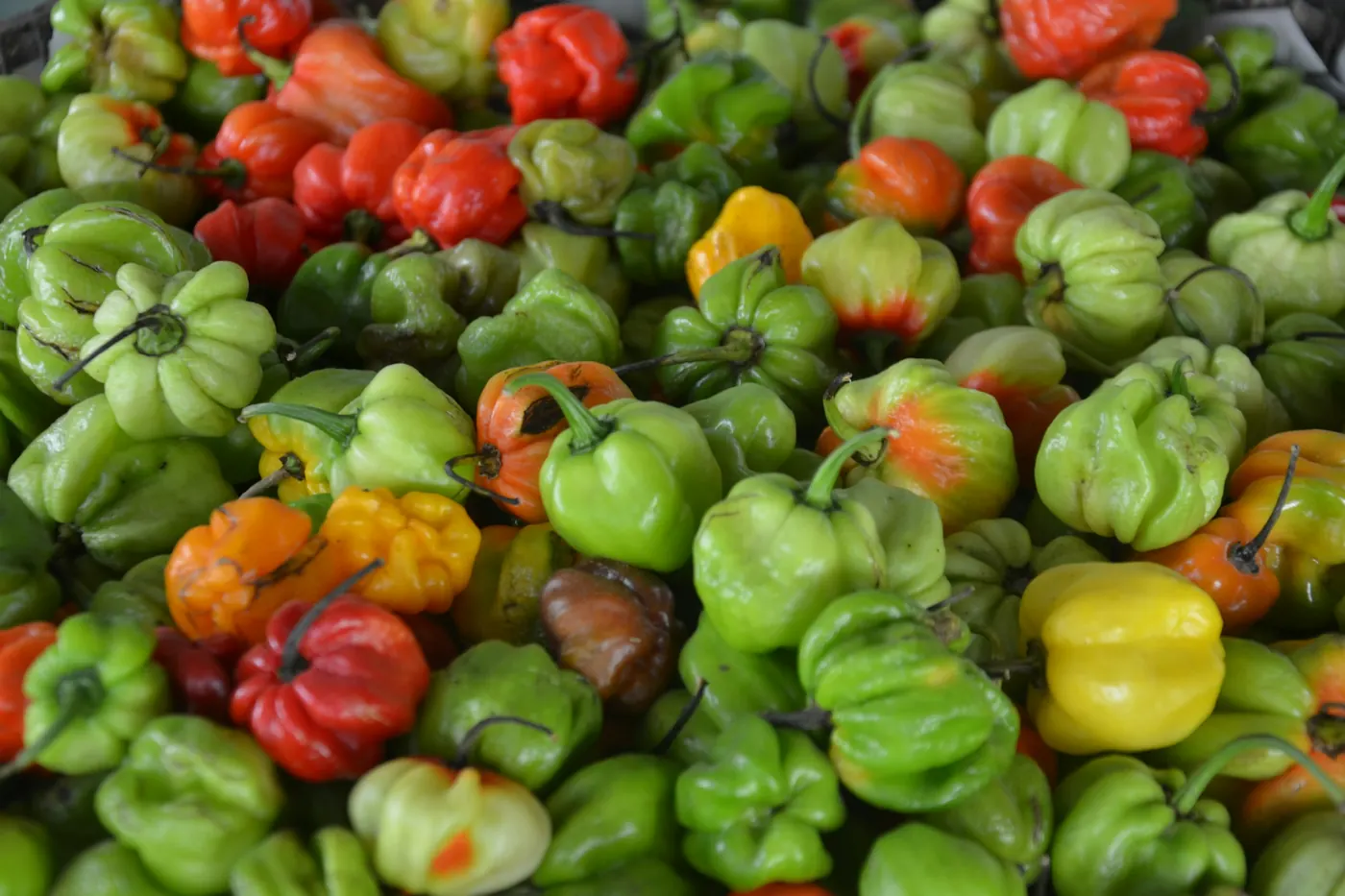
Aji amarillo, yuca and masarepa are simple to buy at a Latin grocery and harder to find elsewhere. Before you commit to a Peruvian or Venezuelan book, see what your nearest store carries or what you can order. In Mexican cooking the same question applies to fresh masa, and our guide to the best tortilla press covers one of the tools it calls for.
4. Who wrote it?
Search for a Peruvian or Latin American cookbook on Amazon and you will find many titles from authors nobody can identify. We left those out. A named cook at an established publisher has a reputation to protect, so check who wrote the book and who published it before you buy, and read the sample pages if you can.
How we chose these nine Latin American books
We searched Amazon’s book listings and kept only print editions from named authors at established publishers, in stock and sold new by Amazon when we checked. Author, year, format and page count come from the listing, and we read the publisher’s pages and Publishers Weekly where we could reach them. We left out every title that already appears on our other cookbook pages, which is why Rick Martínez’s Mi Cocina and Mallmann’s Seven Fires aren’t here.
Here is what stands behind each pick. Gran Cocina Latina, The Latin American Cookbook, Peru: The Cookbook, Colombiana, Mallmann on Fire and Pan y Dulce each have a named review from Publishers Weekly. Latinísimo has reviews from The Boston Globe, Saveur and The Washington Post, which we read as quoted by its publisher. The Chilean Kitchen and Arepa rest on the publisher’s and authors’ details, and Arepa also has a Baltimore Magazine feature. Other reviews of those two may exist that we did not see. We have not cooked from these books ourselves; where we describe a strength, we say whose view it is.
Some good books missed the list on availability alone. Martin Morales’s Andina and Sandra Gutierrez’s Empanadas were offered only used at the top of the listing when we checked, and Maria Baez Kijac’s The South American Table and Gutierrez’s Latin American Street Food were in short supply. Brazil is the clear gap. Phaidon’s Brazil: The Cookbook was still on preorder, so for now The Latin American Cookbook is our Brazil recommendation too.
Latin American cookbook questions, answered
What is the best South American cookbook?
The Latin American Cookbook has the widest South American coverage here, with Brazil, Guyana and Suriname among its countries. For a single country, choose Peru: The Cookbook or Colombiana. If you want depth rather than range, Gran Cocina Latina is the stronger book.
Do Latin American cookbooks include Mexican food?
Usually, yes. Phaidon lists Mexico among the 20 countries in The Latin American Cookbook, and Norton says Gran Cocina Latina runs from Mexico to Argentina. If Mexico is your main interest, a dedicated book will serve you better; see the best Mexican cookbooks.
Which of these is best for a beginner?
Colombiana, which Publishers Weekly recommends as a primer. Among the big surveys, Latinísimo looks the easiest to cook from every day, because you can start with whatever ingredient you have.
Is there a Spanish edition of any of these?
Yes. Latinísimo has a Spanish edition, Latinísimo: Recetas caseras de los veintiún países de América Latina, though it was in short supply on Amazon when we looked.
What equipment do I need for Latin American cooking?
Less than you might think. A heavy griddle handles arepas, pupusas and tortillas, and a good comal is the one purchase we would make first. A mortar helps with sauces, and our molcajete guide shows what to look for.
Our final pick for your shelf
Buy Gran Cocina Latina if you want one serious book for the whole region. Choose The Latin American Cookbook for the widest range, Latinísimo for everyday cooking, and Peru: The Cookbook if ceviche is what brought you here. Mexico deserves a shelf of its own, and the best Mexican cookbooks is the place to start.
And if you would rather someone else did the cooking tonight, see the menu or call to order.