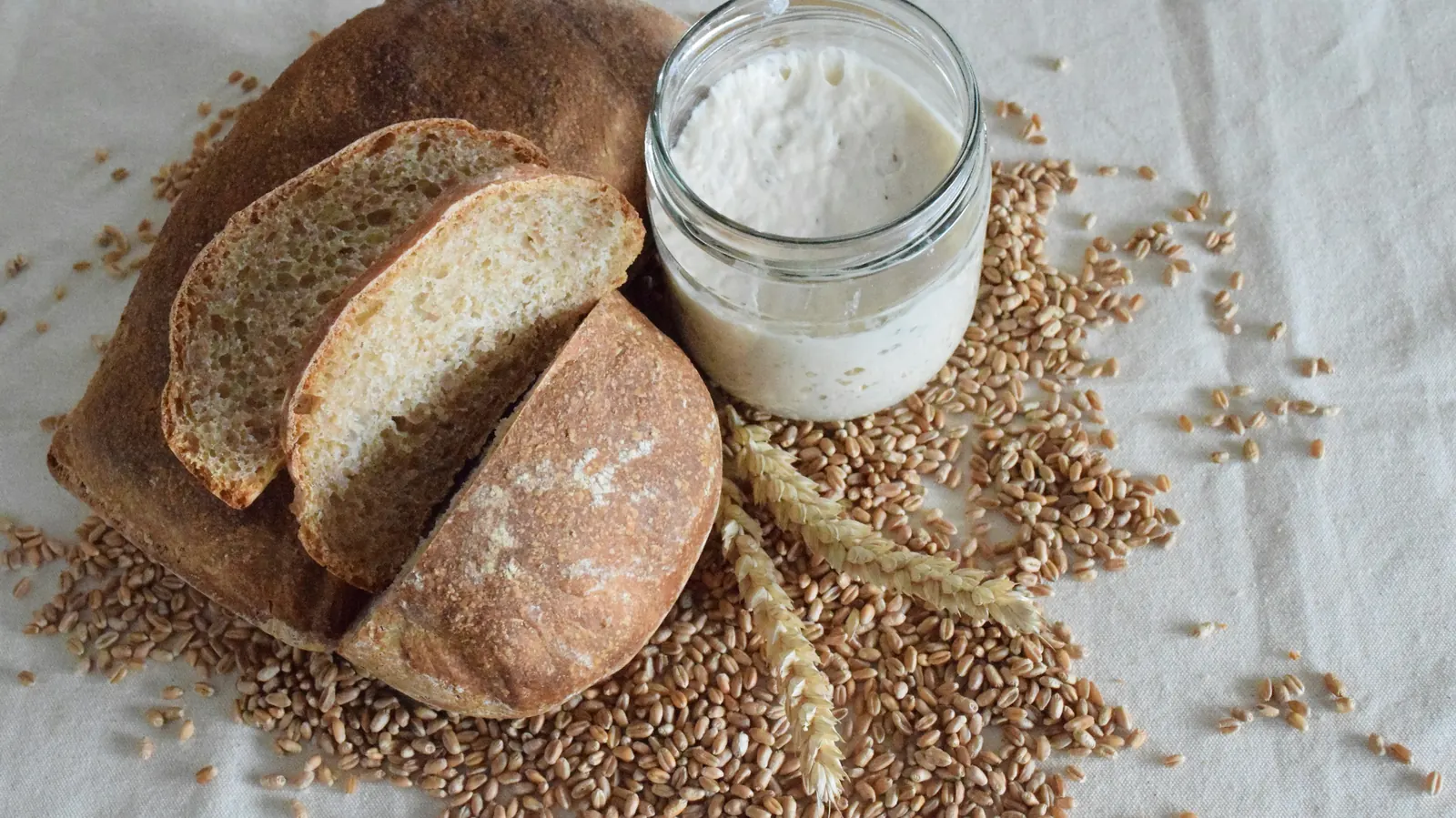
Sourdough looks simple on paper: flour, water, salt and a starter you feed yourself. Then the first loaf comes out flat, and you start to wonder what you missed. In a working kitchen, the answer usually lies in timing, temperature and feel, which is exactly what a good book can teach and a short internet recipe often skips.
The trouble is that sourdough shelves are crowded, and many recent titles are thin or anonymous. This guide sticks to seven books by named bakers from real publishers, each backed by a trade review, a publication or a major award. For each one we set out what those sources say and which baker it fits.
Julia’s earns a commission on purchases made through links on this page, at no cost to you. Recommendations are based on what a restaurant kitchen looks for in a cookbook, publisher and listing information, and published reviews, which we cite.
Quick verdict: the best sourdough book to start with
For most bakers, start with Maurizio Leo’s The Perfect Loaf: an eight-step method, video support and recipes that run from loaves to sweets to discard. If you have never fed a starter, choose Emilie Raffa’s Artisan Sourdough Made Simple. If you cook Latin American food, choose Bryan Ford’s New World Sourdough, with birote and pan de coco.
The other four cover a James Beard winner on baking by feel, an award-winning book that reaches into sweets and savories, a Paris bakery’s signature bread, and a low-discard method for small households.
Five sourdough books side by side
Five of the seven, one for each kind of baker. All seven are described in full below.
| Book | Best for | Starter | Independent source | Buy on Amazon |
|---|---|---|---|---|

The Perfect Loaf, Maurizio LeoBest overall
|
Bakers who want one complete reference | Yes, plus discard recipes | Publishers Weekly | View on Amazon |

Artisan Sourdough Made Simple, Emilie RaffaBest for beginners
|
A first loaf with minimal kneading | Yes | Book Riot | View on Amazon |

Richard Hart Bread, Richard HartBest for baking by feel
|
Bakers ready to work by sight and touch | Yes, sourdough throughout | James Beard Award, Bread, 2025 | View on Amazon |

New World Sourdough, Bryan FordBest for Latin American breads
|
Breads beyond the European loaf | Yes, with instant yeast options | Book Riot, The Kitchen Review of Books | View on Amazon |

Sourdough, Sarah OwensBest award winner
|
Sweets, savories and whole grains | Yes | James Beard Foundation Award; Reviewed | View on Amazon |
Cover images from Amazon. Details are for the listings linked; other editions can differ.
Our picks for the best sourdough book, title by title
We have not baked our way through these books. Where we describe a strength or a weakness, we say whose view it is. We leave out page and recipe counts, because they change between editions.
1. The Perfect Loaf, Maurizio Leo – The Full Course in Sourdough
If you only buy one sourdough book, this is the one we would start with. Maurizio Leo, whom Publishers Weekly describes as Food52’s resident bread baker, built it from years of his own experiments and from lessons taken from sourdough experts and the online baking community. The review says the method is broken into eight steps, running from starting the levain through to baking, which gives a beginner a map and gives an experienced baker a checklist for finding what went wrong.
The range goes well past the country loaf. Publishers Weekly mentions a lemon and herbes de Provence free-form loaf, a pan-baked Tuscan flatbread, cinnamon rolls and Italian doughnuts, along with cornbread and biscuits that use up discard. That last part matters in a home kitchen, because a starter makes discard every time you feed it, and a book that gives it a job saves flour.
The review also notes QR codes that link to videos, which back up the step-by-step photos. Shaping is hard to learn from still pictures, so moving ones help. Its verdict was that the book will “supercharge” a baker’s sourdough skills. The honest catch is the depth: this is a book to study as much as to cook from, and someone who only wants a loaf by Saturday may find it more than they need.
Why we like it
- Eight-step method from levain to bake, per Publishers Weekly
- QR-linked videos alongside step-by-step photos
- Discard recipes as well as loaves
- Sweets and flatbreads sit beside the breads
Key specifications
| Author | Maurizio Leo |
|---|---|
| Publisher | Clarkson Potter |
| Year on listing | 2022 |
| Focus | Sourdough loaves, flatbreads, sweets, discard |
| Starter needed | Yes |
| Independent source | Publishers Weekly review |
| Best for | One complete sourdough reference |
Why we recommend it
Choose it if you plan to bake sourdough for years and want one book that explains the reasoning as well as the recipe.
Skip it if you want a short, relaxed introduction. Emilie Raffa’s book below is much closer to that.
Pros and cons
Pros
- Deep and well organized
- Video support for shaping
- Uses up discard
Cons
- A lot to take in for a first loaf
- Takes time to work through
2. Artisan Sourdough Made Simple, Emilie Raffa – The Gentlest Way In
Emilie Raffa’s book says what it is in its subtitle: a beginner’s guide to handcrafted bread with minimal kneading. It comes from Page Street Publishing, and it is the book we would hand to someone who has never fed a starter and feels nervous about the whole business.
The best independent evidence comes from Book Riot, where senior contributor Susie Dumond baked the basic loaf from four sourdough books in one showdown. She named Raffa’s book the best for beginners and found its everyday loaf the easiest of the four. Her reservation is worth repeating: she found it “a little too simple to turn out an excellent loaf of sourdough,” and its crumb came out denser than she likes.
That is a fair trade for a first book. A beginner’s real risk is giving up after two failures, and a simple recipe that works keeps people baking. Once your loaves are reliable you will probably want more than this book offers, which is the moment to move on to Maurizio Leo or Richard Hart.
Why we like it
- Written for first-time sourdough bakers
- Minimal kneading, per the listing
- Named best for beginners by Book Riot’s contributor
- The easiest of four basic loaves in that comparison
Key specifications
| Author | Emilie Raffa |
|---|---|
| Publisher | Page Street Publishing |
| Year on listing | 2017 |
| Focus | Beginner sourdough with minimal kneading |
| Starter needed | Yes |
| Independent source | Book Riot comparison |
| Best for | Absolute beginners |
Why we recommend it
Choose it for a first sourdough book, or as a gift for someone who has just been handed a jar of starter.
Skip it if you already bake good bread. Book Riot’s contributor found the basic recipe too simple for an excellent loaf.
Pros and cons
Pros
- Easy starting point
- Low kneading effort
- Clear beginner focus
Cons
- Basic loaf came out dense for one reviewer
- You may outgrow it
3. Richard Hart Bread, Richard Hart – Sourdough by Feel, From a Former Tartine Head Baker
Richard Hart founded Hart Bageri in Copenhagen and was head baker at San Francisco’s Tartine, according to the book’s retail description, and this book tries to teach what he does by instinct. The James Beard Foundation named it the winner of its Bread book award in 2025, crediting Hart with Henrietta Lovell and Laurie Woolever.
The description promises a guide to the intuitive art of baking bread: learning to see, taste, touch and adapt, with more than 60 recipes. Photography and videos reached through QR codes support the method descriptions, which helps with skills that are hard to put into words.
It is a book about judgment as much as formulas, so it suits a baker who has a few loaves behind them. We have not baked from it, and the award is the independent source here; we did not find a full review we could read.
Why we like it
- James Beard Award for Bread, 2025
- More than 60 recipes, per the retail description
- Videos linked by QR code
- From a former Tartine head baker
Key specifications
| Author | Richard Hart, with Henrietta Lovell and Laurie Woolever |
|---|---|
| Publisher | Clarkson Potter |
| Year on listing | 2024 |
| Focus | Intuitive sourdough baking |
| Starter needed | Yes, sourdough |
| Independent source | James Beard Foundation |
| Best for | Bakers learning to work by feel |
Why we recommend it
Choose it if you can already make a decent loaf and want to understand dough by sight and touch, not only follow a recipe.
Skip it if this is your first starter; Emilie Raffa’s book is the gentler way in.
Pros and cons
Pros
- Top award in its category
- Video support
- Teaches judgment, not only recipes
Cons
- Not a first book, in our view
- No full review we could read
4. New World Sourdough, Bryan Ford – Birote, Pan de Coco and More
This is the pick closest to our own kitchen. The title itself promises birote, pan de coco, bagels and beignets, and birote is the crusty sourdough roll of Guadalajara that holds a torta ahogada together. Very few sourdough books look in this direction at all. Retail descriptions of the book say Ford draws on his Honduran roots and New Orleans upbringing.
It also holds up in independent comparison. In Book Riot’s four-book showdown, Susie Dumond named it best overall and singled out its flavor, adding that the recipe differed from her usual method but left her happy with the result. Maya Meredith’s The Kitchen Review of Books spoke with a baker of about ten years, who praised the clear, visual instruction on mixing, kneading and shaping, and called out pan de agua, coconut-milk flour tortillas and pan de gallego.
That same review flags a real difficulty: a coconut rye loaf was hard to shape after its cold ferment because of the coconut fat. Retail descriptions also say each recipe gives modifications for instant yeast as well as a starter, which is useful if your starter is not ready yet. Check those notes in the book itself, since we are relying on the description. For tortilla readers, our guide to corn vs flour tortillas gives the background.
Why we like it
- Birote and pan de coco named in the listing title
- Book Riot’s contributor named it best overall of four
- Clear on mixing, kneading and shaping, per The Kitchen Review of Books
- Latin American breads rarely found in sourdough books
Key specifications
| Author | Bryan Ford |
|---|---|
| Publisher | Quarry Books |
| Year on listing | 2020 |
| Focus | Latin American and New Orleans-influenced breads |
| Starter needed | Yes; instant yeast options per retail descriptions |
| Independent source | Book Riot; The Kitchen Review of Books |
| Best for | Bakers bored of the plain boule |
Why we recommend it
Choose it if you cook Latin American food at home and want your bread to match, or if you have already baked plenty of plain country loaves.
Skip it if you want one exhaustive reference. It is a recipe collection with a point of view, and some doughs are tricky to handle.
Pros and cons
Pros
- Rare range of Latin American breads
- Praised for clear instruction
- Good flavor in Book Riot’s bake
Cons
- Rich doughs can be hard to shape
- Not an exhaustive reference
5. Sourdough, Sarah Owens – An Award Winner Beyond Bread
Sarah Owens’s Sourdough won the James Beard Foundation Book Award in Baking and Dessert in 2016, which puts it in select company for a book on fermented bread. Reviewed, the product review site, called Owens “basically the modern-day queen of sourdough” and described the book as a “bread baking 101 master class,” noting her care for the origins and history of her grains.
As its subtitle says, it goes beyond the loaf into rustic breads, sweets and savories. That suits a baker who keeps a starter alive and wants more ways to use it than bread alone. It also suits anyone curious about flour itself, since Reviewed singles out her attention to where grain comes from.
One detail to check: the award went to the Roost Books edition, and the copy we link is listed by Shambhala with a 2025 date and the same title. We could not confirm whether anything inside changed, so if you want the original, look at the publisher information on the listing before you buy.
Why we like it
- James Beard Foundation Book Award winner, Baking and Dessert, 2016
- Covers breads, sweets and savories
- Reviewed praises her care for grain origins
Key specifications
| Author | Sarah Owens |
|---|---|
| Publisher | Shambhala (listing); award went to Roost Books edition |
| Year on listing | 2025 |
| Focus | Rustic breads, sweets, savories |
| Starter needed | Yes |
| Independent source | James Beard Foundation Award; Reviewed |
| Best for | Bakers who want more from a starter |
Why we recommend it
Choose it if you want an award-winning book with a wide idea of what a starter can do.
Skip it if you want a step-by-step troubleshooting manual. We found no source that describes it as one.
Pros and cons
Pros
- Major baking award
- Range beyond loaves
- Attention to grain
Cons
- Differences between editions not confirmed
- Less independent detail on its method than our top picks
6. Poilâne, Apollonia Poilâne – A Paris Bakery’s Signature Loaf

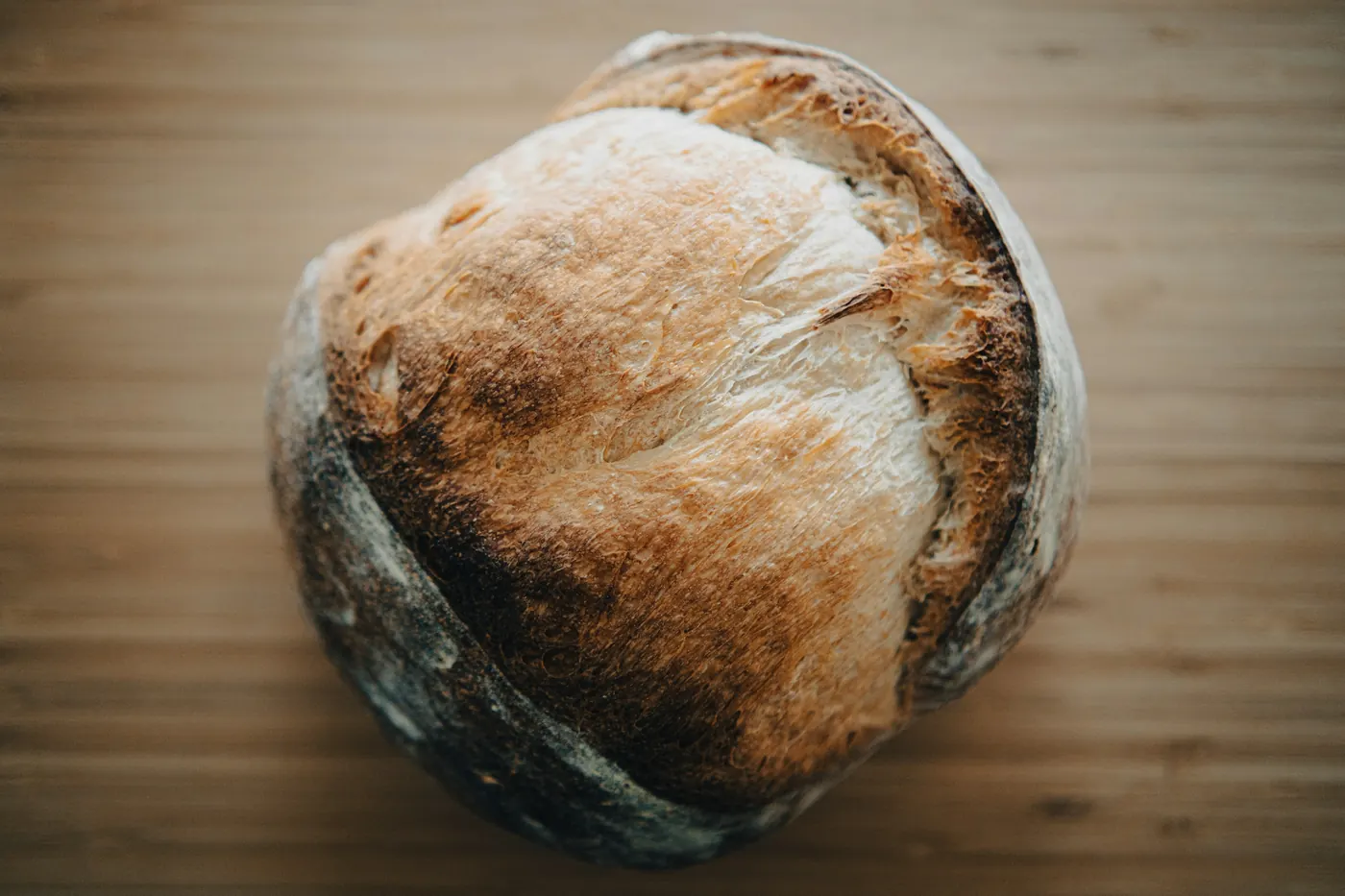
Poilâne is the Paris bakery that opened in 1932, according to Reviewed, and Apollonia Poilâne’s book brings a home version of its signature sourdough into your kitchen. Publishers Weekly praises that recipe and her descriptions of baker’s craft, such as judging temperature without a thermometer. That kind of knowledge is hard to find on a recipe card.
The book is arranged into morning, afternoon and evening sections, with the evening recipes more experimental. Publishers Weekly found its sidebars on the bakery’s history and on storing bread useful. Reviewed recommends it for intermediate bakers who want a challenge, which matches the feel of the trade review.
It is not all bread. Publishers Weekly thought the recipes that are not bread-focused, some from a 1996 café, seemed out of place, and concluded that the book sometimes drifts off topic while the author’s voice and insights carry many excellent recipes. Buy it for the loaf and the bakery’s story, and treat the rest as a bonus. The listing shows it in hardcover.
Why we like it
- Home version of the bakery’s signature sourdough
- Traditional baker’s judgment, per Publishers Weekly
- History and storage sidebars
- Hardcover, per the listing
Key specifications
| Author | Apollonia Poilâne |
|---|---|
| Publisher | Harvest (listing); HMH/Rux Martin per Publishers Weekly |
| Year on listing | 2019 |
| Focus | Signature sourdough, bakery recipes, history |
| Starter needed | For the signature loaf |
| Independent source | Publishers Weekly review; Reviewed |
| Best for | Intermediate bakers |
Why we recommend it
Choose it once you can bake a dependable loaf and want a piece of baking history along with a new challenge.
Skip it if you want a pure sourdough book. Publishers Weekly found it sometimes drifts off topic.
Pros and cons
Pros
- Celebrated signature loaf
- Strong authorial voice
- Useful storage advice
Cons
- Includes recipes outside bread
- Not aimed at beginners
7. Evolutions in Bread, Ken Forkish – A Lower-Waste Starter

Ken Forkish, of Ken’s Artisan Bakery in Portland, Oregon, wrote the book here for bakers who dislike throwing flour away. According to Publishers Weekly, he has revised his natural levain so it uses less flour, takes about a week to make and produces less discard. Most recipes are stirred by hand in a single bowl or container and yield one loaf, which is the right size for a small household.
The review describes a standardized eight-step process that becomes routine with practice. It also explains why he blends flours, and it covers a range of timings: same-day breads in as little as six hours, overnight refrigerated loaves with more flavor, and three-day fermented Dutch oven breads, including a walnut loaf the reviewer praises highly.
We list it last for a plain reason: it is not purely a sourdough book. Many of its recipes work with or without the levain. For a baker who wants flexibility that is a strength, and Publishers Weekly expects it to be a major asset for home bread bakers, but a strict sourdough purist will prefer the books above.
Why we like it
- Revised levain with less discard, per Publishers Weekly
- One-bowl, one-loaf recipes
- Same-day, overnight and three-day timings
- Many recipes work with or without levain
Key specifications
| Author | Ken Forkish |
|---|---|
| Publisher | Ten Speed Press |
| Year on listing | 2022 |
| Focus | Pan breads and Dutch oven loaves |
| Starter needed | Optional for many recipes |
| Independent source | Publishers Weekly review |
| Best for | Small households, less waste |
Why we recommend it
Choose it if the daily feeding and discard are what put you off sourdough, or if you bake one loaf at a time.
Skip it if you want every recipe to be naturally leavened. Many also work without the levain.
Pros and cons
Pros
- Less discard
- One-loaf batches
- Flexible timings
Cons
- Not sourdough only
- Eight-step routine takes practice
How to choose a sourdough book
1. Start from your actual level
A first-time baker needs reassurance and a short path to a decent loaf. An experienced baker needs explanation and troubleshooting. Raffa’s book serves the first group and Leo’s the second, and buying the advanced book too early is a common way to give up.
2. Look for how it teaches feel
Dough strength, fermentation and shaping are hard to describe in words. Look for step-by-step photos, numbered steps or video. Publishers Weekly points these out in Leo’s book, Hart’s links videos by QR code, and The Kitchen Review of Books praises Ford’s visual instruction.
3. Check what the starter needs from you
Every starter needs feeding, and feeding makes discard. If that bothers you, look for discard recipes, as in Leo’s book, or a leaner starter, as in Forkish’s.
4. Match the book to your equipment
Forkish bakes in pans and Dutch ovens. A digital scale helps with any of them, so see our guide to the best kitchen scale for sourdough. Our guides to the best bread proofing basket and the best bread lame cover shaping and scoring.
5. Decide what you want to eat
Plain country loaves, sweets and Latin American rolls lead to different books. If you want a torta on your table, Ford’s birote is a better reason to buy than any general praise.
How we chose these seven sourdough books
We started from Amazon’s Books listings, keeping only titles that showed plain in-stock availability, then set aside anonymous or AI-looking self-published titles. Each book left needed a named author, a real publisher and a verifiable outside source: a Publishers Weekly review, a James Beard Foundation Book Award, or coverage in a named publication such as Book Riot or Reviewed. We did not bake from any of these books, and the restaurant does not claim to use them.
Some well-known titles missed out for simple reasons. Chad Robertson’s Tartine Bread and Tartine No. 3, and Daniel Leader’s Living Bread, were not plainly in stock. That is a stock problem, not a judgment against them.
Sourdough book questions, answered
What is the best sourdough baking book for a complete beginner?
Emilie Raffa’s Artisan Sourdough Made Simple. Book Riot’s contributor named it the best for beginners and found its everyday loaf the easiest in her comparison, though she thought the result a little too simple for an excellent loaf.
Do I need a Dutch oven to use these books?
Forkish includes Dutch oven loaves, so a heavy lidded pot helps. Our guide to the best Dutch oven for bread explains what to look for.
Which sourdough book won a James Beard Award?
Of these seven, Sarah Owens’s Sourdough won the James Beard Foundation Book Award for Baking and Dessert in 2016, and Richard Hart Bread won the Foundation’s Bread award in 2025.
Is there a sourdough book with Mexican breads?
Bryan Ford’s New World Sourdough names birote in its title, and The Kitchen Review of Books mentions coconut-milk flour tortillas in it. It is the closest fit on this list, though its range is much wider than Mexico.
Can these books help with discard?
Publishers Weekly mentions discard cornbread and biscuits in Leo’s book, and Forkish’s revised levain is designed to produce less discard in the first place.
Our final pick for the sourdough shelf
Start with The Perfect Loaf if you want one book that lasts. Start with Artisan Sourdough Made Simple if you want a first loaf this month. Add New World Sourdough when you want rolls and breads that belong next to Mexican food. For the tools that go with them, see our guide to the best bench scraper for sourdough.
And when you would rather someone else did the cooking, see the menu or call to order.