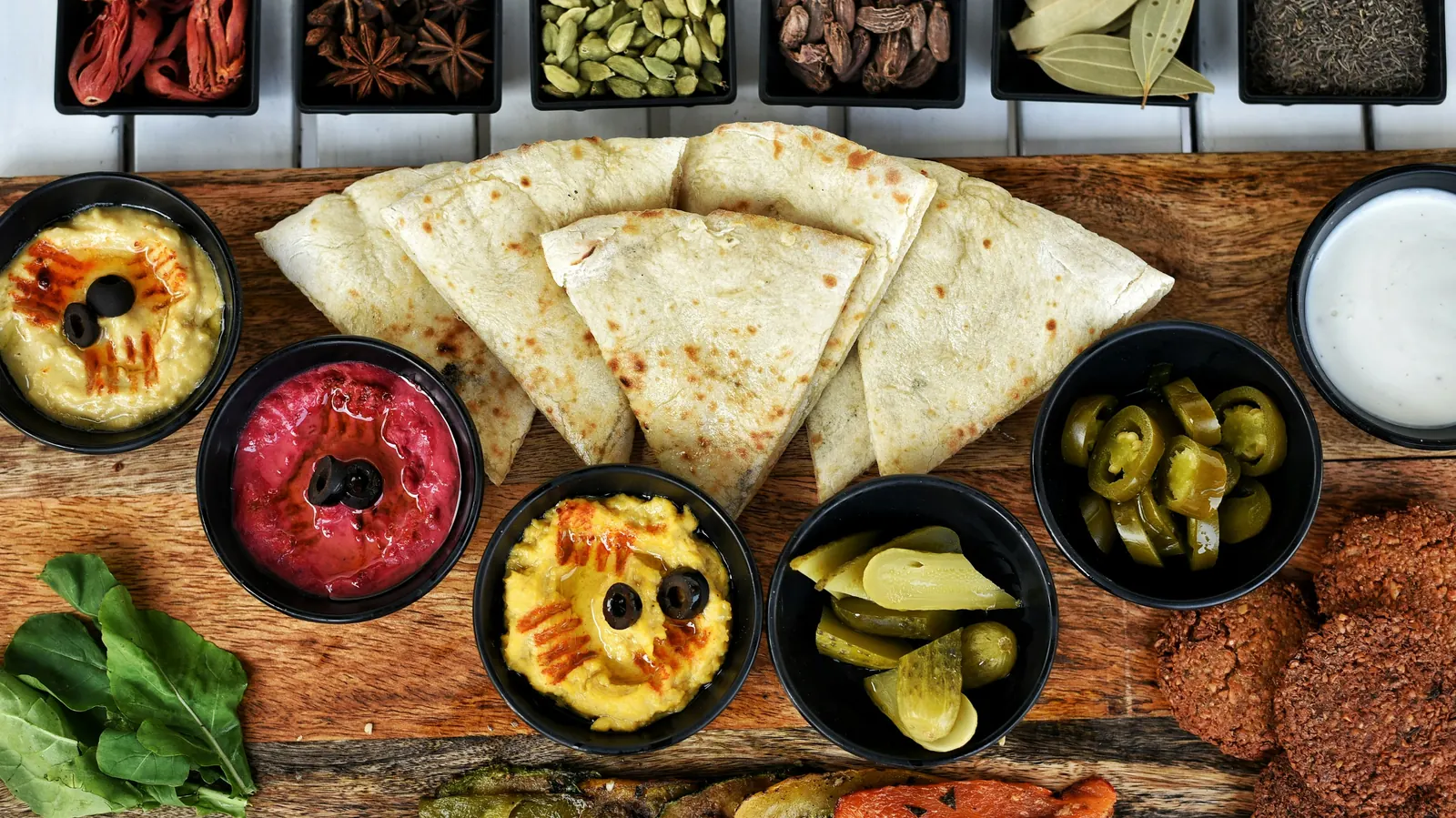
Few cooking traditions reward a home cook faster than this one. A jar of tahini, a bag of chickpeas, some good spices and a hot pan get you most of the way to dinner. Then there is the depth beyond it: rice with a golden crust, stuffed vegetables, flatbreads, slow stews and rich sweets.
The trouble is that “Middle Eastern” covers a huge area, from Morocco to Iran, and each of these kitchens has its own voice. This guide picks eight real books from named authors and established publishers, including a Lebanese cookbook, and for each sets out what the listing, the publisher and named reviewers say, and which cook it suits.
Julia’s earns a commission on purchases made through links on this page, at no cost to you. Recommendations are based on what a restaurant kitchen looks for in a cookbook, the Amazon listing, publisher and author information and published reviews, which we name where we use them.
Quick verdict: the best Middle Eastern cookbook to start with
For most cooks, start with Claudia Roden’s Arabesque: more than 150 recipes from Morocco, Turkey and Lebanon, a Publishers Weekly review and major awards. If you want to master hummus and tehina, choose Michael Solomonov’s Zahav. For everyday home cooking, choose Reem Kassis’s The Palestinian Table.
The other five cover Lebanese cooking, shared meals from Morocco to Georgia, a giant reference, Palestine region by region and Persian rice.
Five Middle Eastern books side by side
Five of the eight, one for each kind of cook, with the details from the listing and publisher. All eight are described in full below.
| Cookbook | Best for | Recipes | Length | Buy on Amazon |
|---|---|---|---|---|

Arabesque, Claudia RodenBest overall
|
Three cuisines, classic dishes | More than 150 | 342 pages, hardcover | View on Amazon |

Zahav, Michael Solomonov and Steven CookBest from a restaurant
|
Israeli cooking, tehina to sweets | Not stated | 368 pages, hardcover | View on Amazon |

The Palestinian Table, Reem KassisBest home cooking
|
Family recipes and memoir | Nearly 150 | 256 pages, hardcover | View on Amazon |

Lebanon, Anissa HelouBest Lebanese
|
Lebanese home cooking | 165 | 368 pages, hardcover | View on Amazon |

Maydān, Rose Previte and Marah StetsBest for sharing
|
Shared meals, Lebanon and beyond | More than 150 | 272 pages, hardcover | View on Amazon |
Cover images from Amazon. Page counts and formats are for the editions linked; other editions differ.
Our picks for the best Middle Eastern cookbook, book by book
These eight cover a classic three-country collection, a chef’s Israeli cooking, Palestinian and Lebanese home food, shared meals, a world reference, a regional tour of Palestine and Persian cooking. For each we give what the listing, publisher and any published review say. We have not cooked our way through these books; where we describe a strength, we say whose view it is.
1. Arabesque, Claudia Roden – Three Cuisines From a Master
Claudia Roden’s The New Book of Middle Eastern Food is the title many readers look for, and it wasn’t in stock when we checked. Arabesque is the title of hers we can recommend today: more than 150 recipes from Morocco, Turkey and Lebanon, organized by country.
Publishers Weekly called it “a thoroughly enjoyable and fascinating look at the cuisines” of the three countries, with history and stories alongside recipes reworked for today’s home cook. Its examples include Moroccan chickpea and lentil soup, a tagine of chicken with preserved lemons and olives, Turkish lamb stew with eggplant sauce, baba ghanouj, spinach pies and kataifi with cream.
Penguin Random House lists it as a James Beard Award finalist, and says it won Britain’s André Simon Memorial Fund Award and the Glenfiddich Best Food Book Award. This is the oldest book on the page. PW lists 342 pages, matching the Amazon listing; the publisher’s page says 352.
Why we like it
- More than 150 recipes, per PW
- Named praise from Publishers Weekly
- James Beard Award finalist, per its publisher
- Organized by country
Key specifications
| Author | Claudia Roden |
|---|---|
| Publisher | Knopf |
| Year | 2006 |
| Pages | 342 (publisher lists 352) |
| Format | Hardcover |
| Recipes | More than 150 |
| Focus | Morocco, Turkey and Lebanon |
| Best for | Cooks who love classic dishes |
Why we recommend it
If you buy one book on this page, buy this one. It covers three of the region’s cuisines in one place, from a writer who knows their history, and its awards and named review back that up.
Skip it if you want a recent book, or restaurant flair. Its appeal is authority rather than novelty.
Pros and cons
Pros
- A leading authority
- Three countries in one book
- Well honored
Cons
- The oldest title here
- Covers three countries only
2. Zahav, Michael Solomonov and Steven Cook – Tehina First, Then Everything
Zahav is one of Michael Solomonov’s Philadelphia restaurants, and this book, written with Steven Cook, tells his story through its food. The James Beard Foundation named it Cookbook of the Year, according to the Wikipedia entry on Solomonov, which cites the foundation’s list of winners; we couldn’t reach the foundation’s page itself.
Libby Barnea reviewed it in Hadassah Magazine and laid out the structure: it opens with a chapter on tehina, including seven hummus recipes, then moves through salads, mezze, barbecue, rice, Israeli classics, party cooking and sweets. A basic tehina sauce is used as a building block across the book, which means the first chapter pays off for the rest of it.
Publishers Weekly praised an “impressive collection of recipes that are sure to challenge readers’ preconceptions,” and said most are approachable for novice cooks, with tehina itself as the main technical challenge. Its list runs from kibbe, latke and rugelach to duck and foie gras kebabs and an Israeli salad-infused gin martini, so traditional dishes sit beside restaurant ideas.
Why we like it
- Named reviews from PW and Hadassah Magazine
- Seven hummus recipes in the opening chapter
- Tehina sauce as a building block
- Traditional dishes beside inventive ones, per PW
Key specifications
| Author | Michael Solomonov and Steven Cook |
|---|---|
| Publisher | Harvest (HMH) |
| Year | 2015 |
| Pages | 368 |
| Format | Hardcover |
| Recipes | Not stated |
| Focus | Israeli cooking through a restaurant’s story |
| Best for | Cooks who want a project |
Why we recommend it
If you want to get serious about hummus and tehina, start here. The opening chapter alone is a good reason to buy it, and the rest of the book builds on it.
Skip it if you want thirty-minute dinners. This is a chef’s book, and some of its dishes are restaurant ideas.
Pros and cons
Pros
- Cookbook of the Year honor
- Most recipes approachable, per PW
- Tells the author’s story
Cons
- A chef’s ambitions in places
- Tehina is the main technical challenge, per PW
3. The Palestinian Table, Reem Kassis – Three Generations of Home Cooking
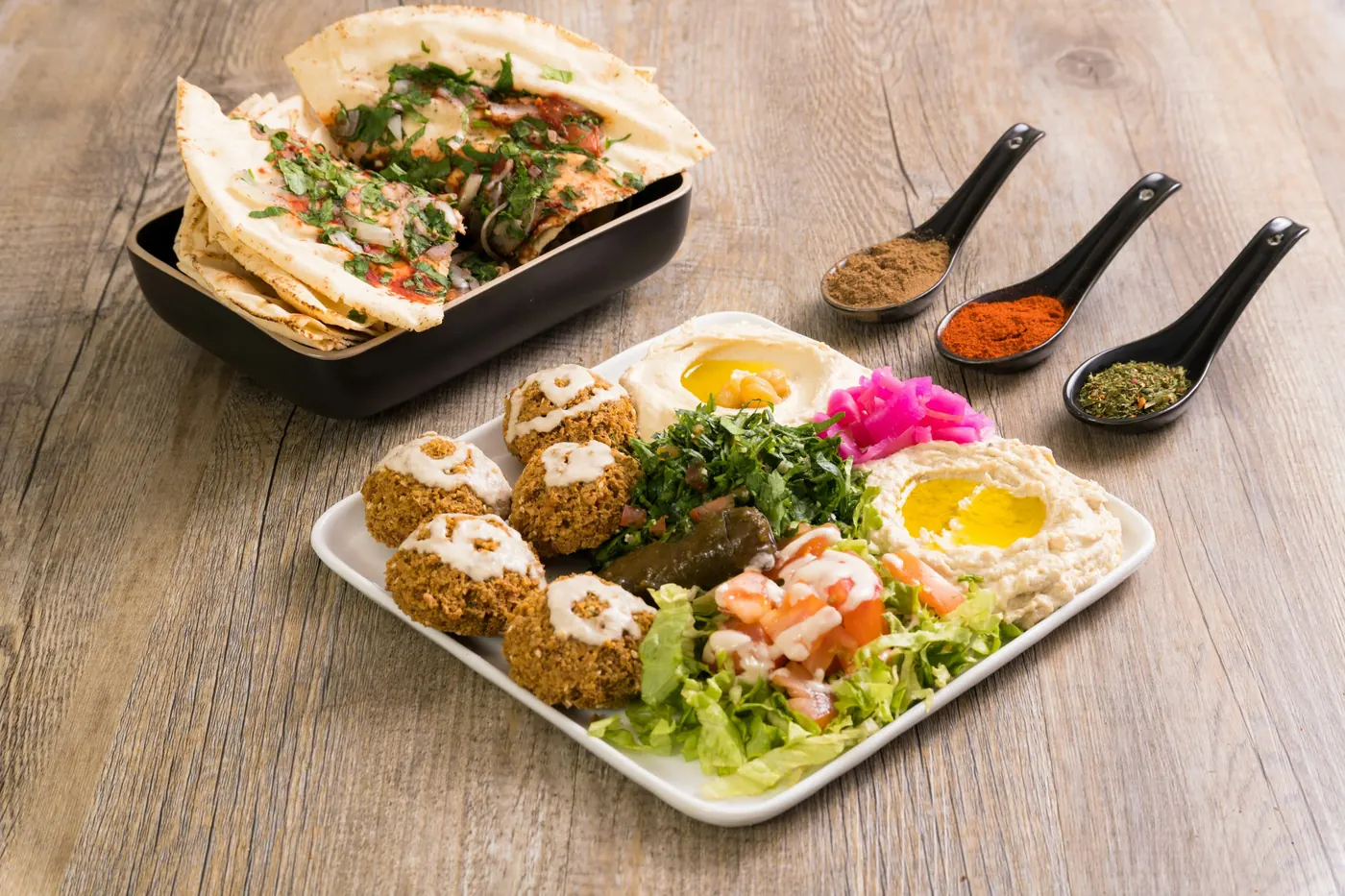
Reem Kassis’s book is a family cookbook in the best sense. Phaidon says its recipes, nearly 150 of them, come from three generations of home cooks, and range from simple breakfasts and quick salads to celebratory dishes. The World’s radio segment called it both a memoir and a cookbook.
It did well for a debut. Phaidon lists the Guild of Food Writers First Book Award and a James Beard nomination for best international cookbook. Kassis grew up in Jerusalem, left at 17 to study in the US and turned to the kitchen after a career in business, once her daughters were born, as a way to connect them to home.
Chrissie Walker reviewed it at Mostly Food and Cocktails and called it “an excellent and comprehensive introduction” to popular dishes of the region. She praised the recipes as practical for everyday cooking, picked out the nine spice mix, shakshuka, cauliflower fritters and split lentil soup, and said it made her want to cook from it, which she found unusual with a review copy.
Why we like it
- Nearly 150 recipes from three generations, per Phaidon
- Guild of Food Writers First Book Award
- Named review from Chrissie Walker
- Everyday dishes as well as feasts
Key specifications
| Author | Reem Kassis |
|---|---|
| Publisher | Phaidon |
| Year | 2017 |
| Pages | 256 |
| Format | Hardcover |
| Recipes | Nearly 150 |
| Focus | Palestinian home cooking and family stories |
| Best for | Everyday home cooks |
Why we recommend it
If you want food you’d eat at someone’s house rather than at a restaurant, this is the book. Its reviewer found the recipes practical and the writing warm, which is a good mix for a kitchen shelf.
Skip it if you want a survey of many countries. This stays with one family’s kitchen and its traditions.
Pros and cons
Pros
- Practical everyday recipes, per Walker
- Warm personal writing
- Recognized with a first-book award
Cons
- Focused on one tradition
- A shorter book than some here
4. Lebanon, Anissa Helou – Beirut-Born, 165 Recipes
If you came here for a Lebanese cookbook, this is where we’d start. Anissa Helou was born and raised in Beirut, and the publisher’s copy calls this her ninth book, following Lebanese Cuisine, Mediterranean Street Food and Feast, which is also on this page.
Ecco lists 165 recipes covering flatbreads, savory pastries, soups, dips, salads, stuffed vegetables, fish, poultry, grains and sweets. Examples include meatballs in a lemony sauce, fava beans and lamb in yogurt, lentil risotto and baked fish with a Tripolitan tahini and cilantro sauce, with sweet walnut triangles and tahini rice pudding among the desserts.
The book also covers Lebanon’s regional cooking and history, with family stories and the author’s travels around the country. It’s new, and we didn’t read a full review, so this pick rests on the publisher’s and author’s details; Publishers Weekly’s page has no review. We chose it on Helou’s record: Feast won a James Beard Award, and the publisher says the New Yorker named it one of the ten best cookbooks of this century.
Why we like it
- 165 recipes, per its publisher
- Written by a Beirut-born food writer
- Covers regional cooking and history
- Flatbreads and savory pastries alongside the mains
Key specifications
| Author | Anissa Helou |
|---|---|
| Publisher | Ecco |
| Year | 2026 |
| Pages | 368 |
| Format | Hardcover |
| Recipes | 165 |
| Focus | Lebanese home cooking, region by region |
| Best for | Anyone who wants one Lebanese book |
Why we recommend it
If mezze, flatbreads and stuffed vegetables are what you love about this food, this is the deepest book on the subject here, from an author with a long list of books behind her.
Skip it if you’d rather wait for reviews. It’s a new title, and we can only report what its publisher says.
Pros and cons
Pros
- Deep on Lebanon
- An award-winning author
- Wide range of dishes
Cons
- Rests on publisher details
- Too new to have a track record
5. Maydān, Rose Previte and Marah Stets – From Morocco to Georgia
Rose Previte owns Maydān and Compass Rose in Washington, D.C., and Abrams says Maydān earned a Michelin star and was a James Beard semifinalist for Best New Restaurant. The book, written with Marah Stets, covers Lebanese cooking and its neighbors.
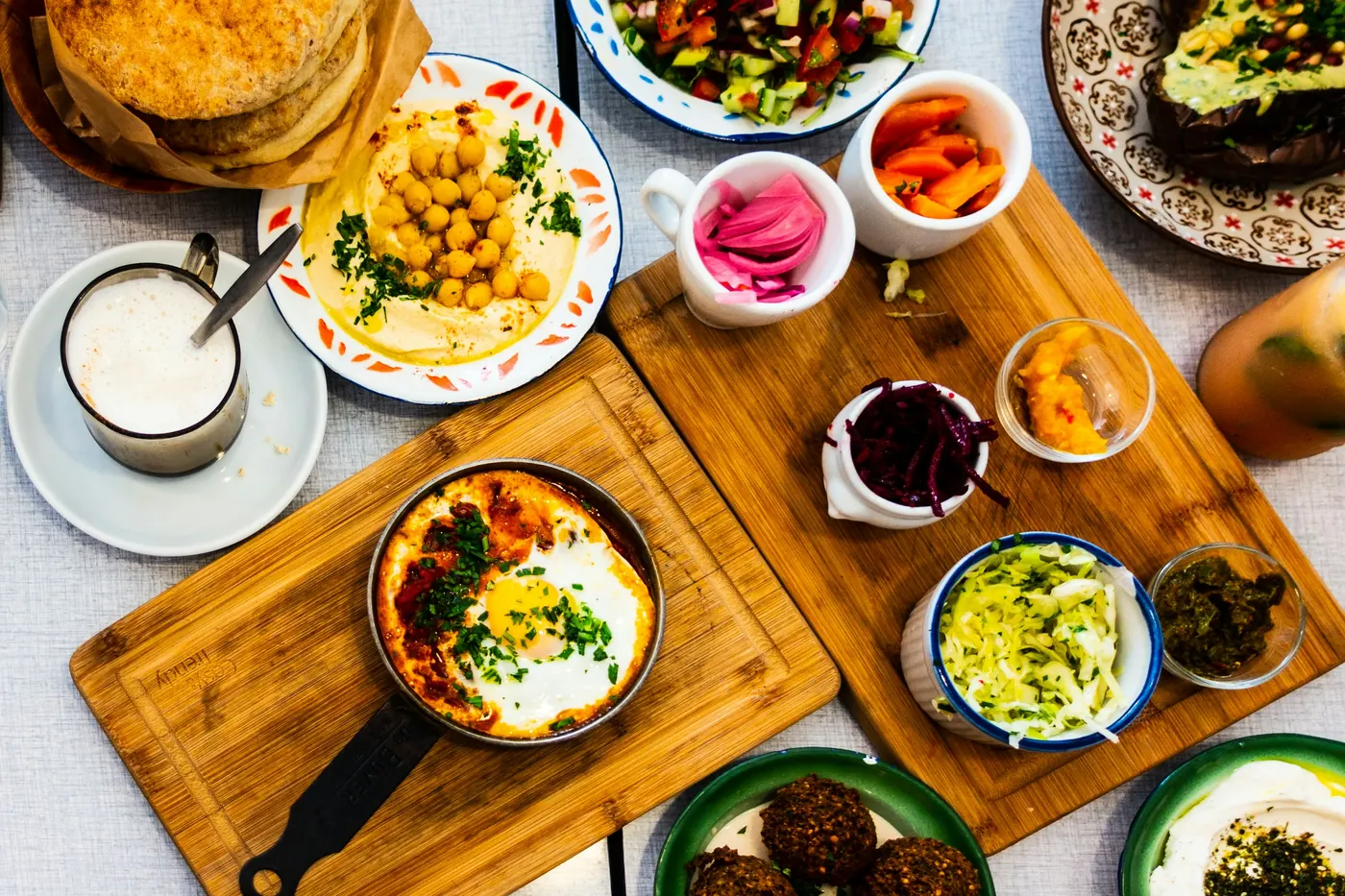
Abrams counts more than 150 recipes from Lebanese, Middle Eastern, North African and Caucasus cooking, from Morocco to Georgia, plus guidance on building shared meals. It describes weeknight meals, Lebanese small-plate spreads for entertaining and a project-day bread, with suggestions for Georgian and Lebanese wines.
That wide spread is the appeal: it reaches North Africa and the Caucasus, well past the single-country books here. Abrams says Bon Appétit, Food & Wine and Epicurious named it among the best cookbooks of the year, and quotes Pati Jinich, a name our readers may know from Mexican cooking: “extraordinarily scrumptious, stunning, and smart!” We didn’t read those reviews directly, so this pick rests on the publisher’s and author’s details.
Why we like it
- More than 150 recipes, per Abrams
- Spans Morocco to Georgia
- Advice on building a shared meal
- Weeknight dishes as well as project days
Key specifications
| Author | Rose Previte and Marah Stets |
|---|---|
| Publisher | Abrams |
| Year | 2023 |
| Pages | 272 |
| Format | Hardcover |
| Recipes | More than 150 |
| Focus | Lebanese and neighboring cooking for sharing |
| Best for | Hosts who like a big table |
Why we recommend it
If you cook to feed a table, this looks the most useful book for it. Its publisher says it shows how to put a meal together as well as how to cook each dish.
Skip it if you want one country’s cooking in depth. Its range is its strength, so a single-country book will go further.
Pros and cons
Pros
- Wide geographic range
- Builds whole meals
- From a Michelin-starred restaurant’s owner
Cons
- Rests on publisher details
- Wine notes won’t suit every reader
6. Feast: Food of the Islamic World, Anissa Helou – The Big Reference

Feast is the heavyweight here, and it goes well past the Middle East. Leslie Brenner, at Cooks Without Borders, counts over 300 recipes and describes a range from West Africa to Southeast Asia, including Lebanon, Senegal, Turkey, Tanzania, Indonesia, Morocco, Egypt, India, Iran and Xinjiang.
The book won the James Beard Foundation Award for best international cookbook, as both its listing title and Brenner note. The publisher’s copy for Helou’s newer book adds that the New Yorker named it one of the ten best cookbooks of this century.
Brenner’s review is also the one to read before you buy, because she is frank. She found the recipes often need adjustment or guesswork, and her Hyderabadi biryani failed because the instructions didn’t make clear what to do with the yogurt marinade. She thinks it suits experienced cooks better than beginners. Treat it as a book to learn from, and expect to use your own judgment at the stove.
Why we like it
- Over 300 recipes, per Cooks Without Borders
- James Beard Award for international cookbooks
- Spans West Africa to Southeast Asia
- A frank named review, so you know what you’re getting
Key specifications
| Author | Anissa Helou |
|---|---|
| Publisher | Ecco |
| Year | 2018 |
| Pages | 544 |
| Format | Hardcover |
| Recipes | Over 300 |
| Focus | Food of Muslim-majority cultures worldwide |
| Best for | Experienced, curious cooks |
Why we recommend it
If you already cook this food and want to see how it connects across continents, nothing else on this list has this reach. It’s a reference to live with, not a first book.
Skip it if you’re new to this cooking. Brenner’s experience suggests starting with another book first.
Pros and cons
Pros
- Enormous range
- Top award in its category
- Spans dozens of food cultures
Cons
- Recipes may need adjusting, per Brenner
- Not for beginners
7. Falastin, Sami Tamimi and Tara Wigley – Palestine, Region by Region

Sami Tamimi, who was born in Jerusalem and co-wrote Jerusalem with Yotam Ottolenghi, wrote this book with Tara Wigley, and Ottolenghi contributes the foreword. Where The Palestinian Table follows one family, Falastin travels: the publisher describes a journey through Bethlehem, East Jerusalem, Nablus, Haifa, Akka, Nazareth, Galilee and the West Bank, with more than 110 recipes.
Publishers Weekly called it an “expert dive into the food of Palestine” and wrote that “the dishes overflow with bold flavors.” The review notes that the authors acknowledge the subject can be “political and difficult,” and that they handle it with sidebars, such as one on Banksy’s Walled Off Hotel and another on a cooking teacher in a refugee camp. PW closes by saying it “opens a window to expand both palates and minds.”
The UK publisher lists it as the winner of the Fortnum & Mason Cookery Book of the Year 2021. The Amazon listing gives Ten Speed Press, 2020, and 352 pages in hardcover, and it was sold new by Amazon when we checked.
Why we like it
- Named review from Publishers Weekly
- More than 110 recipes, per the publisher
- Covers many Palestinian towns and regions
- Fortnum & Mason award, per the publisher
Key specifications
| Author | Sami Tamimi and Tara Wigley |
|---|---|
| Publisher | Ten Speed Press |
| Year | 2020 |
| Pages | 352 |
| Format | Hardcover |
| Recipes | More than 110 |
| Focus | Palestinian cooking across many places |
| Best for | Cooks who liked Jerusalem’s style |
Why we recommend it
Choose it if you want Palestinian cooking with the broad, place-by-place view of a writer who knows the region and its kitchens.
Skip it if you already own The Palestinian Table and want a different country; Helou’s Lebanon or Bottom of the Pot would add more.
Pros and cons
Pros
- Strong PW review
- Award-winning, per the publisher
- Context alongside the recipes
Cons
- One country, like The Palestinian Table
- Some pantry shopping likely
8. Bottom of the Pot, Naz Deravian – Persian Cooking and the Crispy Rice

Persian food deserves its own book, and this is a good one to start with. Naz Deravian left Iran at eight, during the 1979 revolution, and her family lived in Rome and Vancouver before she settled in Los Angeles. The publisher’s summary describes more than 100 recipes adapted to an American home kitchen, with essays on the idea of home between them.
The title points to tahdig, the crisp crust at the bottom of a pot of rice, and the summary says the book presents a full Persian meal, from its colorful spread of dishes to that crust. If rice is a regular at your table, our guide to the best rice cooker covers the everyday side of it.
It won the IACP First Book Award, presented by The Julia Child Foundation, and Samin Nosrat of Salt, Fat, Acid, Heat endorses it. We read those details in the publisher’s summary, so this pick rests on the publisher’s and author’s details. Publishers Weekly’s page for it carries no review.
Why we like it
- More than 100 recipes, per its publisher
- IACP First Book Award
- Adapted to an American home kitchen
- Essays between the recipes
Key specifications
| Author | Naz Deravian |
|---|---|
| Publisher | Flatiron Books |
| Year | 2018 |
| Pages | 384 |
| Format | Hardcover |
| Recipes | 100+ |
| Focus | Persian home cooking and memoir |
| Best for | Rice lovers and curious readers |
Why we recommend it
If you want to go beyond hummus and kebabs into Persian cooking, buy this. It’s the only Persian book on the page, and its recipes are written with a US kitchen in mind.
Skip it if you want quick meals, or recipes with nothing else around them. The essays are part of the book.
Pros and cons
Pros
- Award-winning debut
- Adapted to American kitchens
- Stories alongside recipes
Cons
- Rests on publisher details
- Persian cooking only
How to choose a Middle Eastern cookbook
The region runs from Morocco to Iran, and its kitchens share dishes, argue over them and borrow from each other. We’ve taken each author’s book on its own terms. Four questions will help you choose.
1. Do you want one country or many?
Maydān ranges widely, and Arabesque gives you three countries. Lebanon, The Palestinian Table, Falastin and Bottom of the Pot stay close to one tradition. If you have one favorite restaurant or one family dish you’re chasing, a focused book is the better buy.
2. Everyday food or a big project?
Walker found The Palestinian Table practical for everyday cooking. Zahav asks more of you, starting with tehina, and Feast expects experience. Maydān offers both weeknight dishes and a project-day bread.
3. Can you stock the pantry?
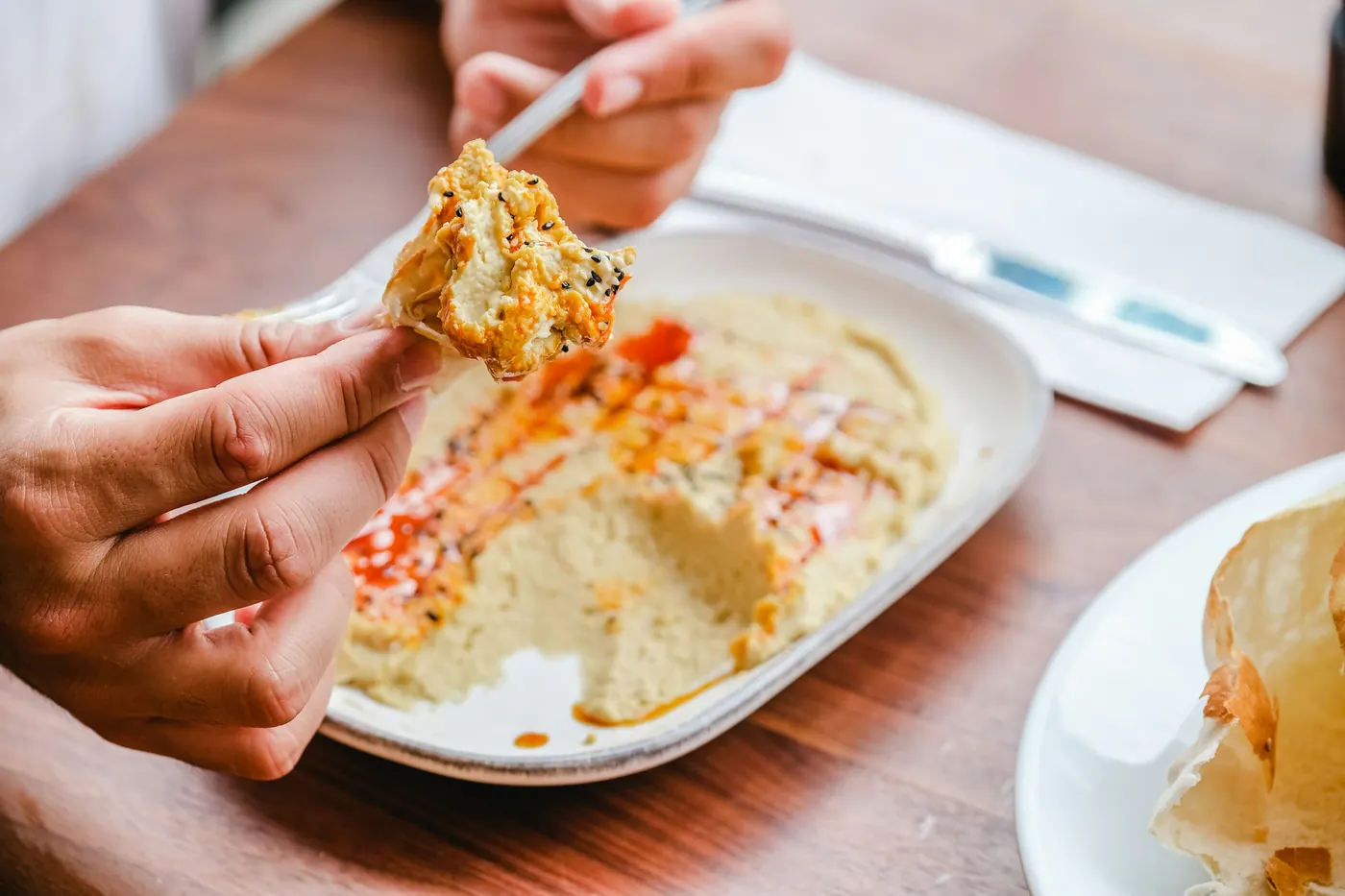
Sumac, za’atar, pomegranate molasses and tahini are common in this cooking. In a big city like Houston they’re easy to find, but a small-town cook may need to order them. Buy a few at a time, and start with a blend the book teaches, such as the nine spice mix in The Palestinian Table. A spice grinder helps.
4. What’s in your kitchen?
Mostly what you own already. A heavy skillet does the work for shakshuka, flatbreads and browned meat; see our best cast iron skillet guide. A food processor makes hummus smooth, and a mortar and pestle suits spice pastes. For kebabs, see our guide to grill skewers.
How we chose these eight Middle Eastern books
We searched Amazon’s book listings and kept only print editions from named authors at established publishers. All eight were in stock, new and sold by Amazon when we checked. Author, year, format and page count come from the Amazon listing.
Five picks have named reviews we read: Arabesque and Falastin from Publishers Weekly, Zahav from Publishers Weekly and Libby Barnea in Hadassah Magazine, The Palestinian Table from Chrissie Walker, and Feast from Leslie Brenner. Three rest on the publisher’s and author’s details: Lebanon, Bottom of the Pot and Maydān. Other reviews of those three may well exist.
Some books you may be looking for are missing. Roden’s The New Book of Middle Eastern Food and Kassis’s The Arabesque Table weren’t plainly in stock when we checked. The Turkish Cookbook by Musa Dağdeviren was offered first by a third-party seller rather than Amazon, so we left it out. We have not cooked from the books on this page ourselves; where we describe a strength, we say whose view it is.
Middle Eastern cookbook questions, answered
What is the best Middle Eastern cookbook for beginners?
Arabesque is the best place to start for range. If you want everyday dishes, try The Palestinian Table, and PW says most of Zahav is approachable for novices too. Leave Feast for later.
What is the best Lebanese cookbook?
We’d start with Anissa Helou’s Lebanon: Cooking the Foods of My Homeland, a 165-recipe book from a Beirut-born writer. Maydān is the alternative if you want Lebanese food alongside its neighbors.
Which of these has the best hummus?
We can’t say, since we haven’t cooked from them. Zahav gives it the most space that we saw, with seven hummus recipes in its opening chapter.
Is Persian food covered here?
Yes. Bottom of the Pot is entirely Persian, and Feast includes Iran.
Do I need special equipment?
Not for most of this cooking. A heavy pot helps with rice and stews, and a good skillet with flatbreads; our best Dutch oven guide covers the pot.
Our final pick for your shelf
Buy Arabesque if you want one book that opens several of the region’s cuisines. Choose Zahav for tehina, The Palestinian Table for home cooking, Falastin for Palestine region by region, Helou’s Lebanon for a Lebanese cookbook, and Bottom of the Pot for Persian rice. If you’d like the same kind of list closer to our own kitchen, see the best Mexican cookbooks.
Related guide: Best jewish cookbook.
Related guide: Best persian cookbook.
Related guide: Best lebanese cookbook.
And if you would rather someone else did the cooking tonight, see the menu or call to order.