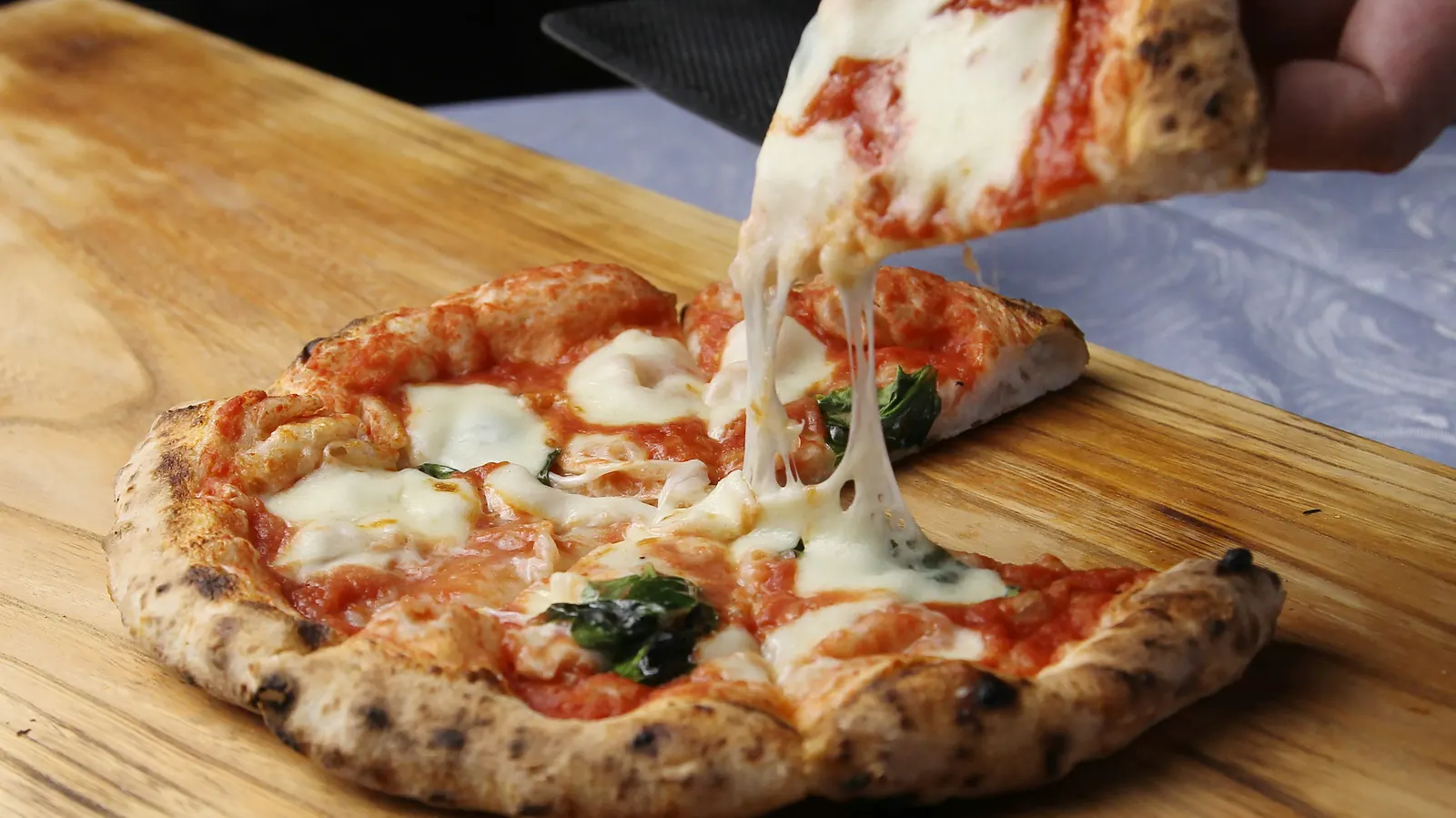
Pizza is mostly flour, water, salt and yeast, and most of what goes wrong at home happens before a single topping goes on. Dough that tears, a crust that stays pale, a center that never sets: nearly all of it comes down to fermentation, hydration and what your oven can do. A good pizza book teaches those things, which is why it can do more for your pizza than another piece of equipment.
The books differ more than their covers suggest. Some follow a single style, some try to cover every regional pie, and some are written for a kitchen oven while others assume a roaring outdoor one. This guide picks seven by named authors and established publishers, and sets out what the publisher and named reviewers say about each one, so you can match a book to your oven and your schedule.
Julia’s earns a commission on purchases made through links on this page, at no cost to you. Recommendations are based on what a restaurant kitchen looks for in a cookbook, publisher information and published reviews, which we name.
Quick verdict: the best pizza cookbook to start with
For most home cooks, start with The Elements of Pizza by Ken Forkish: more than a dozen doughs, from same-day to levain, and a clear path from dough to finished pie. If you want every style under one cover, choose King Arthur Baking Company’s Book of Pizza. If you want the easiest win in a home oven, choose Peter Reinhart’s Perfect Pan Pizza.
The other four cover a serious crust in a regular oven, American regional styles, high-heat pizza ovens and a weekly pizza-and-salad dinner.
Five pizza books side by side
Five of the seven, one for each kind of cook, with the details each publisher gives. All seven are described in full below.
| Cookbook | Best for | Recipes | Length | Buy on Amazon |
|---|---|---|---|---|

The Elements of Pizza, Ken ForkishBest overall
|
Learning dough from the ground up | More than a dozen doughs; total not stated | 256 pages, hardcover | View on Amazon |

King Arthur Baking Company’s Book of PizzaBest for every style
|
Twelve styles in one book | Not stated; twelve styles | 288 pages, hardcover | View on Amazon |

Perfect Pan Pizza, Peter ReinhartBest for pan pizza
|
Detroit, Sicilian and Roman squares | Over 30 types of pan pizza, per PW | 192 pages, hardcover | View on Amazon |

The Joy of Pizza, Dan Richer with Katie ParlaBest for high-heat ovens
|
Ooni-type and wood-fired ovens | Not stated | 288 pages, hardcover | View on Amazon |

Pizza Night, Alexandra StaffordBest for a weekly habit
|
Weekly family pizza nights | 52 pizzas, 52 salads | 256 pages, hardcover | View on Amazon |
Cover images from Amazon. Page counts and formats are the publisher’s, for the editions linked.
Our picks for the best pizza cookbook, book by book
These seven cover dough fundamentals, the regional styles, pan pizza, high-heat ovens and everyday dinners. For each we give what the publisher and published reviews say. We have not cooked our way through these books; where we describe a strength, we say whose view it is.
1. The Elements of Pizza, Ken Forkish – Dough Explained From the Start
Ken Forkish founded Ken’s Artisan Bakery and Ken’s Artisan Pizza in Portland, and his earlier bread book, Flour Water Salt Yeast, won James Beard and IACP awards, according to Ten Speed Press. This book takes the same patient approach to pizza. Ten Speed describes a walk through the whole job: choosing a dough, shaping a pie, then picking cheeses and toppings that suit a home kitchen.
The dough section is why it leads this list. The publisher counts more than a dozen dough recipes, among them same-day doughs for when you decide on pizza that afternoon, levain doughs for cooks who keep a starter, and a gluten-free dough. There are seasonal topping ideas too, so you can build your own pies once the crust is reliable.
The Portland Oregonian called it “the ultimate guide to the world of pizza,” a line the publisher quotes. Other pizza makers on these pages agree: Ten Speed quotes Marc Vetri, whose own book is further down this list, and Nancy Silverton, who praises how it guides cooks of any style through the process.
Why we like it
- More than a dozen dough recipes, per Ten Speed Press
- Same-day, levain and gluten-free doughs in one book
- Written for a home kitchen
- Seasonal topping ideas for building your own pies
Key specifications
| Author | Ken Forkish |
|---|---|
| Publisher | Ten Speed Press |
| Year | 2016 |
| Pages | 256 |
| Format | Hardcover |
| Recipes | More than a dozen doughs; total not stated |
| Focus | Dough, shaping, cheese and toppings at home |
| Best for | Cooks who want to understand dough |
Why we recommend it
If you want one pizza book that teaches you to think about dough, start here. The range of doughs means it grows with you, from a same-day crust to a levain you plan days ahead.
Skip it if you only want pan or square pies. Perfect Pan Pizza goes much further on that one style.
Pros and cons
Pros
- Dough options for any schedule
- Clear path from dough to finished pie
- Works in a home kitchen
Cons
- Levain doughs need planning
- Publisher does not state a total recipe count
2. King Arthur Baking Company’s Book of Pizza – Twelve Styles, Any Oven
This is the newest book here, and the broadest. It comes from the bakers at King Arthur Baking Company, the team behind its bestselling bread book, and a Bon Appétit editor quoted by the publisher names Martin Philip and David Tamarkin as its authors. The publisher’s copy says the bakers worked through hundreds of pizzas and methods, then organized the book around twelve styles, including New York, New Haven, Chicago tavern, Grandma and Neapolitan.
It is written for whatever oven you own: a standard kitchen oven, a countertop pizza oven, or a backyard oven or grill. The book covers dough, sauce, cheese and baking, with topping suggestions for each crust and encouragement to mix and match. There are also four salads for pizza night and a dessert chapter.
The publisher says it was an instant New York Times bestseller and that Epicurious and Bon Appétit named it among the best cookbooks of the spring. Domino said it “turns curiosity into a full-blown hobby,” and Culinaire called it a “nearly encyclopedic-type tome.” Baker Melissa Weller, also quoted by the publisher, calls it a good fit for beginners and for cooks stretching their skills.
Why we like it
- Organized around twelve pizza styles
- Covers home, countertop and backyard ovens
- Toppings suggested for each crust
- Bestseller and spring best-of picks, per the publisher
Key specifications
| Author | King Arthur Baking Company (Martin Philip and David Tamarkin, per Bon Appétit’s editor) |
|---|---|
| Publisher | S&S/Simon Element |
| Year | 2026 |
| Pages | 288 |
| Format | Hardcover |
| Recipes | Not stated; twelve styles, four salads, dessert chapter |
| Focus | Regional pizza styles for any oven |
| Best for | Cooks who want every style in one book |
Why we recommend it
If you want to try a tavern pie one week and a Grandma pie the next, this is the most complete single book here. It also suits a household that owns more than one kind of oven.
Skip it if you want one author’s deep philosophy of dough. Forkish and Richer are more personal; this one is built to cover the field.
Pros and cons
Pros
- Widest range of styles on this list
- Oven advice for several setups
- Salads and desserts round out the meal
Cons
- Too new to have a long track record
- Total recipe count not stated by the publisher pages we read
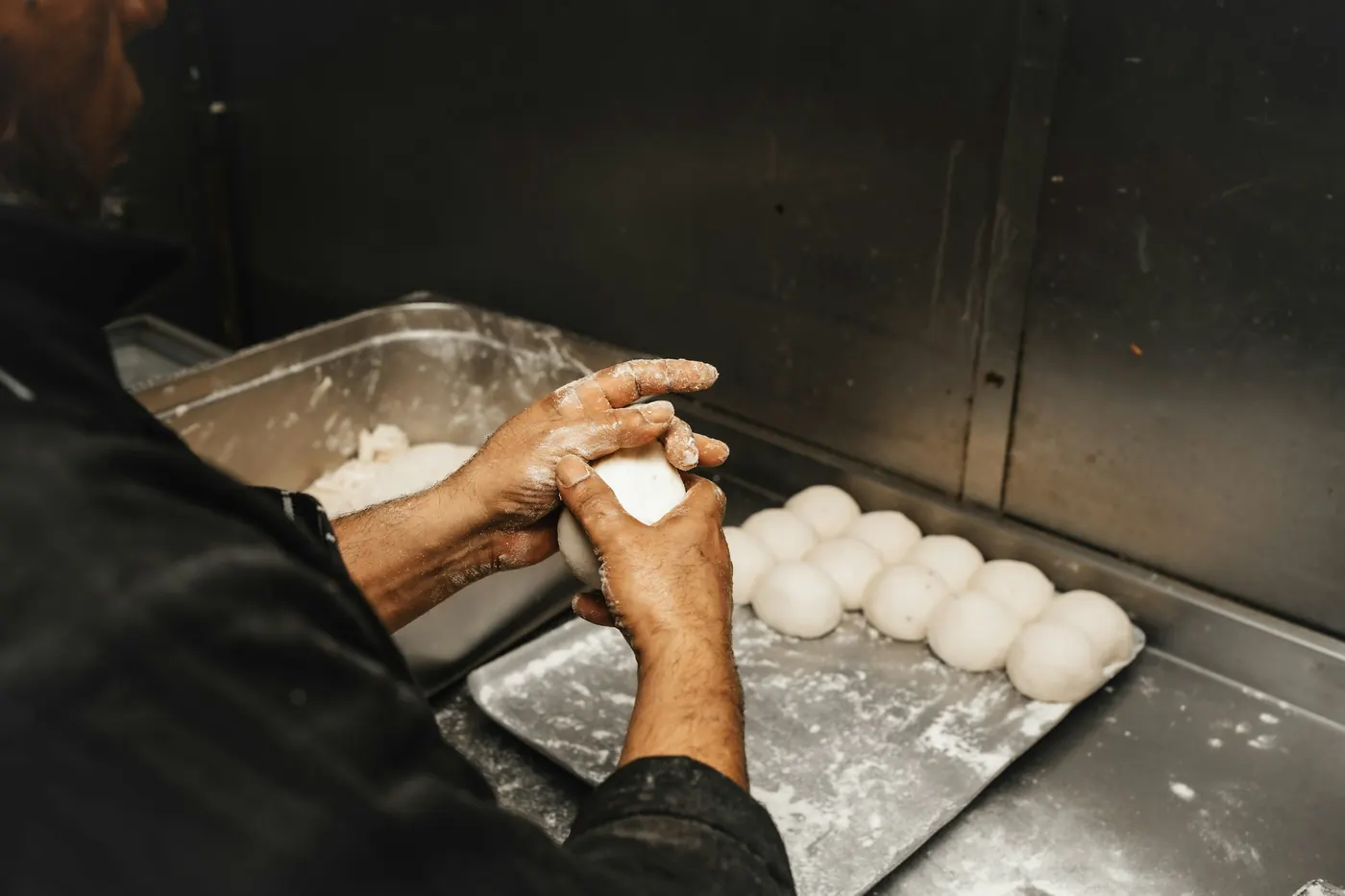
3. Mastering Pizza, Marc Vetri with David Joachim – Serious Crust in a Regular Oven
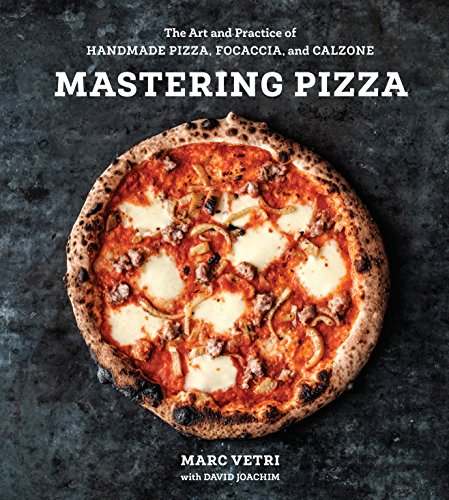
Marc Vetri is a chef known for Italian cooking, and this book follows his Mastering Pasta from the same publisher. Ten Speed says its base doughs, made at different hydration levels, are meant to get close to professional results even in a regular kitchen oven. That promise is what sets it apart for most home cooks.
Publishers Weekly describes three opening chapters on how flour, hydration and appliances change a dough, then recipes running from Naples-style to Roman-style doughs, plus toppings, calzones, focaccia and dessert pizzas. PW mentions a dozen dough recipes, and Nancy Silverton’s praise on the publisher’s page says twelve as well. Toppings range from Margherita and carbonara to mussels and truffles, with a Nutella dessert pizza at the sweet end.
PW’s verdict was short: “This is an excellent one-stop pizza guide.” Step-by-step photos support the instructions, along with images from Italy, according to the publisher.
Why we like it
- A dozen dough recipes, per Publishers Weekly
- Explains flour, hydration and appliances
- Aimed at results in a regular home oven
- Includes calzones and focaccia
Key specifications
| Author | Marc Vetri with David Joachim |
|---|---|
| Publisher | Ten Speed Press |
| Year | 2018 |
| Pages | 272 |
| Format | Hardcover |
| Recipes | A dozen doughs (PW); total not stated |
| Focus | Italian-style pizza, focaccia, calzone |
| Best for | Home cooks with a standard oven |
Why we recommend it
Choose this if you are serious about crust but have no plans to buy a pizza oven. It treats the home oven as a real tool and shows how dough can be adjusted to suit it.
Skip it if American regional pies are what you crave. Its heart is in Italy; The Pizza Bible and King Arthur cover New York, Chicago and Detroit far better.
Pros and cons
Pros
- Strong on the why of dough
- Focaccia and calzone included
- Step-by-step photos
Cons
- Some toppings are ambitious for a weeknight
- Italian focus leaves out most American regional styles
4. The Pizza Bible, Tony Gemignani – A World Champion’s Regional Tour

Tony Gemignani has been making pizza for more than 20 years, co-owns the International School of Pizza in San Francisco, and is described by his publisher as a twelve-time world pizza champion. Ten Speed says the book covers nine regional styles, with instruction on starters, dough, assembly, toppings and baking, and explains how to set up a home oven for better results.
Publishers Weekly admitted that a Guinness record and a shelf of titles might tempt readers to dismiss him, then said the content earns serious attention. It praised his approach to dough, saying he handles it with the craft of an artisanal brewer, and noted his insistence on weighing ingredients. The styles it lists run from New York thin crust and Chicago deep dish to California pies.
One real complaint from that review: ingredient lists sit in narrow margins and sometimes run across pages, which is awkward with floury hands. On recipe count, Ten Speed says more than 75 and PW says more than 100, so treat it as a big book either way.
Why we like it
- Nine regional styles, per Ten Speed Press
- Author is a multiple world pizza champion, per the publisher
- Precise, weighed measurements
- Explains how to adapt a home oven
Key specifications
| Author | Tony Gemignani |
|---|---|
| Publisher | Ten Speed Press |
| Year | 2014 |
| Pages | 320 |
| Format | Hardcover |
| Recipes | More than 75 (publisher); more than 100 (PW) |
| Focus | Regional pizza styles and dough |
| Best for | Cooks chasing a specific American style |
Why we recommend it
This is the book for someone who grew up on one kind of pizza and wants to make exactly that at home. It suits cooks who like precision and do not mind weighing everything.
Skip it if you dislike fussy layouts. PW flagged ingredient lists set in narrow margins, and that matters in the middle of a recipe.
Pros and cons
Pros
- Strong on American regional pies
- Precise measurements
- Plenty of styles to work through
Cons
- Ingredient lists in narrow margins, per PW
- Older than most books here
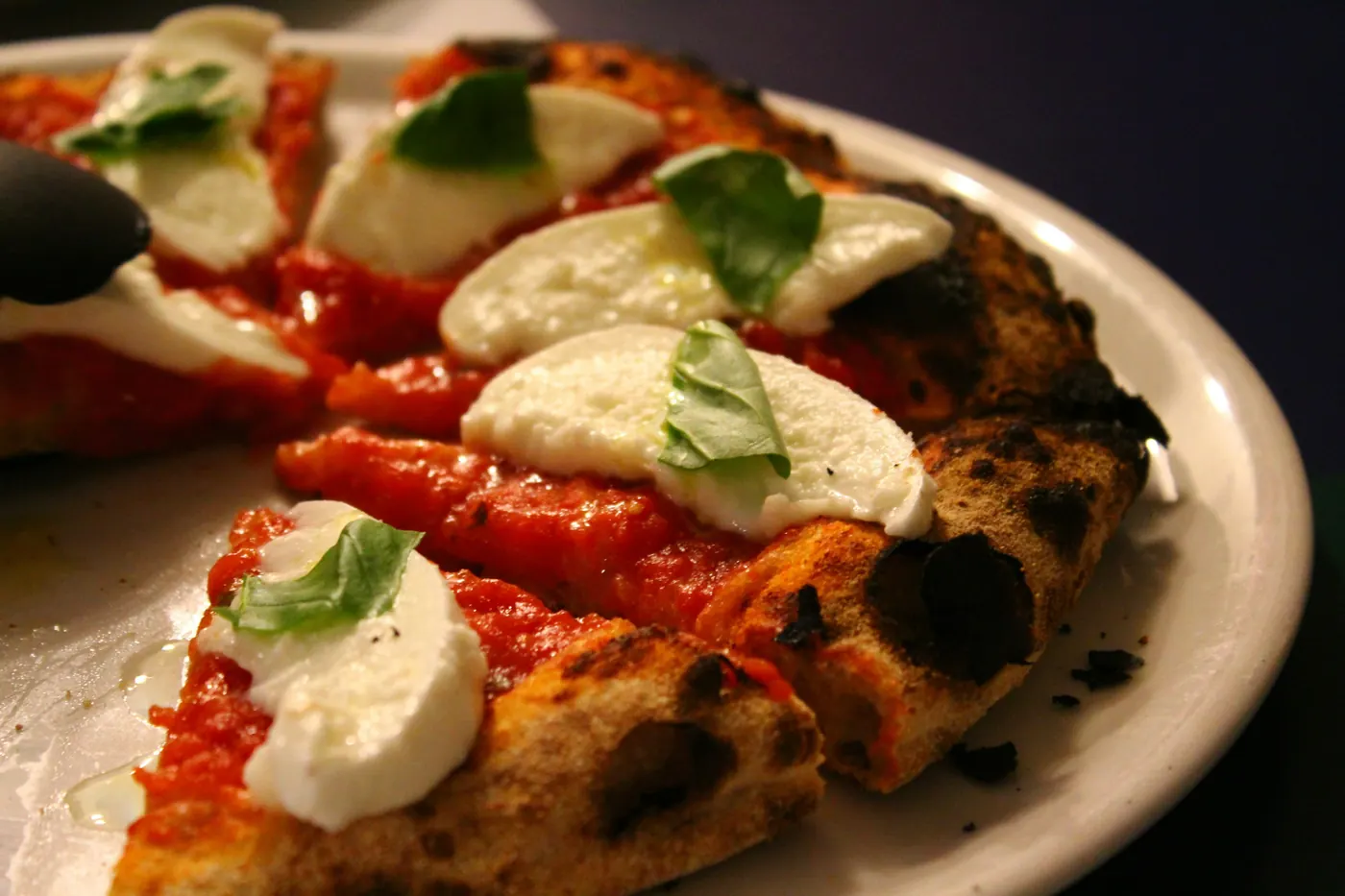
5. Perfect Pan Pizza, Peter Reinhart – Square Pies, No Special Gear
Pan pizza is the friendliest style for a home oven: the dough rises in the pan, you dimple it instead of rolling it, and you do not need a peel or a steel. Peter Reinhart, the author of eight books on bread and baking, three of them James Beard Award winners according to Ten Speed, built this book around that idea.
It covers Detroit-style, Sicilian-style and Roman-style pies, along with focaccia and schiacciata, and starts with three master doughs made with commercial yeast plus a short introduction to sourdough starters. Publishers Weekly counts over 30 types of pan pizza, from traditional toppings to sandwich-inspired pies. PW also singles out a broccoli-stalk “pepperoni” and a sweet grape and anise schiacciata.
PW called it “a great guide for home cooks who want to create pizzas that have more bite and chew” and said the techniques are methodical and easy to follow. Fine Cooking called it “the latest must-read” from Reinhart, the publisher notes, and it says Food Network named it one of the best cookbooks of the year.
Why we like it
- No special equipment needed, per the publisher
- Three master doughs to start from
- Over 30 types of pan pizza, per PW
- Suited to beginners and experienced bakers, per the publisher
Key specifications
| Author | Peter Reinhart |
|---|---|
| Publisher | Ten Speed Press |
| Year | 2019 |
| Pages | 192 |
| Format | Hardcover |
| Recipes | Over 30 types of pan pizza (PW) |
| Focus | Detroit, Sicilian, Roman and focaccia |
| Best for | Beginners and thick-crust fans |
Why we recommend it
If you have a home oven and a sheet pan and want a good pizza this weekend, this is the easiest way in. Dimpling dough in a pan forgives a lot, and the crust is the sturdy, chewy kind that holds up to a pile of toppings.
Skip it if you want thin, blistered rounds. This book is only about the pan.
Pros and cons
Pros
- Forgiving for beginners
- Short and focused
- No stone, steel or peel required
Cons
- One family of styles only
- Smallest book on this list
6. The Joy of Pizza, Dan Richer with Katie Parla – From Razza to Your Oven
Dan Richer is the chef and owner of Razza in Jersey City, and his publisher lists four James Beard Best Chef: Mid-Atlantic semifinalist nods. He wrote this with Katie Parla, an Italy-based food writer and cookbook author. Published by Voracious, a Little, Brown imprint, it is a New York Times bestseller according to its publisher.
It breaks pizza into dough, sauce, cheese and toppings, with crusts that start from store-bought yeast or a sourdough starter. What earns it this spot is the oven coverage. The publisher says its methods work in a standard home oven, in high-heat ovens such as the Ooni and Roccbox, and in wood-fired outdoor ovens, which makes it a natural companion if you have just bought one.
Library Journal wrote that “home cooks interested in learning how to make pizza from scratch will appreciate this cookbook,” and Food52 called it “the perfect reference for home cooks and professionals alike,” both as quoted by the publisher. Step-by-step photos and links to instructional videos back up the text.
Why we like it
- Covers home, Ooni-type and wood-fired ovens, per the publisher
- Yeast and sourdough routes
- Step-by-step photos and linked videos
- Reviewed by Library Journal and Food52
Key specifications
| Author | Dan Richer with Katie Parla |
|---|---|
| Publisher | Voracious (Little, Brown) |
| Year | 2021 |
| Pages | 288 |
| Format | Hardcover |
| Recipes | Not stated |
| Focus | Artisan pizza at home, oven by oven |
| Best for | New pizza oven owners |
Why we recommend it
If you just bought a countertop or backyard pizza oven, this is the book to read alongside it. Our guide to the best pizza oven covers the hardware; this covers what to do with it.
Skip it if you want a quick weeknight recipe. It teaches the whole craft of artisan pizza, so expect to read before you bake.
Pros and cons
Pros
- Oven coverage suits new owners
- Sourdough and commercial yeast
- Videos alongside the book
Cons
- More of a course than a quick reference
- Publisher does not state a recipe count
7. Pizza Night, Alexandra Stafford – A Year of Pizza and Salad
Most pizza books are written for hobbyists. This one is written for a household that wants dinner. Alexandra Stafford, who trained in cooking school, worked in Philadelphia restaurant kitchens and founded the blog Alexandra’s Kitchen, plans a year of weekly pizza nights: 52 seasonal pizzas, each paired with a salad.
Clarkson Potter describes four basic doughs (thin-crust, pan, Neapolitan-style and gluten-free) with sourdough variations and crust techniques. The author’s site adds five simple desserts and dozens of sauces, dressings and spreads. Keeping the dough list short is the point: you learn a few crusts well and let the seasons change the toppings.
It is a New York Times bestseller, per its publisher, and the author’s site lists it as a Serious Eats best cookbook of its year and one of Food52’s top five of that year. Steve Dolinsky, host of the Pizza City podcast, quoted by the publisher, says the pictures are especially helpful for stretching dough.
Why we like it
- 52 seasonal pizzas, each paired with a salad
- Four basic doughs, with gluten-free and sourdough options
- Five simple desserts, per the author
- Serious Eats and Food52 best-of picks, per the author’s site
Key specifications
| Author | Alexandra Stafford |
|---|---|
| Publisher | Clarkson Potter |
| Year | 2024 |
| Pages | 256 |
| Format | Hardcover |
| Recipes | 52 pizzas, 52 salads, 5 desserts |
| Focus | Seasonal weekly pizza dinners |
| Best for | Families and regular home cooks |
Why we recommend it
If pizza at your house is a Friday habit, not a project, this is the one that will stay on the counter. The salads solve the question of what else goes on the table.
Skip it if you want regional depth or science. It teaches a handful of reliable doughs and spends its pages on toppings and menus.
Pros and cons
Pros
- A full meal plan, not just pizza
- Short list of doughs to learn
- Gluten-free dough included
Cons
- Light on dough science
- Seasonal toppings mean some shopping around
How to choose a pizza cookbook
Five questions sort these books out quickly. Start with your oven, because it decides which recipes will actually work for you.
1. What oven you have
A kitchen oven cannot match a wood-fired one, so a good home-oven book works with that limit. Mastering Pizza and Perfect Pan Pizza are built for it. If you own a countertop or backyard oven, The Joy of Pizza and the King Arthur book both address those ovens directly. A pizza steel or pizza stone helps a kitchen oven, and our stone versus steel comparison explains the difference.
2. Which style you crave
Be honest about the pizza you actually want to eat. Thin and blistered points to Forkish, Vetri or Richer. New York, Chicago or Detroit points to Gemignani or King Arthur. Thick, airy squares point to Reinhart, and all you need is a good pizza pan.
3. How far ahead you plan
Long fermentation builds flavor, but it means starting a day or more before you eat. If you decide on pizza at noon, look for same-day doughs, which Forkish includes. If you enjoy planning, a levain or sourdough route opens up in Forkish, Richer and Stafford.
4. Whether you weigh ingredients
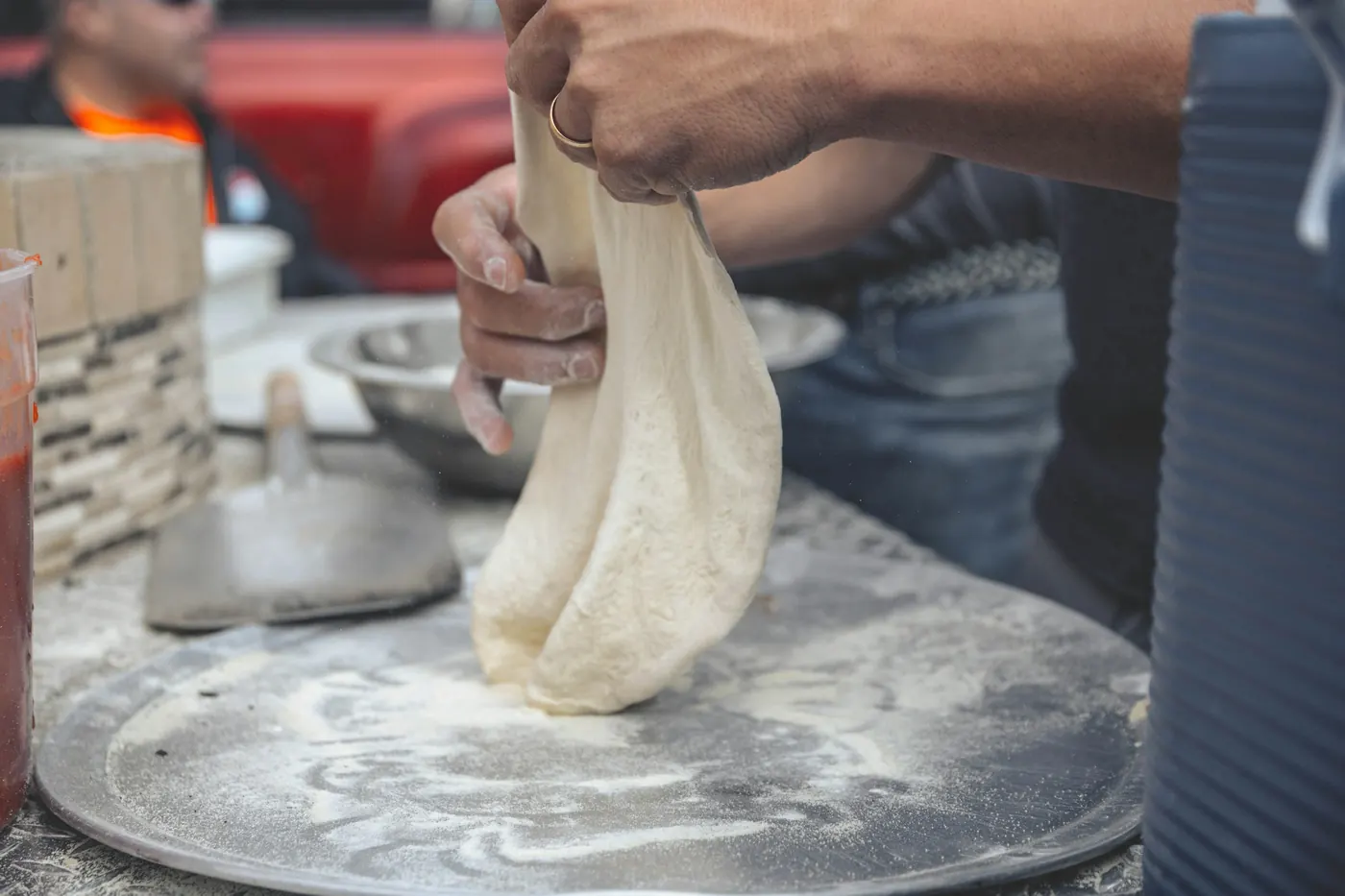
Serious dough recipes tend to be written by weight, and Publishers Weekly noted Gemignani’s insistence on it. A baking scale makes every recipe here more repeatable. Baker’s math sounds fussy, but it is just a way to scale a dough up or down without guessing.
5. Reference book or dinner plan
Forkish, Gemignani and King Arthur are books you study and come back to. Pizza Night is a plan you cook from every week. Decide which one you will really use, because a book that stays on the shelf teaches nothing.
How we chose these seven pizza books
We looked for books a working kitchen would respect: clear about dough, honest about what a home oven can do, and written by bakers and pizza makers with a track record. We searched Amazon’s book listings and kept only titles in stock when we checked, then took the facts for each from the publisher’s own pages and named reviews, chiefly Publishers Weekly, with Library Journal, the Portland Oregonian, Fine Cooking, Domino and Culinaire as quoted by the publishers. For Pizza Night, the best-of honors come from the author’s own site. Where sources disagree on a count, we say so. Several well-loved books, including Pizza Camp by Joe Beddia, Jim Lahey’s My Pizza and Chris Bianco’s Bianco, were in short supply or unavailable when we checked, so they are not on this list. We have not cooked from these books ourselves; the strengths we describe are the publishers’ and reviewers’, and we name them.
Pizza cookbook questions, answered
What is the best pizza cookbook for beginners?
Perfect Pan Pizza is the gentlest start, because it needs no special equipment and its publisher pitches it at beginners as well as experienced bakers. The Elements of Pizza is the better choice if you want to learn dough properly from the first batch.
Which pizza making book is best for a regular home oven?
Mastering Pizza by Marc Vetri, whose doughs are designed to get close to professional results in a regular kitchen oven, according to Ten Speed Press. A pizza peel and a preheated stone or steel are the usual tools for round pies in a kitchen oven.
Which book should I buy for an outdoor pizza oven?
The Joy of Pizza, which covers high-heat ovens such as the Ooni and Roccbox as well as wood-fired ones. The King Arthur book also includes countertop and backyard ovens. To check your oven’s floor temperature, see our guide to the best infrared thermometer for a pizza oven.
Is there a good book for Detroit-style pizza?
Yes. Perfect Pan Pizza covers Detroit-style alongside Sicilian and Roman pies, and The Pizza Bible names Detroit among its styles.
Do any of these include gluten-free dough?
Yes. The Elements of Pizza and Pizza Night both include a gluten-free dough, according to their publishers. If you are cooking for someone with celiac disease, also think about flour on shared surfaces and tools.
Our final pick for pizza at home
Buy The Elements of Pizza if you want to understand dough and keep improving. Choose the King Arthur book for the widest range of styles, Mastering Pizza for a serious crust in a regular oven, and The Joy of Pizza if a new pizza oven is sitting in the yard. Perfect Pan Pizza is the easy win, and Pizza Night is the one to cook from every week. If you are still deciding on hardware, start with our guide to the best pizza oven.
And on the nights when nobody wants to knead, see the menu or call to order.