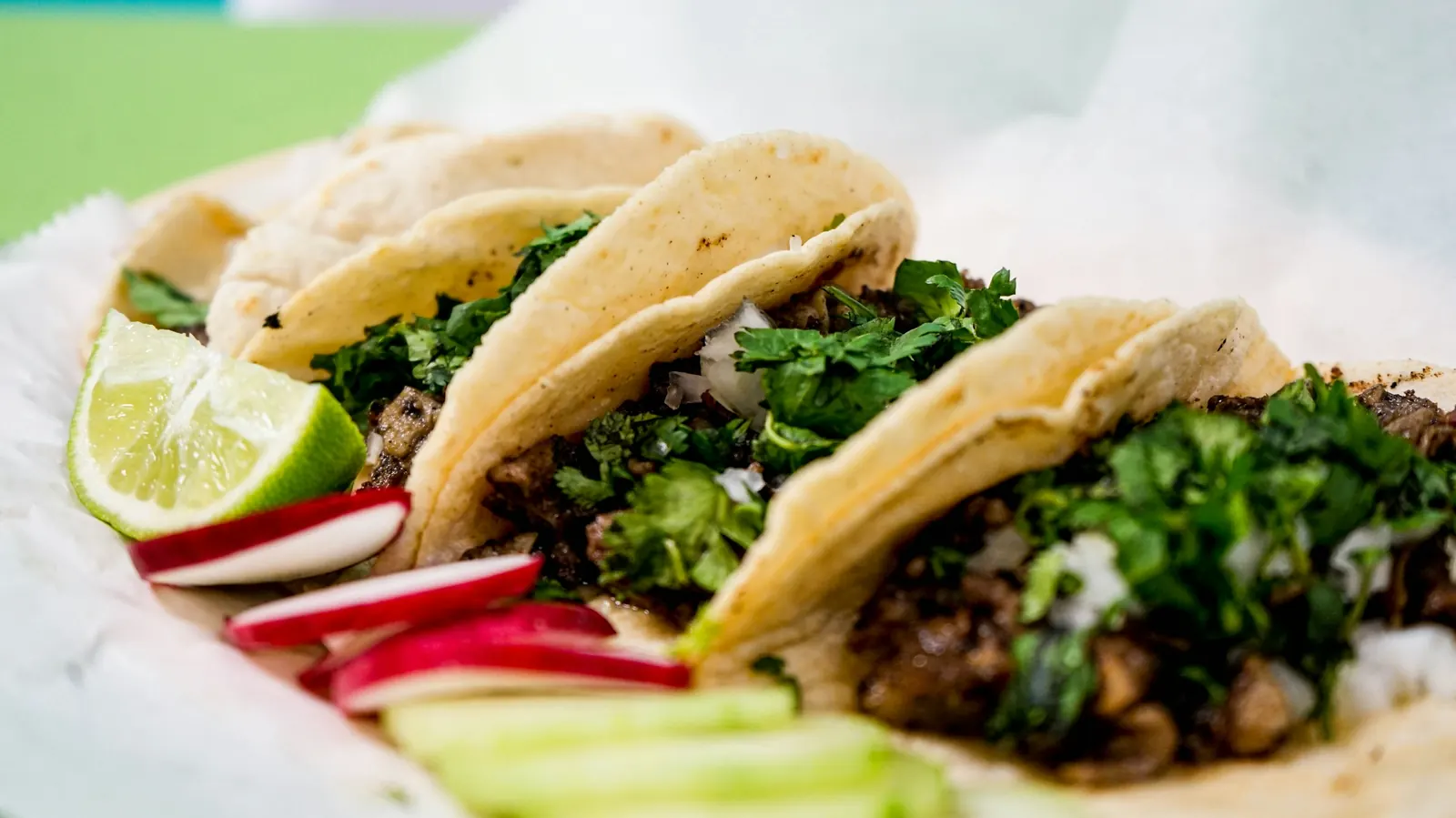
Barbacoa is one of the few words on a Mexican menu that made it into English without anyone noticing. Say it out loud and you can hear where “barbecue” came from.
What it means on a menu, though, is narrower and more specific than the English word suggests.
The short answer
Barbacoa is meat cooked slowly with steam rather than direct heat, traditionally in a pit lined with maguey leaves. The word describes the method, not one particular animal. In Mexico it is usually lamb or goat; in northern Mexico and Texas it is almost always beef, often cheek. The result is shredded, soft and mildly seasoned, and it is served with tortillas rather than sauced.
It is a method, not a meat
This is the part most menus never explain.
Britannica’s entry on barbacoa describes it as slow-roasting meat — traditionally lamb or goat — in a pit topped with maguey leaves. The pit is dug, a fire is lit inside to heat the walls, the meat is wrapped in agave or banana leaves, and the whole thing is covered over and left for hours.
What happens underground is closer to steaming than roasting. The leaves hold moisture in, the heat is indirect and even, and the meat cooks in its own liquid until connective tissue breaks down completely. Nothing browns. Nothing crisps.
That is the defining difference between barbacoa and almost every other slow-cooked meat on the menu.
Where the word went
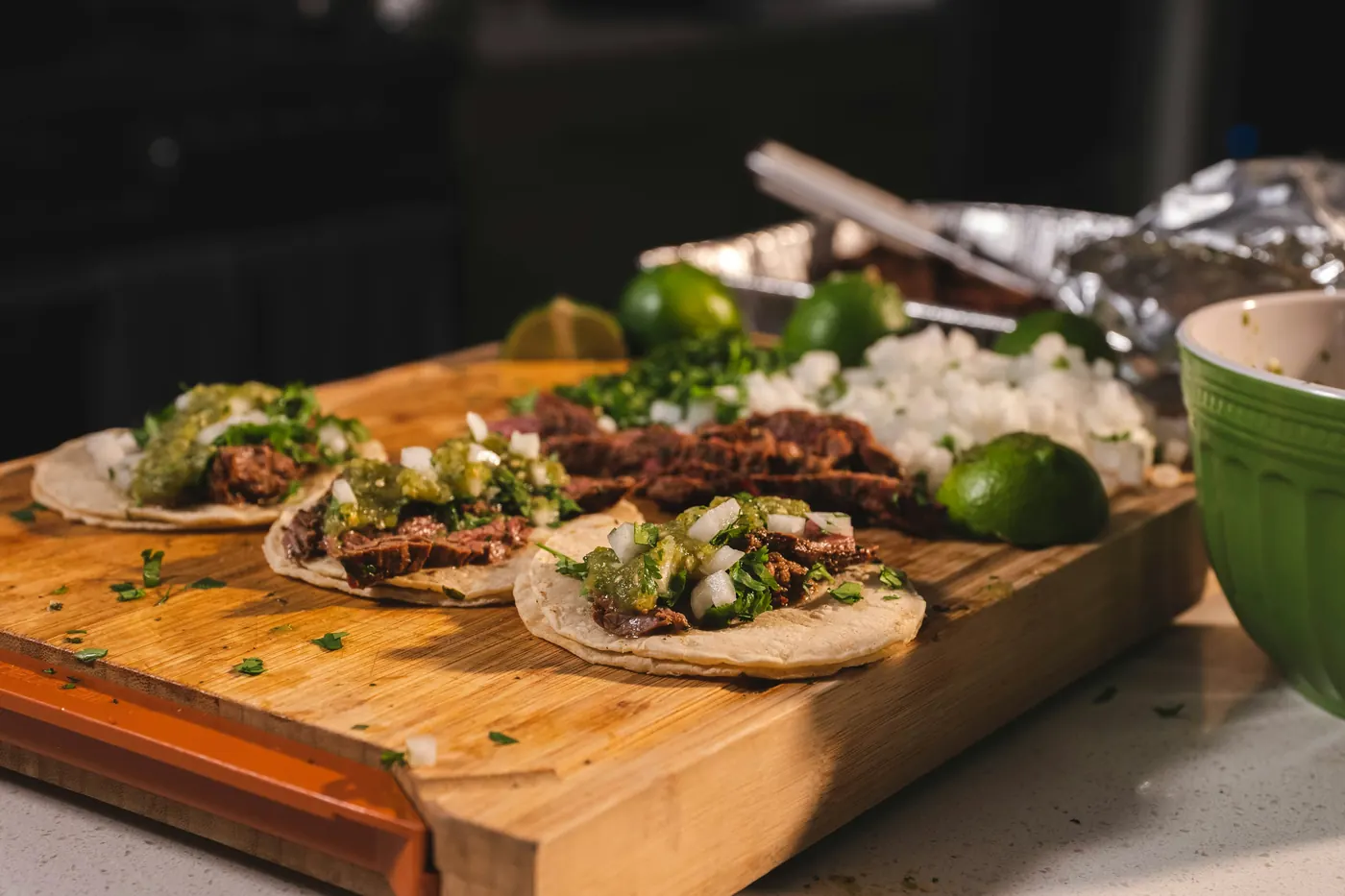
Food historians generally place the origin of the technique, and the word, in the Caribbean rather than in Mexico. Spanish colonists encountered it in the islands, carried the term to the mainland, and English took it from Spanish.
The English word drifted a long way. American barbecue means smoke, dry heat and bark. Barbacoa means the opposite: no smoke on the meat, no crust, no direct fire. The two words are relatives that ended up describing nearly opposite techniques.
What is actually in it
Less than you would think, and that is deliberate.
A barbacoa pit needs salt and time. Some cooks add a little chile, garlic, bay or cumin to the wrap; many add nothing at all. There is no marinade to speak of and no sauce built into the dish. The flavor comes from the cut, the leaves and the long, wet cook.
The cuts used are the ones nobody grills: cheek, head, shank, shoulder. In Texas, beef cheek is the standard, and it is a genuinely good choice — heavily worked muscle with a lot of collagen, which is exactly what a low, moist cook is designed to break down.
Barbacoa, birria and carnitas
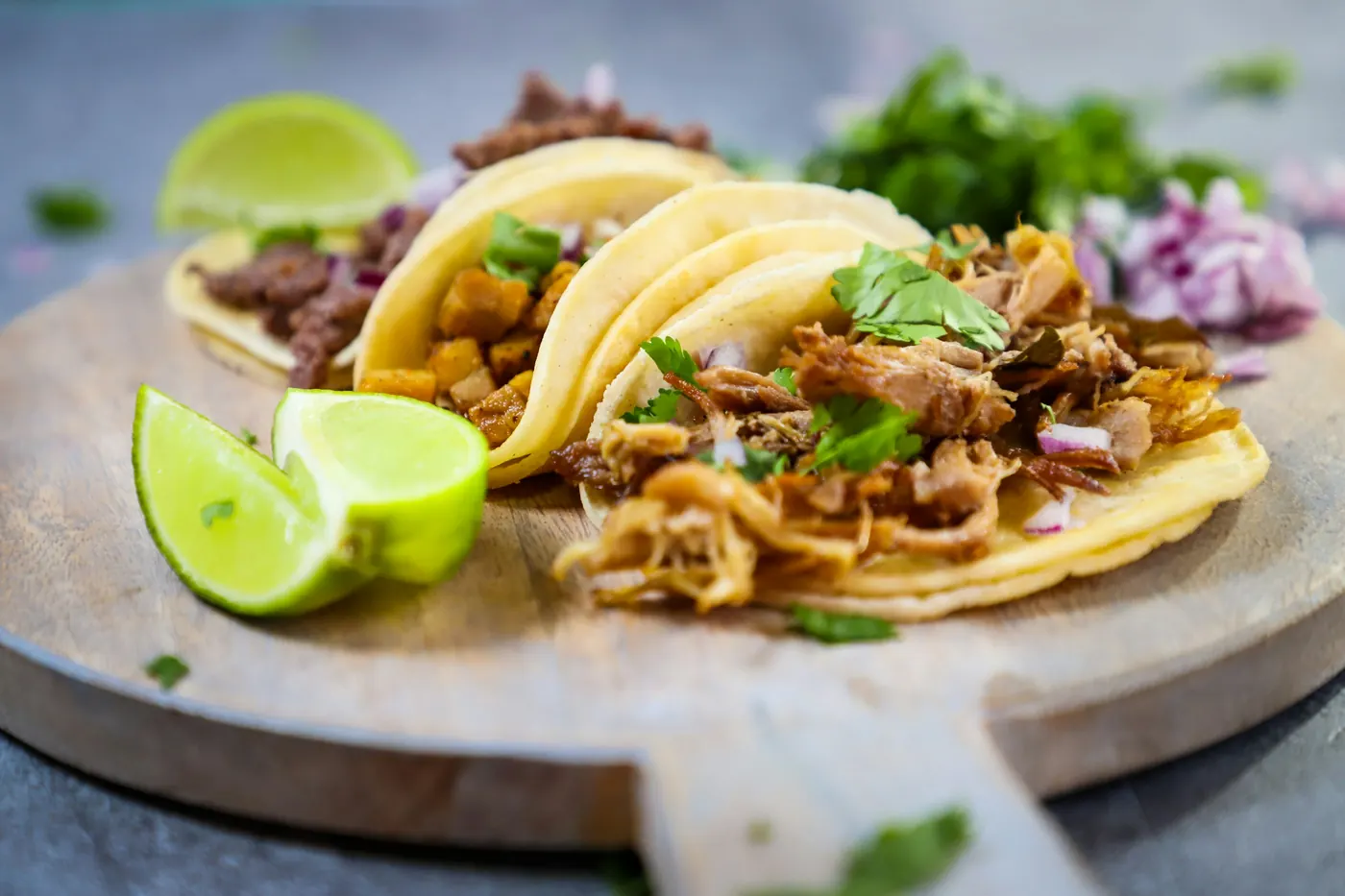
All three are shredded, slow-cooked and served in tortillas, which is why they get confused. The cooking method separates them cleanly.
| Barbacoa | Birria | Carnitas | |
|---|---|---|---|
| Method | Steamed, wrapped, indirect heat | Braised in liquid | Simmered in fat, then crisped |
| Chile | Little or none | Central to the dish | None |
| Broth served? | No | Yes, as consomé | No |
| Texture | Soft throughout | Soft, sauced | Soft inside, crisp edges |
| Usual meat | Beef cheek, lamb, goat | Goat or beef | Pork |
| Seasoning | Salt-forward, mild | Deeply spiced | Rich, faintly sweet |
If a plate arrives with a cup of red broth alongside, you ordered birria, not barbacoa. If the edges are crisp, it is carnitas.
Why it is a weekend food
Barbacoa runs on a schedule that has nothing to do with restaurant hours.
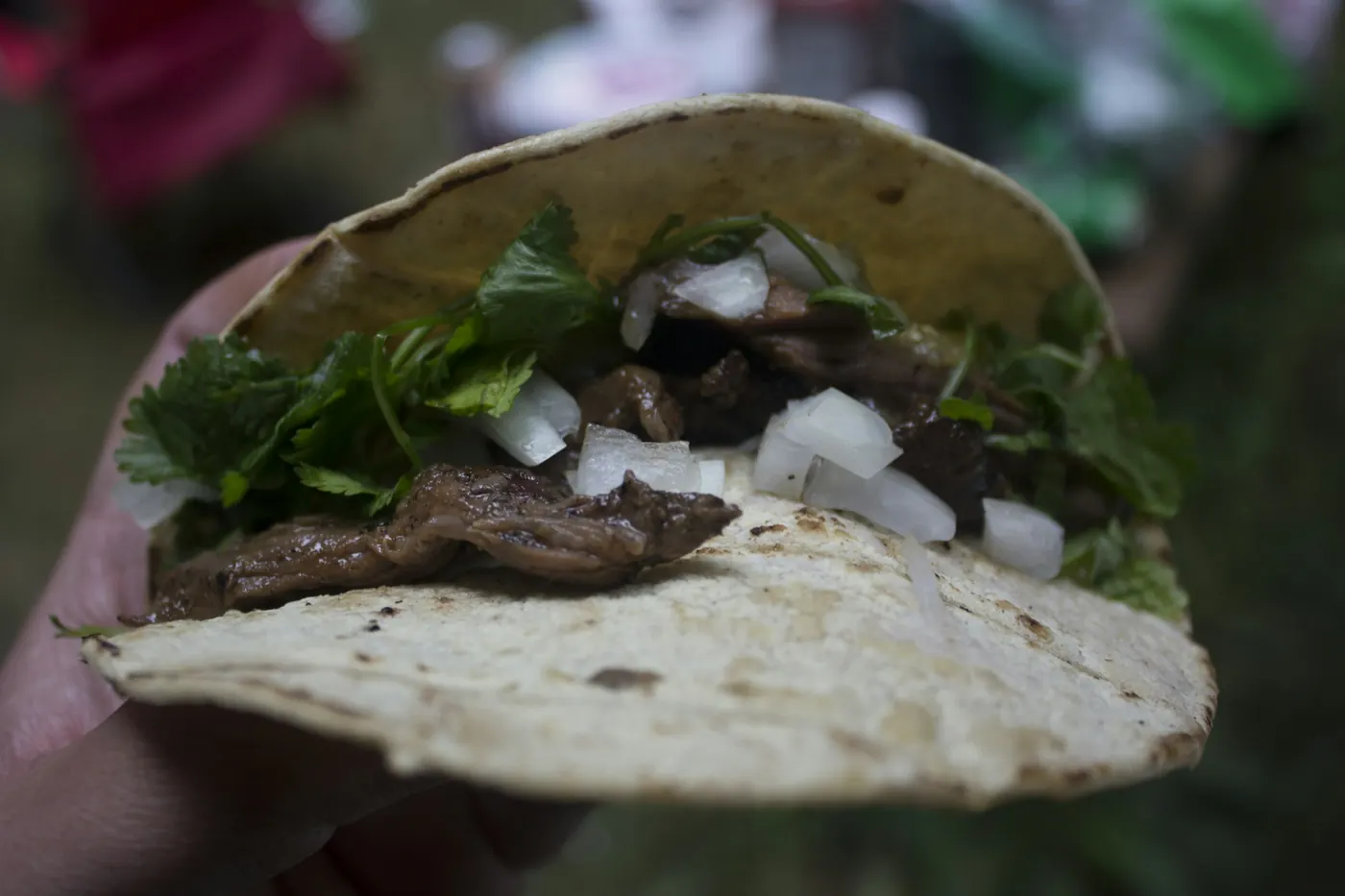
The traditional cook starts the night before and comes out of the ground in the morning. That is why, across Texas and northern Mexico, barbacoa is sold on Saturday and Sunday mornings, often by weight, often from places that sell nothing else and close when they run out.
It is a breakfast and late-morning dish in the same way menudo and other weekend dishes are — food that takes all night, eaten by people who did not have to make it.
How to order it
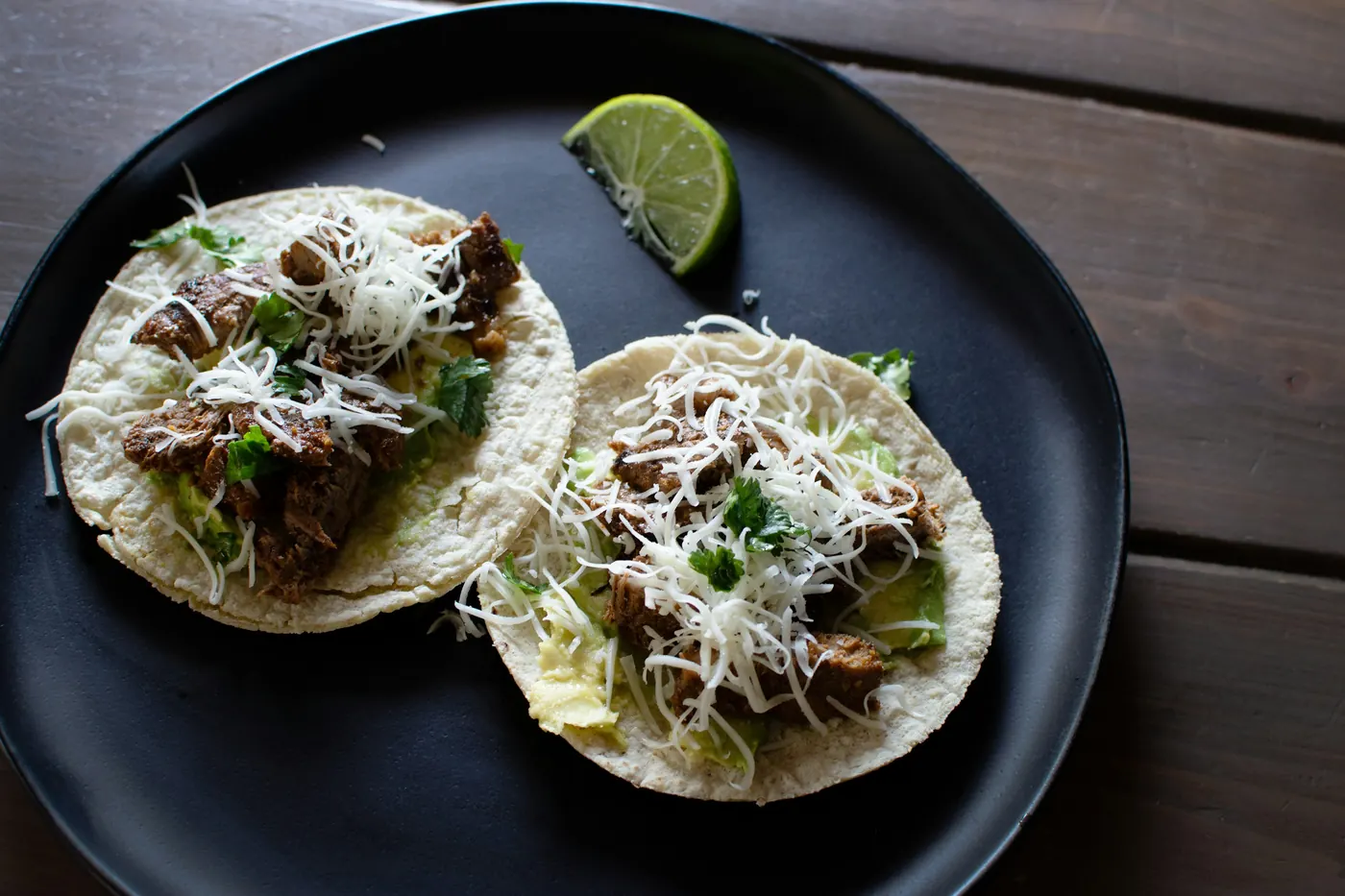
Barbacoa is not a dish you dress up. The standard order is the right one.
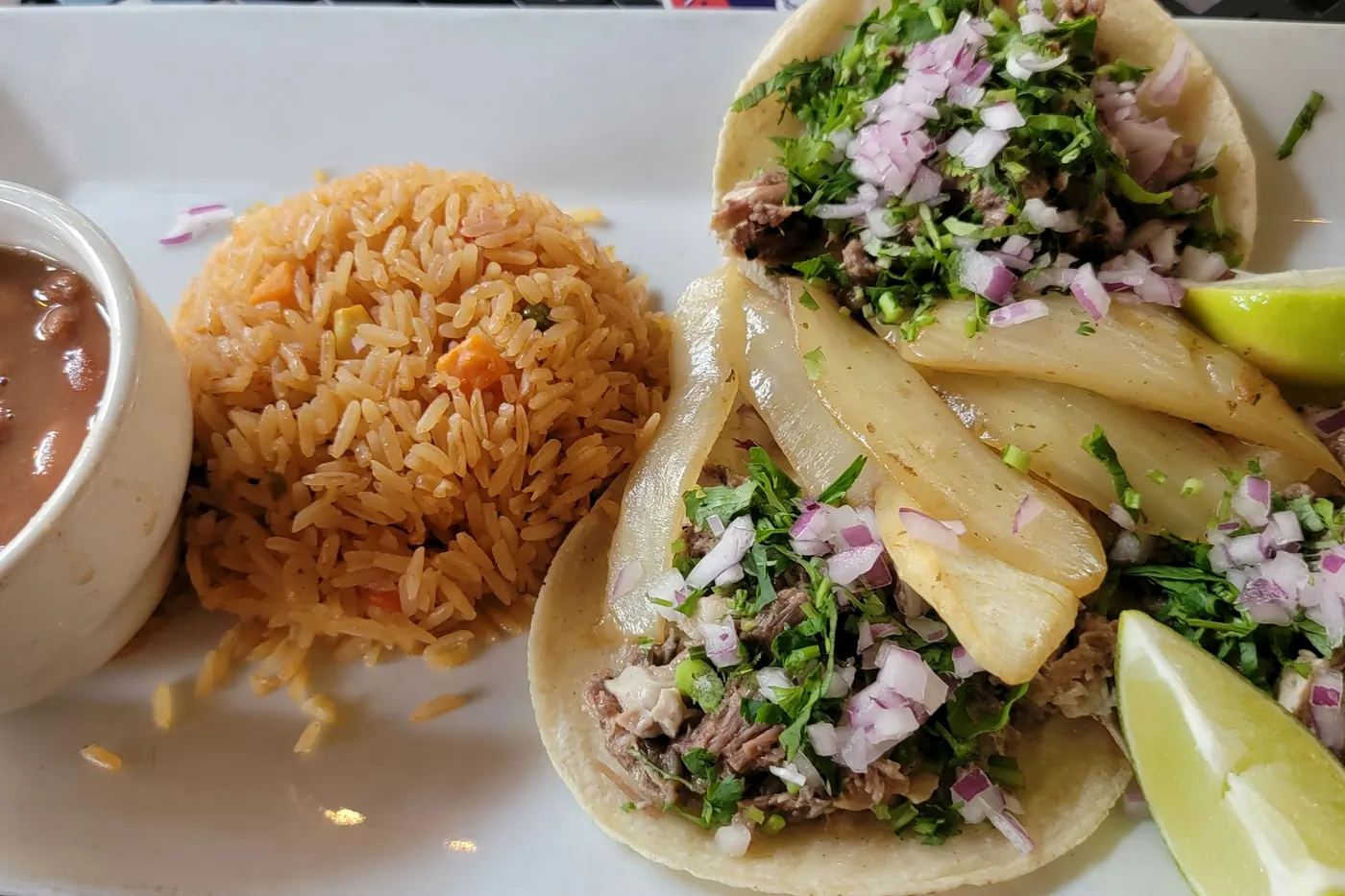
- Corn tortillas, not flour. The meat carries moisture, and corn handles that better — the reasoning is in our tortilla guide.
- Raw white onion and cilantro. Nothing else on the meat.
- Lime, squeezed over. The acid cuts the fat.
- Salsa on the side, added by the spoonful. The meat is mild by design; the heat is meant to be yours to control.
Cheese, sour cream and lettuce are not part of it. They are not forbidden, but they cover a flavor that took twelve hours to build.
How Julia’s serves it
Julia’s lists barbacoa on the brunch menu rather than among the entrées, which is the traditional placement.
The description is short: Mexican style, slow roasted, served with charros, onions and cilantro. That is barbacoa handled correctly — the meat, the two things that go on it, and charro beans on the side. No sauce, no cheese, nothing hiding the cook.
It sits on the same page as menudo, chilaquiles, huevos rancheros and aporreadillo, which is the right company. Weekend brunch at a Mexican restaurant is where the long-cooked dishes live.
How to tell it was cooked properly
Barbacoa is hard to fake, which makes it worth judging.
The meat should be uniformly soft — no firm pieces, no chew, no need for a knife. It should look wet rather than glazed, because it has been sitting in its own liquid rather than a sauce.
It should also taste of beef first and seasoning second. If the dominant flavor is chile or cumin, what you have is a braise that has borrowed the name. That is common and not dishonest, but it is a different dish.
Frequently asked questions
What kind of meat is barbacoa?
It depends on where you are. Traditionally lamb or goat in central Mexico; beef, and often beef cheek, in northern Mexico and Texas. The word refers to the cooking method, so any of them is correct.
Is barbacoa spicy?
Usually not. It is seasoned lightly and salt-forward, and the heat is expected to come from salsa added at the table. Our guide to mild dishes covers where the heat sits on a Mexican menu.
What is the difference between barbacoa and barbecue?
The words are related but the techniques are opposites. Barbecue is dry smoke and direct-ish heat, producing bark. Barbacoa is wrapped, steamed and indirect, producing meat with no crust at all.
Is barbacoa the same as birria?
No. Birria is braised in a chile broth and served with that broth. Barbacoa is steamed with little seasoning and served dry, with tortillas.
Why is barbacoa only available on weekends?
Because the traditional cook takes most of a night. Places that make it properly start in the evening and sell it the next morning until it runs out.
The short version
Barbacoa is a method: wrapped, steamed, cooked overnight, seasoned barely. Expect soft shredded meat, corn tortillas, onion, cilantro and lime — and expect it in the morning.
You will find it on the brunch section of Julia’s menu. If you want the wider context first, our Tex-Mex and Mexican comparison explains which side of the border a dish like this sits on.