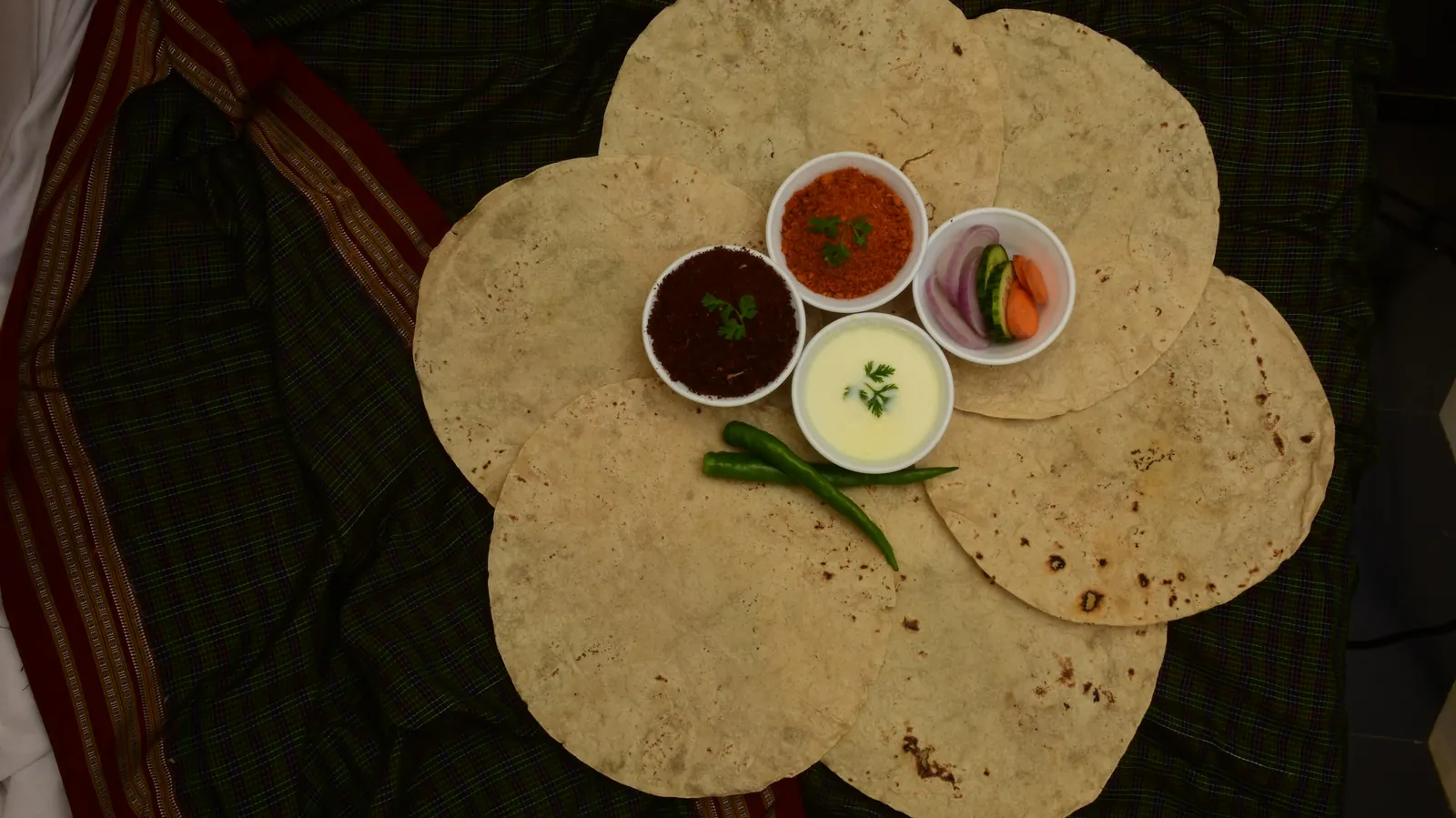
Roti and chapati are close cousins of the flour tortilla: thin, unleavened rounds of wheat dough cooked on a hot, dry pan. So it is natural to wonder whether the tortilla press sitting on the counter can do the rolling for you. The honest answer is yes, partly. A press can flatten a soft wheat dough into a quick, even disc, but most roti are still finished with a rolling pin, because wheat dough springs back in a way that corn masa does not.
This guide explains what a press can and cannot do for roti, then names the tools that suit wheat flatbreads best: wide, heavy manual presses, a press with adjustable thickness, heated roti presses that flatten and cook in one step, and the traditional rolling board and pin for cooks who want the real thing.
Julia’s earns a commission on purchases made through links on this page, at no cost to you. Recommendations are based on what a working kitchen looks for in a flatbread press, the makers’ own specifications, published recipes and equipment reviews, which we cite.
Quick verdict: which press to buy for roti
For a manual press, the best tortilla press for roti is the Victoria 10-inch HD Cast Iron Tortilla Press: its 9.3-pound weight and 10-inch plates give soft wheat dough the room and pressure it needs, and Victoria lists roti among its uses. If you want a press that flattens and cooks in one step, choose the Starfrit Electric Roti Maker. And if you want roti that look and puff like the ones rolled at home in South Asian kitchens, the IBLAY wooden chakla belan set (a rolling board and pin) is still the tool to beat; a press is best used to give each ball a head start.
Five tools side by side first, then the full reviews and how to get the best from a press with wheat dough.
Five roti tools compared
Our five standout picks, one for each way of making roti, with what each maker or listing states. All seven products are reviewed in full below.
| Tool | Best for | Type & surface | Heat | Buy on Amazon |
|---|---|---|---|---|

Victoria 10-inch HD Cast Iron Tortilla PressBest manual press for roti
|
Even discs from soft wheat dough | Cast iron press, 10-inch | None (cook on a tawa or comal) | View on Amazon |

Kundita 12-inch Cast Aluminum Tortilla PressWidest plate
|
Large chapati and parathas | Nonstick aluminum press, 12-inch | None | View on Amazon |

Starfrit Electric Roti MakerBest heated press
|
Press and cook in one step | Electric press, about 10-inch nonstick plates | 1200W, thermostat control | View on Amazon |
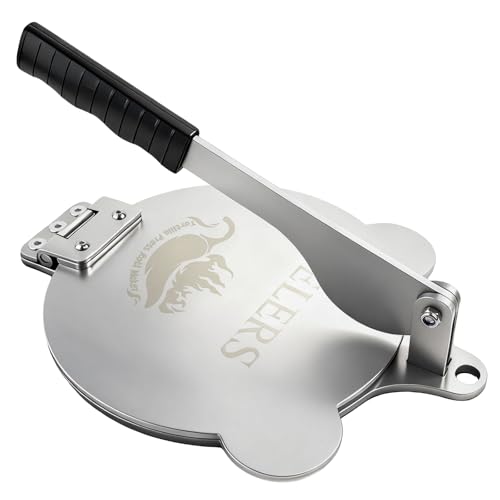
SELERS 10.5-inch Stainless Steel Tortilla PressBest thickness control
|
Repeatable thickness, roti after roti | Stainless steel press, 10.5-inch, spacers | None | View on Amazon |

IBLAY 11-inch Sheesham Wood Chakla Belan SetBest for rolled roti
|
Traditional thin, puffing roti | Rolling board and 14-inch pin | None | View on Amazon |
Product images from Amazon. Sizes and power are as each maker or listing states; check the listing before you buy.
Can a tortilla press really make roti?
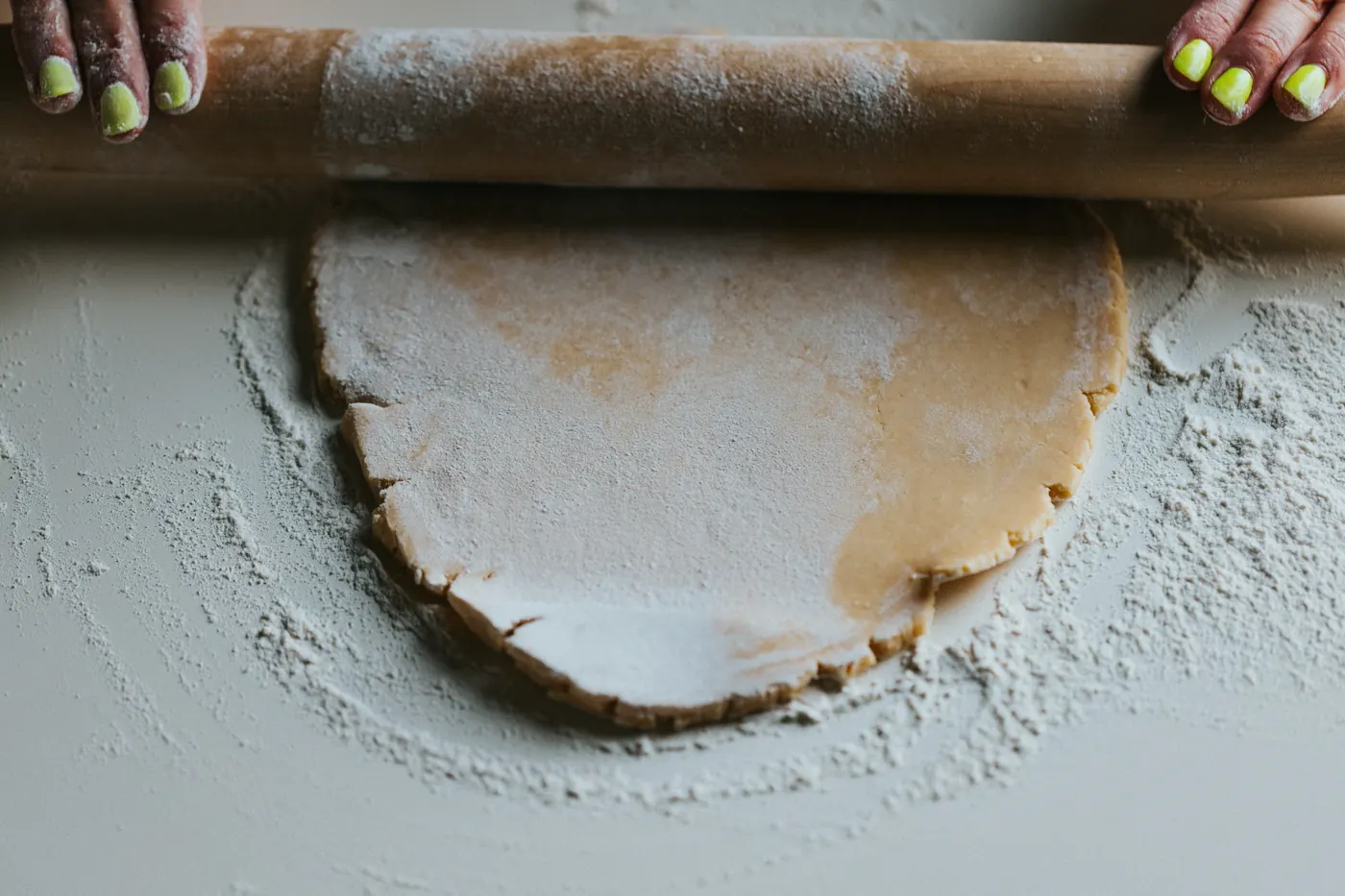
Roti and chapati are usually made from atta, a finely ground whole wheat flour. King Arthur Baking’s roti recipe has you knead the dough until it is “soft and slightly tacky”, rest it for 30 minutes to an hour, then roll each ball into a disk about six inches across before cooking it in a hot skillet and puffing it briefly over a gas flame. The rolling is not incidental. Wheat flour forms gluten, which makes the dough elastic, and an elastic dough pulls back after it is flattened.
That is the problem with a press. America’s Test Kitchen, in its tortilla press review, says flour tortilla dough is too elastic for a press and needs to be flattened with a rolling pin. Even some press sellers say so: one wooden press listing warns that its press is not suited to flour-based dough because the gluten makes it hard to press thin. Corn masa has no gluten, which is why a press works so well for corn tortillas and less well for wheat.
Yet presses are widely used for wheat flatbreads, and with the right dough they work. Mamta’s Kitchen, a long-running Indian home-cooking site, describes making tandoori-style roti in a poori or tortilla press: a soft dough, a little oil on the press, a gentle press and sometimes a second one. The writer found it quicker and less messy than rolling. The pattern across the makers’ own advice is consistent:
- Keep the dough soft. A firm dough will not spread.
- Rest it. Victoria’s flour tortilla recipe rests the dough twice, for 10 and then 15 minutes, before pressing; Kundita suggests about 10 minutes. Resting relaxes the gluten.
- Press, turn, press again. Kundita advises rotating the round 180 degrees and pressing a second time for a thinner, more even result.
- Hold the press closed. Victoria’s recipe leaves the press closed for about 20 seconds.
- Finish with a pin if you want it thin. A press gives an even, round start; two or three passes of a rolling pin take it to roti thickness.
Heated presses get around the spring-back another way. A US patent for a heated tortilla press explains that warming the plates makes the dough more fluid and easier to press, and less likely to stick. The trade-off is that the roti starts cooking as it is flattened, so the texture is not quite the same as a hand-rolled roti cooked on a tawa. Our guide to the best electric roti maker for home covers heated machines in depth.
Our picks for the best tortilla press for roti
These seven tools cover every realistic way to shape roti at home: two large manual presses, a steel press with adjustable thickness, two heated presses, the traditional rolling board and pin, and the liners a large press needs. Each review says what suits wheat dough and where the limits are.
1. Victoria 10-inch HD Cast Iron Tortilla Press – Weight and Width for Wheat Dough
Wheat dough needs two things from a press: room to spread and steady pressure. Victoria’s 10-inch HD press supplies both. Victoria gives the plates as 10 inches across, 12.2 inches hinge to hinge, and the press weighs 9.3 pounds, so a ball of soft atta dough has space to flatten without running off the edge, and the weight keeps pushing while you hold the press closed.
The listing names roti alongside flour, corn and wheat tortillas, and Victoria publishes a flour tortilla recipe for its presses that rests the dough twice and keeps the press closed for about 20 seconds. That holding time is what helps with elastic dough: the gluten relaxes under load rather than springing straight back.
This is the HD version, made from what Victoria calls spherrous cast iron with stainless steel pins in the hinge, and seasoned with three layers of non-GMO flaxseed oil. It is made in Colombia. For liners, Victoria suggests plastic bags, parchment or plastic wrap, and Mamta’s Kitchen oils the press lightly when pressing wheat dough.
Expect a thicker disc than a rolled roti from one press. Turn it and press again, or give it a couple of passes with a rolling pin before it goes onto the tawa. Care is standard cast iron: wipe with a dry or oiled towel, wash with warm water only when needed, dry fully and oil lightly.
Why we like it
- 10-inch plates give wheat dough room to spread
- 9.3 lb of cast iron, per Victoria
- Stainless steel hinge pins on the HD model
- Listed for roti as well as flour and corn tortillas
- Made in Colombia, flaxseed oil seasoning
Key specifications
| Model | TOR-010 |
|---|---|
| Type | Manual press |
| Working surface | 10-inch plates; 12.2 inches hinge to hinge |
| Material | Spherrous cast iron, stainless steel pins |
| Heat | None |
| Weight | 9.3 lb (Victoria) |
| Included | Press |
| Care | Wipe, dry fully, oil lightly (Victoria) |
Why we recommend it
If you want one manual press for roti, chapati and flour tortillas as well as corn tortillas, this is the best combination of weight, plate size and build we found. The weight means you hold rather than push, which suits wheat dough.
Skip it if you want paper-thin roti straight from the press. No cold press gets wheat dough as thin as a rolling pin, and at 9.3 pounds it is heavy to move and store.
Pros and cons
Pros
- Wide, heavy plates suit wheat dough
- Stainless steel hinge pins
- No synthetic coating
- Works for corn tortillas too
Cons
- Heavy to lift and store
- Roti usually needs a second press or a roll
- Cast iron needs drying and oiling
2. Kundita 12-inch Cast Aluminum Tortilla Press – Widest Plates for Large Chapati
If you make large chapati, parathas or wraps, plate size limits everything else. Kundita’s press has a 12-inch plate, the widest manual press here, with what the maker calls a tri-prong handle that spreads the force across the plate rather than concentrating it at one point.
Kundita is one of the few press makers that addresses wheat dough directly. Its listing says the gluten strength and resting time of wheat flour dough affect the result, and advises resting the dough about 10 minutes, pressing, rotating the round 180 degrees and pressing again for a thinner, more even round. The listing names roti among the uses.
It is cast aluminum with a nonstick-coated surface, so it needs no seasoning and will not rust, and Kundita says it is easier to lift and store than a cast iron press. The box includes 50 parchment sheets and a dough scraper, and the listing gives a two-year warranty. The listing does not say what the coating is or how much the press weighs.
Being aluminum, it is lighter than cast iron, so you supply more of the pressure. With a soft, rested dough and the press-turn-press method, that is manageable, and a lighter press is easier to use for a long batch.
Why we like it
- 12-inch plate, the widest manual press here
- Tri-prong handle spreads pressure across the plate
- Maker’s own advice for pressing wheat dough
- No seasoning, no rust; two-year warranty on the listing
Key specifications
| Model | KTP-12in-Lvse |
|---|---|
| Type | Manual press |
| Working surface | 12-inch plate |
| Material | Cast aluminum, nonstick coating (type not stated) |
| Heat | None |
| Weight | Not stated (lighter than cast iron) |
| Included | 50 parchment sheets, dough scraper |
| Care | Wipe clean; no seasoning |
Why we recommend it
Choose it for large chapati, parathas and burrito-size flour tortillas, or if you want a big press that is easier to lift than cast iron.
Skip it if you prefer to avoid coatings whose material is not stated, or if you only make small six-inch roti: a 12-inch press is a lot of tool for that.
Pros and cons
Pros
- Widest manual plates
- Clear wheat-dough instructions
- Lighter than cast iron
- Two-year warranty stated
Cons
- Coating type not stated
- Needs more pressure than cast iron
- Large to store
3. SELERS 10.5-inch Stainless Steel Tortilla Press – Set the Thickness With Spacers
The hardest part of pressing roti is getting the same thickness every time. SELERS approaches it with hardware: the press comes with three spacers, 2, 4 and 6 mm, that fit at the hinge. According to the maker, a taller spacer gives a thinner crust and a shorter one a thicker crust, so once you find the setting that suits your dough, every roti comes out the same.
It is made of stainless steel, which SELERS says is harder and more resistant to drops and impacts than most cast iron presses, and less prone to rust. The press is detachable for cleaning and storage, and the plate has two “ears” in a bear shape that let you lift the top plate without pinching your fingers. Roti is among the uses on the listing, along with flour tortillas, pita and pizza bases.
The spacers set a gap rather than adding weight, so they help most with the spring-back problem: you can press, wait, and press again to the same stop. Use liners as with any press, and give soft wheat dough its rest first.
This is an upper-tier press, and SELERS publishes little beyond its listing: there is no weight, warranty or country of manufacture.
Why we like it
- Three hinge spacers (2, 4, 6 mm) for repeatable thickness
- Stainless steel, which SELERS says resists rust and impacts
- Detachable for cleaning and storage
- Lifting ears to avoid pinched fingers
Key specifications
| Model | SELERS0031 |
|---|---|
| Type | Manual press with adjustable thickness |
| Working surface | 10.5-inch |
| Material | Stainless steel |
| Heat | None |
| Weight | Not stated |
| Included | Three spacers (2, 4, 6 mm) |
| Care | Detach to clean; not otherwise stated |
Why we recommend it
Choose it if consistency matters most: a household that eats roti daily, or a cook who wants each one the same thickness so they all cook in the same time on the tawa.
Skip it if budget matters. It costs more than the cast iron presses here, and the listing gives no weight or warranty to justify the difference.
Pros and cons
Pros
- Adjustable, repeatable thickness
- Stainless steel, no seasoning
- Comes apart for cleaning
Cons
- Upper-tier price
- Weight and warranty not stated
- Few maker details beyond the listing
4. Starfrit Electric Roti Maker – Presses and Cooks in One Step
A heated roti press is a different tool from a tortilla press: both plates heat, so the dough flattens and starts to cook in one movement. Starfrit says its roti maker presses and bakes flatbreads including roti, chapati, poori and Mexican tortillas in one step, with a 1200W heating system and thermostat temperature control.
Warm plates help wheat dough. The patent behind heated tortilla presses explains that heat makes the dough more fluid and easier to press, and discourages sticking, which is exactly what elastic dough needs. The wide handle is designed, Starfrit says, for better control and consistent thickness with less effort.
Plate size is described inconsistently: the listing heading says 12 inch, the text says 10-inch nonstick trays, and the size field gives 9.8 inches. Plan on about ten inches. It has cool-touch handles, a power light, non-slip feet, a brushed stainless steel housing and built-in cord storage. The coating type, weight and warranty are not stated.
Pressed roti from a heated machine are quick and even, but they behave differently from a rolled roti: the dough sets as it flattens. King Arthur’s roti method finishes each roti briefly over a gas flame to puff it, and you can do the same with a pressed one if you want more color.
Why we like it
- Presses and cooks roti in one step
- 1200W with thermostat temperature control
- Wide handle for consistent thickness, per Starfrit
- Cool-touch handles, non-slip feet, cord storage
Key specifications
| Model | 024825-003-0000 |
|---|---|
| Type | Electric (heated) press |
| Working surface | About 10-inch (listing inconsistent: 9.8, 10 and 12 in) |
| Material | Nonstick plates (coating not stated), stainless housing |
| Heat | 1200W, thermostat control |
| Weight | Not stated |
| Included | Built-in cord storage |
| Care | Nonstick plates wipe clean (listing) |
Why we recommend it
Choose it if speed matters more than tradition, or if you find rolling hard on the hands or wrists: one press shapes and starts cooking each roti.
Skip it if you want soft, puffed phulka-style roti. A heated press sets the dough as it flattens, so for that texture a rolling pin and a hot tawa are still better.
Pros and cons
Pros
- Shapes and cooks in one step
- Heat helps elastic dough spread
- Temperature control
Cons
- Plate size stated inconsistently
- Coating, weight and warranty not stated
- Texture differs from rolled roti
5. Orixforce 12-inch Electric Tortilla Maker – A Large Heated Plate
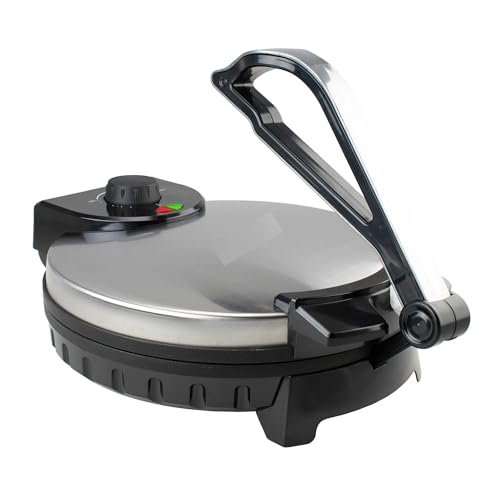
If you want a heated press for larger chapati or flour tortillas, Orixforce’s machine has 12-inch nonstick aluminum plates, 1200W of power and adjustable heat settings. The listing names roti, chapati, tortillas and flatbreads, and says the adjustable heat lets you choose softer or crisper results.
Power and preheat indicator lights tell you when the plates are ready, which matters with wheat dough: pressing on plates that are not hot enough loses the advantage of heat. The housing is stainless steel.
The listing is brief. It gives no weight or warranty, and it shares its model number, TS-129, with a Brentwood electric tortilla maker; we could not confirm whether the two are the same machine. As with the Starfrit, expect a pressed-and-cooked flatbread rather than a rolled roti.
Why we like it
- 12-inch heated plates for large flatbreads
- 1200W with adjustable heat
- Power and preheat indicator lights
- Nonstick aluminum plates
Key specifications
| Model | TS-129 |
|---|---|
| Type | Electric (heated) press |
| Working surface | 12-inch |
| Material | Nonstick aluminum plates, stainless steel housing |
| Heat | 1200W, adjustable |
| Weight | Not stated |
| Included | Not stated |
| Care | Not stated (nonstick plates) |
Why we recommend it
Choose it if you want a heated press with room for large chapati or burrito-size tortillas, and like being able to set the heat.
Skip it if you want a well-documented machine: the listing gives few details, and its relationship to the similarly numbered Brentwood model is unclear.
Pros and cons
Pros
- Large 12-inch plates
- Adjustable heat
- Preheat light
Cons
- Thin listing details
- Weight and warranty not stated
- Texture differs from rolled roti
6. IBLAY 11-inch Sheesham Wood Chakla Belan Set – The Traditional Way to Roll Roti
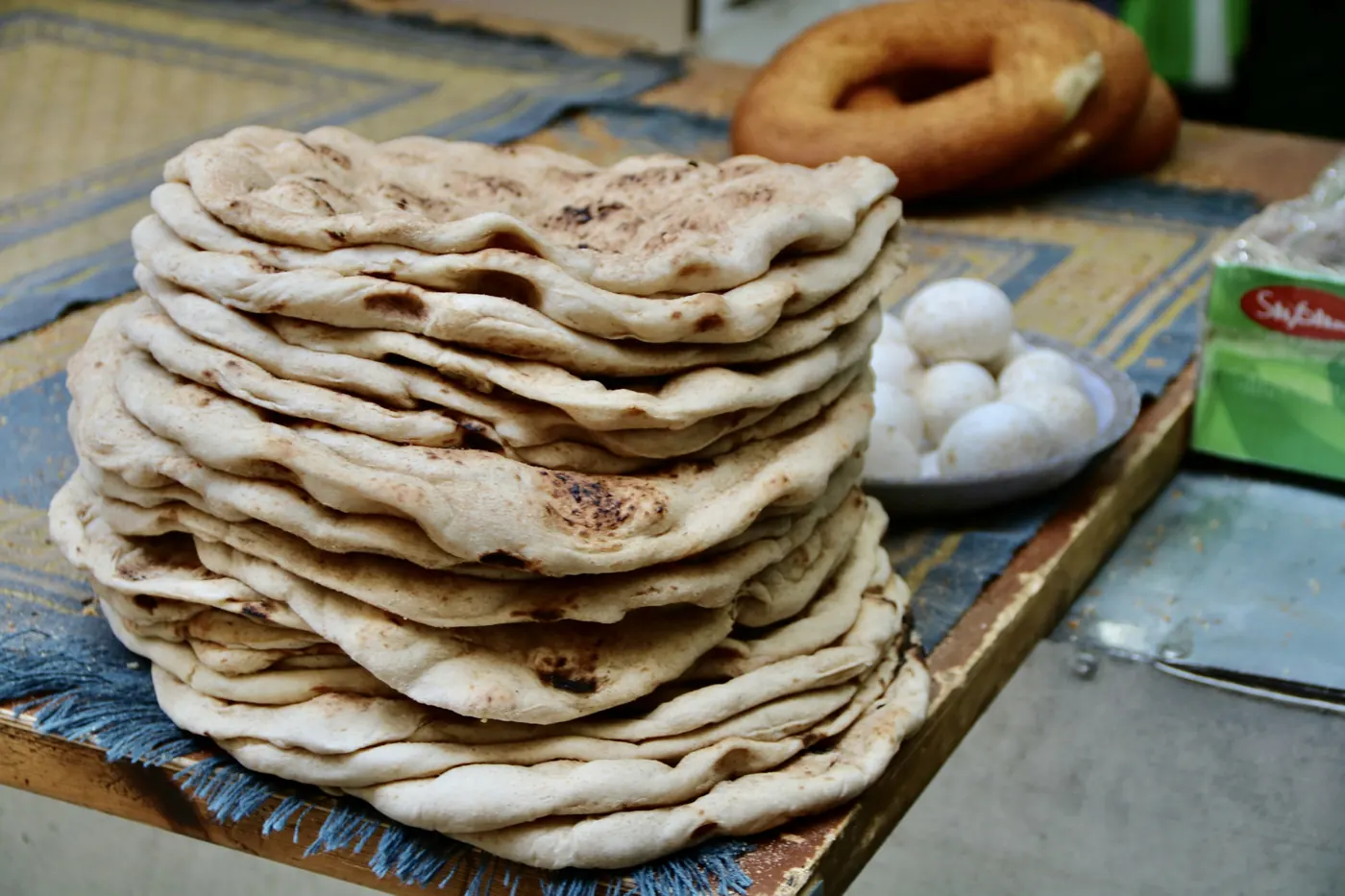
Any honest guide to roti presses has to include the tool most roti are actually made with. A chakla is a round, raised rolling board and a belan a slim rolling pin; together they are the standard kit in many South Asian kitchens, and they are what King Arthur’s roti method assumes when it has you roll each ball into a six-inch disk.
IBLAY’s set pairs an approximately 11-inch round board with a 14-inch rolling pin, both in solid sheesham wood, with a total weight of about 3.5 pounds. The board has a raised base that IBLAY says gives a comfortable working height and stable support on the counter. The listing names roti, chapati, paratha, puri and tortillas among its uses.
Rolling gives you what a press cannot: control. You can roll a roti thinner at the edges, turn it a quarter after each pass to keep it round, and stop exactly when it is thin enough to puff. It takes practice, but it is the way to the thin, puffed roti that a press struggles to match. A good compromise is to press the ball first for an even round, then finish with two or three passes of the belan.
Care is simple: IBLAY says to wipe it clean after use and dry it thoroughly. Natural wood grain and color vary from piece to piece.
Why we like it
- The traditional roti rolling kit, board and pin together
- About 11-inch board and 14-inch pin in solid sheesham wood
- Raised base for stability and working height
- Listed for roti, chapati, paratha, puri and tortillas
Key specifications
| Model | Wooden Chakla Belan (11 inch Classic) |
|---|---|
| Type | Rolling board and rolling pin |
| Working surface | About 11-inch round board; 14-inch pin |
| Material | Sheesham wood |
| Heat | None |
| Weight | About 3.5 lb total (listing) |
| Included | Board and pin |
| Care | Wipe clean, dry thoroughly |
Why we recommend it
Choose it if you want roti that puff and taste like the ones made at home in South Asian kitchens, or if you already own a tortilla press and want to finish pressed rounds thinner.
Skip it if you want speed without a learning curve. Rolling round, even roti takes practice, and a press or heated machine is quicker for a beginner.
Pros and cons
Pros
- Thinnest, most controllable result
- Board and pin in one set
- No electricity, simple care
Cons
- Takes practice to roll evenly
- Slower than a press
- Natural wood varies piece to piece
7. BYKITCHEN 12-inch Parchment Paper Rounds, 100-pack – Liners Sized for Large Presses

Whatever press you use, wheat dough should never go straight onto the plates. BYKITCHEN’s 12-inch parchment rounds are pre-cut to fit large presses, which saves cutting circles for a 10- or 12-inch press, and the listing names tortilla presses, quesadilla makers and roti makers among the uses.
The rounds are unbleached wood pulp with a food-grade silicone coating on both sides, greaseproof and waterproof, and BYKITCHEN rates them heat resistant to 446°F, so they can also go into a heated press or onto a hot pan. A pack holds 100 sheets.
For very soft dough, a thin plastic liner can release more cleanly than parchment; a customer comment on Victoria’s own press page reports plastic working better than parchment with a tacky dough. Plastic belongs only in an unheated press, though; in a heated press use parchment.
Why we like it
- Pre-cut 12-inch rounds for large presses
- Silicone-coated on both sides
- Heat resistant to 446°F, per BYKITCHEN
- 100 sheets per pack
Key specifications
| Model | Tortilla press paper (12inch-100pcs) |
|---|---|
| Type | Press liners |
| Working surface | 12-inch rounds |
| Material | Unbleached wood pulp, food-grade silicone coating |
| Heat | Rated to 446°F (230°C) |
| Weight | Not stated |
| Included | 100 rounds |
| Care | Reuse not stated |
Why we recommend it
Buy them with any large press, manual or heated, if you would rather not cut liners by hand.
Skip it if you have a small press or mostly press very soft dough; cut thin plastic liners instead, at no cost.
Pros and cons
Pros
- Sized for 10- and 12-inch presses
- Safe in heated presses up to 446°F
- No cutting needed
Cons
- Too big for 8-inch presses without trimming
- Reuse not stated
- Very soft dough may release better from plastic
How to choose a press for roti and chapati
Corn tortillas forgive a small, light press. Wheat dough does not. These are the factors that matter for roti.
1. Plate size
Roti are often about six inches across, like the ones in King Arthur’s recipe, and chapati and parathas can be larger. Because wheat dough springs back, you need room to press a thin round with space around it. Ten inches is a sensible minimum for roti; go to twelve for large chapati. An 8-inch press makes small roti that you will probably finish with a pin. ATK, writing about tortilla presses generally, found that wider plates are better.
2. Weight or heat
A cold press beats elastic dough by weight and time: a heavy cast iron plate held down for 20 seconds lets the gluten relax under load. A heated press beats it with warmth. A light aluminum press with no heat is the weakest choice for roti, though a soft, rested dough and a second press help.
3. Thickness control
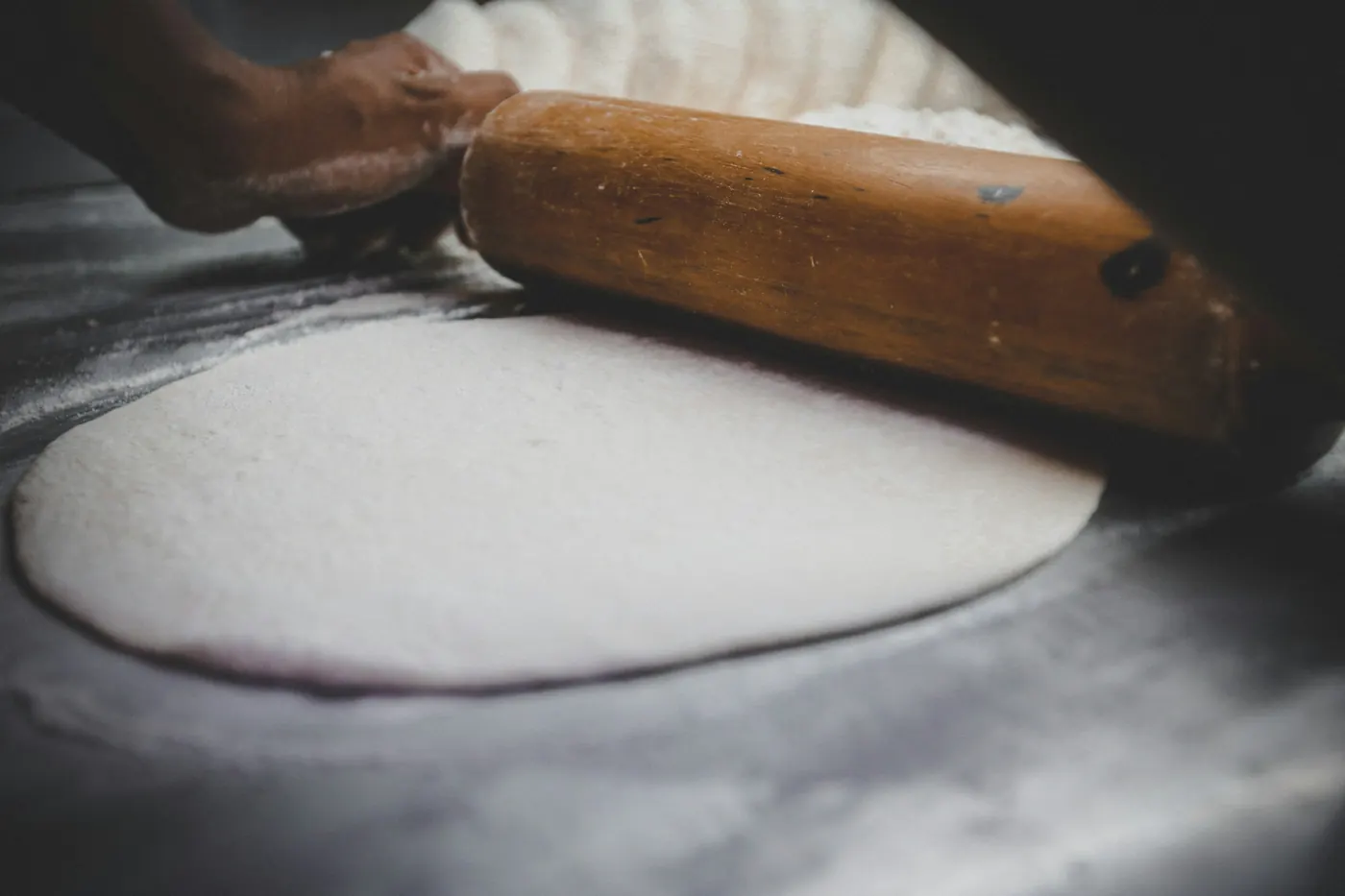
Roti need to be thin and even to puff. A press with spacers, such as the SELERS, sets the gap for you; with any other press, press, turn the round 180 degrees and press again, as Kundita recommends.
4. Liners and surfaces
Line every press. Parchment suits heated presses; thin plastic often releases soft dough better in a cold press. Avoid wooden presses for wheat dough unless the maker says otherwise: at least one wooden press listing says its press is not suited to flour-based dough.
5. Whether you need a press at all
If roti is what you make most, a rolling board and pin may serve you better than any press, and a press is a helpful second tool for speed. If you make both corn tortillas and roti, a heavy 10-inch cast iron press covers both reasonably well. Our comparison of a tortilla press vs rolling pin goes deeper into that choice.
How we picked these seven roti tools
We began with how roti are traditionally made, using King Arthur Baking’s roti recipe and a press-based roti method from Mamta’s Kitchen, and with America’s Test Kitchen’s finding that flour dough is too elastic for a standard tortilla press. That told us what a roti press needs: wide plates, weight, heat or a way to control thickness. We then searched Amazon in the United States for tortilla presses, roti and chapati presses, heated roti makers and rolling sets, and checked stock with Amazon’s product data on the day of writing. We kept tools from identifiable makers whose material and size we could confirm, and left out many stainless steel puri presses sold under the “Generic” brand with no maker details, products down to their last few units, and wooden presses whose own listings warn against flour dough. Specifications come from Victoria’s website for its 10-inch press and otherwise from each brand’s Amazon listing, which we name. We have not made roti with every product listed here; where we describe how a tool behaves, we say whose findings those are.
Roti press questions, answered
Can I use a tortilla press for roti?
Yes, with limits. A press gives a quick, even round from soft, rested wheat dough, but it rarely gets roti as thin as rolling does. Press, turn and press again, or finish with a few passes of a rolling pin.
Why does roti dough shrink back in the press?
Gluten. Wheat dough is elastic, so it pulls back after it is flattened. Resting the dough relaxes the gluten, a heavier press held closed for longer helps, and a heated press makes the dough more fluid as it presses.
What size tortilla press is best for chapati?
Ten inches or more. A 10-inch press handles typical roti and chapati with room to spare, and a 12-inch press suits large chapati and parathas.
Is an electric roti maker better than a tortilla press?
It is faster for wheat dough, because heat helps the dough spread and the roti starts cooking as you press. The result is not quite the same as a rolled roti cooked on a tawa. For more on heated machines, see the best electric roti maker for home and the best electric tortilla maker.
Can I press roti and corn tortillas in the same press?
Yes. A heavy 10-inch cast iron press works for both. Use fresh liners for each, and press corn masa balls smaller so the tortillas come out taco-sized.
Our final word on roti presses
For a manual press, the Victoria 10-inch HD gives wheat dough the width and weight it needs, and it makes excellent corn tortillas too. Choose the Kundita 12-inch for large chapati, the SELERS if you want every roti the same thickness, and the Starfrit if you want to press and cook in one step. If thin, puffed roti are the goal, keep a chakla and belan beside the press. Whichever you choose, keep the dough soft and give it time to rest.
For flour dough generally, see the best tortilla press for flour tortillas, and for every press across all materials, our main guide to the best tortilla press. To learn how wheat and corn tortillas differ, read corn vs flour tortillas. And if you would rather someone else did the cooking tonight, see the menu or call to order.