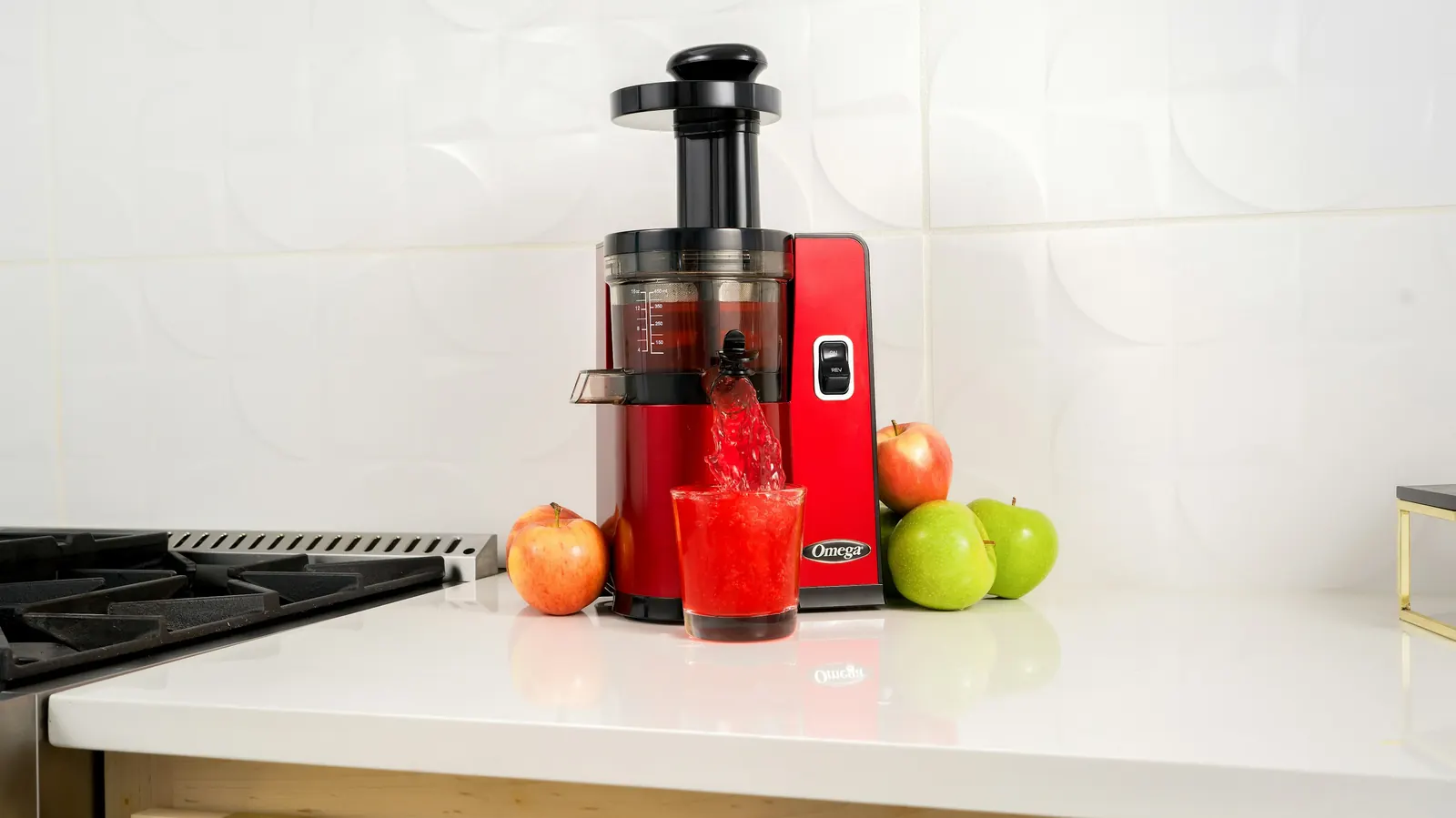
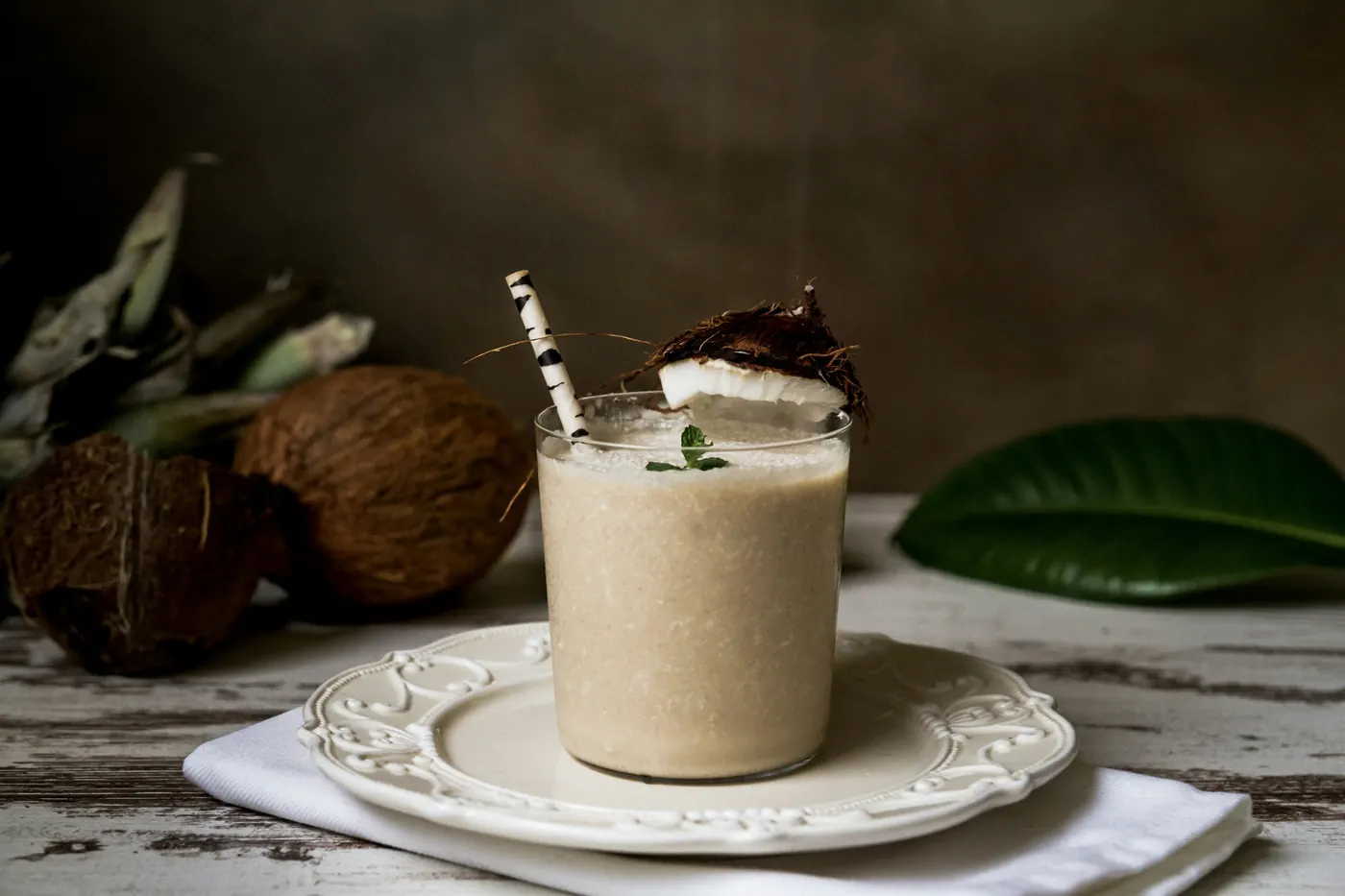
A blender and a juicer both turn fruit and vegetables into something you drink, but they make two different drinks. A blender keeps everything: skin, pulp and fiber all go into the glass, and you get a smoothie. A juicer separates: the liquid runs into a jug and the fiber-rich pulp goes into a bin, and you get juice. Which one you want depends on what you like to drink, how much washing up you will put up with, and what else you want the machine to do.
In Mexico both drinks are everywhere. A licuado of banana and milk or a fruit agua fresca comes out of a blender. A jugo verde of nopal, pineapple and celery, or a glass of carrot and orange, often comes off a juicer at the market stall. This guide compares the two on texture, fiber, yield, prep, cleanup and versatility, says who should buy which, and names one pick for each side.
Julia’s earns a commission on purchases made through links on this page, at no cost to you. Recommendations are based on what a restaurant kitchen looks for, product specifications and verified buyer reports.
Quick verdict: smoothie or juice?
For most kitchens, buy a blender. It makes smoothies, licuados and aguas frescas, and it also does salsas, soups and frozen drinks. It keeps the pulp and fiber in the drink, and nutrition experts at Tufts University advise that if the choice is between juicing and smoothies, go with the smoothies. Buy a juicer only if you specifically want clear, pulp-free juice often, especially from carrots, beets, celery or greens, and you accept that every juicer America’s Test Kitchen reviewed was hard to clean.
The table compares them at a glance; the sections after it explain each point and its source.
Blender vs juicer, side by side
| Blender | Juicer | |
|---|---|---|
| What you get | Smoothie: the whole fruit, pulp and all | Juice: liquid only; pulp goes to a bin |
| Fiber | Kept in the drink (Tufts) | Mostly left behind in the pulp (Tufts) |
| Texture | Thick; needs liquid to blend | Thin and clear, often with some foam (ATK) |
| Waste | None; everything goes in the glass | A container of pulp each time |
| Prep | Peel and cut to fit the jar | Centrifugal: whole produce in a wide chute; masticating: more cutting (ATK) |
| Cleanup | Jar, lid, blade; many self-clean | Every model ATK reviewed was difficult to clean |
| Other jobs | Salsas, soups, frozen drinks, sauces | Juice only, for most models |
Fiber and what ends up in the glass
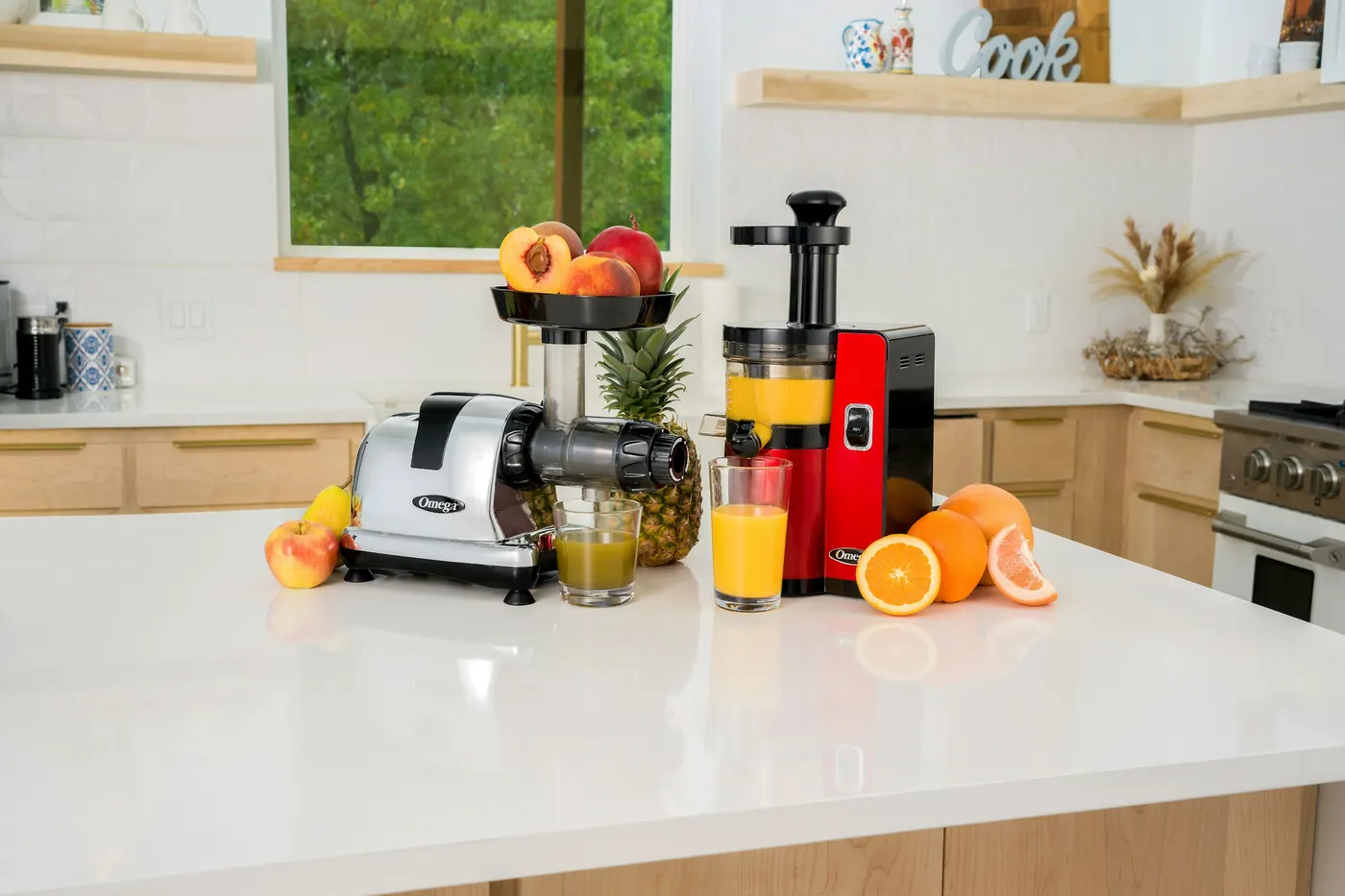
This is the real difference, and it is worth getting right without overstating it. The Tufts Health & Nutrition Letter explains that juicing leaves behind “fiber-rich pulp containing beneficial plant-derived chemicals,” and quotes Diane McKay, PhD, that many of those compounds are bound to the fibers in the peel. It adds that if you grind fruits and vegetables in a high-speed blender rather than extracting the juice, “you could retain more of the phytochemicals, vitamins, minerals and fiber.” Her advice is plain: “If the choice is between juicing and smoothies, go with the smoothies,” and include the skin where it is edible.
Tufts also gives a caution that applies to both drinks. Because you skip the chewing, you can take in a lot of calories and sugar quickly, and dietitian Kelly Kane notes that some people “would not eat 3 cups of fruit in one sitting, but can easily consume that much or more in a smoothie.” Alice H. Lichtenstein, DSc, says that ideally fruits and vegetables are eaten as whole foods. A blender doesn’t make a drink healthier on its own; it simply keeps more of what was in the fruit.
We make no further health claims here. If you are changing your diet for a medical reason, ask your doctor or a registered dietitian.
Texture and taste
Juice is thin, bright and clear, and many people prefer it for carrot, beet, celery or green drinks that would be gritty or heavy as a smoothie. ATK found that every juicer it reviewed produced juice with some foam, and some masticating models made kale juice “quite thick, almost like a smoothie.”
A smoothie is thicker and needs liquid, such as milk, water, yogurt or juice, to get the blades moving. Fibrous greens are the hard test: ATK’s blender review says high motor power helps with “blending tough, fibrous kale into smoothies.” If you try to make juice in a blender by straining it afterwards, ATK found the results “fussy,” and even after straining, the juice was “silt-y or watery.” For true juice, a juicer does the job properly.
Yield and waste
A blender has no yield problem: whatever goes into the jar comes out in the glass. A juicer always leaves pulp, and how much juice it gets depends on the machine and the produce. ATK’s juicer review found that centrifugal models were slightly better with carrots, while masticating (slow) juicers squeezed juice from kale leaves more effectively. It also found the centrifugal juicers “really struggled to process leafy, fibrous kale.”
So if you mostly juice hard produce such as carrots, apples and beets, a centrifugal juicer works well and quickly. If you want green juices, a masticating juicer extracts more. Our best cold press juicer guide covers the slow, masticating kind.
Prep, speed and noise
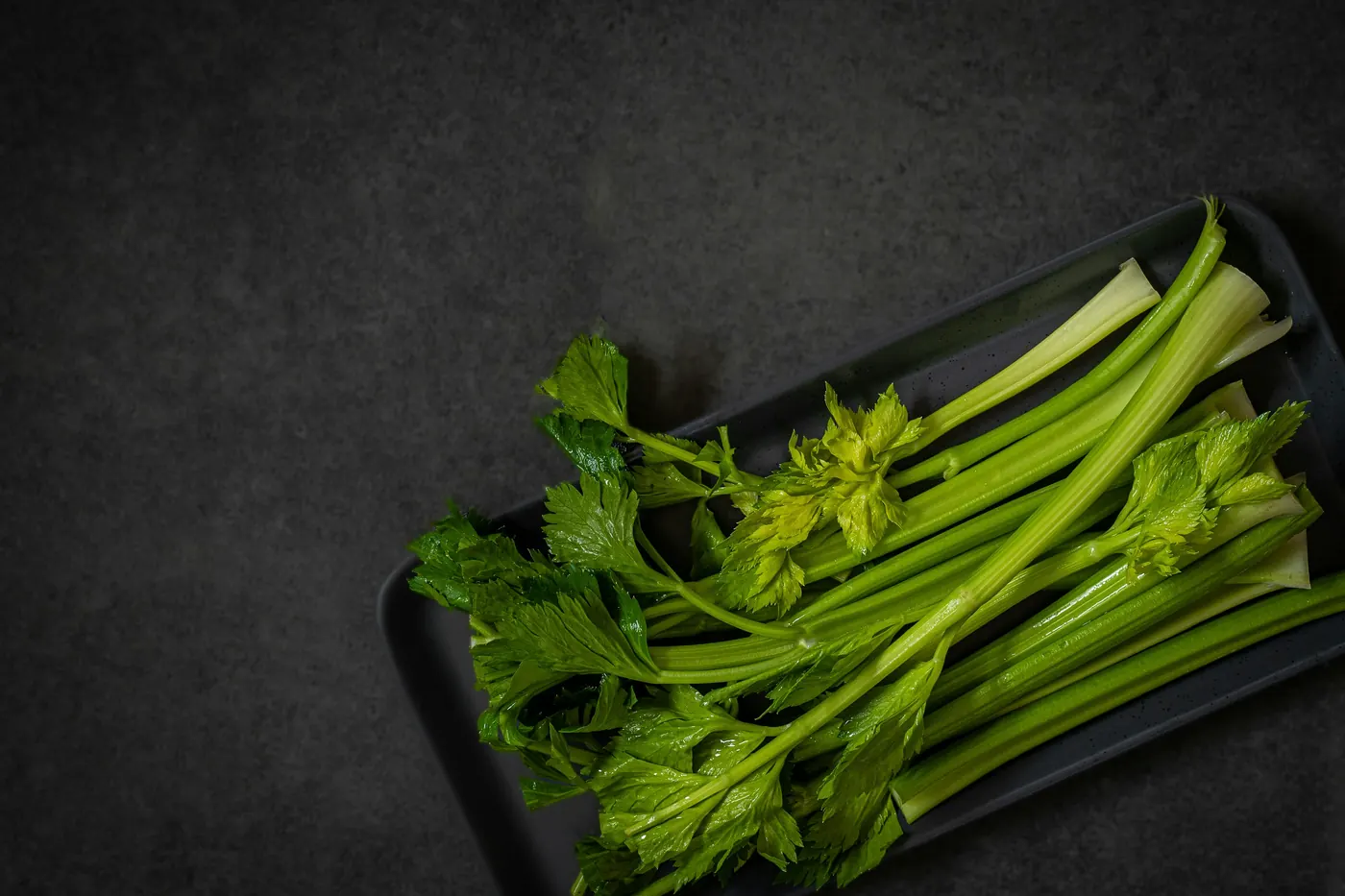
The two kinds of juicer differ more than most buyers expect. ATK says centrifugal juicers are “relatively inexpensive and fast,” with 3-inch-wide feed tubes that fit whole carrots, small apples or whole kale leaves. They are also loud: ATK found them “powerful and loud.” Masticating juicers were quieter, but needed more prep, such as splitting carrots lengthwise and cutting kale into 1-inch pieces.
A blender sits in between. You peel and cut produce to fit the jar, and a good blender is done in a minute or so, but high-powered blenders are loud too.
Cleanup: the juicer’s weak point
Nobody who owns a juicer argues about this one. ATK’s verdict was that “every juicer in our lineup was difficult to clean, with nooks and crannies that we had to dig pulp out of,” and that all of them have to be taken apart and cleaned after each use. Pulp dries hard in a mesh filter, so clean it straight away. Breville includes a cleaning brush with the juicer we pick below.
A blender is easier. You rinse the jar, lid and blade, and many blenders have a cleaning program; Breville’s Fresh & Furious has an Auto Clean setting, according to its listing. Be honest with yourself here: if you won’t clean a juicer after every use, a blender is the better buy.
What else each machine does
A blender is one of the most versatile machines in a kitchen. ATK lists smoothies, milkshakes, frozen drinks, sauces, dips, dressings and nut butters among its jobs. In a Mexican kitchen that means salsas, moles, horchata, aguas frescas and frozen margaritas. A juicer, for most models, makes juice and nothing else. Some masticating models add attachments for nut milks or sorbets, but the main job doesn’t change.
For orange, lime and grapefruit juice, neither is the best tool. A citrus press is quicker and easier to clean; see our best citrus juicer guide.
Choose a blender if… / Choose a juicer if…
Choose a blender if…
- You want smoothies, licuados or aguas frescas with the fruit’s fiber kept in.
- You want one machine that also does salsas, soups and frozen drinks.
- You want less cleanup and no pulp to throw away.
Choose a juicer if…
- You drink clear vegetable or fruit juice several times a week.
- You like carrot, beet, celery or green juices without pulp.
- You will clean the machine straight after every use.
Our pick on each side of the blender vs juicer question
One pick per side, both from Breville and both in stock when we checked. Neither listing appears on our other pages. The juicer is the larger Cold Plus version of the Juice Fountain Cold that won ATK’s centrifugal juicer category; ATK reviewed the smaller model, not this one. The blender is the Black Truffle finish of the Fresh & Furious, ATK’s favorite midpriced blender, which appears in other finishes in our best blender and best blender for smoothies guides; we repeat the model because ATK specifically notes its green smoothie setting for fibrous ingredients, which is the job this page is about.
1. Breville Fresh & Furious Blender, Black Truffle – Green Smoothies Without a Fuss
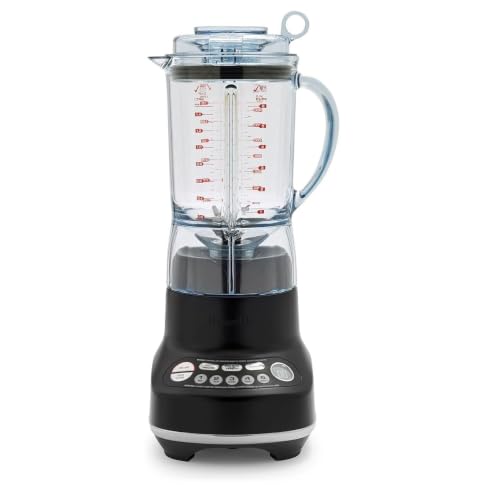
America’s Test Kitchen calls the Fresh & Furious its favorite midpriced blender, “easy to use” and doing “a great job with every task,” and notes its green smoothie button for blending fibrous ingredients into a smooth drink. The listing gives an 1,100-watt motor, a 50-ounce BPA-free Tritan jug, five speed settings and nine one-touch programs, including smoothie, green smoothie and ice crush.
That makes it a good match for smoothies and licuados, and it also handles salsas, soups and frozen drinks. The lid has a ring pull for easy removal and stays sealed while running, with an inner measuring lid, per the listing, and there is an Auto Clean setting for the jug.
ATK’s reservations are worth knowing: it blends “just a touch less fine-textured” than ATK’s high-end top pick, it stops automatically every 60 seconds, and it is louder than some rivals. The warranty is 3 years limited, per the listing, and Breville gives the size as 6.9 by 8.3 by 17.7 inches.
Why we like it
- ATK’s favorite midpriced blender
- Green smoothie program for fibrous produce
- 1,100 W motor, 50 oz jug
- Auto Clean setting
Key specifications
| Model | Breville BBL620BTR |
|---|---|
| Type | Countertop blender |
| Power (stated) | 1,100 W |
| Capacity | 50 oz Tritan jug |
| Controls | 5 speeds, 9 one-touch programs |
| Size | 6.9 x 8.3 x 17.7 in (Breville) |
| Cleaning | Auto Clean setting |
| Warranty | 3-year limited |
Why we recommend it
It suits someone who wants smoothies with the fiber kept in, plus one machine for salsas, soups and frozen drinks, at a middle price.
Skip it if you want the smoothest possible green smoothie; the Vitamix 5200 in our best blender guide is ATK’s top pick.
Pros and cons
Pros
- Strong independent recommendation
- Useful smoothie and ice programs
- Versatile beyond drinks
Cons
- Stops every 60 seconds (ATK)
- Louder than some rivals (ATK)
- Can’t make clear juice
2. Breville Juice Fountain Cold Plus – Whole Produce, Big Jug
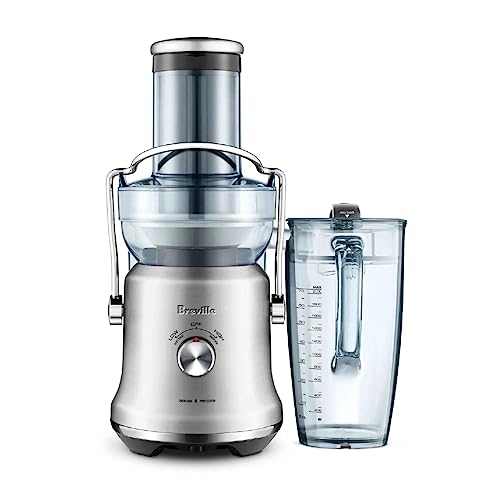
This is a centrifugal juicer, the fast kind, and the larger Cold Plus version of the Breville Juice Fountain Cold that ATK named its winning centrifugal juicer, “fast and efficient.” The listing gives a 1,000-watt motor, two speeds and a 3.5-inch extra-wide chute that takes whole carrots, apples and oranges without pre-cutting.
The jug holds 70 fluid ounces and has a froth separator and a seal, and Breville says you can store the juice in it in the refrigerator for up to three days. The pulp container holds 3.9 quarts and sits behind the base to save counter space, and a detachable spout lets you juice straight into a glass, per the listing. A cleaning brush is included. Breville gives the size as 13.1 by 8.7 by 17.6 inches.
Remember ATK’s general findings for this type: centrifugal juicers are loud, do well with carrots but struggle with leafy kale, and, like every juicer ATK reviewed, take real effort to clean. The warranty is 1 year limited, per the listing, shorter than the blender’s. ATK has not reviewed this exact Cold Plus model.
Why we like it
- Larger version of ATK’s winning centrifugal juicer
- 3.5-inch chute for whole produce
- 70 oz seal-and-store jug
- Cleaning brush included
Key specifications
| Model | Breville BJE530BSS |
|---|---|
| Type | Centrifugal juicer |
| Power (stated) | 1,000 W |
| Capacity | 70 oz jug; 3.9 qt pulp container |
| Controls | 2 speeds |
| Size | 13.1 x 8.7 x 17.6 in (Breville) |
| Cleaning | Disassemble after use; brush included |
| Warranty | 1-year limited |
Why we recommend it
It suits someone who juices carrots, apples, beets and citrus often, wants to put whole produce straight in, and likes to make a jug at a time.
Skip it if you mainly want green juices; a masticating juicer from our best juicer guide extracts more from leaves.
Pros and cons
Pros
- Fast, with little prep
- Large jug and pulp bin
- Compact rear pulp bin
Cons
- Loud, like other centrifugal models (ATK)
- Less effective with leafy greens
- Short 1-year warranty
Smoothie and juice questions, answered
Can a blender replace a juicer?
For smoothies, yes. For clear juice, not really: ATK found that juice made in a blender and strained afterwards was fussy to make and came out silty or watery.
Is a smoothie healthier than juice?
A smoothie keeps more of the fruit’s fiber, according to the Tufts Health & Nutrition Letter, whose expert advises choosing smoothies over juicing. Tufts also warns that either drink makes it easy to take in a lot of calories and sugar quickly.
Which juicer type should I choose?
Centrifugal for speed and whole produce, especially carrots and apples; masticating for greens and a quieter machine with more prep, according to ATK. Our best juicer guide compares both.
How long does fresh juice keep?
Breville says juice sealed in its jug keeps in the refrigerator for up to three days. Follow the instructions for your own machine.
What about aguas frescas?
Use a blender. Most aguas frescas are fruit blended with water and sugar, then strained if you want them smooth. See our guide to what aguas frescas are.
Which one to put on the counter
For most kitchens the blender comes first: it makes the drink most experts prefer, and it does a dozen other jobs. Add a juicer if you find yourself wanting clear juice often and you’re willing to clean it every time. Our best juicer guide compares eight centrifugal and masticating models, and our best blender for smoothies guide covers jars built for frozen fruit. And when you’d rather someone else made the drinks, see the menu or call to order.