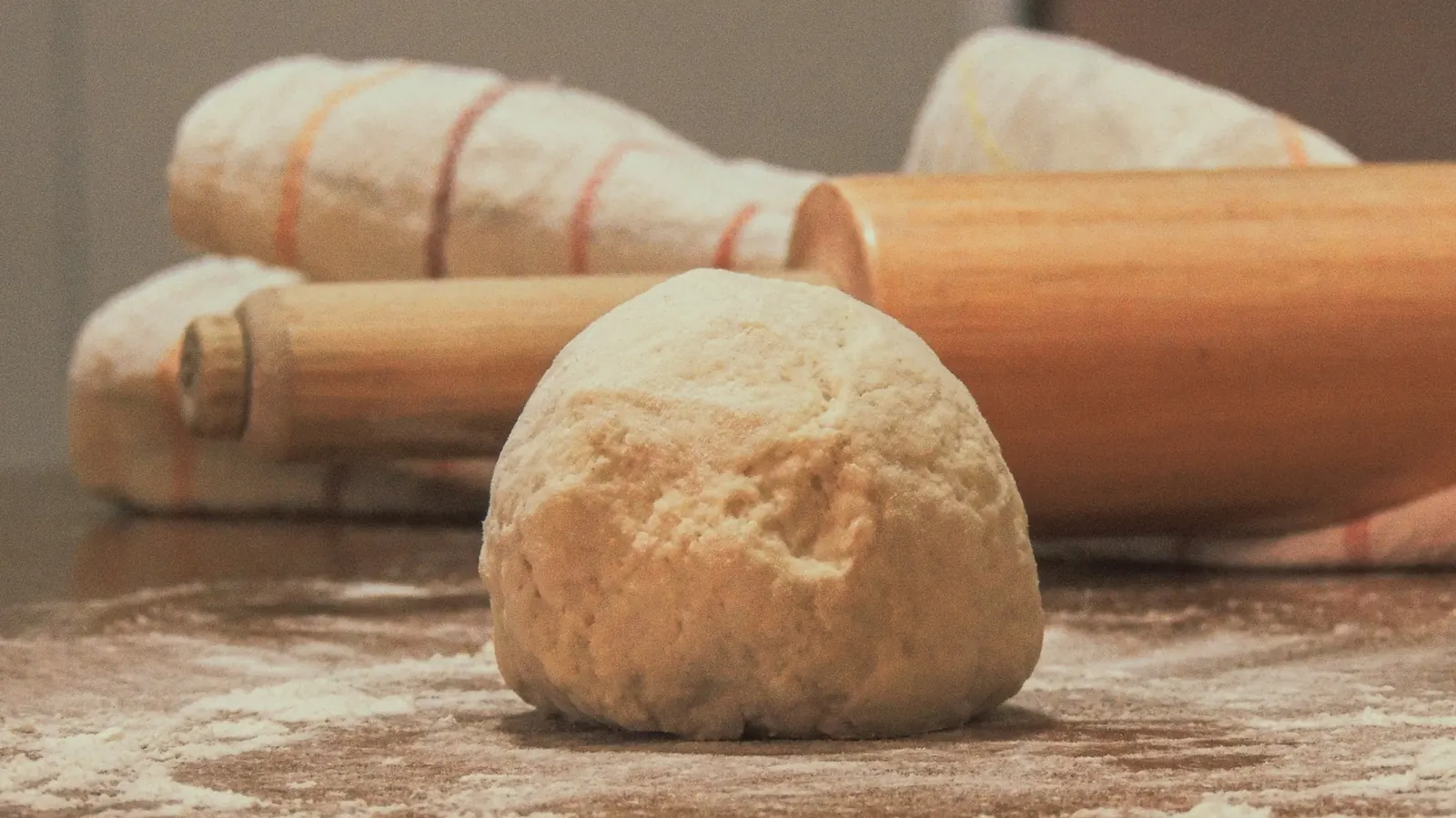
A rolling pin looks like the simplest tool in the drawer, and it mostly is. But the shape matters more than people expect. A long, straight dowel flattens a big sheet of pie or empanada dough in a few even passes; a tapered French pin pivots to make rounds; a short, slim pin is what cooks in northern Mexico use to roll flour tortillas one after another. Handles, marble and adjustable rings all have their place, and their drawbacks.
This guide names seven rolling pins worth buying from J.K. Adams, Farberware, Joseph Joseph, Fox Run and GOBAM, and explains which shape suits pastry, cookies, pizza, empanadas or tortillas. It leans on America’s Test Kitchen’s published rolling pin review, which we cite by name.
Julia’s earns a commission on purchases made through links on this page, at no cost to you. Recommendations are based on what a restaurant kitchen looks for, product specifications and verified buyer reports.
Quick verdict: which rolling pin to buy
The best rolling pin for most kitchens is the J.K. Adams French Tapered Rolling Pin: 20.5 inches of solid Vermont maple with no handles, light enough to pivot dough into rounds, and J.K. Adams makes the tapered pin that America’s Test Kitchen names its best. If you roll big sheets of dough for pies, empanadas or cookies, buy the J.K. Adams Maple Dowel Rolling Pin, a straight 19-inch pin and ATK’s best dowel.
Five rolling pins at a glance
Our five standout rolling pins, one for each kind of baker. All seven are reviewed in full below.
| Rolling pin | Best for | Style | Length | Buy on Amazon |
|---|---|---|---|---|

J.K. Adams French Tapered Rolling PinBest overall
|
Pie crusts, rounds, control | French tapered, maple | 20.5 in | View on Amazon |

J.K. Adams Maple Dowel Rolling PinBest dowel
|
Big sheets of dough | Straight dowel, hardwood | 19 in | View on Amazon |
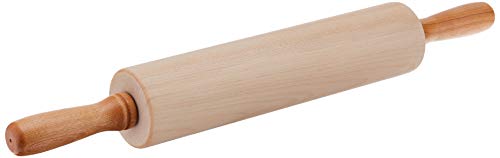
J.K. Adams Medium Gourmet Rolling PinBest with handles
|
Cooks who prefer handles | Handled, ball bearings | 12 in barrel | View on Amazon |

Joseph Joseph PrecisionPin Adjustable Rolling PinBest adjustable
|
Even thickness, cookies | Beech with thickness rings | 16.5 in listed | View on Amazon |
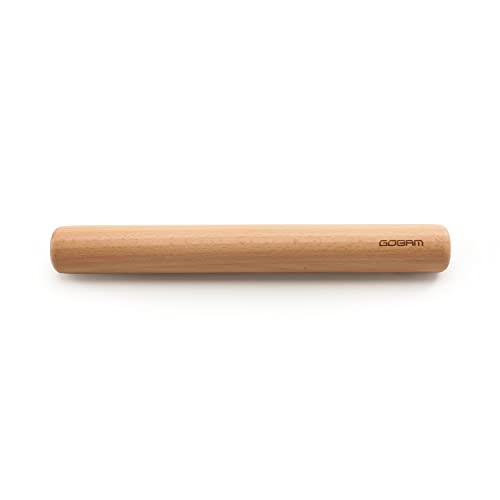
GOBAM Small Wood Rolling PinBest for tortillas
|
Flour tortillas, small rounds | Slim dowel, beech | 11 in | View on Amazon |
Product images from Amazon. Lengths, materials and care are as each maker or listing states them.
Our picks for the best rolling pin
The seven pins below include French tapered, straight dowel, handled, adjustable, marble and slim tortilla pins. Each review gives the maker’s or listing’s specifications, who the pin suits and one honest reason to skip it.
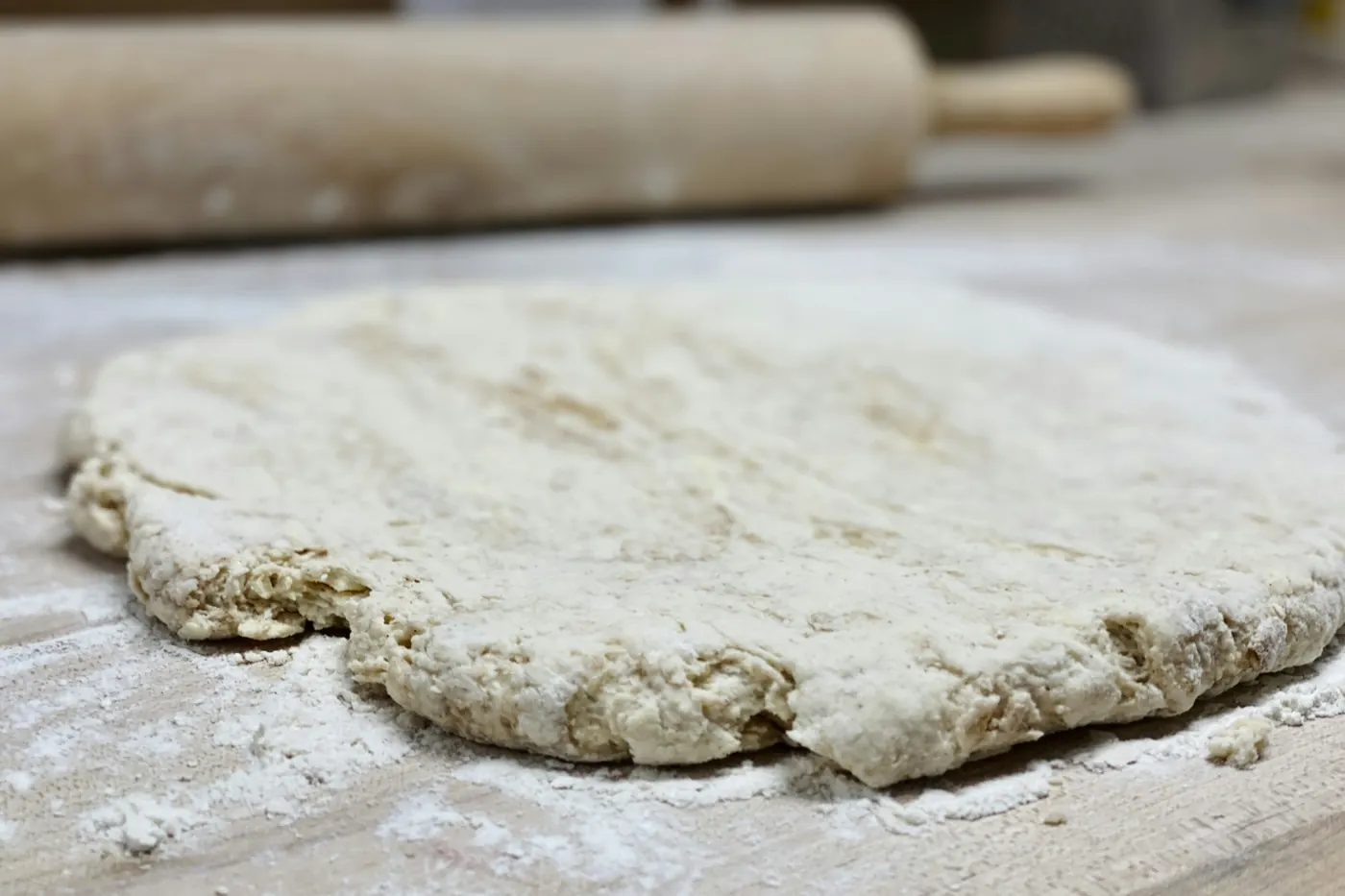
1. J.K. Adams French Tapered Rolling Pin – Pivots Easily for Even Rounds
A French pin is thickest in the middle and tapers toward each end, with no handles. That shape lets you press harder at the center, lighter at the edges, and swing the pin in an arc to keep a crust round. America’s Test Kitchen names a J.K. Adams French rolling pin its best tapered pin, and says tapered pins are lighter and give finer control, with a slight learning curve.
This J.K. Adams pin is solid maple, 20.5 inches long and 1.75 inches across at its widest. J.K. Adams says the slightly textured wood holds a dusting of flour better than metal or silicone, which keeps dough from sticking and tearing, and ATK found the same about wood in general.
It is made in Vermont, where J.K. Adams has worked wood for more than 80 years, according to the listing, and carries a lifetime warranty. Hand wash it gently, dry it, and oil it now and then with food-safe mineral oil to keep it straight and uncracked.
Why we like it
- J.K. Adams makes ATK’s best tapered pin
- Solid maple holds a dusting of flour
- Long 20.5-inch reach
- Made in Vermont, lifetime warranty
Key specifications
| Model | FRP-1-AM |
|---|---|
| Style | French tapered |
| Material | Maple |
| Length | 20.5 in |
| Diameter | 1.75 in at center |
| Handles | None |
| Care | Hand wash gently; condition with mineral oil |
Why we recommend it
It suits bakers who roll pie crusts, tart shells and empanada dough and want precise control over thickness and shape.
Skip it if you have never used a handle-free pin and want results straight away; ATK notes a slight learning curve.
Pros and cons
Pros
- Fine control
- Light
- Durable solid wood
Cons
- Learning curve
- Less weight for big sheets
- Hand wash and oil
2. J.K. Adams Maple Dowel Rolling Pin – A Straight 19-Inch Pin with Heft
America’s Test Kitchen’s best dowel is the J.K. Adams plain rolling dowel pin, a straight 19-inch pin. The pin on this listing matches that description: 19 inches long, 2 inches in diameter, one piece of sustainably harvested North American hardwood with a light beeswax finish.
ATK found straight dowels heavier, with more heft than tapered pins, which makes them better for large jobs such as croissant dough. The same applies to a big sheet of dough for empanadas or a full pan of cookies: the long, even barrel covers more dough per pass, and ATK found that short barrels left unwanted indents and needed more passes.
There are no moving parts. J.K. Adams says the slightly textured wood holds flour to stop sticking, and that it wipes clean and dries easily. It also crushes crackers and cookies for crusts.
Why we like it
- Matches ATK’s best dowel
- 19 inches long, 2 inches across
- One piece, no parts to wear out
- Beeswax-finished hardwood
Key specifications
| Model | 16PRP2 |
|---|---|
| Style | Straight dowel |
| Material | North American hardwood (maple, per title), beeswax finish |
| Length | 19 in |
| Diameter | 2 in |
| Handles | None |
| Care | Wipe clean and dry |
Why we recommend it
It suits bakers who roll large sheets of dough for pies, cookies, pizza and empanadas and want weight to do the work.
Skip it if you mainly roll small rounds; a tapered pin turns more easily.
Pros and cons
Pros
- Even pressure
- Good heft
- Simple to clean
Cons
- Long to store
- Less nimble for rounds
- Wood needs drying
3. J.K. Adams Medium Gourmet Rolling Pin – Maple Barrel on Steel-Axle Bearings
Many cooks grew up with a handled pin and find it easier on the wrists. If that is you, buy a good one. J.K. Adams’ Medium Gourmet pin has a 12-inch maple barrel, 2-3/4 inches thick, turning on a full-length steel axle with self-lubricating bearings, and easy-grip handles. It is made in Vermont.
Be aware that America’s Test Kitchen did not like handled pins, saying they make it harder to judge the dough’s thickness and the pressure you apply, and it found shorter barrels left indents. A 12-inch barrel suits pie crusts, tortillas and cookie dough more than a full sheet of pastry.
J.K. Adams asks for care: hand wash in warm, soapy water, dry thoroughly, never soak it or put it in the dishwasher, and apply mineral oil or beeswax conditioner weekly until the finish is established. The listing mentions both a lifetime guarantee and a five-year warranty against manufacturer’s defects.
Why we like it
- Thick 2-3/4-inch maple barrel
- Full-length steel axle, self-lubricating bearings
- Easy-grip handles
- Made in Vermont
Key specifications
| Model | GRP-3 |
|---|---|
| Style | Handled, rotating barrel |
| Material | Maple, waxed barrel; steel axle |
| Length | 12 in barrel |
| Diameter | 2-3/4 in |
| Handles | Yes, with bearings |
| Care | Hand wash, dry; never soak; oil or wax weekly at first |
Why we recommend it
It suits cooks who prefer handles and want a well-made, maple pin rather than a lightweight one.
Skip it if you roll large sheets of pastry; ATK prefers longer, handle-free pins.
Pros and cons
Pros
- Comfortable for handle users
- Smooth bearings
- Heavy barrel
Cons
- Short barrel
- ATK disliked handled pins
- Most care of any pin here
4. Farberware Classic Wood Rolling Pin – An Easy-to-Find Handled Pin
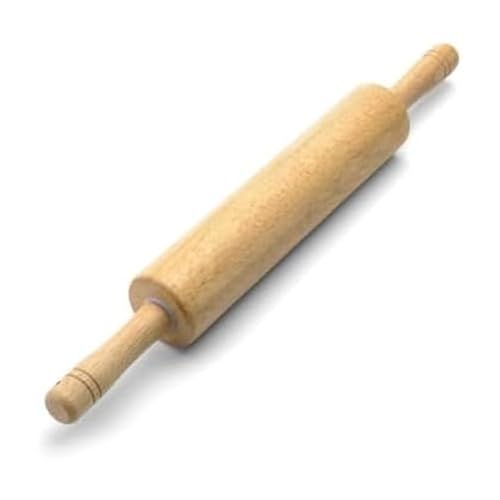
Farberware’s classic pin is the handled wooden pin found in many kitchen drawers: about 17.75 inches overall with a 10-inch hardwood barrel and ergonomic handles. Farberware describes moisture-resistant hardwood and balanced weight from end to end for steady pressure.
The barrel is short, which ATK found tends to leave indents and need more passes, so this pin is best for smaller jobs: a couple of pie crusts, a batch of sugar cookies or a stack of flour tortillas. The listing does not give the barrel’s diameter or say whether it turns on bearings.
Care is simple: wipe it with a damp cloth after use and treat it occasionally with food-grade mineral oil.
Why we like it
- Familiar handled design
- Hardwood barrel
- Simple wipe-clean care
- Widely sold, easy to replace
Key specifications
| Model | 5215807 |
|---|---|
| Style | Handled |
| Material | Hardwood |
| Length | 17.75 in overall; 10 in barrel |
| Diameter | Not stated |
| Handles | Yes; bearings not stated |
| Care | Wipe with a damp cloth; oil occasionally |
Why we recommend it
It suits occasional bakers who want a familiar handled pin for small batches.
Skip it if you bake often; the J.K. Adams pins are better made and longer.
Pros and cons
Pros
- Inexpensive
- Easy to use
- Low maintenance
Cons
- Short 10-inch barrel
- Few specs on the listing
- No independent test found
5. Joseph Joseph PrecisionPin – Five Sets of Removable Rings Set the Thickness
An adjustable pin rides on rings at each end, so the barrel can only press the dough down to a set thickness. Joseph Joseph’s PrecisionPin is a beech pin with five sets of removable rings for about 2, 4, 6, 8 and 10 millimetres (roughly 1/16, 1/6, 1/4, 5/16 and 3/8 of an inch). The rings twist off, and without them it works as an ordinary straight pin. The listing gives its size as 16.54 inches.
That makes cut-out cookies, crackers and empanada rounds come out the same thickness every time, so they bake evenly. America’s Test Kitchen recommended Joseph Joseph’s earlier 13.6-inch adjustable pin only with reservations, finding its barrel too short and its rings uncomfortable in the palms; the PrecisionPin is a different, longer model, and we have not seen ATK report on it.
Joseph Joseph pitches it for biscuit dough, pizza bases and pastry sheets. The listing does not state the ring material or the barrel’s diameter.
Why we like it
- Five thickness settings
- Beech barrel
- Works without the rings too
- Even thickness for even baking
Key specifications
| Model | 40113 (PrecisionPin) |
|---|---|
| Style | Adjustable, removable rings |
| Material | Beech; ring material not stated |
| Length | 16.54 in (listed size) |
| Diameter | Not stated |
| Handles | None; rings at the ends |
| Care | Not stated in the listing |
Why we recommend it
It suits cookie bakers and anyone who wants every empanada round or cracker the same thickness.
Skip it if you roll wide sheets of dough; the rings at each end limit how wide a sheet you can roll, and a plain dowel does that job better.
Pros and cons
Pros
- Consistent thickness
- Five settings
- Rings come off
Cons
- Rings limit sheet width
- Diameter not stated
- Ring material not stated
6. Fox Run Polished Marble Rolling Pin with Wooden Cradle – Cool, Heavy Stone for Pastry
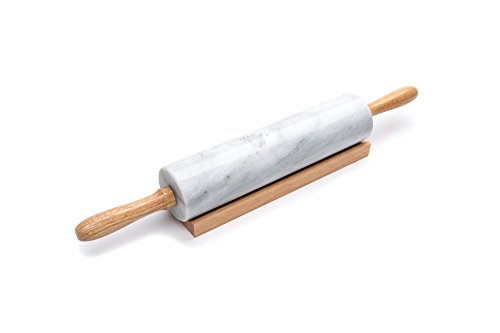
Marble is the traditional choice for butter-rich pastry because a heavy, smooth stone barrel does the pressing for you. Fox Run’s pin has a 10-inch polished marble barrel on nylon ball bearings, wooden handles, and a wooden cradle to rest it in. With the base, it weighs 4.6 pounds and measures 2.5 by 18 by 2.5 inches.
That weight cuts both ways. America’s Test Kitchen found that a heavy marble pin pressed the air out of proofed pizza dough, so keep marble for pie crusts, pastry and cookie dough rather than risen dough. Each pin’s veining is different because it is natural stone.
Fox Run describes the surface as naturally nonstick and easy to clean but gives no detailed care instructions. Marble can chip or crack if dropped, so store it in its cradle.
Why we like it
- Heavy marble barrel does the pressing
- Nylon ball bearings
- Wooden cradle for storage
- Smooth, easy-to-clean surface
Key specifications
| Model | 4050COM |
|---|---|
| Style | Handled marble, with cradle |
| Material | Marble barrel; wooden handles and base |
| Length | 10 in barrel; 18 in overall |
| Diameter | About 2.5 in (listing dimensions) |
| Handles | Yes, nylon ball bearings |
| Care | Not stated |
Why we recommend it
It suits pastry bakers who want weight and a smooth stone surface for pie crusts and cookies.
Skip it if you roll pizza, bread or tortilla dough often; the weight presses out air and the barrel is short.
Pros and cons
Pros
- Heavy and smooth
- Comes with a stand
- Rolls on bearings
Cons
- Heavy, 4.6 lb with base
- Can chip or crack
- Short 10-inch barrel
7. GOBAM Small Wood Rolling Pin – A Slim Pin for Flour Tortillas
Flour tortillas are not rolled with a big pastry pin. In northern Mexico cooks use a palote, a slim, handle-free wooden pin; CooksInfo describes it as essentially a piece of dowel, usually maple, about 10 to 12 inches long and roughly 2 to 4 centimeters thick. The small size lets you roll a ball of dough into a round quickly, turning it a quarter turn between passes.
GOBAM’s small pin fits that description closely: an 11-inch beech dowel, 1.38 inches thick, hand-polished and finished with cooking oils. GOBAM lists chapati, pasta, pie and cookie dough among its uses, and at 11 inches it fits in a kitchen drawer.
Hand wash it and pat it dry. It is too short for a full pie crust or a sheet of cookies, which is exactly why it is quick for tortillas, gorditas de harina and small empanada rounds.
Why we like it
- Palote-like size: 11 inches, slim
- Solid beech
- Fits in a drawer
- Simple hand wash and dry
Key specifications
| Model | BM1033 |
|---|---|
| Style | Small straight dowel |
| Material | Beech, oil finish |
| Length | 11 in |
| Diameter | 1.38 in |
| Handles | None |
| Care | Hand wash and pat dry |
Why we recommend it
It suits anyone who makes flour tortillas or other small rounds and wants a nimble pin.
Skip it if you need one pin for pies and pastry too; it is too short for large sheets.
Pros and cons
Pros
- Quick for small rounds
- Compact
- Easy care
Cons
- Too short for pastry sheets
- Light
- No independent test found
French, dowel, handled or marble: the best rolling pin style
French tapered
Thick in the middle, narrow at the ends, no handles. America’s Test Kitchen found tapered pins lighter and better for fine control, with a slight learning curve. Best for pie crusts, tart shells and rounds.
Straight dowel
One even cylinder, no handles. ATK found dowels heavier, with more heft for big jobs such as croissant dough. Best for large sheets of pastry, cookie or empanada dough.
Handled
A barrel that turns on an axle between two handles. It is familiar and easy on the wrists, but ATK did not like handled pins because they make thickness and pressure harder to feel. Buy a long barrel if you choose one.
Marble and steel
Heavy, smooth and cool to the touch. ATK found plastic and steel pins too smooth to hold a dusting of flour, found steel sensitive to warmth unless chilled, and saw a heavy marble pin press the air out of proofed pizza dough. Keep these for pastry.
Adjustable
Rings at each end set the dough thickness. Useful for cookies and crackers, less so for wide sheets.
How to choose a rolling pin
Material. Wood, ideally a dense hardwood such as maple or beech. ATK found wooden pins the most efficient and easiest to use because the slightly rough surface holds flour, so dough does not stick.
Length. For pastry, a barrel of at least 18 inches, so you can roll a full crust without the ends of the pin digging in. For tortillas and small rounds, 10 to 12 inches is quicker.
Shape. Tapered for control and rounds, straight for big sheets and even pressure. Many bakers keep one of each.
Handles. Handle-free pins let you feel the dough. Choose handles only if they are more comfortable for your hands, and pick a longer barrel to compensate.
Care. Wooden pins should never soak or go in the dishwasher. Scrape off dough, wipe, dry and oil occasionally; our cutting board oil guide covers food-safe oils that work for pins too.
The palote and flour tortillas
Corn tortillas are pressed, but flour tortillas are rolled. CooksInfo notes that the palote is used in northern Mexico for flour tortillas, while corn tortillas are made in a tortilla press. The rhythm is simple: roll a rested ball of dough from the center outward, give it a quarter turn, and repeat until it is thin and round, then cook it on a hot comal.
Our guide to tortilla press vs rolling pin explains when each tool makes sense, and our guide to the best tortilla press for flour tortillas covers the pressed alternative. Corn vs flour tortillas explains why the two doughs need different tools, and our comal guide covers the pan to cook them on.
Pastry, pizza and empanadas: matching the pin to the dough
For empanada dough, a straight dowel rolls a large sheet to cut circles from, or a tapered or small pin rolls each ball into its own round; our guide to Mexican empanadas covers the doughs. For pizza, a wooden dowel works best, since ATK found heavy marble flattens the air out of risen dough. For cookies that must bake evenly, an adjustable pin or a pair of rolling guides keeps the thickness consistent.
Whatever you roll, weigh the flour and mix it well first. Our kitchen scale guide and dough whisk guide cover both, and our baking pan liners guide covers parchment to roll between when dough is sticky.
How we picked these seven rolling pins
We looked at French, dowel, handled, adjustable, marble and steel rolling pins from J.K. Adams, Ateco, OXO, Farberware, Joseph Joseph, Fox Run, KitchenAid, Mrs. Anderson’s Baking, GOBAM and others, and kept only those showing as in stock on Amazon when we checked. Specifications come from the Amazon listings. We read America’s Test Kitchen’s rolling pin review and cite its findings by name, and we used CooksInfo for the palote.
We left out the OXO Good Grips nonstick steel pin because ATK rated it not recommended: flour would not cling to its smooth surface and dough stuck. We did not find Whetstone Woodenware pins on Amazon, and the Fante’s and several Ateco pins showed limited stock; the Ateco 19-inch maple dowel was out of stock when we rechecked. We did not read Serious Eats, Wirecutter or Consumer Reports for this guide. We have not used these pins for this guide.
Rolling pin questions, answered
What is the best kind of rolling pin?
A handle-free wooden pin. America’s Test Kitchen found wood the most efficient and easiest material, and its winners were a J.K. Adams straight dowel and a J.K. Adams French tapered pin.
Which rolling pin does America’s Test Kitchen recommend?
ATK’s best dowel is the J.K. Adams plain rolling dowel pin and its best tapered pin is the J.K. Adams French rolling pin. It also highly recommends a Matfer Bourgeat beechwood pin.
Are rolling pins with handles bad?
Not bad, but ATK did not like them because handles make it harder to judge thickness and pressure. If handles are more comfortable for you, choose a well-made pin with a longer barrel.
What is the best rolling pin with guides?
The Joseph Joseph PrecisionPin, with five ring sizes from about 1/16 to 3/8 inch. The rings sit at the ends, so it suits cookies and small rounds more than large sheets.
Is a marble rolling pin better?
For butter-rich pastry, many bakers like its weight and smooth surface. For pizza and bread dough, ATK found a heavy marble pin pressed out the air, so wood is the better all-round choice.
What rolling pin is used for flour tortillas?
A palote: a slim, handle-free wooden pin about 10 to 12 inches long, used in northern Mexico, according to CooksInfo. The GOBAM small pin is a close match.
The rolling pin to start with
Buy the J.K. Adams French pin if you want one pin for most baking, add the J.K. Adams dowel if you roll large sheets, and keep a small pin like the GOBAM for flour tortillas.
A bench scraper keeps the counter clean while you roll and lifts thin dough without tearing it.
Want a handle-free taper? See our guide to the best French rolling pins.
Rolling pastry that needs to stay cool? See the best marble rolling pins.
Related guide: Best pastry wheel.
Related guide: Rolling pin alternative.
To go further with tortillas, see our tortilla making tools guide. If you would rather leave the rolling to our kitchen tonight, see the menu or call to order.