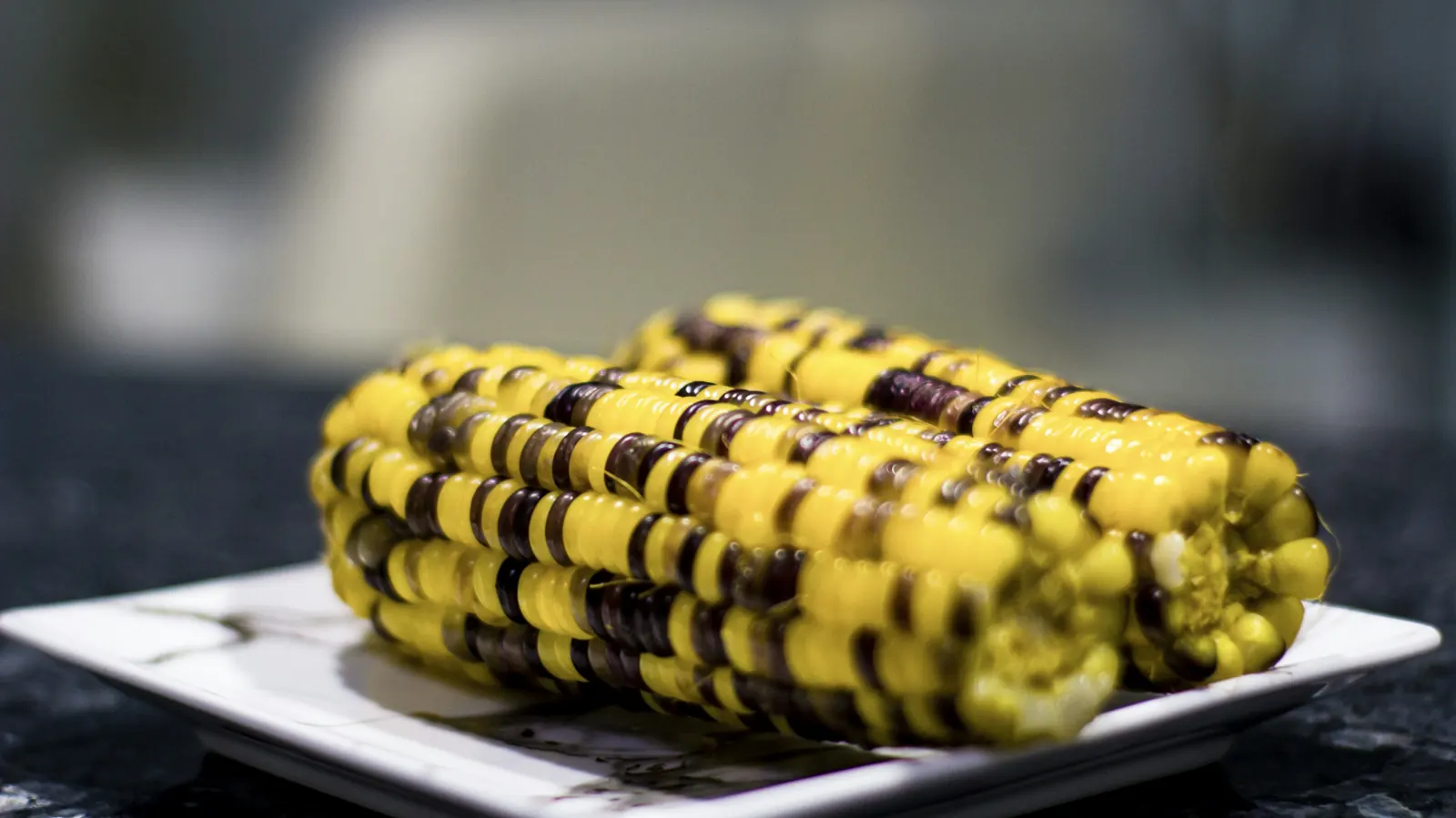
Two of the best things sold on a Mexican street are the same dish. One is handed to you on a stick, the other in a cup, and the difference between them is entirely about how you are planning to eat it.
Neither is complicated. Both are much better than the description sounds.
The short answer
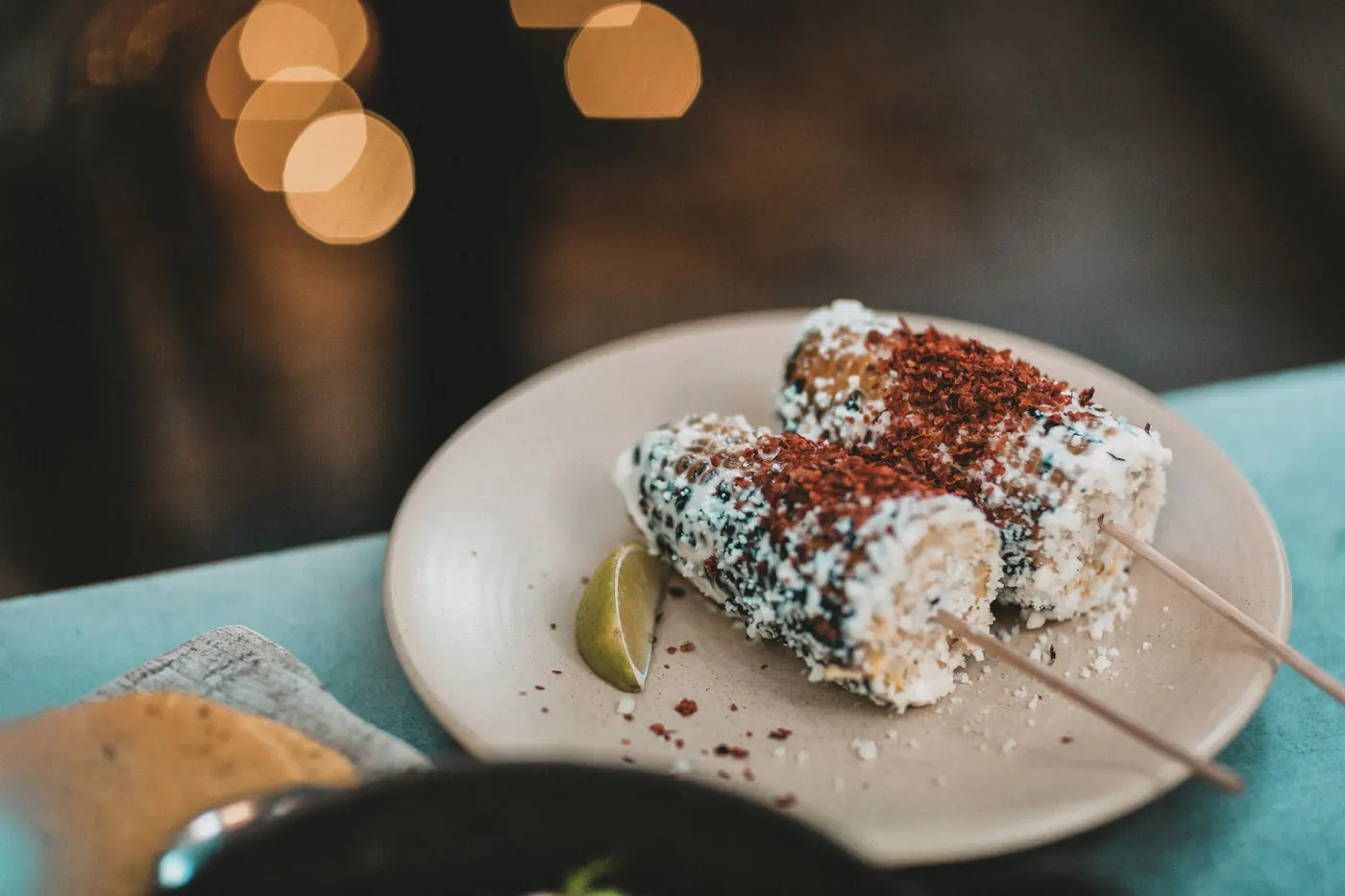
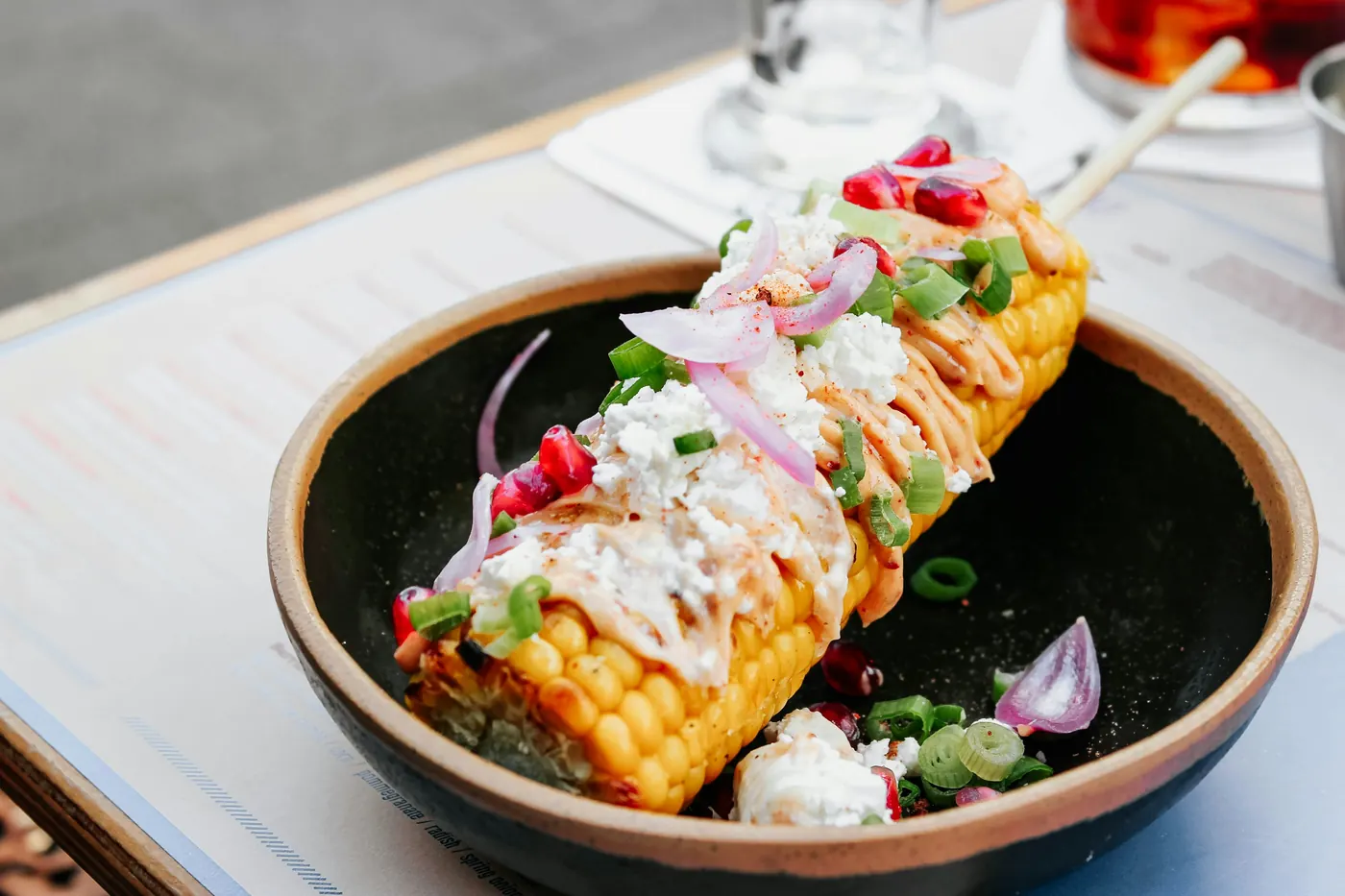
Elote is corn on the cob, grilled and coated in crema or mayonnaise, crumbled cheese, chile powder and lime. Esquites is the same thing with the kernels cut off and served in a cup, usually with the corn simmered rather than grilled, eaten with a spoon. Same seasoning, different format.
Elote
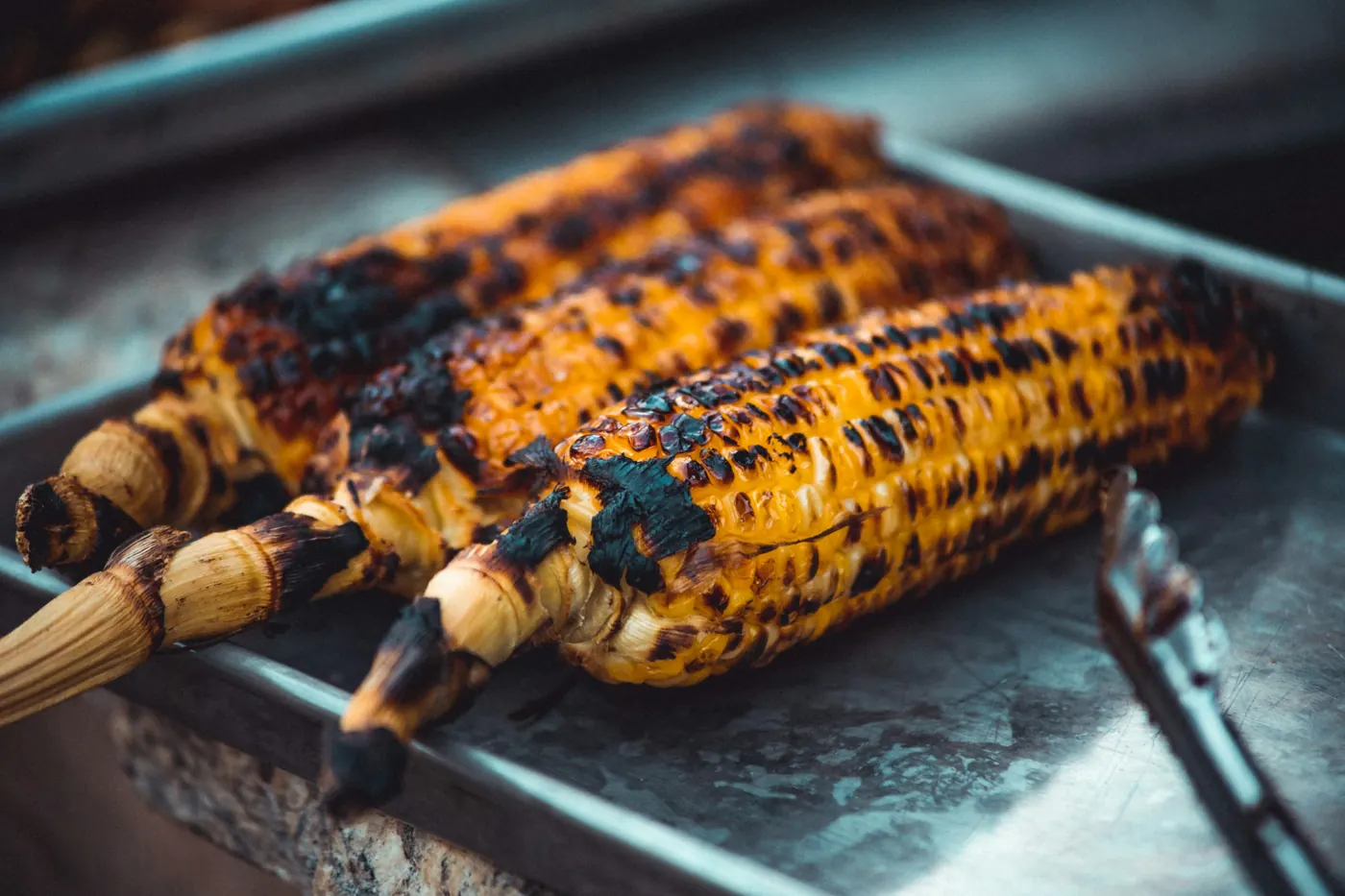
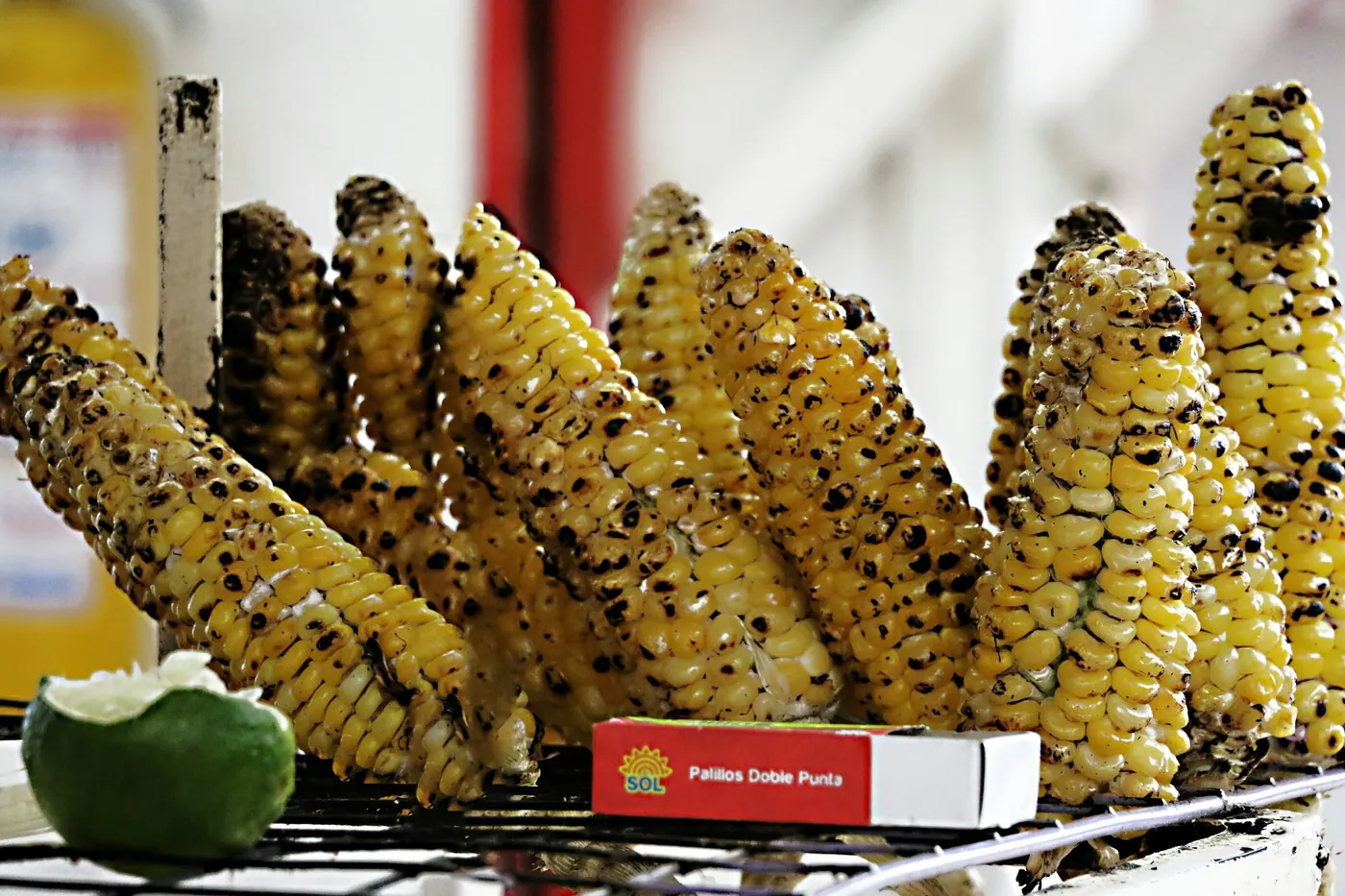
A cob of corn, grilled dry over coals until the kernels blister and char in places.
Then it is coated — crema, mayonnaise, or both — rolled in crumbled cotija, dusted with chile powder, and finished with lime. It is served on a stick pushed into the end of the cob, or in a husk folded back to make a handle.
As Tasting Table notes in comparing the two, the ingredients are essentially identical to esquites; what differs is whether the corn stays on the cob.
The char is not incidental. Grilling dry, without foil or water, is what gives elote its smokiness and what separates it from boiled corn with toppings.
Esquites
The kernels, off the cob, in a cup.
Esquites is usually made differently rather than just being elote deconstructed: the kernels are typically cooked in a pot with butter, onion and often epazote, which gives a softer, more savory result than grilling does. Some vendors grill first and then cut; both exist.
Then the same finishing: crema or mayonnaise, cotija, chile powder, lime, stirred through rather than coated on.
It is eaten with a small spoon, and it is far easier to manage while walking. That practicality is most of why it exists.
Side by side
| Elote | Esquites | |
|---|---|---|
| Format | On the cob | Kernels in a cup |
| Cooking | Grilled over coals | Usually simmered in a pot |
| Flavor | Smoky, charred | Softer, more savory |
| Seasoning | Coated on the outside | Stirred through |
| Eaten with | Hands, on a stick | A spoon |
| Mess factor | High | Low |
| Epazote | Rarely | Often |
The epazote row is the one people miss. It is a pungent Mexican herb with no real English equivalent, and it turns up in esquites far more often than on elote — which makes the cup version taste distinctly different rather than merely more convenient.
The corn is not sweet corn
Worth knowing, because it explains why homemade versions often taste wrong.
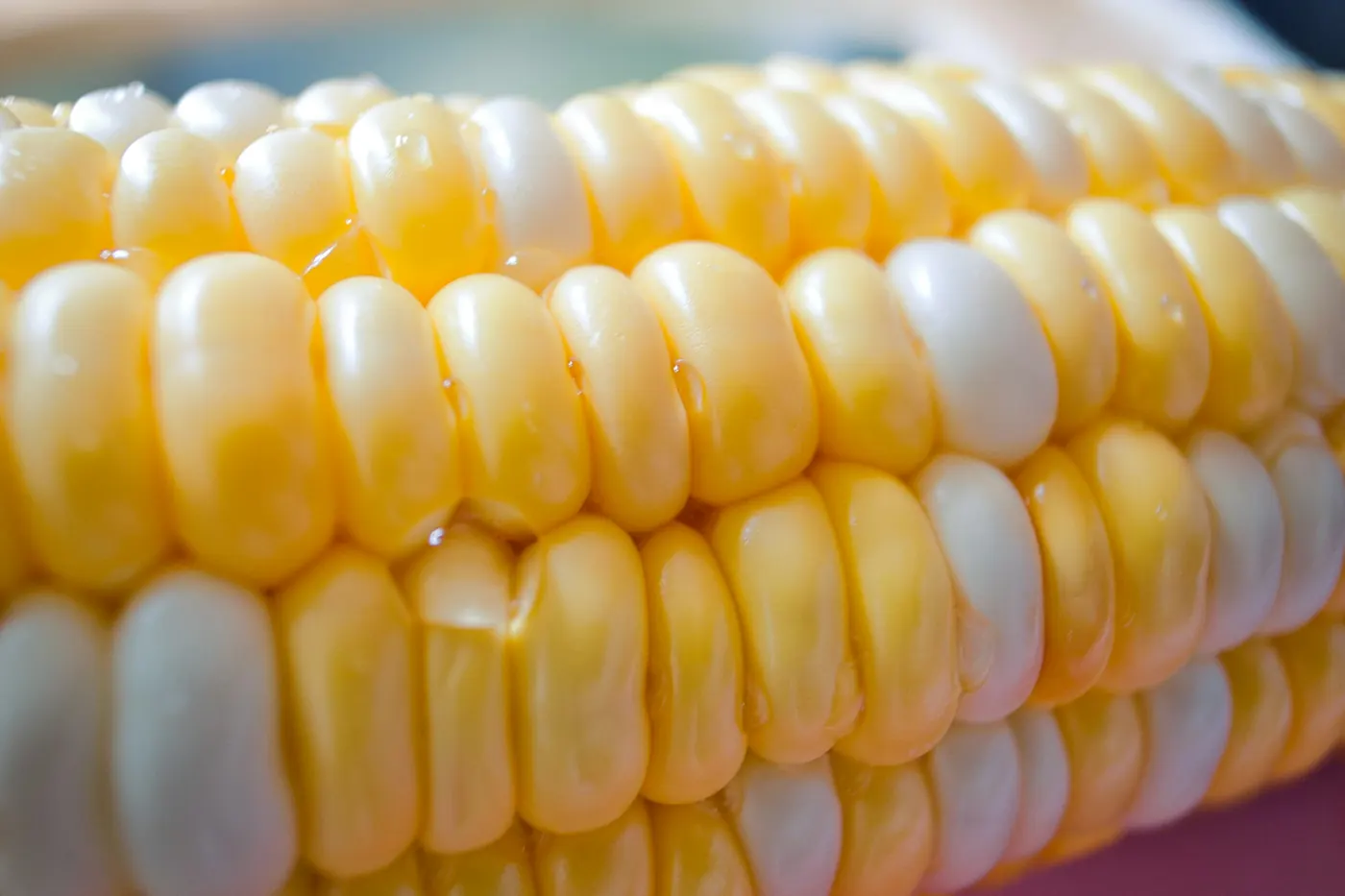
Mexican elote is traditionally made with field corn — starchier, chewier and much less sweet than the sweet corn sold in American supermarkets. The kernels are larger and firmer, and they stand up to grilling without collapsing into sugar.
Sweet corn makes a perfectly good elote. It just makes a sweeter one, and the balance against the salt, chile and lime shifts accordingly.
The seasoning, and why it works
Four things go on, and each is doing a specific job.
Crema or mayonnaise is fat, and it makes everything else stick. It also carries the chile, which is fat-soluble.
Cotija is the salt. It is a hard aged cheese, dry and sharp, used the way parmesan is — our cheese guide covers why a crumbling cheese rather than a melting one is correct here.
Chile powder — usually a mild ground chile rather than cayenne — is color and warmth rather than serious heat.
Lime is the acid that stops the whole thing being cloying. Skip it and the dish is noticeably heavier.
Why you rarely see it in restaurants
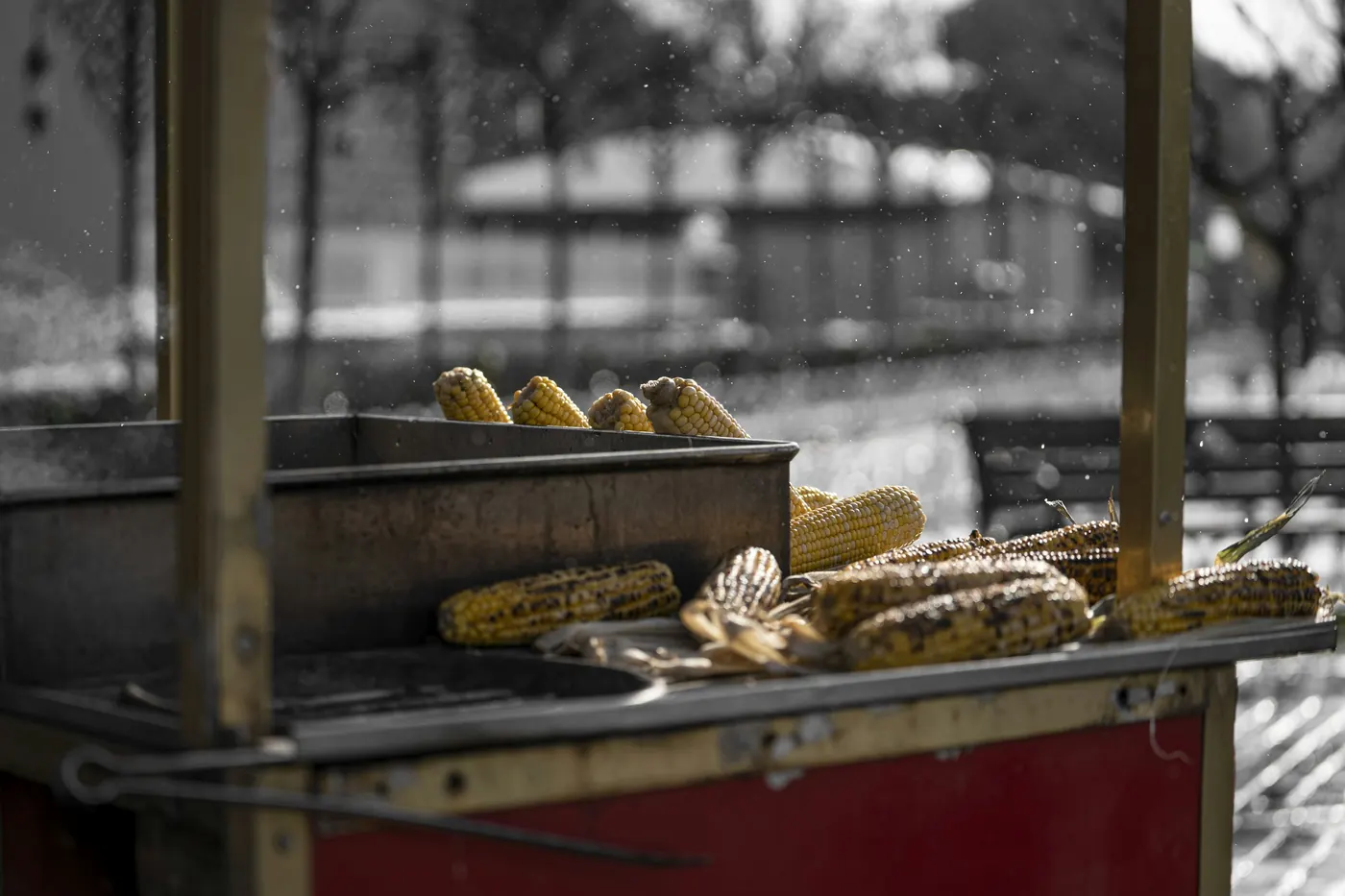
Elote is street food in the strict sense, and that is a category rather than a description.
It is made to order in about ninety seconds, eaten standing up, and it is unpleasant cold. None of that suits a sit-down restaurant with a kitchen sending plates to tables. The same logic keeps churros, paletas and marquesitas on carts rather than menus, as our dessert guide explains.
Where it does appear on restaurant menus, it is usually as esquites in a bowl or as a “street corn” side, because those hold better than a charred cob does.
Where corn shows up at Julia’s instead
Julia’s does not serve elote or esquites, which is the normal situation for a full-service restaurant rather than an omission.
Roasted corn does appear as an ingredient across the menu, though, and in more places than you would expect: in the veggie enchiladas alongside zucchini, poblano and carrot; in the enchiladas de camarón with sautéed shrimp; in the grilled salad with romaine, red cabbage and queso fresco; and in the fiesta plate of sautéed vegetables.
That is the same ingredient doing a different job — roasted for sweetness and char inside a composed dish, rather than being the dish itself.
The name, and the older word
Elote comes from the Nahuatl elotl, meaning a tender ear of corn — one of a long list of food words that entered Spanish from the language of the Aztecs, as our glossary covers.
Esquites comes from izquitl, meaning toasted corn. The two words were already distinguishing between fresh corn and cooked kernels centuries before either dish took its modern form.
Regional and modern variations
The base is stable and the toppings are not.
Some vendors use mayonnaise, some crema, some both. In parts of Mexico esquites arrive with a spoonful of the cooking broth in the cup, which makes them closer to a soup. Chile powder varies from mild ground guajillo to Tajín to a house blend.
The modern street version, elote preparado, piles on more: crushed corn chips, hot sauce, sometimes cueritos. That is a recent development and a divisive one, and it is a long way from a grilled cob with cheese on it.
Frequently asked questions
What is the difference between elote and esquites?
Elote is on the cob and usually grilled; esquites is the kernels in a cup, usually simmered. The seasoning is the same: crema, cotija, chile powder and lime.
What cheese goes on elote?
Cotija, a hard, dry, salty aged cheese. Queso fresco is sometimes used and is milder. Neither melts, which is the point.
Is elote spicy?
Usually mildly. The chile powder is there for warmth and color rather than heat, though vendors vary and you can ask for less.
What is epazote?
A pungent Mexican herb, hard to substitute, used in esquites and in bean cooking. It gives the cup version a distinctly savory note.
Why is my homemade elote too sweet?
Probably the corn. Traditional elote uses starchy field corn rather than the sweet corn common in American supermarkets.
The short version
Cob or cup. Grilled or simmered. Everything else — crema, cotija, chile, lime — is the same, which is why they taste like versions of each other.
Neither is on a typical restaurant menu, including Julia’s, though roasted corn turns up as an ingredient in several dishes on the food menu.