A Mexican menu can name four or five cheeses across a single page, and none of them behave the same way. Oaxaca, queso fresco, cotija, panela, cheddar.
They divide cleanly into two groups, and once you know which group a cheese is in, you know what it will do on the plate.
The short answer
Mexican cheeses split into melters and crumblers. Oaxaca, Chihuahua and asadero melt and stretch, so they go inside quesadillas and under sauces. Queso fresco, cotija and panela do not melt — they are crumbled on top at the end, for salt and contrast. Yellow cheddar is a Tex-Mex addition, not a Mexican one.
The melters
One cheese does the stretching, and it is worth understanding why.
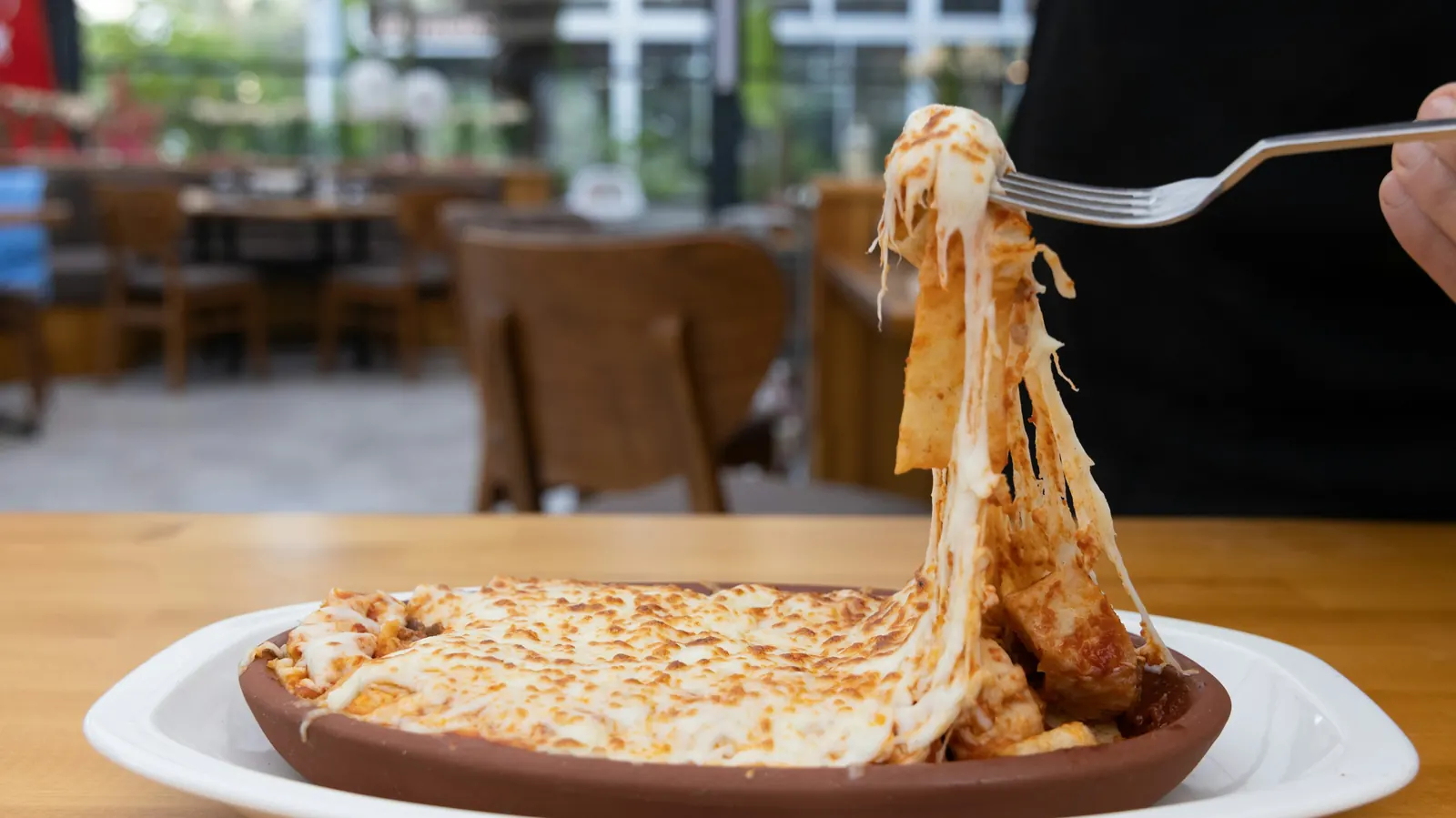
Queso Oaxaca is part of the pasta filata family — the stretched-curd cheeses. As culture magazine’s entry on Queso Oaxaca describes, the curd is worked in hot water until it becomes elastic, then wound into a ball like a skein of yarn. Mozzarella is made the same way.
That process aligns the proteins into long strands, which is exactly what produces the cheese pull. Nothing else on a Mexican menu does it as well.
Chihuahua and asadero are the other common melters. Chihuahua is buttery and closer to a mild cheddar in flavor without the color; asadero is softer and often used for queso fundido.
The crumblers
These are finishing cheeses. They go on after the cooking, and they are doing a different job entirely.
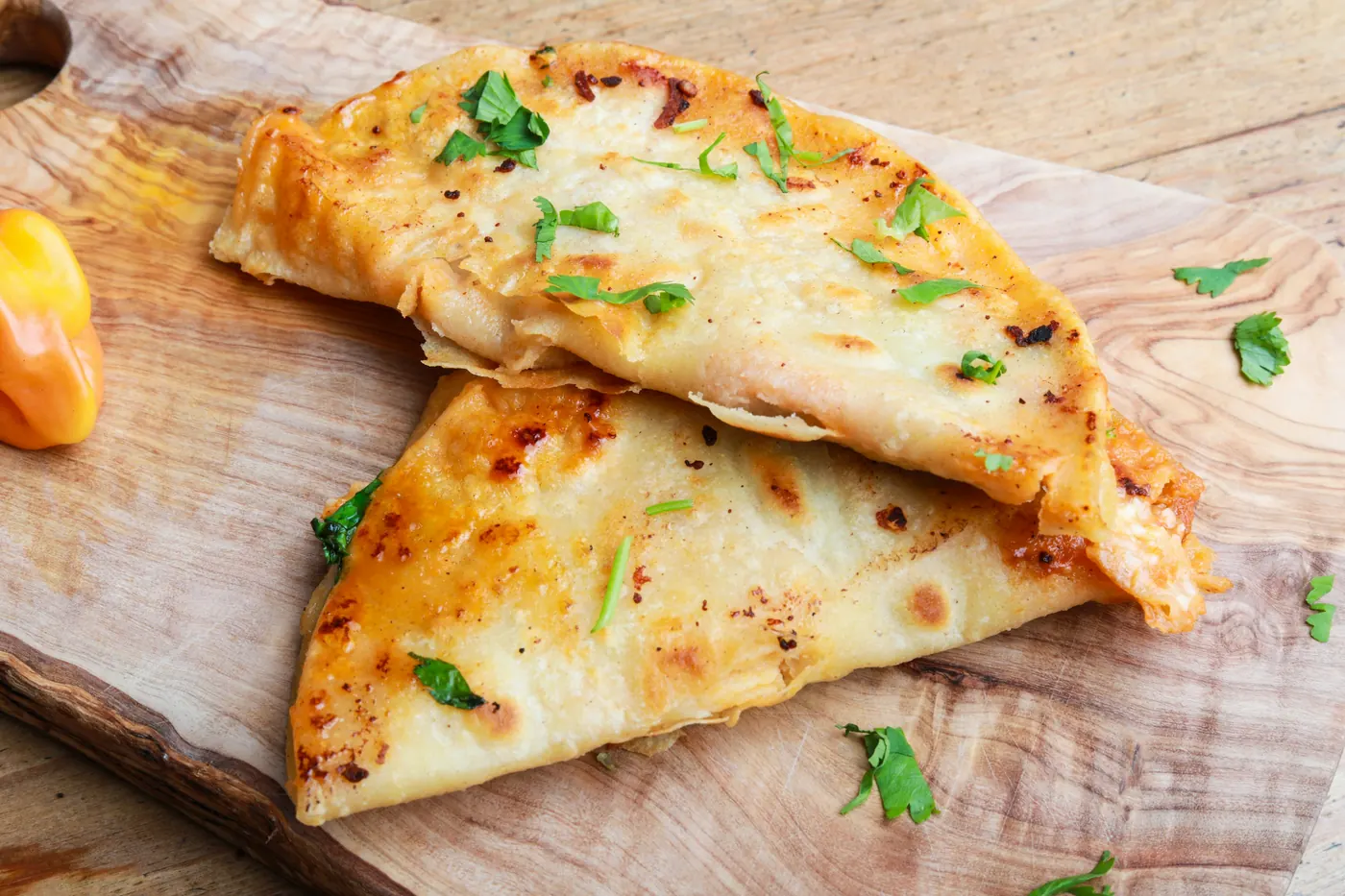
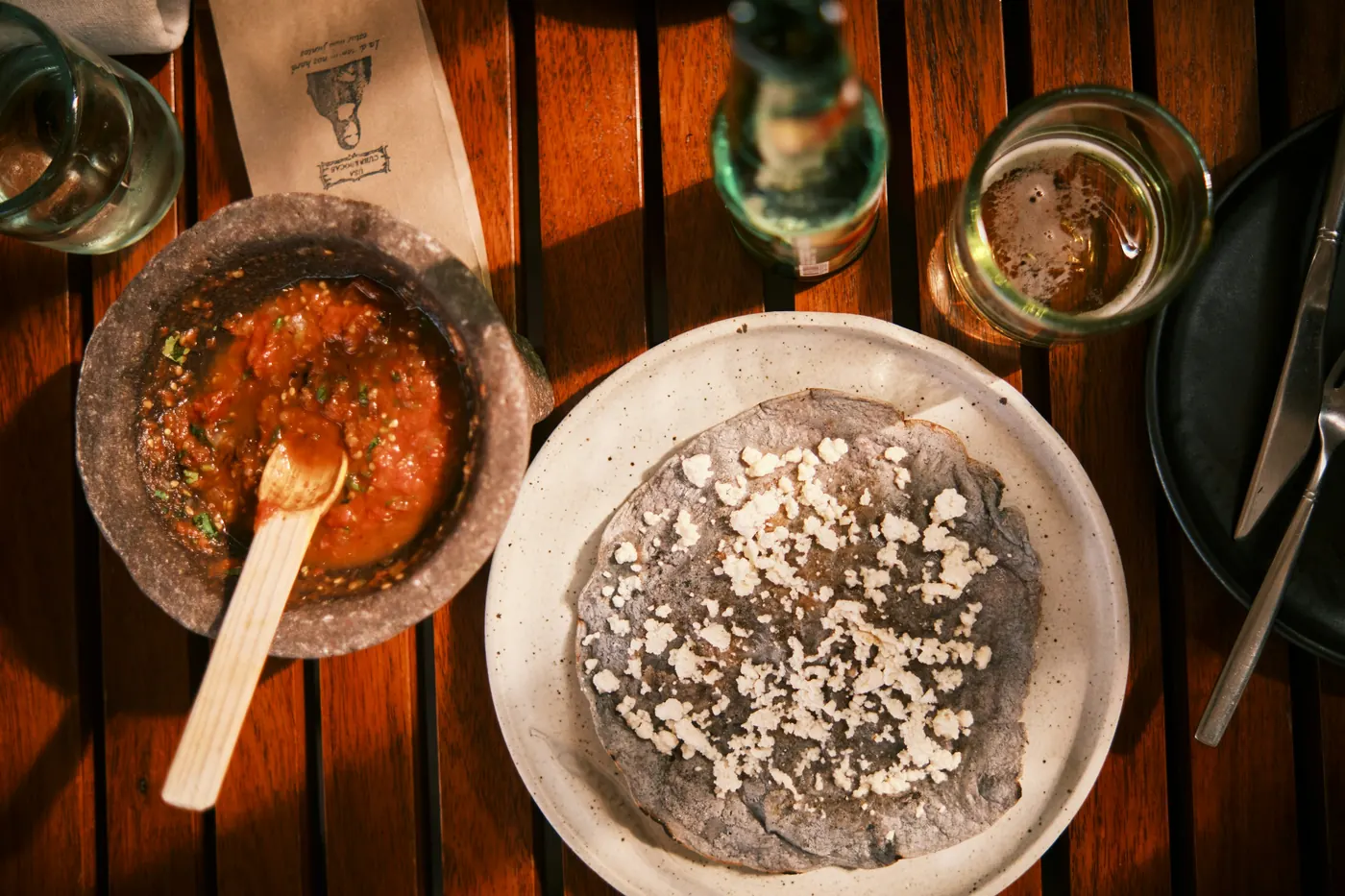
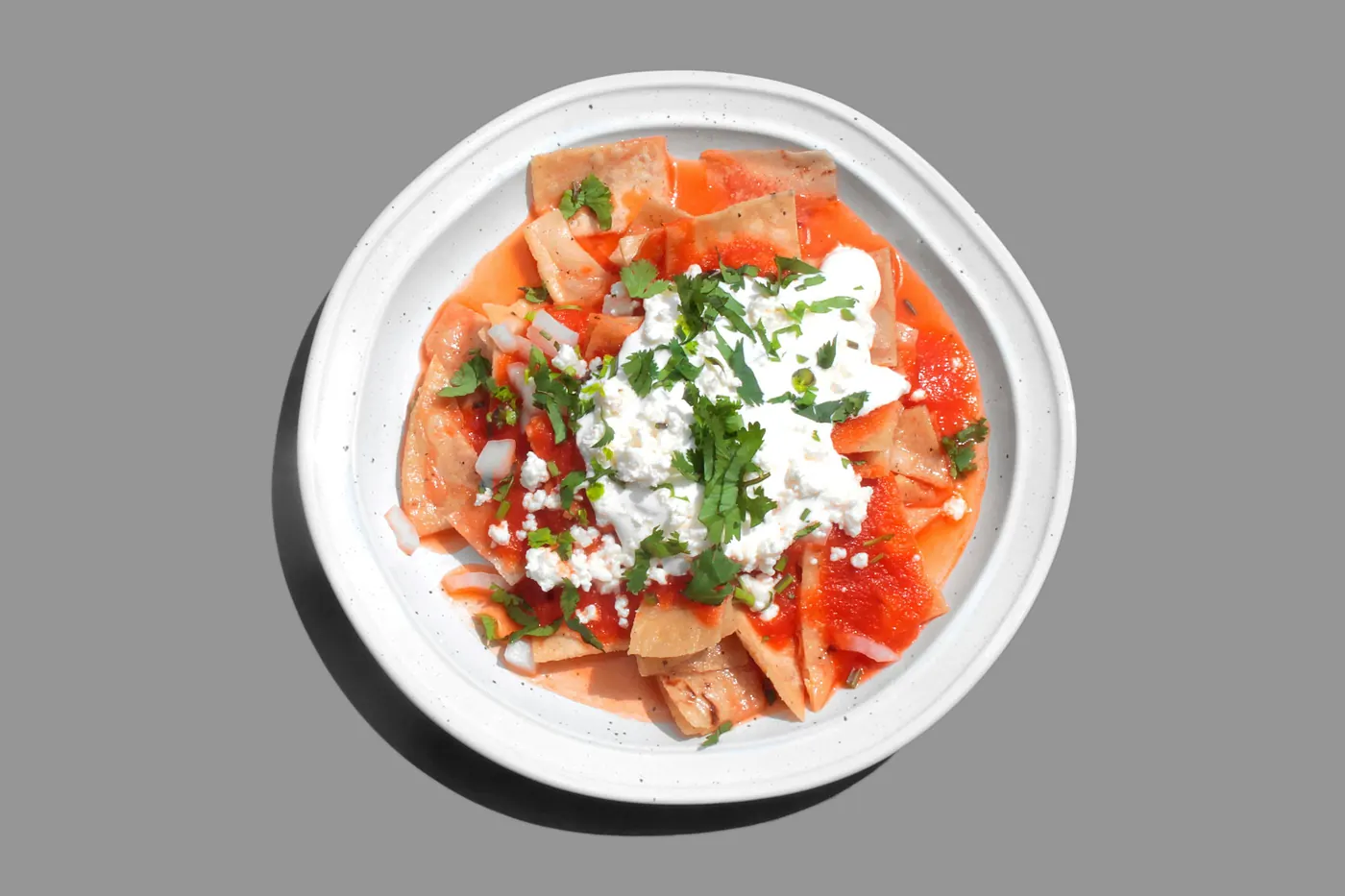
Queso fresco is unaged and barely salted — fresh, milky, soft and slightly squeaky. It will soften and brown under heat but it will not melt into a sauce, which is a feature rather than a limitation. It stays in distinct crumbles on a hot plate.
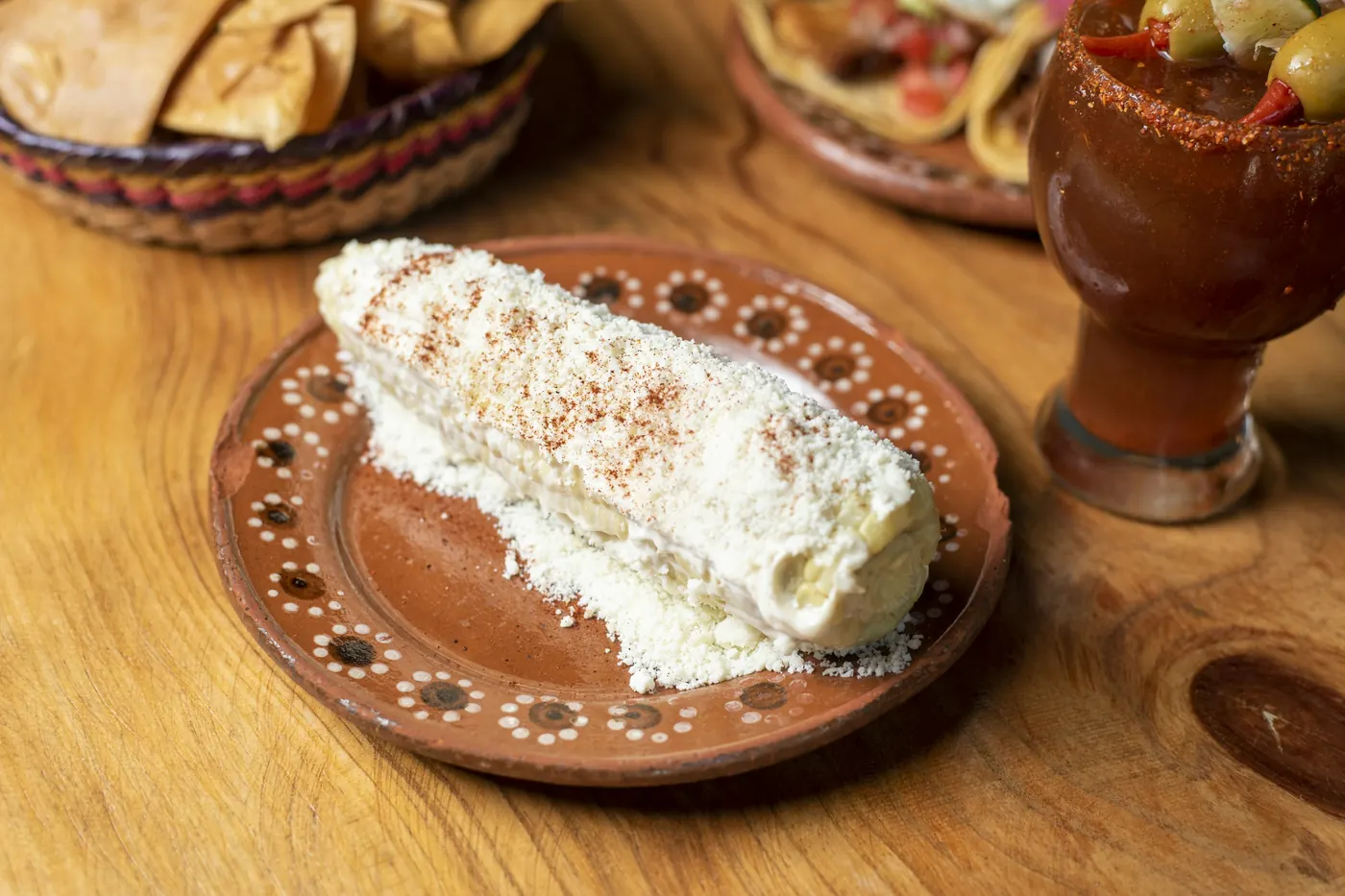
Cotija — the cheese on elote — is queso fresco’s aged relative, from the town of Cotija in Michoacán. Three months to a year of aging makes it dry, hard and sharply salty. It is often called the parmesan of Mexico, and it is used the same way: grated or crumbled over a finished dish in small amounts.
Panela is fresh, firm and mild, and holds its shape well enough to be sliced or grilled without collapsing.
Which is which
| Cheese | Melts? | Tastes like | Where you meet it |
|---|---|---|---|
| Oaxaca | Yes, stretches | Mild, milky, buttery | Quesadillas, fundido, enchiladas |
| Chihuahua | Yes | Buttery, faintly sharp | Melted dishes, queso |
| Asadero | Yes, very soft | Mild and creamy | Queso fundido |
| Queso fresco | No | Fresh, milky, lightly salted | Crumbled over tacos, salads, soups |
| Cotija | No | Dry, hard, very salty | Grated over corn, beans, tostadas |
| Panela | No, softens | Very mild, firm | Sliced, grilled, in salads |
| Cheddar | Yes | Sharp, tangy, yellow | Tex-Mex nachos and enchiladas |
Why one melts and the other does not
It comes down to acid and age.
Fresh cheeses like queso fresco are set with acid and hold onto moisture, and their protein structure stays tangled rather than aligned. Heat makes them soften and eventually dry out, but the proteins never flow together.
Pasta filata cheeses are stretched while warm, which lines those proteins up. When they are reheated, the strands slide past each other — and that sliding is the melt.
Aged cheeses like cotija have lost so much moisture that there is nothing left to flow. They will toast and brown, but not melt.
This is worth knowing when you order. Asking for a “cheese enchilada with queso fresco” gets you something that looks wrong, because the cheese was never going to melt.
The yellow cheese question
Cheddar is not a Mexican cheese. It appears on Tex-Mex menus because Texas had it and central Mexico did not, and it has been there long enough to be a tradition of its own.
The color is the fastest way to place a dish. Yellow means the recipe came from north of the border; white means it did not. That is the single most reliable tell in our comparison of Tex-Mex and Mexican cooking, and it holds up almost everywhere.
Neither is better. A cheese enchilada under chili gravy with melted cheddar is a genuinely good dish. It is just not the same dish as enchiladas suizas under Oaxaca.
How to read a menu with this
Once you can place the cheese, you can predict the plate.
- Oaxaca named in a description means melted cheese, pull, and a richer dish.
- Queso fresco named means white crumbles added at the end, and a lighter, saltier finish.
- Cotija named means a small amount doing a lot — expect salt.
- “Cheese” unqualified on a Tex-Mex menu usually means a yellow blend.
How Julia’s uses them
Julia’s names its cheeses in almost every description, which makes the menu unusually easy to read this way.
Oaxaca is the workhorse. It fills the quesadillas, tops the enchiladas — suizas, tradicionales, spinach, veggie and camarón alike — and smothers the queso fundido. Every one of those is a dish that needs cheese to melt.
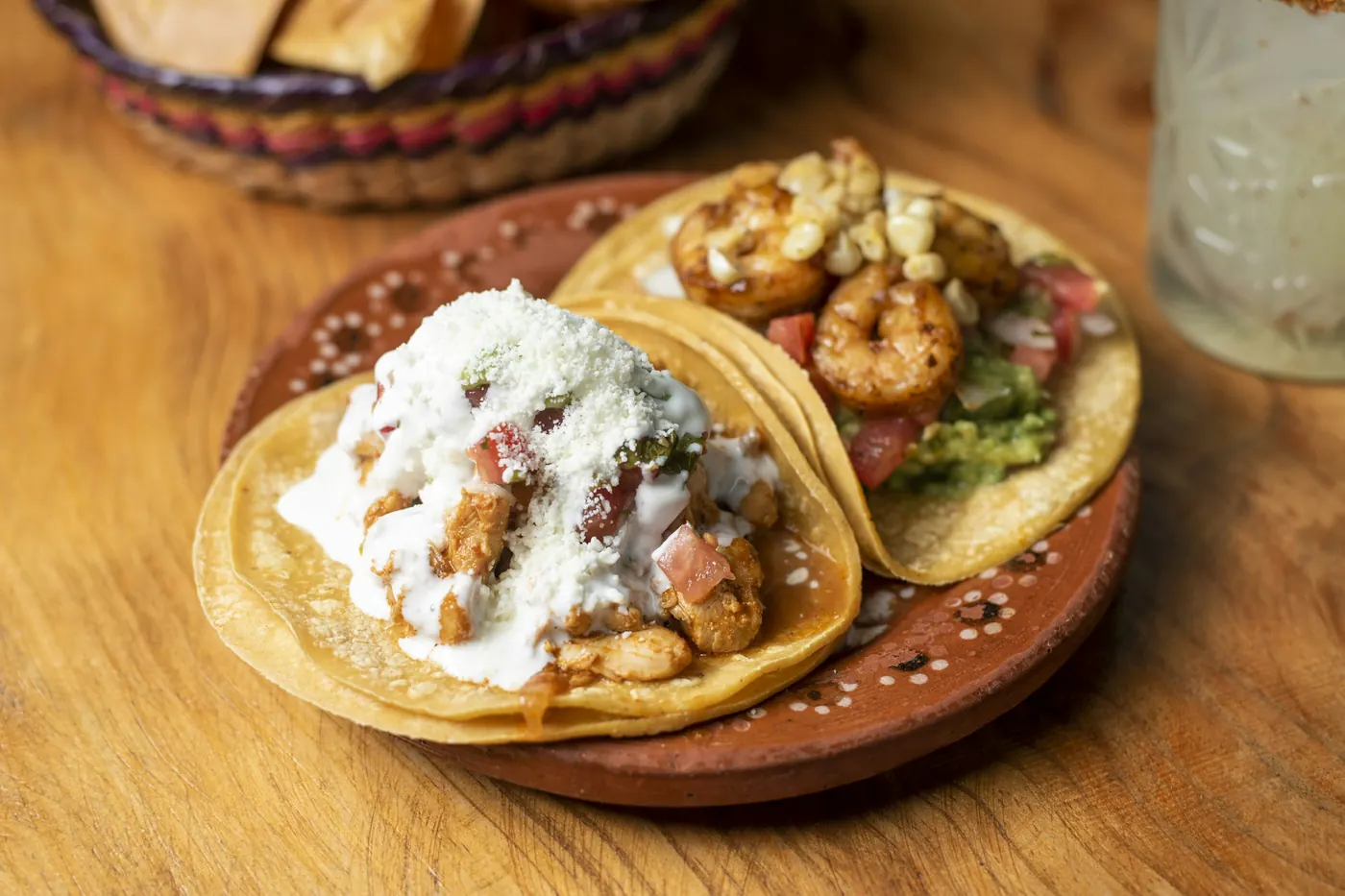
Queso fresco appears where crumbles are wanted: over the taquitos de pollo with tomatillo salsa, and in the grilled salad. The chile con queso is described as a blend of creamy cheeses with rajas and onions, which is the dip format rather than the melted-in-a-pan one — the distinction our queso comparison works through.
And the Nachos Tejanos use melted cheddar. One yellow-cheese dish on a menu otherwise built on Oaxaca and queso fresco, named after Texas, doing exactly what it says.
One more dairy: crema
Crema turns up beside these cheeses constantly, and it is not sour cream.
Mexican crema is thinner, less sour and higher in fat, which means it pours rather than sits in a dollop and does not split when it hits something hot. That is why it gets drizzled over enchiladas and tostadas straight from the kitchen.
Sour cream is thicker and tangier, and on Tex-Mex menus it is what usually arrives. Both do the same job of cooling a plate down; crema just spreads itself.
Frequently asked questions
What is the best Mexican cheese for melting?
Oaxaca. It is a stretched-curd cheese, so it melts smoothly and pulls into strands. Chihuahua and asadero also melt well.
Why does queso fresco not melt?
Because it is a fresh, acid-set cheese whose proteins never align the way stretched-curd proteins do. It softens and browns under heat but keeps its shape.
What is the difference between queso fresco and cotija?
Age. Queso fresco is unaged, moist and mild. Cotija is aged for months, which makes it dry, hard and much saltier. Both crumble; only cotija is sharp.
Is Oaxaca cheese the same as mozzarella?
Not the same, but closely related — both are pasta filata cheeses made by stretching warm curd. Oaxaca is made with cow’s milk and wound into a ball rather than formed into a round.
Is cheddar used in real Mexican food?
Not traditionally. It is a Tex-Mex ingredient. Mexican cooking uses white cheeses almost exclusively.
The short version
Melters go inside and under. Crumblers go on top at the end. Oaxaca stretches, queso fresco does not, cotija is the salty one, and yellow means Texas.
Julia’s names the cheese in nearly every dish on the food menu, so you can tell what a plate will look like before it arrives.