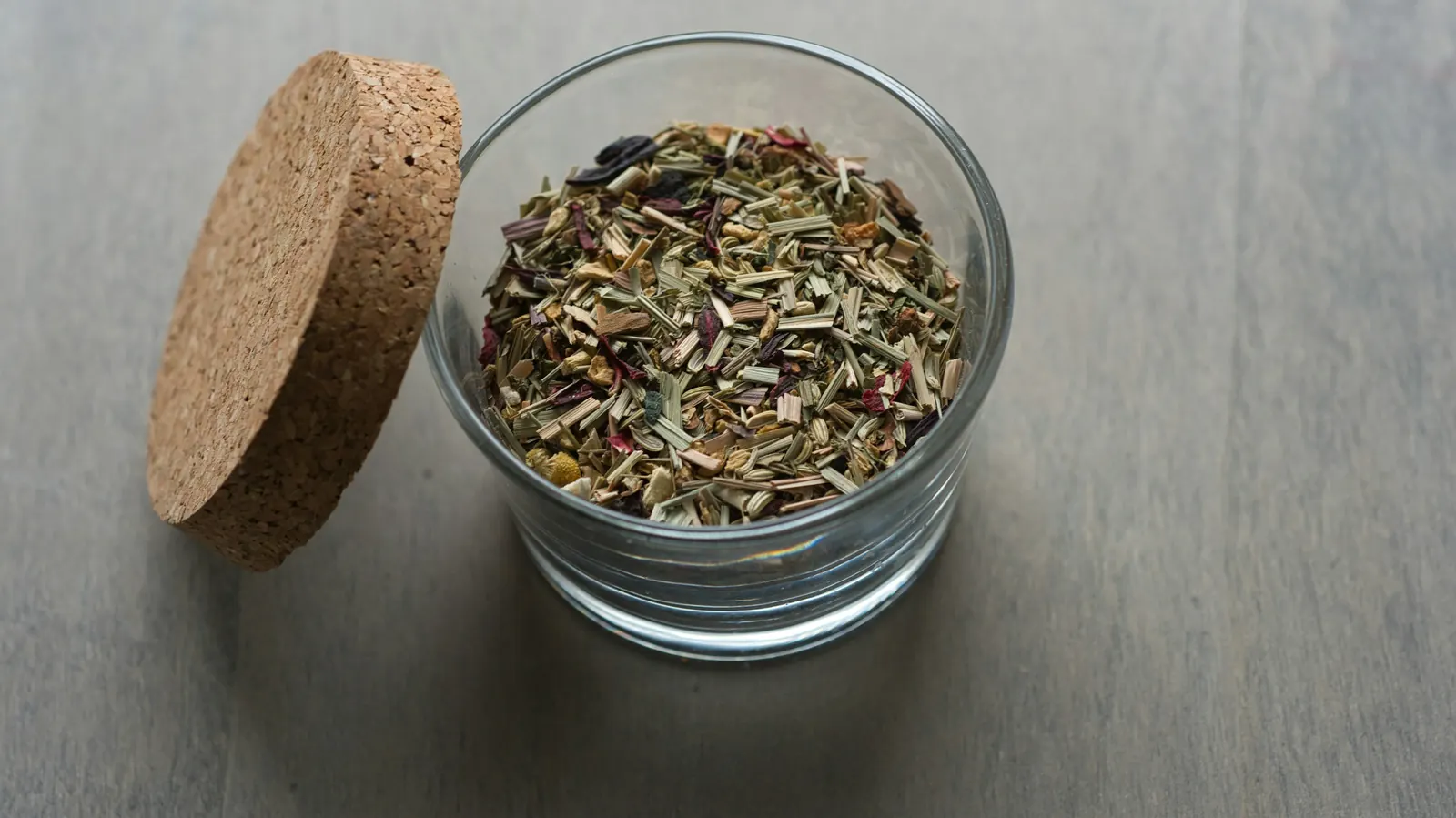
A recipe for frijoles de la olla or black beans says to add a sprig of epazote, and there is none in the house. That is the usual situation outside Mexico. Epazote is hard to find in the US except in stores that specialize in Latin ingredients, as the Na’atik Language and Culture Institute notes, and the fresh herb rarely turns up in a supermarket.
This guide is honest about the problem: nothing tastes quite like epazote. It explains what the herb brings to a pot of beans, which stand-ins come closest and in which dishes, how much to use, and where each one falls short. It also covers the one safety point worth knowing. The jars below are all sold on Amazon, and each states what is inside.
Julia’s earns a commission on purchases made through links on this page, at no cost to you. Recommendations are based on what a restaurant kitchen looks for, product specifications and verified buyer reports.
Why epazote is so hard to replace
Epazote’s flavor is unusual. Na’atik describes a unique astringent flavor and a robust, pungent aroma, compared to an earthy combination of citrus and mint. Nikita Ephanov, writing in Tasting Table, calls it a strong, eucalyptus-like flavor that is often compared to anise or licorice, and says its distinct flavor is hard to replicate. Our own guide to Mexican herbs explained describes it as medicinal and pungent, savory in small amounts and overpowering in large ones.
Where it goes matters too. Na’atik says it is used in dishes that feature black beans, and in soups and stews; Tasting Table adds moles, pozole, quesadillas and bean sopes. In Maya cooking, Na’atik adds, epazote is valued for its digestive properties, and its use in bean dishes is said to ease the less desirable effects of eating a lot of beans. Na’atik is clear that substitutes will not have that effect, so this page treats every swap as a flavor swap only.
So the goal is modest: a herb that adds a savory, green, slightly anise or minty note to a pot of beans, without pretending to be epazote.
Quick verdict: the epazote substitute to reach for
First choice: dried epazote. Na’atik says fresh is best, but dried epazote is better than substituting other ingredients. Our best Mexican spices guide recommends a small jar. If you have none, use Mexican oregano in black beans and soups: it is the dried, cooked-in herb of the Mexican pantry, and Tasting Table names oregano as a stand-in. McCormick Gourmet Organic Mexican Oregano is an easy jar to find. For epazote’s anise note, a pinch of tarragon or fennel seed works. Cilantro or flat-leaf parsley add a green note but little else. And if you have none of these, leave it out; the beans will still be good.
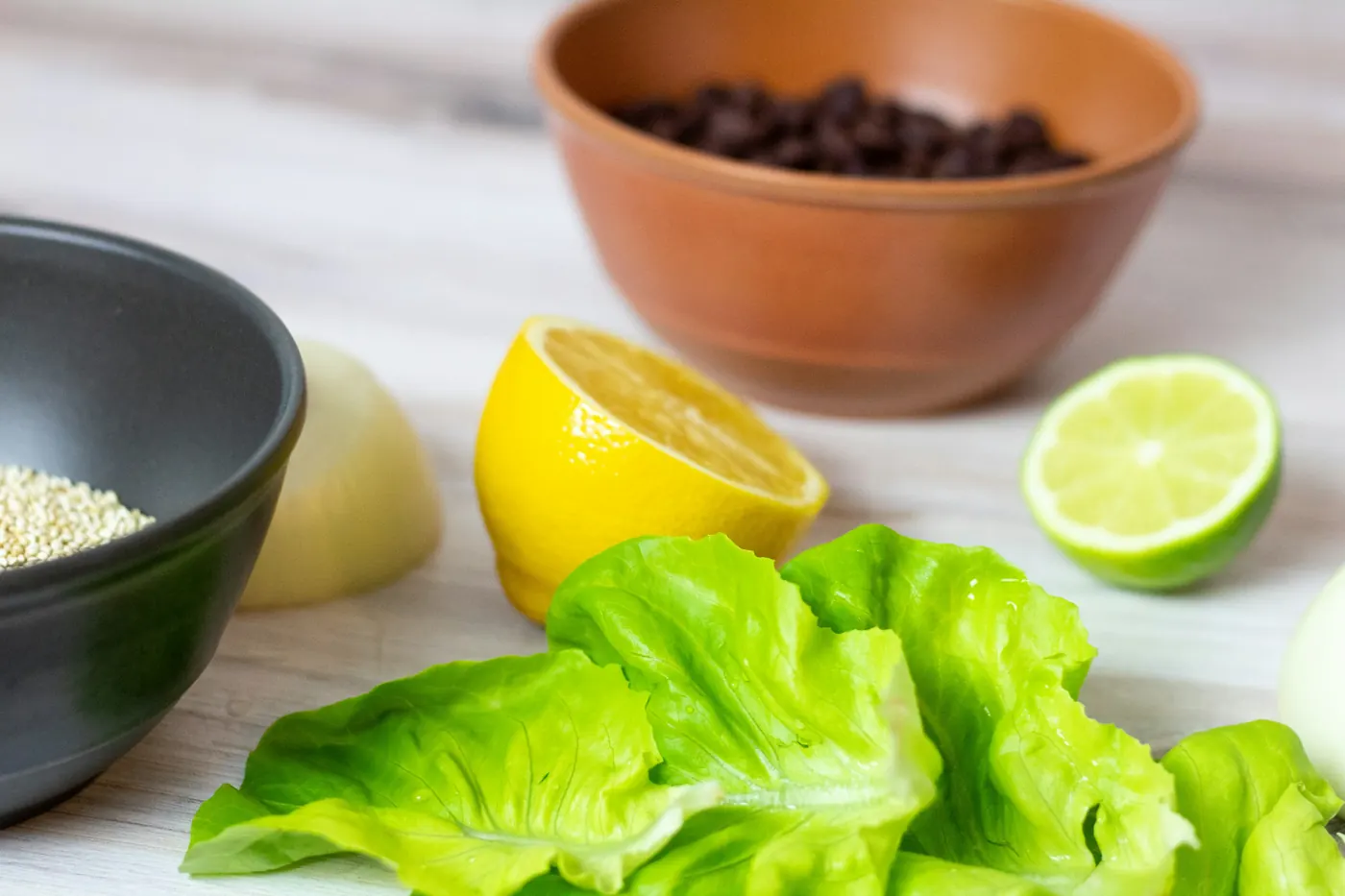
Five epazote stand-ins side by side
| Substitute | Best for | What it brings | How close | Buy on Amazon |
|---|---|---|---|---|
| Black beans, pinto beans, soups | Earthy, peppery, lemony | Same role, different flavor | View on Amazon | |

Badia Tarragon, 3.5 ozBest for the anise note
|
Beans, soups, quesadilla fillings | Anise, licorice, a little mint | Echoes epazote’s anise side | View on Amazon |

Simply Organic Whole Fennel Seed, 1.9 ozPantry seed swap
|
Long-simmered beans and stews | Sweet, licorice-like, peppery | Named by Na’atik; use little | View on Amazon |

McCormick Culinary Freeze Dried Cilantro, 1.25 ozBest green note
|
Bean soups, quesadillas | Citrusy, green | Named by Na’atik; different flavor | View on Amazon |

Simply Organic Italian Parsley Flakes, 0.26 ozMildest stand-in
|
Cooks who want a light touch | Mild, slightly peppery | Named by Na’atik; mildest | View on Amazon |
Our picks for an epazote substitute
Five herbs and seeds, in order of how well they fill epazote’s place in a pot of beans. Each comes from a source we read: Tasting Table names oregano and tarragon; Na’atik names fennel, cilantro and flat-leaf parsley. Every listing states what is in the jar, and each holds a single herb or seed.
1. McCormick Gourmet Organic Mexican Oregano, 0.5 oz – The Bean Pot Herb You Can Find

Mexican oregano is the closest thing to epazote in role, if not in flavor. Both are dried herbs that get cooked into a dish rather than sprinkled on at the end, as our Mexican herbs explained guide shows, and both belong in a pot of beans. Tasting Table names oregano as one of two herbs that can stand in for epazote.
McCormick’s listing describes this Mexican oregano as strong and earthy with a peppery bite and a lemony finish, certified organic, and names refried beans, pozole and enchilada sauce among its uses; the title adds Cuban black beans. The jar holds Mexican oregano only.
It will not bring epazote’s minty, medicinal edge. What it gives is an earthy, savory herb note that keeps a pot of black or pinto beans from tasting plain. Crumble a small pinch between your fingers into the beans partway through cooking, and taste before adding more; it is strong. For the dishes where Mexican oregano is the lead herb, see our best Mexican oregano guide.
Why we like it
- Oregano is a stand-in Tasting Table names
- Listing names beans and pozole among its uses
- Certified organic, single herb, per the listing
- Sold by Amazon.com
Key specifications
| Herb | Mexican oregano |
|---|---|
| Size | 0.5 oz jar |
| Ingredients | Organic Mexican oregano (listing) |
| Form | Dried leaves |
| Flavor (as described) | Earthy, peppery, lemony finish |
| Allergens/diet | Organic, non-GMO, kosher (listing); no allergen statement |
| Origin | Not stated |
| Model | 052100002729 |
Why we recommend it
Choose it if you want one herb for black beans, pinto beans and bean soups that you will also use in pozole, salsa and chili.
Skip it if you want epazote’s anise or mint side: tarragon or fennel gets closer to that.
Pros and cons
Pros
- Same role in the pot as epazote
- Useful across Mexican cooking
- Easy to find
Cons
- No minty or medicinal note
- Small jar
2. Badia Tarragon, 3.5 oz – Anise and Mint Notes
Tarragon is the other herb Tasting Table names, and its flavor explains why. Tasting Table says epazote is often compared to anise or licorice, and Na’atik notes minty notes in its aroma. Badia’s listing describes its tarragon as a delicate, bittersweet anise profile with subtle licorice and minty undertones. That is a fair echo of epazote’s sweeter side, without the camphor edge.
Use it sparingly. A small pinch in a pot of black beans or a bean soup adds an herbal, faintly sweet note; too much and the beans taste French rather than Mexican. Tarragon is at home in chicken, eggs and sauces, as the listing says, so a 3.5-ounce jar will not go to waste. The jar holds dried tarragon leaves only.
Na’atik and our own herbs guide do not mention tarragon, so treat it as one well-sourced option rather than the consensus pick.
Why we like it
- Named as an epazote stand-in by Tasting Table
- Anise, licorice and mint notes, per the listing
- Single herb from a long-established spice brand
- Sold by Amazon.com
Key specifications
| Herb | Tarragon |
|---|---|
| Size | 3.5 oz |
| Ingredients | Dried tarragon leaves (listing) |
| Form | Dried leaves |
| Flavor (as described) | Bittersweet anise, licorice, mint |
| Allergens/diet | No allergen statement on the listing |
| Origin | Not stated |
| Model | Not stated |
Why we recommend it
Choose it if you miss epazote’s sweet, anise-like note and want a herb you will also use in other cooking.
Skip it if you only cook Mexican food: a big jar of a French herb may sit unused.
Pros and cons
Pros
- Closest to epazote’s anise side
- Generous jar
- Versatile beyond beans
Cons
- Easy to overdo
- Not a traditional Mexican herb
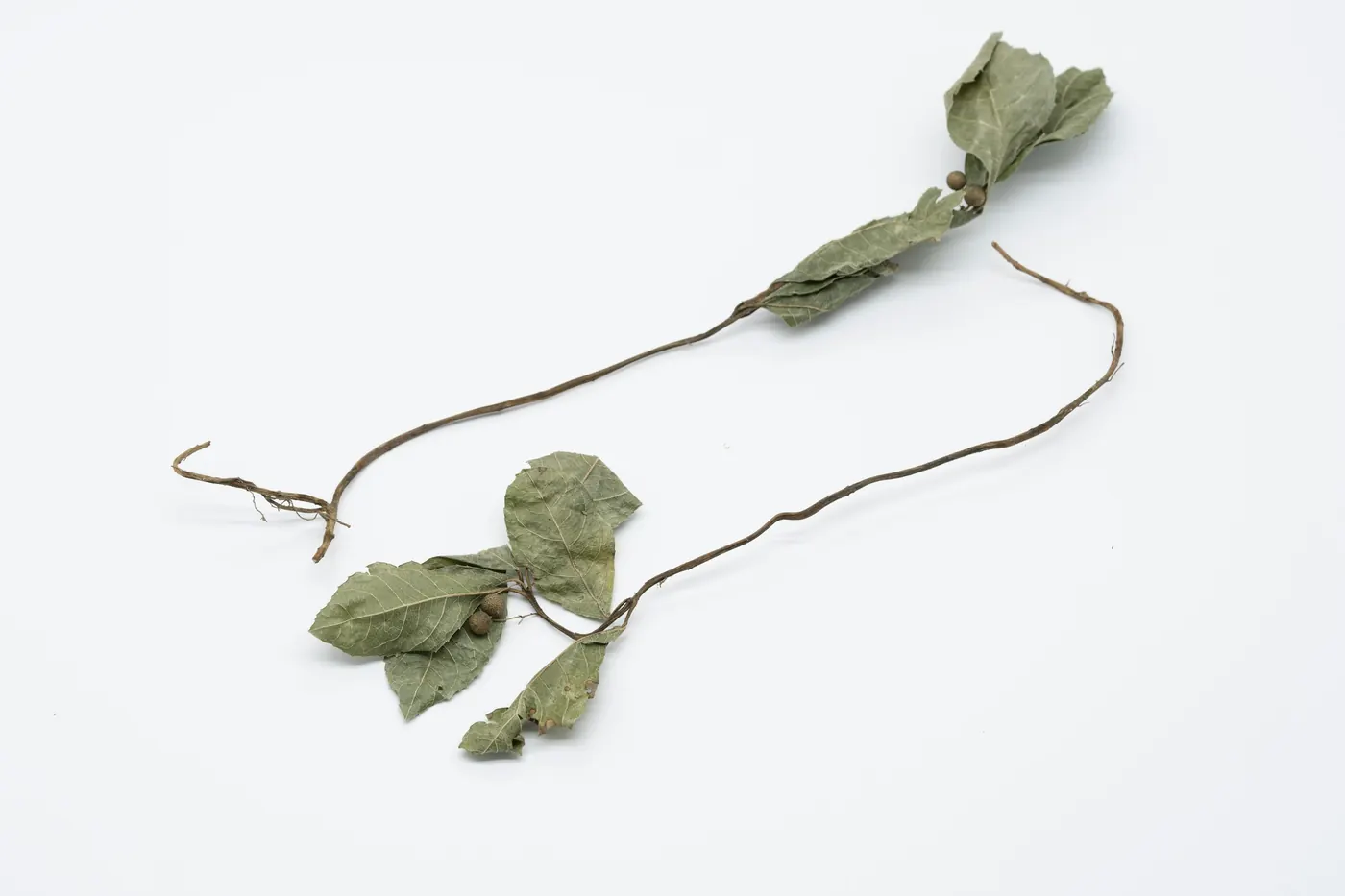
3. Simply Organic Whole Fennel Seed, 1.9 oz – A Pinch for Long Simmers
Fennel is the first ingredient Na’atik suggests if you cannot find epazote, with the caution that it will change the flavor of the dish. Simply Organic’s listing describes these seeds as sweet and slightly licorice-like, with aromatic, slightly peppery notes, and says they are certified organic. The jar holds whole fennel seed only.
The licorice side is what links fennel to epazote, which Tasting Table says is often compared to anise or licorice. But fennel is sweeter and has none of epazote’s sharp, medicinal note. In a long-simmered pot of beans, a very small pinch of whole seed gives a background sweetness; too much and the pot tastes of Italian sausage, which the listing names as fennel’s classic use.
Whole seed keeps well and can be fished out if you put it in a tea ball or a square of cheesecloth, a useful trick when you are not sure how much you want. That last suggestion is our own kitchen habit, not a source’s.
Why we like it
- First substitute Na’atik names
- Licorice-like note, per the listing
- Certified organic, single ingredient
- Sold by Amazon.com
Key specifications
| Herb | Fennel seed |
|---|---|
| Size | 1.9 oz jar |
| Ingredients | Organic fennel seed (listing) |
| Form | Whole seed |
| Flavor (as described) | Sweet, licorice-like, slightly peppery |
| Allergens/diet | Organic, kosher (listing); no allergen statement |
| Origin | Not stated |
| Model | 18037 |
Why we recommend it
Choose it if you already keep fennel seed and want a stand-in that adds a soft anise note to slow-cooked beans.
Skip it if you dislike licorice flavors: even a little fennel is noticeable.
Pros and cons
Pros
- Source-named substitute
- Whole seed keeps well
- Small amount goes far
Cons
- Sweeter than epazote
- Can taste of sausage if overdone
4. McCormick Culinary Freeze Dried Cilantro, 1.25 oz – A Green Note That Cooks In
Cilantro is the second substitute Na’atik names. It is a different herb in every way: bright and citrusy where epazote is pungent and medicinal. What it offers is a fresh green note in a bean soup or a quesadilla filling, which is part of what epazote does.
Fresh cilantro is usually added at the end, but epazote is cooked in. That is why this pick is a freeze-dried cilantro rather than a fresh bunch: McCormick’s listing says it works in hot dishes, suits spicy or saucy dishes, and keeps a bold, pungent taste and green color. The listing states one ingredient, cilantro. If you have fresh cilantro, it will taste brighter; stir a handful in near the end.
A practical note: McCormick Culinary is a foodservice line, but the 1.25-ounce container is a home-kitchen size.
Why we like it
- Cilantro is a substitute Na’atik names
- Made with one ingredient, cilantro, per the listing
- Listing says it works in hot dishes
- Sold by Amazon.com
Key specifications
| Herb | Cilantro |
|---|---|
| Size | 1.25 oz container |
| Ingredients | Cilantro only (listing) |
| Form | Freeze-dried leaves |
| Flavor (as described) | Subtle, citrusy |
| Allergens/diet | Kosher certified (listing); no allergen statement |
| Origin | Not stated |
| Model | Not stated |
Why we recommend it
Choose it if you want a green herb note in bean soups and fillings and like cilantro anyway.
Skip it if anyone at your table dislikes cilantro, or if you want epazote’s savory depth; cilantro has none of it.
Pros and cons
Pros
- Source-named substitute
- Single ingredient
- Useful in salsa and rice too
Cons
- Very different flavor from epazote
- Fresh cilantro is brighter
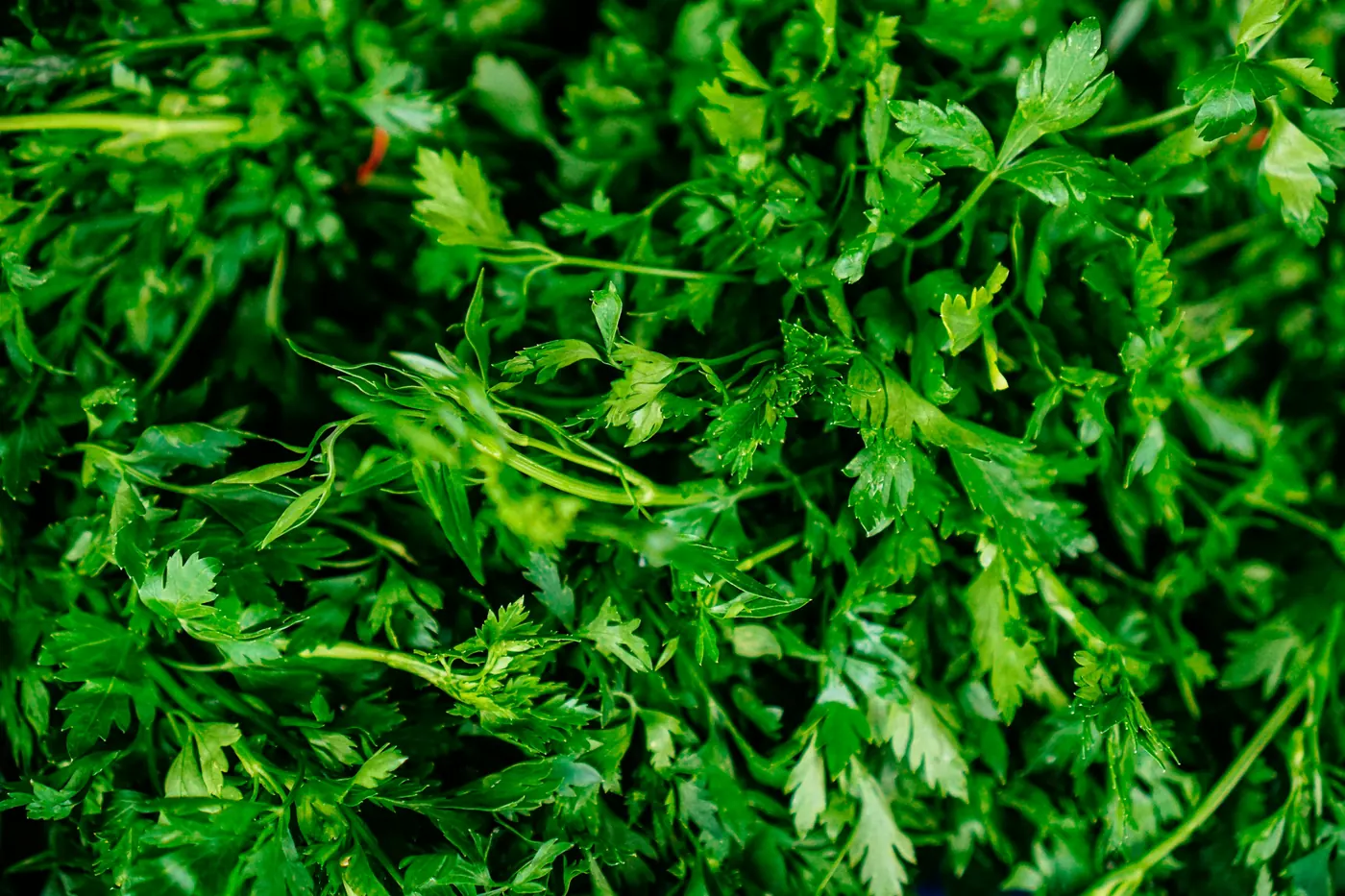
5. Simply Organic Italian Parsley Flakes, 0.26 oz – The Gentlest Option
Flat-leaf parsley is the third ingredient Na’atik suggests. It is the mildest swap here: Simply Organic’s listing describes a bright, clean flavor that is mild and slightly peppery. These flakes are Italian parsley, the flat-leaf kind, according to the title, and the jar holds organic parsley only.
Parsley will not taste like epazote, and it is the weakest of the five. What it does is give a pot of beans or a soup a gentle herbal note and some color, which is better than nothing for a cook who wants the dish to taste of more than beans and salt. Fresh flat-leaf parsley from the produce aisle has more flavor than any dried flake, so use fresh if you have it.
It is also the safest choice for a cook serving people who find epazote’s flavor too strong. Our own herbs guide notes that epazote takes over a dish when used heavily; parsley never will.
Why we like it
- Flat-leaf parsley is a substitute Na’atik names
- Italian (flat-leaf) parsley, per the title
- Organic, single herb
- Sold by Amazon.com
Key specifications
| Herb | Italian (flat-leaf) parsley |
|---|---|
| Size | 0.26 oz jar |
| Ingredients | Organic parsley (listing) |
| Form | Dried flakes |
| Flavor (as described) | Mild, slightly peppery |
| Allergens/diet | Organic, kosher (listing); no allergen statement |
| Origin | Not stated |
| Model | 18522 |
Why we recommend it
Choose it if you want a gentle herbal note and color in beans or soup, with no risk of an odd flavor.
Skip it if you want anything resembling epazote’s flavor: Mexican oregano or tarragon will do more.
Pros and cons
Pros
- Source-named substitute
- Impossible to overdo
- Useful everywhere
Cons
- Weakest flavor of the five
- Very small jar
How to use an epazote substitute in beans and soups
Match the swap to the dish
- Black beans and frijoles de la olla. Mexican oregano, with a tiny pinch of tarragon or fennel if you want the anise note.
- Bean and tortilla soups. Mexican oregano or tarragon in the pot; fresh cilantro at the end.
- Quesadillas. Tasting Table names epazote in quesadillas. A little tarragon or fresh cilantro in the filling is the closest idea.
- Moles and pozole. These carry plenty of other flavor. Leaving epazote out is often the best choice.
How much to use
No source we read gives a ratio for any of these swaps, so these are starting points from our kitchen. Tasting Table advises starting with a single leaf of epazote because its flavor is strong. Treat the substitutes the same way: start with a small pinch per pot, about what you would use of dried epazote, taste after 15 minutes of simmering, and add more if the beans need it. Parsley and cilantro can go in more freely; tarragon and fennel should stay small.
When to add it
Tasting Table says to add epazote near the end of cooking, because heat weakens its flavor. Dried oregano and tarragon do better added partway through, so they soften; fresh cilantro and parsley go in at the end. That timing is general kitchen sense, not a sourced rule.
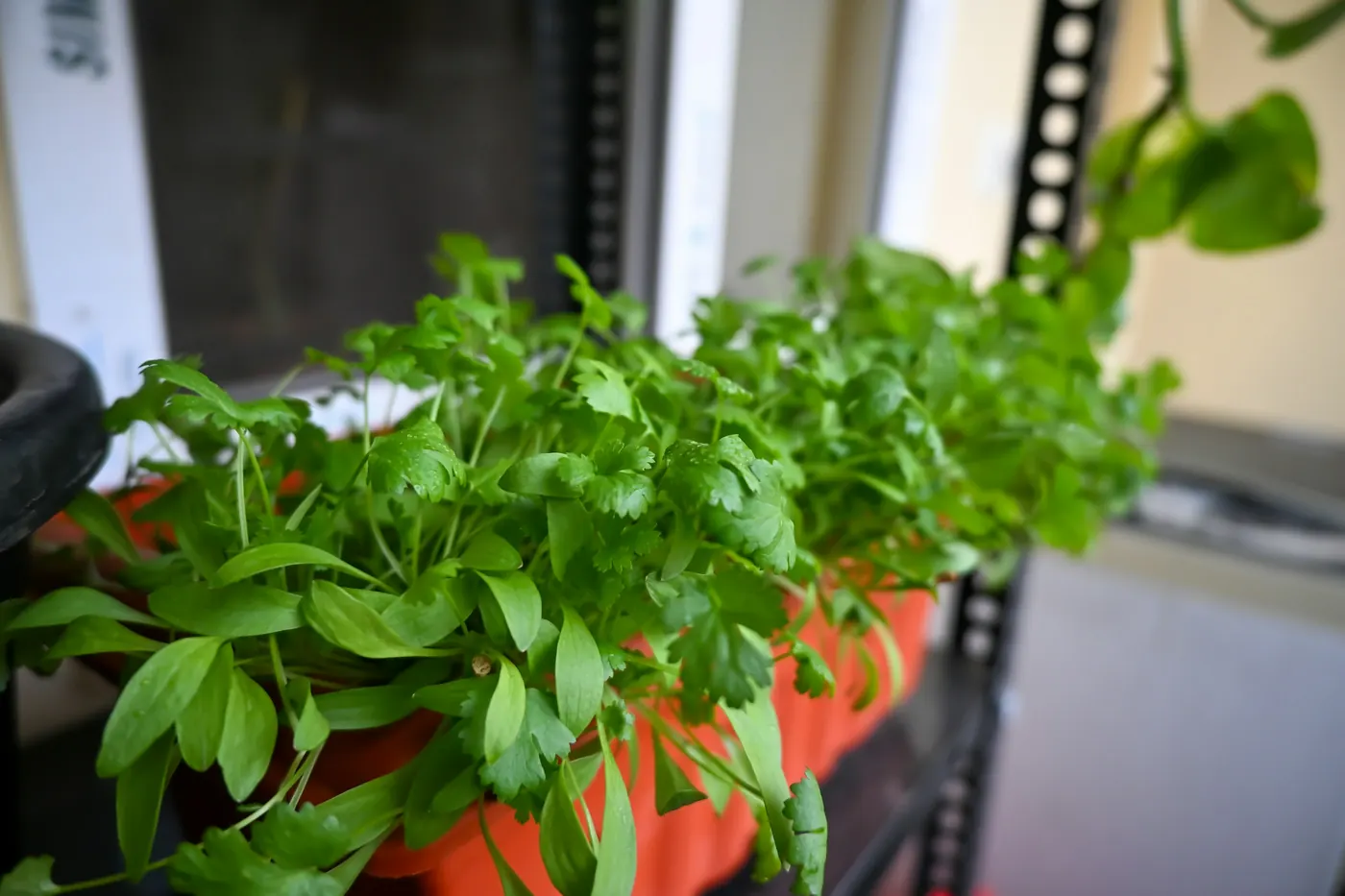
A safety note about epazote itself
If you do find epazote, the leaves are a normal culinary herb: NC State Extension’s plant toolbox says they are used in teas, as a leafy green and in various Mexican dishes. The same page lists the seeds as the poisonous part, with nausea, headache, vomiting and worse listed for eating them in large amounts, and names the compound ascaridole. Tasting Table notes that an oil extracted from the plant was found to be highly toxic, especially for children. In practice: cook with the leaves in normal amounts, don’t eat the seeds, and don’t use epazote oil. None of the substitutes above carries this concern. If you have health questions about any herb, ask a doctor.
What about hoja santa and savory?
Both come up as epazote swaps online, and we left both out. Hoja santa has a flavor Na’atik describes as reminiscent of anise, mint and black pepper, which sounds close, but our Mexican herbs guide explains that it is used fresh, mostly as a wrapper, and does not dry or ship well. None of the sources we read names it as an epazote substitute. Summer savory is sold as a bean herb in European cooking, according to Savory Spice’s listing, but again no source we read names it as a stand-in for epazote, so we did not recommend it.
Questions about replacing epazote, answered
What can I use instead of epazote?
Dried epazote first, as Na’atik advises. Without it, Mexican oregano in beans and soups, or a pinch of tarragon or fennel for the anise note. Cilantro and flat-leaf parsley add a green note. None tastes like epazote.
Can I just leave epazote out of black beans?
Yes. Our best Mexican spices guide suggests leaving it out rather than doubling another herb. The beans will taste less distinctive, but still good.
Is Mexican oregano the same as epazote?
No. They are different plants with different flavors. They do play a similar role, as dried herbs cooked into beans and soups, which is why oregano works as a stand-in. Our Mexican oregano substitute guide explains why epazote is not a swap for oregano either.
Do substitutes help with bean digestion like epazote?
Na’atik says substitutes will not have the same digestive effects that epazote is valued for in Maya cooking. Treat every swap here as a flavor swap only.
Is epazote safe to eat?
The leaves are used as a culinary herb, per NC State Extension. Its seeds are listed as poisonous in large amounts, and Tasting Table notes an extracted oil was found highly toxic, so use the leaves only, in normal cooking amounts.
Our last word on replacing epazote
Nothing replaces epazote exactly, so the best plan is to keep a small jar of the dried herb; our best Mexican spices guide covers one. When it runs out, Mexican oregano keeps a pot of beans savory, tarragon or fennel brings back a hint of anise, and cilantro or parsley adds a green note. For the herbs themselves, see Mexican herbs explained and our guide to Mexican pantry staples.
And if you would rather someone else made the beans tonight, look through the menu or call to order.