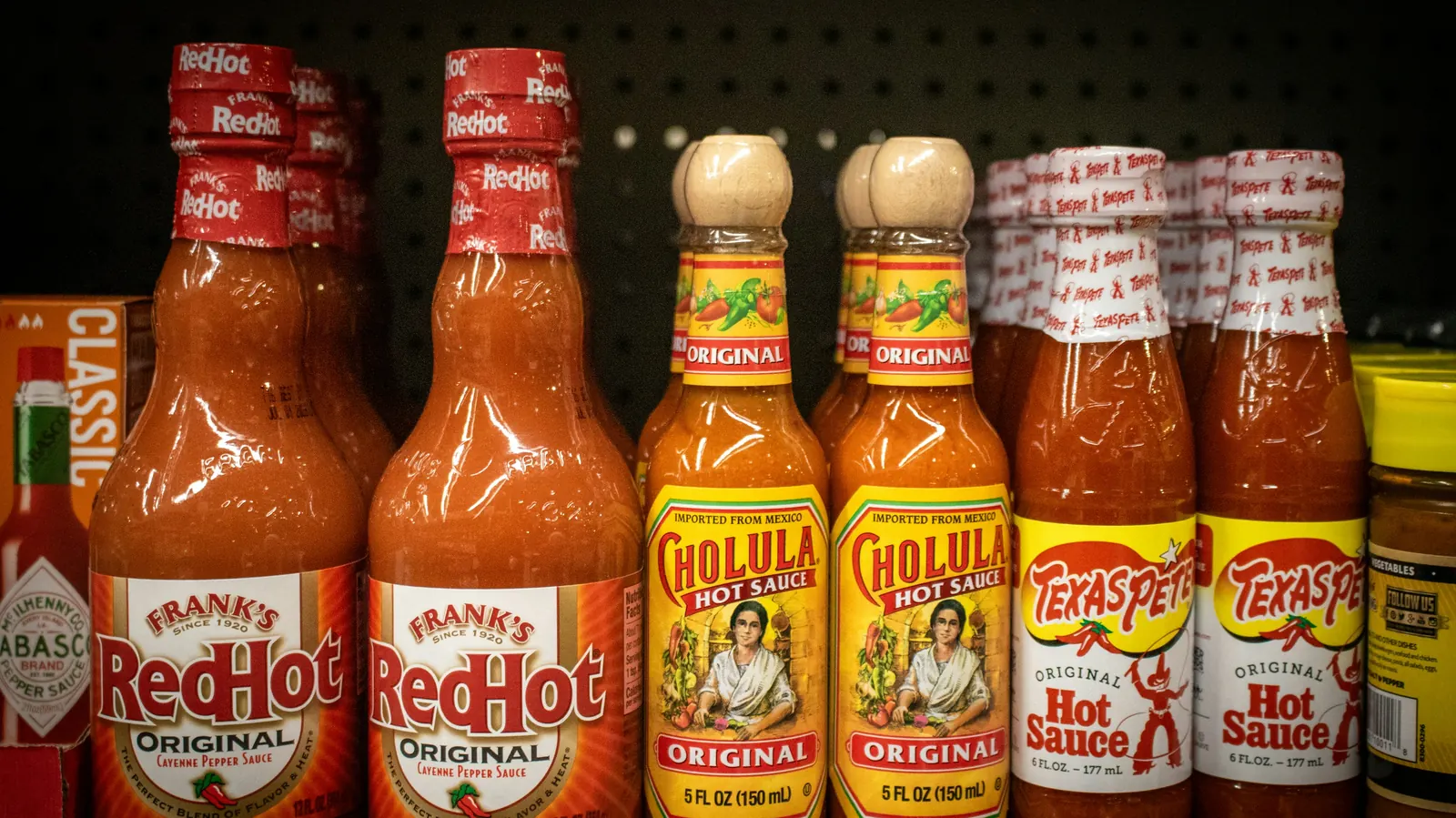
Put a bottle of Valentina or Cholula next to a bottle of Crystal and they look like cousins: red, pourable, cheap enough to keep on every table. Read the labels and they turn out to be built in different ways. A Louisiana hot sauce is a mash of red cayenne or tabasco peppers aged with salt and thinned with vinegar. A Mexican table sauce leans on Mexican chiles such as puya, árbol and piquín, uses less vinegar up front, and is often thicker and more seasoned.
Those differences change what each sauce does on a plate. This guide sets the two styles side by side, explains the chiles, the vinegar, the texture, the spices and the heat each label or published test states, and suggests which bottle to reach for with tacos, wings, eggs or a pot of gumbo.
Julia’s earns a commission on purchases made through links on this page, at no cost to you. Recommendations are based on what a working Mexican kitchen looks for in a table sauce, the makers’ ingredient lists and Amazon listings, retailer nutrition panels and published taste tests, which we name. We have not tasted these sauces for this guide.
Quick verdict: Mexican or Louisiana hot sauce?
Buy a Mexican hot sauce such as Cholula Original if you want chile flavor more than vinegar, a sauce with some body that stays on a taco, and seasoning that suits eggs, beans, tortas and antojitos. Buy a Louisiana hot sauce such as Crystal Original if you want a thin, tangy, three-ingredient sauce that disappears into gumbo, fried chicken, oysters, wing sauce and a Bloody Mary. Many kitchens keep one of each.
The rest of the page explains why, one difference at a time.
Mexican hot sauce vs Louisiana hot sauce, side by side
The table compares the two styles using the most common bottles of each. Heat figures are from the makers’ descriptions or from America’s Test Kitchen’s laboratory measurements, not our own.
| Mexican hot sauce (Cholula, Valentina, Tapatío) | Louisiana hot sauce (Crystal, Louisiana Brand, Frank’s) | |
|---|---|---|
| Chiles | Mexican chiles: árbol and piquín (Cholula), puya (Valentina); some labels say only “chili peppers” | Red cayenne, or tabasco in Tabasco sauce |
| How the chiles are treated | No aging or fermentation stated on the labels we read; Valentina’s chiles are dried, per Mexico News Daily | Mashed with salt and aged, three months to three years (America’s Test Kitchen) |
| Vinegar | Usually third or fourth on the label, after water and chiles | First or second ingredient |
| Texture | Medium to thick; often a gum thickener | Thin, a “dasher” sauce |
| Spices | “Spices” and often garlic on the label | Often none: peppers, vinegar, salt |
| Heat | Medium (Cholula’s listing); about 900 SHU for Valentina’s yellow label, per Mexico News Daily | 670 SHU (Crystal) to 3,700 SHU (Tabasco), per America’s Test Kitchen |
| Sodium, 1 tsp | About 108 to 110 mg (Cholula, Valentina, Tapatío panels) | 110 mg (Crystal panels); Louisiana Brand higher |
| Classic uses | Tacos, eggs, chips, fruit, tortas, micheladas | Gumbo, fried chicken, oysters, wing sauce, Bloody Marys |
The chiles: Mexican chiles against cayenne mash
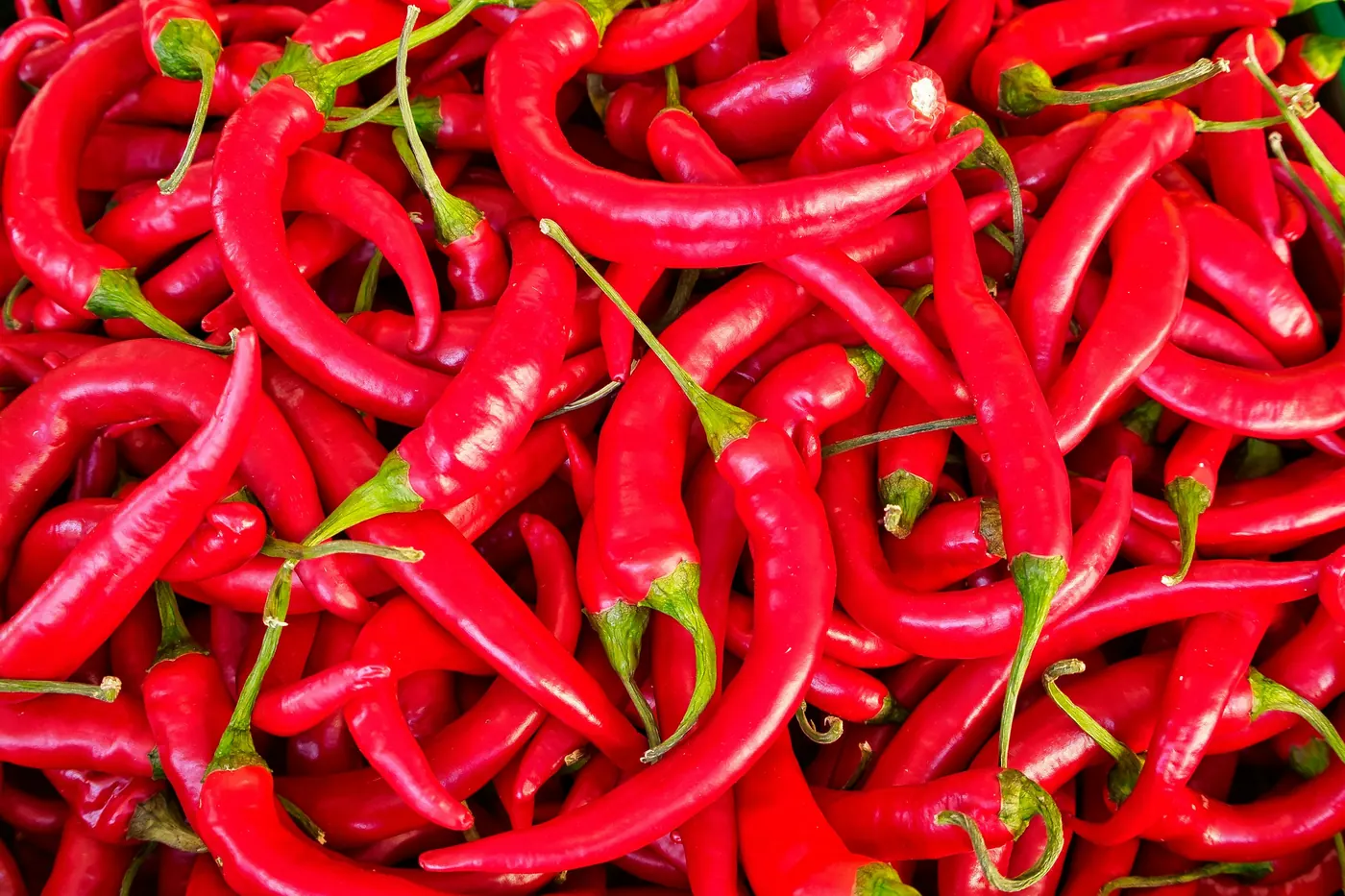
The pepper is the first and biggest difference. Louisiana-style sauce, America’s Test Kitchen explains, is traditionally made from cayenne or tabasco chiles. Crystal’s label reads “aged red cayenne peppers”, and Frank’s RedHot’s listing also names aged cayenne. Tabasco sauce uses the small tabasco pepper. America’s Test Kitchen describes the two heats differently: tabasco chiles give a delayed, lingering heat felt on the lips and tongue, while cayenne heat comes quickly at the front of the tongue and fades.
Mexican table sauces use Mexican chiles, and each brand has its own. Cholula’s listing names árbol and piquín, two small, sharp red chiles. Valentina’s label says only “chili peppers”, but Mexico News Daily and Tasting Table both identify the classic yellow label as puya, a chile similar to guajillo with a fruity flavor; Mexico News Daily says the chiles are dried. Búfalo uses guajillo, Huichol is generally understood to be cascabel, and El Yucateco uses habanero. Our guide to Mexican chiles explains what each of these brings to a sauce.
The practical result: a Louisiana sauce tastes mostly of one pepper and its tang, while each Mexican brand tastes of its particular chile, which is why fans are loyal to one bottle.
Aging and vinegar: tang first or chile first
Louisiana sauces start with a mash. Ripe peppers are ground with salt and left to ferment in barrels, which America’s Test Kitchen says can last from three months to three years; the fermentation adds lactic acid, tang and complexity. Vinegar is added afterwards and is usually the first or second ingredient. On Crystal’s label it is second, straight after the peppers, which is why Louisiana sauce is known for what America’s Test Kitchen calls a “vinegar-forward flavor”.
None of the Mexican labels we read mention aging or fermentation. On Valentina’s label the order is water, chili peppers, vinegar; on Cholula’s it is water, peppers, salt, then acetic acid, with a little apple cider vinegar further down. Vinegar is there to preserve and brighten the sauce, but it comes after the chile. Pepperscale describes Valentina as “tart and vinegary” all the same, so “less vinegar” is a matter of degree, not absence.
Thickness: a dasher or a sauce that clings
Louisiana sauces are thin. Pepperscale lists a thin texture as one of their defining traits and credits the vinegar for it, and the bottles have narrow necks or dasher tops made for shaking a few drops at a time. America’s Test Kitchen found Tabasco one of the thinnest sauces in its tasting, though it described Louisiana Brand as thicker than most.
Mexican table sauces usually have more body. Cholula and Tapatío list xanthan gum, Pepperscale describes Valentina as thicker than watery dasher sauces, and Búfalo is close to ketchup. That body matters when you pour sauce over chips, fruit or a crisp taco: a thin sauce runs off and pools on the plate, a thicker one stays where you put it.
Spices and garlic on the label
The classic Louisiana label has three ingredients. Crystal Original is aged red cayenne peppers, distilled vinegar and salt, and Pepperscale gives the same three for Louisiana Brand. Frank’s RedHot is the exception: grocery panels list aged cayenne peppers, distilled vinegar, water, salt and garlic powder, and America’s Test Kitchen’s tasters found it savory and garlicky. The flavor is pepper, tang and salt.
Mexican sauces nearly always list “spices”, and many add garlic. Cholula lists spices and garlic powder, Tapatío lists spices and garlic, and Valentina lists spices. The makers keep the blends secret, but the effect on the label is a more seasoned sauce, closer to a thin salsa than to pepper vinegar.
Heat as the labels and testers report it
Neither style is a very hot sauce. America’s Test Kitchen had eleven Louisiana-style sauces measured in a laboratory and found them between 310 and 3,700 Scoville heat units, mild to medium; Crystal measured 670, Frank’s RedHot 790, Louisiana Brand 1,200 and Tabasco 3,700.
Cholula’s listing calls its Original “medium heat”, and Pepperscale says Cholula carries a bit more heat than most Mexican table sauces. Valentina’s yellow label is usually quoted at about 900 Scoville units and its black Extra Hot label at about 2,100 to 2,200 (Wikipedia and Mexico News Daily respectively). These are published figures, not label claims, and chile heat varies from batch to batch. If you want real heat in either style, buy a habanero sauce; the Mexican options are in our guide to the best Mexican hot sauce.
Sodium per teaspoon
The two styles are closer here than many people expect. Retailer nutrition panels give 110 mg of sodium per teaspoon for both Crystal Original and Cholula Original, and 108 mg for Valentina’s yellow label. Louisiana Brand is saltier: Pepperscale reports 200 mg per teaspoon from the company’s site, and other sources give 240 mg. The FDA’s Daily Value for sodium is 2,300 mg a day. A few dashes add little; a thick sauce poured over a bowl of chips adds more, simply because you use more of it.
What each style is for
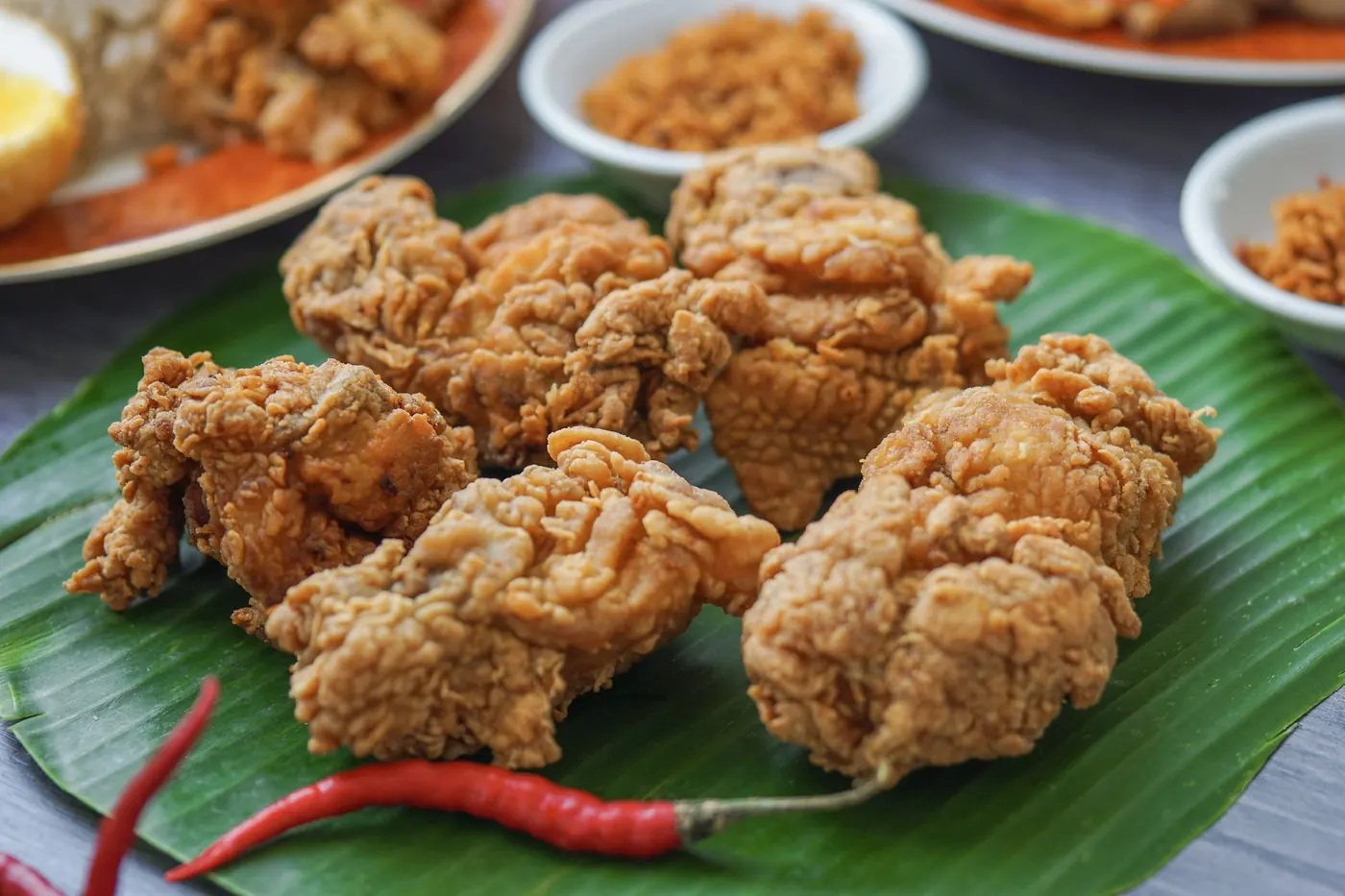
Louisiana sauce is a cooking and finishing vinegar as much as a hot sauce. Crystal’s listing suggests stirring it into gumbo, soups, stews and gravies, adding it to marinades, dips and wing sauce, and dashing it over eggs, fried chicken, fish, shrimp, beans and pizza, or into a Bloody Mary. Its acidity cuts through fried and rich food, and its thinness lets it disappear into a pot.
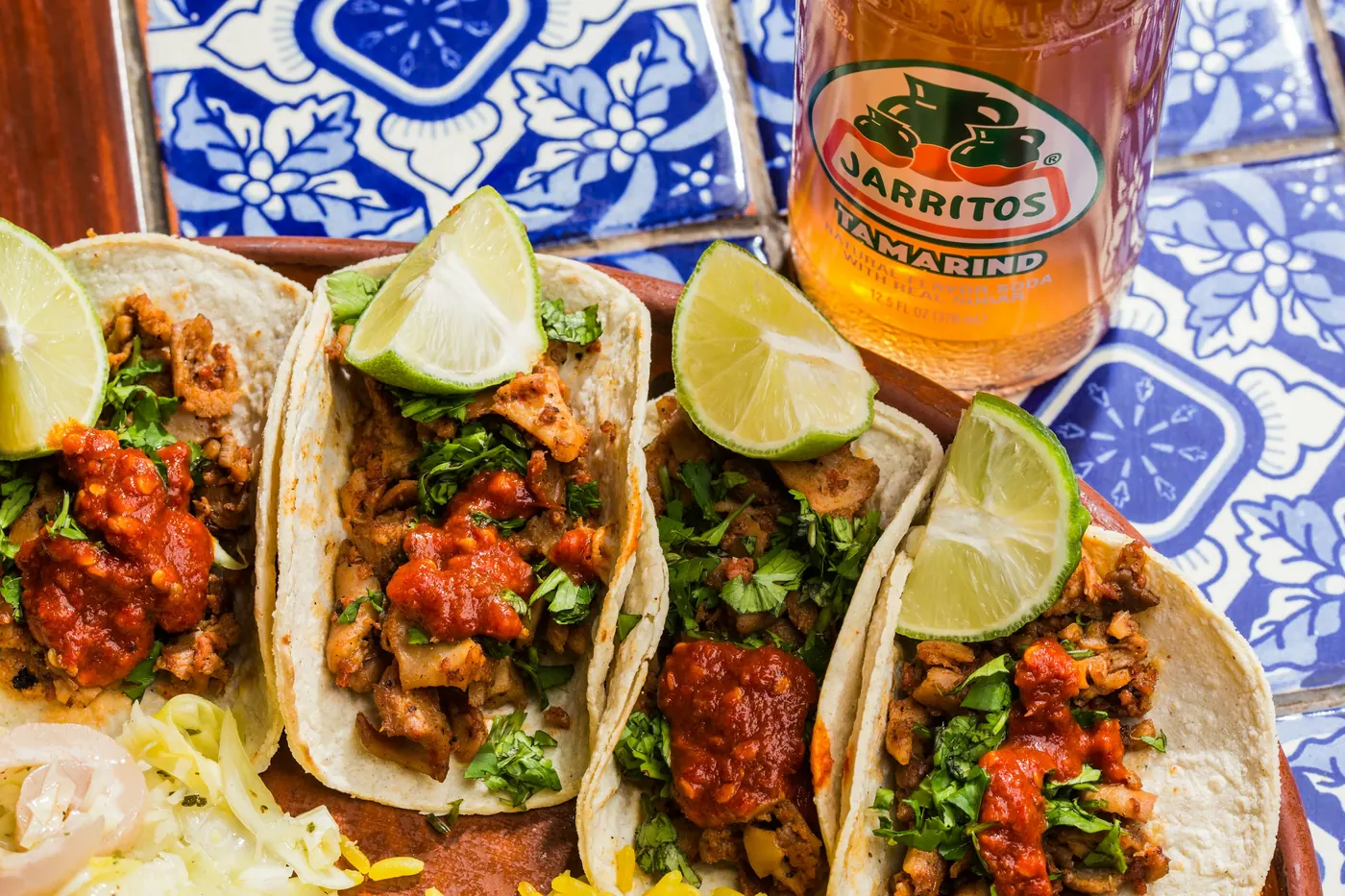
Mexican sauce is a table condiment first. Cholula’s listing names eggs, rice and beans, tacos, huevos rancheros, fajitas and enchiladas. Tasting Table lists Valentina’s street uses: fries, chips, fruit cups, elotes, chicharrones, shrimp cocktail and micheladas. These are foods where you want chile flavor that sits on top, not tang that sinks in. For the full story on Valentina, see our Valentina Mexican hot sauce review.
Choose a Mexican hot sauce if… / Choose a Louisiana hot sauce if…
Choose a Mexican hot sauce if…
- You mostly put hot sauce on tacos, eggs, tortas, beans or rice.
- You want the flavor of árbol, piquín or puya chiles, not just heat and tang.
- You want a sauce with enough body to stay on chips, fruit or a crisp taco.
- You like a seasoned sauce with garlic and spices.
Choose a Louisiana hot sauce if…
- You cook gumbo, jambalaya, beans and greens, or make your own wing sauce.
- You want sharp vinegar tang to cut fried chicken, fish or oysters.
- You prefer a short, three-ingredient label.
- You want a thin sauce that disappears into a soup, gravy or cocktail.
One bottle from each side
If you have decided which way to go, these are the two bottles we would start with. Cholula is the top pick in our Mexican hot sauce guide, which also covers Valentina, Tapatío, a habanero sauce and a thick guajillo sauce.
1. Cholula Original, 12 fl oz, 3-Pack – Árbol and Piquín, Medium Heat

Cholula is the bottle with the round wooden cap, and it is the all-purpose pick in our Mexican hot sauce guide. The listing says it is made with a blend of árbol and piquín peppers and Cholula’s own spices, from a “generations-old family recipe”, and describes a balanced flavor with medium heat. Cholula’s listings say the sauce is made in Jalisco, Mexico; the brand has been owned by McCormick since 2020, according to Mexico News Daily and Wikipedia.
The U.S. label on grocery nutrition panels reads water, peppers (árbol and piquín), salt, acetic acid, xanthan gum, spices, apple cider vinegar, garlic powder and natural flavor, with 110 mg of sodium per teaspoon. That ingredient order shows the Mexican pattern clearly: chile ahead of the vinegar, a thickener for body, and spices and garlic for seasoning. No preservative is listed.
The listing suggests it for eggs, rice and beans, pizza, tacos, huevos rancheros, fajitas and enchiladas. This pack is three 12-ounce bottles, enough for a household that uses hot sauce every day.
Why we like it
- Árbol and piquín named on the label
- Medium heat, per the listing
- Body from xanthan gum, so it stays on food
- No preservative or added color listed
Key specifications
| Size | 3 bottles, 12 fl oz each |
|---|---|
| Chiles | Árbol and piquín |
| Heat (as stated) | Medium (listing) |
| Ingredients | Water, árbol and piquín peppers, salt, acetic acid, xanthan gum, spices, apple cider vinegar, garlic powder, natural flavor |
| Sodium (as listed) | 110 mg per 1 tsp (retailer panels) |
| Texture | Medium body (xanthan gum) |
| Preservatives and color | None listed |
| Made in | Jalisco, Mexico (listing) |
Why we recommend it
Choose it if you want one Mexican table sauce for nearly everything, from breakfast eggs to tacos, with a heat most of the table can handle.
Skip it if you want the thick, snack-style sauce for chips and fruit; Valentina suits that better.
Pros and cons
Pros
- Balanced, versatile flavor
- Named chiles on the label
- No preservative listed
Cons
- Only medium heat
- Contains natural flavor and xanthan gum
- Three bottles is a lot for light users
2. Crystal Original Louisiana-Style Hot Sauce, 12 oz, 2-Pack – Three Ingredients, Cayenne Tang

Crystal is the Louisiana sauce we would pick to show what the style is. The listing gives a three-ingredient recipe, aged red cayenne peppers, distilled vinegar and salt, and says the manufacturer identifies it as gluten-free and kosher. America’s Test Kitchen notes that Crystal has been made in New Orleans since 1923; Biz New Orleans reports that Baumer Foods, the family company behind it, now makes its sauces in Reserve, Louisiana, up the river from the city.
In America’s Test Kitchen’s laboratory measurement Crystal came in at 670 Scoville heat units, one of the milder sauces in the group, and its tasters found it one of the sweeter ones, comparing it to red bell pepper and tomato, with a heat that did not linger. Retailer nutrition panels for the 12-ounce bottle give 110 mg of sodium per teaspoon, the same as Cholula.
The listing suggests dashing it on eggs, fried chicken, fish, shrimp, beans and pizza, stirring it into gumbo, soups, stews and gravies, and using it in marinades, dips, homemade wing sauce and Bloody Marys. This pack is two 12-ounce bottles with a recipe card.
Why we like it
- Three ingredients: aged cayenne, vinegar, salt
- Mild heat, measured at 670 SHU by America’s Test Kitchen
- Thin enough to stir into soups and sauces
- Gluten-free and kosher, per the manufacturer
Key specifications
| Size | 2 bottles, 12 fl oz each |
|---|---|
| Chiles | Aged red cayenne |
| Heat (as stated) | Not stated in listing; 670 SHU (America’s Test Kitchen) |
| Ingredients | Aged red cayenne peppers, distilled vinegar, salt |
| Sodium (as listed) | 110 mg per 1 tsp (retailer panels) |
| Texture | Thin, dashing |
| Preservatives and color | None listed |
| Made in | Louisiana (Baumer Foods) |
Why we recommend it
Choose it if you want a classic Louisiana sauce for cooking and for fried food, seafood and cocktails, with nothing on the label but pepper, vinegar and salt.
Skip it if you want chile flavor that sits on top of a taco; Crystal is thin and vinegar-sharp, and it runs off food.
Pros and cons
Pros
- Shortest label of any sauce here
- Works in cooking as well as at the table
- Mild enough for most people
Cons
- Heat level not stated on the listing
- Thin, so it pools rather than clings
- Only one chile flavor
How we compared the two styles
We compared the sauces on what a kitchen asks of a bottle on the table: which chile it uses, how sharp the vinegar is, how thick it pours, what else is on the label, how hot it is and how much sodium it carries. Ingredients and uses come from the Amazon listings and from retailer nutrition panels where the listings give none. Heat figures come from the makers’ descriptions, from America’s Test Kitchen’s tasting of Louisiana-style hot sauces, which had its sauces measured in a laboratory, and from published figures for Valentina that we attribute. We have not tasted these sauces for this comparison.
Hot sauce style questions, answered
What is the difference between Mexican and Louisiana hot sauce?
Louisiana sauce is aged cayenne or tabasco pepper mash with vinegar and salt: thin, tangy and vinegar-forward. Mexican table sauce is built on Mexican chiles such as árbol, piquín or puya, with vinegar further down the label, more body and added spices.
Is Cholula a Louisiana-style hot sauce?
No. Cholula is made in Jalisco, Mexico, from árbol and piquín peppers with spices, according to its listing, and its label puts the peppers and salt ahead of the acetic acid. It has more body than a Louisiana sauce and no aged mash.
Which is hotter, Valentina or Tabasco?
Tabasco, by the published figures. America’s Test Kitchen measured Tabasco at 3,700 Scoville units; Valentina’s yellow label is usually quoted at about 900 and its black Extra Hot label at about 2,100 to 2,200.
Is Frank’s RedHot a Louisiana hot sauce?
It is a cayenne pepper sauce in the Louisiana style: its listing names aged cayenne peppers, and America’s Test Kitchen included it in its Louisiana-style tasting, measuring 790 Scoville units. It adds garlic, which the classic three-ingredient sauces do not.
Can I use Louisiana hot sauce on tacos?
You can, and many people do. It adds heat and tang but little chile flavor, and it runs off a taco. A Mexican table sauce or a fresh salsa does more for tacos; our guide to salsa roja and salsa verde covers the fresh kind.
Keep one of each in the cupboard
If your hot sauce goes on tacos, eggs and chips, buy a Mexican sauce such as Cholula; if it goes into gumbo, onto fried chicken and into wing sauce, buy a Louisiana sauce such as Crystal. They are cheap, they keep, and they do different jobs. For the rest of the pantry, see our guide to Mexican pantry staples.
And if you would rather someone else made the tacos tonight, see the menu or call to order.