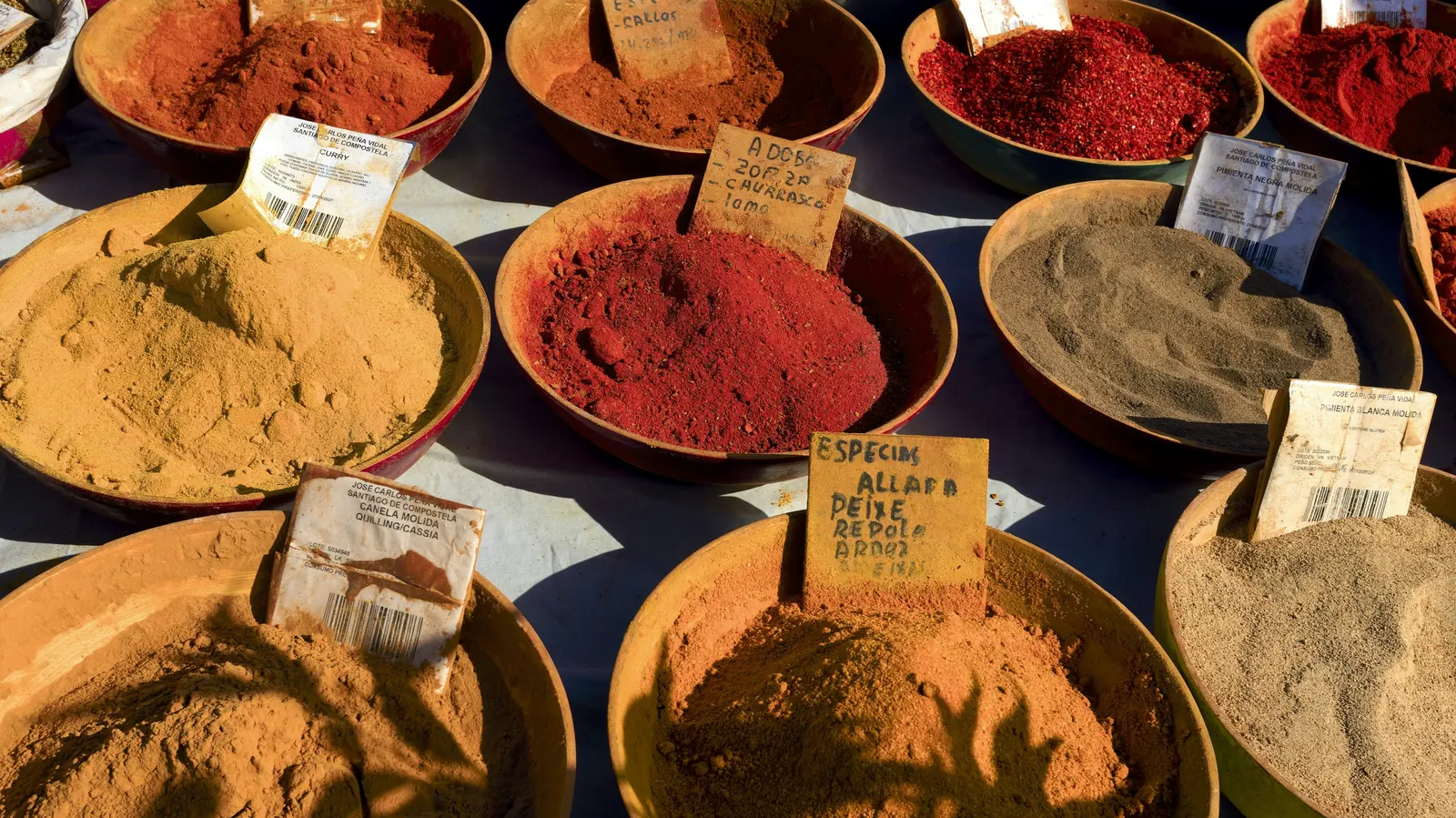
Mexican cooking is less about a long spice rack than about a short one used well. A handful of dried things do most of the work: Mexican oregano crumbled into pozole and beans, cumin toasted for a northern-style chili, ground ancho and guajillo for a red sauce, chipotle for smoke, árbol for real heat, a stick of canela for café de olla, a brick of achiote for cochinita pibil and a pinch of epazote in a pot of black beans.
Most of the mistakes happen at the shelf: Mediterranean oregano where a recipe means Mexican, a “chili powder” blend where it means pure ground chile, hard cassia bark instead of soft canela. This guide picks the jars and bags worth buying on Amazon, explains what each one does, and sets out how to choose and keep them.
Julia’s earns a commission on purchases made through links on this page, at no cost to you. Recommendations are based on what a working Mexican kitchen looks for in its spices, the makers’ own product pages and Amazon listings, and published sources, which we name.
Quick verdict: which Mexican spices to buy first
If you buy one spice, make it Mexican oregano, such as Penzeys Mexican Oregano in its small 0.6-ounce bag: it is clearly labeled as the Mexican herb, and it changes pozole, beans and salsa more than any other single spice. Add Badia whole cumin seeds to toast and grind as you need them, McCormick Gourmet ground ancho chile pepper (ground ancho, not a chili powder blend) for red sauces, and a stick of Ceylon canela for drinks and desserts. Choose El Molcajete’s ancho, guajillo and chipotle pack if you want three ground chiles in one order.
The rest of this page explains why, and which spices suit the way you cook.
Five Mexican spices at a glance
Our five standout picks side by side, one for each job on a Mexican spice shelf, with the form and ingredients each maker or listing states. All ten spices are reviewed in full below.
| Spice | Best for | Form & size | Ingredients (as listed) | Buy on Amazon |
|---|---|---|---|---|

Penzeys Mexican Oregano, 0.6 oz BagBest overall
|
Pozole, beans, salsa, adobos | Dried, 0.6 oz (3/4 cup) bag | Mexican oregano (no list given) | View on Amazon |

Badia Whole Cumin Seeds, 16 ozBest cumin
|
Toasting and grinding fresh | Whole seed, 16 oz | Cumin seed | View on Amazon |

McCormick Gourmet Ancho Chile Pepper, 1.62 ozBest ground chile
|
Red sauces, rubs, mole shortcuts | Ground, 1.62 oz jar | Ancho chile pepper (no list given) | View on Amazon |
| Three chiles in one order | Ground, three 4 oz bags | Ground dried chiles | View on Amazon | |
| Café de olla, arroz con leche | 5-inch sticks, 1 lb | Ceylon cinnamon, Sri Lanka | View on Amazon |
Product images from Amazon. Ingredients, origins and certifications are as stated by each maker or its Amazon listing; packaging changes, so check the label you receive.
Our picks for the best Mexican spices
These ten cover a working Mexican spice shelf: two oreganos (a small bag and a bulk bag), whole cumin, four ground chiles from mild to hot, Ceylon canela, achiote paste and epazote. For each we give the form, the ingredients as published, the heat where it matters and one honest reason to pass on it. For whole dried chiles rather than ground, see our guide to the best place to buy dried chiles online.
1. Penzeys Mexican Oregano, 0.6 oz Bag – The Oregano Recipes Mean
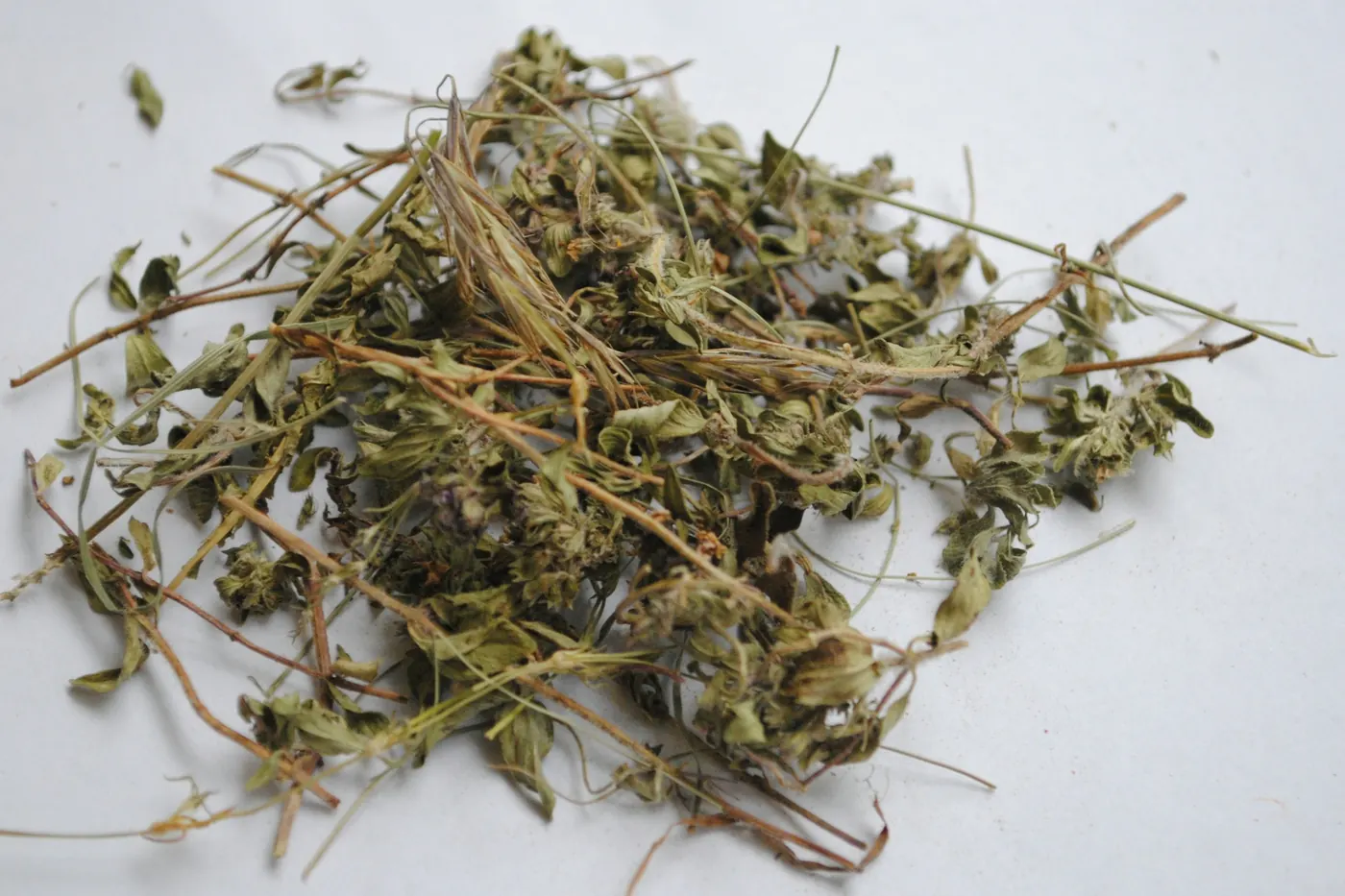
Mexican oregano is not the oregano on a pizza. The common Mexican plant, Lippia graveolens, belongs to the verbena family, according to the University of Arizona’s arboretum, while Mediterranean oregano is in the mint family. It tastes more of citrus and anise and less of pine, and it goes into pozole, menudo, beans, adobos, birria and salsa, usually crumbled between the fingers as it goes into the pot.
Penzeys, the American spice merchant behind the epazote further down this list, sells its Mexican oregano in a small 0.6-ounce bag, about three-quarters of a cup. The label says plainly that it is Mexican oregano, and the listing describes it in one line: strong, pungent and less sweet, great for chili. The listing gives no ingredient list, origin or certification.
Our Mexican pantry staples guide recommends the same Penzeys oregano in a smaller jar. Well under an ounce goes further than it looks, because you use it by the pinch; rub it between your palms over the pot to wake it up, and decant the bag into a small airtight jar.
Why we like it
- Clearly labeled Mexican oregano
- Strong, pungent, less sweet, per the listing
- Sold by Penzeys Spices on Amazon
- Small bag you will finish while it is fresh
Key specifications
| Size | 0.6 oz (3/4 cup) bag |
|---|---|
| Form | Dried herb (cut or whole not stated) |
| Ingredients | Not listed (sold as Mexican oregano) |
| Heat | None |
| Flavor (as described) | Strong, pungent, less sweet |
| Certifications | Not stated |
| Origin | Not stated |
| Best for | Pozole, beans, salsa, enchilada sauce |
Why we recommend it
Choose it if you have been using ordinary oregano in pozole and beans and want the herb the recipes actually mean. It is the single spice that makes the biggest difference on a Mexican shelf.
Skip it if you cook Mexican food several times a week; at 0.6 ounce you will refill it often, and Frontier’s one-pound bag below is the better buy.
Pros and cons
Pros
- The correct oregano for Mexican dishes
- Known spice merchant
- Small, fresh-sized bag
Cons
- Bag, not a jar
- Listing gives little detail
2. Frontier Co-op Mexican Oregano Leaf, 1 lb – A Bulk Bag for Regular Cooks

If a pot of beans goes on every week in your house, buy Mexican oregano by the pound. Frontier Co-op, a member-owned cooperative founded in 1976, sells its Mexican oregano cut and sifted in a one-pound bulk bag. The listing describes a strong aroma, and says the leaf is non-irradiated and kosher certified, with no artificial additives.
Cut and sifted means the leaves are broken into small flakes rather than left whole, which makes it easy to measure by the teaspoon into a pot of pozole or a jar of homemade taco seasoning. It also means it loses aroma a little faster than whole leaf, so a pound is a lot for a small household. Decant a few weeks’ worth into a small jar and keep the rest sealed, cool and dark.
Why we like it
- A full pound of Mexican oregano
- Non-irradiated and kosher, per the listing
- From a long-established spice cooperative
Key specifications
| Size | 1 lb bag |
|---|---|
| Form | Cut and sifted leaf |
| Ingredients | Mexican oregano leaf |
| Heat | None |
| Flavor (as described) | Strong, aromatic |
| Certifications | Kosher; non-irradiated |
| Origin | Mexico (Lippia graveolens, per Frontier) |
| Best for | Beans, pozole, homemade seasoning blends |
Why we recommend it
It suits cooks who make Mexican food often, people who mix their own taco or adobo seasoning, and anyone feeding a crowd. Bought by the pound, oregano stops being something you ration.
Skip it if you cook Mexican dishes only now and then; a pound will fade before you use it, and the Penzeys bag is the better size.
Pros and cons
Pros
- Large bag for frequent cooks
- Flakes measure easily
- Established maker
Cons
- Origin not stated
- Not organic
- Bag needs decanting
3. Badia Whole Cumin Seeds, 16 oz – Toast and Grind as You Go
Cumin is used in northern Mexican and Tex-Mex cooking more than in the center and south, and a little goes a long way. Ground cumin fades quickly once the jar is open, which is why a kitchen buys it whole: toast a spoonful of seed in a dry pan until it smells warm, then grind it in a spice grinder or a molcajete just before it goes into a chili, a pot of charro beans or a rub for fajitas.
Badia, a family-owned company founded in 1967, sells whole cumin in a one-pound container. The listing describes a warm, slightly peppery and nutty flavor and says the seeds release an intense aroma when toasted. A pound of whole seed lasts a home kitchen a long time, and whole spices keep their aroma longer than ground: McCormick’s guidance is roughly four years for whole spices against two to four for ground, stored away from heat, moisture and sunlight.
Why we like it
- Whole seed keeps its aroma longer than ground
- A pound for regular cooking
- From a long-established Latin spice brand
Key specifications
| Size | 16 oz container |
|---|---|
| Form | Whole seed |
| Ingredients | Cumin seed |
| Heat | None |
| Flavor (as described) | Warm, slightly peppery, nutty |
| Certifications | Not stated |
| Origin | Not stated |
| Best for | Chili, charro beans, fajita rubs |
Why we recommend it
Choose it if you are willing to spend two minutes toasting and grinding; freshly ground cumin smells and tastes noticeably stronger than a jar of powder that has sat open for a year.
Skip it if you have no grinder and no molcajete. A small jar of ground cumin, replaced often, will serve you better than whole seed you never grind.
Pros and cons
Pros
- Long-keeping whole seed
- Large container
- Single ingredient
Cons
- Needs toasting and grinding
- Origin and certifications not stated
4. McCormick Gourmet Ancho Chile Pepper, 1.62 oz – Ground Ancho, Not a Blend
The jar labeled “chili powder” in most American supermarkets is a blend: ground chile with cumin, oregano, garlic and often salt. A Mexican recipe that calls for ground chile usually means a single chile, ground, and ancho is the one to start with. It is a dried poblano, mild (our guide to Mexican chiles puts it at 1,000 to 2,000 Scoville units) and tastes of raisin and prune with a mild sweetness.
McCormick sells this jar in its Gourmet line as ground ancho chile pepper, not as a chili powder blend. The listing describes mild heat and a sweet, fruity flavor, says the peppers are non-GMO, and calls ancho the most popular dried chile in Mexican cooking and one of the “holy trinity” of chiles in traditional moles. The listing gives no ingredient list, so check the label for anything added. Use it for a quick red enchilada sauce, in a rub for pork or chicken, in a pot of chili or in a Mexican hot chocolate.
Why we like it
- Sold as ground ancho, not a chili powder blend
- Mild, so it adds color and depth without much heat
- Non-GMO, per the listing
- Easy-to-find supermarket brand
Key specifications
| Size | 1.62 oz jar |
|---|---|
| Form | Ground |
| Ingredients | Not listed (sold as ancho chile pepper) |
| Heat | Mild (ancho: 1,000–2,000 SHU) |
| Flavor (as described) | Mild heat, sweet fruit flavor |
| Certifications | Non-GMO (listing) |
| Origin | Not stated |
| Best for | Red sauces, enchiladas, tamales, adobos |
Why we recommend it
It suits a cook who wants one ground chile on the shelf for color and depth, and anyone who has been using supermarket chili powder and wonders why their enchilada sauce tastes of cumin.
Skip it if you make red sauces often; whole dried anchos, toasted and soaked, give a deeper sauce, and a small jar runs out quickly.
Pros and cons
Pros
- Ground ancho, not a blend
- Widely available
- Mild and versatile
Cons
- Small jar
- Ingredient list and origin not stated
5. El Molcajete Ancho, Guajillo and Chipotle Powder Pack, 3 x 4 oz – Mild, Tangy and Smoky

Most Mexican red sauces start with more than one chile, and this pack gives you the three most useful in ground form: ancho for sweetness and body, guajillo for a tart, berry-like flavor and a deep red color, and chipotle for smoke and heat. Our chiles guide puts guajillo at 2,500 to 5,000 Scoville units and chipotle at 2,000 to 8,000, so this is a set that warms rather than burns.
El Molcajete, a brand of dried chiles and Mexican spices, packs each powder in its own resealable bag, according to the listing, which describes the guajillo as rich, smoky and earthy and the chipotle as bringing deep heat. A spoon of each, bloomed in a little oil, gives a weeknight enchilada sauce or a marinade for carne asada without soaking whole chiles.
Why we like it
- Three essential ground chiles in one order
- Each chile packed separately in a resealable bag
- A practical 4 ounces of each
Key specifications
| Size | Three 4 oz bags |
|---|---|
| Form | Ground |
| Ingredients | Ground dried ancho, guajillo and chipotle chiles |
| Heat | Mild to medium |
| Flavor (as described) | Smoky-sweet, tangy, smoky heat |
| Certifications | Not stated |
| Origin | Not stated |
| Best for | Enchilada sauce, birria, marinades |
Why we recommend it
Choose it if you want to cook red sauces and adobos from pure chiles rather than a blend, and want to learn what each chile tastes like on its own before buying them whole.
Skip it if you want certifications or a stated origin; the listing gives neither, and it does not list ingredients beyond the chile names.
Pros and cons
Pros
- Three chiles, three flavors
- Separate resealable bags
- Good starter set for red sauces
Cons
- Origin not stated
- Bags less convenient than jars
- Newer listing with little detail
6. Frontier Co-op Ground Chipotle Pepper, 2.15 oz – Smoke in a Jar

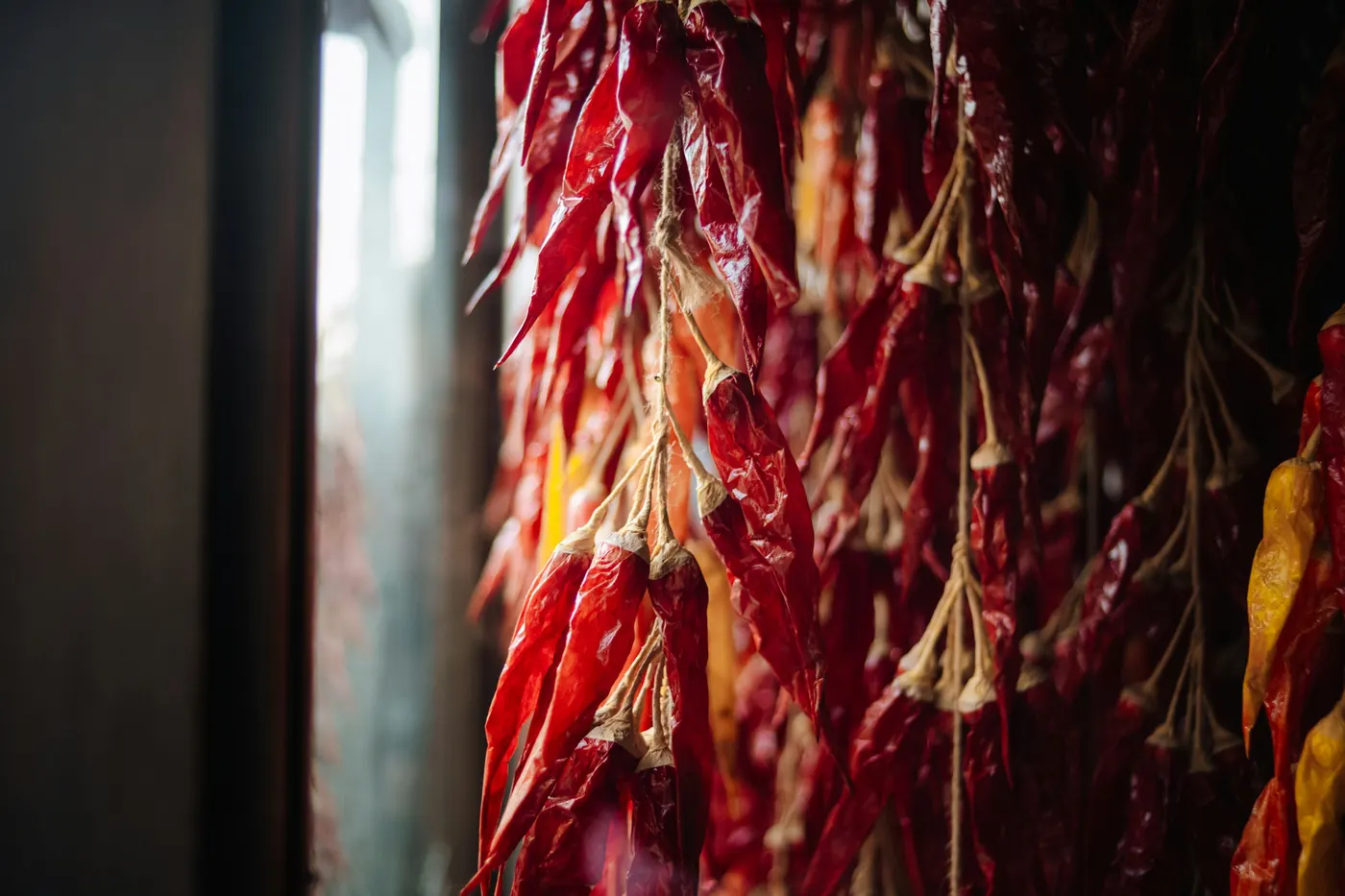
A chipotle is a jalapeño that has been smoked and dried. Ground, it brings woodsmoke to dishes where a can of chipotles in adobo would add too much liquid or vinegar: a dry rub for ribs, a pinch in black beans, a sprinkle over elote, a smoky mayonnaise for fish tacos.
Frontier Co-op’s jar lists one ingredient, chipotle peppers, and the maker describes the flavor as spicy, distinctly smoky and earthy, and the heat as relatively mild. Its product page says the chipotle is kosher, non-irradiated and not treated with ethylene oxide. Start with a quarter teaspoon: smoke builds quickly in a dish.
Why we like it
- Single ingredient: chipotle peppers
- Smoke without the liquid of canned chipotles
- Kosher and non-irradiated, per Frontier
Key specifications
| Size | 2.15 oz jar |
|---|---|
| Form | Ground |
| Ingredients | Chipotle peppers |
| Heat | Medium (chipotle: 2,000–8,000 SHU) |
| Flavor (as described) | Smoky, earthy, spicy |
| Certifications | Kosher; non-irradiated, non-ETO |
| Origin | Not stated |
| Best for | Dry rubs, beans, elote, smoky mayonnaise |
Why we recommend it
It suits anyone who likes the smoke of chipotles in adobo but wants it dry, measurable and shelf-stable for rubs and seasoning blends.
Skip it if you mainly cook tinga or salsas that want the sauce as well as the chile; a can of chipotles in adobo does that job better.
Pros and cons
Pros
- Pure chipotle
- Strong smoke from a small amount
- Established maker
Cons
- Small jar
- Origin not stated
7. Amazing Chiles & Spices Chile de Árbol Powder, 4 oz – Real Heat, Clean Flavor

Chile de árbol is the small, slim red chile behind many table salsas and hot sauces, and when a Mexican recipe names it, expect heat. Amazing Chiles & Spices puts its árbol at 15,000 to 30,000 Scoville units, several times hotter than a guajillo, and describes the flavor as smoky, earthy and nutty.
The listing says the powder is made from nothing but dried chiles, is free from GMOs and is ground in small batches. Use it the way a kitchen uses a pinch of cayenne, but with a more Mexican flavor: a little in salsa roja, in a pozole rojo, in a marinade for shrimp or over fruit with lime and salt. Add it a pinch at a time and taste.
Why we like it
- Single-chile powder with a stated heat range
- Made from dried chiles only, per the listing
- Ground árbol is harder to find than whole pods
Key specifications
| Size | 4 oz bag |
|---|---|
| Form | Ground |
| Ingredients | Dried árbol chiles |
| Heat | Hot (15,000–30,000 SHU, per the listing) |
| Flavor (as described) | Smoky, earthy, nutty |
| Certifications | Non-GMO claimed; none stated |
| Origin | Not stated |
| Best for | Salsas, pozole rojo, marinades |
Why we recommend it
Choose it if your shelf has mild chiles and you want one jar that adds genuine heat without changing the dish’s flavor the way cayenne or a vinegar hot sauce can.
Skip it if no one at your table likes heat; a mild ancho or guajillo powder will be far more useful.
Pros and cons
Pros
- Genuine heat
- Single ingredient
- Stated Scoville range
Cons
- Easy to overdo
- Origin not stated
- Bag rather than jar
8. 1400s Spices Ceylon Cinnamon Sticks (Canela), 1 lb – Soft Bark for Café de Olla

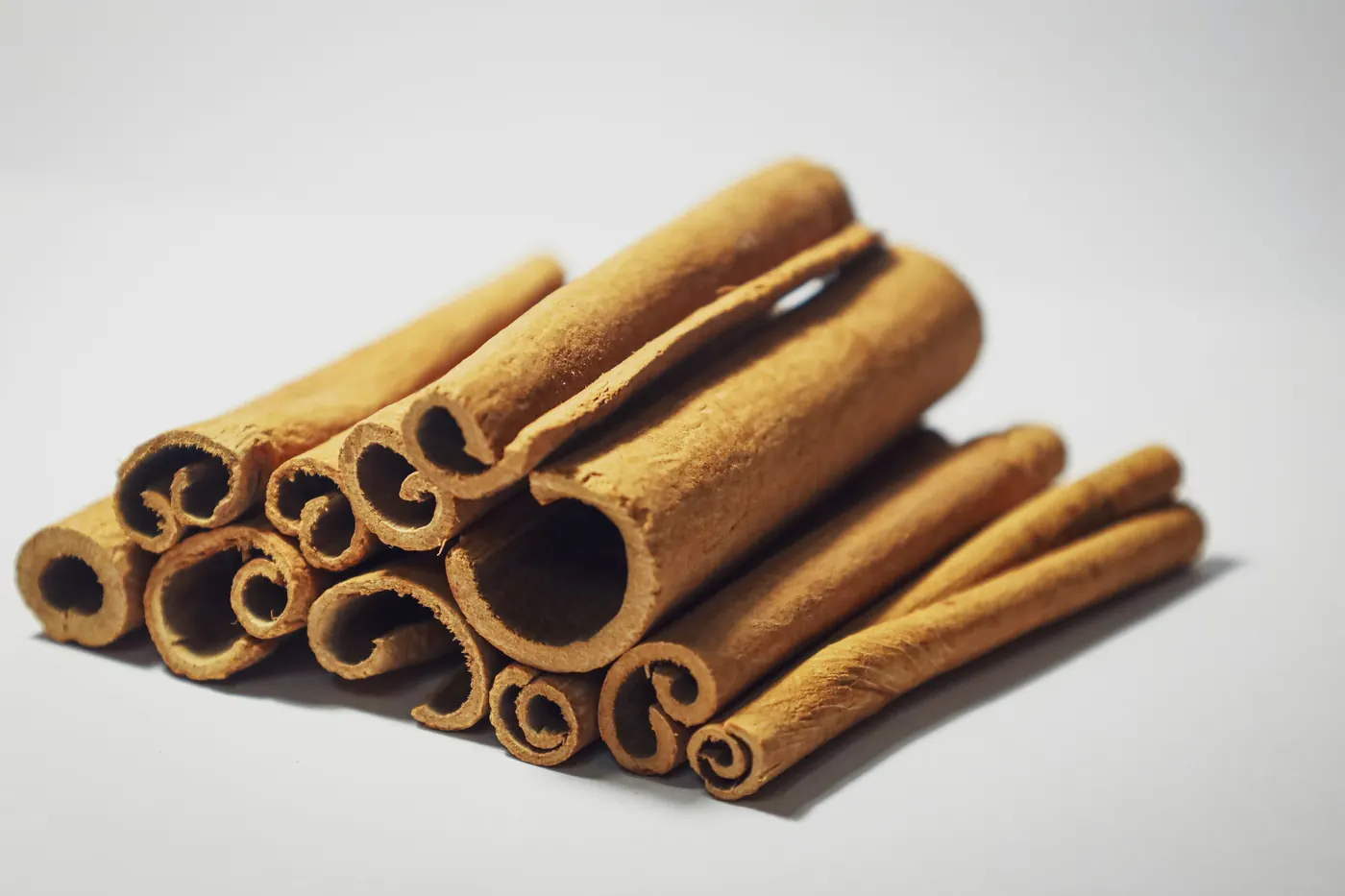
Canela is the cinnamon of Mexican kitchens: soft, flaky quills that break in your fingers, used in café de olla, arroz con leche, champurrado, Mexican hot chocolate and some moles and adobos. Markets in Mexico usually sell the thin-barked Ceylon type, while the hard, rolled sticks common in American supermarkets are usually cassia. Cassia will do, but canela is gentler and simmers into a drink without turning it harsh.
This one-pound bag from 1400s Spices is Ceylon cinnamon from Sri Lanka, sold as “canela entera”. The listing describes five-inch sticks of layered bark, light brown or tan, with a floral, soft and citrusy aroma. A pound is a lot of cinnamon, but in a Mexican kitchen it goes: one stick flavors a pot of coffee or a batch of rice pudding.
Why we like it
- True Ceylon cinnamon, the type sold as canela
- Sri Lankan origin stated
- A pound of whole sticks, which keep longer than ground
Key specifications
| Size | 1 lb bag |
|---|---|
| Form | Whole sticks, about 5 inches |
| Ingredients | Ceylon cinnamon |
| Heat | None |
| Flavor (as described) | Floral, soft, citrusy |
| Certifications | Not stated |
| Origin | Sri Lanka |
| Best for | Café de olla, arroz con leche, chocolate |
Why we recommend it
It suits anyone who makes Mexican drinks and desserts, or who has found supermarket cinnamon sticks too hard and too sharp. Whole sticks also grind easily for baking.
Skip it if you only want a little cinnamon for the occasional dessert; a pound is a large bag, and a small jar of ground Ceylon cinnamon will do.
Pros and cons
Pros
- The right cinnamon for Mexican recipes
- Origin stated
- Whole sticks keep well
Cons
- Large bag for occasional use
- Smaller brand, few details
- No certifications stated
9. El Yucateco Achiote Paste, 3.5 oz – Yucatecan Red for Pibil

Achiote is ground annatto seed, and in the Yucatán it is sold as a paste, recado rojo, mixed with garlic, spices and an acid. It gives food a deep red-orange color and an earthy, faintly peppery flavor with almost no heat, and it is the base of cochinita pibil and pollo pibil and the color in al pastor.
El Yucateco’s block is our top pick in the best achiote paste roundup. Its ingredient list, as recorded on Open Food Facts, reads water, annatto seed, corn flour, salt, garlic, spices, acetic acid and sodium benzoate as a preservative; there are no synthetic colors on it. The listing gives the country of origin as Mexico. It is a firm block: break off what you need and work it into sour orange juice, or orange and lime juice, until it loosens into a marinade.
Why we like it
- Made in Mexico, per the listing
- No synthetic colors on the ingredient list
- Right size for one pork shoulder or two chickens
Key specifications
| Size | 3.5 oz block |
|---|---|
| Form | Firm paste |
| Ingredients | Water, annatto seed, corn flour, salt, garlic, spices, acetic acid, sodium benzoate |
| Heat | None to very mild |
| Flavor (as described) | Earthy, faintly peppery |
| Certifications | Not stated |
| Origin | Mexico (listing) |
| Best for | Cochinita pibil, al pastor, grilled fish |
Why we recommend it
Choose it if you want to cook Yucatecan dishes or a red marinade for pork, chicken or fish; no dry spice on this list does what a block of recado does.
Skip it if you avoid preservatives or corn; the block contains sodium benzoate and corn flour, according to its ingredient list.
Pros and cons
Pros
- A whole regional flavor in one block
- Colored by annatto
- Small block, little waste
Cons
- Contains a preservative
- Needs citrus juice to loosen it
10. Penzeys Epazote, 0.7 oz – The Herb for Black Beans

Epazote is the herb that central Mexican cooks put in a pot of black beans, in quesadillas and in some soups. Our guide to Mexican herbs describes it as medicinal and pungent, with notes of mint, anise, camphor and eucalyptus: small amounts add savory depth, and in large amounts it takes over the dish. Fresh is best, but fresh epazote is hard to find outside Mexican markets, and dried is the practical option for most kitchens.
Penzeys, the American spice merchant, sells dried epazote in a half-cup jar of 0.7 ounces, and its listing describes it as adding a mild flavor to Mexican dishes. That is a modest amount, which suits an herb you use by the teaspoon. Add it to the beans for the last half hour of cooking.
Why we like it
- From an established spice merchant
- A small jar for an herb used sparingly
- Dried epazote is otherwise hard to find
Key specifications
| Size | 0.7 oz (1/2 cup) jar |
|---|---|
| Form | Dried leaf |
| Ingredients | Epazote |
| Heat | None |
| Flavor (as described) | Mild |
| Certifications | Not stated |
| Origin | Not stated |
| Best for | Black beans, quesadillas, soups |
Why we recommend it
It suits a cook who makes frijoles de olla or black beans regularly and wants the flavor central Mexican cooks add. Once you know what it does, a pot of beans tastes flat without it.
Skip it if you can buy fresh epazote at a Mexican market near you; the fresh herb has more flavor, and the Amazon listing gives very little detail.
Pros and cons
Pros
- Known spice merchant
- Small, practical jar
- Shelf-stable alternative to fresh
Cons
- Very brief listing
- Dried is milder than fresh
- Origin not stated
How to choose Mexican spices
A Mexican spice shelf rewards a few good decisions more than a lot of jars. These are the ones that matter.
1. The right plant
Two spices are routinely swapped for something else. Mexican oregano is a different plant from Mediterranean oregano, and if you cannot find it, our herbs guide suggests marjoram as a closer match than ordinary oregano. Canela is Ceylon cinnamon, not the hard cassia sticks in most supermarkets. Check the label says “Mexican oregano” and “Ceylon”.
2. Single chiles, not blends
“Chili powder” on an American label usually means a blend with cumin, garlic, oregano and salt. Mexican recipes that call for ground chile mean one chile, named: ancho, guajillo, chipotle, árbol. Read the ingredient list; the best jars list one thing.
3. Whole where you can
Whole cumin, canela sticks and whole leaf oregano keep their aroma longer than powders. McCormick’s guidance is roughly two to four years for ground spices, about four for whole spices and one to three years for leafy herbs, stored away from heat, moisture and direct sunlight. Toast and grind cumin as you need it.
4. Size against how often you cook
A pound of oregano is a bargain for a family that makes beans every week and a waste for one that makes pozole twice a year. Buy jars for spices you use occasionally, bags for the ones you reach for daily, and decant bags into small airtight jars.
5. Heat you can control
Mild chiles (ancho, guajillo) carry flavor and color; hot ones (árbol) carry heat. Keep one of each kind, and you can build a dish’s flavor and set its heat separately.
6. Where it is kept
Not in a rack above the stove. Heat, steam and light are what fade spices, so keep them in a cool, dark cupboard, sealed, and smell a jar before you use it: if it smells of little, it will taste of little.
A starter shelf for Mexican cooking
If you are starting from nothing, buy in this order. First, Mexican oregano and whole cumin: between them they cover pozole, beans, chili and most salsas. Second, ground ancho for red sauces and rubs, then a hot chile such as árbol. Third, canela for café de olla and desserts. Add achiote paste when you want to cook pibil or al pastor, and epazote when black beans become a habit. With those eight on the shelf, plus salt, garlic, onion and a few whole dried chiles, you can cook most of what is on a Mexican home table.
A good taco seasoning is a convenience on top of that, not a replacement; our roundup of the best taco seasoning explains how to mix your own from the jars above.
How we picked these ten spices
We started from what a working Mexican kitchen reaches for, then looked for each on Amazon in the United States, in stock when we checked, from identifiable brands. We read each maker’s product page where one exists (McCormick and Frontier Co-op publish theirs) and the Amazon listing for the rest, and took ingredients, certifications and origins only from those sources; where neither says, the table says “Not stated”. Heat levels come from our own chiles guide or, for árbol, from the seller’s stated Scoville range. We chose ten to cover the shelf rather than ten versions of one spice, left out blends and “chili powder” mixes, skipped listings that contradicted themselves, and stayed consistent with the jars we recommend in our pantry staples and achiote guides. We have not cooked with every jar listed here; flavor descriptions are the makers’ own, as the tables say.
Mexican spice questions, answered
What are the most common Mexican spices?
Mexican oregano, cumin, dried chiles (whole or ground), canela, allspice, cloves, bay leaf and black pepper, with achiote in the Yucatán and epazote in central Mexico. Mexican cooking leans more on chiles and herbs than on a long list of dried spices.
Is Mexican oregano the same as regular oregano?
No. The common Mexican oregano, Lippia graveolens, is in the verbena family, while Mediterranean oregano is in the mint family. Mexican oregano tastes more of citrus and anise. Use it where a Mexican recipe says oregano.
What is the difference between chili powder and ground chile?
American chili powder is usually a blend of ground chile with cumin, oregano, garlic and often salt. Ground chile, such as ground ancho or guajillo, is one chile and nothing else. Mexican recipes usually mean the second.
What cinnamon is used in Mexican cooking?
Canela, the soft, flaky Ceylon type. Markets in Mexico usually sell Ceylon cinnamon, while the hard rolled sticks in American supermarkets are usually cassia. Cassia works, but canela is gentler and breaks up easily.
How long do Mexican spices last?
They do not spoil, but they fade. McCormick’s guidance is roughly two to four years for ground spices, about four for whole and one to three for leafy herbs such as oregano, stored away from heat, moisture and light. Smell before you use.
Can I substitute epazote?
Not exactly. Our herbs guide notes that fennel, cilantro or flat-leaf parsley are sometimes suggested, but each changes the dish. If you have none, leave it out rather than doubling another herb.
Our final pick for a Mexican spice shelf
Start with Mexican oregano, such as the small Penzeys bag: it is the single spice that most changes how Mexican food tastes at home. Add Badia’s whole cumin to toast and grind, McCormick Gourmet’s ground ancho for red sauces and 1400s Spices’ Ceylon canela for drinks and desserts. If you cook often, swap the small bag for Frontier’s pound bag, and add árbol for heat, chipotle for smoke, achiote for pibil and epazote for beans as your cooking grows.
Spices are one shelf of a Mexican pantry. Our guide to Mexican pantry staples covers the chiles, masa and cans that go with them, Mexican chiles explained describes each chile’s flavor and heat, and Mexican herbs explained covers oregano, epazote and cilantro in more depth.
Related guide: Best dried hibiscus flowers.
Related guide: Mexican cinnamon vs cassia.
Related guide: Chili powder vs chile powder.
Related guide: Cumin substitute.
And if you would rather taste these flavors before you cook with them, see the menu or call to order.