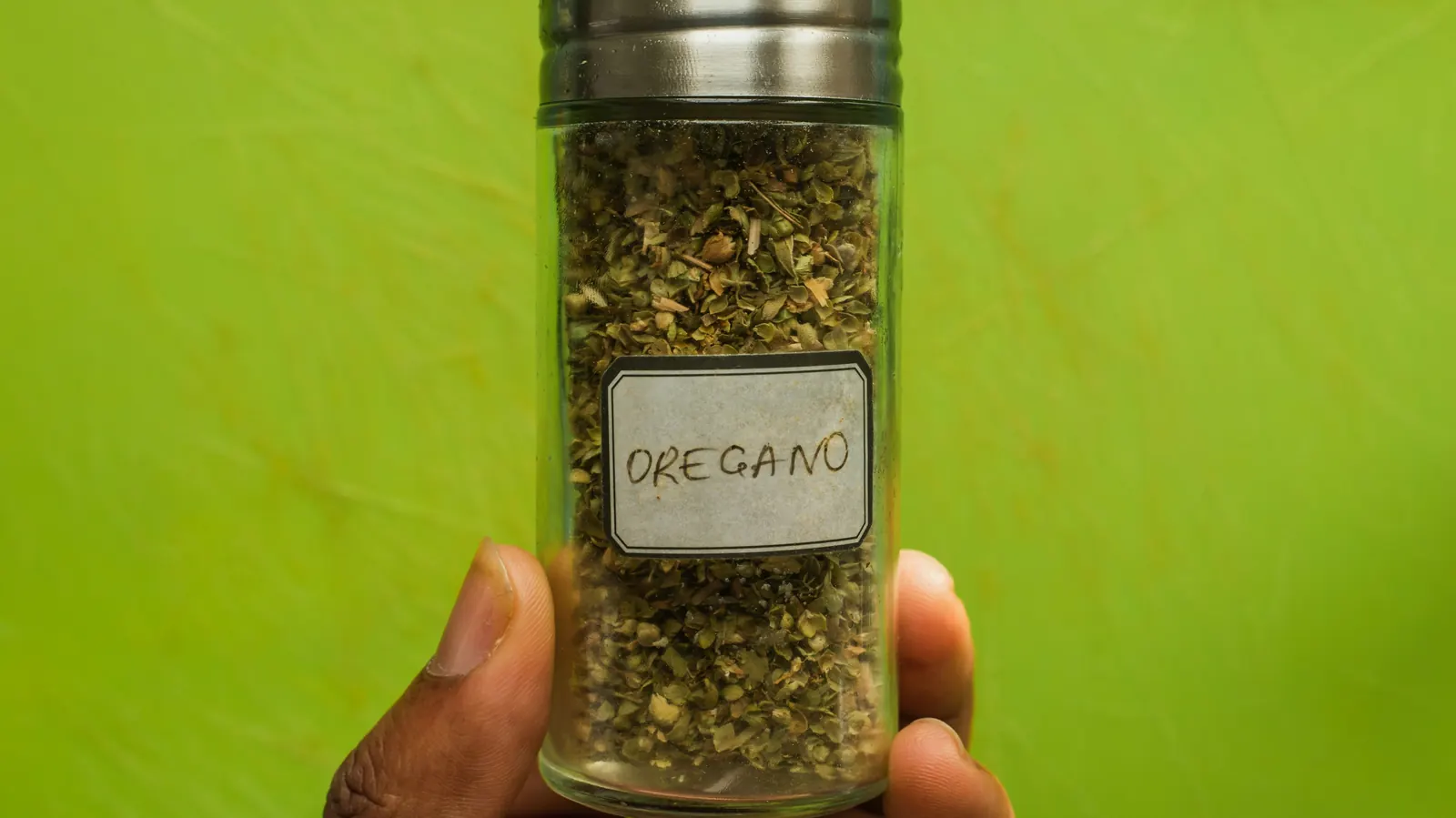
Mexican oregano is the herb that most often goes wrong in a home kitchen, and nobody notices because the jar says “oregano”. The Mediterranean oregano on most spice racks is a different plant, and in a pot of pozole or beans it tastes more of pizza than of Mexico. The right one smells of citrus and a little anise, and it is crumbled in by the pinch.
This guide picks the Mexican oregano worth buying on Amazon: jars for occasional cooks, bags for people who make beans every week, whole leaf for crumbling, and ground for rubs and blends. It also explains what the label should tell you and how to keep the herb from fading.
Julia’s earns a commission on purchases made through links on this page, at no cost to you. Recommendations are based on what a working Mexican kitchen looks for in its herbs, the makers’ own product pages and Amazon listings, and published sources, which we name.
Quick verdict: which Mexican oregano to buy
For most kitchens, Frontier Co-op’s Mexican Oregano Leaf is the one to buy: it is one of the few that names the plant, Lippia graveolens, and its origin, Mexico, and it has one ingredient. A pound is a lot, so decant some and keep the rest sealed; if you cook Mexican food only now and then, a small jar such as Penzeys Mexican Oregano is easier to finish while it is fresh. For whole leaves to crumble by hand, choose Amazing Chiles & Spices; for a fine powder to mix into rubs, Raw Essentials ground Mexican oregano.
The rest of this page explains the differences and who each one suits.
Five Mexican oreganos at a glance
Our five standout picks side by side, one for each kind of cook, with the form and details each maker or listing states. All seven are reviewed in full below.
| Oregano | Best for | Form & size | Plant or origin (as stated) | Buy on Amazon |
|---|---|---|---|---|

Frontier Co-op Mexican Oregano Leaf, 1 lbBest overall
|
Weekly beans, homemade blends | Cut and sifted, 1 lb bag | Lippia graveolens, Mexico | View on Amazon |

Penzeys Mexican Oregano, 0.4 ozBest small jar
|
Chili, beans, pozole now and then | Dried, 0.4 oz (1/2 cup) jar | Not stated | View on Amazon |

Amazing Chiles & Spices Whole Leaf Mexican Oregano, 4 ozBest whole leaf
|
Crumbling over pozole and menudo | Whole leaf, 4 oz bag | Not stated | View on Amazon |

McCormick Culinary Mexican Style Oregano Leaves, 5 ozBest kitchen-size jar
|
Frequent cooks who want a jar | Dried leaf, 5 oz container | Not stated | View on Amazon |
| Rubs, adobos, seasoning blends | Ground, 6.5 oz bottle | Not stated | View on Amazon |
Product images from Amazon. Plant names, origins and certifications are as stated by each maker or its Amazon listing; packaging changes, so check the label you receive.
Our picks for the best Mexican oregano
These seven cover the ways a kitchen buys this herb: a small jar, mid-size containers, bags of leaf in different cuts, and one ground. For each we give the form, what the maker or listing says about the plant and where it comes from, and one honest reason to pass on it. Frontier’s bag is the same one we recommend in our guide to the best Mexican spices, which also picks Penzeys’ Mexican oregano in a larger bag.
1. Frontier Co-op Mexican Oregano Leaf, 1 lb – Named Plant, Bulk Bag
If a pot of beans goes on every week in your house, buy Mexican oregano by the pound. Frontier Co-op, a member-owned cooperative founded in 1976, sells its Mexican oregano cut and sifted in a one-pound bag, and its own product page is unusually specific: the botanical name is Lippia graveolens, the origin is Mexico and the single ingredient is oregano leaf. Frontier describes the flavor as earthy, peppery and grassy with citrus notes.
The listing adds that the leaf is non-irradiated and kosher certified, with no artificial additives. Cut and sifted means the leaves are broken into small flakes rather than left whole, which makes it easy to measure by the teaspoon into pozole, a red chile sauce or a jar of homemade taco seasoning.
A pound is a lot of a leafy herb, and flakes lose aroma a little faster than whole leaves. Decant a few weeks’ worth into a small jar for the counter and keep the rest sealed in a cool, dark cupboard.
Why we like it
- Names the plant and the origin, according to Frontier
- A full pound for regular cooking
- Non-irradiated and kosher, per the listing
- From a long-established spice cooperative
Key specifications
| Size | 1 lb bag |
|---|---|
| Form | Cut and sifted leaf |
| Ingredients | Oregano leaf |
| Plant named | Lippia graveolens (Frontier) |
| Flavor (as described) | Earthy, peppery, grassy, citrus notes |
| Certifications | Kosher; non-irradiated |
| Origin | Mexico (Frontier) |
| Best for | Beans, pozole, homemade seasoning blends |
Why we recommend it
It suits cooks who make Mexican food often, people who mix their own taco or adobo seasoning, and anyone feeding a crowd. It is also the clearest answer to “is this really Mexican oregano?”, because Frontier publishes the species.
Skip it if you cook Mexican dishes only now and then; a pound will fade before you finish it.
Pros and cons
Pros
- Species and origin published
- Large bag for frequent cooks
- Flakes measure easily
Cons
- Not organic
- Bag needs decanting
- Too much for an occasional cook
2. Amazing Chiles & Spices Whole Leaf Mexican Oregano, 4 oz – Whole Leaves to Crumble
In a Mexican kitchen, oregano is usually crumbled by hand straight over the pot or the bowl, and whole leaves are the best form for that. Amazing Chiles & Spices sells whole dried Mexican oregano leaves in a 4-ounce resealable bag, and the listing describes a bold, earthy and slightly citrusy flavor, stronger than Mediterranean oregano.
The listing suggests it for pozole, menudo, enchiladas, salsa, beans, marinades and slow-cooked meats, and calls it all natural. Whole leaves keep their aroma longer than flakes or powder because less of the leaf is exposed to air, and you can see what you are getting: green leaf rather than dust.
Four ounces is a useful middle size: much more than a supermarket jar, much less than a pound. The same seller offers 5-ounce and one-pound bags if you get through it quickly.
Why we like it
- Whole leaves, the form cooks crumble by hand
- Resealable bag, per the listing
- A practical middle size, with larger bags available
Key specifications
| Size | 4 oz resealable bag |
|---|---|
| Form | Whole leaf |
| Ingredients | Mexican oregano leaves (per listing title) |
| Plant named | Not stated |
| Flavor (as described) | Bold, earthy, slightly citrusy |
| Certifications | Not stated (“all natural”) |
| Origin | Not stated |
| Best for | Pozole, menudo, beans, birria |
Why we recommend it
Choose it if you like to crumble oregano over a finished bowl of pozole, menudo or birria, the way it is served at many Mexican tables, and want more than a small jar holds.
Skip it if you want a named plant, origin or certification on the label; this listing gives none of them.
Pros and cons
Pros
- Whole leaf keeps aroma longer
- Resealable packaging
- Several sizes from one seller
Cons
- Origin and species not stated
- No certifications listed
- Bag rather than jar
3. McCormick Culinary Mexican Style Oregano Leaves, 5 oz – A Chef-Size Container
McCormick Culinary is McCormick’s line for professional kitchens, and this 5-ounce container sits between a small supermarket jar and a pound bag. The listing describes dried Mexican oregano leaves with a robust, aromatic flavor and slightly earthy, bitter undertones, and suggests it for chili seasoning, grilled meats, tomato dishes, Southwestern dishes and fish.
It is kosher with no added MSG, according to the listing, which also says the leaves are sourced from a global supply chain. Note the wording on the label: “Mexican style” oregano. McCormick does not name the plant or the country of origin for this product, so if that matters to you, Frontier’s bag says more.
What it offers is a rigid container that is easier to keep fresh than a bag, in a size that suits a household cooking Mexican food every week.
Why we like it
- Far more than a small jar, in a rigid container
- Kosher, no added MSG, per the listing
- From a line made for restaurant kitchens
Key specifications
| Size | 5 oz container |
|---|---|
| Form | Dried leaf |
| Ingredients | Mexican oregano leaves |
| Plant named | Not stated (“Mexican style”) |
| Flavor (as described) | Robust, earthy, slightly bitter |
| Certifications | Kosher; no added MSG |
| Origin | Not stated (global supply chain) |
| Best for | Chili, tomato sauces, grilled meats |
Why we recommend it
It suits a cook who has outgrown the small jar but does not want to decant a bag, and who uses oregano in chili, red sauces and rubs often enough to finish 5 ounces in a year or two.
Skip it if you want to know exactly which plant and country you are buying; “Mexican style” is less specific than the other labels here.
Pros and cons
Pros
- Practical size for frequent cooks
- Rigid container stores well
- Widely trusted maker
Cons
- “Mexican style”, plant not named
- Origin not stated
- Not organic
4. Spiceology Mexican Oregano, 4 oz – Cut and Sorted for Chefs

Spiceology sells to chefs as well as home cooks, and its Mexican oregano comes cut and sorted in a 4-ounce pack. The listing describes it as more pungent and peppery than Mediterranean oregano, with earthy citrus notes, and recommends crushing it between your fingers to release its oils before it goes in.
Its suggested uses are the core of Mexican and Tex-Mex cooking: tacos, pozole, enchiladas, chili, slow-cooked beans, red sauces, salsas, dry rubs, marinades and barbacoa. A cut leaf sits between whole and ground: it measures neatly into a sauce or rub but still looks and behaves like a leaf.
The listing does not give the plant species, the origin or any certification, so treat it as a well-described chef’s pack rather than a documented one.
Why we like it
- Cut and sorted, easy to measure
- A chef-focused spice company
- Clear usage guidance on the listing
Key specifications
| Size | 4 oz |
|---|---|
| Form | Cut and sorted leaf |
| Ingredients | Mexican oregano |
| Plant named | Not stated |
| Flavor (as described) | Pungent, peppery, earthy citrus |
| Certifications | Not stated |
| Origin | Not stated |
| Best for | Red sauces, rubs, barbacoa, beans |
Why we recommend it
Choose it if you cook red chile sauces, barbacoa or beans regularly and want a cut leaf that measures well without being a powder.
Skip it if you want organic certification or a stated origin; the listing offers neither.
Pros and cons
Pros
- Useful cut for sauces and rubs
- Generous 4 oz size
- Chef-oriented brand
Cons
- Species and origin not stated
- No certifications listed
5. Raw Essentials Ground Mexican Oregano, 6.5 oz – A Fine Powder for Blends

Most Mexican recipes want oregano as a leaf, but ground oregano has its place: it disappears into a dry rub, an adobo paste or a homemade chili powder blend without leaving flakes, and it mixes evenly with ground chiles and cumin. Raw Essentials sells ground Mexican oregano in a 6.5-ounce bottle.
The listing describes a fresh, earthy taste with citrusy, slightly peppery notes, distinct from Mediterranean oregano, and says the bottle contains only pure oregano with no additives, fillers or artificial ingredients. It is labeled non-GMO, gluten-free, paleo and vegan. Suggested uses include tacos, enchiladas, chili, mole, salsas, pozole and carnitas.
Ground herbs fade faster than whole ones because so much more of the leaf is exposed to air. Keep the bottle tightly closed, away from the stove, and use less than you would of leaf: a powder packs more oregano into a spoon.
Why we like it
- Ground Mexican oregano is hard to find
- Single ingredient, no fillers, per the listing
- Mixes evenly into rubs and blends
Key specifications
| Size | 6.5 oz bottle |
|---|---|
| Form | Ground |
| Ingredients | Mexican oregano, no additives |
| Plant named | Not stated |
| Flavor (as described) | Earthy, citrusy, slightly peppery |
| Certifications | Non-GMO, gluten-free, vegan (as labeled) |
| Origin | Not stated |
| Best for | Dry rubs, adobo, chili powder blends |
Why we recommend it
It suits cooks who mix their own seasonings and rubs, and anyone who wants oregano flavor without visible leaf, for example in a smooth sauce.
Skip it if you mainly crumble oregano over soups and beans; ground loses aroma sooner and cannot be rubbed between the palms the same way.
Pros and cons
Pros
- Fine, even texture
- Pure oregano, per the listing
- Large bottle
Cons
- Ground fades faster than leaf
- Origin and species not stated
- Large for the way most cooks use ground
6. 1400s Spices Dried Mexican Oregano, 4 oz – Rustic Leaf From Mexico

This is oregano the way it is often sold in Mexican markets: dried leaf with bits of stem, not finely processed. The 1400s Spices listing says so plainly, explaining that the oregano is left rough to keep its original taste and that you will need to rub a pinch between your fingers and pick out the stems before it goes into the pot.
The listing says the oregano is from Mexico and less sweet than the European kind, and suggests it for ground meat, mole, salsa, pozole, tacos and enchiladas. A one-pound food-service bag of the same oregano is also sold.
The trade-off for that rustic leaf is a little more work and less tidy measuring. For a pot of beans or pozole, where you crumble it in by eye, that hardly matters.
Why we like it
- Origin stated as Mexico, per the listing
- Rough, minimally processed leaf
- Honest about the stems
Key specifications
| Size | 4 oz bag |
|---|---|
| Form | Rough dried leaf with some stem |
| Ingredients | Dried Mexican oregano |
| Plant named | Not stated |
| Flavor (as described) | Rich, less sweet than European |
| Certifications | Not stated |
| Origin | Mexico (per listing) |
| Best for | Pozole, beans, mole, salsa |
Why we recommend it
Choose it if you want market-style oregano from Mexico and do not mind rubbing it and picking out a few stems as you cook.
Skip it if you want clean leaf that measures by the spoon; Frontier’s cut and sifted bag is tidier.
Pros and cons
Pros
- Stated Mexican origin
- Minimally processed
- Larger bag available
Cons
- Stems to pick out
- Listing copy is promotional and thin on detail
- No certifications listed
7. Penzeys Mexican Oregano, 0.4 oz – A Small Jar for Chili
Penzeys is an American spice merchant, and its Mexican oregano comes in a small half-cup jar holding 0.4 ounce. The listing describes it in one line: strong, pungent and less sweet, great for chili.
That is not a lot of information, and the listing names no plant, origin or certification. What it offers is a small-jar option from a spice specialist, sized for a cook who makes chili, beans or pozole occasionally and wants to finish the jar while it is fresh. If you cook Texas-style chili more than pozole, the listing’s own suggestion fits.
The same caution applies as with any small jar: buy it to use, not to keep. A leafy herb is at its best in the first year after opening.
Why we like it
- Small jar you will finish while fresh
- From a spice specialist
- Described as strong and pungent, per the listing
Key specifications
| Size | 0.4 oz (1/2 cup jar) |
|---|---|
| Form | Dried leaf (not stated in listing) |
| Ingredients | Mexican oregano |
| Plant named | Not stated |
| Flavor (as described) | Strong, pungent, less sweet |
| Certifications | Not stated |
| Origin | Not stated |
| Best for | Chili |
Why we recommend it
It suits an occasional cook who would rather buy from a spice specialist than a supermarket brand, and who mainly wants oregano for chili and beans.
Skip it if you want detail on the label; the listing is among the thinnest here, and Frontier names its plant and origin, though only in a pound bag.
Pros and cons
Pros
- Right size for occasional use
- Spice-specialist brand
- Jar rather than bag
Cons
- Very little product detail
- Smallest quantity here
- Plant and origin not stated
Mexican oregano vs Mediterranean oregano
The two share a name and not much else. The common Mexican oregano, Lippia graveolens, belongs to the verbena family, according to the University of Arizona’s arboretum, which also notes that its scent is sharper than that of European oregano, Origanum vulgare, a member of the mint family. In the pot, Mexican oregano tastes of citrus and a little anise, where Mediterranean oregano is more resinous and piney.
That difference is why the swap shows. Mediterranean oregano in pozole or a pot of beans reads as Italian; Mexican oregano sits under the chiles and pork and makes the dish taste the way it should. As our guide to Mexican herbs explains, the herb is almost always used dried rather than fresh, and it goes into adobos, birria, pozole and bean pots. If you have none, marjoram is a closer match than ordinary oregano.
How to choose a Mexican oregano
The right jar depends on how often you cook and how you use it. These are the decisions that matter.
1. The label says Mexican
Read the front of the jar. “Oregano” on its own almost always means the Mediterranean plant. Look for “Mexican oregano” or “orégano mexicano”, and better still a named species or origin: Frontier names Lippia graveolens and Mexico, and 1400s Spices states Mexico. A “Mexican style” label is less specific.
2. Whole leaf, cut or ground
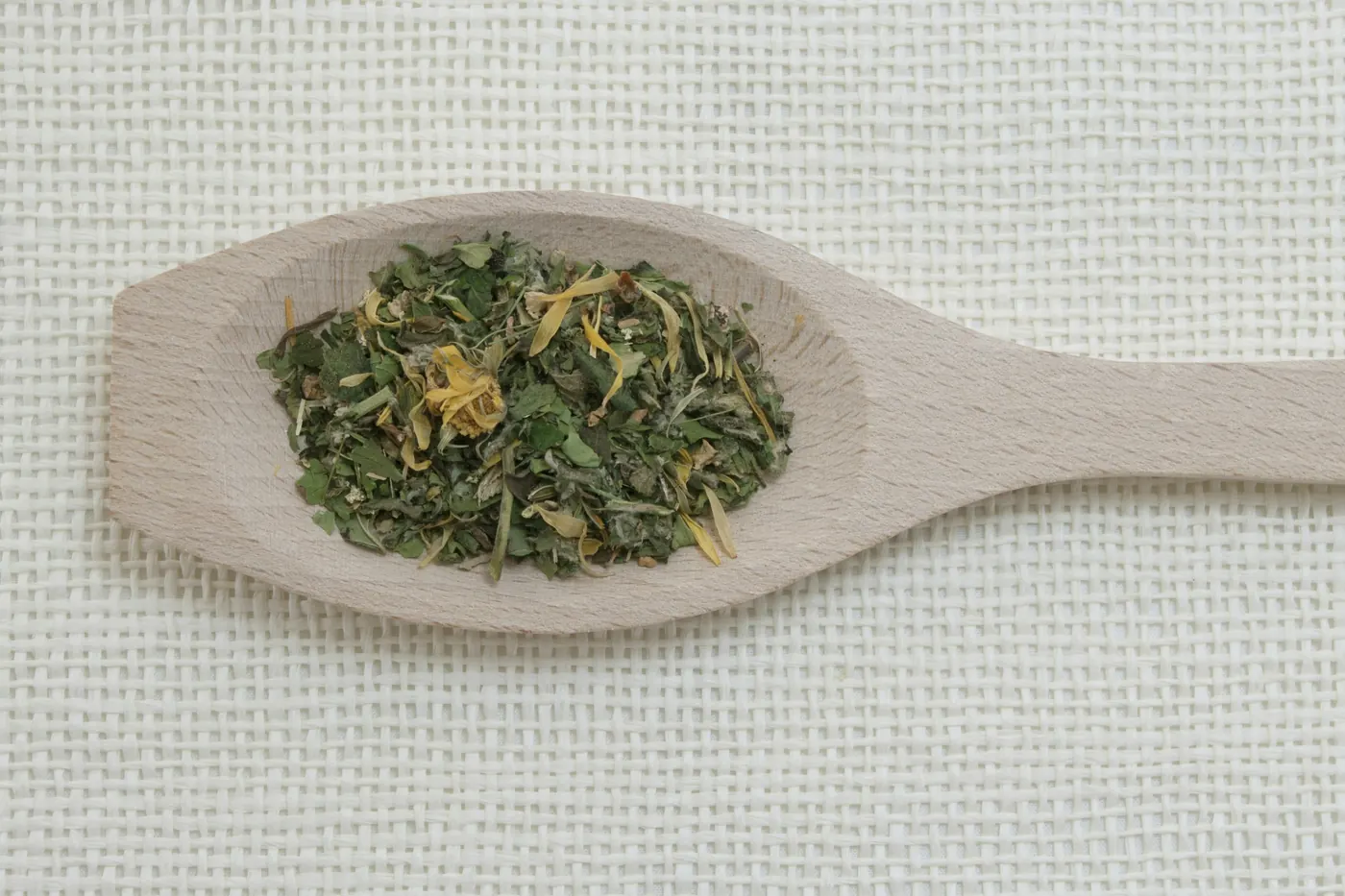
Whole leaf keeps its aroma longest and is the form you crumble by hand over pozole or into beans. Cut and sifted flakes measure neatly by the spoon. Ground oregano mixes evenly into dry rubs and spice blends but fades fastest. Most Mexican home cooking wants leaf; buy ground only if you mix your own seasonings.
3. Size against how often you cook
McCormick’s guidance gives leafy dried herbs roughly one to three years, stored away from heat, moisture and sunlight, and they are at their best early in that window. A half-ounce jar suits a cook who makes pozole a few times a year; a 4- or 5-ounce pack suits weekly cooking; a pound bag is for families who make beans constantly, or for people who mix their own seasoning.
4. How much detail the maker gives
The better labels tell you the plant, the origin and any certification. Several listings here give none of those, which does not make the oregano bad, but it does mean you are trusting the seller. Where it matters to you, choose Frontier.
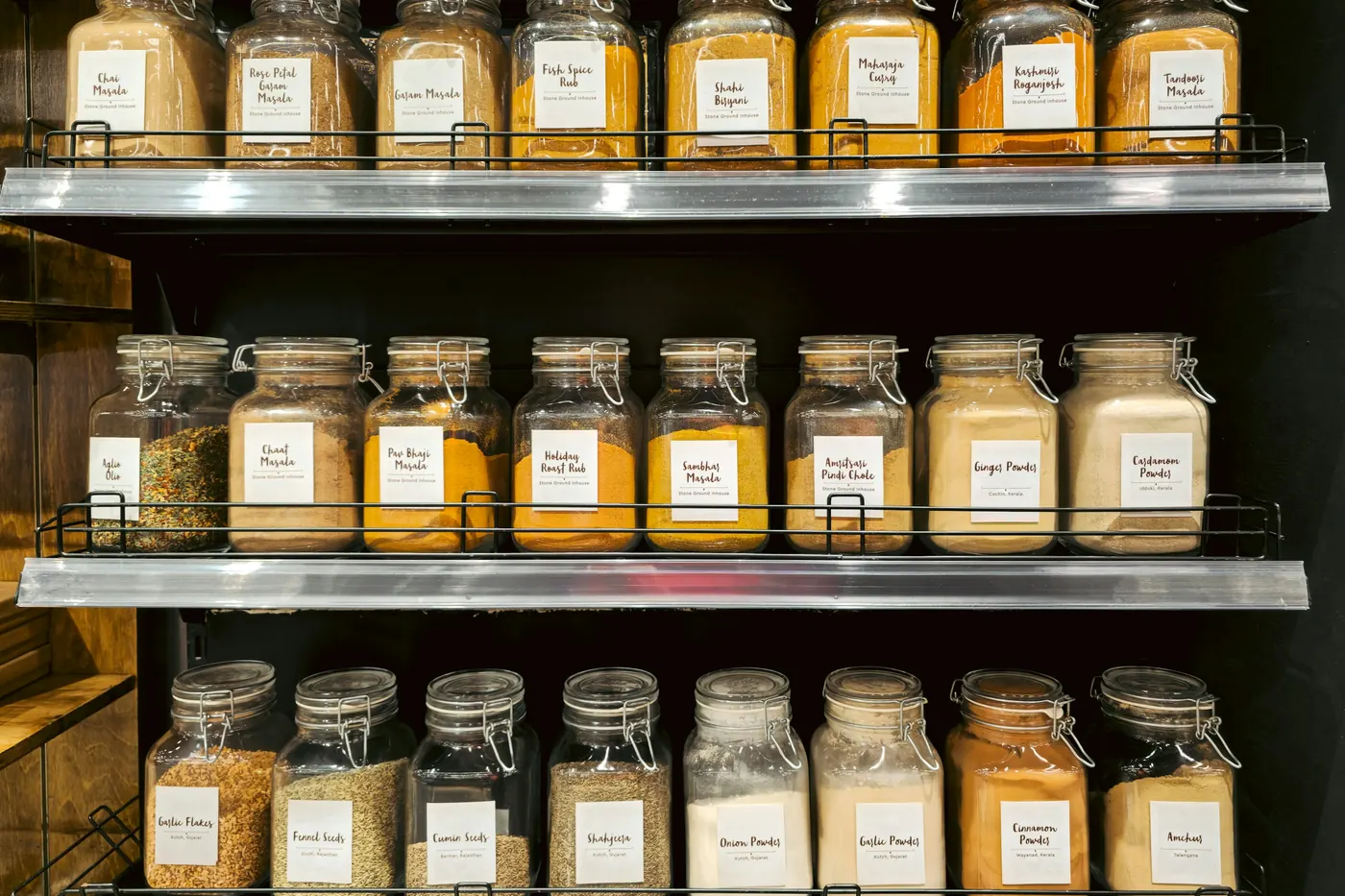
5. Storage you can keep up
Bags need decanting into a small airtight jar; rigid containers are easier to keep sealed. Either way, keep oregano in a cool, dark cupboard, not on a rack above the stove, where heat and steam fade it quickly. Crush a pinch and smell it before you cook: if it smells of little, it will taste of little.
How we chose these seven oreganos
We started from what a Mexican kitchen wants from this herb: the right plant, in the right form, in a size that will be used while it is still fragrant. We then searched Amazon in the United States for Mexican oregano that was in stock when we checked, from identifiable brands, and read each maker’s product page where one exists (McCormick and Frontier Co-op publish theirs) and the Amazon listing for the rest. Plant names, origins, certifications and flavor descriptions come only from those sources, and where they are silent the tables say “Not stated”.
We chose seven to cover different sizes and forms rather than seven versions of one jar, left out listings sold simply as “oregano” without saying Mexican, and stayed consistent with the oreganos we recommend in our spice and pantry guides. We have not cooked with every product listed here; flavor descriptions are the makers’ own, as the tables say.
Mexican oregano questions, answered
What is the best brand of Mexican oregano?
Frontier Co-op’s Mexican Oregano Leaf, which names the plant (Lippia graveolens) and its Mexican origin and has one ingredient. It comes in a one-pound bag; for an occasional cook, a small jar such as Penzeys’ is easier to finish while it is fresh.
Is Mexican oregano the same as regular oregano?
No. The common Mexican oregano is Lippia graveolens, in the verbena family; regular or Mediterranean oregano is Origanum vulgare, in the mint family. Mexican oregano tastes more of citrus and anise and less of pine.
Can I use regular oregano instead of Mexican oregano?
You can, but the dish will taste different. Our herbs guide suggests marjoram as a closer match. If you only have Mediterranean oregano, use a little less than the recipe says.
Should I buy whole or ground Mexican oregano?
Whole or cut leaf for most cooking: it keeps longer and is the form you crumble into pozole, beans and salsa. Ground is useful for dry rubs and homemade seasoning blends, where flakes would be noticeable.
How long does dried Mexican oregano last?
It does not spoil, but it fades. McCormick’s guidance is roughly one to three years for leafy dried herbs, stored sealed and away from heat, moisture and light. Smell it before you use it.
What dishes use Mexican oregano?
Pozole, menudo, birria, adobos, pots of beans, red chile sauces, salsas and chili. It is often crumbled over a finished bowl of pozole or menudo at the table.
Our final pick for Mexican oregano
Start with Frontier Co-op’s Mexican oregano: it names its plant and origin, has one ingredient, and changes how pozole and beans taste at home. If a pound is too much for how often you cook, choose the small Penzeys jar instead. Choose Amazing Chiles & Spices for whole leaves to crumble, and Raw Essentials if you want a fine powder for rubs.
Oregano is one jar on a Mexican shelf. Our guide to the best Mexican spices covers cumin, ground chiles, canela and the rest; Mexican pantry staples covers the chiles, masa and cans that go with them; and Mexican herbs explained goes further into oregano, epazote and cilantro.
Related guide: Mexican oregano substitute.
Related guide: Epazote substitute.
And if you would rather taste a pot of pozole before you make one, see the menu or call to order.