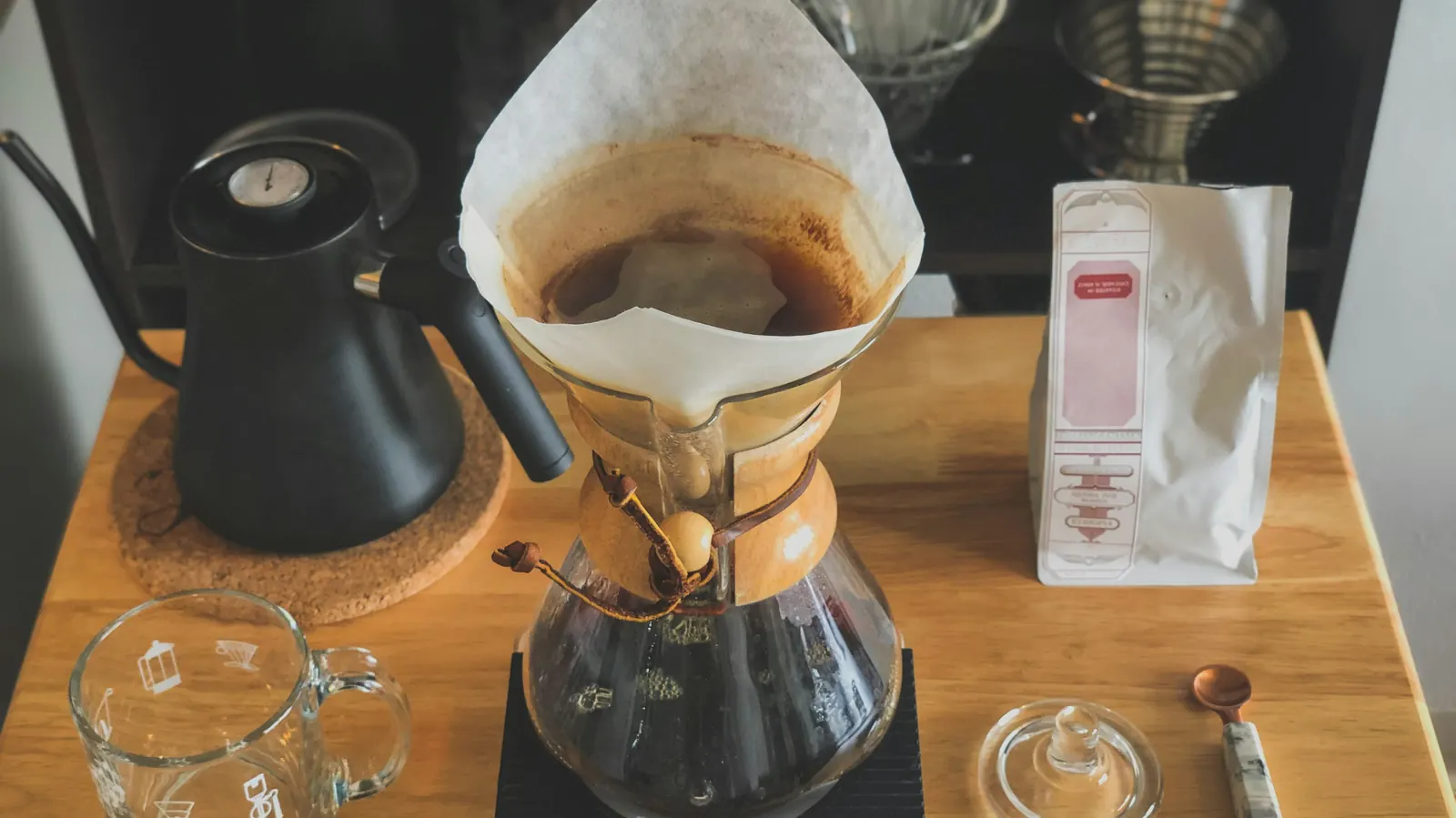
A French press and a pour-over make two very different cups from the same beans. In a press, coffee steeps in all of the water for about four minutes, then a metal mesh pushes the grounds down. In a pour-over, water passes through a bed of coffee in a paper filter and drips out the bottom in two to four minutes. The steep and the metal screen give a press its body. The paper gives a pour-over its clarity.
Neither is better in the abstract. They suit different tastes, different mornings and different amounts of patience. This guide compares the two on flavor, grind, filters, effort, batch size and cleanup, using brewing guidance from the National Coffee Association and America’s Test Kitchen, then names a pick for each side.
Julia’s earns a commission on purchases made through links on this page, at no cost to you. Recommendations are based on what a restaurant kitchen looks for, product specifications and verified buyer reports.
Quick verdict: press or pour-over?
Choose a French press if you like a heavy, rich cup, take milk, want the simplest routine with no technique, and are happy to accept some sediment at the bottom of the mug. Choose a pour-over if you drink your coffee black, like to taste the differences between beans, and don’t mind standing at the counter for three minutes with a kettle. For most people who simply want good coffee with the least fuss, the press is the easier start.
The table sums up the differences; the sections after it explain each one.
French press vs pour over, side by side
| French press | Pour-over | |
|---|---|---|
| How it brews | Full immersion, then press | Water flows through a coffee bed |
| Filter | Metal mesh | Paper (usually) |
| Cup | “Bold flavor and a full body” (NCA) | “Cleaner, lighter taste” with paper (NCA) |
| Grind | Coarse, like rock salt (NCA) | Medium, like kosher salt (NCA) |
| Contact time | About 4 minutes (NCA) | About 2 to 4 minutes (NCA) |
| Ratio (NCA) | 1:10 to 1:16 coffee to water | 1:13 to 1:16 |
| Technique | Very little | Some; “requires finesse” (ATK) |
| Cleanup | Wet grounds to scoop; screen to wash | Lift out the paper and rinse |
Body against clarity: what the filter does
The filter is the main reason the two taste so different. The National Coffee Association says paper filters absorb more of the coffee’s oils, which can contribute to a cleaner, lighter taste, while metal filters let more oil and sediment through, giving a more intense taste and texture. A French press uses a metal mesh, so its cup carries those oils and the finest particles, which is what people mean by body. The NCA describes French press coffee as having bold flavor and a full body.
A paper-filtered pour-over strips most of that out. You lose some richness and gain clarity: a cup that is lighter on the tongue, where fruit and acidity in a lighter roast are easier to pick out. America’s Test Kitchen notes that cone drippers like the Hario V60 favor light roasts and bring out bright notes.
So match the brewer to the beans and to how you drink it. In general kitchen terms, a dark roast with milk and sugar, or a mug of coffee beside chilaquiles and beans, sits well with a press. A light-roasted single-origin, drunk black, shows off better through paper.
Grind, ratio and time
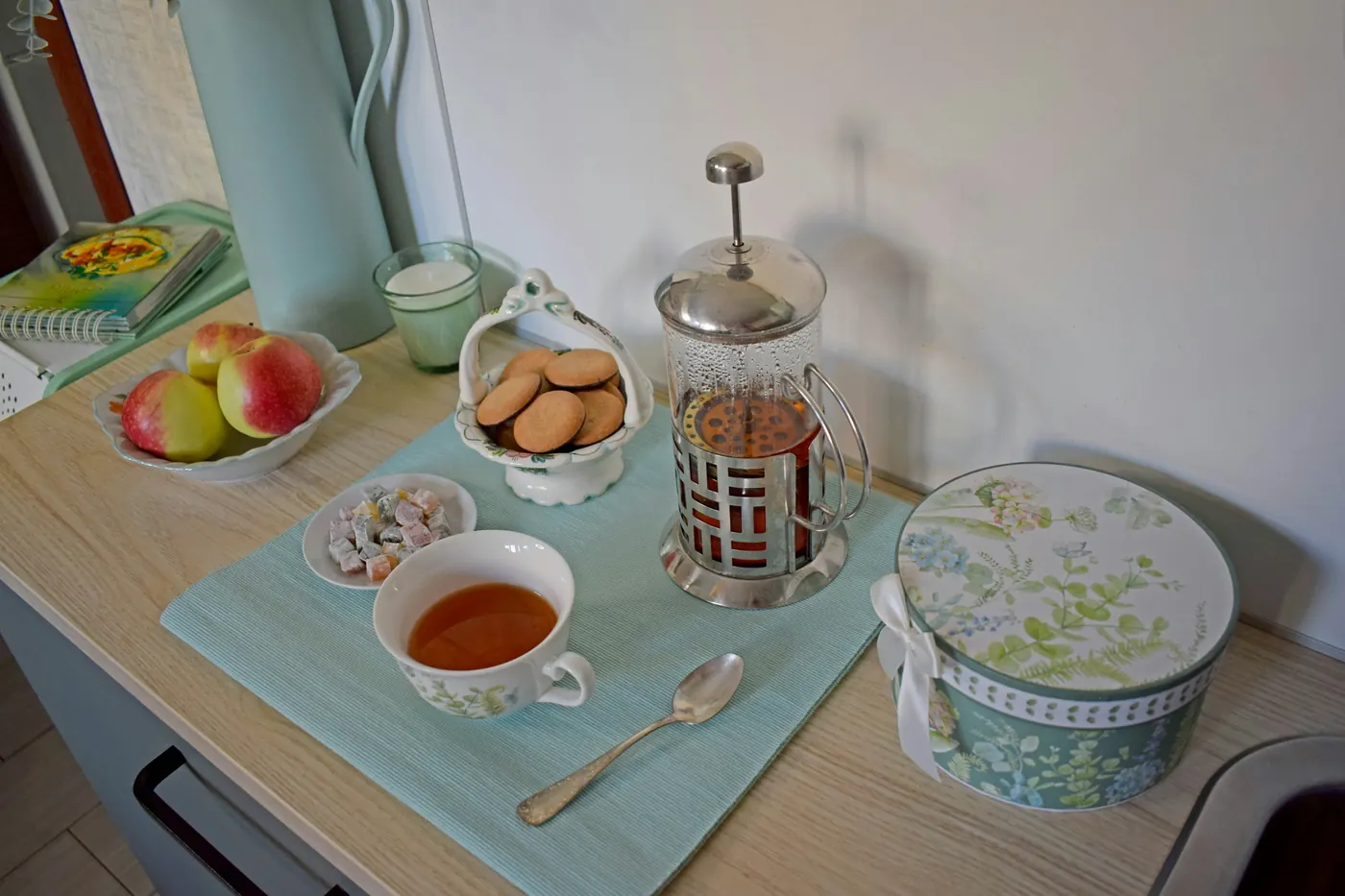
The two methods want different grinds because the coffee stays in contact with the water for different reasons. The NCA recommends a coarse grind, like rock salt, for a French press and about four minutes of contact. For pour-over it recommends a medium grind, like kosher salt, with about two to four minutes of contact, and suggests starting there and adjusting.
Its ratios overlap too: 1 gram of coffee to 10 to 16 grams of water for a press, and 1 to 13 to 16 for pour-over. Both pages give the same water temperature, 93°C plus or minus 3°C, which is about 194 to 205°F, or water just off the boil.
Grind matters more for a press than people expect. A coarse grind is what keeps the grounds behind the screen, and in general kitchen terms, a blade grinder’s dust is what ends up as sludge in the last sip. A burr grinder that makes an even coarse grind is the single best upgrade for a press; our best coffee grinder for French press guide covers them, and our best conical burr grinder for pour-over guide covers the medium grind side.
Effort and technique
The press is close to foolproof. Add coffee, pour in all the water, stir, set a timer, press and pour. The NCA’s method breaks the crust at the top after the first minute and then steeps for about three minutes more. The NCA also notes that the longer the brew, the bolder the cup, so you can adjust strength with the timer as well as the ratio.
Pour-over takes more attention. America’s Test Kitchen says it requires finesse to achieve optimal extraction, and that if the slurry is unevenly hydrated, the coffee won’t be extracted properly. You pour in stages, keep the water moving over the whole bed, and get better with practice. The NCA’s equipment list for pour-over includes a kettle, a scale and a thermometer unless your kettle has one, and a grinder. A gooseneck kettle helps most; our gooseneck kettle vs regular kettle guide explains why.
How much coffee, and keeping it hot
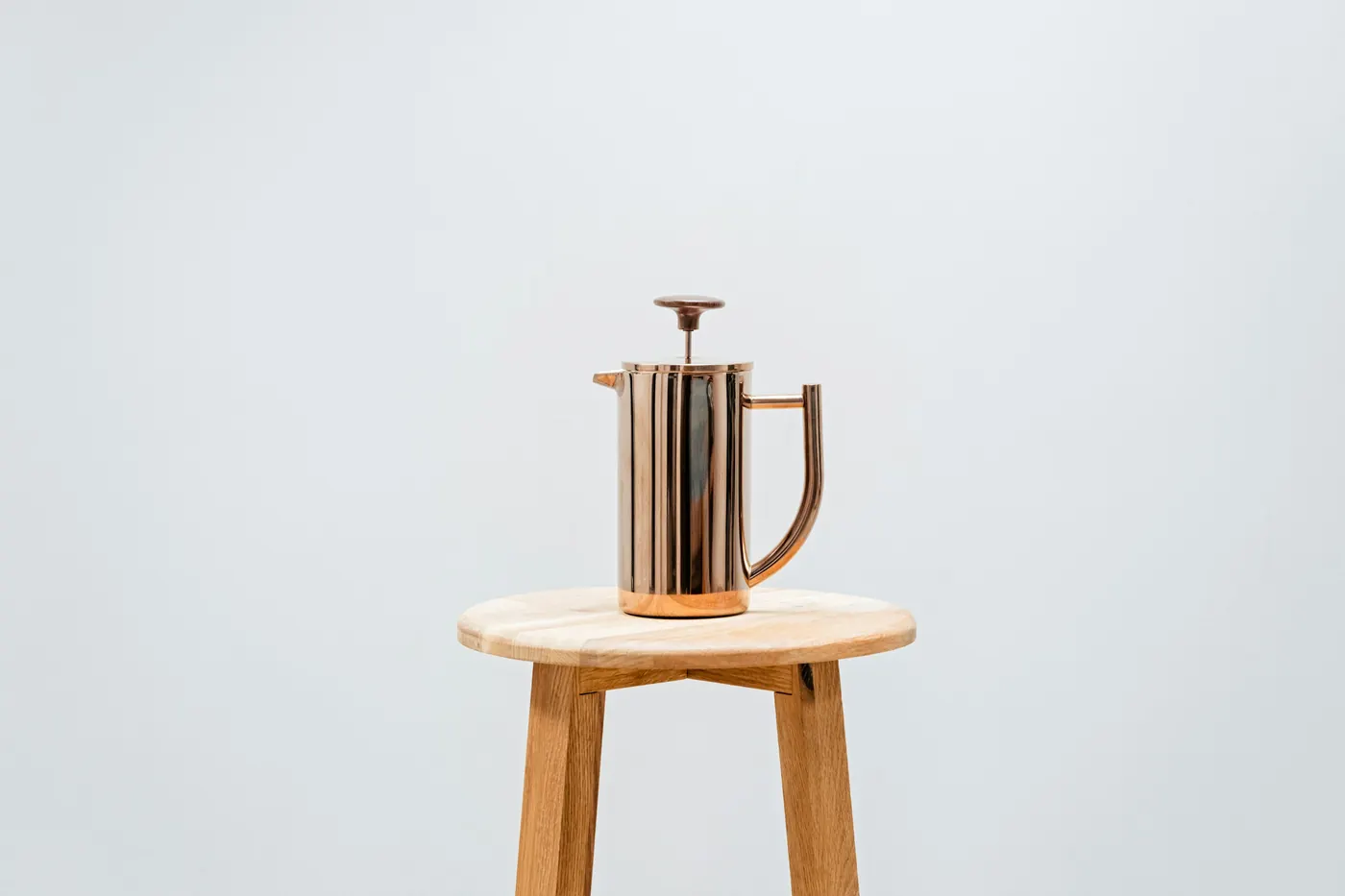
Both methods come in sizes from one mug to a pot for four or more. The ESPRO press below holds 18 ounces, and Chemex’s 6-cup brewer makes up to 30 ounces, by Chemex’s 5-ounce cup. Either is plenty for two people.
Keeping coffee hot is where the two differ. A press keeps the grounds in the coffee until you pour, so if you leave a full press sitting, it keeps extracting and turns bitter; in general kitchen terms, pour it all off into mugs or a carafe as soon as you press. An insulated stainless press holds heat well, and ESPRO says its double-walled body keeps coffee hotter for longer. A pour-over carafe like the Chemex holds finished coffee with no grounds in it, and Chemex says you can cover it, refrigerate it and reheat it later.
Cleanup and breakage
The pour-over is quicker to clean: lift out the paper with the grounds in it, rinse the brewer, and wash it with hot, soapy water as the NCA recommends after each use. The press leaves a wet layer of grounds to scoop out, and the NCA says to take the filter apart and wash it, because grounds and coffee oil left on the device can make the next cup taste bitter. Don’t pour the grounds down the sink.
Glass is the other consideration. On October 29, 2026, the U.S. Consumer Product Safety Commission announced recall 27-055 of about 5.9 million Bodum French presses with 8-cup and 12-cup replaceable glass carafes, covering the Bistro, Brazil, Caffettiera, Chambord, Crema, Java, Jesper and Kenya models. CPSC says the carafe can break during use if it is damaged or cracked, and the remedy is to stop stirring with metal spoons and contact Bodum for a plastic spoon and warning label. If you own one, check the CPSC notice. It is one reason our French press pick below is stainless steel.
Choose a French press if… / Choose pour-over if…
Choose a French press if…
- You like a heavy, rich cup, especially with milk.
- You want a simple routine with almost no technique.
- You don’t own a gooseneck kettle or a scale and don’t want to.
- You don’t mind a little sediment at the bottom of the mug.
Choose pour-over if…
- You drink coffee black and like a clean, bright cup.
- You buy lighter roasts and want to taste the differences.
- You enjoy adjusting your pour and grind.
- You want the fastest cleanup.
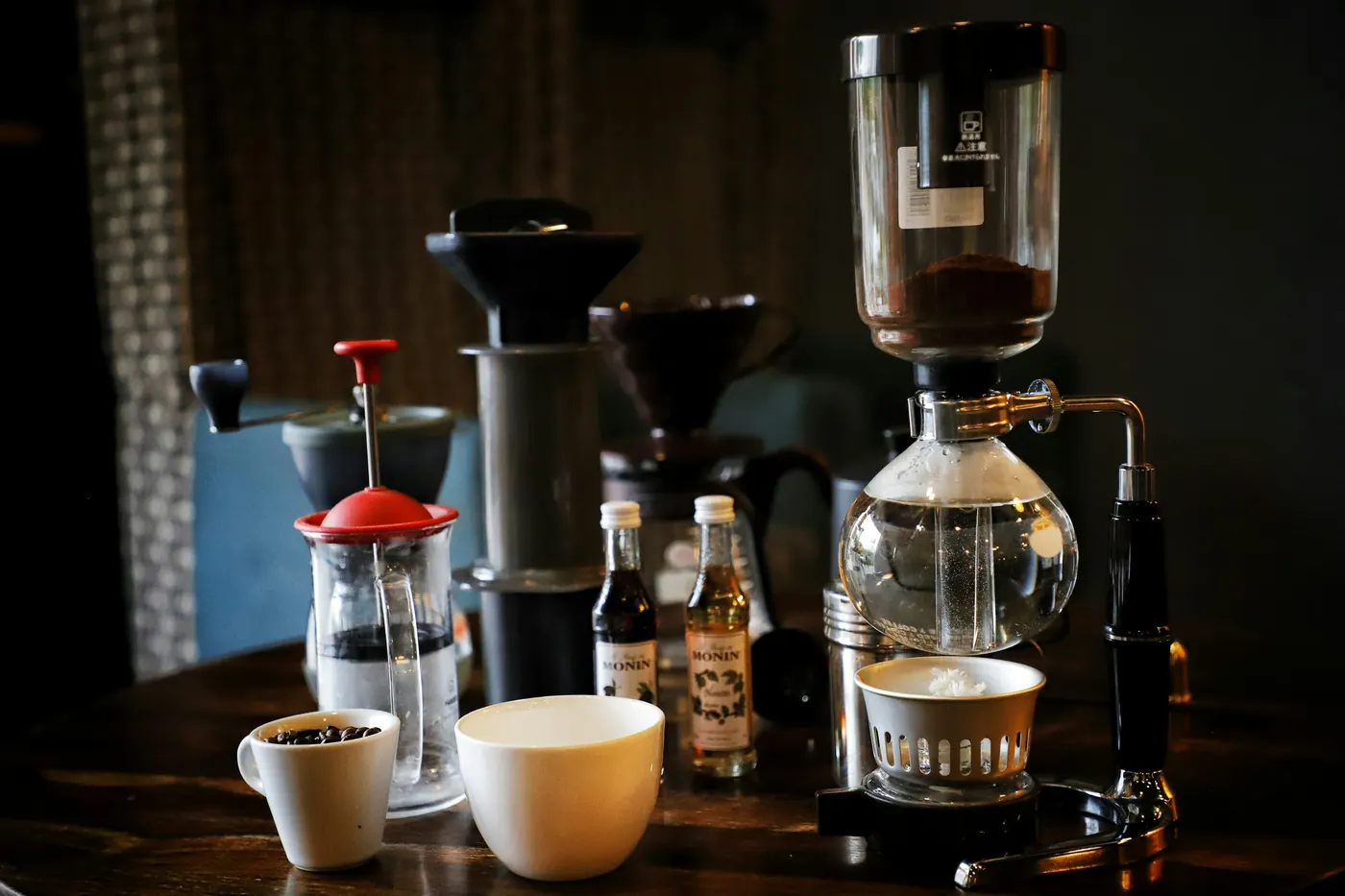
Our pick on each side of the French press vs pour over question
One pick per side, both in stock when we checked. Neither listing appears on our other pages, but each is another size of a model we cover elsewhere: the ESPRO is the 18-ounce, matte black version of the 32-ounce ESPRO P7 in our best French press guide, chosen because a smaller press suits one or two people and pours off quickly; and the Chemex is the 6-cup size of the colored-glass-handle Chemex in our best Chemex guide, chosen because 6 cups is the size most households need and it has no wooden collar to remove for washing. We left out Bodum glass presses because of the recall above.
1. ESPRO P7 18-Ounce Double-Walled Stainless Steel French Press – Insulated, With a Finer Filter

ESPRO’s P7 is a French press in double-walled stainless steel, here in the 18-ounce size, which the listing puts at about two cups. It works the classic way: add grounds, pour hot water, steep three to four minutes, press gently and pour. The listing calls the body shatterproof and rustproof, and the press is dishwasher safe.
The filter is what sets it apart from a standard press. ESPRO describes a patented dual-layer micro-filter with stainless mesh it says is 12 times finer than standard, so it catches more grounds and fines, and any fine sediment left settles at the bottom of the carafe. The box also includes 10 paper filters if you want a lighter, cleaner cup closer to pour-over.
At 18 ounces it suits one or two people; follow the NCA’s coarse grind and a four-minute steep. The trade-off of steel is that you can’t see the brew, so use a timer. The listing does not state a warranty.
Why we like it
- Double-walled stainless steel
- Dual-layer micro-filter, per ESPRO
- Paper filters included for a cleaner cup
- Dishwasher safe
Key specifications
| Model | 1018C2-17BK |
|---|---|
| Brew method | Immersion, press |
| Capacity | 18 oz (about 2 cups) |
| Material | Double-wall stainless steel, matte black |
| Filter | Dual-layer micro-filter; 10 paper filters included |
| Care | Dishwasher safe |
| Heat retention | Insulated (maker claim) |
| Warranty | Not stated in listing |
Why we recommend it
It suits one or two people who want a rich, full-bodied cup with almost no technique, in a press that won’t break and leaves less grit than most.
Skip it if you want a pour-over’s clean cup every day without extra steps; even a fine metal filter lets some oils and fines through unless you add a paper filter.
Pros and cons
Pros
- No glass to crack
- Keeps coffee hot
- Less sediment than a standard mesh
Cons
- Can’t see the brew
- Small for more than two
- Grounds to scoop out after
2. Chemex 6-Cup Pour-Over Coffee Maker, Colored Glass Handle – Clean Cup, Pot-Sized

The Chemex is a pour-over brewer and serving carafe in one piece of borosilicate glass. This version has a gold colored-glass handle instead of the classic wooden collar. The listing says it brews up to 30 ounces, by Chemex’s measure of 5 ounces per cup, and calls 6 cups its most popular size.
It is built for clarity. Chemex says to use its own bonded filters (FP-1, FC-100, FS-100 or FSU-100, sold separately), which are thicker than ordinary papers, and the glass is non-porous, so it won’t hold on to odors or oils. That is the paper-filter cup the NCA describes: cleaner and lighter than a press. Use a medium grind, as the NCA suggests for pour-over, and pour in stages over the whole bed.
Because the coffee drips into the same vessel you pour from, there are no grounds left in the finished coffee. Chemex says you can cover it, refrigerate it and reheat it later, or brew it over ice. It is glass, so handle it with care; the colored glass handle gives a grip without a collar to remove for washing.
Why we like it
- Brewer and carafe in one
- Up to 30 ounces, enough for several mugs
- Non-porous borosilicate glass
- Finished coffee can be chilled and reheated, per Chemex
Key specifications
| Model | CM-6GH-Gold |
|---|---|
| Brew method | Pour-over through paper |
| Capacity | 30 oz (6 Chemex cups of 5 oz) |
| Material | Borosilicate glass, colored glass handle |
| Filter | Chemex bonded filters, sold separately |
| Size | Not stated on listing |
| Heat retention | Not insulated |
| Warranty | Not stated on listing |
Why we recommend it
It suits a black-coffee drinker who wants a clean, bright cup and brews for two to four people at a time.
Skip it if you don’t want to buy a brand’s own filters or handle glass; a plastic cone dripper is cheaper and unbreakable.
Pros and cons
Pros
- Very clean, sediment-free cup
- Serves straight from the brewer
- Easy to clean
Cons
- Needs Chemex filters
- Glass can break
- Takes practice to pour well
French press and pour-over questions, answered
Is French press stronger than pour-over?
It usually tastes stronger and heavier, because the metal filter lets oils and fine particles through. Actual strength depends on your ratio. The NCA’s ratios for a press start more concentrated, at 1:10, than its pour-over range, which starts at 1:13.
Why is there sludge at the bottom of my French press?
The mesh lets the finest particles through, and they settle in the cup. A coarser, more even grind from a burr grinder reduces it, and leaving the last bit in the press helps. If grit is the main problem, our French press alternative guide covers brewers that steep like a press but filter through paper.
Can I use the same grind for both?
Not well. The NCA recommends coarse for a press and medium for pour-over. A press grind in a pour-over runs through too fast and tastes weak; a pour-over grind in a press can slip through the screen and taste bitter.
Which is better for a light roast?
Pour-over, generally. Paper gives a cleaner cup where a light roast’s acidity and fruit stand out, and America’s Test Kitchen says cone drippers favor light roasts.
Which is easier for a beginner?
The French press. It needs no special kettle and no pouring technique, just a coarse grind, a timer and a firm press.
Our final word on press and pour-over
Pick by the cup you like. If you want body and an easy routine, buy a French press, preferably stainless steel, and a burr grinder to go with it. If you want clarity and enjoy the craft, buy a pour-over brewer and a gooseneck kettle. Plenty of coffee drinkers keep both, a press for slow weekend mornings with milk and a pour-over for a black cup of something special.
For more choices, see our best French press guide, our best value French press guide and our best pour over coffee maker guide. And when you would rather someone else did the cooking, see the menu or call to order.