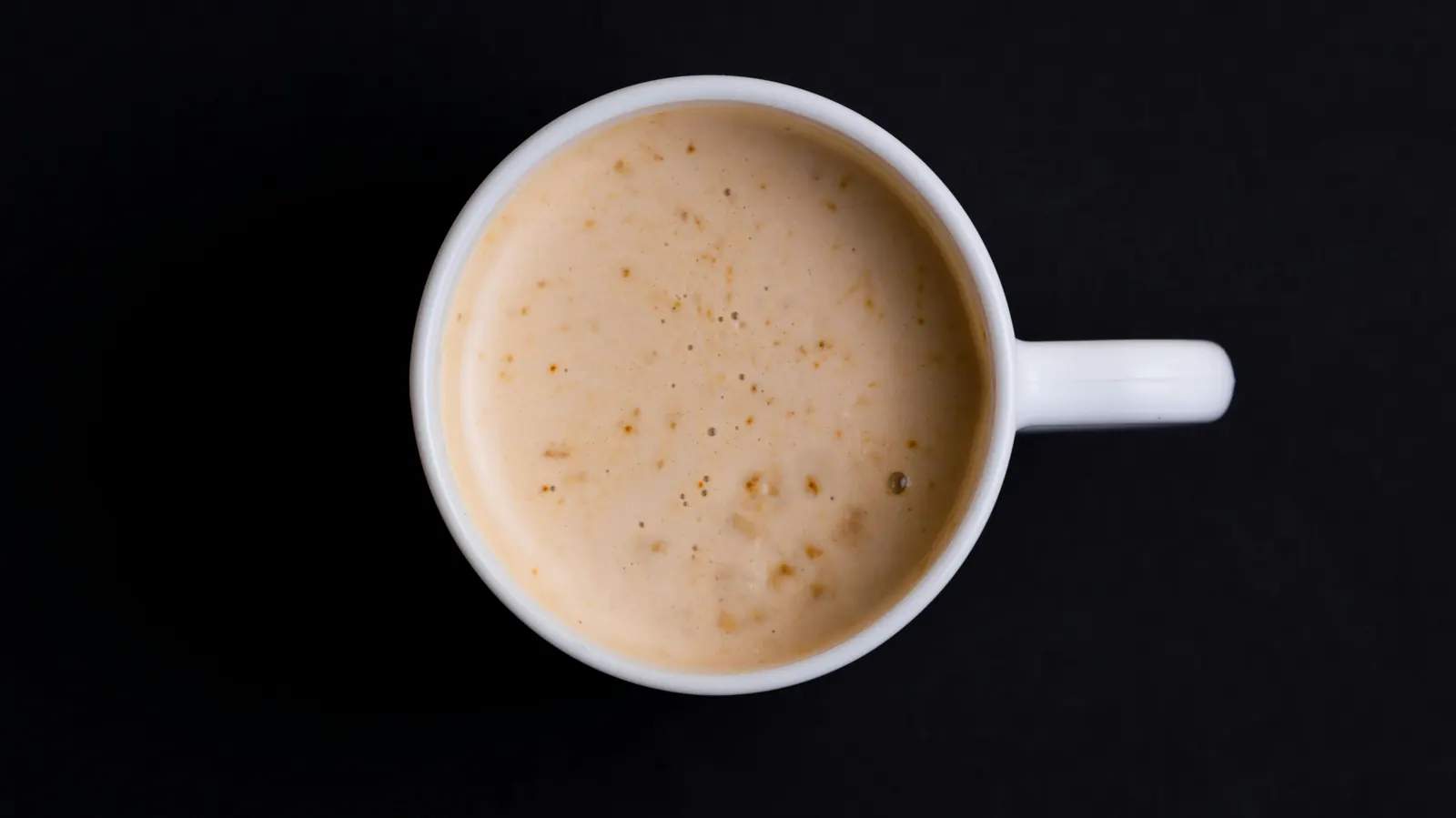
A latte at home needs two things: coffee and a cap of airy milk. The coffee part is easy. The foam is where people stall, because a dedicated frother is one more gadget, one more thing to charge, and one more thing to find a drawer for. If yours broke this morning, or you never bought one, the good news is that milk will foam with tools most kitchens already own.
This guide covers the milk frother alternative that fits each kitchen: what to grab tonight, what each method’s foam is actually like, and which tools are worth buying if you would rather skip the frother for good. For each option we say how the foam compares and where it falls short.
Julia’s earns a commission on purchases made through links on this page, at no cost to you. Recommendations are based on what a restaurant kitchen looks for, product specifications and verified buyer reports.
Why people skip the frother
Most people arrive here for one of three reasons, and each points to a different answer.
- Your frother died, or you never had one. You want foam on tomorrow’s coffee with what is in the kitchen. A jar, a whisk or a French press will do it tonight.
- You don’t want a single-purpose gadget. A French press also makes coffee, an immersion blender also makes soups and salsas, and a molinillo is the traditional tool for Mexican hot chocolate. Each one earns its space.
- You froth for more than one cup. Small battery wands struggle with a big batch. A French press or an immersion blender handles more milk at once.
If you have already decided you want a dedicated frother, our guide to the best milk frother covers countertop jugs and wands, and the best handheld milk frother guide covers the battery wands. This page is about getting good foam without one.
Quick verdict: the best milk frother alternative
For most kitchens, the best milk frother alternative is a small French press, and the Frieling 17 oz double-wall stainless press is our pick: warm the milk, fill the press about a third, and pump the plunger for about 30 seconds until the milk roughly doubles. It gives the thickest hand-made foam and handles more than one cup. For the fastest, densest foam with a motor, a Braun MultiQuick 9 immersion blender with its tall beaker and whisk does it in under a minute, and it is the better choice for soy milk. With no gadget at all, a Calphalon 8-inch balloon whisk in the saucepan or a lidded Ball wide mouth jar shaken hard will make a lighter foam. For Mexican hot chocolate, champurrado or atole, use a molinillo. None of these quite matches the silky microfoam of an espresso machine’s steam wand.
Five ways to froth milk, side by side
Our five picks, one per kind of kitchen, with the details each maker or listing states. Each is reviewed in full below.
| Alternative | How it foams | Foam you get | Stated size | Buy on Amazon |
|---|---|---|---|---|
| Pumping a mesh plunger | Thick, fluffy, more than one cup | 17 oz | View on Amazon | |
| Powered blade or whisk | Dense; the pick for soy milk | 20 oz beaker included | View on Amazon | |

Calphalon Prime 8-Inch Balloon WhiskBest no-gadget option
|
Whisking by hand in the pan | Lighter cap, more effort | 8 in long | View on Amazon |

Ball 16 oz Wide Mouth Jars With Airtight Lids, 6-PackBest shake-and-go
|
Shaking in a sealed jar | Bubbly, settles quickly | 16 oz, 6 jars | View on Amazon |

GLOBE ROCKET Handmade Molinillo, Cup Size, 2-PackBest for hot chocolate
|
Rolling a carved wooden whisk | Foamy chocolate, atole, warm milk | About 7.5 to 8.5 in each | View on Amazon |
How to froth milk tonight with what you have
Two sources we read in full shape this section: Emily Caldwell’s guide to frothing milk without a frother at The Manual, and America’s Test Kitchen’s London Fog tea latte recipe, which builds its foam without a frother.
Start with warm milk, not boiling
America’s Test Kitchen heats milk to 140 to 155 degrees Fahrenheit before foaming it, and The Manual aims for about 140 degrees. Above that, milk starts to taste cooked and the foam does not hold as well (general kitchen sense). A milk thermometer takes the guessing out of it; without one, stop when steam rises and small bubbles appear at the edge of the pan.
French press: the thickest hand-made foam
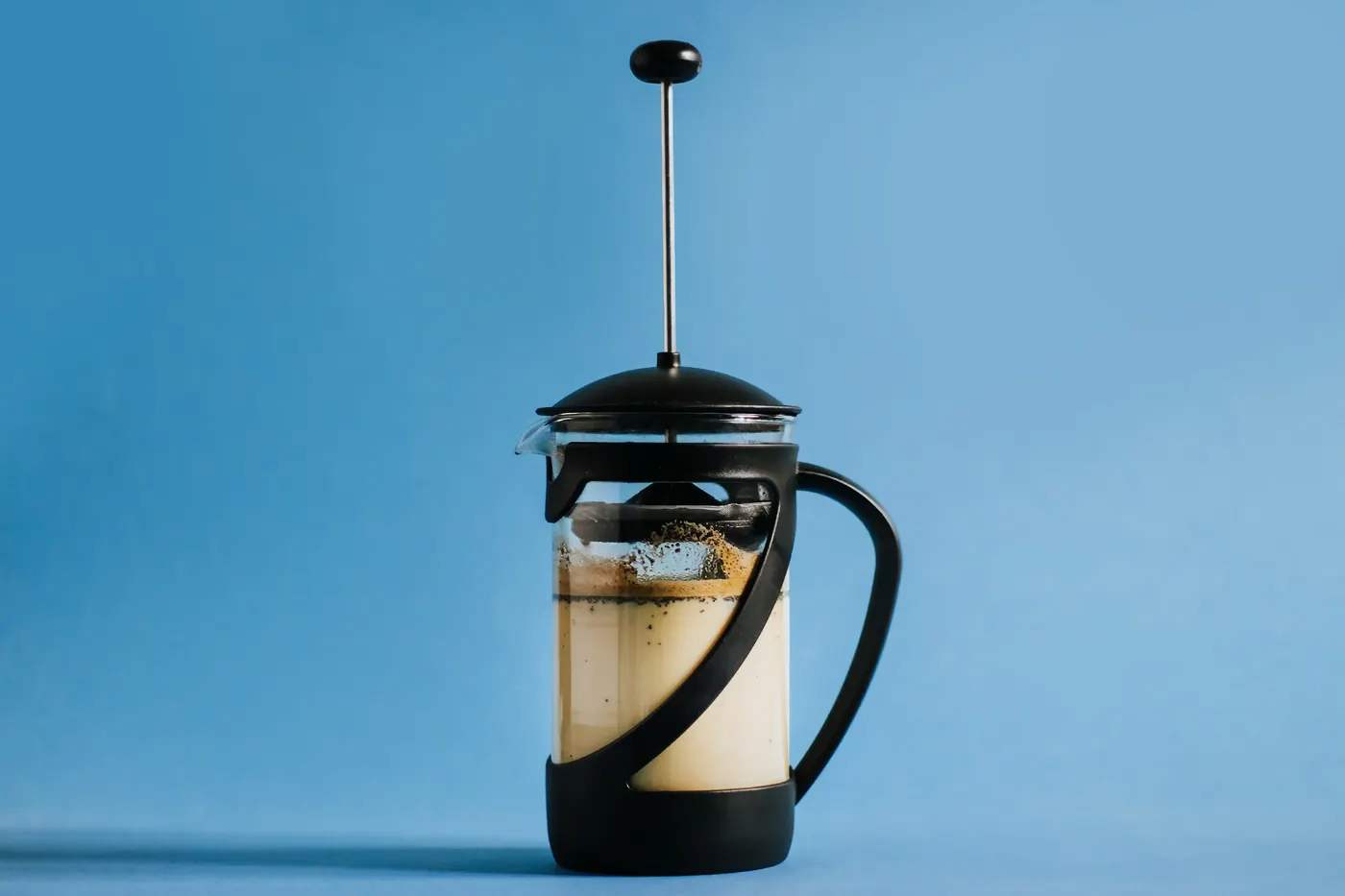
The Manual’s method: warm the milk, fill the press only about a third so it has room to grow, then pump the plunger hard near the surface of the milk for about 30 seconds, until the milk roughly doubles in volume. The mesh screen whips air in each time it moves. The Manual credits this method with fluffy foam in large volumes, which is why it is our top pick. Rinse the screen right away so milk does not dry in the mesh.
Immersion blender: fastest, and best for soy milk
A stick blender in a tall, narrow container foams milk in well under a minute. America’s Test Kitchen notes that soy milk produces less foam than other milks and recommends an immersion blender for it. Keep the head just under the surface and tilt the container so air is pulled in; lift it too high and it sprays (general kitchen sense). If your blender has a whisk attachment, that is gentler and makes a lighter, more cappuccino-like foam.
A whisk in the saucepan: no gadget at all
America’s Test Kitchen prefers the simplicity of a saucepan and a whisk for its latte: take the warm milk off the heat and whisk vigorously for about two minutes to create a dense foam on top. The Manual calls whisking the easiest option in a pinch and says an electric hand mixer does the same job slightly better, with less work. A balloon whisk with plenty of wires beats a flat one here.
Shake it in a jar
The Manual’s jar method: fill a jar about halfway with milk, screw the lid on tightly, and shake for about 30 seconds until bubbles form. It then warms the foamed milk in the microwave for about 30 seconds. Take the lid off before it goes in, and if you are not sure your jar is microwave safe, pour the milk into a microwave-safe mug instead. Shaking already-hot milk in a sealed jar is not a good idea, since the hot liquid and trapped air can push the lid; froth first, then heat (general kitchen sense).
How the foam compares with a real frother
Be realistic about what each method gives. The Manual says some methods create a thicker, truer milk foam than others, and our ranking follows its account plus America’s Test Kitchen’s.
- French press: the thickest and most stable of the hand methods, and it scales to more than one cup. The closest match to a countertop frother for cappuccino-style foam.
- Immersion blender: fast and dense. A countertop blender, by The Manual’s account, gives “uniform, small bubbles”; a stick blender in a tall beaker works on the same principle with less to wash.
- Whisk or hand mixer: a lighter, looser cap that settles sooner. Fine for a café au lait, less so for a tall cappuccino.
- Jar: quick and bubbly, but the foam is coarse and falls back faster than the others.
None of these makes true microfoam, the glossy, paint-like milk that pours latte art. That comes from steam, injected while the milk heats. If latte art is the goal, see the best milk frother and steamer guide.
Milk matters as much as method. The Manual says whole milk gives the richest foam and that any milk, including plant-based milks, can be frothed this way. America’s Test Kitchen’s note about soy foaming less is the main exception to plan around.

Our picks for the best milk frother alternative
Five alternatives that actually foam milk, each from an identifiable maker, all in stock on Amazon when we checked. One is a coffee press, one a stick blender, one a whisk, one a jar and one the traditional Mexican chocolate whisk.
1. Frieling 17 oz Double-Wall Stainless French Press – Thick Foam, Then Coffee Too

A French press is the one milk frother alternative that also makes the coffee, and a small one is the right size for foam. Following The Manual’s advice to fill the press only about a third, this 17-ounce Frieling foams enough milk for one or two lattes per round, and pumping the plunger for about 30 seconds roughly doubles the milk’s volume.
Frieling builds this press entirely in stainless steel with a double wall and a dual-screen filter, according to the listing, and says it is free of plastic. The insulation matters for foam as much as for coffee: warm milk stays warm while you pump it. Frieling claims the press holds heat four times longer than glass ones; that is the maker’s figure. Steel also will not crack if knocked, which is a fair worry with a glass press carried to the sink full of hot milk.
Frieling has made presses since 1988, the listing says, and backs this one with a one-year warranty. We also list Frieling’s 36-ounce press on other pages; this smaller model is the better size for frothing, so we chose it here. Rinse the plunger and screens straight after foaming; dried milk is harder to clean from a mesh than coffee grounds.
Why we like it
- All stainless steel with a double wall (listing).
- Dual-screen filter for coffee, a sturdy plunger for foam.
- 17-ounce size suits one or two cups of foam per round.
- One-year warranty from a maker in the business since 1988.
Key specifications
| Model | 142 |
|---|---|
| Type | French press |
| Capacity | 17 oz |
| How it foams | Pumping the mesh plunger |
| Material | Double-wall stainless steel, no plastic |
| Power | Manual |
| Cleaning | Not stated for this size |
| Warranty | 1 year |
Why we recommend it
It suits the home latte maker who wants thick foam and good French press coffee from one tool, with no batteries or cord.
Skip it if you only ever want a splash of foam on one small cup; a whisk or jar is less to wash.
Pros and cons
Pros
- Thickest hand-made foam of the methods here.
- Insulated steel keeps milk warm.
- Doubles as a coffee maker.
Cons
- More parts to rinse than a whisk.
- Steel hides the milk, so you foam by feel.
- Cleaning guidance not stated in this listing.
2. Braun MultiQuick 9 Hand Blender With Whisk and Beaker – Dense Foam in Seconds

If you want foam fast, a motor helps, and an immersion blender is a motor you will use for far more than milk. The Braun MultiQuick 9 comes with exactly the two pieces that make it a good frother stand-in: a 20-ounce beaker, tall and narrow so warm milk does not fly out, and a stainless steel whisk attachment. It also includes a blending wand, a 500 mL chopper, an ice crush knife and a masher, according to the listing.
Use the blending wand for the densest foam and the whisk for a lighter one. America’s Test Kitchen recommends an immersion blender for soy milk, which foams less than dairy, so this is the pick for anyone who drinks soy lattes. Braun lists three speed settings, low, high and pulse, plus a trigger that gives more power the harder you squeeze, which lets you start gently and avoid splashing.
Braun backs it with a 3-year manufacturer warranty, according to the listing. For more stick blenders, see our best immersion blender guide.
Why we like it
- Comes with a whisk attachment and a 20-ounce beaker (listing).
- Squeeze-to-control speed plus low, high and pulse.
- The method America’s Test Kitchen suggests for soy milk.
- Earns its drawer space with soups, salsas and sauces.
Key specifications
| Model | MQ9137XI |
|---|---|
| Type | Immersion hand blender with attachments |
| Capacity | 20 oz beaker; 500 mL chopper |
| How it foams | Blending wand or stainless whisk |
| Material | Stainless steel whisk; BPA-free beaker |
| Power | Electric; low, high, pulse, SmartSpeed trigger |
| Cleaning | Not stated |
| Warranty | 3-year manufacturer |
Why we recommend it
It suits the cook who wants a stick blender anyway and would like it to cover lattes and soy milk foam as well.
Skip it if foam is the only job; a French press or a simple whisk costs less and needs no outlet.
Pros and cons
Pros
- Fastest method here.
- Whisk and beaker included.
- Long warranty.
Cons
- Can splash if lifted out of the milk.
- More parts to wash than a whisk.
- A lot of tool for one cup of foam.

3. Calphalon Prime 8-Inch Balloon Whisk – Foam Straight From the Saucepan
This is the method America’s Test Kitchen chose for its own latte recipe: warm the milk in a small saucepan, take it off the heat, and whisk vigorously for about two minutes. A compact balloon whisk is the right tool, because its round cage of wires moves a lot of air through a small amount of milk.
Calphalon’s listing describes this 8-inch whisk as heavy-gauge stainless steel with a weighted, ergonomic handle, sized for small mixing jobs in saucepans, mugs and prep bowls. That size matters: a 12-inch whisk is clumsy in a one-quart pan, while 8 inches reaches the bottom without your knuckles meeting the rim. It is dishwasher safe, according to the listing.
The trade-off is effort and foam. Two minutes of brisk whisking gives a real cap of foam, but it is lighter and settles sooner than French press foam. The Manual notes an electric hand mixer does the same job slightly better, if you have one. Our molinillo vs whisk comparison covers whisks for chocolate in more detail.
Why we like it
- The tool America’s Test Kitchen uses for its latte foam.
- Heavy-gauge stainless steel, weighted handle (listing).
- 8-inch size fits saucepans and mugs.
- Dishwasher safe, per the listing.
Key specifications
| Model | 150127.01 |
|---|---|
| Type | Balloon whisk |
| Capacity | Not applicable; for small batches |
| How it foams | Whisking by hand |
| Material | Heavy-gauge stainless steel |
| Power | Manual |
| Cleaning | Dishwasher safe |
| Warranty | Not stated |
Why we recommend it
It suits anyone who wants foam with no extra appliance and is happy to spend two minutes whisking, and it is a whisk you will reach for daily anyway.
Skip it if you want tall, stiff cappuccino foam; the French press does that better.
Pros and cons
Pros
- Nothing to plug in or charge.
- Foams right in the pan.
- Easy to clean.
Cons
- Takes about two minutes of effort.
- Lighter foam that settles sooner.
- Warranty not stated.
4. Ball 16 oz Wide Mouth Jars With Airtight Lids, 6-Pack – Shake, Then Heat
The jar method is the simplest of all: milk in, lid on, shake hard. The Manual fills the jar about halfway and shakes for about 30 seconds, which leaves plenty of headspace for the milk to foam into. A pint jar is a good size for one mug.
This Ball pack has a detail that suits frothing: the lids are BPA-free plastic with a grommeted airtight seal, according to the listing, rather than the two-piece metal canning lid. A tight seal keeps milk off the counter while you shake. The jars are wide mouth, so the foam spoons or pours out easily, and Ball says they are made in the USA. The rest of the six-pack will not go to waste; they are the same jars many kitchens use for salsas, pickled onions and cold brew. Our best mason jars guide covers more sizes. Ball’s wide mouth pint also appears on our cocktail shaker alternative page in a different pack; we list this six-pack here because its plastic lids suit shaking.
Know the limits. Jar foam is coarse and bubbly and falls back faster than press or blender foam. The listing does not say whether these jars are microwave safe, so follow The Manual’s order, shake first, then warm, but do the warming in a microwave-safe mug.
Why we like it
- Airtight plastic lids for leak-free shaking (listing).
- Wide mouth makes foam easy to spoon out.
- 16-ounce size suits one mug at half full.
- Made in the USA, according to the listing.
Key specifications
| Model | 6Pk16ozWM |
|---|---|
| Type | Wide mouth glass jars, 6-pack |
| Capacity | 16 oz each |
| How it foams | Shaking with the lid sealed |
| Material | Glass; BPA-free plastic airtight lids |
| Power | Manual |
| Cleaning | Not stated |
| Warranty | Not stated |
Why we recommend it
It suits anyone who wants foam with the least gear and the least cleanup, and who has other uses for a few good jars.
Skip it if you want foam that holds up on a tall drink; jar foam settles fastest of these methods.
Pros and cons
Pros
- Easiest method of all.
- Plastic lids seal tightly.
- Jars are useful for storage too.
Cons
- Coarse foam that falls quickly.
- Microwave use not stated.
- Six jars when you need one.
5. GLOBE ROCKET Handmade Molinillo, Cup Size, 2-Pack – The Mexican Way to Froth
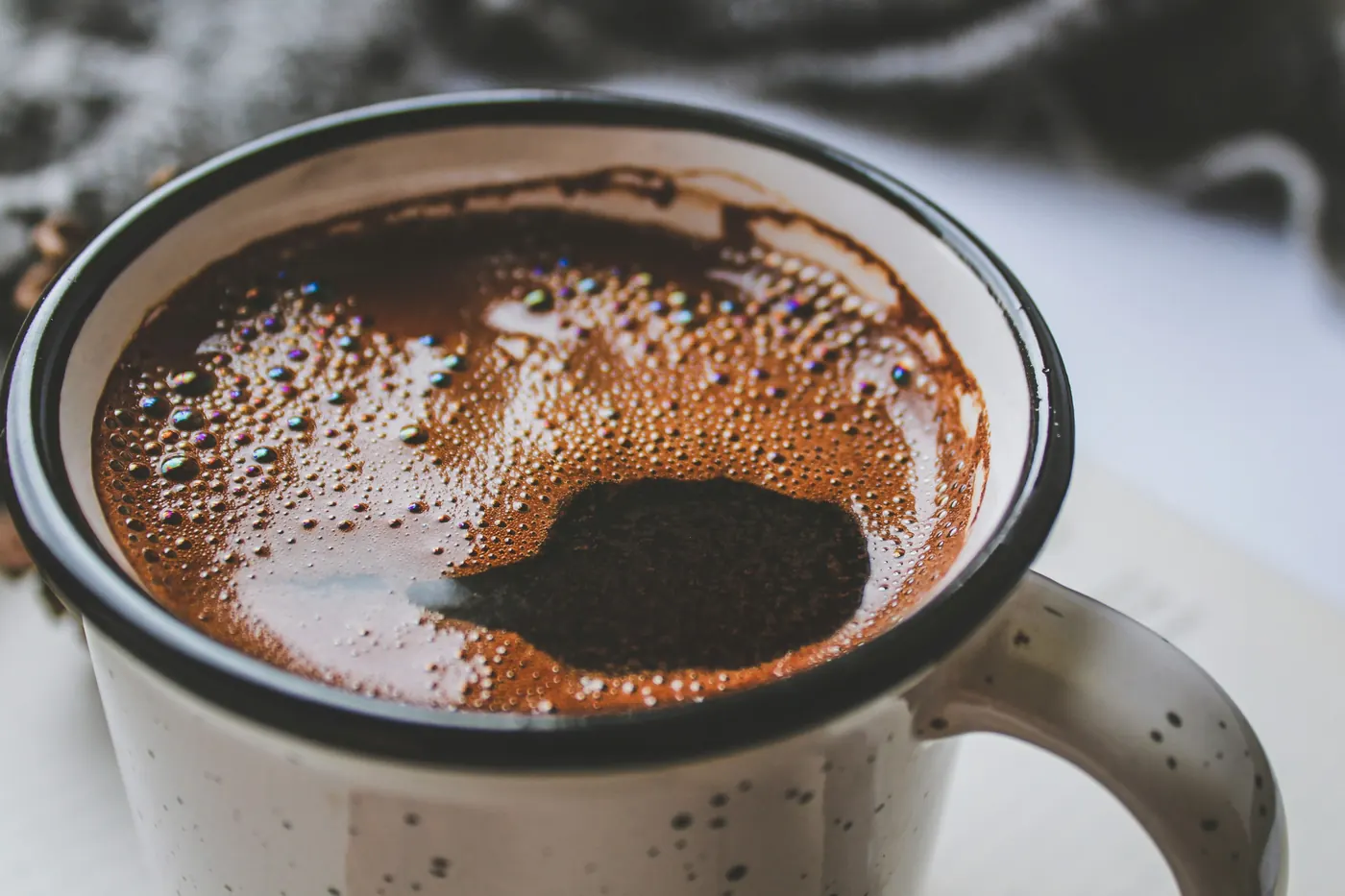
Long before battery frothers, Mexican kitchens foamed hot chocolate with a molinillo: a carved wooden whisk with loose rings, spun between the palms in the pot. It is still the best tool for chocolate made from a tablet, champurrado and atole, and GLOBE ROCKET’s listing says it works for warm milk too.
GLOBE ROCKET says each molinillo is carved from a single piece of food-safe hardwood by artisans in Central Mexico, and this cup-size version measures about 7.5 to 8.5 inches, the right length for a mug or a small jug rather than a stockpot. Each pack holds two. Roll the handle between your hands and the rings beat air into the drink; it takes a few minutes and gives a loose, frothy head rather than stiff latte foam.
Care is simple but strict: GLOBE ROCKET says to hand wash with warm water, use a small brush in the carved areas, air dry, and keep it out of the dishwasher. The wood develops a patina with use. The larger GLOBE ROCKET molinillo is the pick on our molinillo vs whisk page; this smaller version is the one for single cups.
Why we like it
- Carved in one piece in Central Mexico, according to the maker.
- Cup-size length suits a mug or small jug.
- Listed for hot chocolate, champurrado, atole and warm milk.
- Two in a pack.
Key specifications
| Model | Molinillo02 |
|---|---|
| Type | Wooden molinillo, 2-pack |
| Capacity | Cup size, about 7.5 to 8.5 in long |
| How it foams | Rolled between the palms |
| Material | Hardwood, carved in one piece |
| Power | Manual |
| Cleaning | Hand wash, air dry; not dishwasher safe |
| Warranty | Not stated |
Why we recommend it
It suits anyone who makes Mexican hot chocolate, champurrado or atole, and wants the traditional froth for a mug at a time.
Skip it if you want cappuccino-style foam on coffee; a French press does that far better.
Pros and cons
Pros
- The traditional tool for Mexican chocolate.
- Handmade, two per pack.
- No power, nothing to break.
Cons
- Loose froth, not stiff foam.
- Hand wash only; wood needs drying.
- Each piece varies slightly in size.
Which method fits your drink
- Cappuccino or a tall latte: the French press. It gives the thickest foam you can make by hand.
- Soy or other plant milks: the immersion blender, following America’s Test Kitchen’s advice on soy.
- Café au lait or a London Fog: a whisk in the saucepan is plenty.
- One quick mug with no cleanup: the jar.
- Mexican hot chocolate, champurrado or atole: the molinillo, as it has always been.
How we chose these five alternatives
We started from the question people actually ask, how to froth milk without a frother, and kept only tools that make real foam. For the methods we read Emily Caldwell’s guide at The Manual and America’s Test Kitchen’s London Fog latte recipe. For each product we read the Amazon listing and the maker’s own statements, and we say where a detail is the maker’s claim. We checked that every pick was in stock with a new offer from an identifiable maker and searched the U.S. Consumer Product Safety Commission recall database for each brand; we found no recall for any of these products. We did not test these products, and we don’t state prices or ratings.
Milk frother alternative questions, answered
Can you froth milk with a French press?
Yes, and it gives the best hand-made foam. Warm the milk to about 140 degrees, fill the press about a third, and pump the plunger for about 30 seconds until the milk roughly doubles, as The Manual describes. Rinse the screen right away.
Can I use an immersion blender to froth milk?
Yes. Use a tall, narrow container and keep the head just under the surface. It is the fastest method, and America’s Test Kitchen recommends it for soy milk, which foams less than dairy.
How do you froth milk with a whisk?
Heat the milk to 140 to 155 degrees, take it off the heat, and whisk vigorously for about two minutes, as America’s Test Kitchen does. A small balloon whisk works best. The foam will be lighter than French press foam.
Can I froth milk by shaking it in a jar?
Yes. Fill the jar about halfway, seal it tightly and shake for about 30 seconds, then warm the milk. The Manual microwaves it for about 30 seconds afterward; take the lid off first and use a microwave-safe mug if you are unsure about the jar. Jar foam is coarse and settles quickly.
Which milk froths best without a frother?
Whole milk gives the richest foam, according to The Manual, which also says plant-based milks work with these methods. Soy foams less, so use an immersion blender for it.
Is a molinillo a milk frother?
It is the traditional Mexican one, made for hot chocolate, champurrado and atole. GLOBE ROCKET says its molinillos also froth warm milk, but the result is a loose froth rather than coffee-shop foam.
Our final word on foam without a frother
If you want thick foam and good coffee from one tool, buy a small stainless French press. If you already want a stick blender, a Braun MultiQuick 9 with its whisk and beaker covers soy milk and speed. For no gadget at all, whisk the milk in the pan or shake it in a jar, and for Mexican hot chocolate, reach for a molinillo.
When you decide a dedicated frother is worth it after all, start with the best milk frother guide, and for the press itself, see the best French press.
And if you would rather someone else made the coffee, see the menu or call to order.