Mexican Christmas does not run on one dinner. It runs on nine consecutive nights of gatherings, and then a very late meal on the twenty-fourth.
The food is built around that structure, which is why so much of it is made in enormous quantities and eaten standing up.
The short answer
Las Posadas runs 16 to 24 December, nine nights of processions ending at a different house each evening. The food is portable and made in bulk: tamales, ponche navideño (hot fruit punch), buñuelos and hot atole. Nochebuena, on 24 December, is the main meal — a late dinner that often includes bacalao, romeritos, pozole or a roast, eaten around midnight.
What Las Posadas is
The name means “the inns”, and the nine nights re-enact Mary and Joseph looking for shelter.
Washington University’s description of Las Posadas sets out the shape of it: a procession makes its way to a house each evening, sings a request for lodging, is refused in song, and is finally admitted — at which point the party starts.
The tradition is old. It is generally traced to sixteenth-century New Spain, where Augustinian friars in Acolman were granted permission to hold a series of Christmas masses, deliberately scheduled against an existing Aztec winter festival.
Nine nights is not arbitrary either. It stands for the nine months of the pregnancy.
The piñata is not just a game
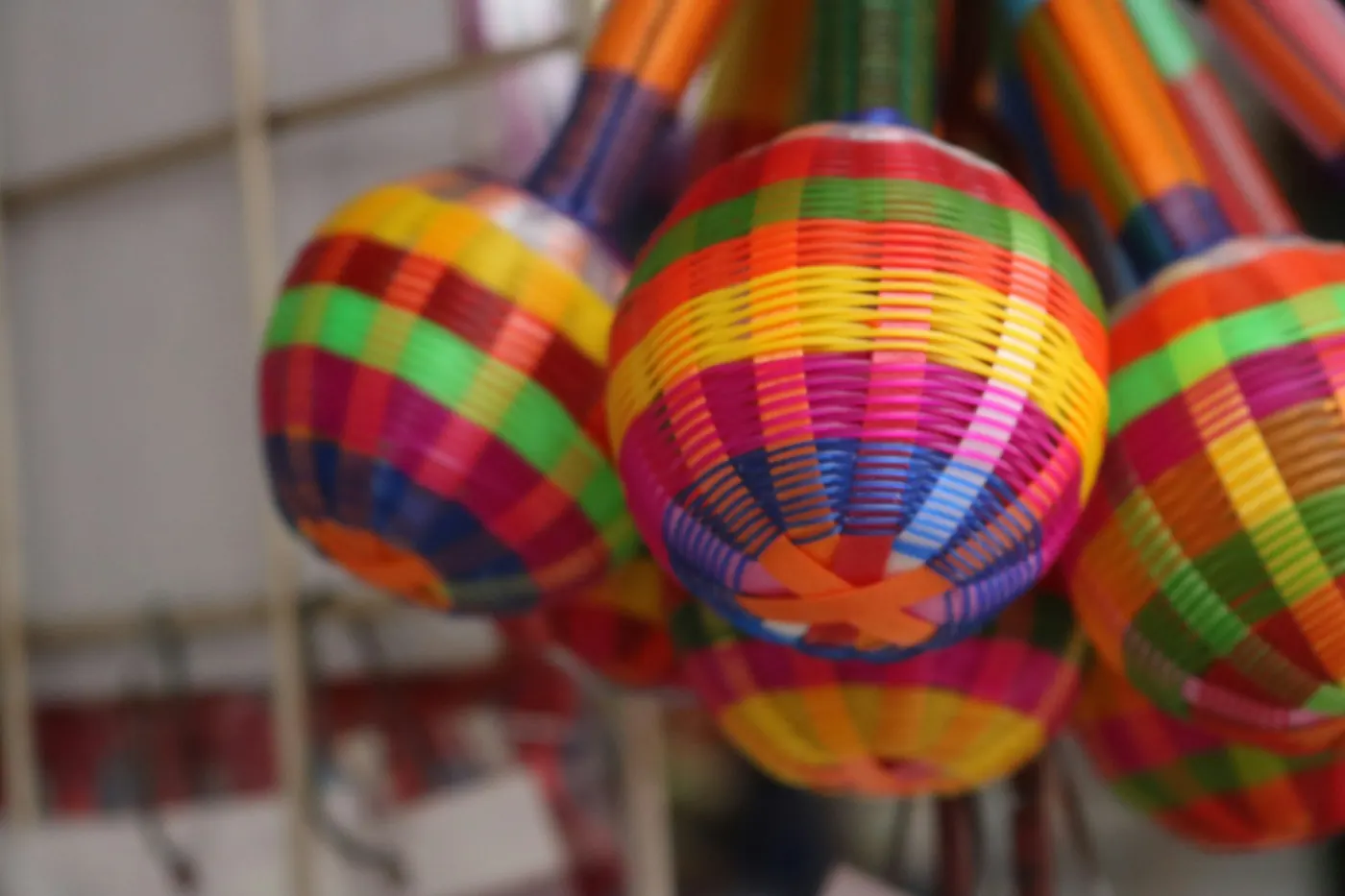
The traditional posada piñata is a seven-pointed star, and the points are the seven deadly sins.
The person swinging is blindfolded to represent faith, spun to represent disorientation, and the stick is virtue. Breaking it releases the reward, which is why the filling is fruit and candy rather than toys — sugarcane, tejocotes, oranges, peanuts.
Whether anyone at a modern posada is thinking about the allegory is another question. But the seven points are why the shape looks the way it does.
What gets eaten across the nine nights
Posada food has to travel, hold, and feed a crowd that arrives all at once.
Tamales are the backbone, for exactly the reasons they turn up at every other Mexican gathering: they are made by the dozen, they hold heat, they need no cutlery and they survive being carried. Households make hundreds across the season.
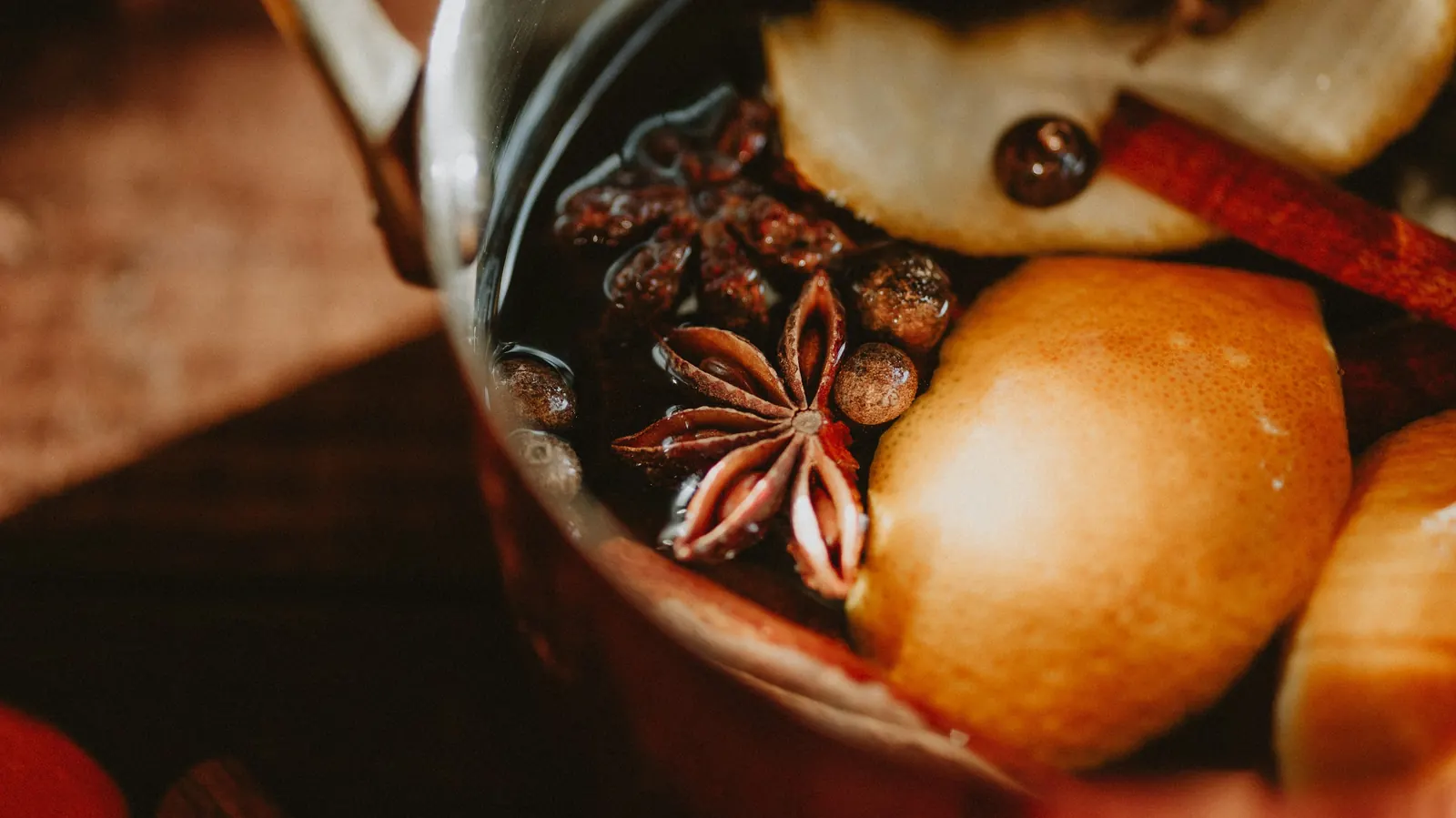
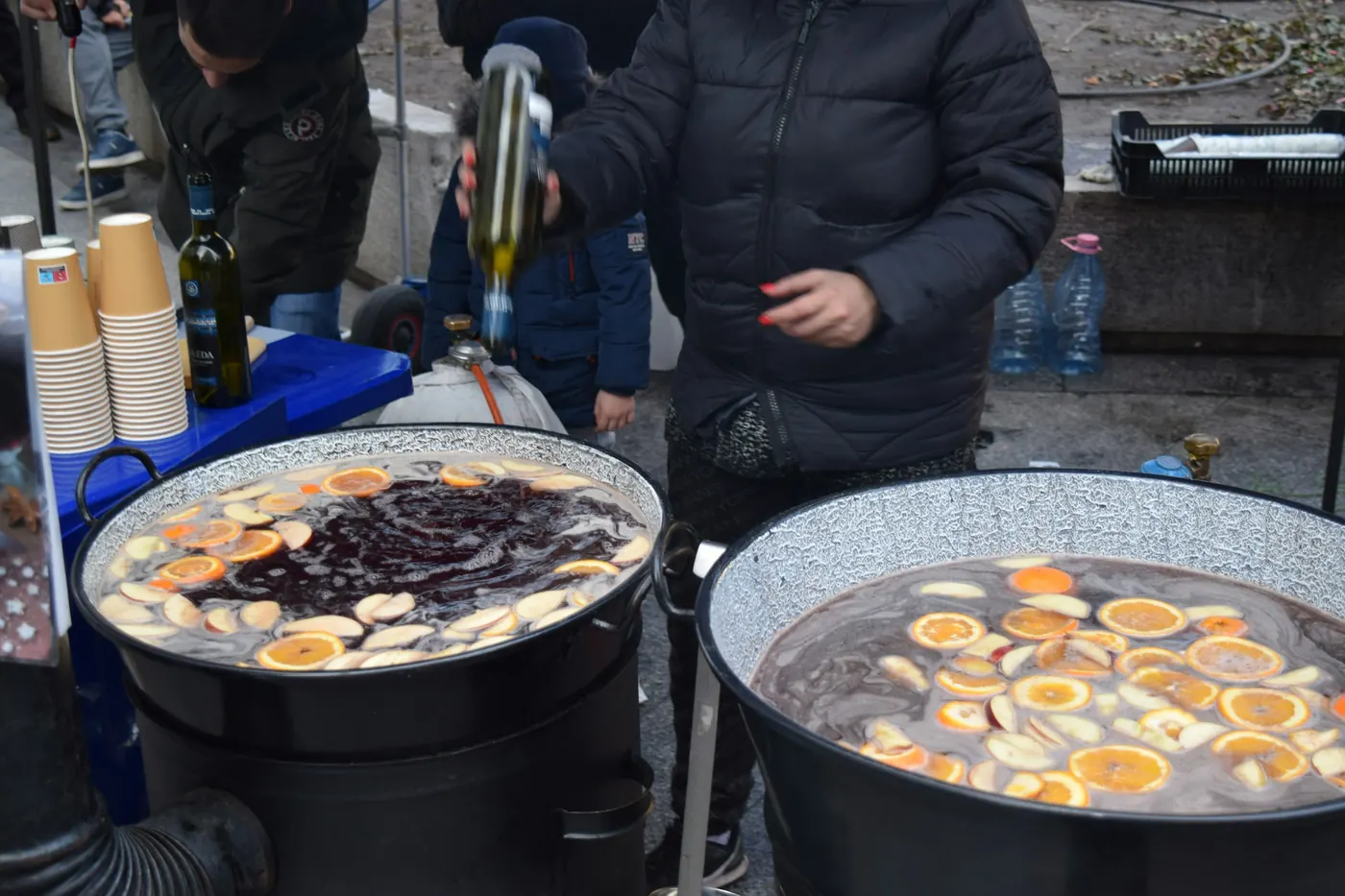
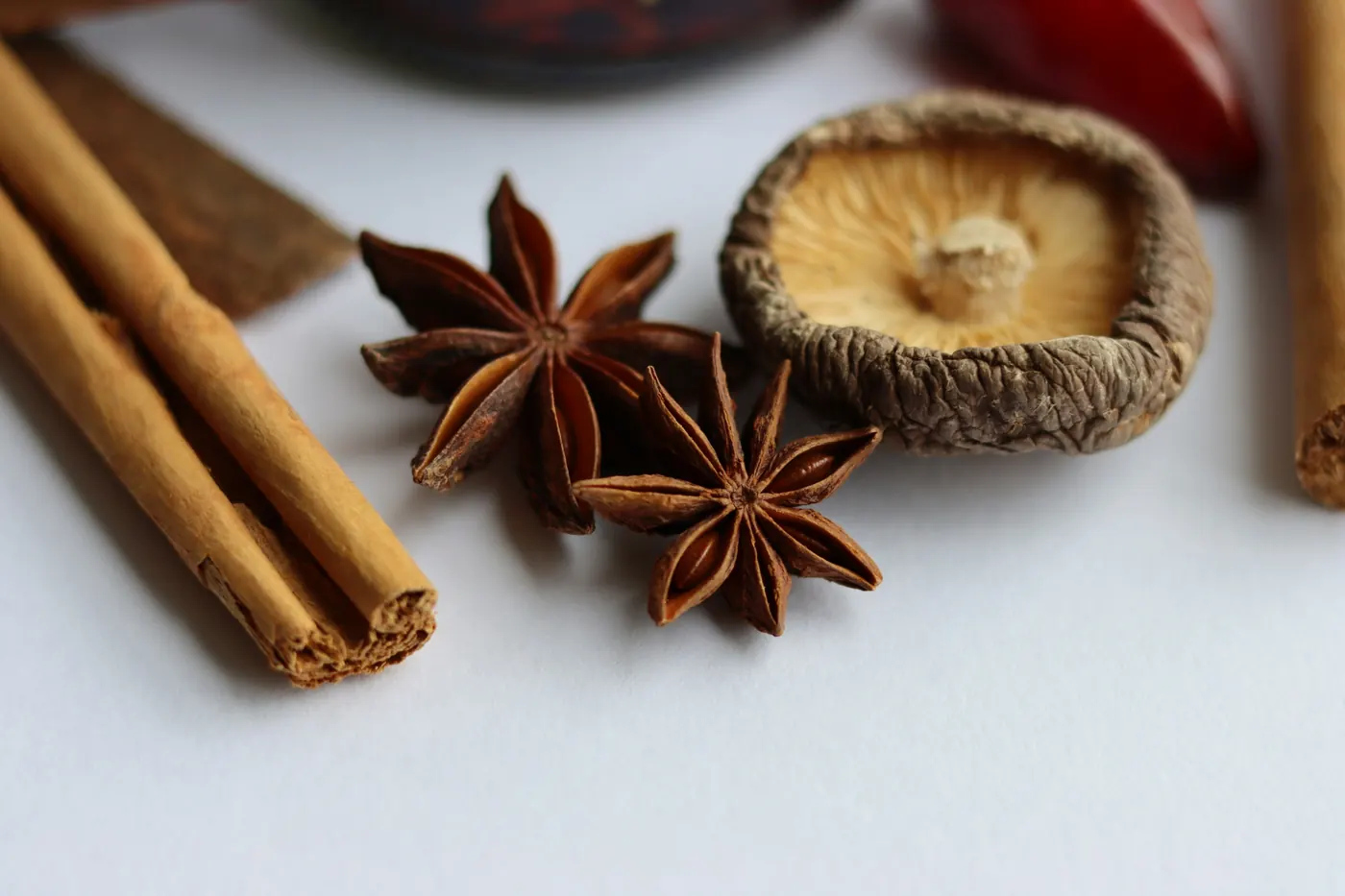
Ponche navideño is the drink. A pot of water simmered with tejocote, guava, apple, sugarcane, tamarind, hibiscus, cinnamon and piloncillo, served hot in a mug with the fruit still in it. Adults sometimes add rum or brandy, which is called ponche con piquete — “with a sting”.
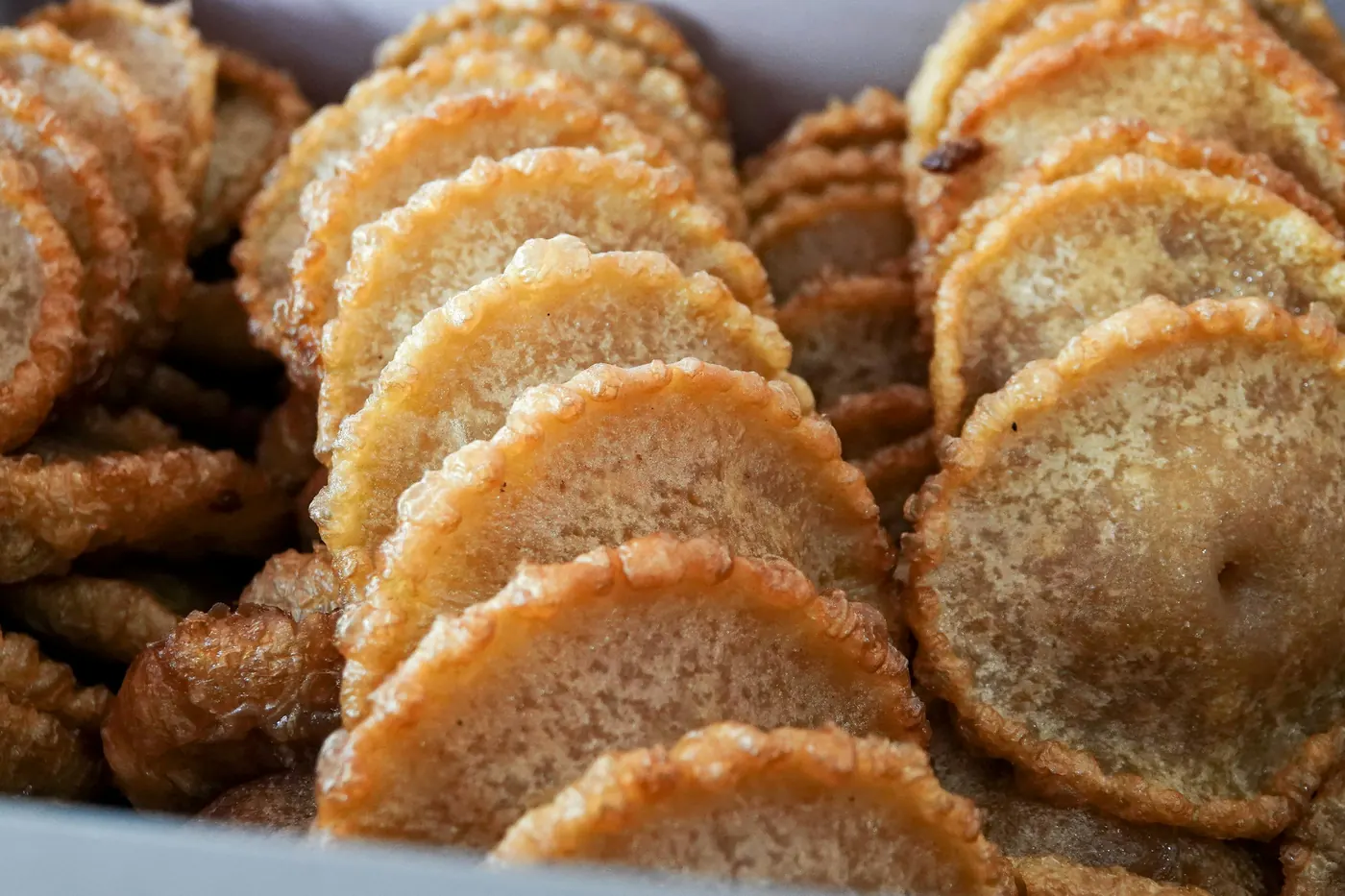
Buñuelos are the sweet: thin discs of dough fried until brittle and dusted with cinnamon sugar, sometimes served in syrup. They are traditionally broken rather than cut, and in some regions the plate is smashed afterwards for luck.
Atole and champurrado are the other hot drinks — masa-thickened, and champurrado with chocolate. They are what you hand people who are standing outside in December.
The ponche, specifically
It is the single most distinctive thing on this list, and the least known outside Mexico.
It is not mulled wine and it is not cider. The base is fruit and water rather than alcohol, and the defining ingredient is the tejocote — a small Mexican hawthorn fruit, tart and slightly floral, that has no real substitute.
Sugarcane goes in as batons, which are chewed rather than drunk. The piloncillo — unrefined cane sugar in cones — is what makes it taste of molasses rather than of sugar.
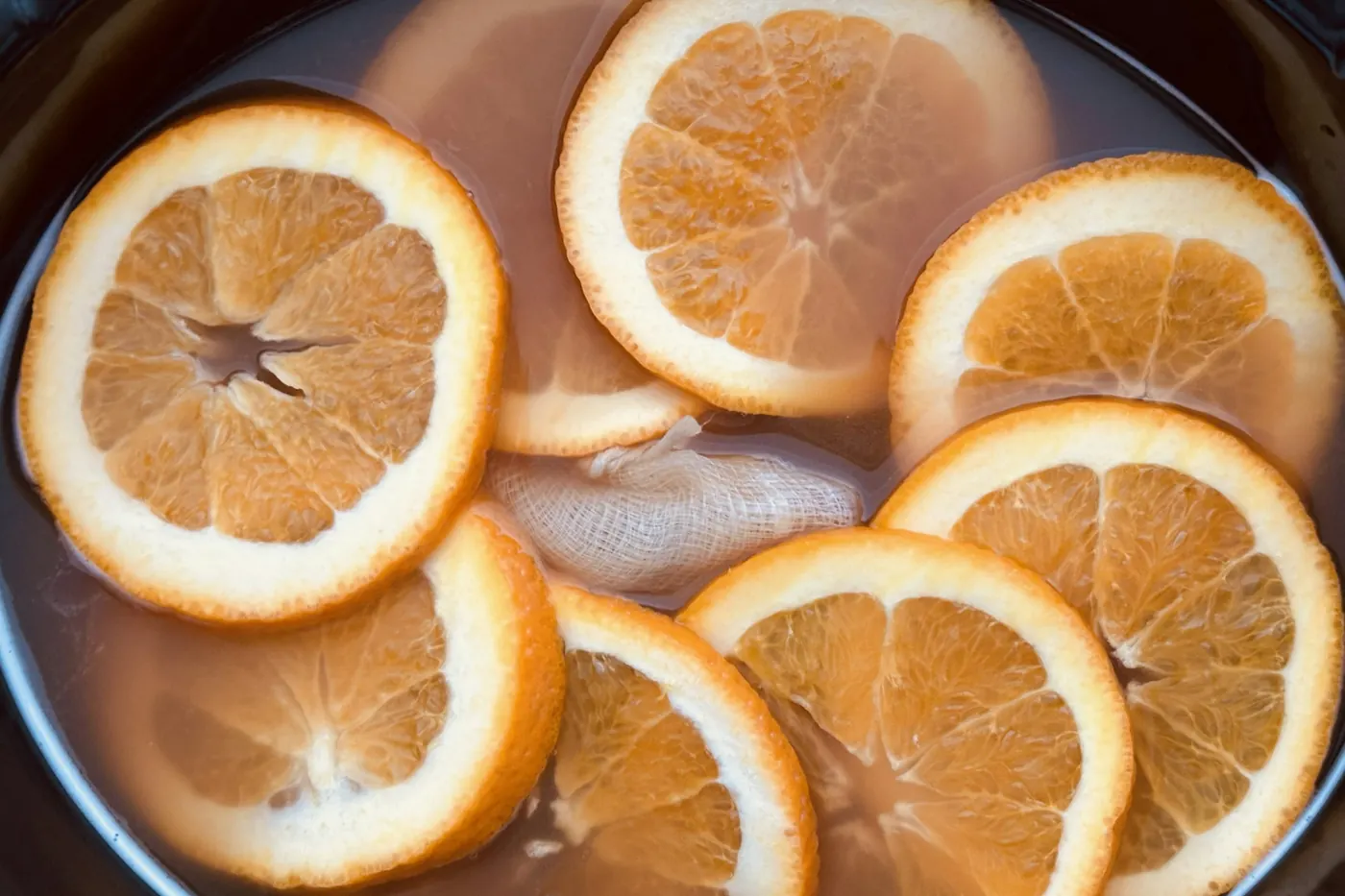
Citrus goes in near the end so the peel does not turn the pot bitter.
Nochebuena, the actual dinner
Christmas Eve is the main event, and dinner is late — often after midnight mass, sometimes at one or two in the morning.
What is on the table varies enormously by region and family. The recurring candidates:
| Dish | What it is | Where it is common |
|---|---|---|
| Tamales | Masa steamed in husks | Everywhere |
| Bacalao a la vizcaína | Salt cod stewed with tomato and olives | Central Mexico, Spanish inheritance |
| Romeritos | A wild green cooked in mole with shrimp | Mexico City and around |
| Pavo or pierna | Roast turkey or pork leg | Widespread, more modern |
| Pozole | Hominy soup with pork | Common where a crowd is expected |
| Ensalada de nochebuena | Beet, orange, peanut and lettuce salad | Central Mexico |
Bacalao and romeritos are the two that surprise people, and both are old. Salt cod came across with the Spanish; romeritos is pre-Hispanic, dressed in mole.
And then January
The season does not end on the twenty-fifth.
On 6 January, Día de Reyes, families cut a rosca de reyes — a ring-shaped sweet bread decorated with candied fruit, with small figures baked inside. Whoever finds a figure in their slice is obliged to host a party on 2 February and provide the tamales.
Which is how the season closes: with more tamales, three months after it started.
The flower is Mexican too
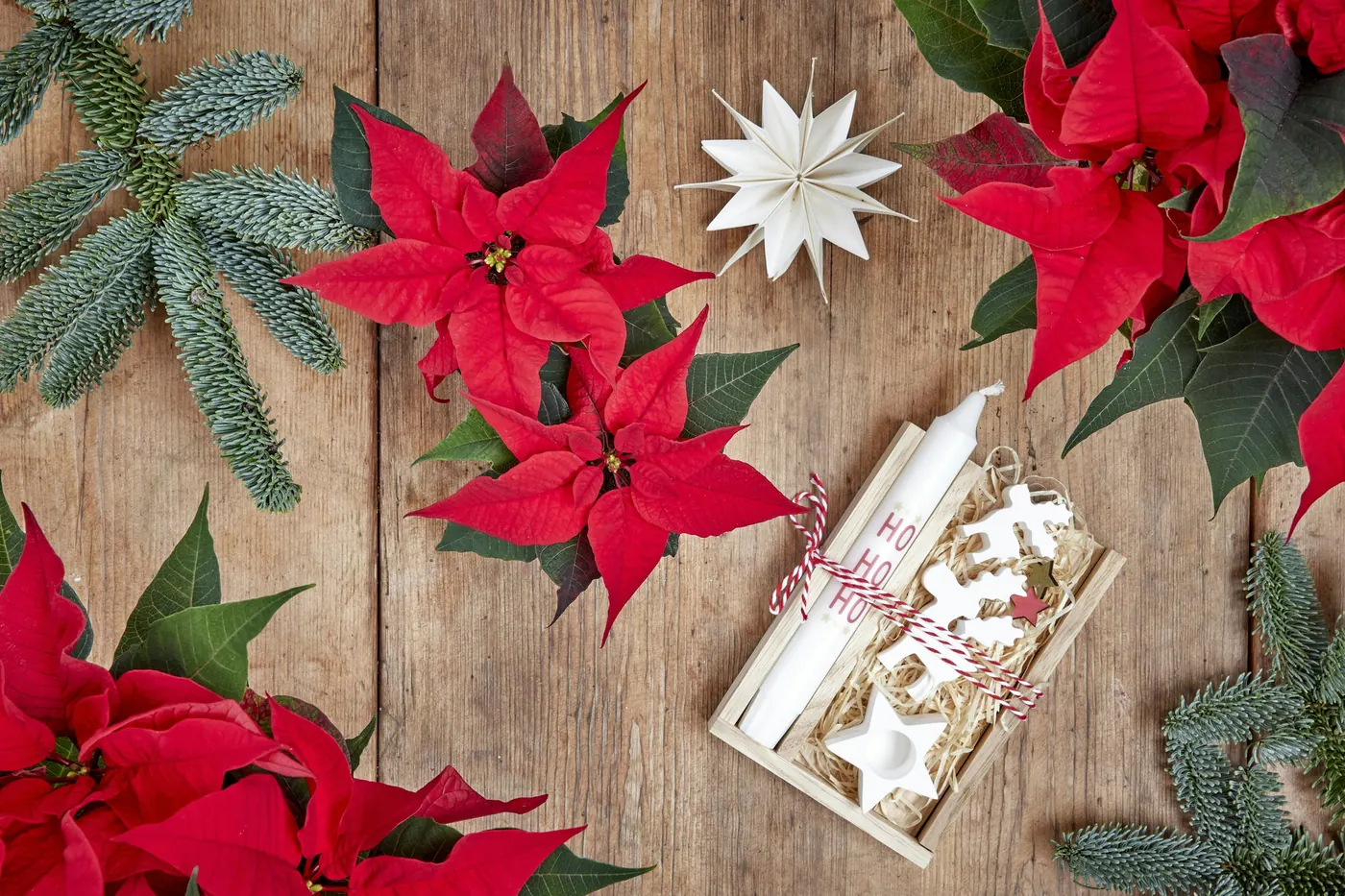
Poinsettias are called nochebuena in Spanish, after Christmas Eve itself, and they are native to Mexico rather than an import.
They were used ornamentally long before the Christmas association, which attached in the colonial period. The English name comes from an American ambassador who sent cuttings home in the 1820s — so the plant is Mexican and the name is not.
What Julia’s has of this
Most of a Mexican Christmas happens at home. What a restaurant contributes is the part that gets made in bulk.
The tamales are the direct connection: made in house, tierra caliente style, and available as a family pack that serves four. That is the same logic a household uses in December, which is why tamales are the one Christmas dish you can straightforwardly order rather than cook.
The pozole is on the soups section, and the menudo on the brunch menu — both of which turn up on Nochebuena tables, and both compared in our guide to the two.
Ponche, buñuelos and rosca de reyes are not on the menu, and it would be odd if they were — those are seasonal home items rather than restaurant dishes.
Frequently asked questions
When is Las Posadas?
16 to 24 December, nine consecutive nights ending on Christmas Eve. Each night the procession finishes at a different house.
What is ponche navideño?
A hot Mexican fruit punch made with tejocote, guava, apple, sugarcane, tamarind, hibiscus, cinnamon and piloncillo. Non-alcoholic as standard; adults sometimes add a measure of spirits.
What do Mexicans eat on Christmas Eve?
It varies by family and region. Tamales are near-universal; bacalao, romeritos, roast turkey or pork leg, pozole and a nochebuena salad are all common. Dinner is late, often after midnight.
Why are tamales a Christmas food?
Because making them is a group task done in bulk, which suits a season built on nine nights of gatherings. They also hold heat and travel well.
What is rosca de reyes?
A ring-shaped sweet bread eaten on 6 January with figures hidden inside. Whoever finds one hosts a gathering on 2 February and supplies the tamales.
The short version
Nine nights of posadas fueled by tamales, ponche and buñuelos, then a late dinner on Christmas Eve, then a bread with a figure in it in January that starts the whole thing again.
The tamales are the part you can order. Julia’s makes them in house and packs them for four, on the regular menu, all year.