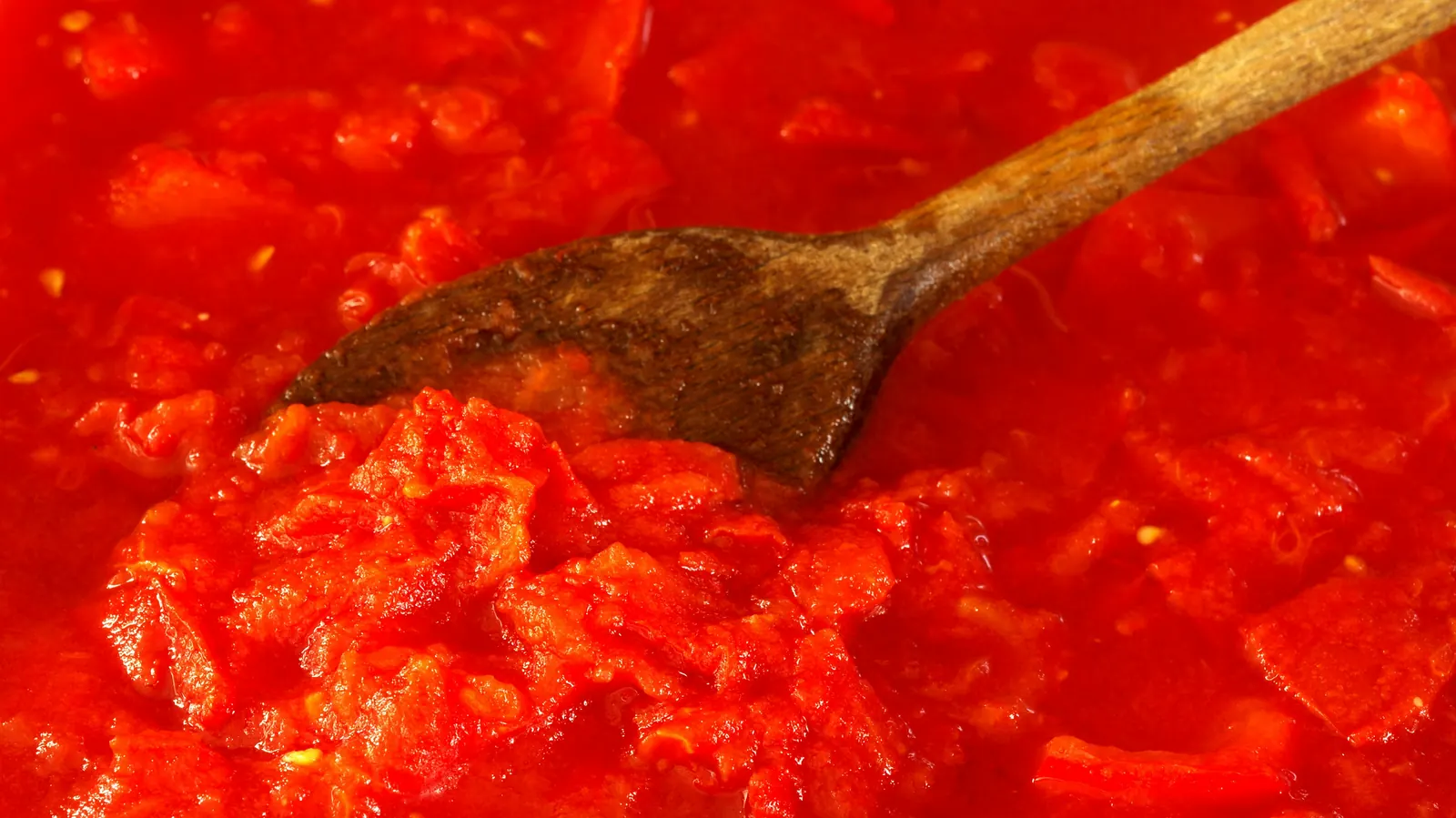
Adobo is one of those words that means something slightly different every time you meet it, which is why nobody explains it on a menu.
In Mexican cooking it has a specific answer, and it is not the same as the Filipino dish of the same name.
The short answer
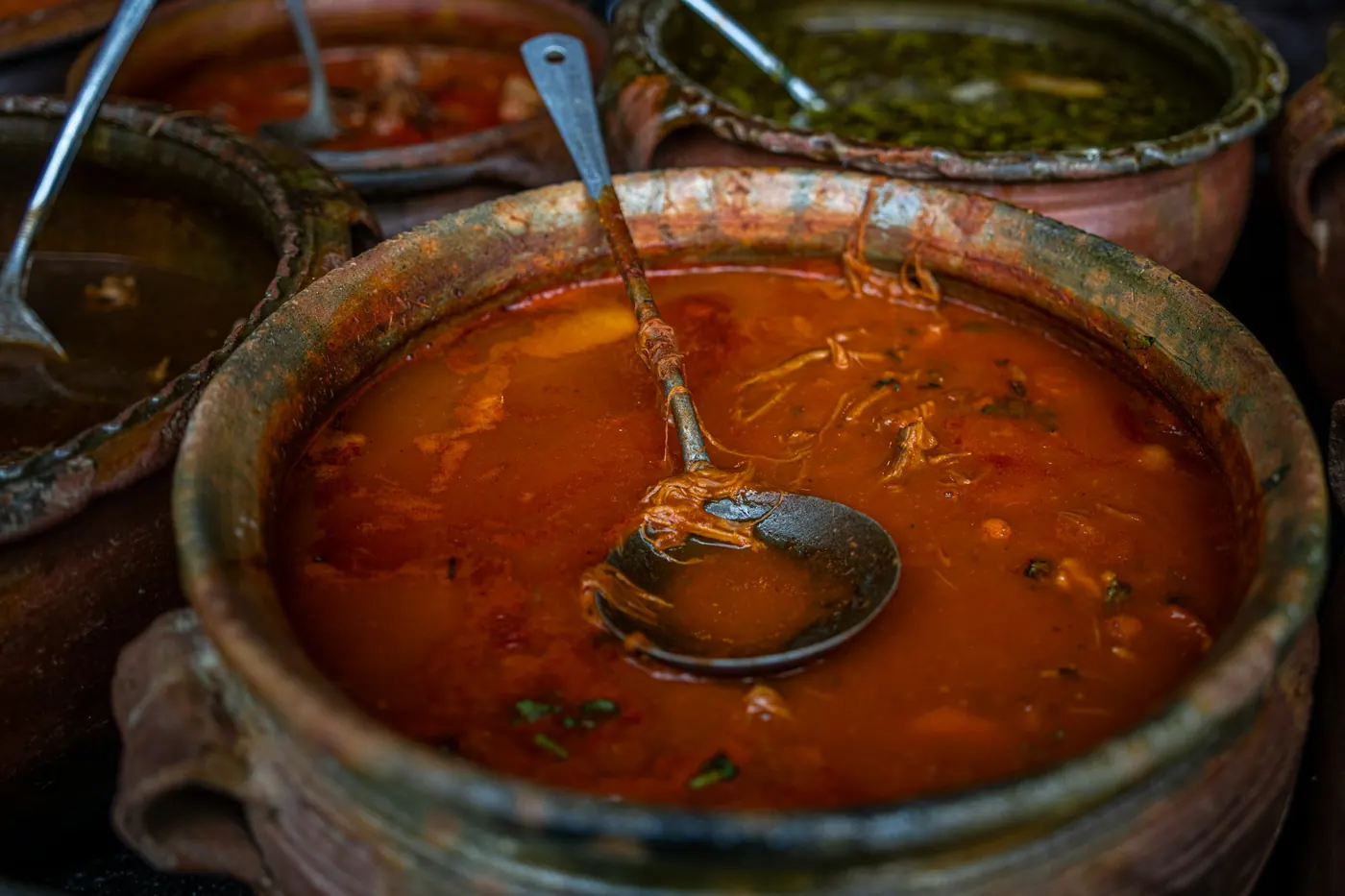
Mexican adobo is a thick red sauce of dried chiles, vinegar, garlic and spices, used as a marinade and as a cooking sauce. The vinegar is the defining part — it is what separates adobo from other red chile sauces. It gives meat a deep brick-red color and a tangy, earthy, mildly smoky flavor. Anything described as adobada has been marinated in it.
What goes in it
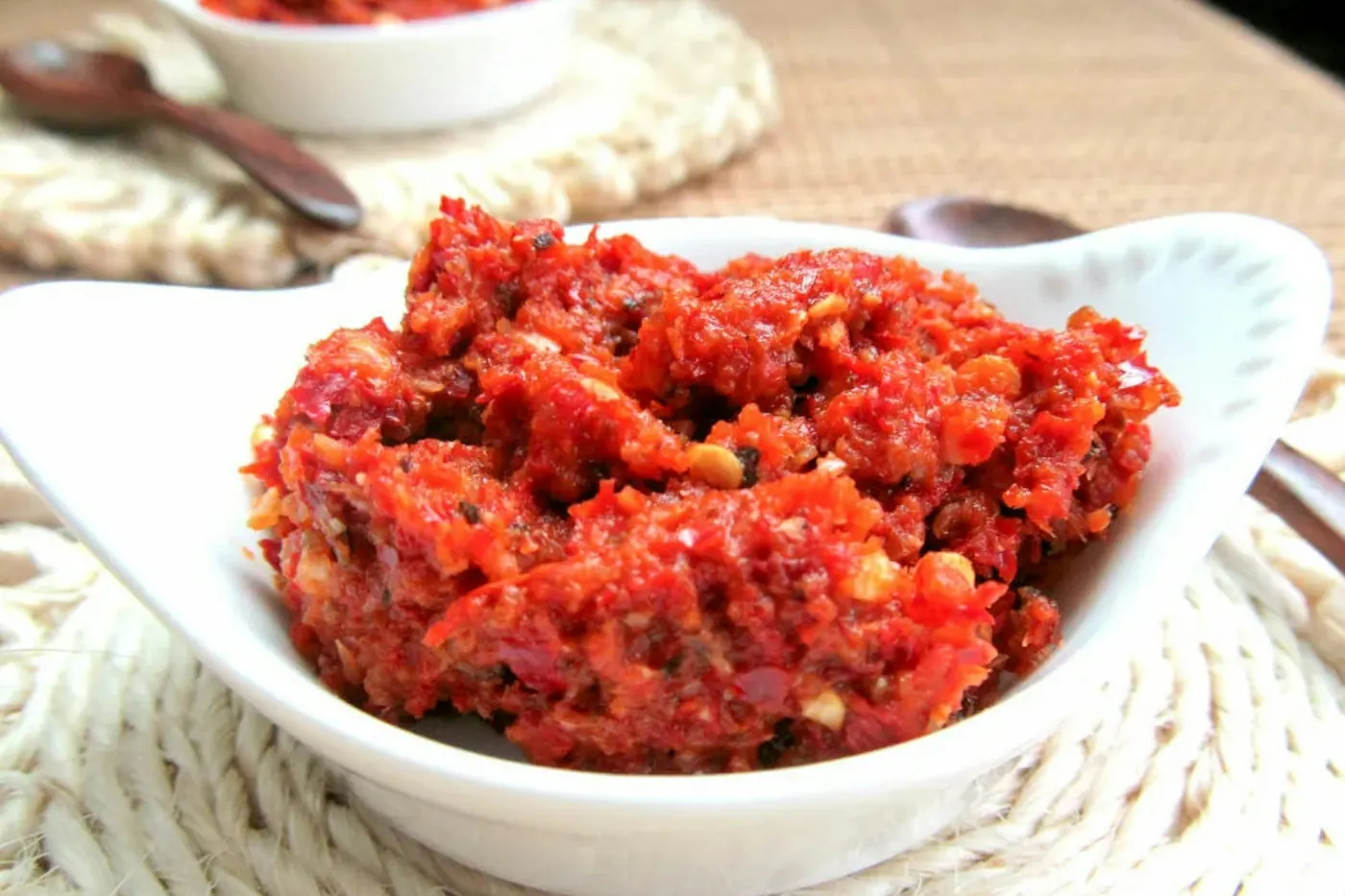
Maricruz Avalos, describing Mexican adobo sauce, calls it a traditional red chile sauce made with dried chiles, vinegar, garlic and spices, and the flavorful base of many Mexican dishes.
The chiles are usually a combination — guajillo, ancho and pasilla is the standard trio. Guajillo brings tartness and color, ancho brings sweetness, pasilla brings depth. Our chile guide covers what each one contributes.
The spice list is short and repeats: garlic, Mexican oregano, cumin, black pepper, bay leaves.
And vinegar, which that same source describes as almost always included, for its distinctive tangy flavor. That is the ingredient doing the identifying work.
Why the vinegar matters
Take the vinegar out and you have a red chile sauce. Put it in and you have adobo.
It does three jobs at once. It preserves — which is where the technique came from, in the era before refrigeration. It tenderizes, breaking down the surface of the meat over a long marinade. And it cuts the sweetness that dried chiles bring, keeping the sauce from tasting jammy.
The word itself comes from the Spanish adobar, to marinate or pickle, and the preserving function is right there in the etymology. Spain brought the technique; Mexico rebuilt it on native chiles.
Marinade, sauce, or both
| Used as | How | Where you meet it |
|---|---|---|
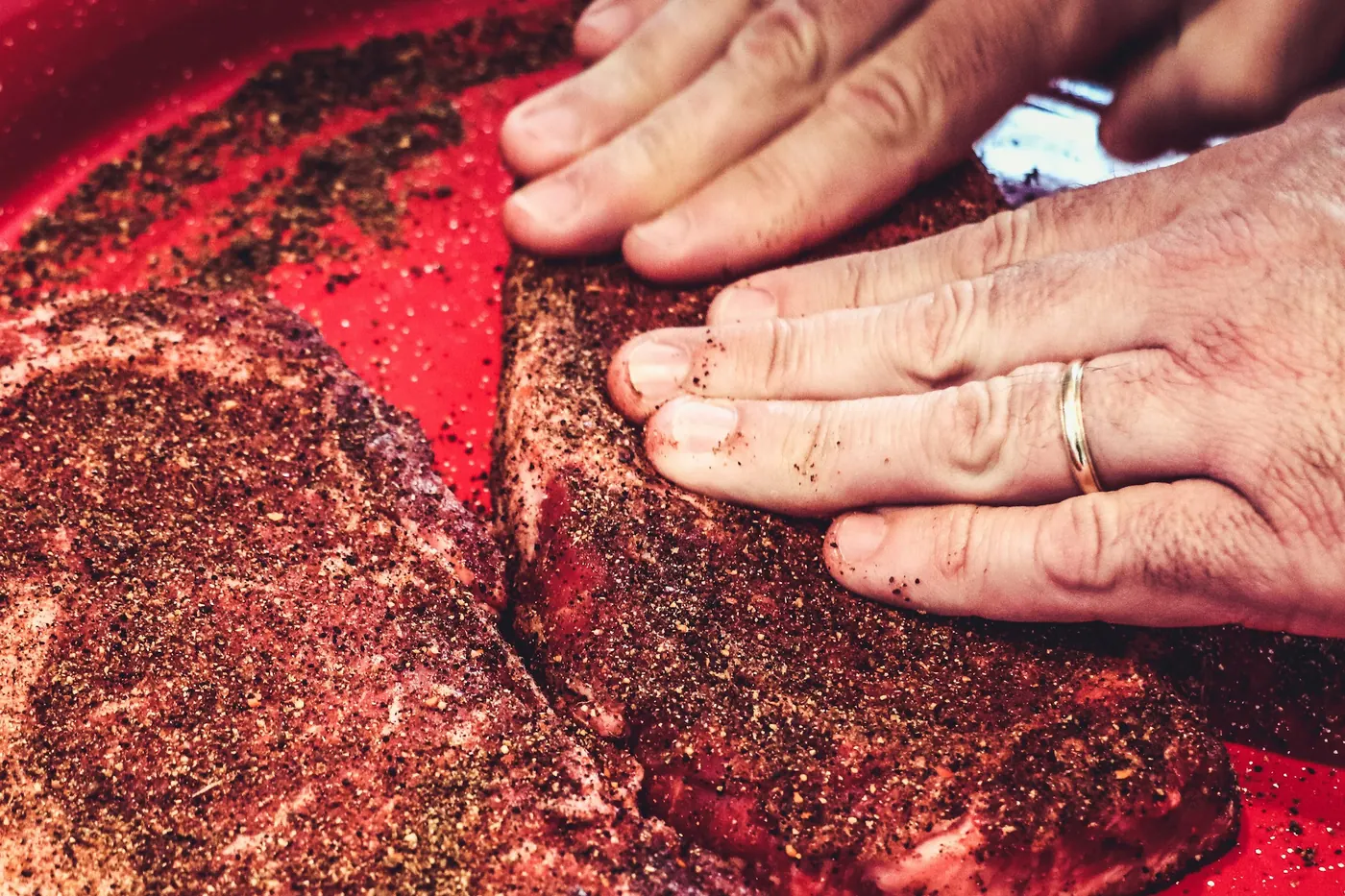
| Marinade | Rubbed on thick, left for hours | Adobada, al pastor, camarones adobados |
| Braising sauce | Thinned with stock, meat cooked in it | Birria, stewed pork |
| Canning liquid | Chipotles packed in it | Chipotles in adobo |
| Sausage base | Mixed into ground pork | Mexican chorizo |
The same source notes adobo works as both marinade and sauce for traditional dishes including birria and homemade chorizo.
That chorizo row explains something. Mexican chorizo is fresh and crumbly and stains everything red, and the red is adobo mixed into the meat rather than paprika dusted on the outside.
Adobo, adobada, adobado
Three forms of one word, and menus use all of them.
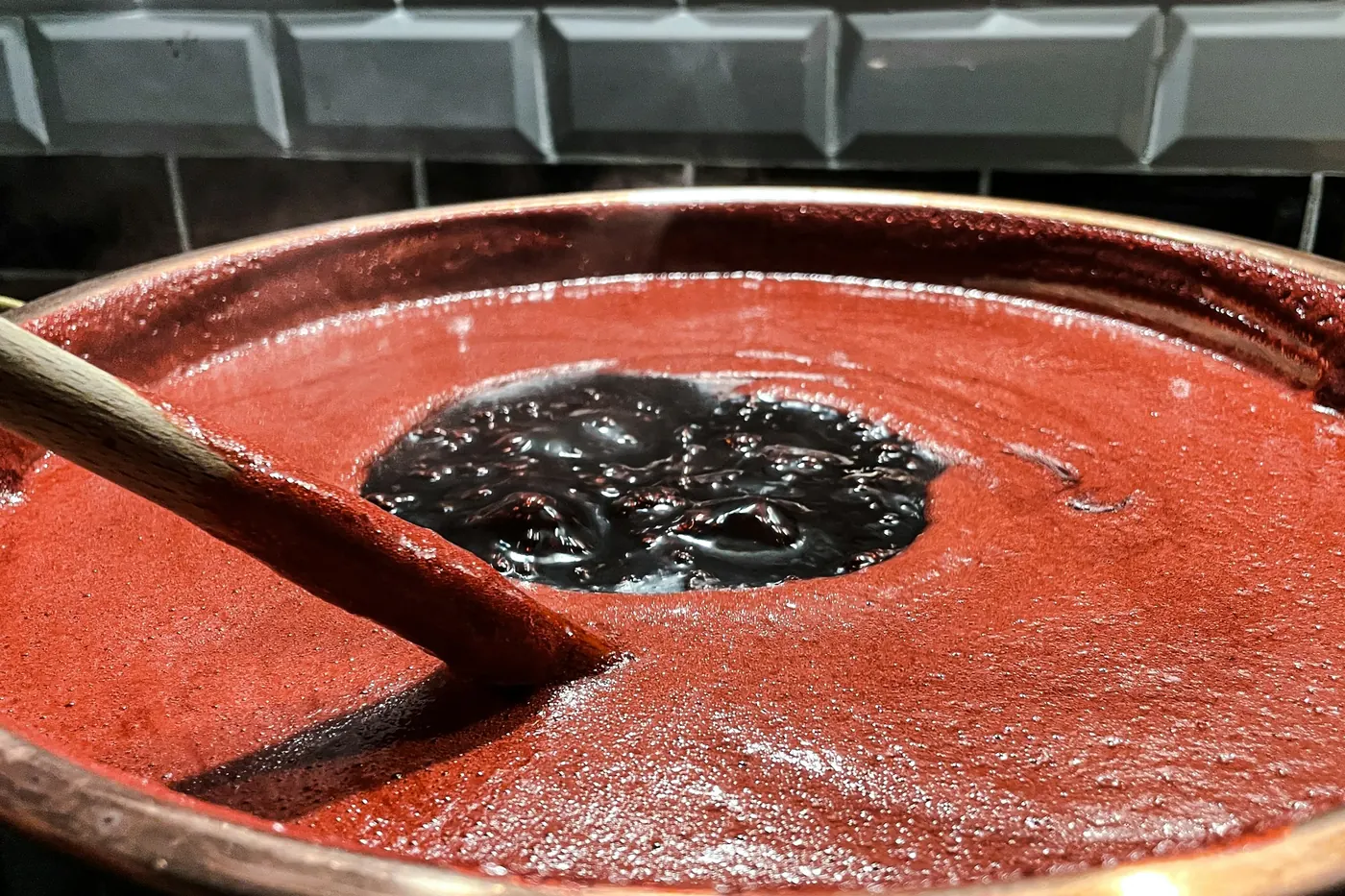
Adobo is the sauce itself. Adobada and adobado are adjectives meaning marinated in it — the ending changes with the gender of the noun, so it is carne adobada but camarones adobados.
In much of northern Mexico and the American southwest, tacos adobada means what tacos al pastor means further south: pork marinated in chile and cooked on a vertical spit. Our al pastor guide covers that dish, and achiote is the other pigment doing work in it.
One thing worth separating out: Filipino adobo is a completely different dish — meat braised in soy sauce and vinegar, no chiles at all. Same Spanish root word, two colonies, two outcomes.
What it tastes like
Tangy first, then earthy, with a mild smokiness and a slow warmth rather than a sharp one.
It is not usually hot. Guajillo, ancho and pasilla all sit near the bottom of the Scoville range, so the sauce gets its intensity from concentration rather than capsaicin. A dish described as adobada is generally moderate, which our guide to mild dishes puts in context.
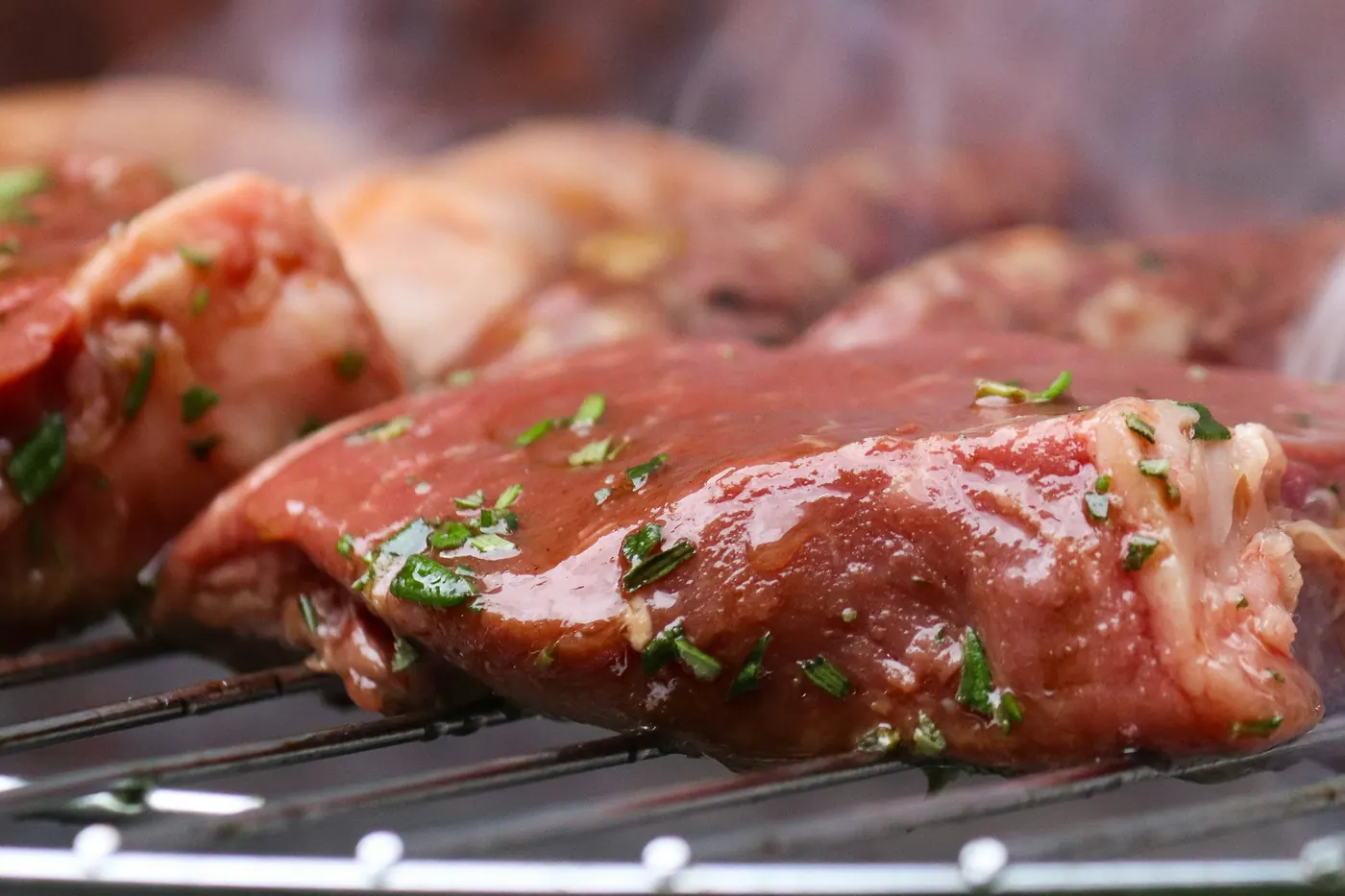
It also caramelizes fast. Dried chiles carry sugar, so adobo-marinated meat browns quickly on a grill and will burn if you look away — part of why it suits high, short cooking.
How it is made
Worth knowing because it explains the texture, and because it is where restaurant versions differ.
Dried chiles are stemmed, seeded and toasted briefly on a dry pan — seconds, not minutes, since a scorched chile turns bitter and cannot be rescued. They then soak in hot water until pliable, usually twenty to thirty minutes.
The softened chiles go into a blender with garlic, spices, salt and vinegar, plus some of the soaking water, and are worked into a paste. Many cooks then push the paste through a sieve, because dried chile skins never fully break down and leave a grittiness otherwise.
Some versions are fried afterward — the paste hits hot lard or oil and cooks down for a few minutes, which deepens the color and rounds the raw edge off the vinegar. That step is what separates a sauce from a marinade in most kitchens.
On Julia’s menu
Adobo appears twice on Julia’s menu, both times on shrimp, which is a slightly unusual pairing worth noticing.
The camarones adobados are part of the sampler platter, alongside nachos Tejanos, a spinach quesadilla and taquitos de pollo. That is adobo used as a marinade in the classic way.
The camarones rellenos are bacon-wrapped shrimp stuffed with Oaxaca cheese and a slice of jalapeño, basted with adobo, served with white rice and fiesta vegetables. Here it is a basting sauce rather than a soak — brushed on during cooking, where the sugars can catch.
Shrimp takes a shorter marinade than pork does, which is the practical difference. Hours rather than overnight; the acid would otherwise start to firm the flesh the way it does in ceviche.
Neither dish is hot. The heat in the camarones rellenos comes from the jalapeño slice inside, not from the adobo.
Frequently asked questions
What is Mexican adobo?
A thick red sauce of dried chiles, vinegar, garlic and spices, used as a marinade or a cooking sauce. The vinegar is what distinguishes it from other red chile sauces.
Is adobo spicy?
Usually not. It is built on mild dried chiles — guajillo, ancho, pasilla — so it tastes deep and tangy rather than hot.
What does adobada mean on a menu?
Marinated in adobo. In northern Mexico and the southwest, tacos adobada often means spit-roasted pork, the same dish as al pastor.
Is Mexican adobo the same as Filipino adobo?
No. Filipino adobo is meat braised in soy sauce and vinegar with no chiles. The two share a Spanish root word and nothing else.
What is the adobo in “chipotles in adobo”?
The tangy tomato-and-vinegar sauce the rehydrated chipotles are canned in. Same family, thinner and with tomato added.
The short version
Dried chiles, vinegar, garlic and spice, ground into a paste. Used to marinate, to braise, and to can chipotles in. Deep red, tangy, and not hot.
Julia’s uses it twice on the menu, both times on shrimp.