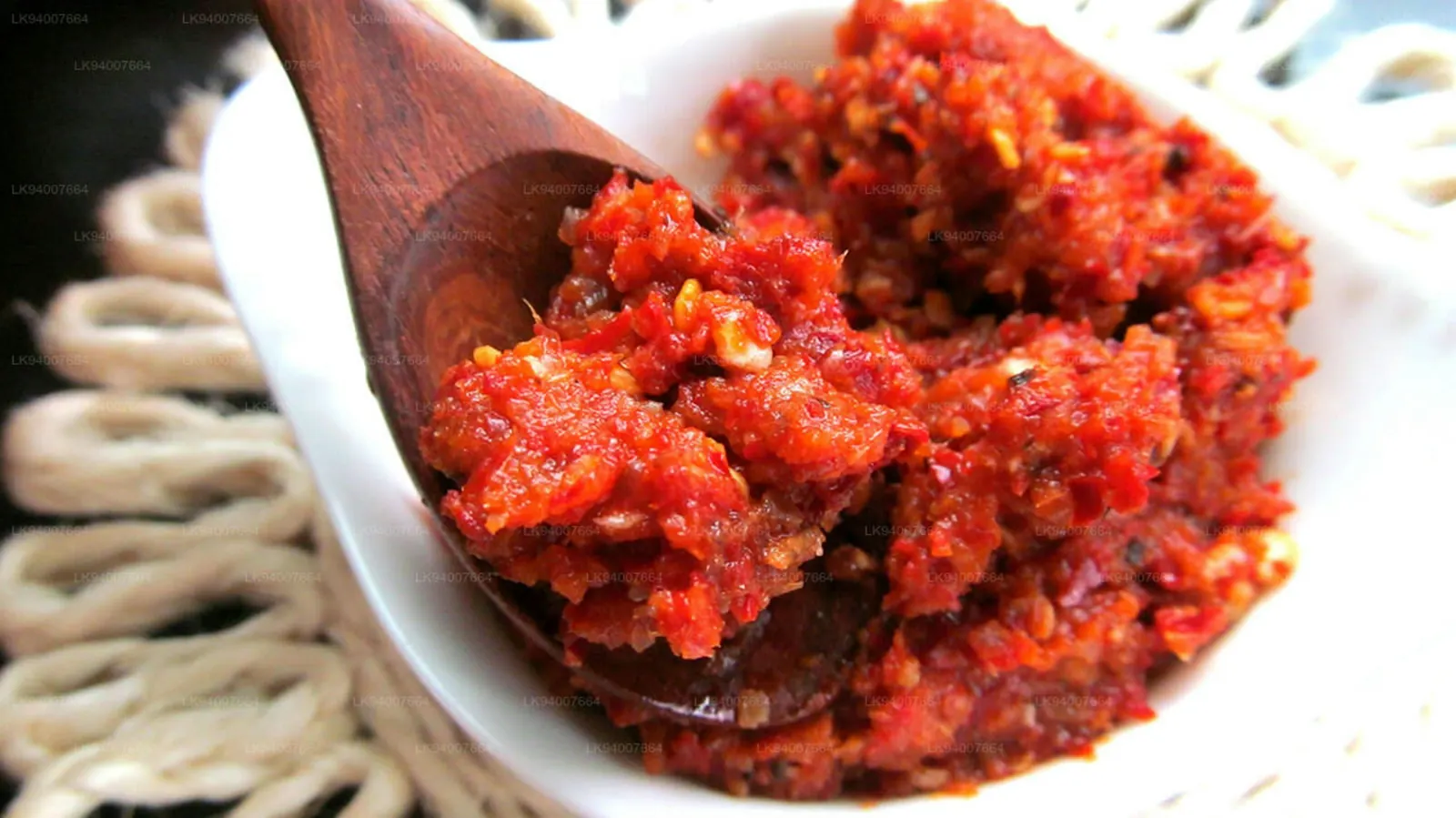
If a Mexican dish arrives a deep brick orange and it is not spicy, achiote is usually why.
It is one of the few seasonings that does most of its work through color, and it is the ingredient that separates Yucatecan cooking from everything else on the menu.
The short answer
Achiote is the seed of the annatto tree, ground into a paste with garlic, vinegar or sour orange, and spices. The blend is called recado rojo. It gives food a deep red-orange color and an earthy, faintly peppery flavor with almost no heat. It is the base of Yucatecan pibil dishes, and it also colors al pastor.
The seed
Annatto seeds come from the achiote tree, which grows across tropical Latin America. The seeds are small, hard and brick red, and the color sits in a waxy coating on the outside rather than in the seed itself.
That coating is why annatto is used as a natural dye far beyond Mexican cooking — it is what makes some cheddars orange and some butters yellow. In the kitchen it does the same job with more flavor attached.
On its own the taste is mild: earthy, slightly peppery, faintly bitter, with a hint of nutmeg. It is not hot at all, which is the most useful thing to know when a plate arrives looking like it should be.
Recado rojo
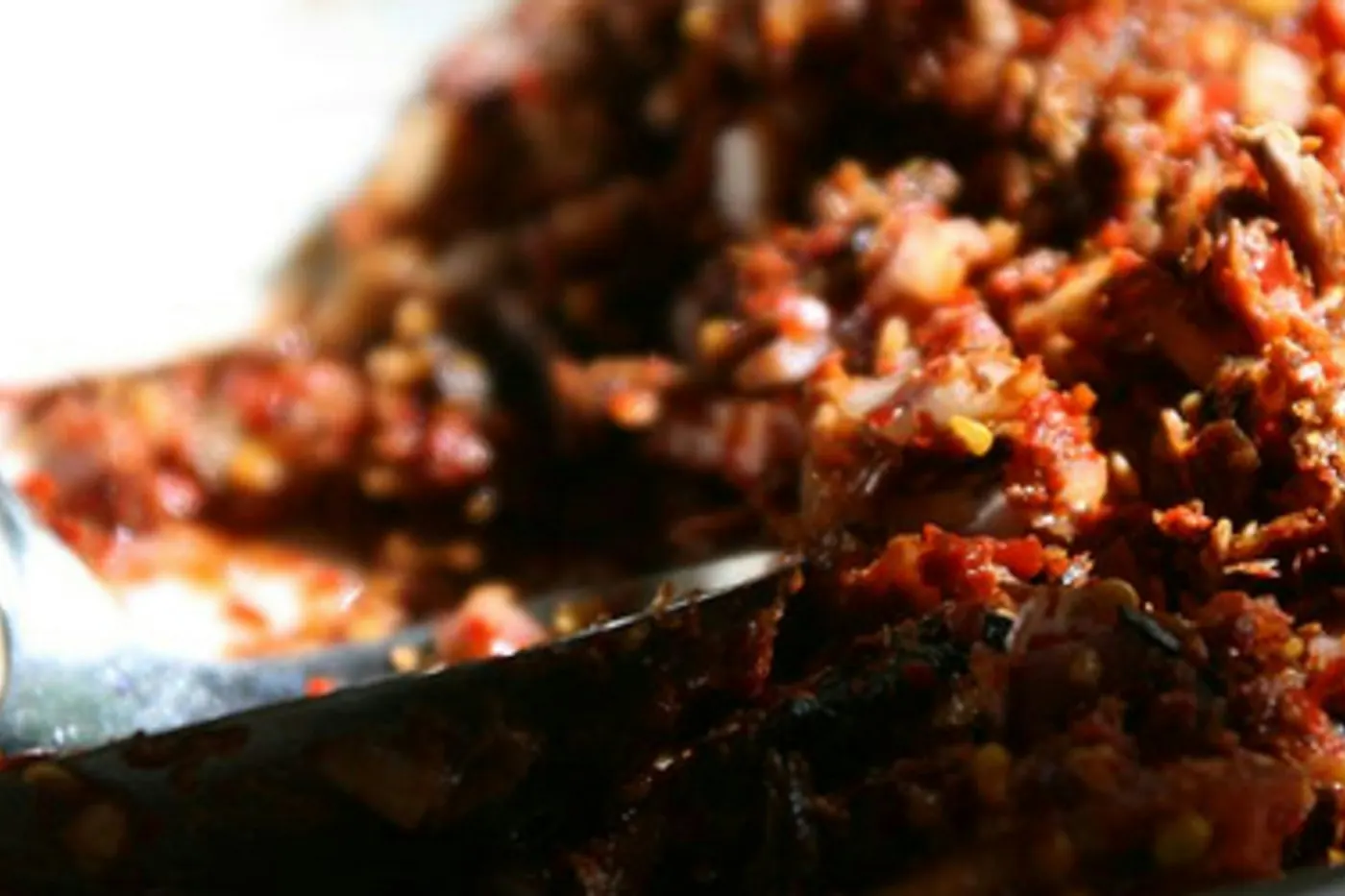
Achiote rarely appears alone. It appears as a paste.
Pati Jinich, describing achiote paste or recado rojo, sets out the standard blend: annatto seeds ground with garlic, oregano, cumin, clove, allspice, black pepper and coriander, loosened with vinegar or bitter orange juice and salt.
Recado means a seasoning paste, and the Yucatán has several — recado negro is a charred black one, recado blanco a pale one. Rojo is the one that traveled.
It is sold as a firm brick, and it is dissolved in citrus juice before use rather than rubbed on dry.
The sour orange half
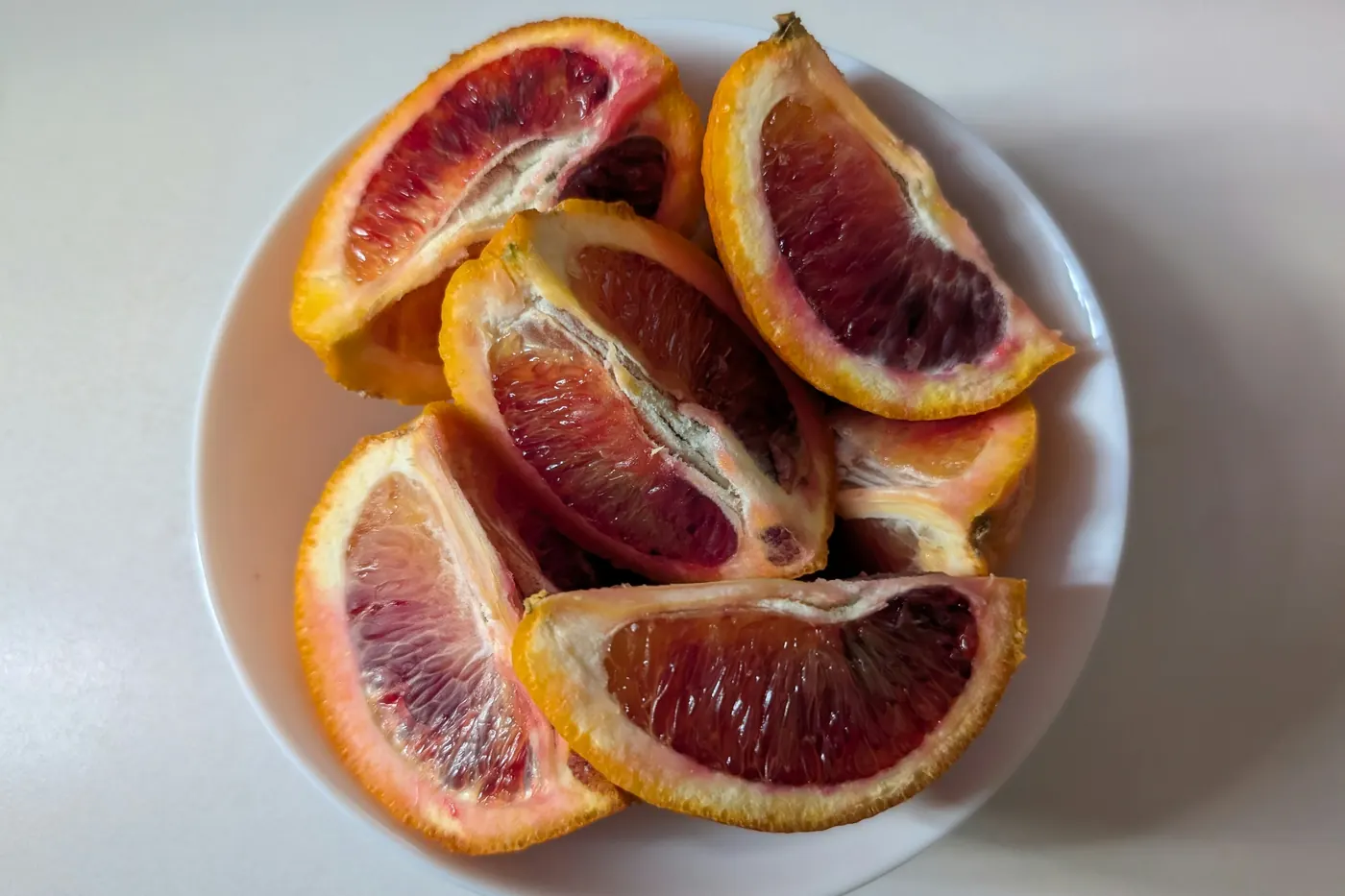
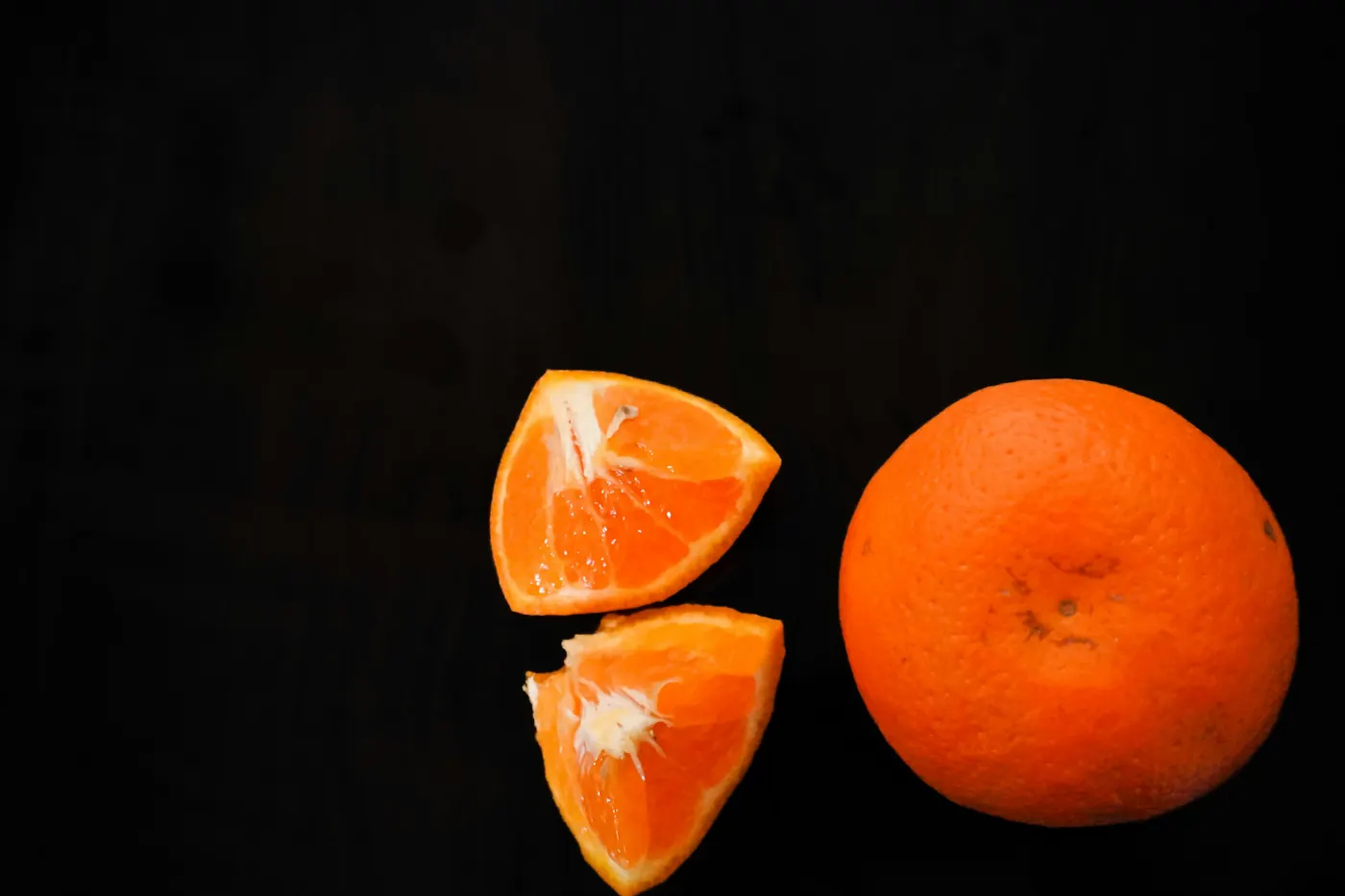
Achiote is almost always paired with naranja agria, sour or bitter orange, and the pairing is not interchangeable with lime.
Sour orange is more floral and less sharply acidic than lime, with a bitter edge from the peel. It tenderizes over a long marinade without turning the meat mealy the way strong lime juice can.
Outside the Yucatán it is often hard to source, and the standard substitute is a blend — orange juice with lime, sometimes with grapefruit. That gets close, and most kitchens outside Mexico are using some version of it.
What it is used for
| Dish | What achiote does | Region |
|---|---|---|
| Cochinita pibil | The whole marinade, with sour orange | Yucatán |
| Pollo pibil | The same, with chicken | Yucatán |
| Tacos al pastor | Color and earthiness in the chile marinade | Puebla and everywhere |
| Tikin xic | Fish rubbed in recado, grilled in leaf | Yucatán coast |
| Rice and stews | Color, in small amounts | Widespread |
The al pastor row is the connection people miss. The vertical-spit pork covered in our al pastor guide gets much of its color from achiote, not from chile alone.
Beyond Mexican cooking
Annatto traveled further than most Mexican ingredients, and usually without its name attached.
In Filipino cooking it colors kare-kare and pipian. In Caribbean and Puerto Rican kitchens, achiote-infused oil is a base for sofrito and rice. In Brazil it is colorau. In each case it does the same job: it makes food look richer than plain cooking would.
Its largest use worldwide, though, is industrial. Annatto is the natural coloring behind orange cheddar, some butters and margarines, and a good deal of snack food. If a label lists annatto or E160b, that is the same seed.
That commercial ubiquity is a useful reminder about the ingredient: it is chosen for color first, and its flavor is subtle enough that a slice of cheddar does not taste of it.
Buying and using the paste
Achiote paste is sold in small firm bricks, usually wrapped in plastic, and it keeps for a long time in the refrigerator.
It is not used dry. The block is dissolved in citrus juice — sour orange traditionally, or an orange-and-lime blend — until it becomes a loose marinade, and only then does it go on the meat. Rubbed on as a solid it stays patchy and tastes raw.
Whole annatto seeds are the other form, and they are harder work. The color has to be drawn out into hot oil or lard, then the seeds strained out, because the seeds themselves stay stubbornly hard no matter how long they cook.
Pibil, and the leaf
Pibil comes from the Maya pib, meaning earth oven, and it names the method rather than the seasoning.
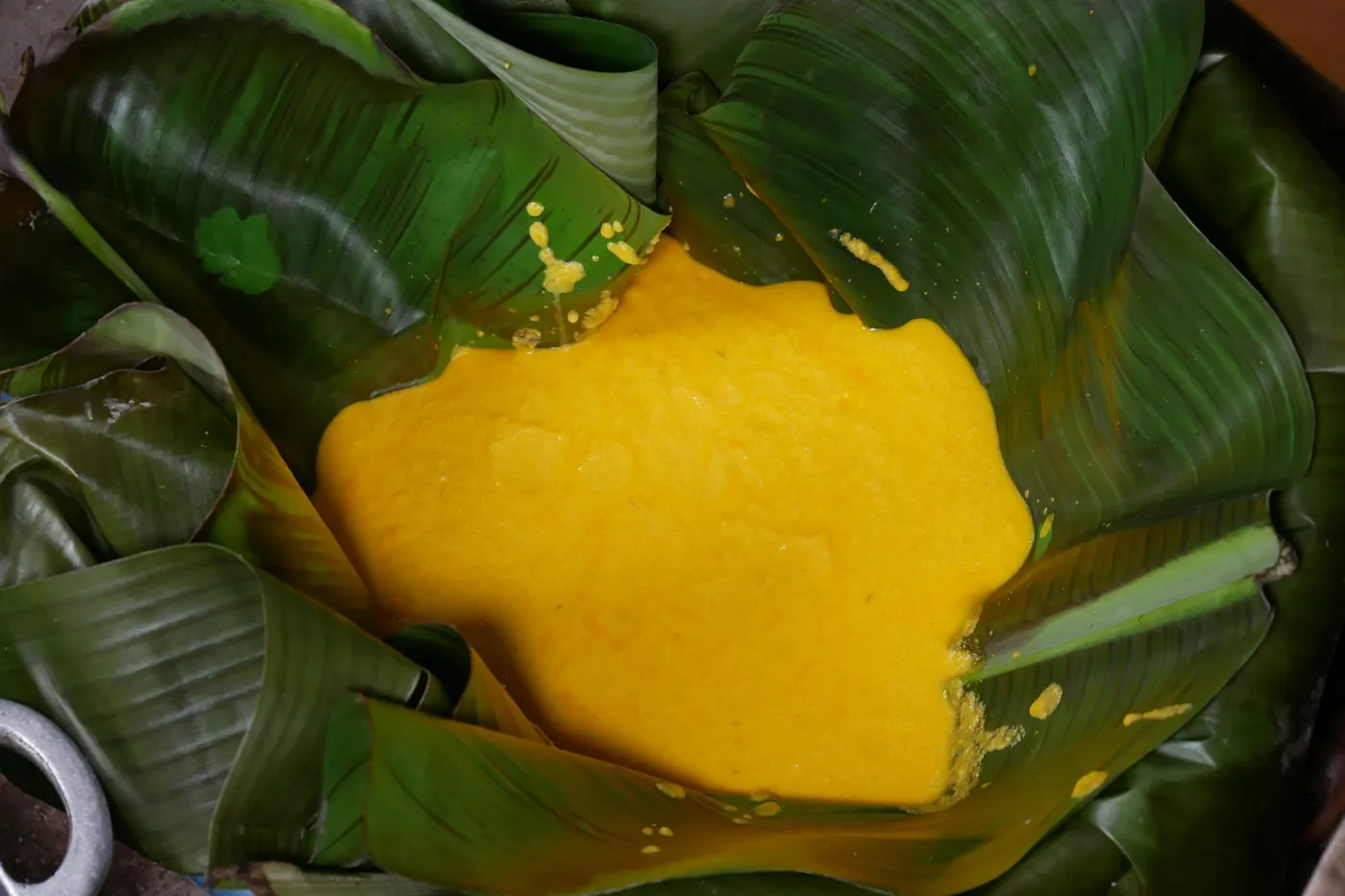
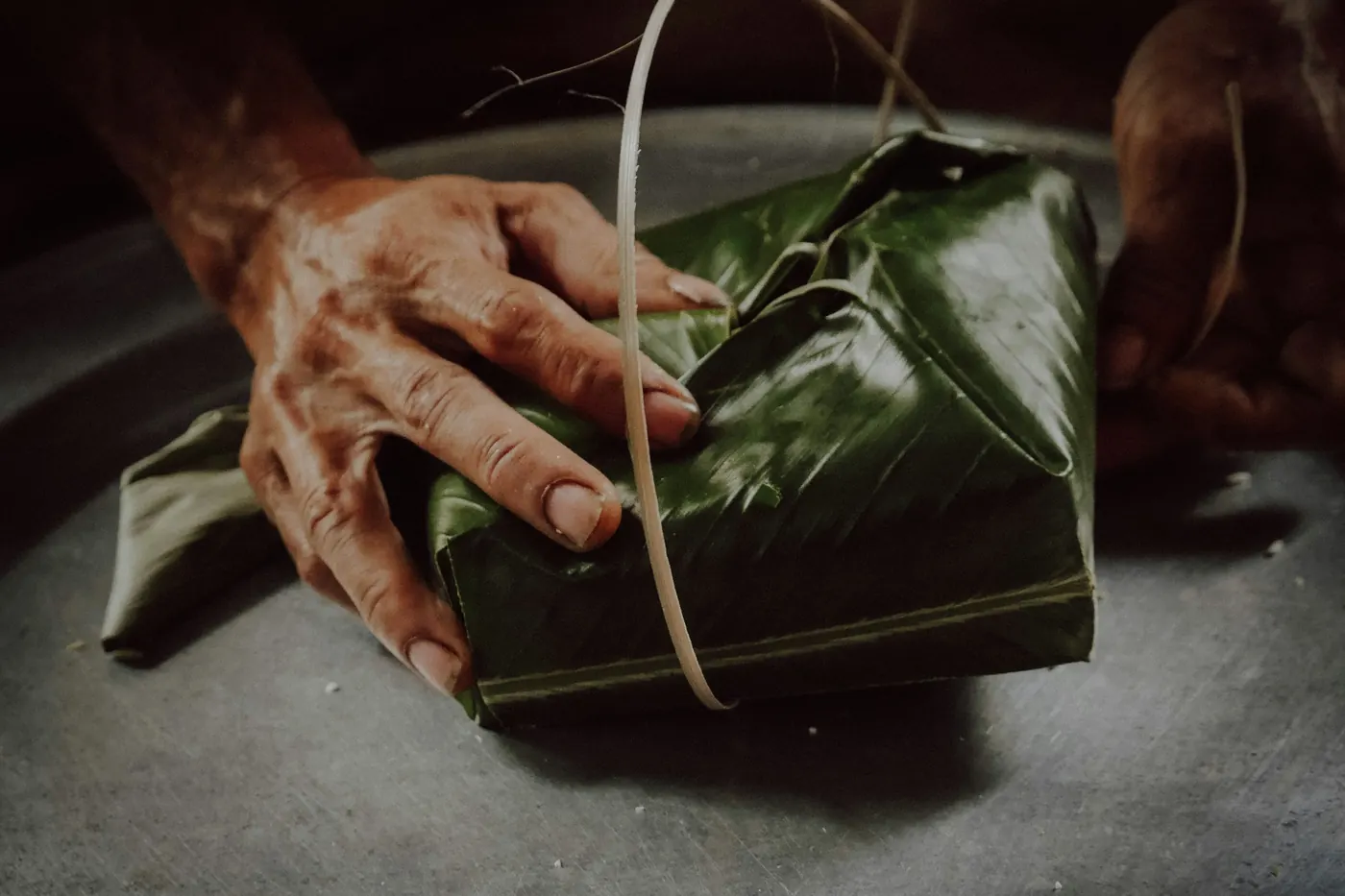
Meat is marinated in recado rojo and sour orange, wrapped in banana leaf, and cooked slowly — traditionally buried in a pit, now usually in an oven. The leaf holds moisture in and contributes a faint grassy note of its own.
It is the same underlying idea as barbacoa: wrap it, bury it, leave it. What differs is the seasoning, and the seasoning is achiote.
On Julia’s menu
Achiote appears in one dish on Julia’s menu, and it is the one it should appear in: cochinita pibil, among the house specialties.
That is the flagship Yucatecan dish, and it is unusual to find on a Texas menu — the ingredients are harder to source and the cook is long. Our regional guide covers why so few Yucatecan dishes traveled north.
It also appears among the family packs that serve four, which suits a dish that comes out of the oven as a whole piece and gets shredded.
Practically: it is not spicy. The color suggests otherwise, and people order around it for that reason. In the Yucatán the standard accompaniments are pickled red onion and a habanero salsa on the side, which is where any heat in the meal comes from.
Frequently asked questions
What does achiote taste like?
Earthy and faintly peppery, with a slight bitterness and a hint of nutmeg. Mild, and not hot at all.
Is achiote spicy?
No. It provides color and an earthy base note. Any heat in an achiote dish comes from chiles added alongside it.
What is recado rojo?
The Yucatecan seasoning paste built on annatto seed, ground with garlic, oregano, cumin, clove, allspice and pepper, loosened with sour orange or vinegar.
What can I use instead of sour orange?
A blend of orange juice with lime, sometimes with a little grapefruit. It is the standard substitute outside the Yucatán.
Is annatto the same as achiote?
Annatto is the seed; achiote is the Spanish name for the tree and seed, and also the usual name for the paste made from it. In practice they are used interchangeably.
The short version
A seed that colors more than it flavors, ground into a paste with garlic and spice, and paired with sour orange. Deep orange, earthy, and not spicy despite appearances.
Julia’s uses it in the cochinita pibil on the menu, which is where it belongs.