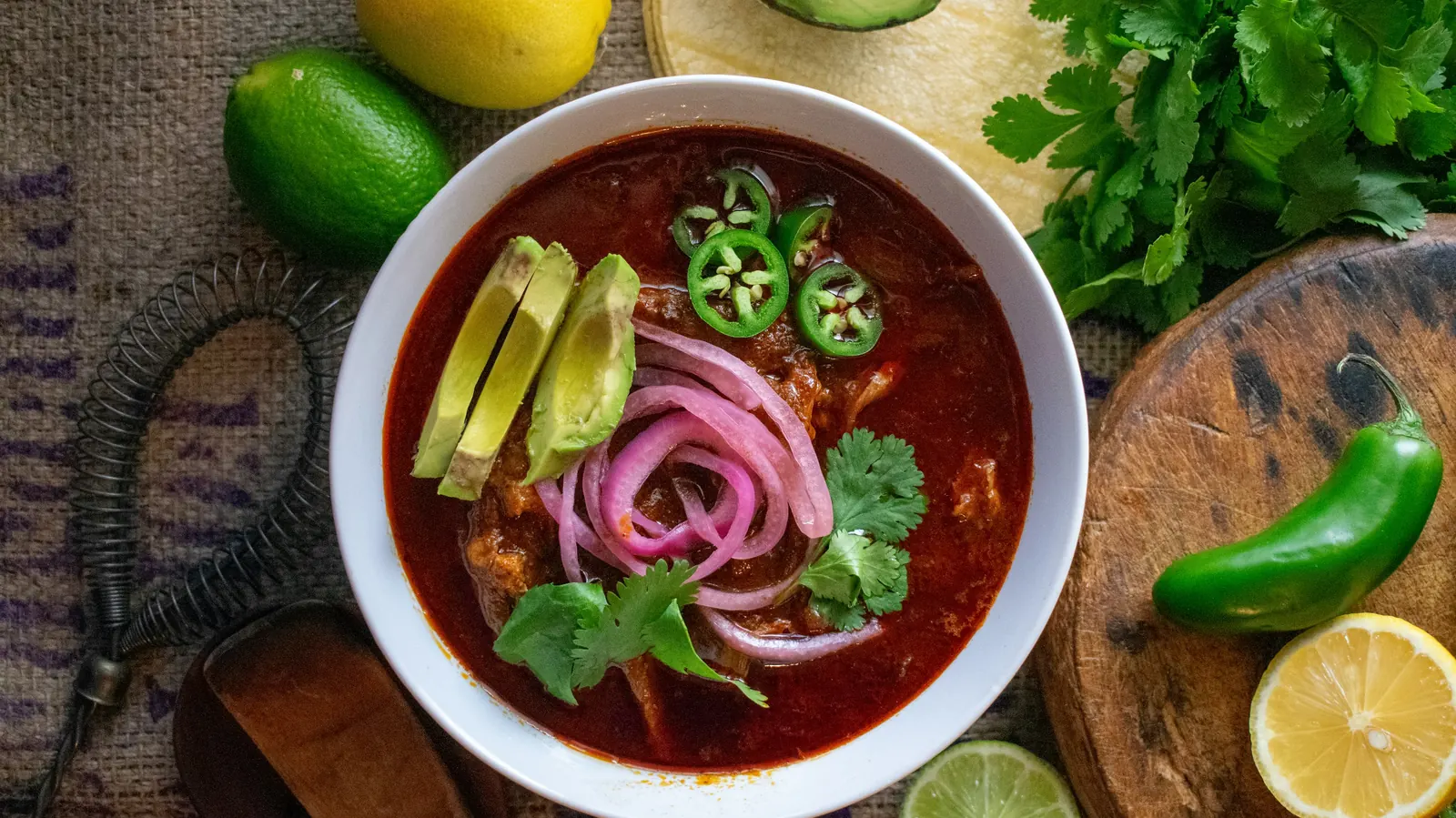
Two red soups, two bowls of the same size, both surrounded by the same little plates of onion, lime and oregano. On a Mexican brunch menu they sit next to each other, and the descriptions are short enough to be no help at all.
The difference is not the broth. It is what is in it.
The short answer
Pozole is a chile broth with hominy and pork or chicken. Menudo is a chile broth with beef tripe. Both are weekend soups, both are finished at the table with raw garnishes, and both take hours. If you have never had either, order pozole — menudo’s texture is the thing people either love or cannot get past.
What they share
Enough that the confusion is fair.
Both are built on dried chiles — guajillo and ancho, usually — softened, blended and simmered into a broth that comes out deep brick red. Both cook for hours. Both are served in wide bowls with warm corn tortillas. And both arrive plain, with a plate of raw garnishes beside them that you add yourself.
Both are also weekend food, for the same reason: nobody starts a six-hour pot of soup on a Tuesday.
Pozole
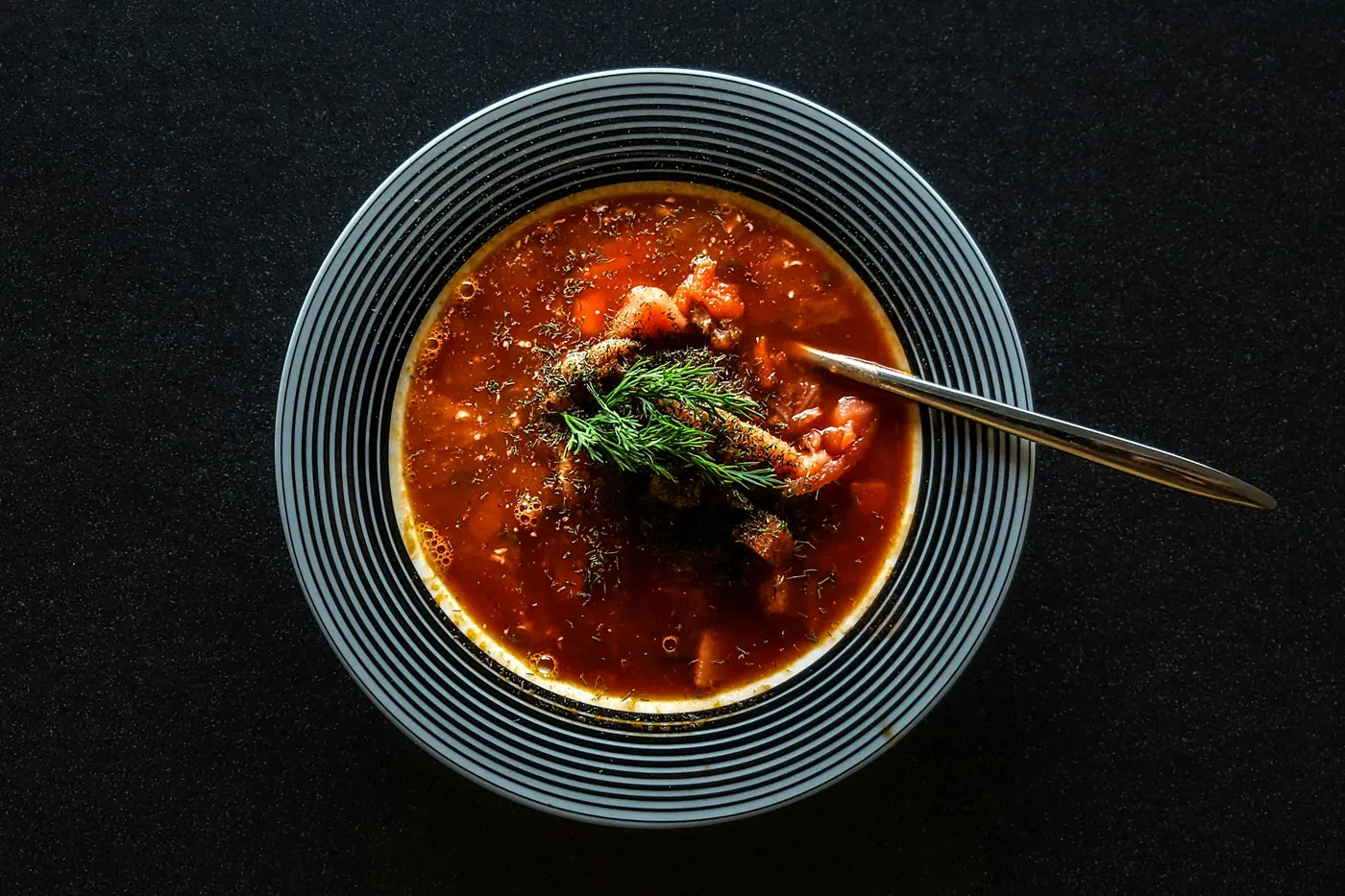
Pozole is a hominy soup. The hominy is not a filler — it is the dish’s namesake and its structure.
The meat is usually pork shoulder, sometimes chicken, simmered until it shreds. It cooks in the chile broth with the hominy, and the starch from the corn thickens the liquid slightly as it goes.
There are three standard versions. Pozole rojo uses dried red chiles and is the most common. Pozole verde swaps in tomatillos, serranos and herbs, and comes out bright green and sharper. Pozole blanco uses no chile paste at all, leaving the broth pale and letting the garnishes do the work.
What hominy actually is
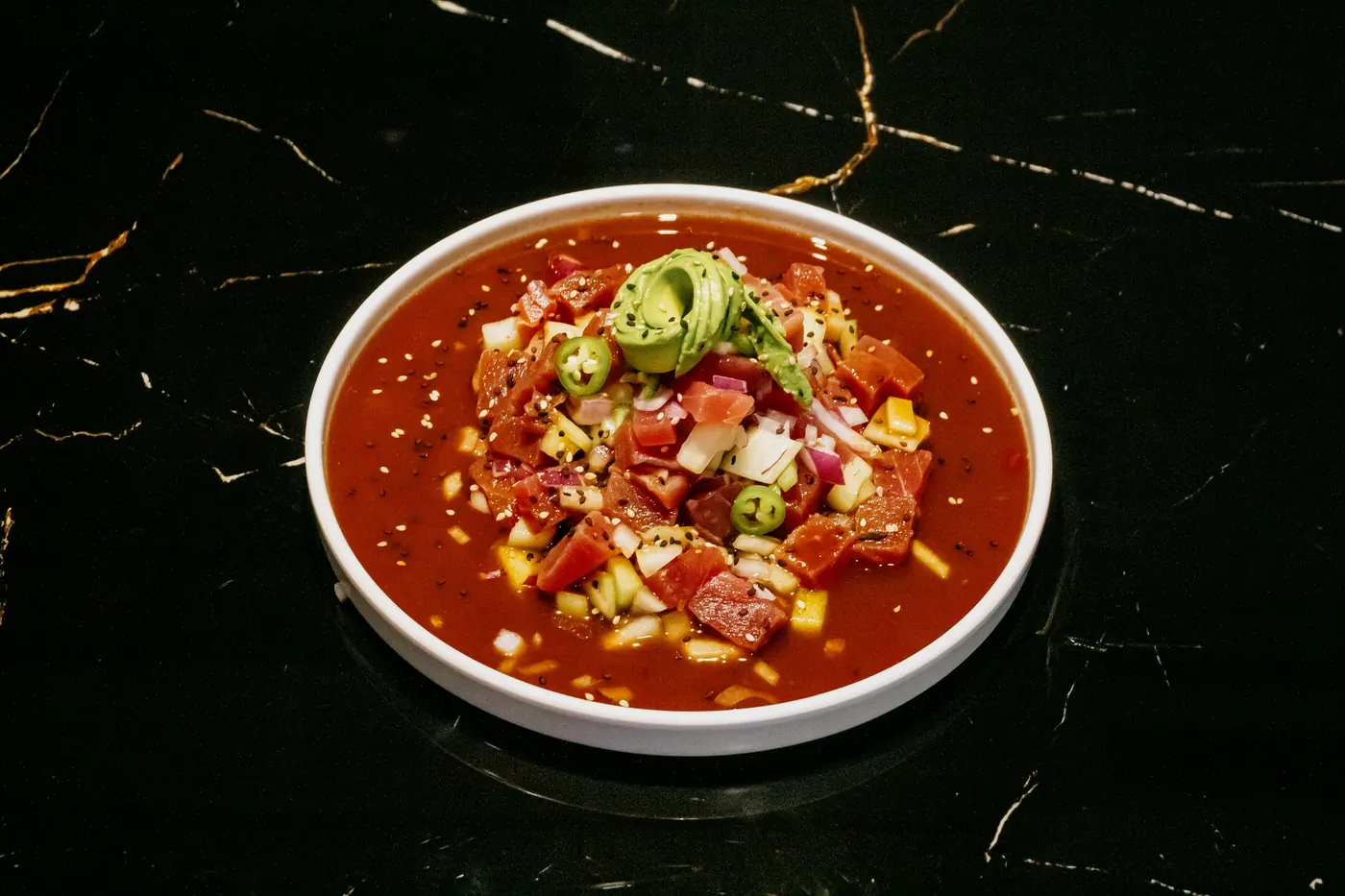
Hominy is dried field corn that has been nixtamalized — soaked in an alkaline solution until the tough outer hull loosens and comes away.
It is the same process that turns corn into masa for tortillas and tamales, stopped earlier. Instead of grinding the softened kernels, they are left whole, and they swell into something plump, chewy and faintly sweet. It holds its texture in a soup for hours, which is precisely why it works here.
Menudo
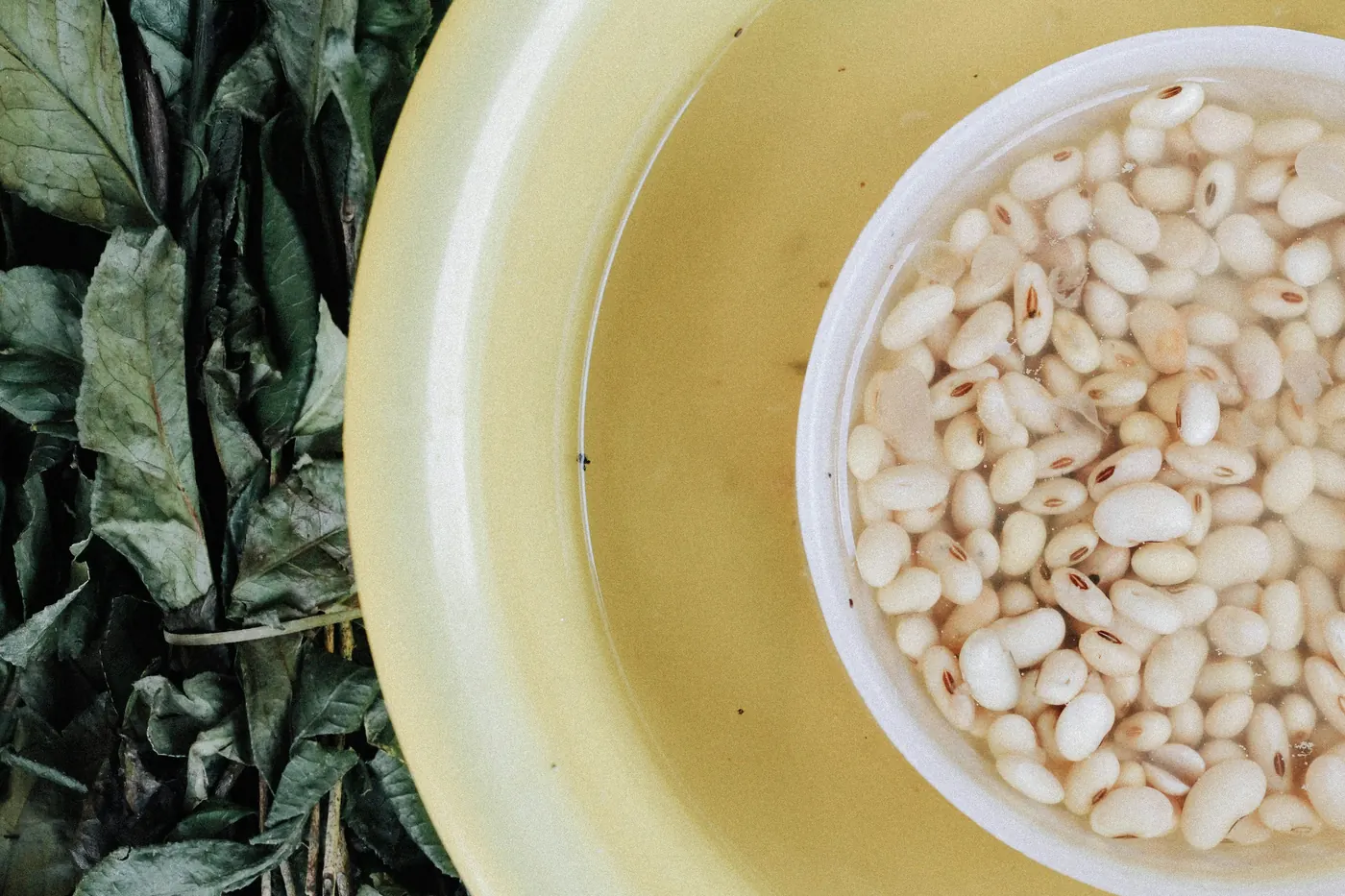
Menudo is the same idea with tripe, and it is worth being plain about what that means: the lining of a cow’s stomach, cleaned, cut into strips and simmered until soft.
The texture is the point of contention. Properly cooked, it is tender and slightly springy, somewhere near a soft noodle, and it carries broth well because of the honeycomb surface. Undercooked, it is rubbery, and that is the version that puts people off for life.
The broth is typically more assertive than pozole’s, and often includes epazote — a pungent Mexican herb with no real English equivalent, somewhere between oregano and something medicinal. It is there for the tripe specifically.
Some regional versions include hominy and some do not, which is one more reason the two soups get mixed up.
Its reputation
Menudo is famous in Texas and northern Mexico as a Sunday morning dish, and inseparable from its reputation as a hangover remedy — “menudo para el crudo”.
As Houstonia’s piece on the tradition sets out, it is a labor-intensive staple of Mexican-American homes and of Tex-Mex weekend menus, cooked in large batches and tied to family gatherings. Whether it cures anything is folklore rather than fact. What is true is that it is hot, salty and slow to eat, which is not nothing on a Sunday morning.
Side by side
| Pozole | Menudo | |
|---|---|---|
| Main protein | Pork or chicken | Beef tripe |
| Hominy | Always — it defines the dish | Sometimes, depending on the region |
| Broth | Savory, mellow, slightly thickened | Sharper and more aromatic |
| Cook time | Several hours | Longer — the tripe sets the pace |
| Texture | Shredded meat, chewy corn | Soft, springy strips |
| Herb | Oregano, added at the table | Epazote, cooked into the broth |
| First-timer friendly | Yes | Depends entirely on the texture |
The garnishes are half the dish
Neither soup is finished when it reaches you, and treating the garnish plate as decoration is the one real mistake you can make.
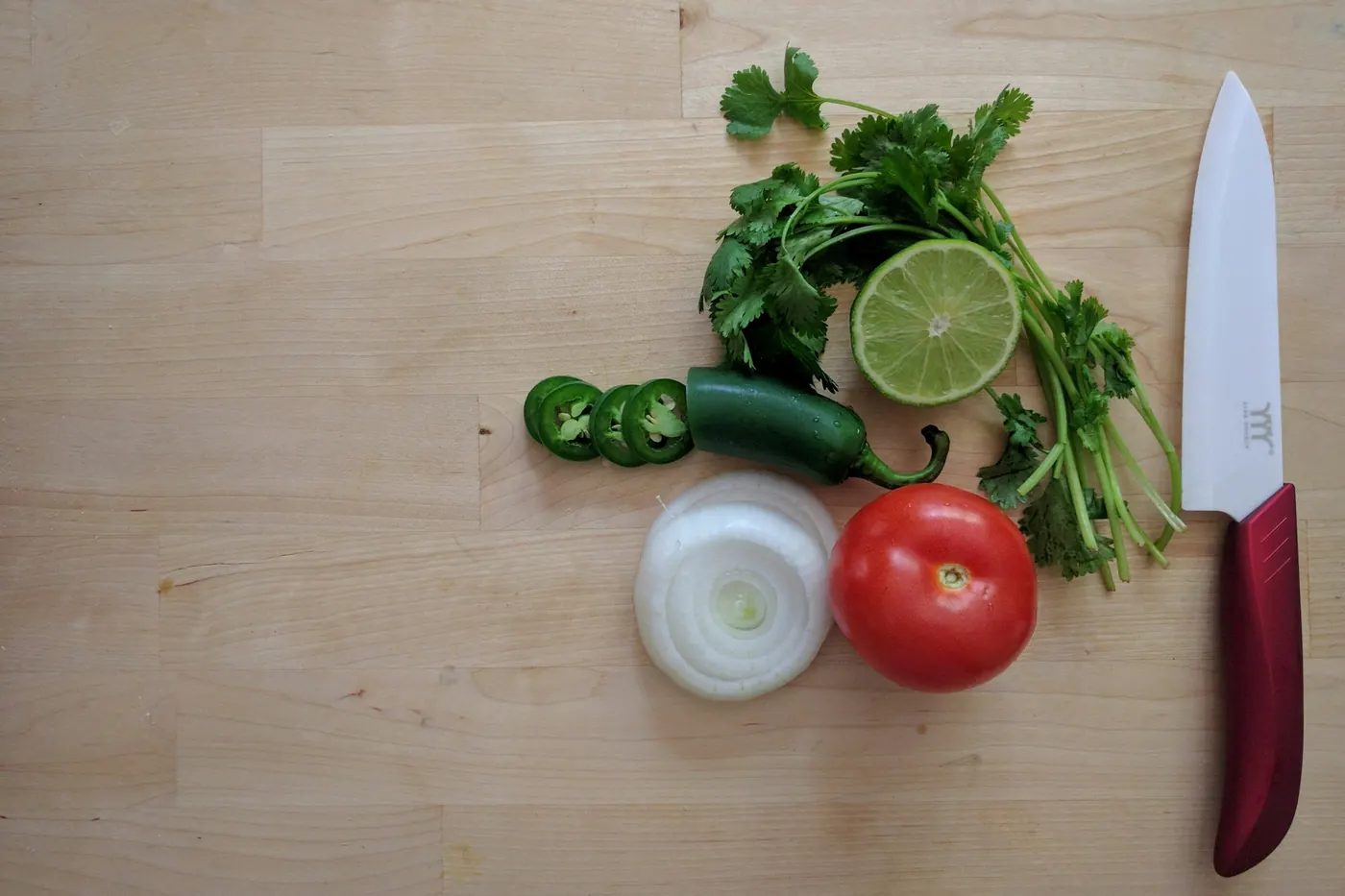
Expect some combination of raw white onion, chopped cilantro, dried oregano crumbled between the fingers, lime wedges, sliced radish and shredded cabbage or lettuce. Chile flakes or a dry chile powder often come alongside.
Every one of them is doing a job. The broth is deep, fatty and long-cooked; the garnishes are raw, sharp and cold. Add them in stages rather than all at once, and squeeze the lime last.
How Julia’s serves them
Both are on the menu, in different sections, which reflects how they are actually eaten.
The pozole is listed among the soups: hominy, a blend of dry peppers, spices and pork. That is a rojo-style pozole, and pork is the traditional choice.
The menudo sits on the brunch menu, described as chili pepper broth, tripe, onion, garlic, epazote and corn tortillas. The epazote is the detail worth noticing — it is the herb that signals someone is making menudo the way it is supposed to be made rather than approximating it.
Both come in small and large. The small is a starter or a light meal; the large is a full one. If you are eating either alongside something else from the brunch menu, order small.
Which should you order?
Order pozole if you have not had either. It is closer to a familiar meat-and-broth soup, the hominy is the only unfamiliar element, and it is hard to dislike.
Order menudo if you already know you are fine with offal, or if you are curious and prepared to find out. It rewards the curiosity — the broth is genuinely deeper than pozole’s.
Neither is especially spicy. Dried guajillo and ancho are used for depth rather than heat, the same principle covered in our guide to mild dishes. Any real heat comes from what you add.
Frequently asked questions
What is the main difference between pozole and menudo?
The protein. Pozole is pork or chicken with hominy; menudo is beef tripe. The chile broth underneath is similar, and both are served with raw garnishes on the side.
Does menudo have hominy in it?
Sometimes. It varies by region and by kitchen. Pozole always does — the word refers to the hominy itself.
What does tripe taste like?
Very little on its own. It is mild and absorbs the broth around it. The reason people have strong opinions is the texture, which is soft and slightly springy, not the flavor.
Is pozole spicy?
Not usually. It is built on dried red chiles used for depth rather than heat. You control the spice with what you add from the garnish plate.
Why are both served on weekends?
Both take most of a day, and menudo longer than that. They are cooked in large batches for gatherings, which is why they appear on weekend and brunch menus rather than at dinner.
The short version
Pozole is pork and hominy. Menudo is tripe. Both are chile broths, both come with a plate of raw garnishes you are meant to use, and both are weekend dishes.
Julia’s serves pozole among the soups and menudo at brunch, both in two sizes. The full menu lists what goes into each, and our guide to barbacoa covers the other long-cooked dish on the same weekend page.