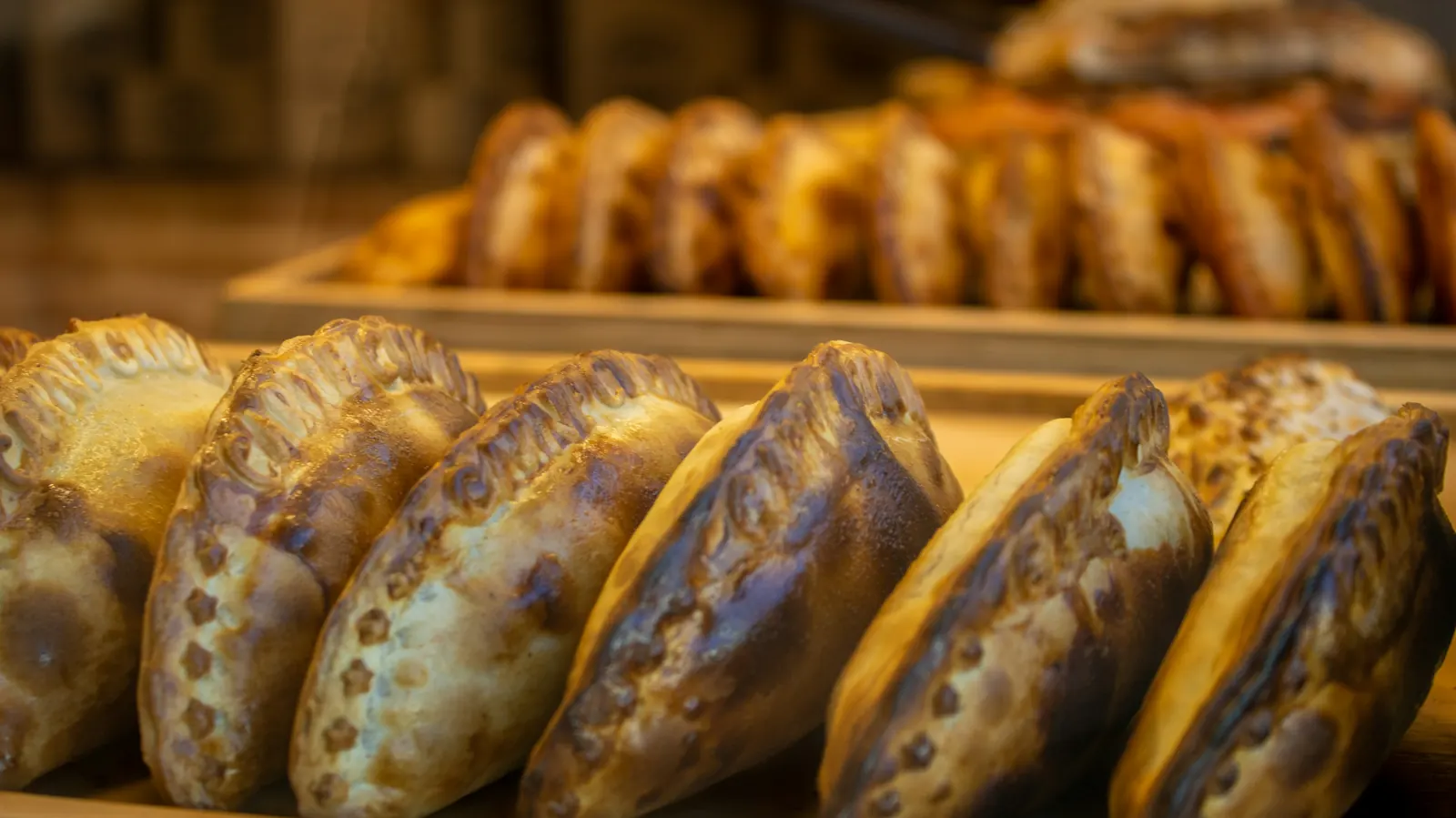
Empanadas turn up on menus across a dozen countries, and most people’s mental image is Argentinian: baked, wheat pastry, beef and olive. That is one version of a much older and wider idea.
The Mexican ones differ in two specific ways, and one of them surprises people.
The short answer
An empanada is dough folded around a filling and sealed. The name comes from empanar, to wrap in bread. Mexican empanadas are often made with corn masa when fried and wheat when baked, and — unlike most Latin American traditions — sweet versions are as common as savory ones. Picadillo is the standard savory filling; pumpkin and pineapple are standard sweet ones.
Where they come from
Long before Latin America, and not originally from Spain either.
Google Arts & Culture’s account of the empanada’s journey traces the filled-pastry idea back through Persia and the Arab world, into the Iberian peninsula during the centuries of Moorish rule, and from there across the Atlantic with Spanish colonization.
Galicia, in northwest Spain, is where the word and the recognizable form settle. Medieval Galician empanadas were large sealed pies, cut into portions rather than made individually — closer to a covered tart than to the hand pie the word now suggests.
Everything in the Americas descends from that, and then diverges immediately.
What makes the Mexican version different
Two things, and they are worth separating.
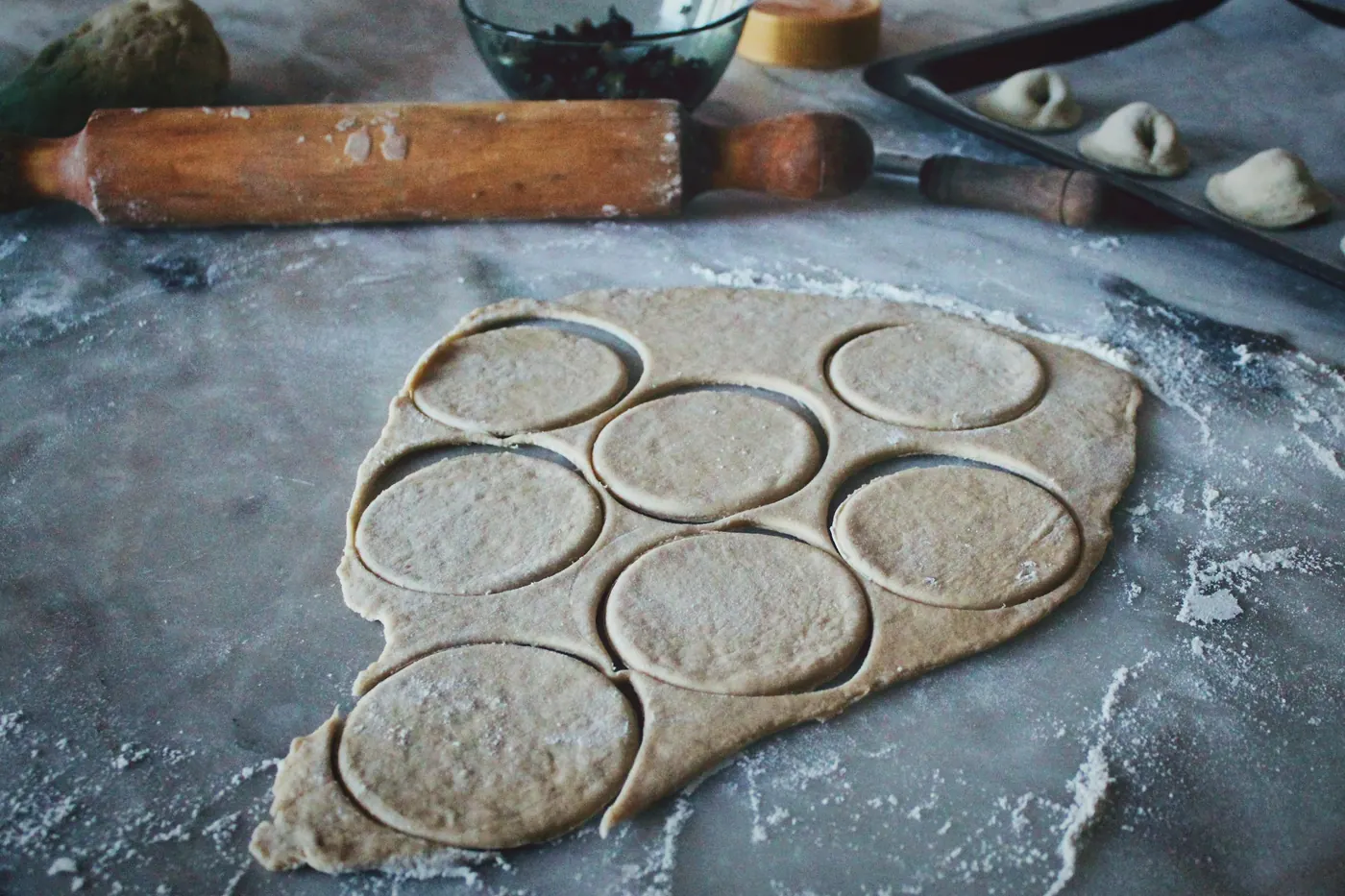
The dough is often corn. Where Argentinian and Chilean empanadas are essentially always wheat, Mexican fried empanadas are frequently made from masa — the same nixtamalized corn dough behind tortillas and the antojitos covered in our guide to sopes and gorditas. Baked Mexican empanadas are usually wheat. The method decides the flour.
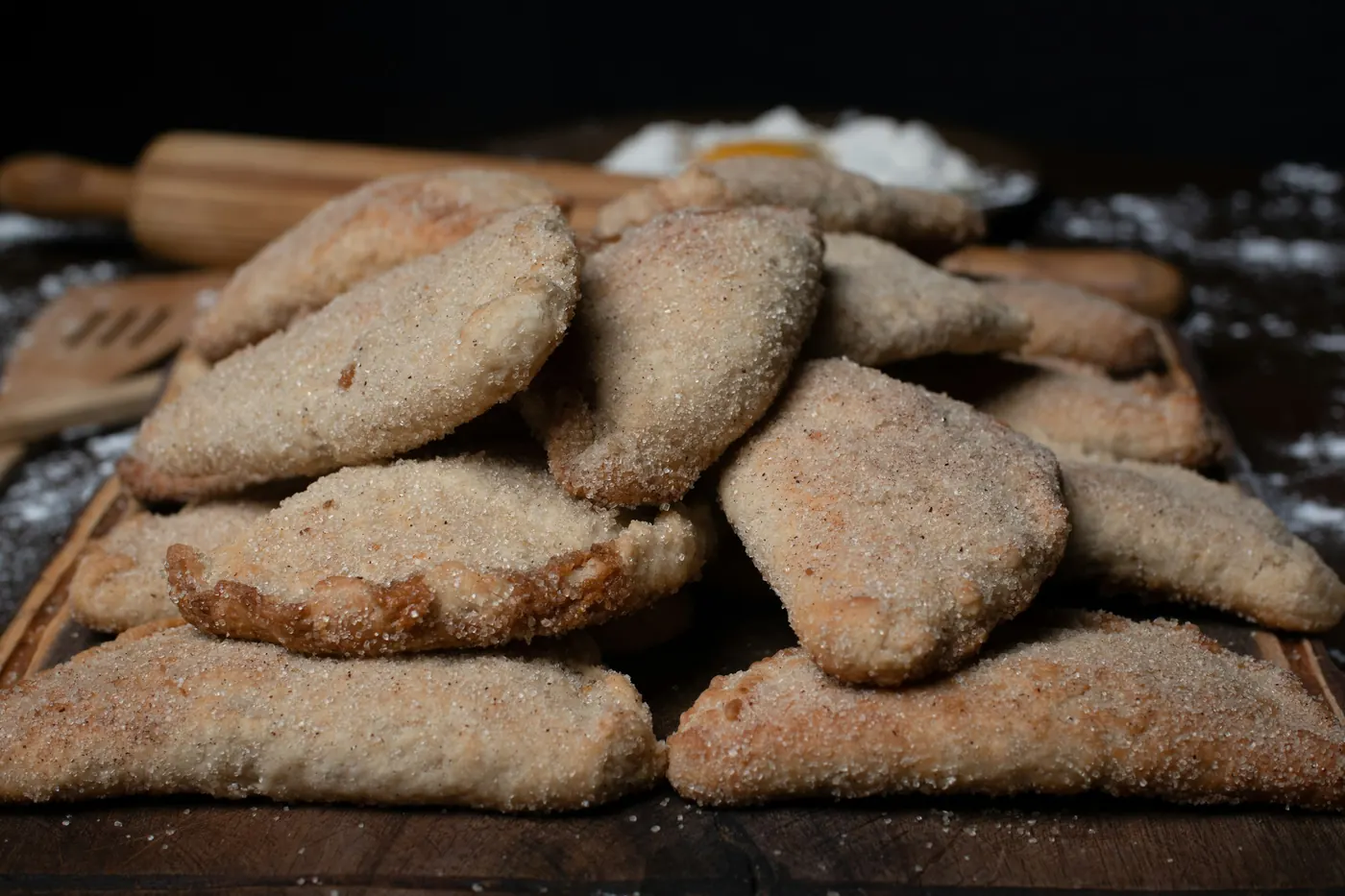
Sweet is not a novelty. In Argentina, a sweet empanada is a curiosity. In Mexico, sweet empanadas are ordinary bakery items — pumpkin, pineapple, sweet potato, cajeta — and they sit in panaderías next to the savory ones without comment.
If you have only met the Argentinian kind, the sweet ones are the genuine surprise.
By country
| Where | Dough | Method | Typical filling |
|---|---|---|---|
| Mexico | Masa or wheat | Fried or baked | Picadillo, tinga, cheese; also fruit |
| Argentina | Wheat | Usually baked | Beef, egg, olive |
| Chile | Wheat | Baked, large | Pino: beef, onion, egg, olive |
| Colombia | Corn | Fried | Potato and beef |
| Galicia | Wheat | Baked as a large pie | Tuna, pork, peppers |
The pattern across the table is that corn dough goes with frying and wheat goes with baking. That is not a rule anyone wrote down; it is what each dough does well.
The crimp is structural
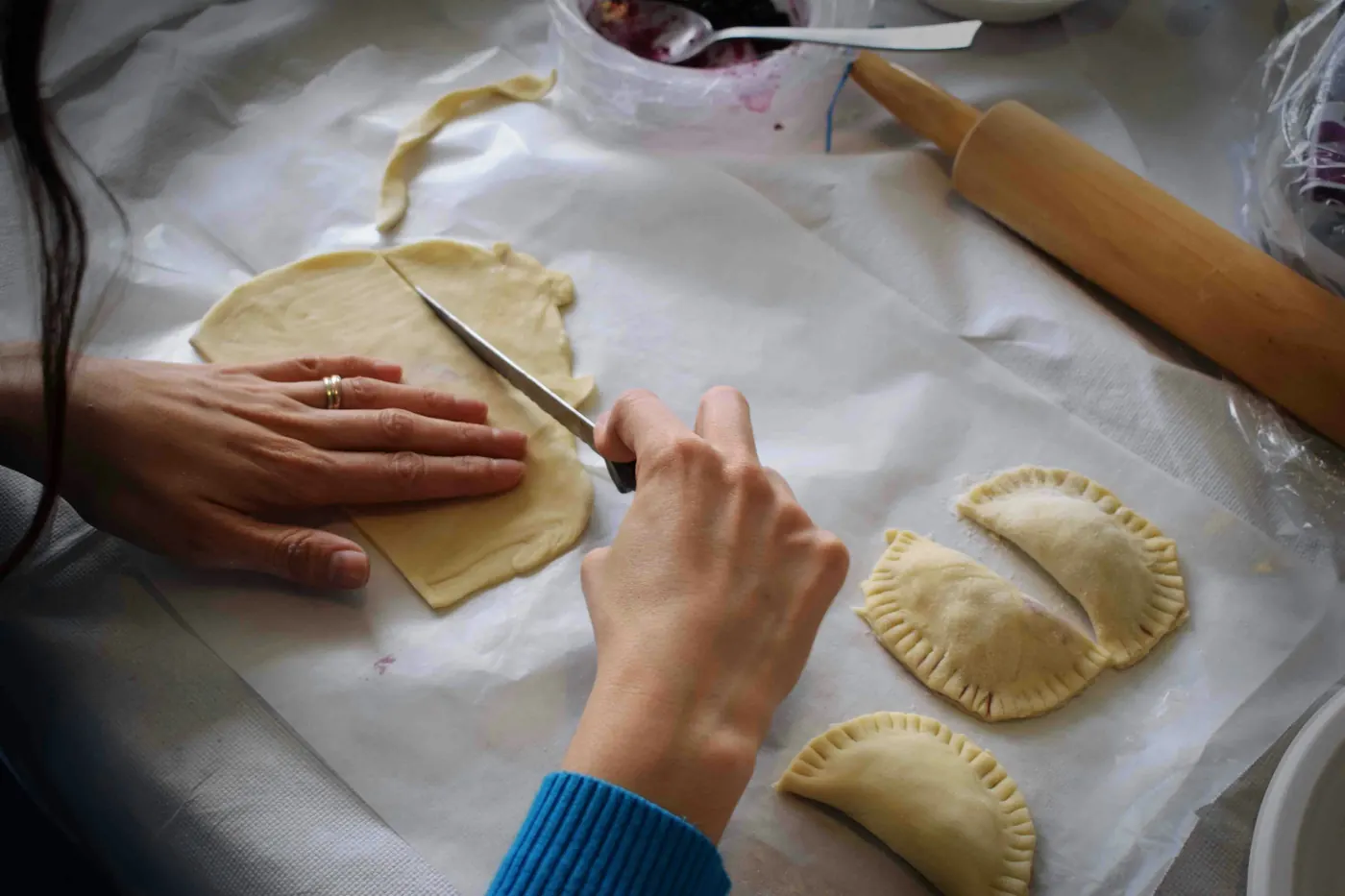
The rolled or pressed edge is called the repulgue, and it is doing a job rather than looking pretty.
A filled pastry in hot oil builds steam inside. If the seal fails, the filling escapes and the oil takes it, which ruins both the empanada and the pan. A properly rolled edge holds against that pressure; a fork-crimped one usually does too, but less reliably.
In some traditions the crimp pattern also signals the filling, so a kitchen making four kinds can tell them apart without cutting one open. That is craft rather than decoration.
Fried or baked
Both are legitimate, and they produce genuinely different things.
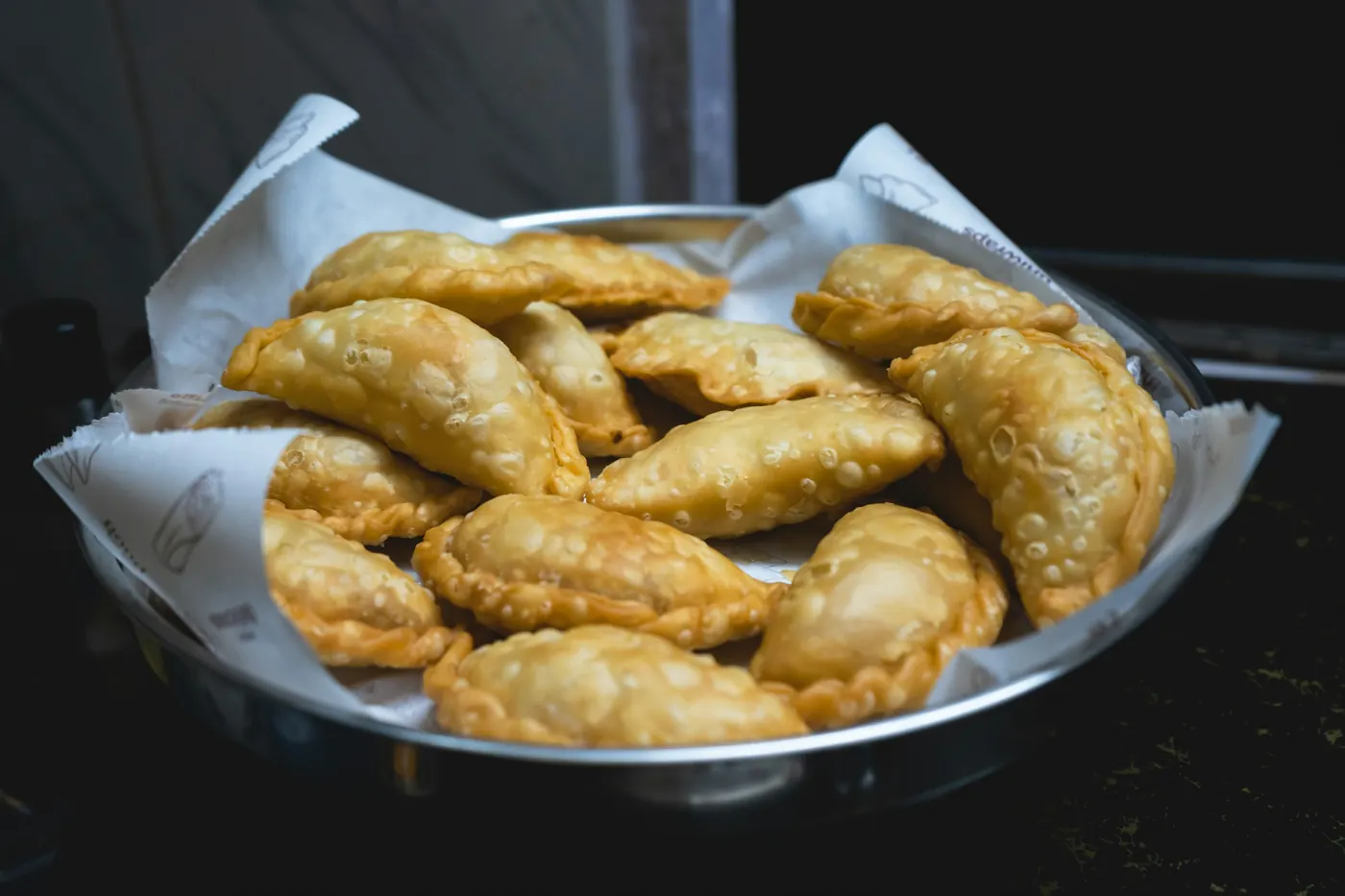
Fried gives a blistered, uneven, crisp shell that shatters. It is better eaten immediately and worse an hour later. Masa doughs almost always go this route.
Baked gives a smoother, sturdier, more even pastry that holds up and travels. Wheat doughs, often enriched with fat, take this route.
If a menu does not say which, the shape usually tells you: fried ones look irregular and bubbled, baked ones look uniform and glossy.
How they arrive
On a Mexican restaurant menu, savory empanadas are an appetizer, usually two or three to a portion, with a sauce for dipping.
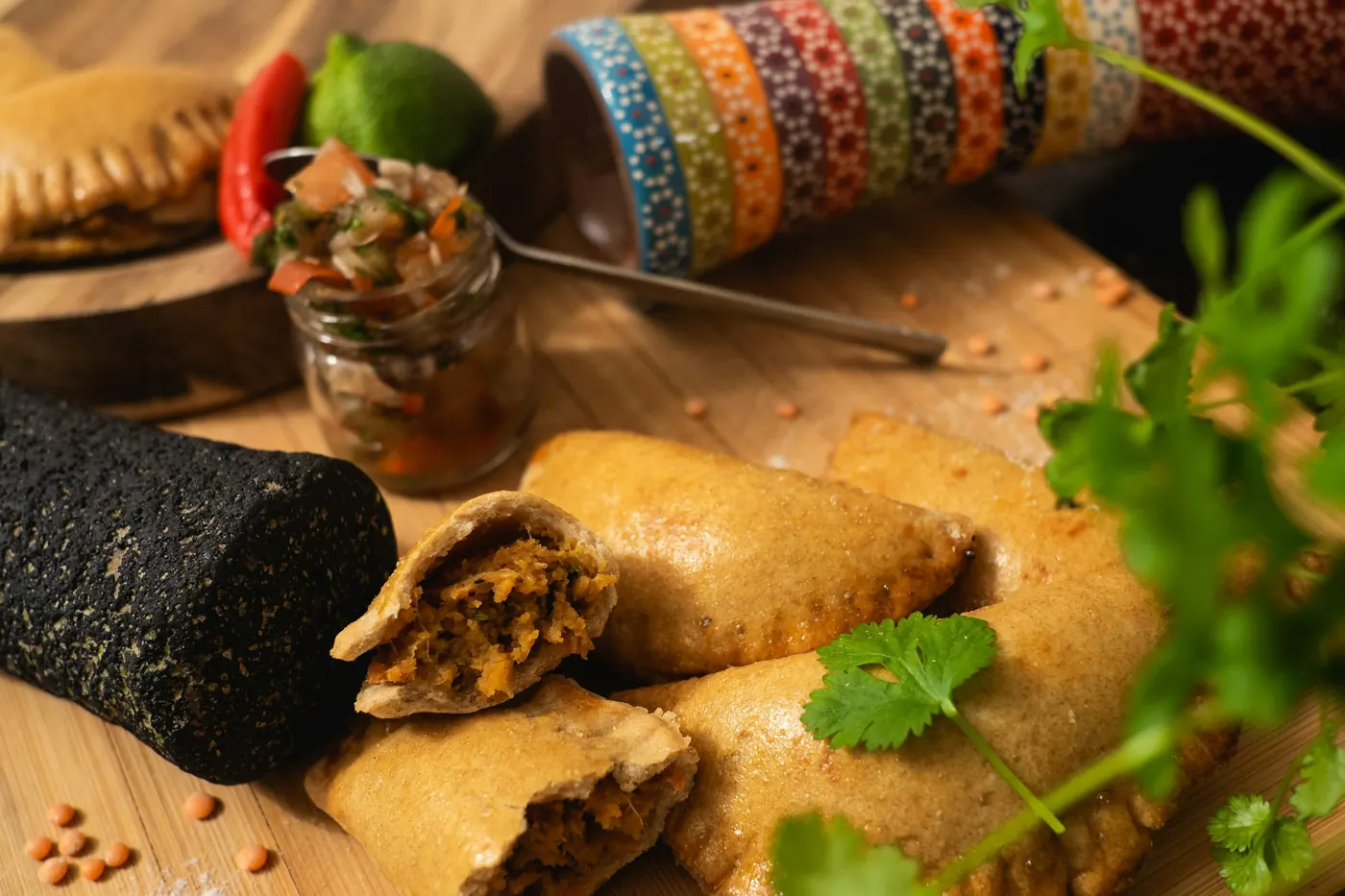
They are finger food, and they are hot inside for longer than you expect — a sealed pastry holds steam. Breaking one open and waiting thirty seconds is the sensible move, and it also lets you see what is actually in it.
On Julia’s menu
Julia’s lists empanadas among the appetizers, with a choice of picadillo or shrimp, served with jalapeño or creamy chipotle sauce.
Picadillo is the traditional Mexican savory filling — seasoned ground beef, often with potato and tomato. Our menu glossary covers the term, which is worth knowing because it turns up inside several dishes on the same page without being obvious from the dish name.
The shrimp version is the less traditional of the two and the more coastal. Both come with a sauce on the side rather than poured over, which is correct — sauce on a fried pastry softens it within a minute.
Since both fillings are meat or seafood, this is another item in the category our vegetarian guide flags as looking safer than it is.
Why the filling is always cooked first
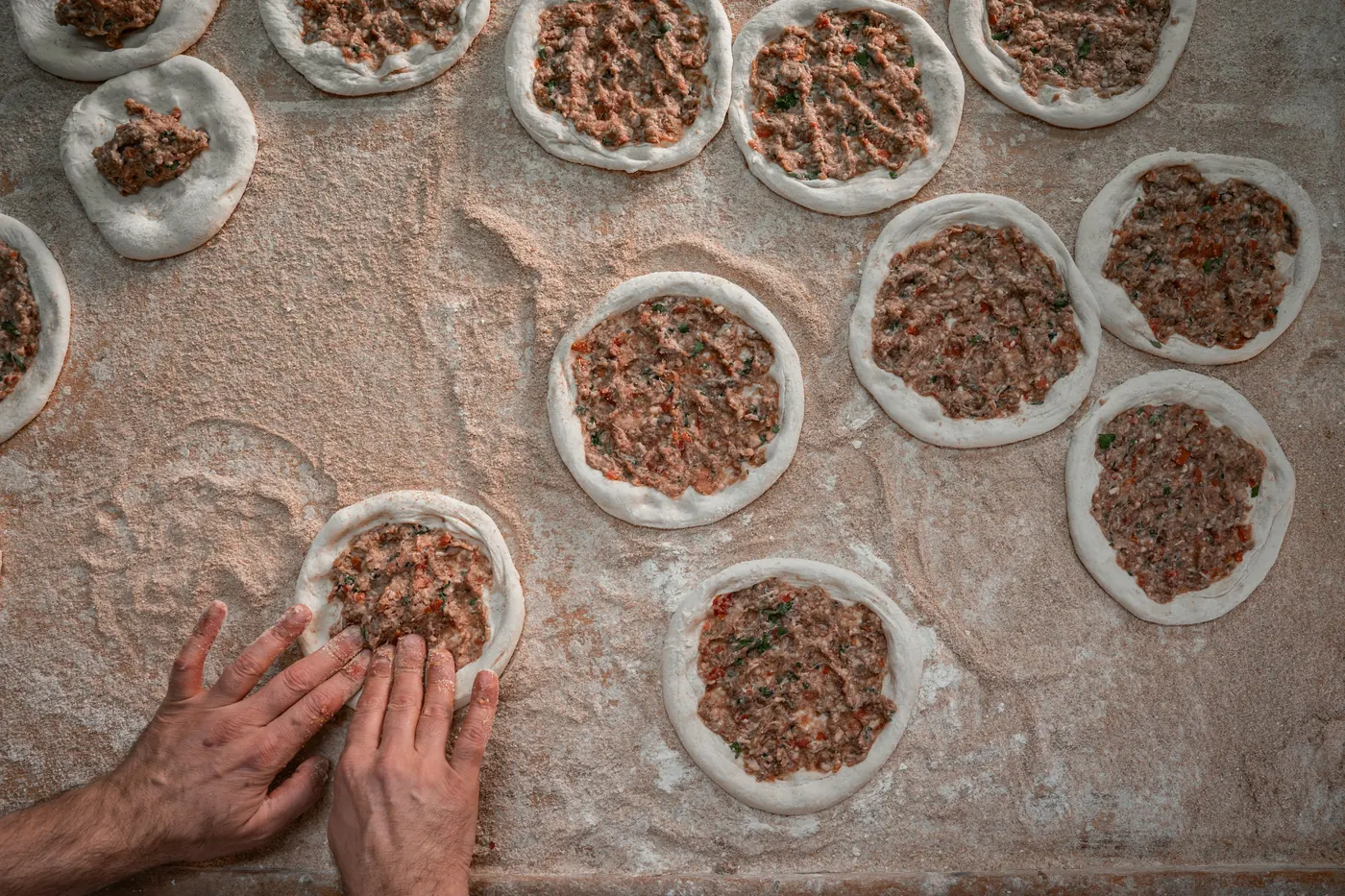
An empanada filling goes in fully cooked and completely cold, and both halves of that matter.
Cooked, because the pastry is done in fifteen minutes or less and raw meat would not be. The shell sets the timer, not the filling.
Cold, because warm filling releases steam and melts the fat in the dough while you are still assembling. That makes the pastry slack, hard to seal, and prone to splitting in the oil.
It also has to be relatively dry. A wet filling turns the base soggy from the inside before it ever reaches heat, which is why picadillo is usually cooked down until the liquid has gone rather than left saucy.
Frequently asked questions
What is the difference between Mexican and Argentinian empanadas?
Argentinian empanadas are wheat dough, usually baked, and savory by default. Mexican ones are often corn masa when fried, and sweet versions are just as common as savory.
Are empanadas Mexican?
They exist across Latin America and originate in Spain, with older roots in Persian and Arab filled pastries. Mexico has its own long-established versions rather than having borrowed them recently.
What is picadillo?
Seasoned ground beef, usually cooked with tomato, onion and often potato. It is the standard savory empanada filling in Mexico and also fills chiles rellenos and sopes.
Are Mexican empanadas sweet or savory?
Both, genuinely. Pumpkin, pineapple, sweet potato and cajeta fillings are ordinary bakery items, sold alongside the savory ones.
Should empanadas be fried or baked?
Neither is better. Fried gives a crisp, blistered shell best eaten immediately; baked gives a sturdier pastry that travels. Corn dough is usually fried, wheat usually baked.
The short version
Dough folded round a filling, sealed with a crimp that has to hold. Mexican versions lean on corn masa when fried, and sweet fillings are entirely normal rather than a novelty.
Julia’s serves them with picadillo or shrimp on the appetizer menu. For the other masa dishes in the same family, see our guide to sopes and gorditas.