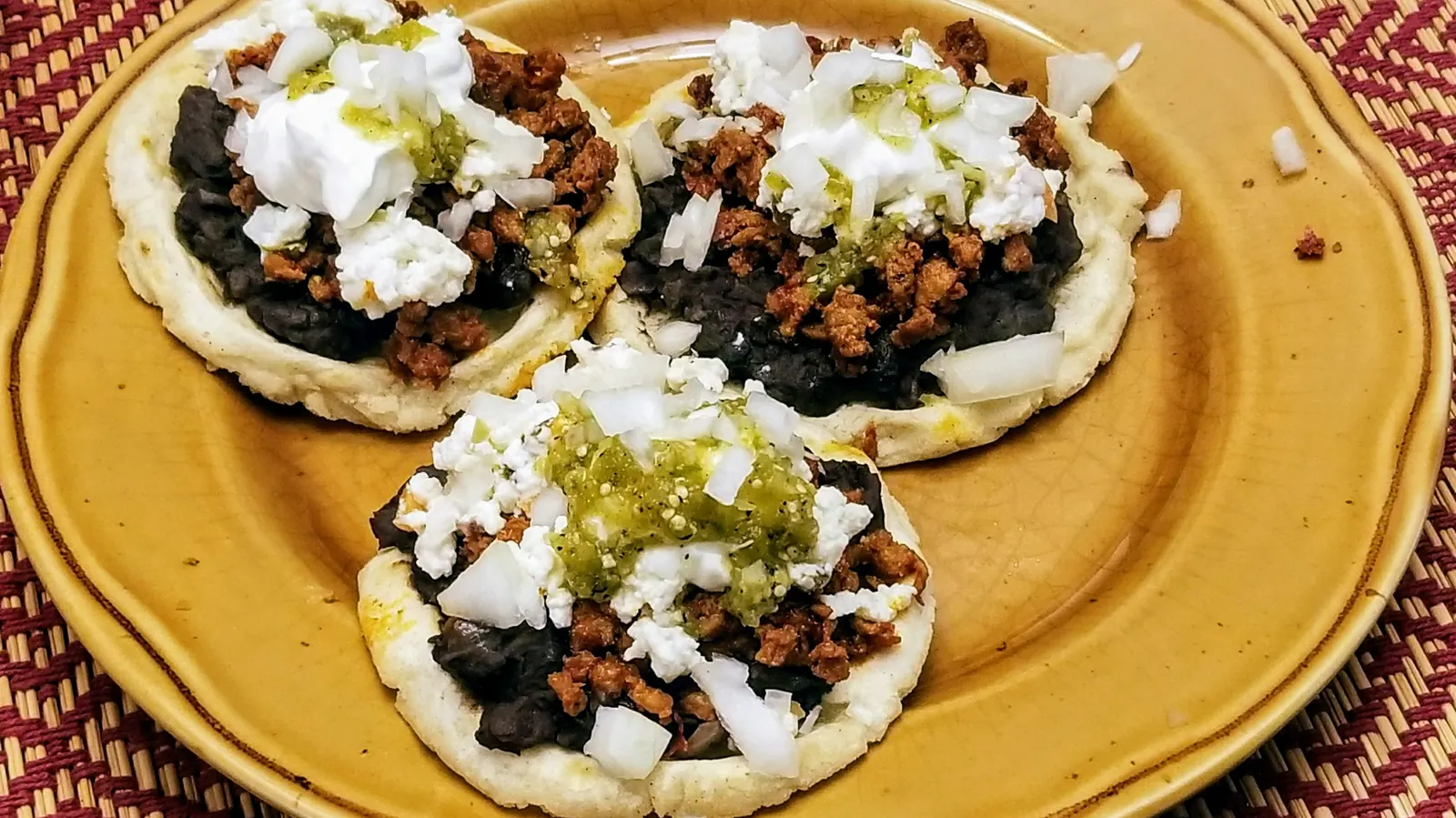
Sope, gordita, huarache, tlacoyo, memela. They turn up on Mexican menus in various combinations, and the descriptions rarely explain what separates them.
The answer is simpler than the list of names suggests. They are all the same dough. What changes is the shape, and what the kitchen does to it.
The short answer
All of these are antojitos — small masa dishes built on the same nixtamalized corn dough that becomes a tortilla, made thicker. A sope is a small round with a pinched rim. A gordita is split and stuffed. A tlacoyo is oval with the filling sealed inside. A huarache is long and flat. A tostada is a tortilla fried crisp. Everything else is topping.
One dough, many shapes
Masa is corn that has been nixtamalized — cooked in an alkaline solution until the hull loosens — then ground into dough. Roll it thin and cook it on a comal and you have a tortilla. Our tortilla guide covers that end of it.
Leave it thick and you have the beginning of everything below. The thickness is the point: a tortilla is a wrapper, and a thick masa base is a plate. It holds beans and sauce without going soft.
The word for all of them is antojito, which translates roughly as “little craving”. It is a category of small, masa-based, usually street-sold dishes.
Telling them apart
| Name | Shape | The distinguishing move |
|---|---|---|
| Sope | Small round, thick | Rim pinched up to hold toppings |
| Gordita | Round, very thick | Split open and stuffed like a pocket |
| Tlacoyo | Oval, pointed ends | Filling sealed inside before cooking |
| Huarache | Long oval, flat | Shaped like a sandal, topped flat |
| Memela | Oval, thin-ish | Flatter than a sope, minimal rim |
| Tostada | Flat round | A whole tortilla fried until crisp |
The clearest division is where the filling goes. A gordita and a tlacoyo have something inside the masa. A sope, huarache and memela have everything on top. A tostada is the odd one out, being thin and crisp rather than thick and soft.
The sope, specifically
It is the one you are most likely to meet in Texas, and it is the most precisely defined.
The Larousse gastronomic dictionary entry for sope describes it as a thick tortilla with a raised or pinched border, made to contain ingredients, with the diameter varying by region. It classes it as an antojito made from corn, topped according to local custom.
That pinched rim is the engineering. It is made by hand while the masa is still warm and pliable, and it turns a flat disc into a shallow dish. Without it, a wet topping runs off.
How they are cooked
Two steps, and the second one is what most people do not know about.
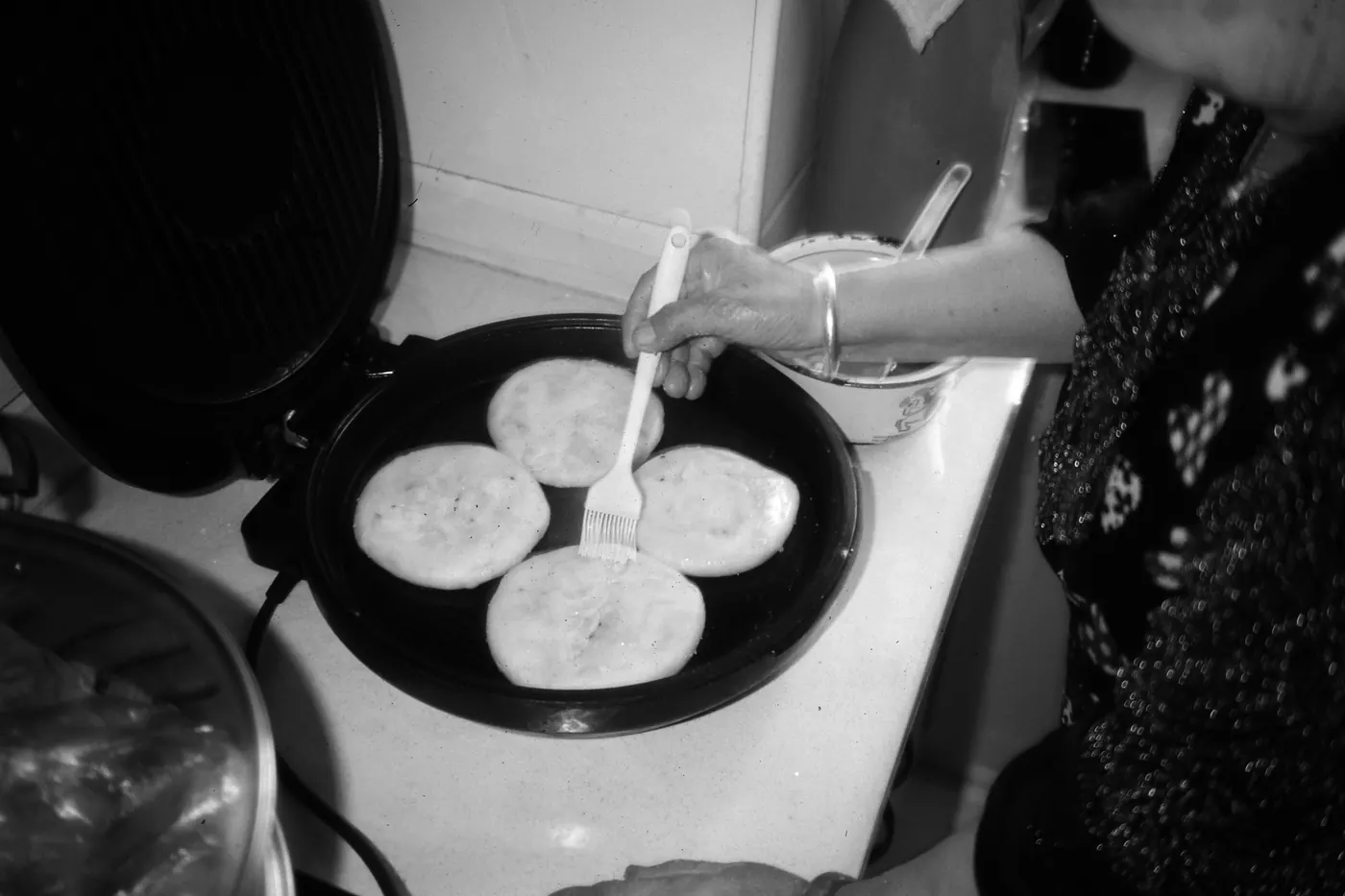
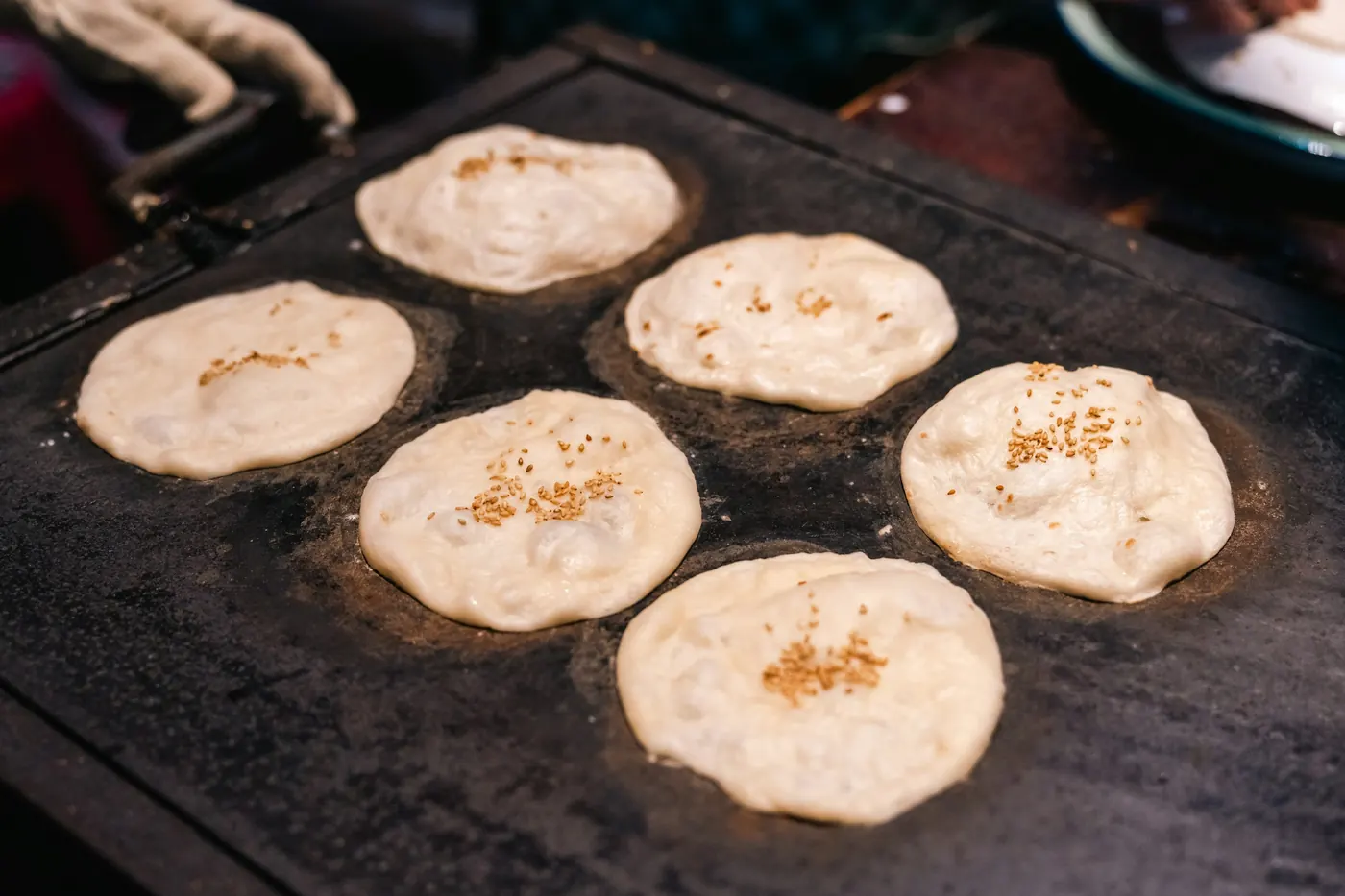
First the masa is shaped and cooked on a comal — a dry flat griddle — until it sets. For a sope, it comes off part-cooked and the rim is pinched up while it is still hot enough to work.
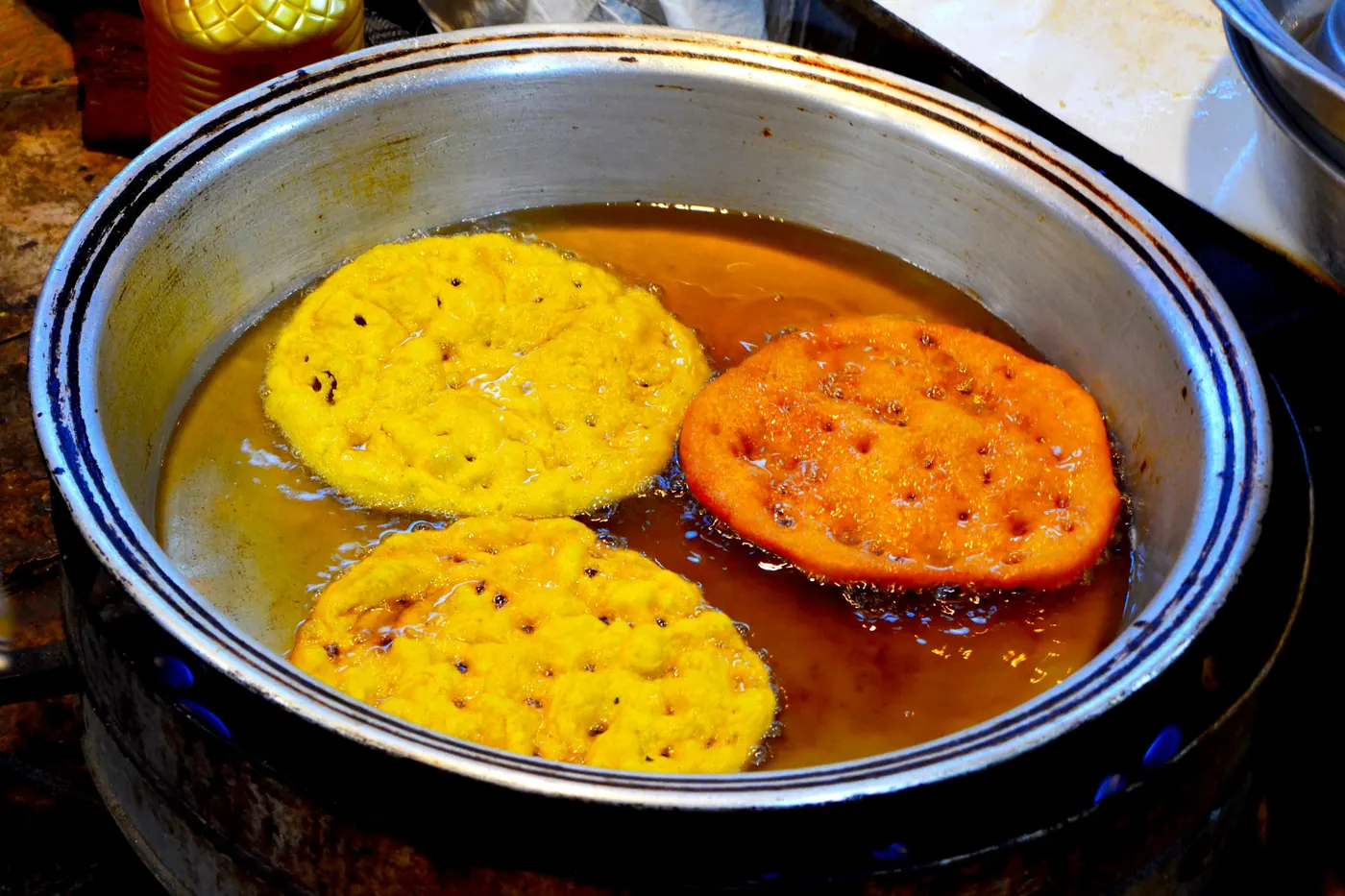
Then most of them are shallow-fried, briefly. Not deep-fried and not until crisp: just long enough to seal the outside and firm the base. That is why a good sope is crisp underneath and still soft in the middle, and why a bad one is either soggy or hard all the way through.
What goes on top
The order is consistent, and it is functional rather than decorative.
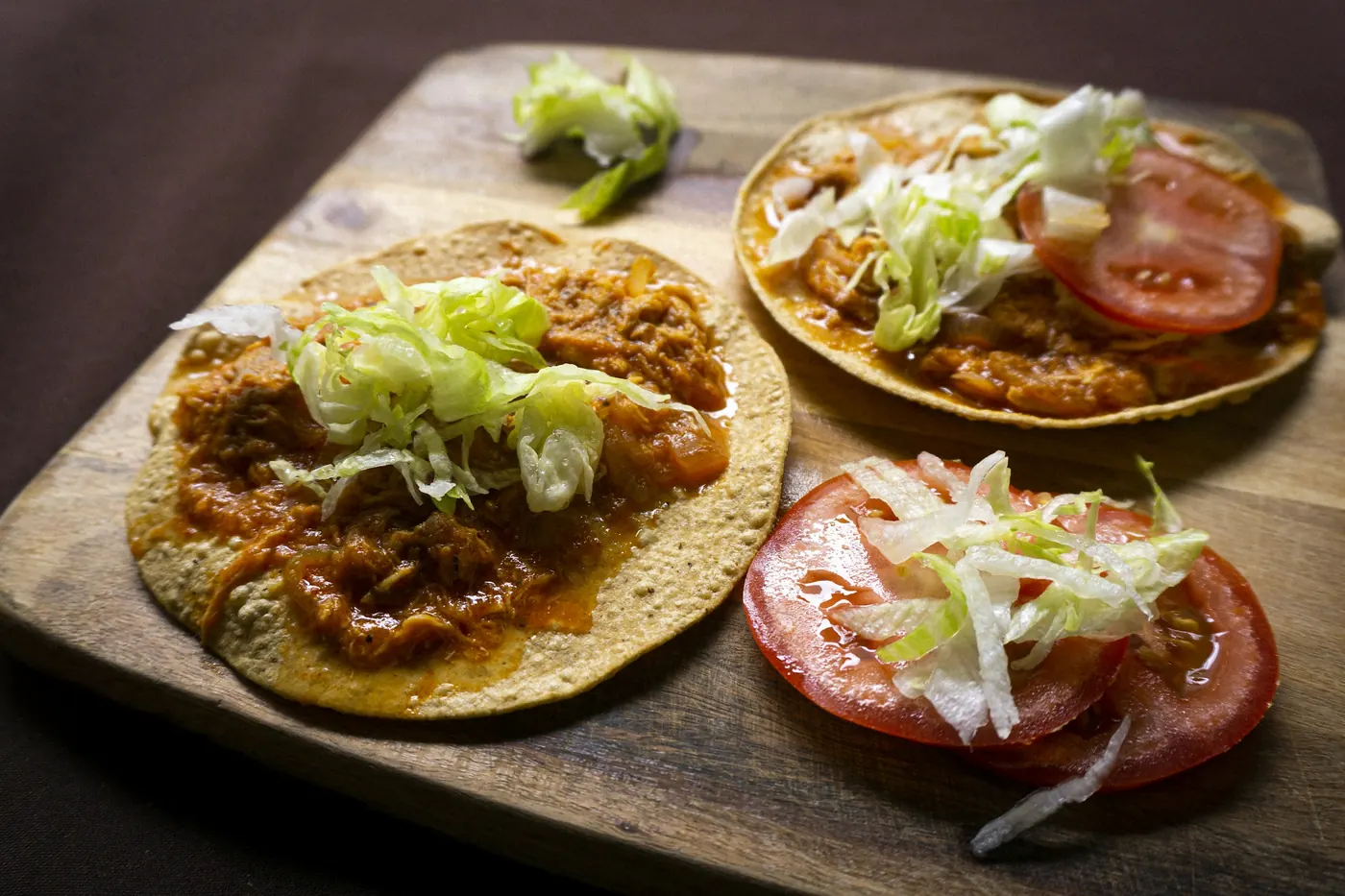
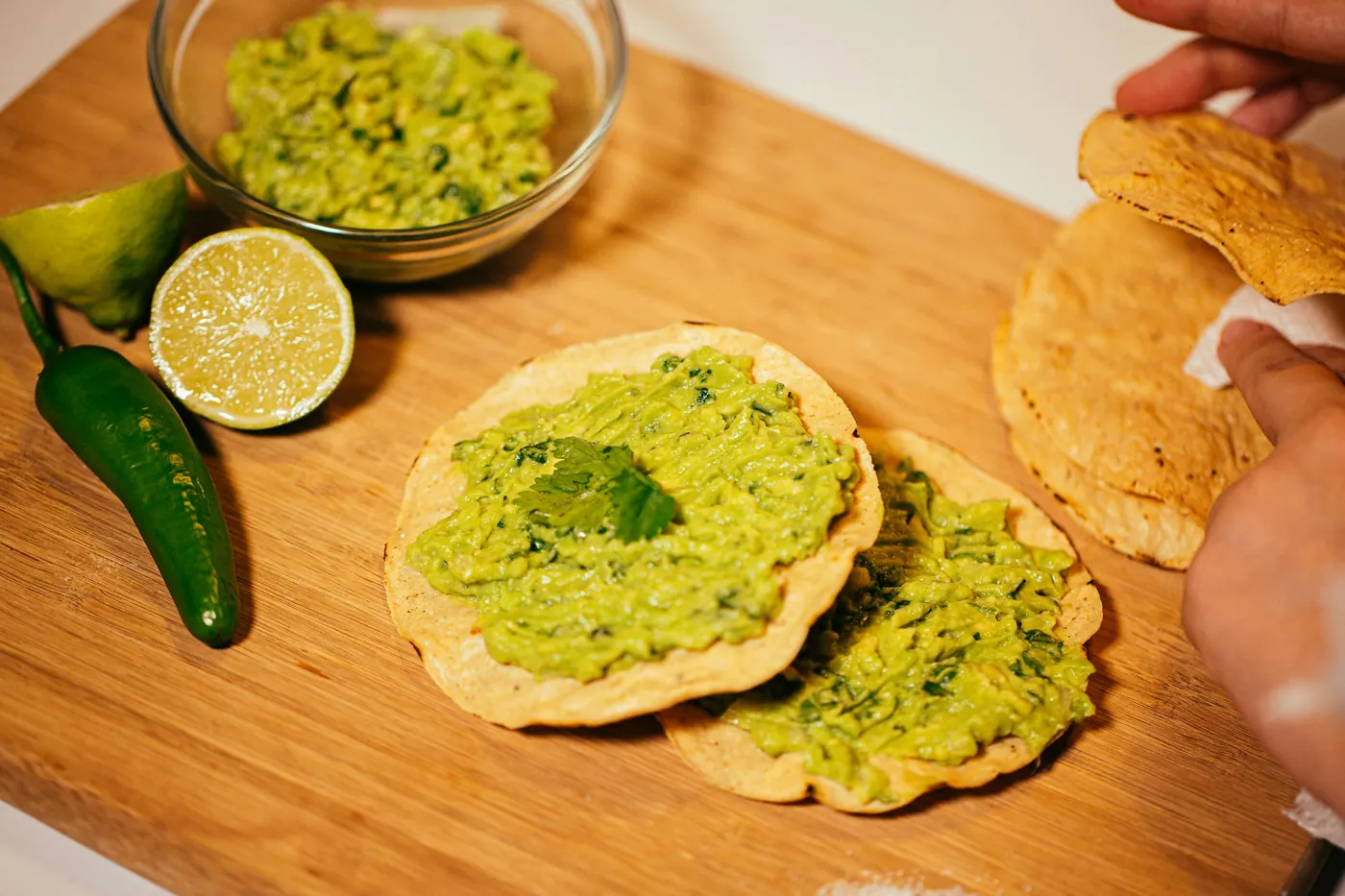
- Refried beans first, spread across the base. They act as a seal against everything wetter.
- The meat, or whatever the main topping is.
- Salsa, red or green.
- Cold things last — shredded lettuce, crumbled cheese, crema, onion.
Reverse that and it collapses. The beans are load-bearing.
How to order them
They are snacks, sold by the piece, and they are meant to be eaten in twos or threes rather than as a plate.
They are also finger food, though a fork is not wrong for a heavily loaded one. A sope is small enough to eat in three bites; a huarache is not, and needs cutting.
One practical note: the toppings are usually meat, and a masa base does not tell you what is on it. If you are avoiding meat, this is a category to ask about rather than assume — the point our guide to vegetarian ordering makes about exactly these dishes.
On Julia’s menu
Julia’s carries one of the family: sopes, in the appetizer section.
They come topped with picadillo or carne guisada, over refried beans, finished with lettuce, queso fresco and a creamy jalapeño sauce. That is the standard build in the standard order — beans as the base, meat, then the cold and creamy elements on top.
Two details are worth reading. Picadillo is seasoned ground beef and carne guisada is stewed beef, so both options are meat; our menu glossary covers both terms. And the creamy jalapeño sauce is the one genuinely spicy element, which is why it goes on last and in a controlled quantity.
The queso fresco is the crumbling cheese rather than a melting one, which is correct here — a melted cheese would glue the toppings together. Our cheese guide explains the difference.
How to tell a good one
The base does all the talking, and there are two failure modes.
Too soft means it was not fried, or was fried at too low a temperature, and it will go limp under the toppings within a minute. Too hard means it was fried too long, or made from dough that had dried out, and it cracks rather than yields.
What you want is a base that gives slightly under a fork with a faint crispness on the underside, and a rim that has held its shape. If the beans have soaked straight through to the plate, the base was never sealed properly.
Frequently asked questions
What is the difference between a sope and a gordita?
A sope has a pinched rim and is topped like a small open dish. A gordita is thicker, cooked through, then split open and stuffed like a pocket. Toppings on one, filling inside the other.
What is a huarache?
A long, flat oval of masa, named after the sandal it resembles, topped with beans, meat, salsa, cheese and crema. It is essentially a large flat sope, and it is a meal rather than a snack.
Are sopes fried?
Usually briefly, after being cooked on a griddle. The short fry firms the base so it holds wet toppings. They are not deep-fried and should not be crisp all the way through.
Is a tostada an antojito too?
Yes, though it is the outlier. It is a whole tortilla fried flat and crisp rather than a thick base, so it snaps instead of yielding.
How many sopes is a portion?
Two or three as a starter. They are dense, and a plate of them alongside a main course is more food than it looks.
The short version
Same corn dough throughout. Pinched rim means sope, split and stuffed means gordita, sealed oval means tlacoyo, long and flat means huarache, crisp and thin means tostada.
Julia’s serves sopes among the appetizers, built in the traditional order. If you want the wider menu structure first, our guide to reading a Mexican menu covers the sections.