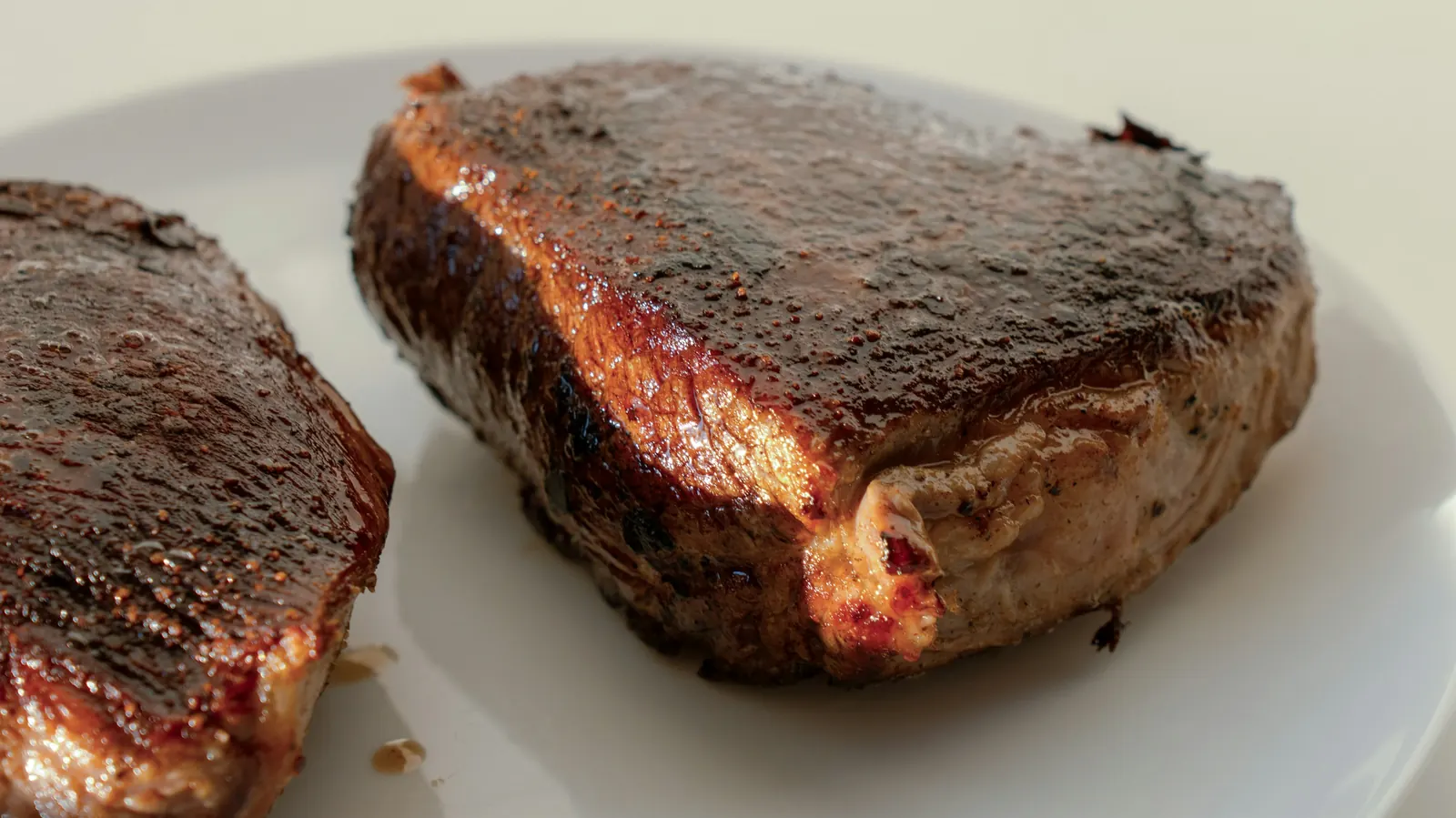
A sous vide circulator does one clever thing: it holds a pot of water at an exact temperature for hours, so a steak, a pork chop or a chicken breast cooks evenly to that temperature and no further. If you don’t want another single-job gadget in the cupboard, or you just want to try the method before buying one, you can get much of the way there with gear you may already own or would use for other jobs.
This guide covers each realistic sous vide alternative: a multicooker with a sous vide setting, a countertop steam oven that does a bagless version, the old beer-cooler trick, a pot on the stove, and a low oven. For each, we say how close it gets to a real circulator, what it asks of you, and where the food-safety limits sit. All of them depend on a good thermometer, so we include three.
Julia’s earns a commission on purchases made through links on this page, at no cost to you. Recommendations are based on what a restaurant kitchen looks for, product specifications and verified buyer reports.
Why cooks look for a way around the circulator
- One more gadget. A circulator only does one job. A multicooker or a countertop oven that has a sous vide setting also pressure cooks, steams, slow cooks or air fries.
- Trying it first. Plenty of cooks want to see whether they like sous vide steak or eggs before they commit to a dedicated tool.
- The occasional cook. If you only cook this way a few times a year, a cooler and a thermometer may be enough for a thick steak or two.
The trade-off is control. A circulator heats and stirs the water nonstop, which is why the N.C. Cooperative Extension describes it as heating water “to a precise, constant low temperature.” Queensland Health’s sous vide guidance asks for “equipment that can adequately heat and maintain appropriate temperatures.” The closer an alternative gets to that, the safer and more repeatable it is. If precision is what you’re after, our guide to the best sous vide cookers covers the circulators themselves.
Quick verdict: the best sous vide alternative
For most cooks, the best sous vide alternative is a multicooker with a built-in sous vide setting such as the Instant Pot Pro Plus 6-Quart: it heats the water and holds it there by itself, so it’s the only common swap that works hands-off for long cooks. If you want to skip the bags, the Nuwave Combi Steam Oven has a bagless sous vide mode. For a one-off steak night, an Igloo 48-quart cooler filled with hot water works for short cooks, but only with a leave-in thermometer such as the ThermoWorks DOT watching the water. A pot on the stove or a low oven can do the job too, but both need constant attention.
Five sous vide swaps, side by side
Our five standout picks, one per method, with what each maker or listing states. All six are reviewed in full below.
| Tool | Method | Holds temperature? | Best for | Buy on Amazon |
|---|---|---|---|---|
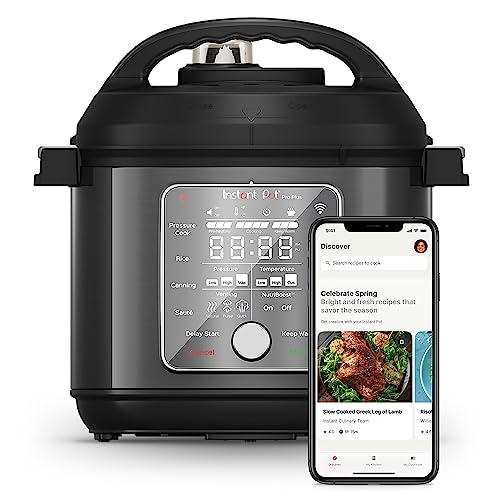
Instant Pot Pro Plus 6-Quart MulticookerBest overall
|
Built-in sous vide setting | Yes, by itself | Long cooks for two to four | View on Amazon |

Nuwave Combi Steam OvenBest bagless option
|
Steam oven sous vide mode | Yes, set from 50°F | No bags, then crisp in the same box | View on Amazon |

Igloo Island Breeze 48-Quart CoolerBest for the cooler method
|
Insulated hot-water bath | No, it cools slowly | Short steak cooks, a cooler you own | View on Amazon |

ThermoWorks DOT Alarm ThermometerBest thermometer for any method
|
Leave-in probe with alarm | No, it watches and alerts | Cooler, pot and low-oven cooks | View on Amazon |

AcuRite 00620A2 Oven ThermometerBest for the low-oven method
|
Checks the real oven heat | No, it reads the oven | Slow roasting before a sear | View on Amazon |
How each method compares with a circulator
Every option here is ranked by the one thing that matters most in sous vide: whether the water (or air) stays at the temperature you set without you doing anything.
- Closest to a circulator: a multicooker or steam oven with a sous vide setting. Both have their own heater and controller, so they hold a set temperature for hours. Neither stirs water the way a circulator does, and a multicooker pot holds a lot less water than a stockpot.
- A pot on the stove. A big, heavy pot of water over the lowest flame can hold a sous vide temperature, but only if you stay nearby, watch a thermometer and nudge the heat up or down. It works best for short cooks such as eggs or fish.
- A cooler. Hot water in an insulated cooler stays warm for a while but drifts down the whole time. It suits a steak or two that only need an hour or so, not a long-cooked chuck roast.
- A low oven. This isn’t really sous vide, because air moves heat into food far more slowly and less evenly than water does. What it does well is the same idea: cook a thick steak or roast slowly to the doneness you want, then sear it.
The food-safety limits that apply to every method
Low-temperature cooking is safe when time and temperature are right, and risky when they aren’t. These are the points from government and extension sources that matter most when you’re not using a dedicated circulator.
- Keep the water at 131°F or above. The N.C. Cooperative Extension article by Cheryle Syracuse says to “never cook below 131 degrees Fahrenheit because this is not hot enough to kill pathogens that may be in the meat.” Queensland Health similarly advises “maintaining water bath temperatures of at least 55°C” (131°F).
- Time at low temperature is limited. Queensland Health advises “limiting the time food is held at 54.5°C or less to no more than 6 hours.” A cooler that slowly drifts below that line needs topping up with hot water or ending the cook.
- Use tested times, not guesses. The same N.C. extension piece says “the proper time and temperature combinations are essential for safe sous vide cooking” and “this is not the time to be creative and experiment.” Follow a time and temperature chart from a university, a maker or a trusted cookbook.
- Check with a thermometer. Queensland Health advises “checking temperatures with a calibrated tip-sensitive thermometer.” For a cooler, a pot or an oven, the thermometer is doing the circulator’s job, which is why three of our picks are thermometers.
- Chill leftovers fast. University of Illinois Extension (Jenna Smith) says to cool sous vide food in “a large bowl of half ice and half water” and to “never leave food sitting at room temperature for longer than two hours.” It also says to “only use food-safe bags.”
The N.C. extension piece also notes that sous vide chicken “may look like and have the texture of undercooked chicken” even when it’s cooked safely, so judge it by temperature and time, not looks.
Our picks for a sous vide alternative
1. Instant Pot Pro Plus 6-Quart Multicooker – Holds Sous Vide Heat on Its Own
A multicooker with a sous vide setting is the most practical sous vide alternative because it does the one thing a cooler or a pot can’t: it heats the water and keeps it at the temperature you set while you walk away. Instant Pot lists sous vide as one of the Pro Plus’s ten functions, next to pressure cooking, slow cooking, sautéing, steaming, canning, rice and yogurt. So you get a usable sous vide bath plus a pressure cooker for beans and stews, all in one appliance.
The cooking pot is stainless steel with a thick aluminum core and a flat bottom, according to the listing. That matters here, because you can lift the bagged steak out, pour off the water and sear in the same pot on the sauté setting. Instant Pot also says the pot can go on the stovetop and into an oven up to 350°F. The Instant Connect app lets you watch and adjust the cook from your phone.
The honest limits: a 6-quart pot holds far less water than the stockpot a clip-on circulator uses, so it suits a couple of steaks, a few chicken breasts or a batch of eggs, not a large roast. There’s no pump stirring the water, so space bags apart and don’t crowd them. The listing doesn’t give the sous vide temperature range or step size, so check the manual before you plan a low-temperature cook.
Why we like it
- Sous vide is a built-in function, per Instant Pot
- Also pressure cooks, slow cooks and sautés
- Stainless pot with an aluminum core for searing
- Dishwasher-safe inner pot
- App lets you monitor the cook
Key specifications
| Model | 112-0124-01 |
|---|---|
| Type | Multicooker with sous vide setting |
| Holds temperature by itself | Yes |
| Capacity | 6 quarts |
| Temperature range | Not stated |
| Power | 1200 W, 120 V; UL and ULC listed |
| Cleaning | Dishwasher-safe inner pot and accessories |
| Warranty | 1-year limited |
Why we recommend it
It suits a household of two to four that wants hands-off sous vide for steaks, chicken and eggs, and would use a pressure cooker anyway.
Skip it if you want to cook big roasts or several pounds of meat at once; the pot is too small for that, and a circulator in a large pot is the better tool.
Pros and cons
Pros
- Truly hands-off temperature hold
- Sear in the same pot
- Ten functions in one appliance
Cons
- Small water volume
- No water circulation
- Sous vide range not in the listing
2. Nuwave Combi Steam Oven – Sous Vide Without Bags or a Water Bath
This is a different take on the idea. Instead of a water bath, the Nuwave Combi is a 16-quart countertop oven that adds steam to low, controlled heat. Nuwave calls its mode “air sous vide” and says “no bags, sous vide machines, or water baths” are needed. You set the temperature in 1°F steps anywhere from 50°F to 450°F and the moisture from 10% to 90%, according to the listing.
The appeal is the finish. After the low-temperature stage, the same oven can air fry, roast or broil, so you can go from a gently cooked chicken thigh to crisp skin without moving it to a pan. The listing says it holds a 5 lb roast or 5 lbs of chicken, which is more than a 6-quart multicooker manages, and the basket, tray, rack, drip tray and water tank are dishwasher safe.
The honest limits: humid air doesn’t transfer heat as quickly or as evenly as water, so cooks take longer, and edge-to-edge results won’t be identical to a water bath (that’s general kitchen sense, not a Nuwave claim). It’s also a large appliance that takes real counter space. Treat it as a combi oven that can do sous vide-style cooking, not a direct copy of a circulator.
Why we like it
- Bagless sous vide mode, per Nuwave
- Set from 50°F to 450°F in 1°F steps
- Moisture adjustable from 10% to 90%
- Air fries and roasts to finish
Key specifications
| Model | Nuwave Sous Vide Steam Oven (listing name) |
|---|---|
| Type | Countertop combi steam oven |
| Holds temperature by itself | Yes |
| Capacity | 16 quarts |
| Temperature range | 50°F to 450°F |
| Power | Not stated |
| Cleaning | Dishwasher-safe basket, tray, rack, drip tray and water tank |
| Warranty | 1 year |
Why we recommend it
It suits cooks who dislike plastic bags, want crisp-skinned chicken or a seared crust from the same box, and have the counter room for a second oven.
Skip it if you only want sous vide; a multicooker or a circulator takes up far less space.
Pros and cons
Pros
- No bags or water bath
- Low-temperature cook and crisp finish in one
- Bigger capacity than a multicooker
Cons
- Large footprint
- Air cooks slower than water
- Power rating not stated
3. Igloo Island Breeze 48-Quart Cooler – The Classic Beer-Cooler Trick
The cooler method is the cheapest way to try sous vide: fill an insulated cooler with water a few degrees hotter than your target, slide in the bagged steaks, close the lid and let the insulation slow the heat loss. A hard-sided cooler with a solid lid works best, and this Igloo is a plain, made-in-USA 48-quart box that holds plenty of water for two or three thick steaks. The listing gives its size as 14 by 14 by 25.6 inches and its weight as 9.2 pounds, and it comes with a limited one-year warranty.
How well does it work? For a steak that only needs an hour or so to reach its target, well enough. The water still cools the whole time, and every time you open the lid you lose heat (general kitchen sense). That’s why the cooler is only half the kit: a leave-in thermometer like pick 4 in the water tells you when to top it up with hot water from a kettle.
The honest limits: don’t use this method for long cooks, chicken, or anything that would sit below 131°F, the floor the N.C. Cooperative Extension sets. Queensland Health asks for equipment that can “adequately heat and maintain” temperature, and a cooler can’t heat at all. If the water drops below your safe line and you can’t bring it back up, finish the food in a pan or oven to a safe internal temperature.
Why we like it
- Holds plenty of water for two or three steaks
- Elevated design and solid lid
- Made in the USA, per the listing
- Doubles as a picnic cooler
Key specifications
| Model | 44560 |
|---|---|
| Type | Hard-sided insulated cooler |
| Holds temperature by itself | No; water cools slowly |
| Capacity | 48 quarts |
| Temperature range | Not applicable |
| Power | None |
| Cleaning | Not stated |
| Warranty | Limited one-year |
Why we recommend it
It suits cooks who want to try sous vide steak once or twice and will also use the cooler for picnics and tailgates. For more cooler choices, see our best coolers guide.
Skip it if you want long, unattended cooks; the cooler can’t hold temperature on its own.
Pros and cons
Pros
- No power needed
- Large water volume
- Useful year-round
Cons
- Water temperature drifts down
- Short cooks only
- Sold by a third-party seller
4. ThermoWorks DOT Alarm Thermometer – Watches the Water for You
Without a circulator, a thermometer does the watching. The DOT is a simple leave-in probe on a cable with a base unit and an alarm. You set a target with two buttons, and the listing says it reads from -58°F to 572°F, “ideal for any cooking method — from sous vide to grilling.” For the cooler or the stovetop pot, clip or rest the probe in the water; for the low oven, put it in the center of the meat and run the cable out the door.
The base has a magnet and a kickstand, a backlit display, and an IP65 rating, which the listing describes as withstanding “regular splashes and spills.” That means splash resistant, not waterproof, so keep the base unit out of the water. The listing also says America’s Test Kitchen recommends it as a leave-in thermometer, and ThermoWorks’ support team is based in American Fork, Utah.
A note on the listing: other colors of the DOT appear on two of our other guides. We chose this color listing because it was the one in stock with a New offer from ThermoWorks, and the DOT is the simplest leave-in alarm thermometer we could find from an established maker. The DOT’s alarm is a high alarm; for cooler cooks, check the reading every so often so you catch a falling water temperature.
Why we like it
- Reads from -58°F to 572°F, per the listing
- Two-button target alarm
- Magnet and kickstand
- IP65 splash resistance
Key specifications
| Model | DOT (AZ-1225-NB) |
|---|---|
| Type | Leave-in probe thermometer with alarm |
| Holds temperature by itself | No; monitors and alerts |
| Capacity | One probe |
| Temperature range | -58°F to 572°F |
| Power | Battery (type not stated) |
| Cleaning | IP65 splash resistant |
| Warranty | Not stated |
Why we recommend it
It suits anyone using the cooler, pot or low-oven method, and it stays useful for roasts, smoking and frying long after. Our best meat thermometer guide covers more probe styles.
Skip it if you’ve chosen a multicooker or steam oven and already trust its controller; you’d only need an instant-read for spot checks.
Pros and cons
Pros
- Very simple to set
- Works in water, oven or meat
- Established US maker
Cons
- Base unit isn’t waterproof
- One probe only
- Warranty not in the listing
5. AcuRite 00620A2 Oven Thermometer – Know What Your Low Oven Really Does
The low-oven method is the sous vide alternative most cooks can try tonight: put a thick steak or a small roast on a rack in a low oven, cook it slowly until the center reaches the doneness you want, then sear it hard in a hot pan. It gets the same edge-to-edge evenness sous vide is known for, just less precisely. The catch is that many home ovens run hotter or cooler than the dial says at low settings (general kitchen sense), so you need to know the real number.
This AcuRite is a plain stainless steel dial thermometer that sits on a rack or hangs from it. The listing says it reads from 150°F to 600°F, is safe to leave in the oven or on a grill while cooking, and has a protective glass lens. Pair it with a probe like pick 4 in the meat: the AcuRite tells you what the oven is doing, the probe tells you what the food is doing.
The honest limits: an oven can’t hold meat at a sous vide temperature for hours the way a water bath can, so this is a slow roast, not true sous vide. Cook to a safe internal temperature, and don’t use it for the long, low holds that sous vide charts call for. The dial starts at 150°F, so it won’t read a very low warming setting.
Why we like it
- Reads 150°F to 600°F, per the listing
- Safe to leave in while cooking
- Hangs or stands on its base
- No batteries
Key specifications
| Model | 00620A2 |
|---|---|
| Type | Dial oven thermometer |
| Holds temperature by itself | No; reads the oven |
| Capacity | Not applicable |
| Temperature range | 150°F to 600°F |
| Power | None (dial) |
| Cleaning | Not stated |
| Warranty | Not stated |
Why we recommend it
It suits cooks who want sous vide-style steaks and roasts from the oven they already have. Our best oven thermometer guide lists more options.
Skip it if your oven already has a reliable probe and a display you trust.
Pros and cons
Pros
- Shows the real oven heat
- Simple dial, no batteries
- Also works on a grill
Cons
- Starts at 150°F
- A low oven isn’t true sous vide
- Care not stated
6. Taylor Candy and Deep Fry Clip Thermometer – For the Stovetop Pot Method

The stovetop version uses the biggest, heaviest pot you own, filled with water over the lowest flame. More water and a thick pot both change temperature more slowly, which makes it easier to hold steady (general kitchen sense). The thermometer has to stay in the water the whole time, and a clip-on model like this Taylor does that without a hand on it.
Taylor’s listing says the adjustable clip fits pots of all sizes and the 12-inch stainless steel probe reads from 100°F to 400°F, so a sous vide range of roughly 130°F to 150°F sits on the dial. The insulated handle stays cool, and it carries a one-year warranty. It’s mainly sold for candy and frying, so it earns its drawer space on other jobs.
The honest limits: you’re the circulator. Expect to check the dial and adjust the burner every few minutes, and stir now and then. This method suits short cooks like eggs or fish, not a long cook while you’re out. Taylor says to hand wash it and not to immerse it in water or put it in the dishwasher, so clip it so only the probe is in the water.
Why we like it
- Clip fits pots of all sizes, per Taylor
- 12-inch stainless probe
- Reads 100°F to 400°F
- No batteries
Key specifications
| Model | 5983N |
|---|---|
| Type | Clip-on dial candy and deep-fry thermometer |
| Holds temperature by itself | No; you adjust the burner |
| Capacity | Not applicable |
| Temperature range | 100°F to 400°F |
| Power | None (dial) |
| Cleaning | Hand wash; don’t immerse |
| Warranty | 1 year |
Why we recommend it
It suits cooks who want to try a short sous vide cook in a pot they already own, and who also make candy or fry. See our best candy thermometer guide for more.
Skip it if you want to set a temperature and leave; a stovetop pot needs you there the whole time.
Pros and cons
Pros
- Stays in the pot hands-free
- Useful for candy and frying
- No batteries to run down
Cons
- Dial is less precise than digital
- Can’t be fully immersed
- Method needs constant attention
How to run a cooler cook without a circulator
This is the general method, labeled as kitchen sense rather than a tested recipe. Use a time and temperature chart from a trusted source for the food you’re cooking.
- Start with thick steaks straight from the fridge and seal them in food-safe bags, as Illinois Extension advises.
- Fill the cooler with hot water a few degrees above your target, and check it with the thermometer. Keep it at 131°F or higher.
- Add the bags, close the lid, and leave the probe in the water so you can read it without opening the lid.
- Top up with hot water from a kettle when the reading slips. If the water can’t be held above your safe line, end the cook.
- Pat the meat dry and sear it in a very hot pan for color. Eat it right away or chill it fast in an ice bath.
How we chose these six sous vide swaps
We started from what a sous vide circulator actually does, hold water at a set temperature, and looked for tools that either do the same job by themselves or let a cook do it by hand with good information. We read the N.C. Cooperative Extension and University of Illinois Extension sous vide articles and Queensland Health’s sous vide guidance for the food-safety limits, and checked every product against its Amazon listing for stock, seller and specs. All six were in stock with a New offer when we checked. We have not used these products ourselves; where a point is general kitchen knowledge rather than a maker or agency statement, we say so. We left out the circulators themselves (they’re on the parent guide) and slow cookers with glazed crocks whose makers give no lead-free statement.
Sous vide without a circulator: questions, answered
Can I really do sous vide without a machine?
Yes, for short cooks. A cooler of hot water or a pot on the stove can cook a steak or eggs at a sous vide temperature if you watch the water with a thermometer. For long cooks, use something that holds temperature by itself, like a multicooker with a sous vide setting.
What’s the lowest safe water temperature?
The N.C. Cooperative Extension says never to cook below 131°F, and Queensland Health advises keeping water baths at 55°C (131°F) or above and limiting time at 54.5°C or lower to six hours.
Is the beer cooler method safe for chicken?
We wouldn’t use it for chicken. Chicken generally needs longer at temperature than a steak does, and a cooler loses heat the whole time. Use a multicooker or circulator for poultry, and follow a tested time and temperature chart.
Do I need a vacuum sealer?
No. Food-safe zipper bags work for most home cooks, and Illinois Extension notes that bags for sous vide should be food safe. If you want one anyway, our best vacuum sealer guide covers the options.
Is a low oven the same as sous vide?
No. It’s slow roasting. It gives a similar evenly cooked center on a thick steak, but an oven can’t hold food at a precise low temperature for hours the way water can.
Our final word on sous vide without a circulator
If you want sous vide results week after week, either buy a circulator from our best sous vide guide or get a multicooker that does it built in, such as the Instant Pot Pro Plus. If you just want to try it, a cooler, a thermometer and a hot pan will cook a fine steak tonight, as long as the water stays at 131°F or above. For more appliances that can cover several jobs, see our best multi-cooker guide.