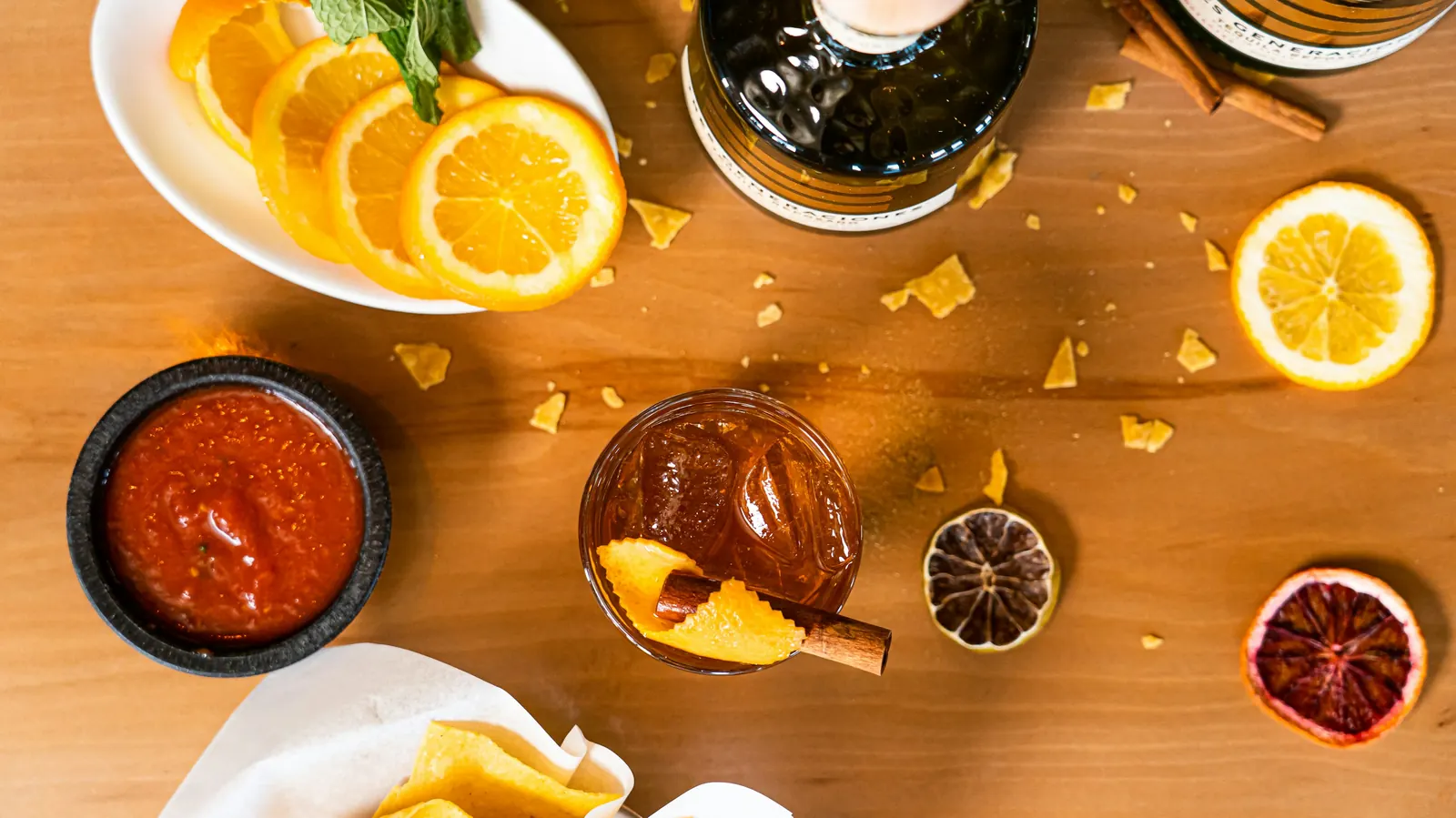
Valentina is the bottle on the table at street stalls, fondas and kitchen counters all over Mexico, and the sauce most Mexican cooks reach for when there is a bag of chips, a cup of cut fruit or an elote in front of them. Mexico News Daily calls it arguably the most popular sauce in the country. It is made in Guadalajara by Salsa Tamazula, sold in a glass bottle with a flip-top cap, and comes in two main labels: the classic, usually called the yellow label, and the black Extra Hot.
This review sets out what is in the bottle according to the label, which chiles published sources say the two versions use, how much sodium each carries, which sizes you can buy, what Valentina is good for and where it falls short. One caution before you buy on Amazon: the listing we recommend gives no ingredients or features, so read the label on the bottle you receive.
Julia’s earns a commission on purchases made through links on this page, at no cost to you. Recommendations are based on what a working Mexican kitchen looks for in a table sauce, the maker’s own information, retailer label panels and published reviews, which we cite. We have not tasted Valentina for this review.
Quick verdict: is Valentina worth buying?
Yes, if you want the classic Mexican snack sauce. Buy the 34-ounce bottle of Valentina Hot, the yellow label, made with puya chiles according to Mexico News Daily and Tasting Table, for chips, fruit, elotes and micheladas. The black Extra Hot, which adds árbol, is a separate bottle for more heat. It is thick enough to cling, short on ingredients and modest in heat. Skip it if you want real fire, a sauce with no preservative, or a bottle sold by the maker itself.
Below: the Valentina line, size by size; the review of the 34-ounce classic; what the label and published sources say about the chiles; its strengths and drawbacks; and three alternatives.
The Valentina line, label by label
Salsa Valentina’s own site lists the range below. The maker calls the classic label “red” and the hotter one “black”; retailers and Amazon listings usually call the classic the yellow label, after the color of the bottle’s label. The maker’s site says it sells to wholesalers and distributors, not to individual shoppers, so in the United States you buy it from grocers or online sellers.
| Product | Label | Sizes (maker’s site) | What it is |
|---|---|---|---|
| Valentina Salsa Picante | Yellow (maker: red) | 5 fl oz, 12.5 fl oz, 34 fl oz, 1.1 gal; 10 ml packets | The classic sauce; “hot” on retailer listings |
| Valentina Extra Hot | Black | 12.5 fl oz, 34 fl oz | The hotter version |
| Valentina Marisquera | Blue | 8.4 fl oz | “The unmistakable flavor of Valentina” in a seafood version, per the maker |
| Valentina Seasoning | Not stated | 4.9 oz | Dry seasoning the maker suggests for fruit and snacks |
The 12.5-ounce bottle is the table size, and the 34-ounce bottle, about a liter, is the refill size for heavy users. On Amazon we found the classic sauce in a 34-ounce bottle sold by Amazon.com, and the black label in a 34-ounce bottle from a third-party seller, both in stock when we checked. A two-pack of 5-ounce bottles and the single 12.5-ounce bottle were low in stock. None of these listings names the seller as Salsa Tamazula.
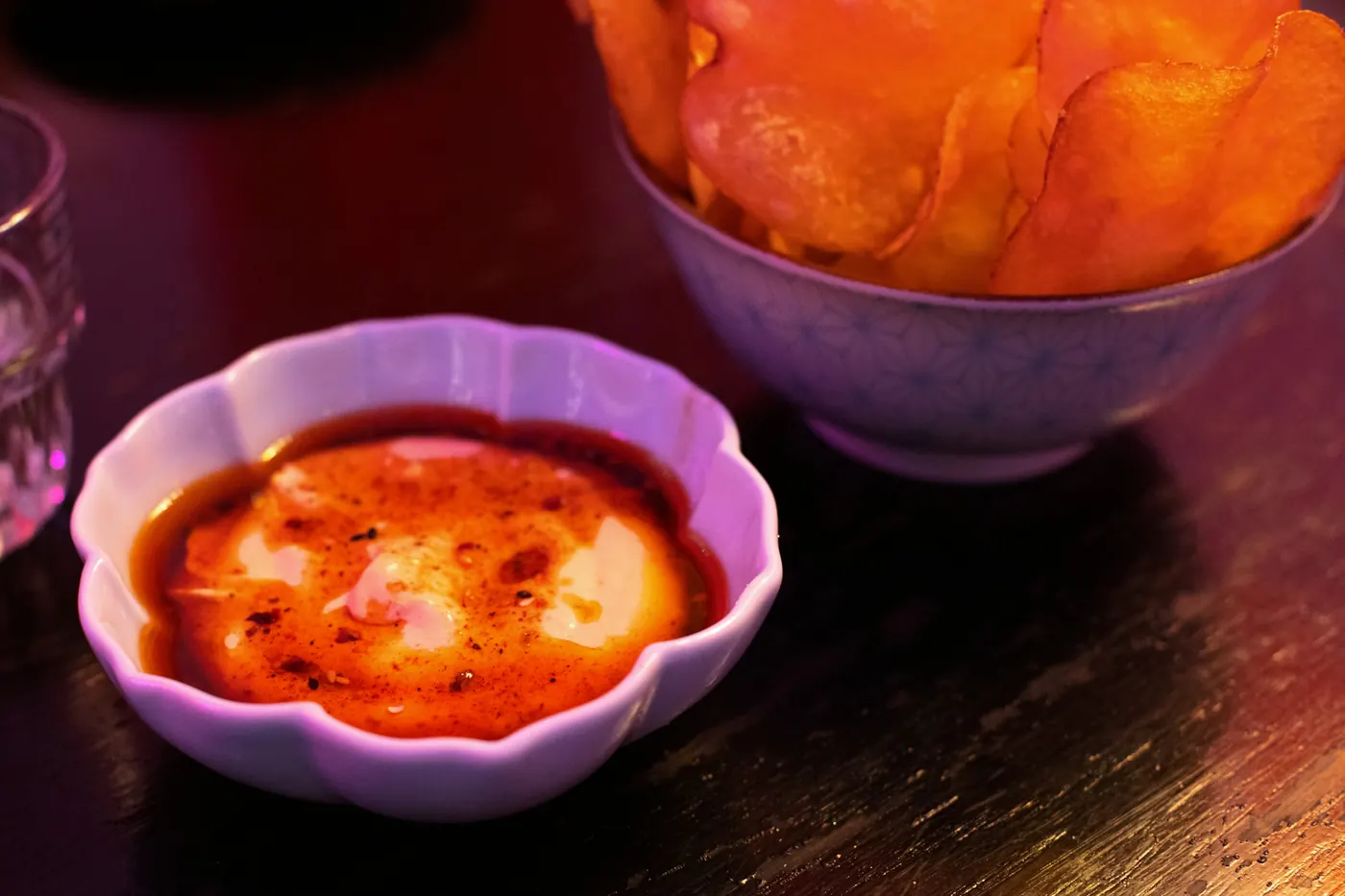
Valentina Mexican hot sauce review: the 34-ounce classic
This is the listing we recommend, and the same one that appears as the snack pick in our guide to the best Mexican hot sauce.
1. Valentina Salsa Picante, Hot, 34 oz – Thick Snack Sauce From Guadalajara

This is the classic yellow label, sold as hot, in the 34-ounce bottle, about a liter. It is the one for fruit, chips and drinks, where you want chile and tang more than burn. The black label, sold as extra hot, comes separately, and suits tacos, tortas and anyone who finds the yellow mild.
U.S. grocery labels for the yellow label list water, chili peppers, vinegar, salt, spices and 0.1 percent sodium benzoate as a preservative, with 108 mg of sodium per teaspoon on most retailer panels. H-E-B lists 115 mg per teaspoon for the Extra Hot. The label does not name the chile; Mexico News Daily says the classic is made with dried puya peppers and the black label with puya plus árbol, and Tasting Table also names puya for the yellow and árbol for the black.
Pepperscale describes Valentina as thicker than thin, watery “dasher” sauces, and Wikipedia describes it as thicker and less vinegary than Tabasco, with more chile flavor. That body is why it stays on a chip. The listing itself gives almost no ingredients or features, so check the label on the bottle you receive.
Why we like it
- Liter-size bottle, sold by Amazon.com when we checked
- Thick enough to cling to chips and fruit (Pepperscale)
- Short ingredient list
- Made by Salsa Tamazula in Guadalajara, per the maker
Key specifications
| Size | 1 bottle, 34 fl oz (yellow label) |
|---|---|
| Chiles | “Chili peppers” on the label; puya, per Mexico News Daily |
| Heat (as stated) | Hot (yellow label) |
| Ingredients | Water, chili peppers, vinegar, salt, spices, sodium benzoate |
| Sodium (as listed) | 108 mg per 1 tsp (retailer panels) |
| Texture | Thick, pourable |
| Preservatives and color | Sodium benzoate 0.1%; no added color listed |
| Made in | Guadalajara, Mexico (Salsa Tamazula) |
Why we recommend it
It suits anyone who wants the Mexican snack sauce for chips, fruit, elotes, popcorn and micheladas, and goes through it quickly.
Skip it if you want a small table bottle or want to avoid preservatives; 34 ounces is the refill size, and both labels contain sodium benzoate.
Pros and cons
Pros
- Clinging, saucy texture
- Chile and tang more than burn
- Large bottle for heavy users
Cons
- Contains sodium benzoate
- Chile not named on the label
- Listing has almost no details
The chiles: what the label says and what others report
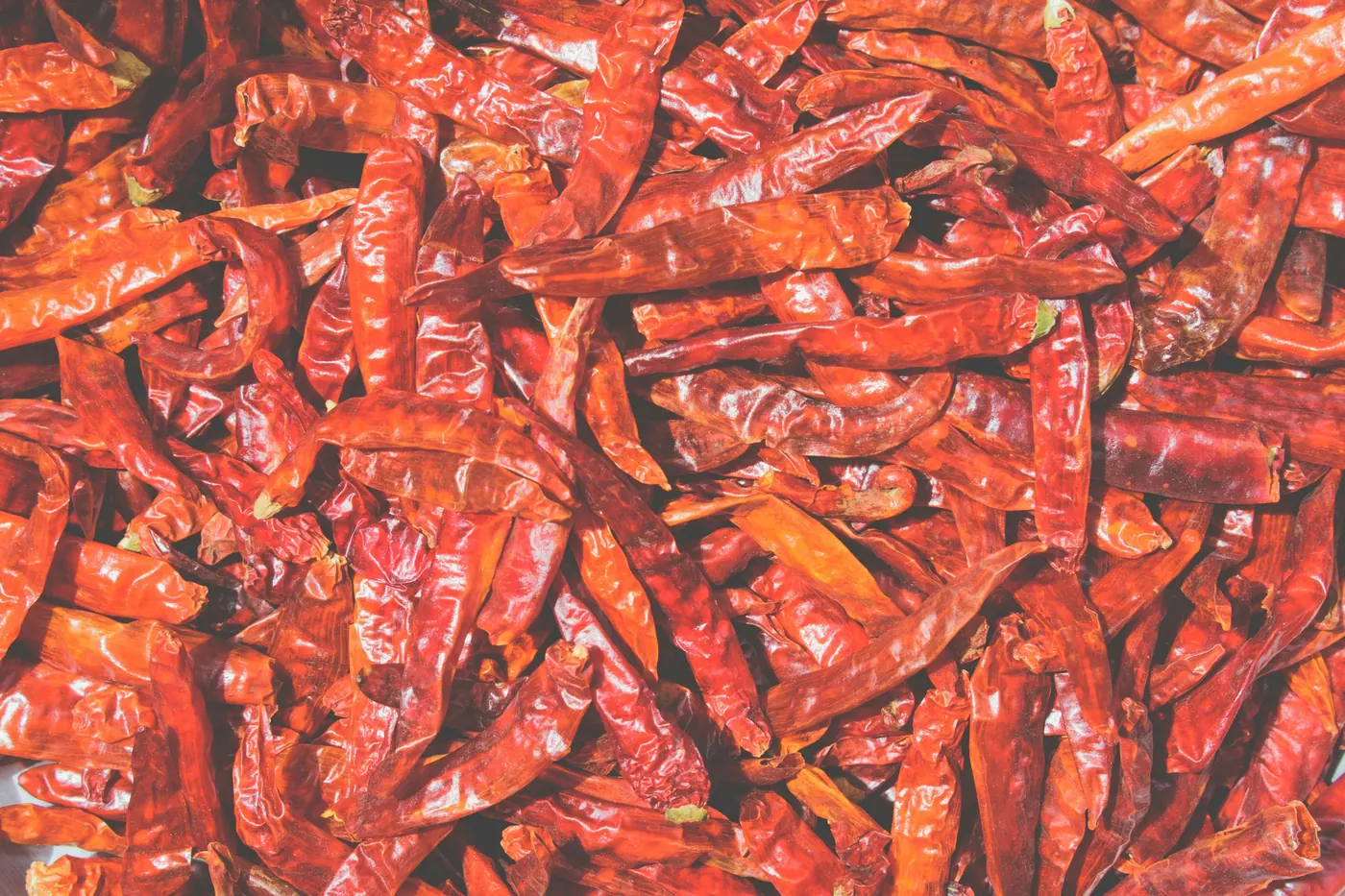
The U.S. label says only “chili peppers”. Everything more specific comes from third parties, and they mostly agree. Mexico News Daily writes that the classic is made with dried puya peppers and that the black label adds chile de árbol. Tasting Table names puya for the yellow label, describing it as similar to guajillo with fruity, smoky notes, and árbol for the black. Wikipedia says Valentina is made with puya chiles from Jalisco, known locally as “guajillo puya”. A UK importer, Mextrade, lists the black label’s ingredients as water, dried de árbol chillies, acetic acid, iodized salt, condiments, spices and sodium benzoate.
Puya is a chile similar to guajillo, as Tasting Table puts it, and árbol is a slim red chile with a sharp, clean heat; our guide to Mexican chiles describes both. Because the maker does not publish the recipe, treat these as well-sourced reports rather than label facts.
Heat is also reported, not labeled. Mexico News Daily gives about 900 Scoville heat units for the yellow label and 2,200 for the black; Wikipedia gives 900 and 2,100. Either way both are mild to medium by hot sauce standards, below Tabasco, which America’s Test Kitchen measured at 3,700.
Where Valentina does well
Texture that stays put. The reason Valentina is the sauce for chips, fruit and street snacks is its body. Pepperscale contrasts it with watery dasher sauces, and Mexico News Daily describes it as a thick, bright liquid. Poured over a cup of jícama and cucumber or a bag of potato chips, a thin sauce runs to the bottom; Valentina coats.
Chile ahead of vinegar. On the label, chili peppers come before vinegar, the opposite of a Louisiana sauce, where vinegar is usually first or second. Wikipedia calls Valentina less vinegary than Tabasco, with more chile flavor. Our Mexican hot sauce vs Louisiana hot sauce comparison explains why that changes how each sauce is used.
A short label. Six ingredients, with no thickener, added color or sugar listed. Cholula and Tapatío, by contrast, both list xanthan gum.
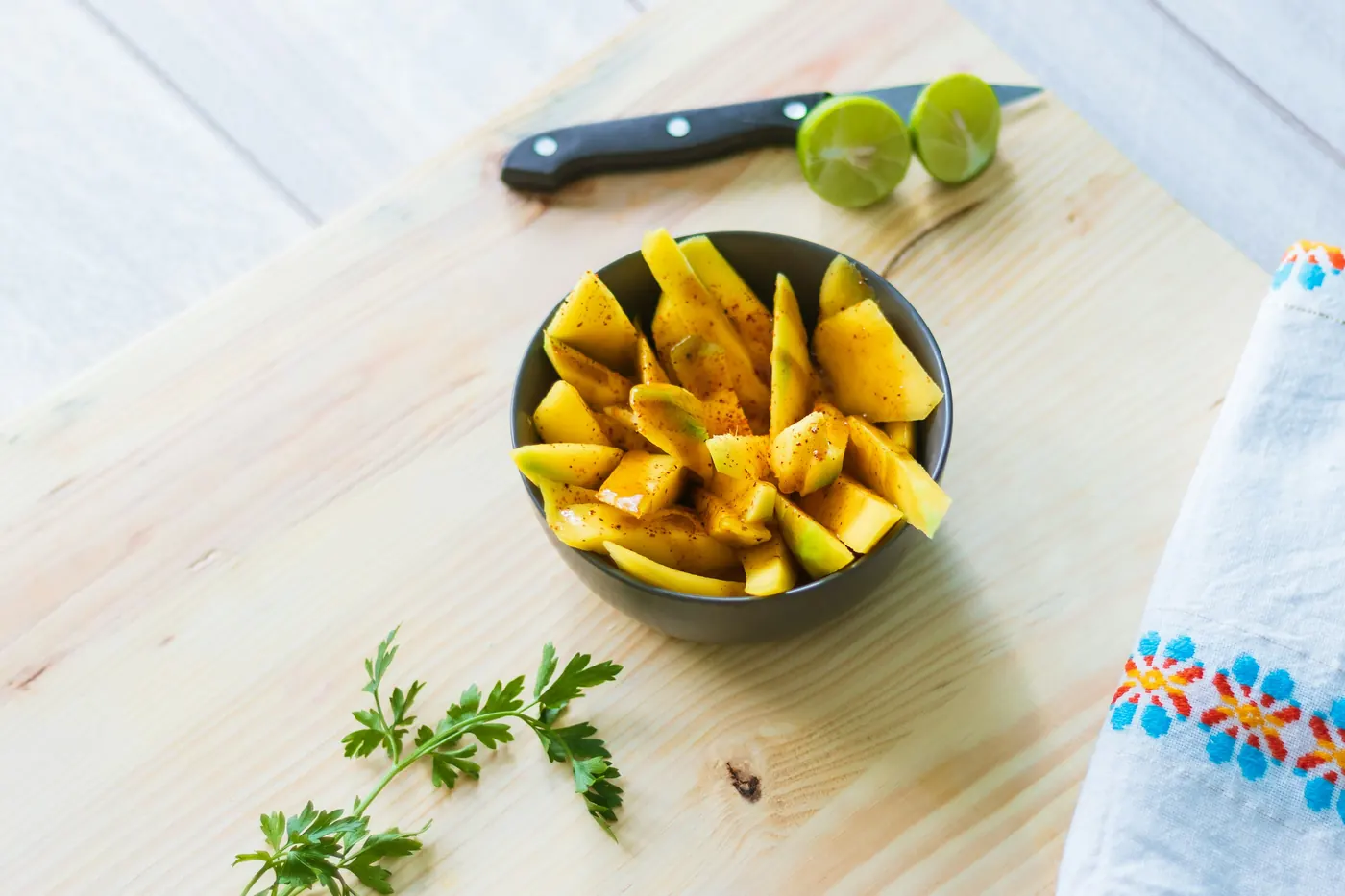
Range of uses. Tasting Table lists fries, chips, fruit cups, elotes, chicharrones, shrimp cocktail and micheladas; Mexico News Daily adds popcorn, shrimp tacos, pizza, tostadas, flautas and buffalo wings. It is as much a snack seasoning as a hot sauce.
Sizes for every kitchen. From 10 ml packets to a 1.1-gallon jug, per the maker, with the liter bottle for heavy users.
Drawbacks to know before you buy
The Amazon listings are thin. The 34-ounce listing gives no ingredients and almost no features. The single 12.5-ounce bottle from a listing that names the brand was low in stock when we checked. Another listing for a black-label two-pack gives the country of origin as the United States, which contradicts the maker’s own account of a factory in Guadalajara, so we did not recommend it. Check the bottles on arrival: U.S. retailer panels name Salsa Tamazula as the maker, so look for its name on the label.
It contains a preservative. Both labels list 0.1 percent sodium benzoate. If you prefer a sauce without one, Cholula Original lists none.
Not much heat. If you want a sauce that burns, the yellow label will disappoint and the black only partly satisfies. A habanero sauce such as El Yucateco, in our Mexican hot sauce guide, is in another league.
Sodium adds up when you pour. At 108 to 115 mg per teaspoon on U.S. panels, Valentina is no saltier than most table sauces, but people use a thick snack sauce generously. Mexico News Daily, reading the Mexican label, gives 95 mg per 5 g serving; the figures differ by market, so read the panel on your bottle. The FDA’s Daily Value for sodium is 2,300 mg a day.
The chile is not on the label. If you need to know exactly which chiles are in what you eat, the label will not tell you; you are relying on third-party reports.
What published reviewers report
Tasting Table profiled Valentina’s flavor and uses, naming puya for the yellow label and árbol for the black, and listing the street foods it is used on, from elotes and fruit cups to shrimp cocktail and micheladas.
Pepperscale, a chile reference site, describes Valentina as made from red puya chiles, vinegar and spices, “simply tart and vinegary”, and thicker than typical dasher sauces, with a yellow mild label and a hotter black one.
Mexico News Daily traces the company to Manuel Maciel Méndez’s Tamazula sauce from Tamazula de Gordiano, Jalisco, and the sauce’s name to Valentina Ramírez, a fighter in the Mexican Revolution. The maker’s own account says its story began in 1960 with the Tamazula brand and that Valentina followed shortly after; Wikipedia gives an earlier launch date for the brand, which we could not confirm.
We did not find a published blind tasting of Valentina against other Mexican sauces, so the comparisons on this page rest on labels and the sources above.
Alternatives to Valentina
Each of these is reviewed in full in our best Mexican hot sauce guide.
- More balanced, no preservative: Cholula Original, made in Jalisco with árbol and piquín, medium heat per its listing, 110 mg of sodium per teaspoon and no preservative listed. It suits eggs and tacos more than fruit and chips.
- Garlicky everyday table sauce: Tapatío Salsa Picante, a Mexican-style sauce made in California since 1971, with garlic on the label and medium heat at best, according to Pepperscale.
- Even thicker: Búfalo Salsa Clásica, a guajillo sauce Pepperscale describes as ketchup-like. It lists sugar and Red 40 and has more sodium, 210 mg per teaspoon on a Stop & Shop panel.
Our verdict after this Valentina Mexican hot sauce review
Valentina is worth a place in the cupboard for what it does best: a thick, tangy, chile-forward sauce for chips, fruit, elotes, popcorn and micheladas, mild enough to pour freely. Buy the liter bottle of the classic yellow label, and add the black Extra Hot if you want more heat. Read the labels on arrival, because the Amazon listings say little and some come from third-party sellers. If you want more heat or no preservative, Cholula or a habanero sauce is the better buy.
Valentina questions, answered
What is the difference between yellow and black label Valentina?
The yellow label is the classic and the black label is Extra Hot. Mexico News Daily says the classic uses dried puya chiles and the black adds árbol; it gives about 900 Scoville units for the yellow and 2,200 for the black. Retailer panels list 108 mg and 115 mg of sodium per teaspoon respectively.
What chiles are in Valentina hot sauce?
The label says “chili peppers”. Mexico News Daily, Tasting Table, Pepperscale and Wikipedia all name puya for the classic, and Mexico News Daily and Tasting Table name árbol in the black label.
Is Valentina very spicy?
No. Published figures put the yellow label at about 900 Scoville units and the black at about 2,100 to 2,200, mild to medium for a hot sauce. It is better known for flavor and texture than for heat.
Does Valentina need to be refrigerated?
The retailer panels we read give no storage instruction, and the sauce contains vinegar, salt and sodium benzoate. Follow whatever the bottle you receive says; if it says nothing, keep it closed and away from heat.
What do you put Valentina on?
Chips, popcorn, cut fruit with lime, elotes, chicharrones, shrimp cocktail, tostadas, flautas and micheladas, according to Tasting Table and Mexico News Daily. It also works on pizza and wings.
For the rest of the pantry, from dried chiles to tortillas, see our guide to Mexican pantry staples. And if you would rather someone else made the tostadas tonight, see the menu or call to order.