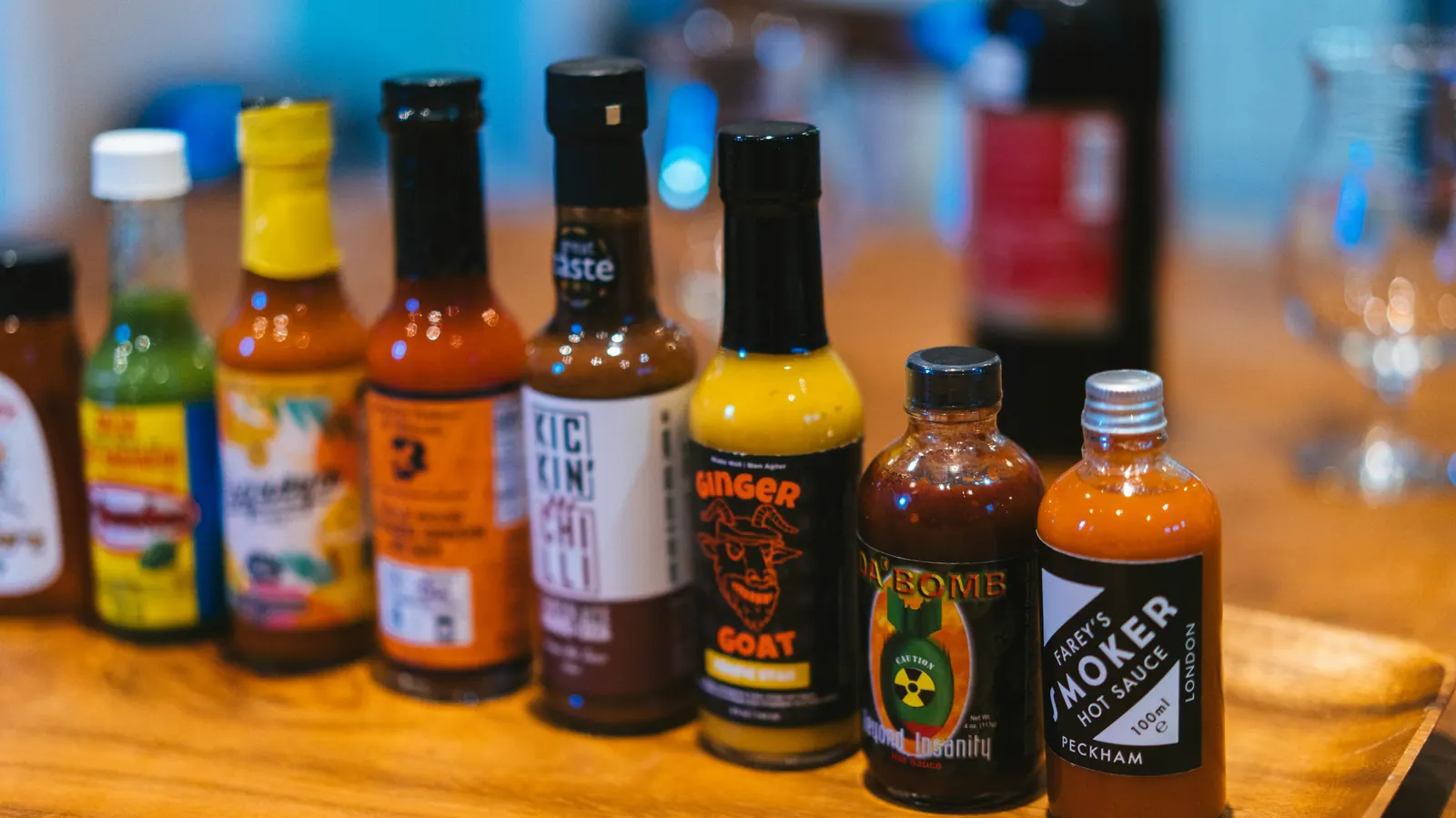
Mexican bottled hot sauce is a different thing from the salsa in a molcajete. It is a pourable, vinegar-sharpened chile sauce made to be shaken over food at the table: on tacos and tortas, over fruit and potato chips, into a michelada, onto a plate of eggs. In Mexico almost every taquería and household has a favorite bottle, and the favorites are fiercely regional.
The bottles look alike, but they are not. Some are built on árbol and piquín, some on puya, guajillo or cascabel, and some on habanero, which is in another league of heat. Some are thin and vinegary, others thick enough to cling to a chip, and sodium per teaspoon ranges from under 100 mg to over 200 mg. This guide compares seven Mexican hot sauces worth keeping, explains what each chile brings, and suggests what to put them on.
Julia’s earns a commission on purchases made through links on this page, at no cost to you. Recommendations are based on what a working Mexican kitchen looks for in a table sauce, the makers’ own ingredient lists and Amazon listings, and retailer nutrition panels where the listing gives none, which we note.
Quick verdict: which Mexican hot sauce to buy
For most kitchens the pick is Cholula Original: árbol and piquín chiles, a medium heat the maker states, a balanced, not-too-vinegary sauce made in Jalisco, and 110 mg of sodium per teaspoon. For chips, fruit and snacks, buy Valentina, the thick puya-chile sauce from Guadalajara; for real heat, El Yucateco Green Habanero; and for a thick, ketchup-like sauce that clings, Búfalo Clásica.
The rest of this page explains why, and which bottle suits the way you use hot sauce: as a table condiment, a snack sauce or a seasoning while you cook.
Five Mexican hot sauces at a glance
Our five standout picks side by side, one for each kind of hot sauce user, with the chile, heat and sodium each maker or label states. All seven sauces are reviewed in full below.
| Hot sauce | Best for | Chile & heat | Sodium (as listed) | Buy on Amazon |
|---|---|---|---|---|

Cholula Original, 12 fl oz, 3-PackBest overall
|
Eggs, tacos, everyday use | Árbol and piquín, medium | 110 mg per 1 tsp | View on Amazon |

Valentina Salsa Picante, Hot, 34 ozBest for snacks
|
Chips, fruit, botanas | Puya (per guides), hot | 108 mg per 1 tsp | View on Amazon |

Tapatío Salsa Picante, 10 oz, 3-PackBest table sauce
|
Burritos, tortas, soups | Red peppers, medium | 110 mg per 1 tsp | View on Amazon |

El Yucateco Green Habanero, 8 fl ozBest habanero
|
Seafood, cochinita, real heat | Habanero, very hot | 95 mg per 1 tsp | View on Amazon |

Búfalo Salsa Clásica, 5.4 oz, 3-PackBest thick sauce
|
Chips, tacos dorados, tostadas | Guajillo, heat not stated | 210 mg per 1 tsp | View on Amazon |
Product images from Amazon. Heat levels are each maker’s label or description, not a measured figure. Sodium is as printed on the label or retailer nutrition panels, per 1 teaspoon; recipes change, so check the bottle you receive.
Our picks for the best Mexican hot sauce
These seven bottles cover the styles most cooks reach for: a balanced árbol and piquín sauce, a thick snack sauce, an everyday red table sauce, a green habanero, a thick guajillo sauce, a mild cascabel sauce from Nayarit and a six-flavor gift pack. For each one we list the chiles and ingredients as the label states them, the heat the maker claims and the sodium per teaspoon.
1. Cholula Original, 12 fl oz, 3-Pack – Árbol and Piquín, Medium Heat
Cholula is the bottle with the round wooden cap, and it is the most balanced all-purpose sauce here. The listing says it is made with a blend of árbol and piquín peppers and Cholula’s spices, from a “generations-old family recipe”, and describes a balanced flavor with medium heat. Cholula’s listings say the sauces are made in Jalisco, Mexico; the brand has been owned by McCormick since 2020, according to Mexico News Daily and Wikipedia.
The U.S. ingredient list on grocery panels reads water, peppers (árbol and piquín), salt, acetic acid, xanthan gum, spices, apple cider vinegar, garlic powder and natural flavor, with 110 mg of sodium per teaspoon. Árbol brings a clean, sharp heat and piquín a small, quick burn, and the xanthan gum gives the sauce enough body that it does not run off food like a thin vinegar sauce. No preservative is listed.
The listing suggests it for eggs, rice and beans, pizza, tacos, huevos rancheros, fajitas and enchiladas, and that range is the point of Cholula: it seasons without taking over. This pack is three 12-ounce bottles, enough for a household that uses hot sauce daily. If you like Cholula, its jarred salsa appears in our best jarred salsa guide.
Why we like it
- Árbol and piquín chiles named on the label
- Medium heat, balanced rather than vinegary
- No preservatives or added color listed
- Made in Jalisco, per the listing
Key specifications
| Size | 3 bottles, 12 fl oz each |
|---|---|
| Chiles | Árbol and piquín |
| Heat (as stated) | Medium (listing) |
| Ingredients | Water, árbol and piquín peppers, salt, acetic acid, xanthan gum, spices, apple cider vinegar, garlic powder, natural flavor |
| Sodium (as listed) | 110 mg per 1 tsp (retailer panels) |
| Texture | Medium body (xanthan gum) |
| Preservatives and color | None listed |
| Made in | Jalisco, Mexico (listing) |
Why we recommend it
Choose it if you want one bottle that suits nearly everything, from breakfast eggs to tacos, with heat most of the table can handle.
Skip it if you want a sauce that is genuinely hot; Cholula Original is medium, and the habanero sauces below are far hotter.
Pros and cons
Pros
- Versatile, balanced flavor
- No preservative listed
- Three large bottles
Cons
- Only medium heat
- Contains natural flavor and xanthan gum
- Three bottles is a lot for light users
2. Valentina Salsa Picante, Hot, 34 oz – Thick Snack Sauce From Guadalajara
Valentina is the snack sauce of Mexico. Tasting Table lists the ways it is used: on fries and chips, fruit cups and elotes from street vendors, chicharrones, shrimp cocktails and micheladas. Salsa Tamazula, its maker, says its story began in 1960 with the Tamazula brand and that Valentina followed shortly after; its factory is in Guadalajara. This is the classic sauce, usually called the yellow label and sold as hot, in the 34-ounce bottle. A hotter black label, sold as extra hot, comes separately.
Grocery labels list the ingredients as water, chili peppers, vinegar, salt, spices and 0.1 percent sodium benzoate as a preservative. The label does not name the chile. Tasting Table says the yellow label is made with puya, a chile similar to guajillo with fruity, smoky notes, and the hotter black label with árbol; Pepperscale also names puya. Most retailer panels give 108 mg of sodium per teaspoon for the yellow label, and H-E-B lists 115 mg for the extra hot. Pepperscale describes Valentina as thicker than thin, watery “dasher” sauces, which is why it clings to a chip.
Valentina is less about heat than about flavor: chile, tang and salt. That makes it the right sauce for fruit with lime, for chips, for a michelada and for a shrimp cocktail. This listing was sold by Amazon.com when we checked. It gives no ingredient list, so read the label on the bottle you receive.
Why we like it
- Thick enough to cling to chips and fruit
- Large bottle for heavy users
- Short ingredient list
- Made by Salsa Tamazula in Guadalajara
Key specifications
| Size | 1 bottle, 34 fl oz (yellow label) |
|---|---|
| Chiles | “Chili peppers” on the label; puya, per Tasting Table |
| Heat (as stated) | Hot (yellow label) |
| Ingredients | Water, chili peppers, vinegar, salt, spices, sodium benzoate |
| Sodium (as listed) | 108 mg per 1 tsp (retailer panels) |
| Texture | Thick, pourable |
| Preservatives and color | Sodium benzoate 0.1%; no added color listed |
| Made in | Guadalajara, Mexico (Salsa Tamazula) |
Why we recommend it
Choose it if you want the classic Mexican snack sauce for chips, fruit, elotes and micheladas, and you go through it quickly.
Skip it if you want a sauce with no preservative, or a small table bottle; 34 ounces is the refill size.
Pros and cons
Pros
- Clinging, saucy texture
- Tang and chile more than burn
- Large bottle
Cons
- Contains sodium benzoate
- Chile not named on the label
- No ingredients on the listing
3. Tapatío Salsa Picante, 10 oz, 3-Pack – Everyday Red Table Sauce
Tapatío is a Mexican-style sauce made in the United States, and it belongs on this list because it is on so many taquería tables in California and beyond. Wikipedia records that the company started in 1971 in a small warehouse in Maywood, California; retailer listings give its address in Vernon, California. According to Wikipedia, “tapatío” describes a person from Guadalajara, and the label shows a charro from Jalisco.
Grocery labels list water, red peppers, salt, spices, garlic, acetic acid, xanthan gum and sodium benzoate, with 110 mg of sodium per teaspoon. The listing describes “spicy chilli-pepper flavor” and table-top ready bottles, and does not give a heat level; Pepperscale calls the heat “medium at best”. Garlic is closer to the front of the flavor than in Cholula, and the sauce is a little thinner.
That garlicky, salty red flavor is what you want splashed over a burrito, a torta, a bowl of pozole or menudo, or a plate of scrambled eggs. It is also a good cooking sauce: a spoonful in a marinade or a pot of beans adds heat and seasoning at once. Three 10-ounce bottles suit a family that goes through hot sauce steadily.
Why we like it
- Garlicky red sauce for everyday food
- Moderate heat for most palates
- Three 10 oz table bottles
- Family company since 1971 (Wikipedia)
Key specifications
| Size | 3 bottles, 10 oz each |
|---|---|
| Chiles | “Red peppers” (variety not named) |
| Heat (as stated) | Not stated in listing; medium per Pepperscale |
| Ingredients | Water, red peppers, salt, spices, garlic, acetic acid, xanthan gum, sodium benzoate |
| Sodium (as listed) | 110 mg per 1 tsp (retailer panels) |
| Texture | Medium-thin, pourable |
| Preservatives and color | Sodium benzoate; no added color listed |
| Made in | Vernon, California (retailer listings) |
Why we recommend it
Choose it if you want a familiar, garlicky red sauce for burritos, soups and eggs, in bottles you can leave on the table.
Skip it if you want a sauce made in Mexico or with a named chile; Tapatío is made in California, and its label says only “red peppers”.
Pros and cons
Pros
- Versatile, garlicky flavor
- Works in cooking too
- Three-bottle pack
Cons
- Chile variety not named
- Contains sodium benzoate
- Made in the U.S., not Mexico
4. El Yucateco Green Habanero, 8 fl oz – Bright, Serious Habanero Heat
El Yucateco is a brand from the Yucatán, the region of Mexico most associated with the habanero, and its green habanero sauce is the one on this list for people who find the others mild. (It is the same brand whose achiote paste we recommend in our achiote paste guide.) The listing describes intense heat from premium habaneros, with “herbal, tangy notes”, and suggests it for tacos, eggs, grilled meats, soups, ceviche, rice, seafood and vegetables.
Grocery labels list water, habanero peppers, salt, acetic acid, xanthan gum, citric acid, dried onion powder and sodium benzoate, plus FD&C Yellow 5 and Blue 1 for color. That bright green comes partly from dye, which some cooks prefer to avoid; El Yucateco’s red habanero sauce is an alternative. Panels give 95 mg of sodium per teaspoon, the lowest here. Target’s listing gives an average of about 7,900 Scoville heat units, and notes that heat varies from batch to batch. The listing says the sauce is gluten-free.
Habanero is fruity as well as hot, which suits the citrusy food of the Yucatán: cochinita pibil, pickled onions, fish tacos and ceviche. Use it by the drop at first. This listing is a pack of two 8-ounce bottles, and one bottle lasts a long time at that rate.
Why we like it
- Habanero heat well above the red sauces
- 95 mg sodium per teaspoon
- Herbal, tangy flavor for seafood and Yucatecan food
- Gluten-free, per the listing
Key specifications
| Size | Two 8 fl oz (240 ml) bottles |
|---|---|
| Chiles | Habanero |
| Heat (as stated) | Intense (listing); about 7,900 SHU average (Target listing) |
| Ingredients | Water, habanero peppers, salt, acetic acid, xanthan gum, citric acid, onion powder, sodium benzoate, Yellow 5, Blue 1 |
| Sodium (as listed) | 95 mg per 1 tsp (retailer panels) |
| Texture | Medium body (xanthan gum) |
| Preservatives and color | Sodium benzoate; FD&C Yellow 5 and Blue 1 |
| Made in | Not stated in listing (Yucatán brand) |
Why we recommend it
Choose it if you want genuine habanero heat for seafood, Yucatecan dishes and anyone who finds table sauces too tame.
Skip it if you avoid synthetic food dyes or cook for people who do not like heat; the green color includes Yellow 5 and Blue 1.
Pros and cons
Pros
- Real habanero heat
- Lowest sodium here
- A little goes a long way
Cons
- Synthetic dyes for color
- Too hot for many
- Contains sodium benzoate
5. Búfalo Salsa Clásica, 5.4 oz, 3-Pack – Thick Guajillo Sauce That Clings
Búfalo is the thickest sauce on this list. Pepperscale describes it as having a “ketchup-like consistency” that sticks to food, with a flavor that focuses on the pepper more than the vinegar. The chile is guajillo, the dried mirasol pepper behind many Mexican red sauces, which gives a mild, slightly sweet, berry-like chile flavor rather than a sharp burn.
Grocery listings for the 5.4-ounce bottle give the ingredients as water, acetic acid, guajillo peppers, iodized salt, sugar, xanthan gum, condiments, 0.06 percent sodium benzoate, FD&C Red 40 and dehydrated garlic. A Stop & Shop panel lists 210 mg of sodium per teaspoon, the highest here, so a thick sauce that you use generously adds up quickly. The Amazon listing for this three-pack gives no ingredient or nutrition details, and wholesale records for other Búfalo Clásica sizes name puya pepper instead of guajillo, so check the bottle you receive.
Because it clings, Búfalo suits tacos dorados, tostadas, flautas and chips, anywhere a thin sauce would run off. Búfalo also sells jalapeño and chipotle versions.
Why we like it
- Thick, ketchup-like texture (Pepperscale)
- Guajillo chile flavor, mild heat
- Less vinegary than thin sauces
- Three small bottles
Key specifications
| Size | 3 bottles, 5.4 oz each |
|---|---|
| Chiles | Guajillo (retailer listings) |
| Heat (as stated) | Not stated in listing |
| Ingredients | Water, acetic acid, guajillo peppers, iodized salt, sugar, xanthan gum, condiments, sodium benzoate, Red 40, garlic |
| Sodium (as listed) | 210 mg per 1 tsp (Stop & Shop panel) |
| Texture | Thick, ketchup-like |
| Preservatives and color | Sodium benzoate 0.06%; FD&C Red 40 |
| Made in | Not stated in listing |
Why we recommend it
Choose it if you want a thick, mild chile sauce that stays on crispy tacos and chips.
Skip it if you watch sodium or avoid added sugar and dyes; it lists sugar and Red 40 and has the most sodium per teaspoon here.
Pros and cons
Pros
- Clings instead of running
- Chile-forward flavor
- Gentle heat
Cons
- 210 mg sodium per teaspoon
- Contains sugar and Red 40
- Amazon listing gives no details
6. Salsa Huichol, 6 oz Bottle – Mild Cascabel Sauce From Nayarit

Huichol is the hot sauce of Nayarit, on Mexico’s Pacific coast. Mexico News Daily writes that Nayarit’s dishes “taste better with a little Salsa Huichol added” and ties the sauce to the state’s grilled fish, pescado zarandeado. According to Abasto, a trade magazine, Don Roberto López founded the brand in Tepic, Nayarit, in 1949 with 40 pesos and his mother’s recipe, selling first to bars, cantinas and restaurants. The company still keeps the recipe secret.
The label is short. A grocery listing for the 6.5-ounce bottle gives the ingredients as chili peppers, spices, iodized salt and vinegar. The chile is not named, but Pepperscale’s review says it is widely understood to be cascabel, a round dried chile with a nutty, earthy flavor and mild to low-medium heat. We found no published sodium figure, and sources disagree on whether the U.S. bottle contains a preservative, so read the label on the bottle you receive.
Huichol is a good sauce for a mixed table. It adds chile flavor and acidity without much burn, which suits children and anyone easing into heat; our guide to mild Mexican food has more ideas. Shake it over seafood, sliced cucumbers or a bowl of soup.
Why we like it
- Four-ingredient label
- Mild, earthy chile flavor
- Made by a Nayarit brand since 1949
- Traditional with seafood
Key specifications
| Size | 1 bottle, 6 fl oz (Amazon listing) |
|---|---|
| Chiles | “Chili peppers”; cascabel, per Pepperscale |
| Heat (as stated) | Not stated; mild to low-medium per Pepperscale |
| Ingredients | Chili peppers, spices, iodized salt, vinegar (retailer listing) |
| Sodium (as listed) | Not stated |
| Texture | Medium-thin |
| Preservatives and color | None in the retailer listing; check the bottle |
| Made in | Tepic, Nayarit, Mexico (brand origin) |
Why we recommend it
Choose it if you want a mild, earthy sauce for seafood and for people at the table who do not like much heat.
Skip it if you want heat; Huichol is about flavor, and its label leaves out the chile name and the sodium.
Pros and cons
Pros
- Very short ingredient list
- Mild and family-friendly
- Classic with seafood
Cons
- Sodium not published
- Chile not named on the label
- Amazon listing gives no details
7. Cholula Hot Sauce Variety Pack, 5 fl oz, 6-Pack – Six Flavors for Gifting

If you are buying for someone who likes hot sauce, or you want to find out which chile you like best, this six-bottle set covers a lot of ground. The listing names the six 5-ounce flavors: Original, Chipotle, Chili Garlic, Green Pepper, Chili Lime and Sweet Habanero. It says the range is made with árbol, piquín, chipotle, habanero and jalapeño peppers and regional Mexican spices, and that the sauces are made in Jalisco, Mexico.
Each flavor shows what a chile brings. Chipotle, a smoke-dried jalapeño, adds smoke; Green Pepper uses jalapeño for a brighter, greener heat; Sweet Habanero pairs fruitiness with heat; Chili Lime is tart. The listing does not print each sauce’s ingredients or sodium, so check each bottle’s label; the Original’s U.S. panel lists 110 mg of sodium per teaspoon.
The set is built for sampling and gifting, and small bottles mean nothing sits open for months. Put them all out on a taco night and let people choose. Our guide to Mexican chiles explains the peppers behind each bottle.
Why we like it
- Six flavors, five chiles
- Small 5 oz bottles stay fresh
- Gift-ready box
- Made in Jalisco, per the listing
Key specifications
| Size | 6 bottles, 5 fl oz each (30 fl oz total) |
|---|---|
| Chiles | Árbol, piquín, chipotle, habanero, jalapeño (across the range) |
| Heat (as stated) | “Balanced heat” (listing); varies by flavor |
| Ingredients | Not stated per flavor in listing |
| Sodium (as listed) | Not stated per flavor; Original 110 mg per 1 tsp |
| Texture | Medium body |
| Preservatives and color | Not stated per flavor |
| Made in | Jalisco, Mexico (listing) |
Why we recommend it
Choose it if you want a hot sauce gift, or a way to taste six styles before you commit to a big bottle.
Skip it if you already know your favorite; you will end up with five bottles you use less often.
Pros and cons
Pros
- Wide range of chiles and flavors
- Good for gifting and taco nights
- Small bottles
Cons
- Ingredients not listed per flavor
- Not very hot overall
- Some flavors may go unused
How to choose a Mexican hot sauce
Four things separate one bottle from another, and they are all on the label.
1. Start with the chile
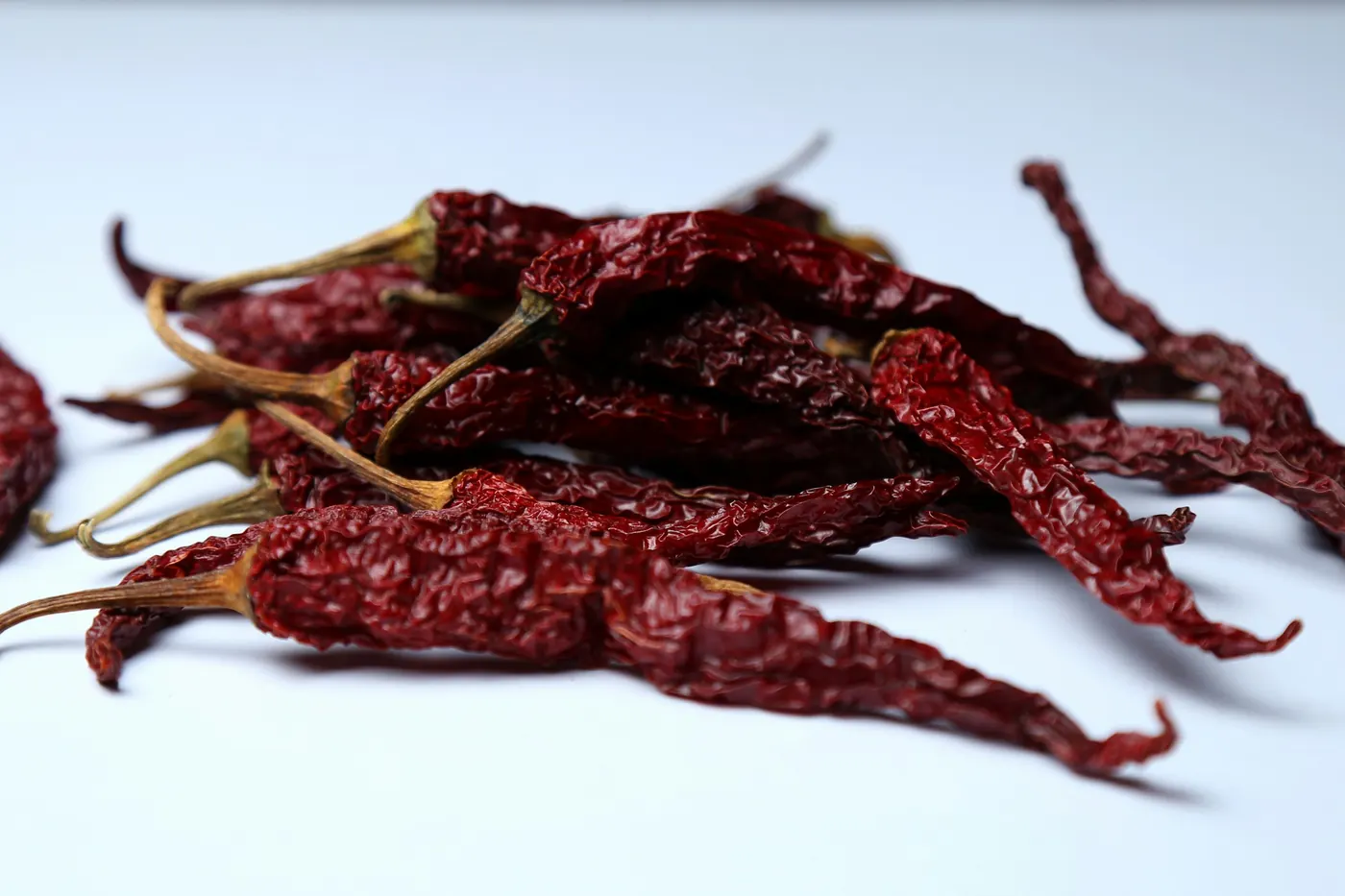
The chile decides the flavor. Árbol and piquín give a clean, sharp heat; puya and guajillo a fruity, mild-to-medium red; cascabel an earthy, nutty flavor; chipotle smoke; jalapeño a green brightness; habanero fruit and serious heat. When a label says only “chili peppers” or “red peppers”, the maker is not telling you, and you have to rely on reviews and your own taste. Our guide to Mexican chiles describes each one.
2. Treat heat labels as rough
“Hot”, “extra hot” and “medium” are each maker’s own words, and they are not comparable between brands. Valentina’s yellow label is “hot” by name, yet Tasting Table describes its puya chile as medium hot. The only sauce here in another class is the habanero.
3. Decide how thick you want it
Thin, vinegary sauces spread across eggs and soak into rice; thick sauces such as Valentina and Búfalo stay on chips, fruit and crispy tacos. Xanthan gum on the label means the maker has thickened the sauce. Neither style is better; they do different jobs.
4. Read the rest of the label
Most table sauces are water, chile, vinegar and salt, with sodium benzoate as a preservative. Some add sugar, natural flavor or synthetic color such as Red 40 or Yellow 5 and Blue 1. Sodium runs from 95 mg to 210 mg per teaspoon here, against the FDA’s Daily Value of 2,300 mg, which matters if you pour rather than shake. Storage advice varies by maker, so check your bottle.
Which sauce goes with which dish
- Eggs and breakfast tacos: Cholula Original or Tapatío.
- Chips, fruit cups, elotes and micheladas: Valentina; Búfalo for chips.
- Seafood cocktails, ceviche and fish tacos: Huichol for flavor, El Yucateco for heat.
- Burritos, tortas, pozole and menudo: Tapatío or Valentina.
- Cochinita pibil and Yucatecan food: El Yucateco Green Habanero.
- Crispy tacos, flautas and tostadas: Búfalo, which clings.
Bottled hot sauce is a table condiment, not a substitute for salsa. A taco still wants a spoonful of salsa roja or verde, and a dish that needs deep chile flavor wants dried chiles toasted and blended. For a crunchier condiment, our guide to the best salsa macha covers the chile oils. And a basket of chips is the easiest way to taste a few sauces side by side; our best tortilla chips guide covers those.
How we chose these seven bottles
We started from what a Mexican kitchen wants from a table sauce: a named chile where possible, a clear style (thin or thick, mild or hot) and honest labeling. We narrowed the field to sauces sold on Amazon in the United States, in stock when we checked, from established brands, and read each one’s ingredient list, sodium and heat claim on its Amazon listing or, where the listing gives few details, on grocery retailers’ nutrition panels; each review says which. We used Pepperscale’s published guides for chile identification and texture where labels are silent, and the makers’ own history pages and trade press for background. We left out Tamazula, Salsa Tamazula’s older sauce, and La Botanera, both available only in limited quantity when we checked, an El Yucateco variety pack that was not yet available, and Marie Sharp’s, a Belizean rather than Mexican sauce. We have not tasted every sauce listed here; flavor descriptions follow from the chiles, the ingredients and the sources we name.
Mexican hot sauce questions, answered
What is the best hot sauce for Mexican food?
For most Mexican food, a medium red sauce made from árbol, piquín or puya chiles: Cholula Original, Valentina or Tapatío. Each adds chile flavor and acidity without hiding the food. For seafood and Yucatecan dishes, a habanero sauce such as El Yucateco.
Is Valentina or Cholula better?
They do different jobs. Valentina is thicker and made for snacks, fruit and chips. Cholula is thinner, more balanced and better on eggs and cooked dishes. Many kitchens keep both.
Is Tapatío a Mexican hot sauce?
It is a Mexican-style sauce made in Vernon, California, by a company founded in 1971 near Los Angeles. Its name refers to Guadalajara, and it is common in taquerías, but it is not made in Mexico. Cholula, Valentina and Huichol are made by Mexican companies.
Which Mexican hot sauce is the hottest?
Of the sauces here, El Yucateco Green Habanero, which Target lists at about 7,900 Scoville heat units on average. El Yucateco also makes hotter habanero sauces than this one. Valentina’s black label is hotter than its yellow label, but neither is close to habanero.
Does Mexican hot sauce need to be refrigerated?
Follow the bottle. Storage instructions vary by brand and are printed on the label. Refrigerating an open bottle does no harm and keeps it cool and dark; keep the cap clean and tightly closed either way.
Which is the best Mexican hot sauce for you
Buy Cholula Original if you want one bottle for everything. Add Valentina for chips, fruit and micheladas, and El Yucateco Green Habanero if you want real heat. Tapatío is the garlicky everyday sauce for burritos and soups, Búfalo the thick sauce for crispy tacos, Huichol the mild one for seafood and children, and Cholula’s variety pack the gift.
Hot sauce is one shelf of a Mexican pantry. Our guide to Mexican pantry staples covers the chiles, salsas and masa that go with it.
Want something milder for tacos? See our guide to the best taco sauces.
Related guide: Best hot honey.
And if you would rather have someone else do the cooking tonight, see the menu or call to order.