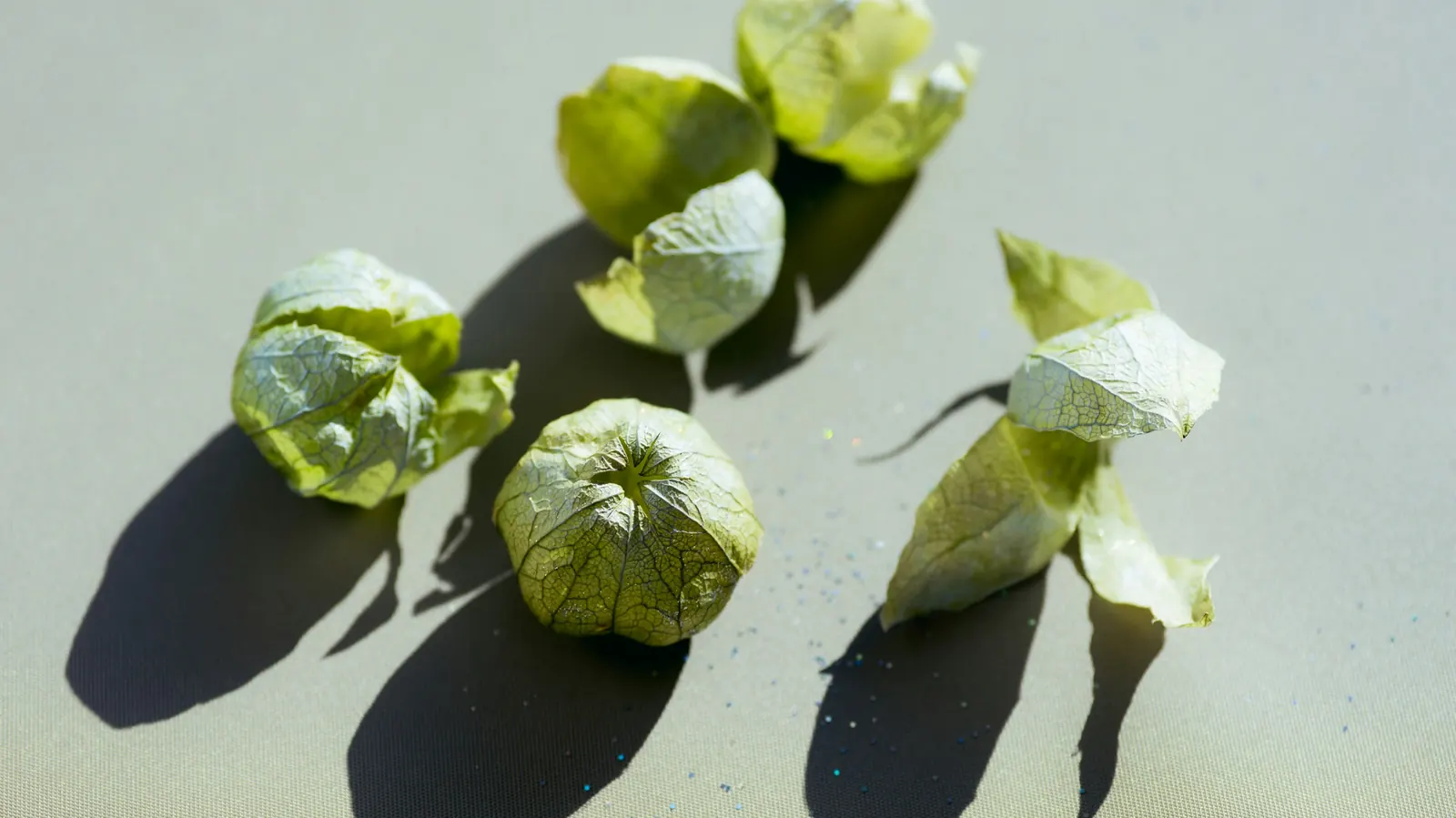
The small green thing in a papery husk is not an unripe tomato, and it is not a small tomato. It is not really a tomato at all.
It is also the single ingredient that makes green salsa green, which is a large job for a fruit most people cannot name.
The short answer
A tomatillo is a small green fruit that grows inside a papery husk, related to the tomato only distantly and closer to the ground cherry. It is tart, herbal and firm, with a citrus edge. Cooking it — usually roasting or simmering — softens the acidity and brings out sweetness. It is the base of salsa verde and of most green sauces in Mexican cooking.
What it actually is
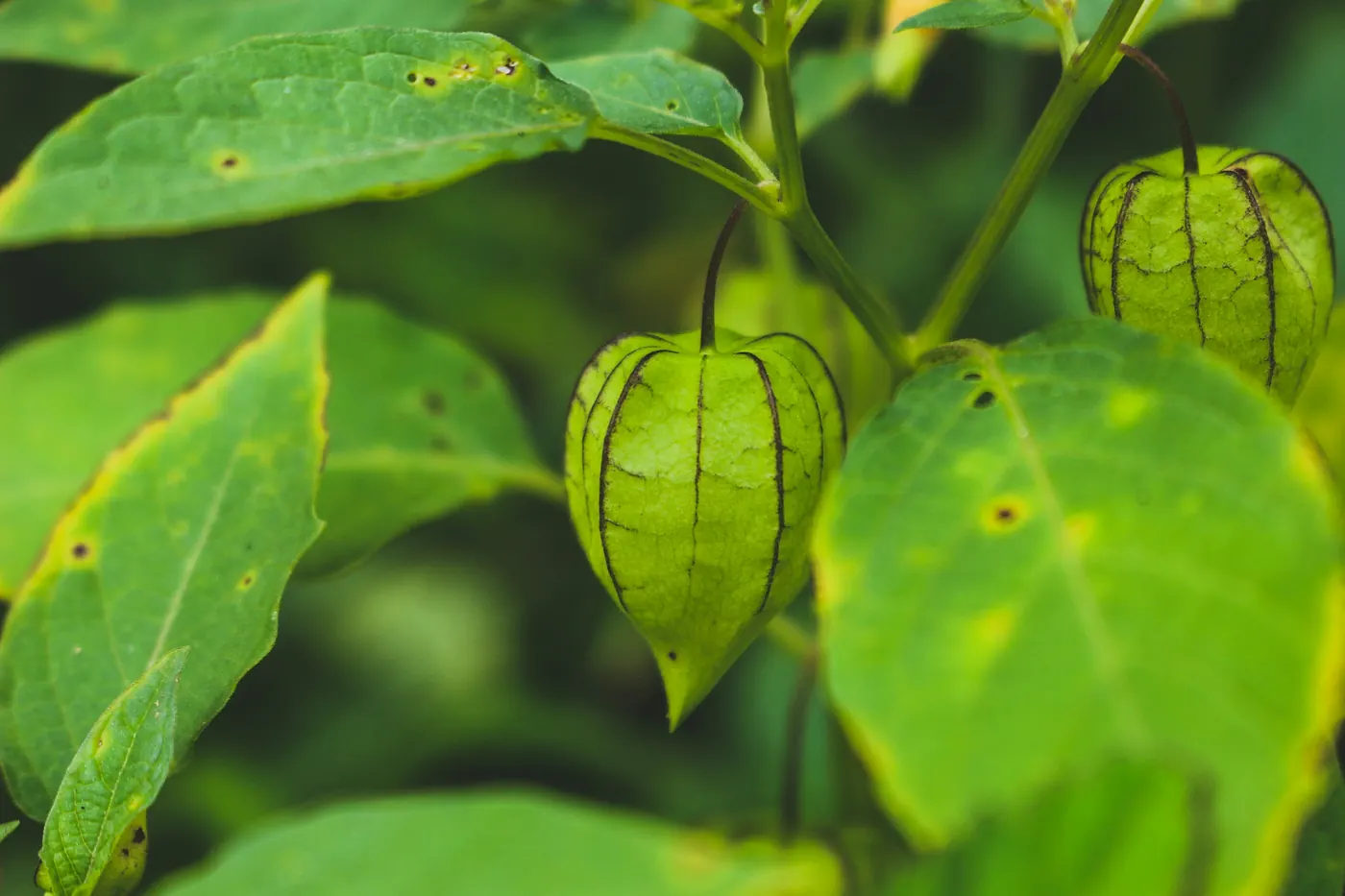
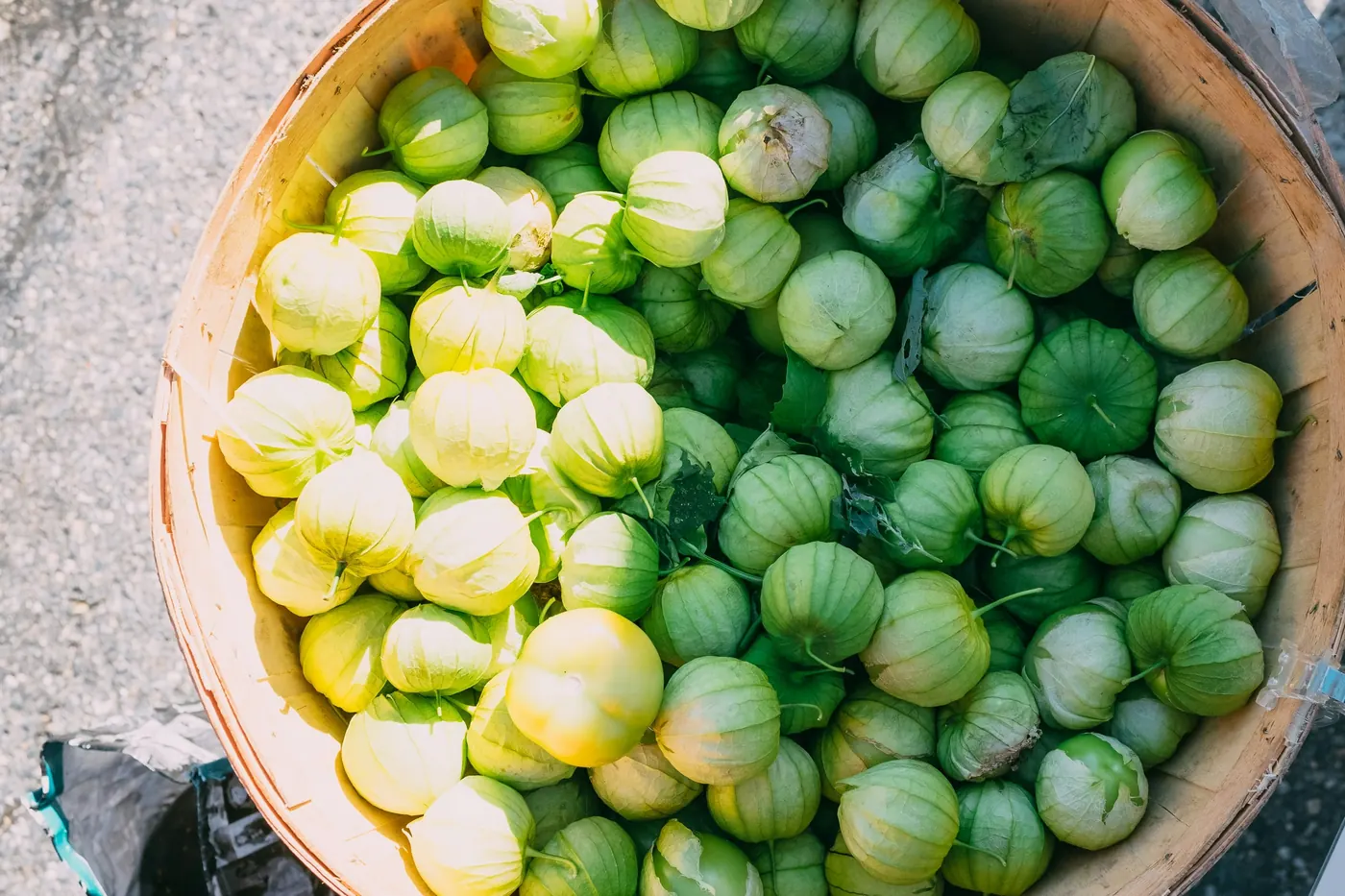
An inch or two across, bright green, firm, and slightly sticky under the husk. The husk starts tight and splits as the fruit grows, which is how growers know it is ready.
FoodPrint’s encyclopedia entry on the tomatillo describes the flavor as “herbal, tangy, citrus-y, and a little bit sweet,” and notes that most sold in North America run one to two inches across with a papery husk around plump green fruit.
That entry also settles the history question. Tomatillo eating is documented in Mexico’s Tehuacán Valley as early as 900 BCE, and the Aztecs were likely the first to domesticate it — before they cultivated tomatoes.
Which reverses the assumption built into the English name. The tomatillo is not a junior tomato. It got there first.
The husk
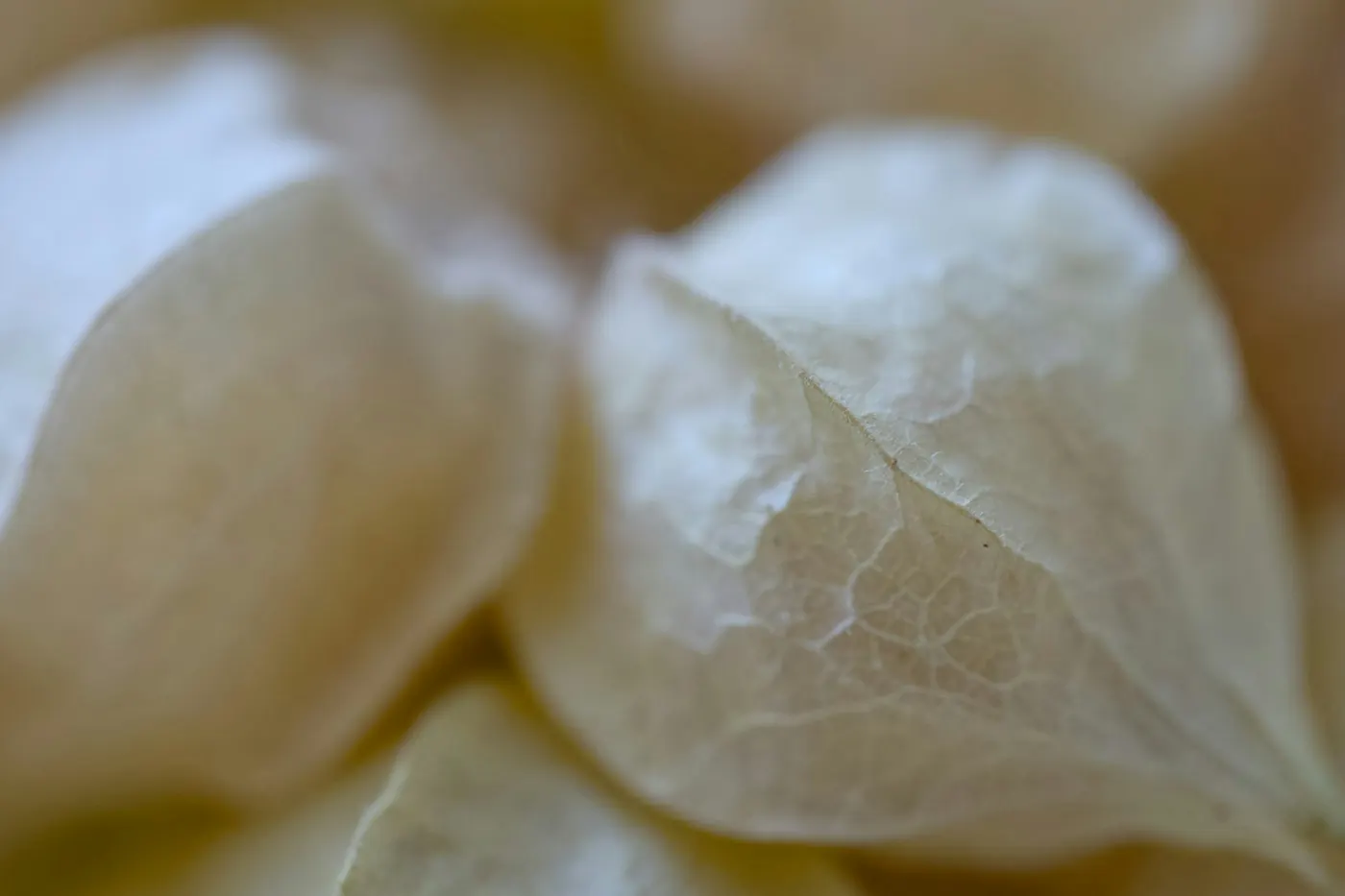
The husk is the fastest way to identify one, and it does real work on the plant.
It is a calyx — the leafy structure at the base of a flower — that expands into a lantern around the developing fruit and dries to a papery brown as it matures. It protects the fruit while it grows.
Pulling it off leaves a slightly tacky residue on the skin. That is normal, it is not pesticide, and it rinses off with warm water. Skipping the rinse leaves a faint bitterness in the sauce.
Not a green tomato
| Tomatillo | Green (unripe) tomato | |
|---|---|---|
| Husk | Yes, papery | None |
| Skin | Sticky underneath | Smooth and dry |
| Flesh | Dense, small seeds | Watery, seed cavities |
| Flavor | Tart, herbal, citrus | Sharp, grassy, one-note |
| Cooked | Sweetens and thickens | Stays firm and sour |
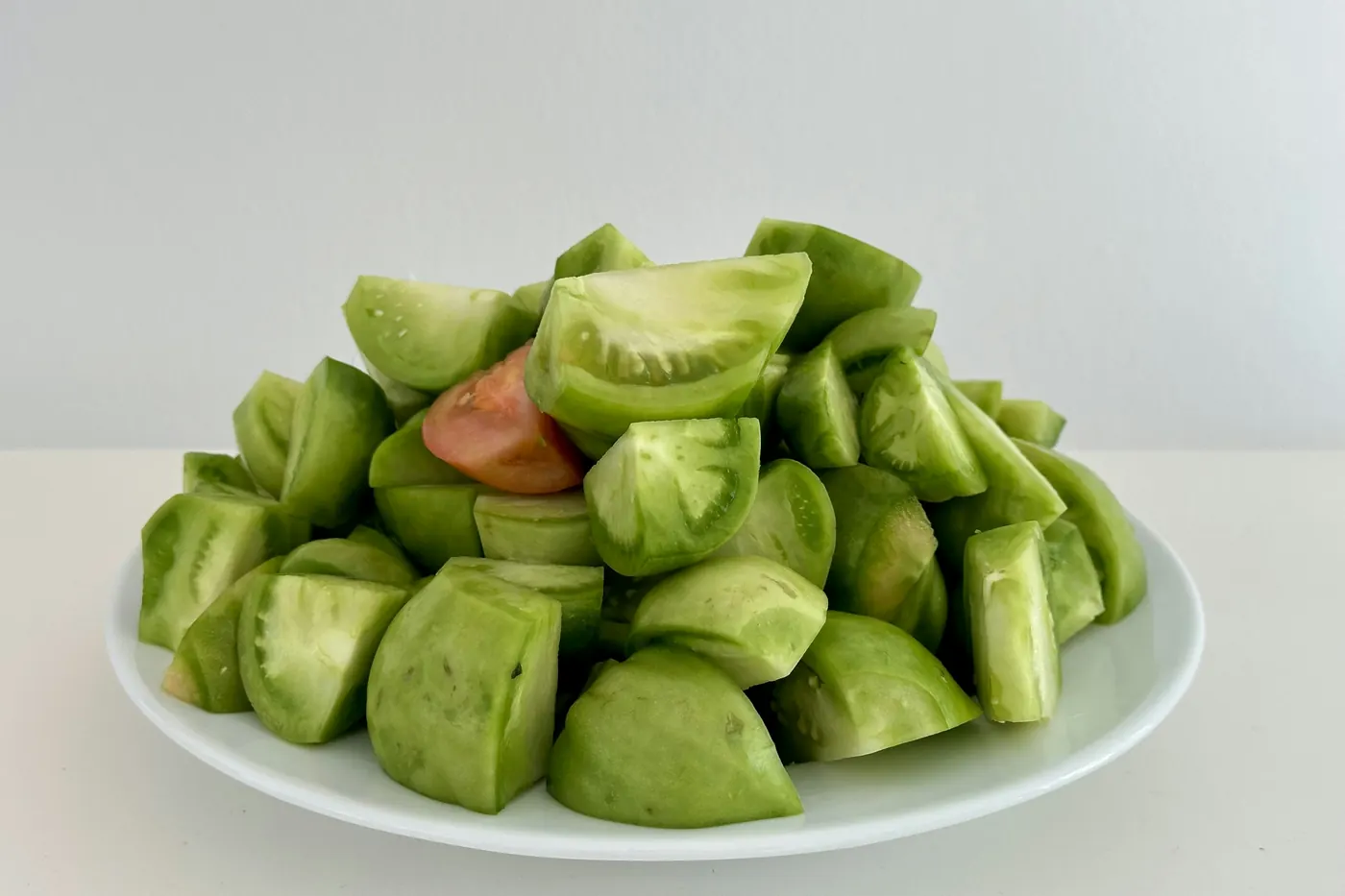
The substitution does not work in either direction, which is worth knowing if a recipe tempts you. A green tomato in salsa verde produces something thin and sour with none of the body.
What cooking does to it
Raw tomatillo is aggressively tart — edible, but sharp enough that most people would not eat one out of hand.
Roasting is the usual fix. Under a broiler or on a dry comal until the skin blisters and blackens in patches, the acidity drops and a sweetness comes forward. It also picks up a faint char that raw tomatillo has none of.
Boiling is the other method, and it produces a different sauce: cleaner, brighter, less complex. Neither is wrong. Roasted salsa verde is darker and rounder; boiled is sharper and greener.
They also thicken. Tomatillos carry natural pectin, so a blended sauce holds together without anything added — which is why salsa verde clings to an enchilada instead of running off it.
Buying and keeping them
Worth knowing if you ever cook with them, and it explains why restaurant salsa verde varies so much.
Pick fruit that fills its husk. A tomatillo rattling loosely inside a large dry husk was picked early or has shrunk since. The husk should be papery rather than damp or blackened, and the fruit underneath should be firm with no give.
Size affects flavor. Small ones are more acidic and more intense; large ones are milder and more watery. Cooks who want a sharp salsa buy small.
They keep well — a couple of weeks in the refrigerator with the husks left on, which is unusually long for a fresh fruit. Husked, they last a few days.
There are also varieties beyond the standard green. Milpero tomatillos are marble-sized and much tarter. Purple tomatillos ripen to a deep violet and are noticeably sweeter, though they lose most of the color when cooked.
Where you meet it
Almost always as a sauce, and almost always green.
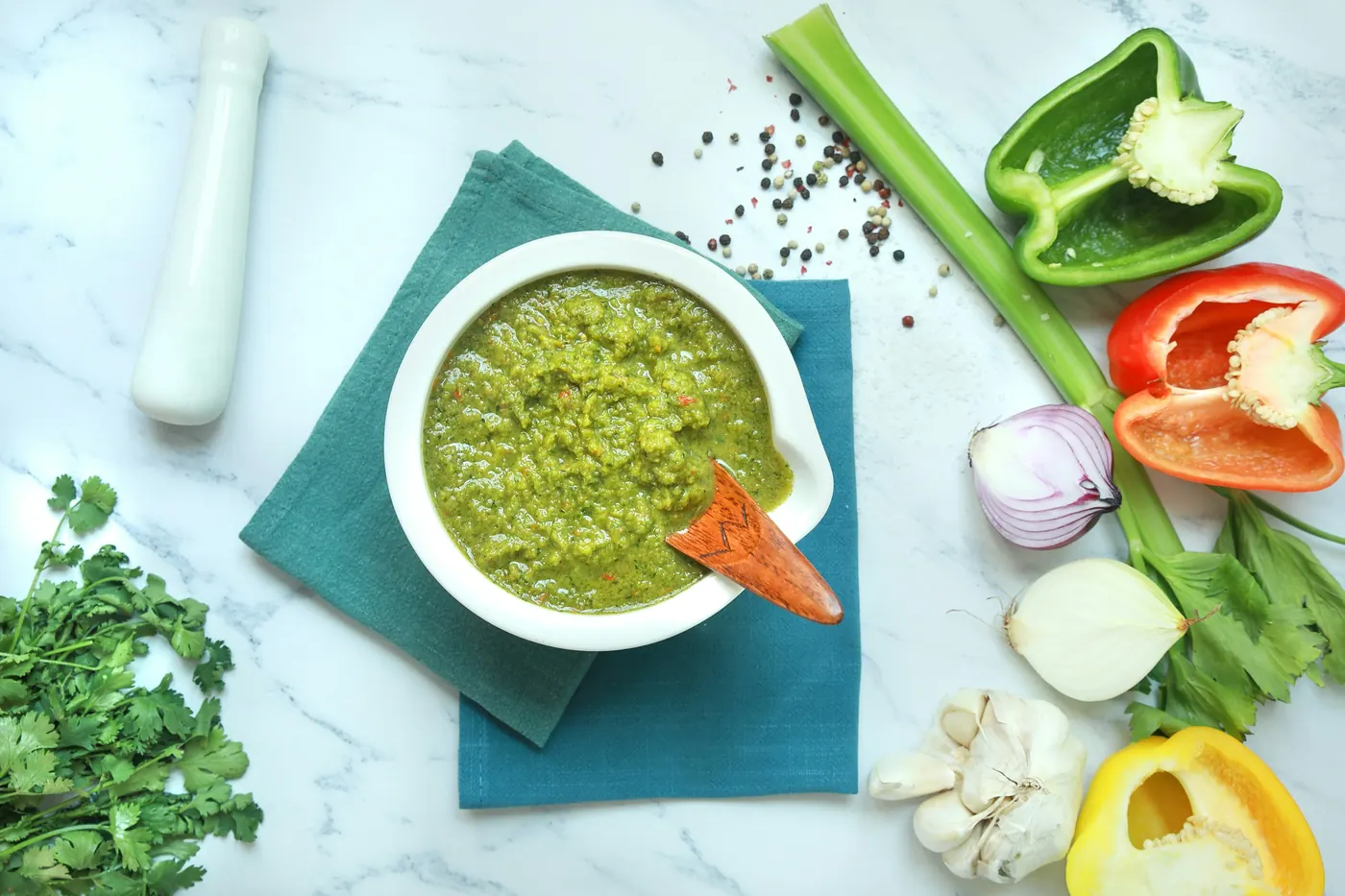
Salsa verde is the base case: tomatillos with green chile, onion, garlic and cilantro, blended. Our comparison of red and green salsa covers how it sits against the red side of the table.
From there it turns up in enchiladas verdes, in chilaquiles verdes, in pozole verde, and in the creamy suiza sauces where it is blended with dairy. It is also standard in green moles, where its acidity balances the seeds and nuts our mole guide describes.
Practical note for ordering: green on a Mexican menu means tomatillo far more often than it means anything else, and it does not mean spicy. Heat comes from the chiles blended in alongside.
On Julia’s menu
Tomatillo shows up in three places on Julia’s menu, and in all three it is a sauce rather than a visible ingredient.
The taquitos de pollo — four crispy chicken tacos with queso fresco and sour cream — come with the house tomatillo salsa. That is the plainest version of it, and the acidity is doing a specific job against something fried.
The enchiladas suizas are topped with a creamy tomatillo sauce, melted Oaxaca cheese and a slice of avocado. That is the dairy-blended form: tomatillo tempered with cream, which rounds off the sharp edge.
And on the brunch menu, the chilaquiles come with red or green salsa. The green one is tomatillo.
All three are mild. Tomatillo brings acidity, not heat, and none of those dishes name a hot chile — a distinction our guide to mild dishes gets into.
Frequently asked questions
What is a tomatillo?
A small green fruit grown inside a papery husk, tart and firm, used across Mexican cooking as the base of green sauces. Distantly related to the tomato.
Is a tomatillo just an unripe tomato?
No. It is a different plant. It has a husk, denser flesh, and a tart herbal flavor a green tomato does not have.
What does a tomatillo taste like?
Tart and citrus-like raw, with a herbal note. Roasting drops the acidity and brings out a mild sweetness.
Why are tomatillos sticky?
A natural residue under the husk. It rinses off with warm water, and rinsing matters — left on, it adds a faint bitterness.
Is salsa verde spicy?
Not because of the tomatillo. Any heat comes from the green chiles blended with it, and most restaurant versions are mild.
The short version
Small, green, husked, tart, and older in Mexican cooking than the tomato. Roast it and it sweetens; blend it and it thickens on its own.
Julia’s uses it three ways on the menu — taquito salsa, suiza sauce, and green chilaquiles — and all three are mild.