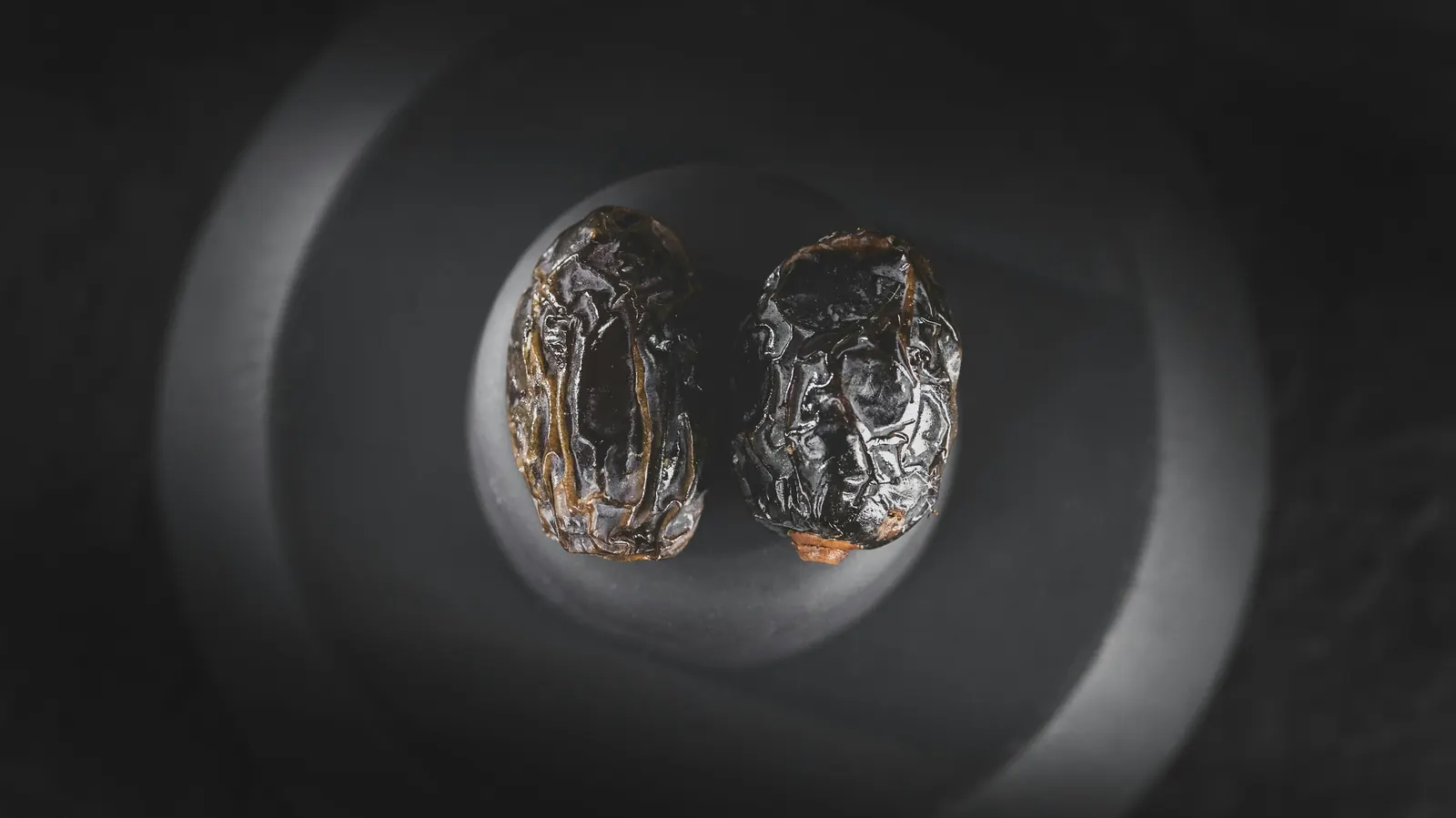
Chipotle is not a variety of pepper. It is a jalapeño that was left on the plant to ripen red, then dried over smoke for several days.
Everything distinctive about it happens after harvest, which is unusual among chiles.
The short answer
A chipotle is a smoke-dried ripe jalapeño. Drying concentrates the flavor and the smoking adds the deep, woody note it is known for. Heat is moderate — the same 2,500 to 8,000 Scoville range as a fresh jalapeño — but the smoke makes it read as milder. Most kitchens buy them canned in adobo, a tangy tomato and vinegar sauce.
How it is made
Jalapeños destined to become chipotles are left on the plant well past the green stage, until they turn deep red and start to lose moisture naturally. Green jalapeños will not work; there is not enough sugar or flesh.
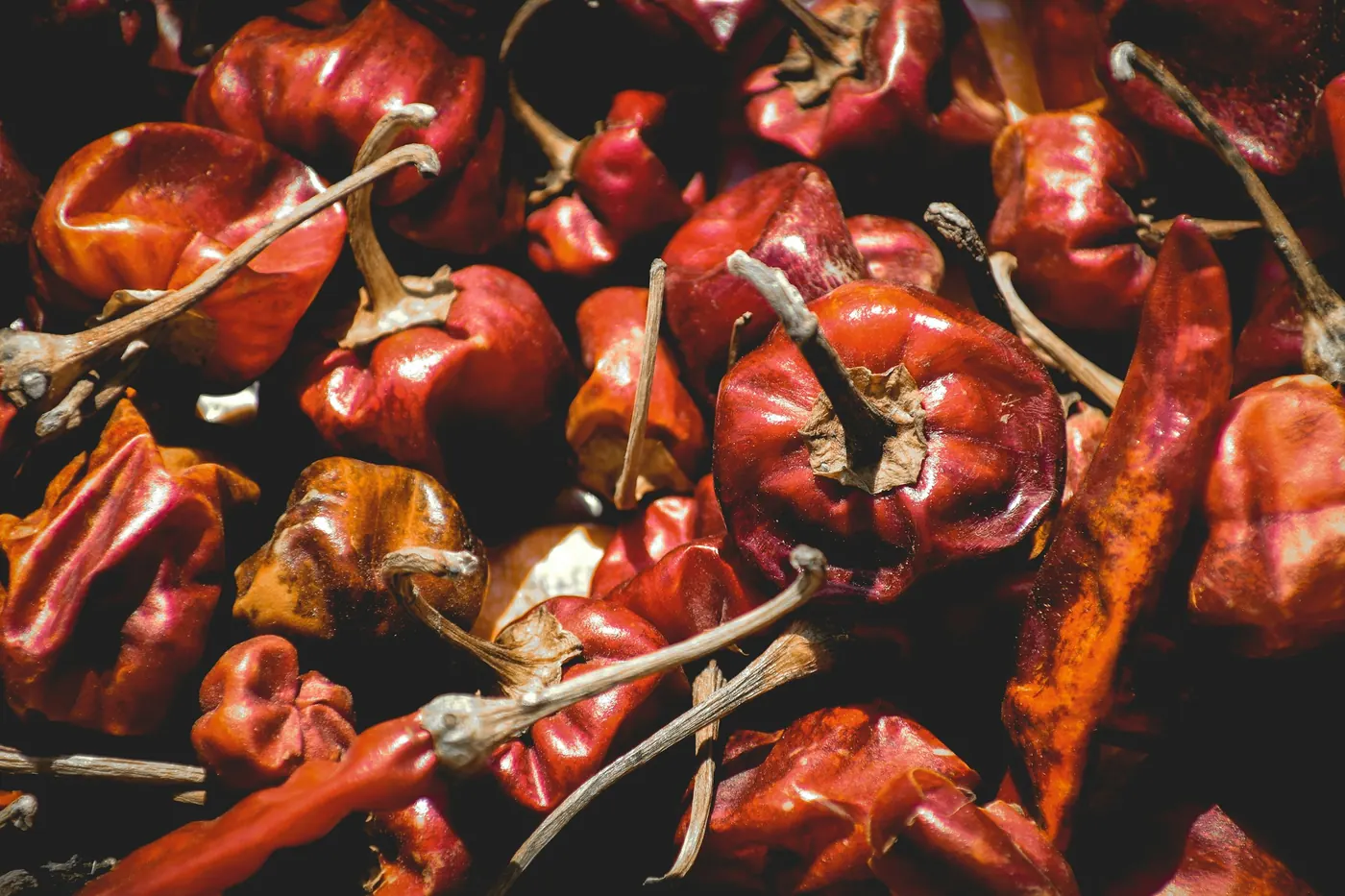
The red peppers then go into a closed smoking chamber over wood, traditionally in northern and central Mexico, for several days. They come out shrunken, leathery and dark, having lost most of their weight in water.
Two named types exist. Morita is smaller, purplish-black, smoked for less time, and slightly fruitier. Meco is tan-gray, smoked longer, tougher, and more intensely smoky. Morita is what most American kitchens encounter.
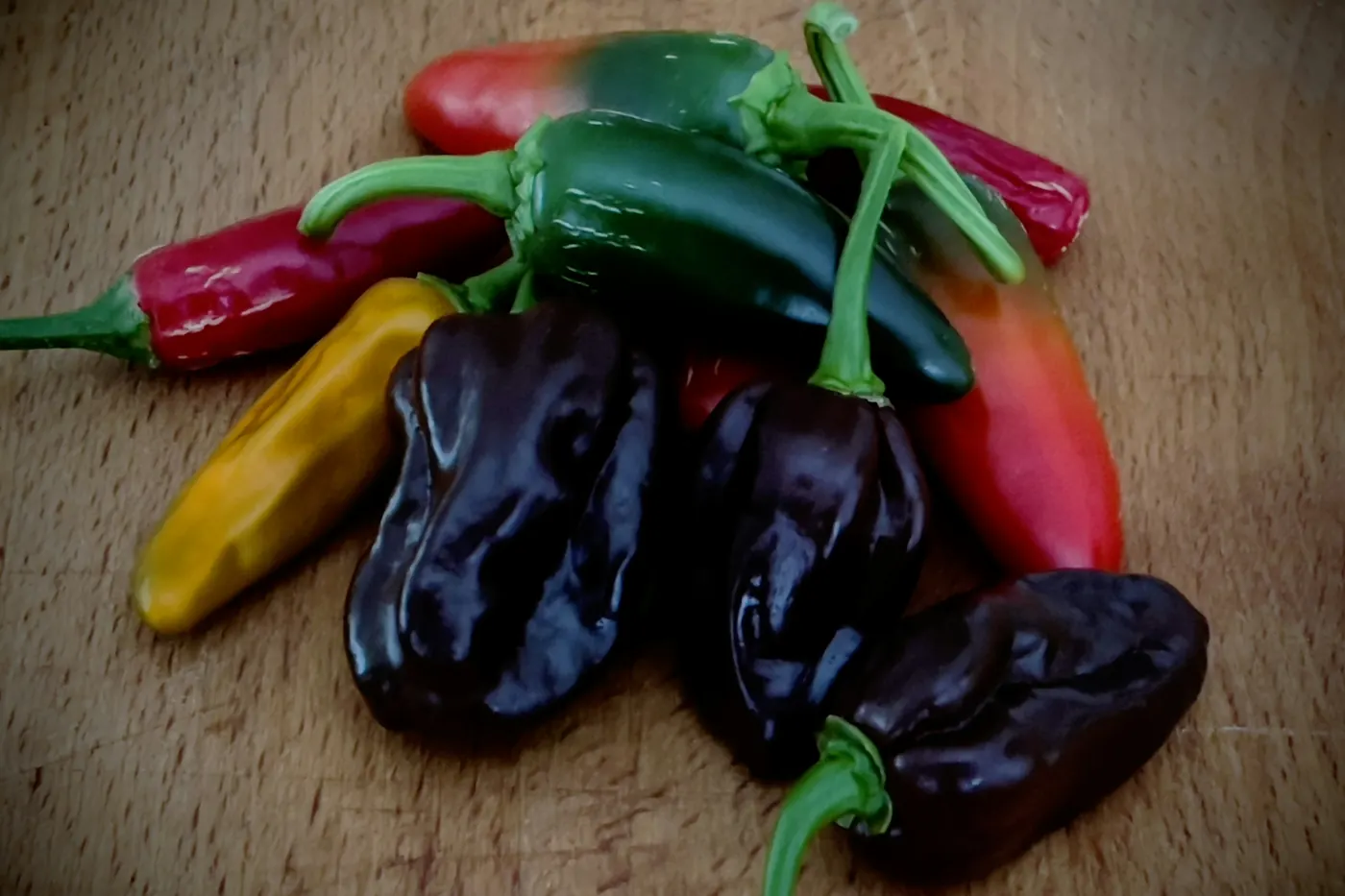
Why the smoke matters
Drying alone concentrates flavor. Smoking adds something that is not in the pepper at all.
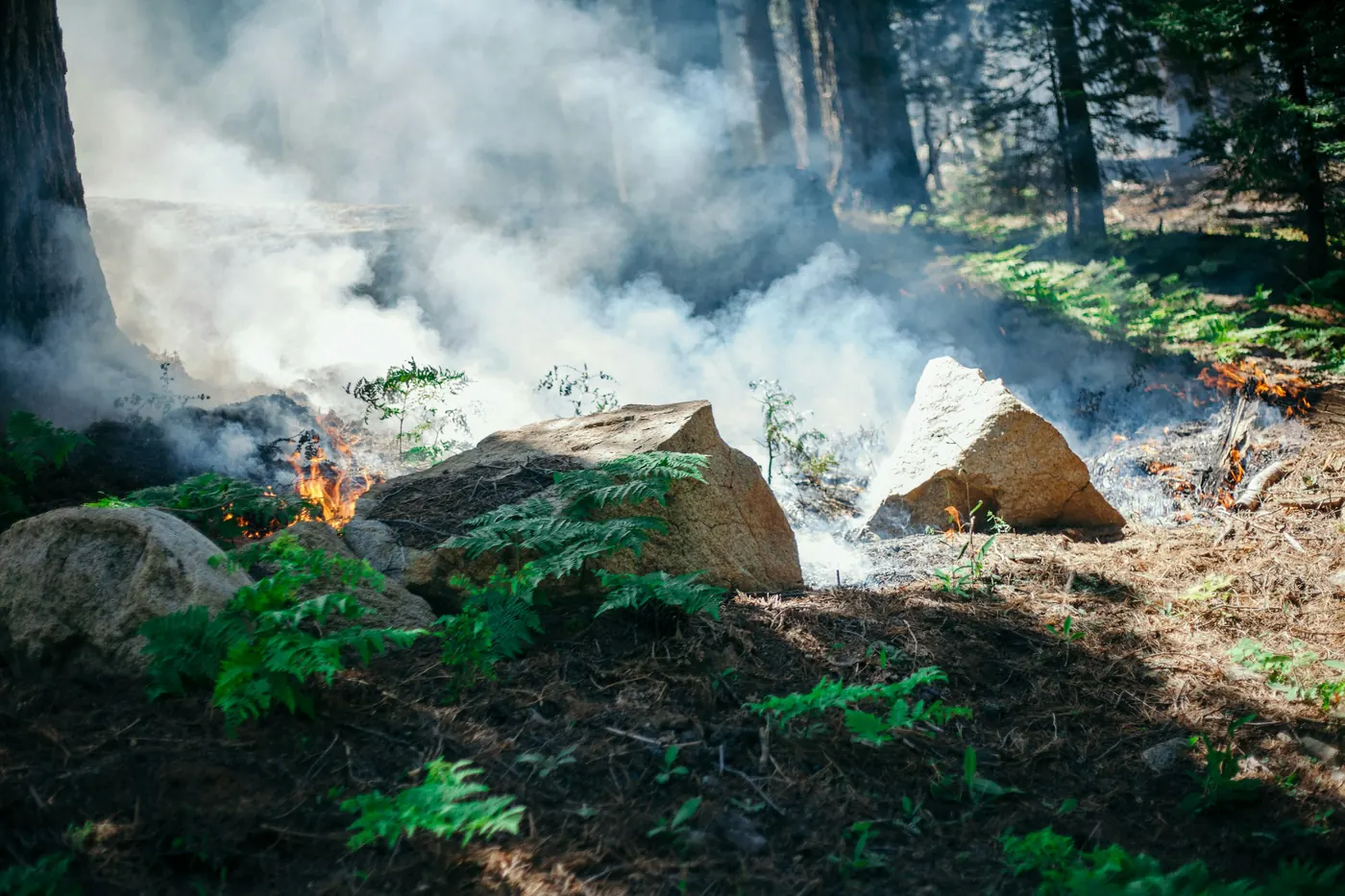
The wood smoke deposits phenolic compounds on the surface and into the flesh over several days, which is the same principle behind smoked meat and smoked whiskey. That is why a chipotle tastes of woodsmoke rather than just of intensified jalapeño.
It also changes how the heat registers. The smoke and the residual sweetness arrive first, and the burn comes behind them, which makes a chipotle feel gentler than a fresh jalapeño at the same Scoville rating.
Chipotles in adobo
The form most kitchens actually use, and worth understanding separately.
PepperScale’s explainer on chipotles in adobo describes the sauce as a tangy base of tomato, vinegar, garlic and spices, with the rehydrated chipotles canned in it.
Two things happen in the can. The peppers rehydrate and soften, so they can be chopped or blended straight in. And the sauce dilutes the heat slightly while adding acidity and sweetness of its own.
That is why “chipotle in adobo” on a menu is a different proposition from a dried chipotle: milder, tangier, and already carrying a tomato note.
Where it sits among the chiles
| Chile | Scoville | Tastes like |
|---|---|---|
| Poblano | 1,000–1,500 | Green, vegetal, mild |
| Ancho (dried poblano) | 1,000–2,000 | Raisin, prune, tobacco |
| Jalapeño | 2,500–8,000 | Bright, grassy, sharp |
| Chipotle | 2,500–8,000 | Smoke, wood, faint sweetness |
| Serrano | 10,000–25,000 | Clean, immediate heat |
| Habanero | 100,000–350,000 | Floral, tropical, fierce |
The row worth noticing is that chipotle and jalapeño share a heat range, a point our chile guide returns to. People consistently assume chipotle is hotter because it is darker and more intense in flavor. It is not.
Where the name comes from
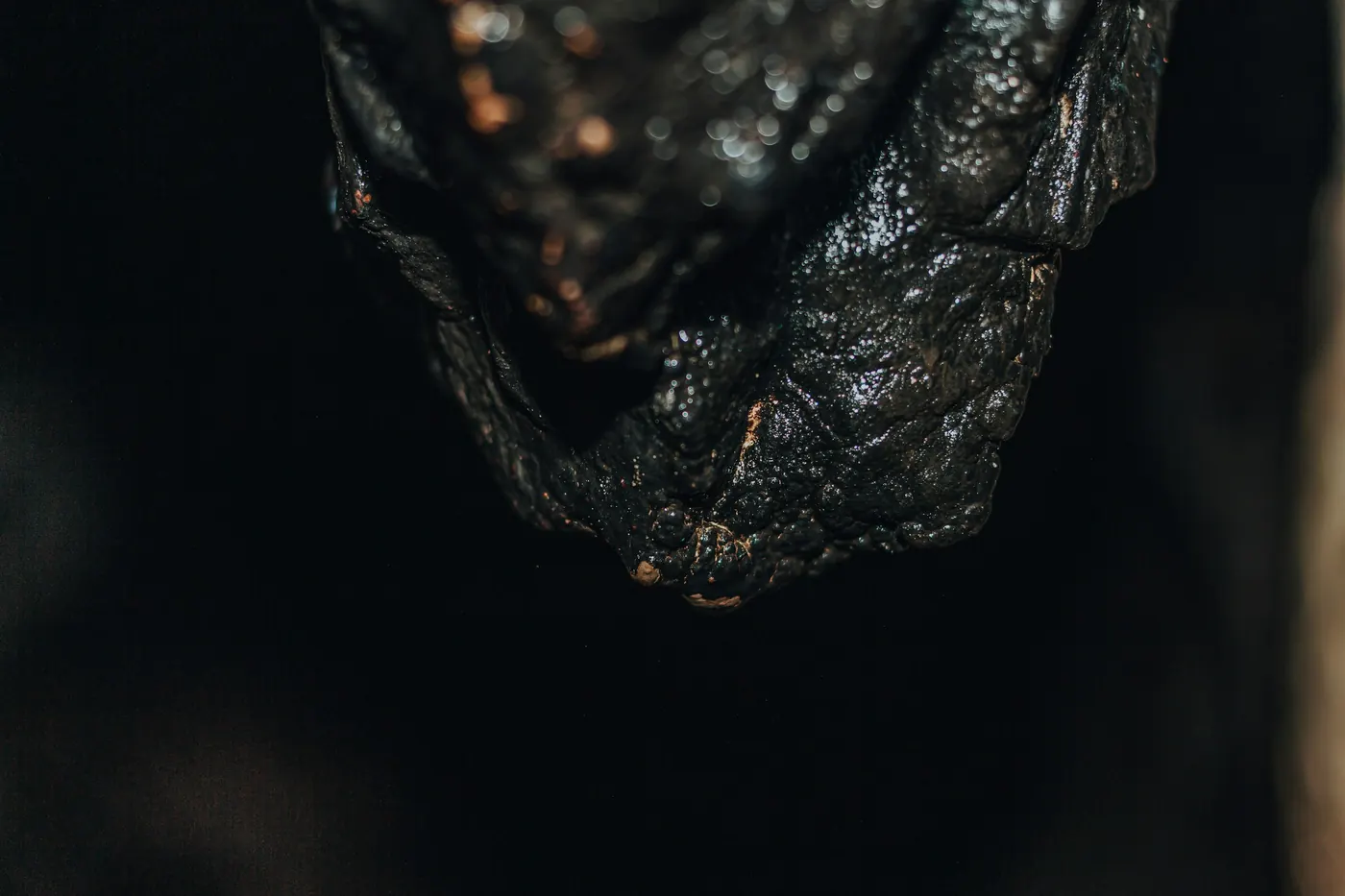
Chipotle is a Nahuatl word, and it is descriptive rather than decorative. It comes from chilpoctli — chilli for the pepper and poctli for smoke. Smoked chile, in two syllables.
That the name survived into Spanish and then into English tells you the technique predates the Spanish arrival. Smoke-drying was a preservation method before it was a flavor choice: jalapeños have thick, wet walls that rot before they air-dry, so the smoke chamber was the only way to keep them.
The flavor was a byproduct that turned out to be the point, which is roughly the story of most preserved foods. Our menu glossary covers the other Nahuatl words that made the same journey.
Using a tin without wasting it
A can of chipotles in adobo holds far more than one dish needs, and most of it ends up thrown out.
The usual fix is to blend the whole tin, peppers and sauce together, into a smooth paste and freeze it in a flat bag. Break off what you need. It keeps for months and it is easier to measure than a whole soft pepper.
The sauce is worth as much as the peppers, and it is the milder half. A spoonful of adobo with no chile in it will give a dish the smoke and the tang without much heat at all.
Dried whole chipotles are the other option, and they behave differently. They need soaking in hot water for half an hour before use, and they carry no tomato or vinegar with them, so the smoke arrives unaccompanied. That suits a dry rub or a long braise better than a quick sauce.
What it does to a dish
Chipotle is a finishing flavor rather than a base one, and it is used sparingly for a reason.
Smoke dominates. A single chipotle will carry a whole pan of sauce, and two will make everything taste of smoke and nothing else. That is the most common mistake in home cooking with it.
It pairs particularly well with anything sweet or creamy — the smoke needs something to push against. Cream sauces, tomato, honey and chocolate all work; delicate seafood usually does not, unless the sauce is rich enough to carry it.
On Julia’s menu
Chipotle appears in four places on Julia’s menu, and each time it is a sauce or a marinade rather than a whole chile.
The camarones chipotle are pan-seared shrimp with garlic and mushrooms, braised in a roasted tomato-chipotle sauce. Tomato and smoke is the classic pairing, and the shrimp is rich enough to carry it. It is also one of the family packs.
The enchiladas de camarón come under a creamy chipotle sauce, and the empanadas are offered with either a jalapeño or a creamy chipotle sauce for dipping. Cream is the other reliable partner — dairy rounds the smoke off and stops it dominating.
The fourth is a fajita option, al chipotle: marinated, smothered in Oaxaca cheese, and topped with a tomato-habanero salsa. That last part is worth reading carefully, because the habanero rather than the chipotle is what makes it the warmest of the four. If you are reading the menu for heat, habanero is the word to watch, as our guide to mild dishes sets out.
Frequently asked questions
What is a chipotle pepper?
A jalapeño that has been left to ripen red, then dried over wood smoke for several days. It is a preparation, not a separate variety.
Is chipotle hotter than jalapeño?
No. Both sit in the same 2,500 to 8,000 Scoville range. Chipotle tastes more intense because of the smoke, not because it is hotter.
What is adobo sauce?
A tangy sauce of tomato, vinegar, garlic and spices that rehydrated chipotles are canned in. It softens the peppers and adds acidity.
What is the difference between morita and meco?
Smoking time. Morita is smaller, darker purple and fruitier; meco is tan, smoked longer, and more intensely smoky. Morita is more widely sold.
Can you substitute chipotle for jalapeño?
Not really. The heat is comparable but the smoke is not, and it will change the character of the dish substantially.
The short version
A ripe jalapeño, smoked and dried. Same heat, completely different flavor, and best used sparingly against something sweet or creamy.
Julia’s uses it in three sauces on the menu, all of them mild.