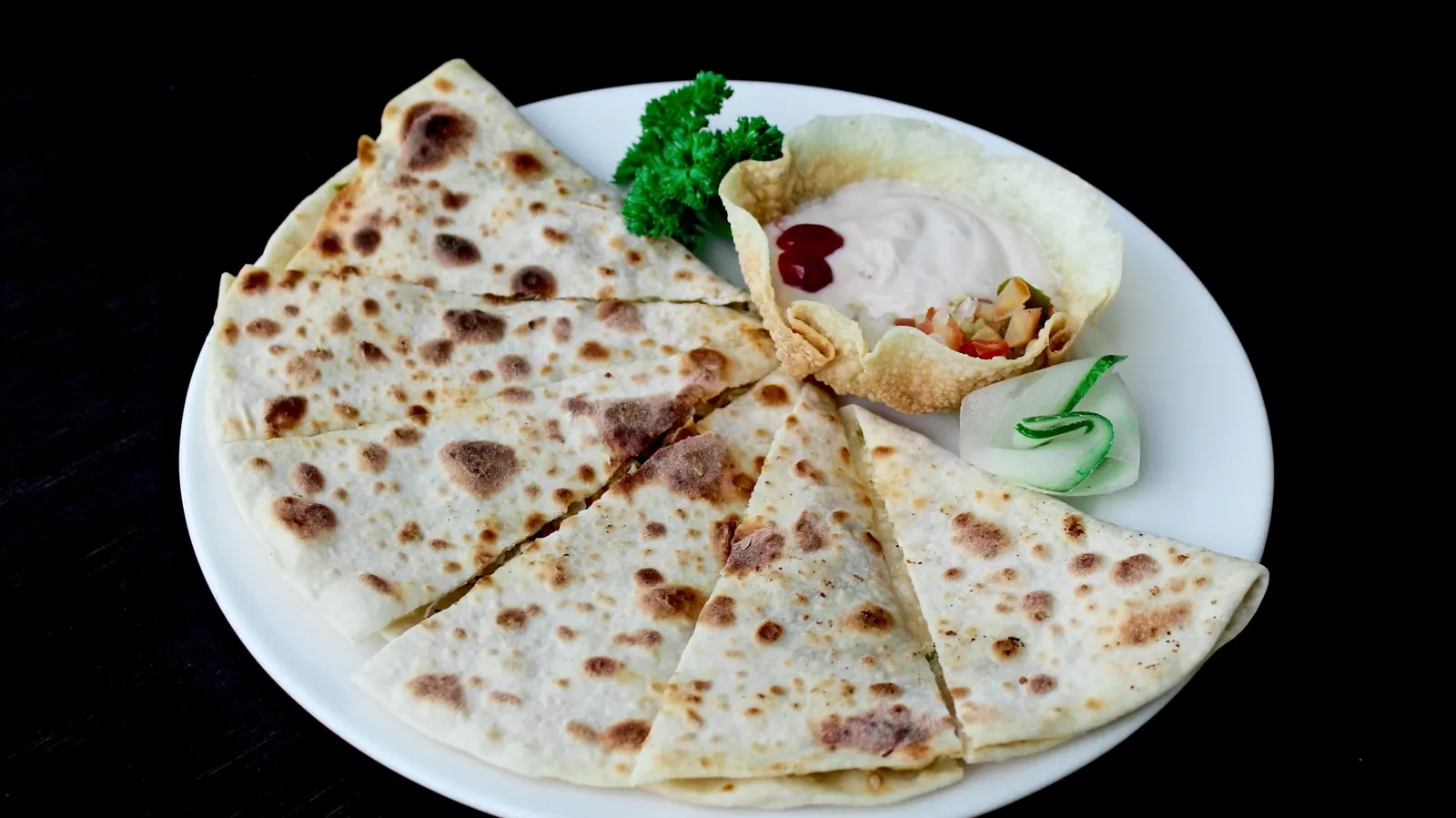
“I like Mexican food, I just can’t handle spice” is one of the most common things servers hear, and it is based on a misunderstanding. Most of a Mexican menu is not hot at all.
The heat lives in specific places, and once you know where, you can order confidently without asking the kitchen to change anything.
The short answer
Order quesadillas, cheese enchiladas under a cream or tomatillo sauce, grilled chicken, tamales, or anything described as suiza. Avoid the words habanero, chipotle, serrano and jalapeño in a dish description. Chile is used for flavor far more often than for heat, and most of the menu is mild by default.
Why Mexican food is not automatically hot
Chiles do two different jobs, and only one of them is heat.
The compound responsible is capsaicin. Houston Methodist, writing about the health profile of Hatch chiles, describes capsaicin as the compound that gives chiles their heat and the burning sensation you feel while eating them. How much of it a chile carries varies enormously from one variety to another.
Drying changes things again. Guajillo, ancho and pasilla chiles — the backbone of red sauces, moles and braises — are used for their fruity, earthy depth, not their heat. A dish can be built almost entirely on chiles and still be mild.
The words that actually signal heat
Rather than avoiding whole dishes, learn to read the description. A handful of words do nearly all the warning.
| If you see… | Expect | Order it? |
|---|---|---|
| Habanero | Genuinely hot — the hottest thing on most Mexican menus | Avoid if heat is a problem |
| Serrano | Sharp, clean heat, noticeably present | Approach with care |
| Chipotle | Smoky with real warmth, milder in a cream sauce | Borderline |
| Jalapeño | Moderate, and often removable if it is a topping | Usually fine — ask |
| Poblano | Mild and vegetal, more flavor than heat | Safe |
| Guajillo / ancho | Dried, earthy, barely hot | Safe |
| Tomatillo / suiza | Tart or creamy, not hot | Safe |
| Mole | Rich, dark and complex, not hot | Safe |
Two of those surprise people. Mole reads as intimidating and is not; chipotle reads as mild because it is smoky, and is not.
The reliably mild orders
If you would rather not decode anything, these are safe on almost any Mexican menu.
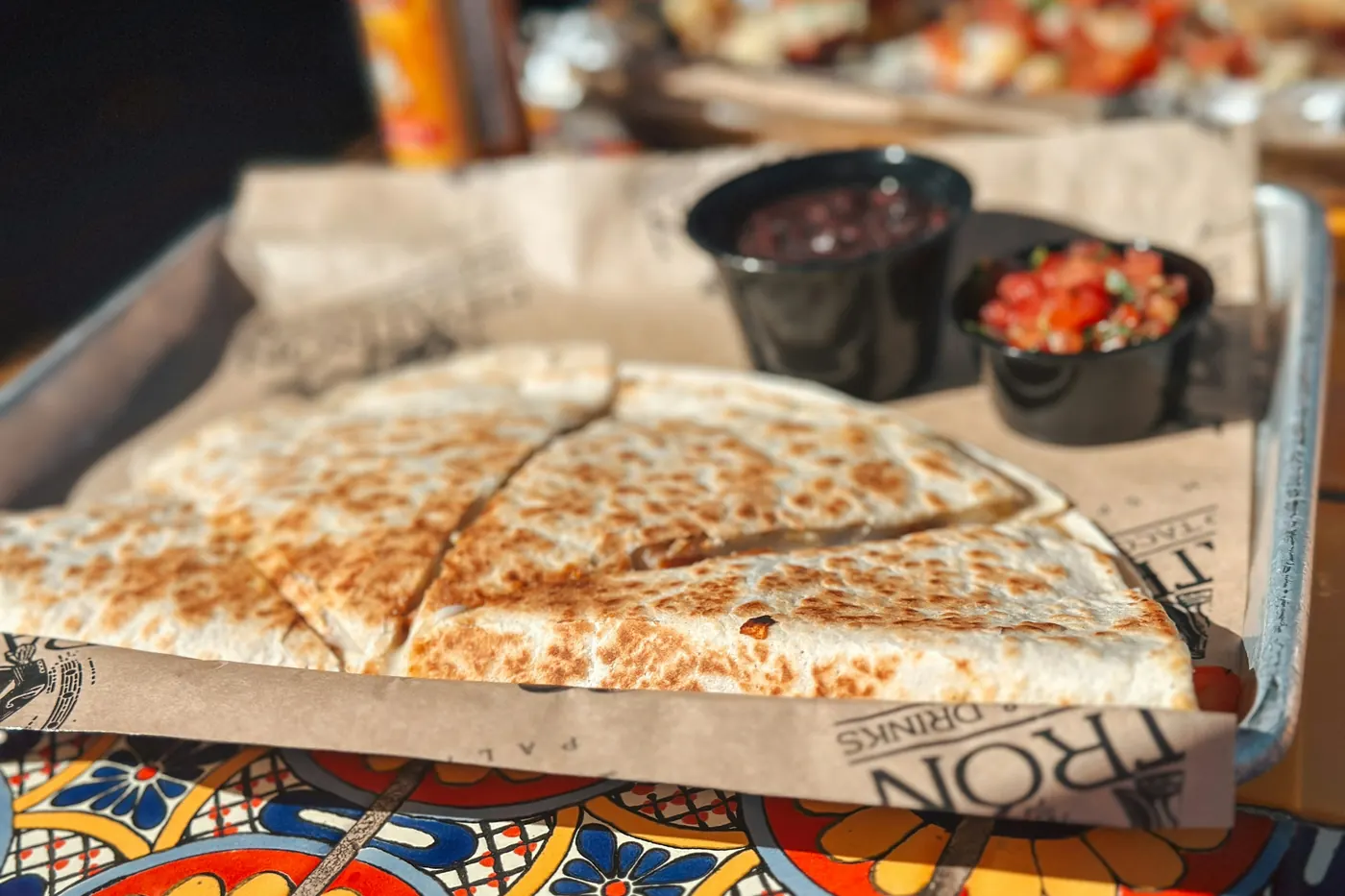
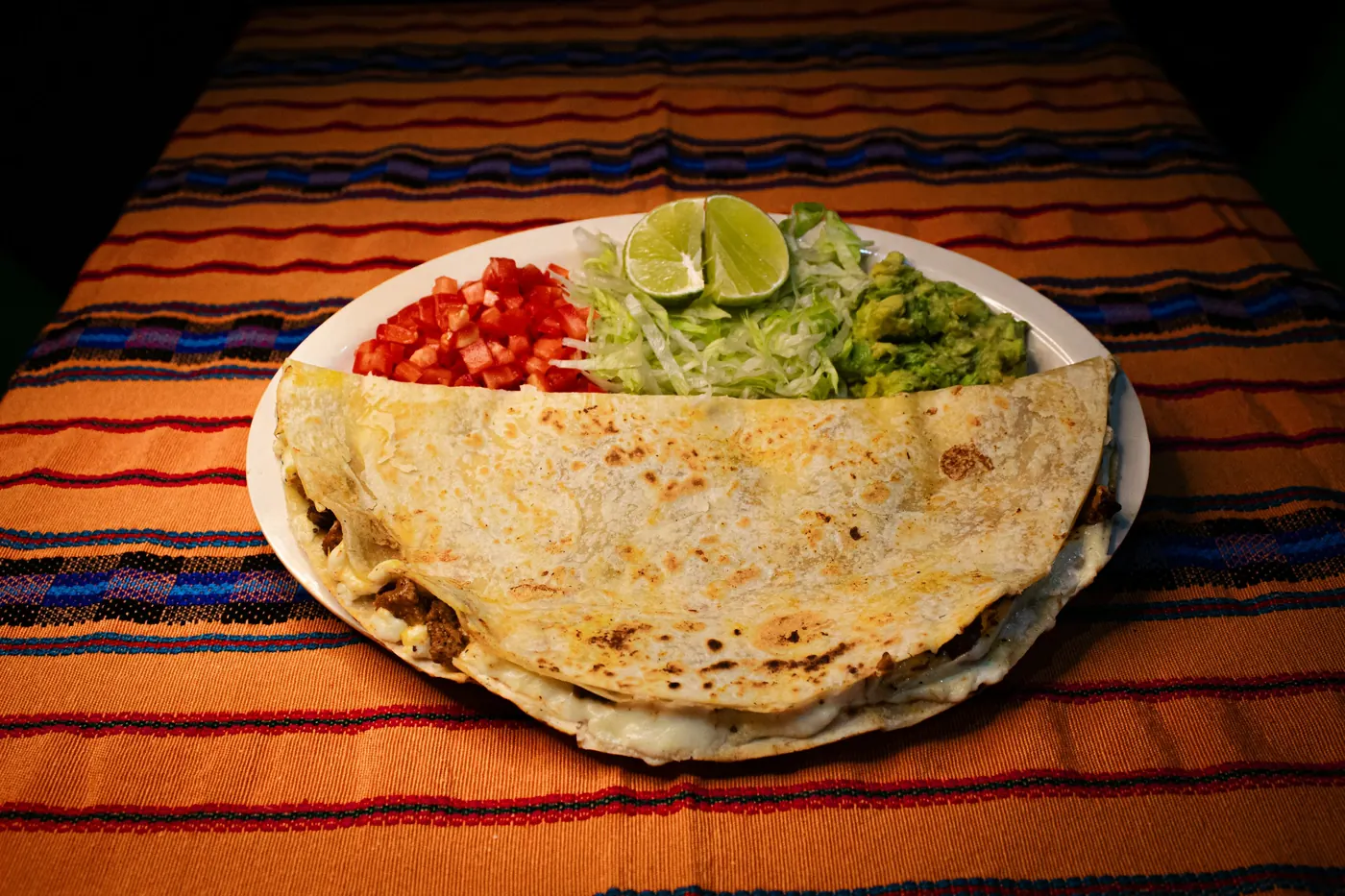
- Quesadillas. Cheese folded into a tortilla. Nothing in the base dish is hot.
- Cheese enchiladas under a cream or tomatillo sauce. Look for the word suiza.
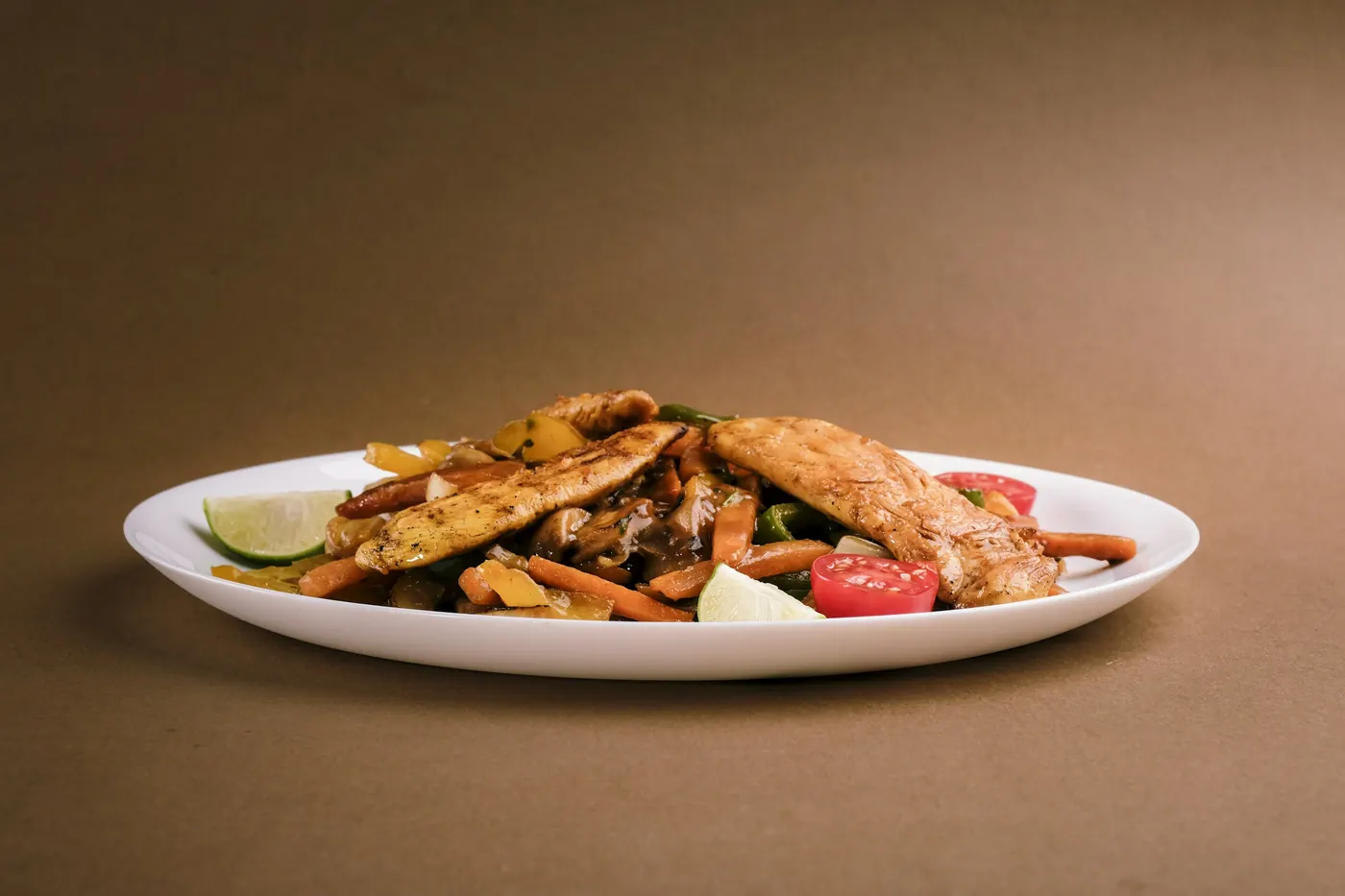
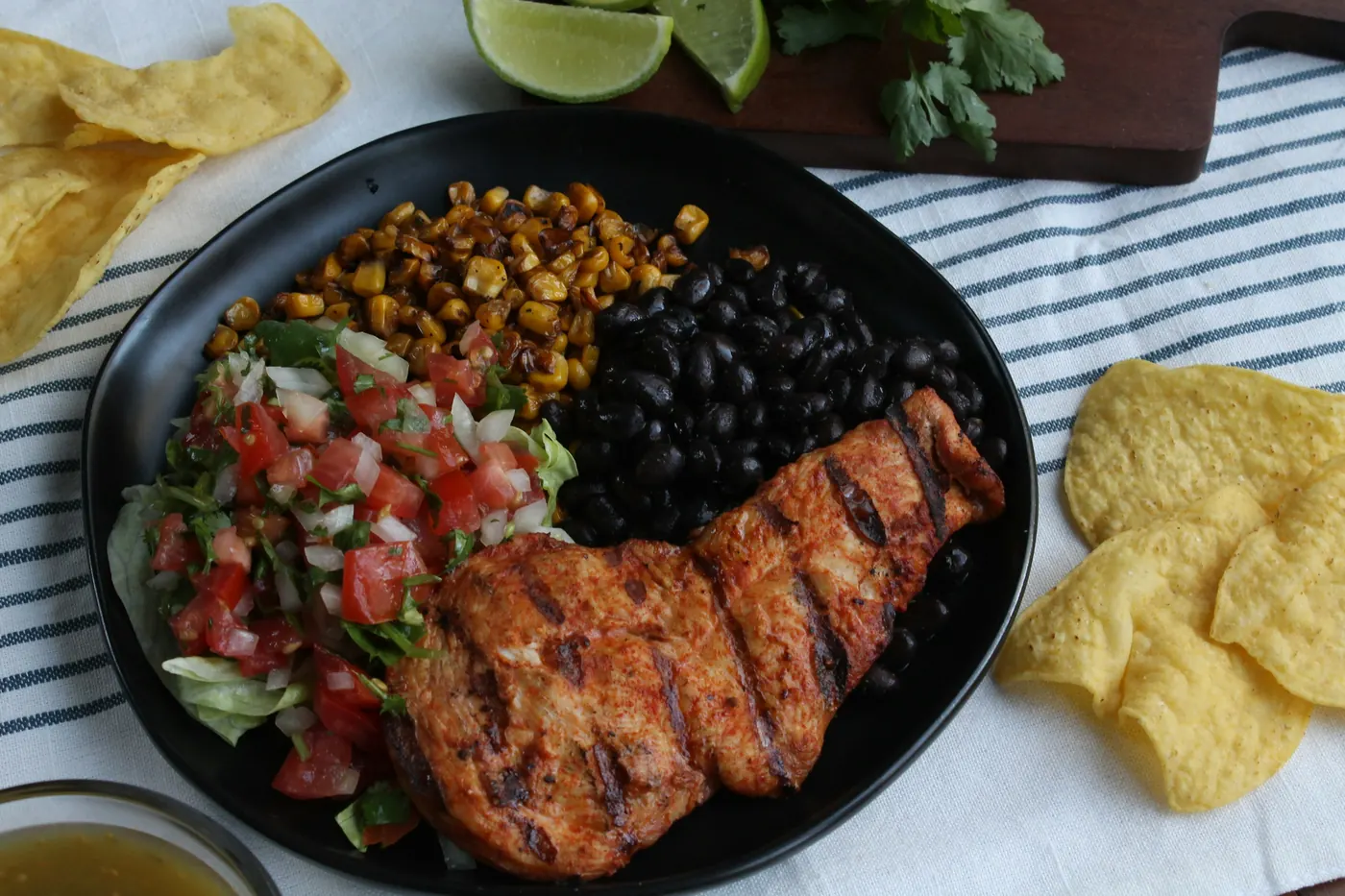
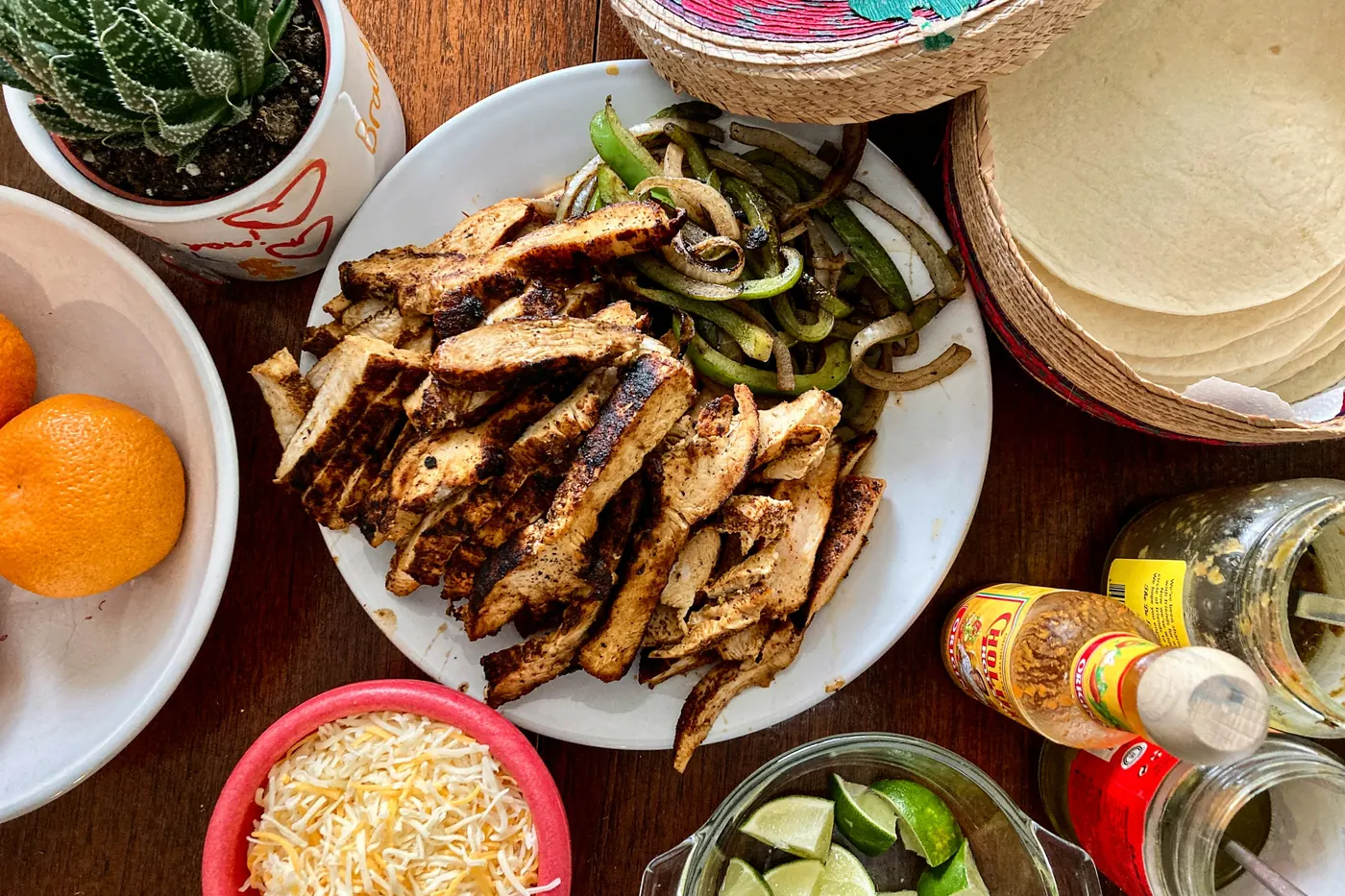
- Grilled chicken or steak. Seasoned and charred rather than chile-spiced.
- Tamales. Masa and slow-cooked meat, mild by construction.
- Chicken soup. Usually just chicken, potato, carrot and corn.
- Guacamole, rice, refried beans. All naturally mild.
Two things worth asking about
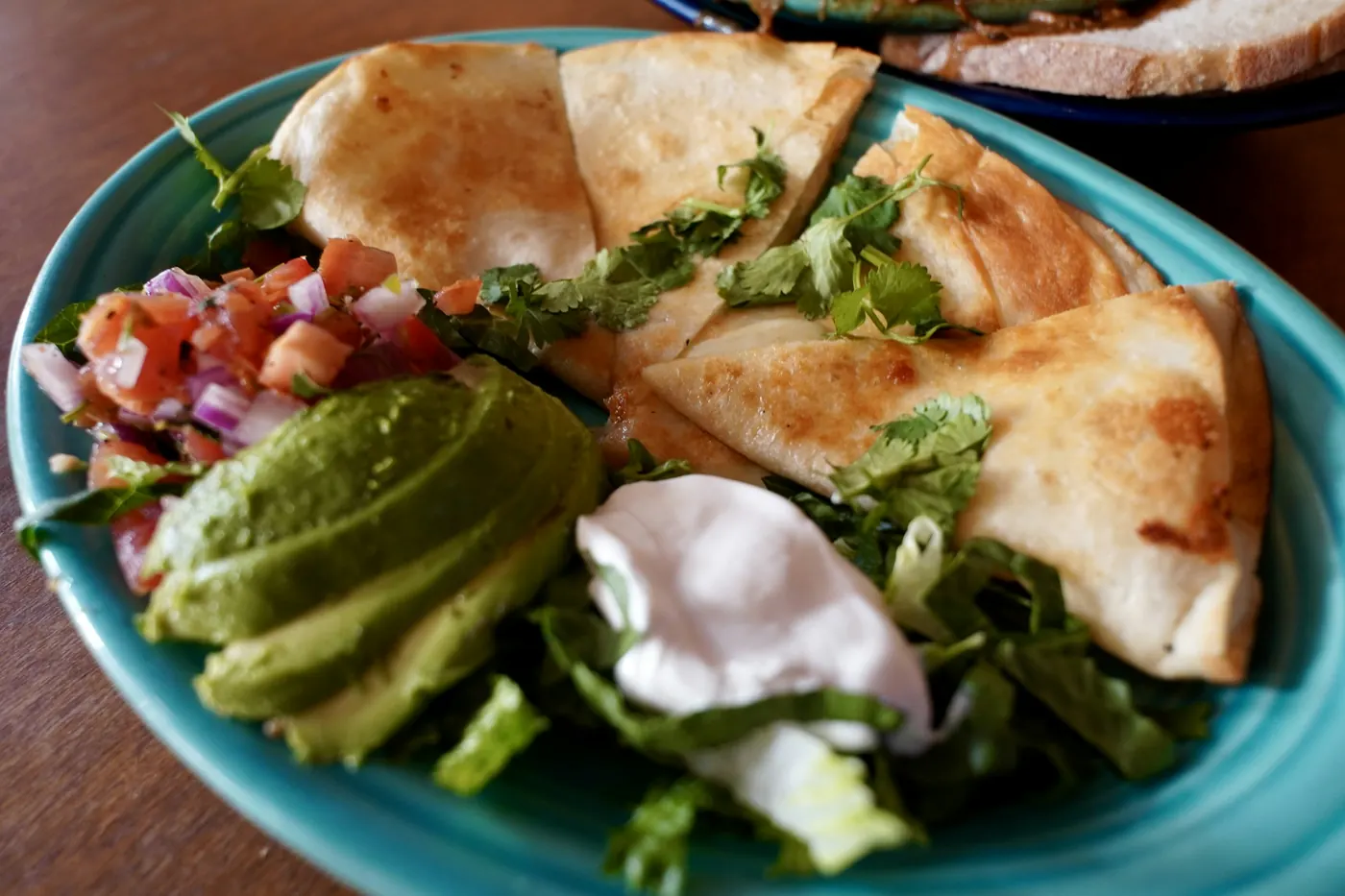
Even mild dishes come with salsa, and salsa is where the heat usually hides. Ask which of the salsas on the table is the milder one before you start dipping — most kitchens serve two, and they are rarely labeled.
The second is that heat varies by kitchen, not just by dish. One restaurant’s tomatillo sauce is gentle; another’s has serrano blended in. The description on the menu is a good guide, but the server is a better one, and it is an entirely normal question to ask.
If something is too hot
Water makes it worse. Capsaicin does not dissolve in water, so drinking a glass mostly spreads it around.
Dairy and fat work better, which is why sour cream, cheese, avocado and horchata all appear alongside spicy food in Mexican cooking rather than by coincidence. Rice, beans and a plain tortilla help too, by giving the capsaicin something else to cling to.
How this reads on Julia’s menu
Julia’s menu is a useful example because it labels its chiles rather than hiding them.
On the mild side, the quesadillas are built on Oaxaca cheese in a homemade flour tortilla, and the chile con queso uses rajas — strips of roasted poblano — which add flavor rather than heat. The caldo de pollo is chicken, potato, carrot and corn.
Among the enchiladas, the suizas come under a creamy tomatillo sauce and the spinach enchiladas under a cream poblano. Both are gentle. The enchiladas de mole are rich rather than hot.
The dishes to think twice about are the ones that name a hot chile outright: anything finished with a roasted tomato-habanero sauce, and the sopes, which come with a creamy jalapeño sauce. That is not a warning so much as a label doing its job.
Building a whole meal that stays mild
It is easy to pick one safe main and then get caught out by something else on the table. A full mild order looks roughly like this.
To start: guacamole, or a cheese dip made with roasted poblano rather than jalapeño. Both are mild, and both give you something to eat while the salsas sit untouched.
Main: a quesadilla, cheese enchiladas under a cream or tomatillo sauce, or grilled chicken with rice and beans. Any of the three is safe without modification.
Alongside: Mexican rice, refried beans and warm tortillas. All neutral, and all useful if something else turns out hotter than expected.
To finish: flan or tres leches. Both are dairy-heavy, which is exactly what you want after a meal with any chile in it at all.
Ordering for children
Children usually do fine at a Mexican restaurant, because the mildest dishes are also the most familiar ones.
A cheese quesadilla is the obvious order — it is essentially a toasted cheese sandwich in a tortilla. Plain rice and beans, a side of guacamole, or a plain grilled chicken plate all work too.
The things to watch are the toppings rather than the dishes: pickled jalapeños on nachos, a chile-based sauce poured over enchiladas, or a salsa that arrives at the table by default. Ask for those on the side and most of the menu opens up.
Frequently asked questions
Is all Mexican food spicy?
No. Most of a standard Mexican or Tex-Mex menu is mild. Chiles are used for depth and color far more often than for heat, and the genuinely hot items are usually named as such in the description.
What is the mildest thing on a Mexican menu?
A cheese quesadilla, closely followed by cheese enchiladas under a cream sauce. Both are essentially cheese and tortilla, with nothing hot in the base dish.
Is mole spicy?
No. Mole is dark, rich and slightly bitter, built from dried chiles, nuts, seeds and spices. It reads as intense but it is not hot. It is one of the most misjudged dishes on any menu.
Can the kitchen make a dish milder?
Sometimes. Toppings like sliced jalapeño can be left off, and salsa can be served on the side. A sauce that is built on a hot chile cannot be changed, because the heat is cooked into it. Ask which category your dish falls into.
What should I drink with spicy food?
Something with dairy or sugar in it rather than water. Horchata is the traditional choice and works well, and our guide to Mexican drink pairings covers the rest. Plain water moves capsaicin around instead of removing it.
The short version
Read the chile names, not the cuisine. Habanero and serrano mean heat; poblano, guajillo, tomatillo and mole do not. Ask which salsa is milder, and keep something dairy nearby.
The full food menu names the chile in almost every description, which makes it straightforward to scan. If you want the sauce side explained first, our guide to enchilada sauces ranks them by heat.